Logo Futurismo
Day Tours
Travel Agency
About Us
The Azores
Blog
Gift Shop
Futurismo Azores Adventures - Search
en
  • FR
  • DE
  • IT
  • PT
  • ES
Islands
  • São Miguel island Arrow Right
  • Pico island Arrow Right
Land
Jeep tours
Bike tours
Hiking tours
Van tours
Water
Whale Watching
Kayaking & SUP
Canyoning
Coasteering
Best Sellers
  • Whale Watching in Ponta Delgada
  • Whale Watching in Rabo de Peixe
  • Van Tour to Furnas
  • Jeep Tour Sete Cidades & Lagoa do Fogo
  • Kayak Rental in Sete Cidades (double)
  • Bike Rental in Sete Cidades
Land
Hiking tours
Van tours
Water
Whale Watching
Best Sellers
  • Whale Watching in Lajes do Pico
  • Pico Island Van Tour
  • Hiking Unesco Heritage
Contacts Why Futurismo
Our DMC
  • Contact Forms Arrow Right
Contact Forms
I'm a Traveler
I'm a Travel Agency
Your Journey Awaits

Welcome to Futurismo Azores Adventures Travel Agency, an avant-garde and innovative travel agency in the stunning Azorean archipelago

know more
Our Projects Why Futurismo
About Us
  • The Brand Arrow Right
  • Our Fundamentals Arrow Right
  • Our Projects Arrow Right
  • Our Commitments Arrow Right
  • Our Policies Arrow Right
  • Honors & Alliances Arrow Right
  • Collab with Us Arrow Right
  • Contacts
The Brand
Our Fleet
Who We Are
- Our Motto
- The Guardians
Our Story
Why Futurismo
Mission & Vision
Our Purpose
Our Values
Categories
All Projects
- People
- Planet
- Wildlife
United Nations Global Goals
Protecting Azores through projects

We generate awareness and protection through passionate and meaningful projects

see projects
Our Commitments
Ceased Swimming with Dolphins
Mindful & Transformational Travel
Responsible Whale Watching
Responsible Travel
Hiking Conduct Code
Animal Welfare Policy
Environmental Policy
Sustainability Policy
Honors & Alliances
Associativism
Media Highlights
Awards
Certifications
Noteworthy Achievements in Travel Excellence

Global acclaim spotlights Futurismo Azores Adventures’ sustainable excellence, boosting tourism and community impact!

know more
B2B Partnerships
Content Creators
Media
Whale Watching Scientific Investigations
Contact Forms
  • Islands Arrow Right
  • Whale Watching Arrow Right
  • Cetacean Species Arrow Right
Islands
Corvo
Faial
Flores
Graciosa
Pico
Santa Maria
São Miguel
São Jorge
Terceira
The hidden paradise

With its deep green valleys, dramatic volcanic lakes, breathtaking waterfalls, and hypnotizing ocean rich in biodiversity, the Azores have all you can dream of for a memorable holiday.

search tours
About
Best Island
Best Season
Complete Guide
History
Preservation
Sighting Statistics
What to Wear
Why Futurismo
Educational Projects
Our Fleet
Our Story
Responsible Operator
Scientific Publications
The Marine Biologists
The Lookouts
WCA Certification
Why Futurismo
15 Years of Scientific Publications: Unveiling Azores' Aquatic Enigmas

Immerse yourself in pioneering Azorean whales & dolphins research and scientific discoveries

read more
Dolphins
Atlantic Spotted Dolphin
Bottlenose Dolphin
Common Dolphin
False Killer Whale
Orca / Killer Whale
Risso's Dolphin
Striped Dolphin
Whales
Blainville's Beaked Whale
Blue Whale
Bryde's Whale
Cuvier's Beaked Whale
Fin Whale
Humpback Whale
Minke Whale
Nothern Bottlenose Whale
Pilot Whale
Sei Whale
Sowerby's Beaked Whale
Sperm Whale
Resident & Migratory Species

Comprehensive fact sheets on Azorean cetacean species

read more
Our Projects Why Futurismo
Blog
  • Categories Arrow Right
Categories
All Articles
- People
- Planet
- Travel
- Wildlife
Copywriters & Guest-bloggers
Photographers
Our Projects Why Futurismo
Shop
  • Books Arrow Right
Books
O Canto dos Açores
O Canto dos Açores​

The end of whaling, a family saga among black basalt, loss and reconciliation – a unique love story in the Azores.

read more
Our Projects Why Futurismo
  • Tours & Activities
  • Blog & News
  • Scientific Publications
  • Tours & Activities
  • Blog & News
  • Scientific Publications

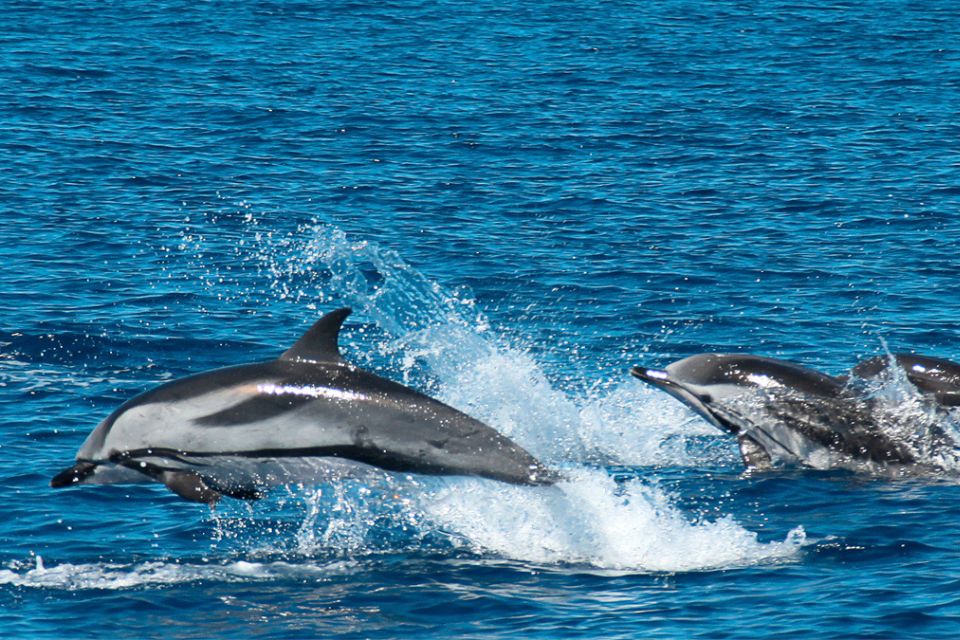
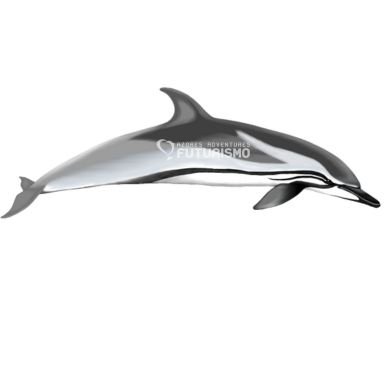
Striped Dolphin

Stenella coeruleoalba

Notable for their striking body patterns and acrobatic prowess.

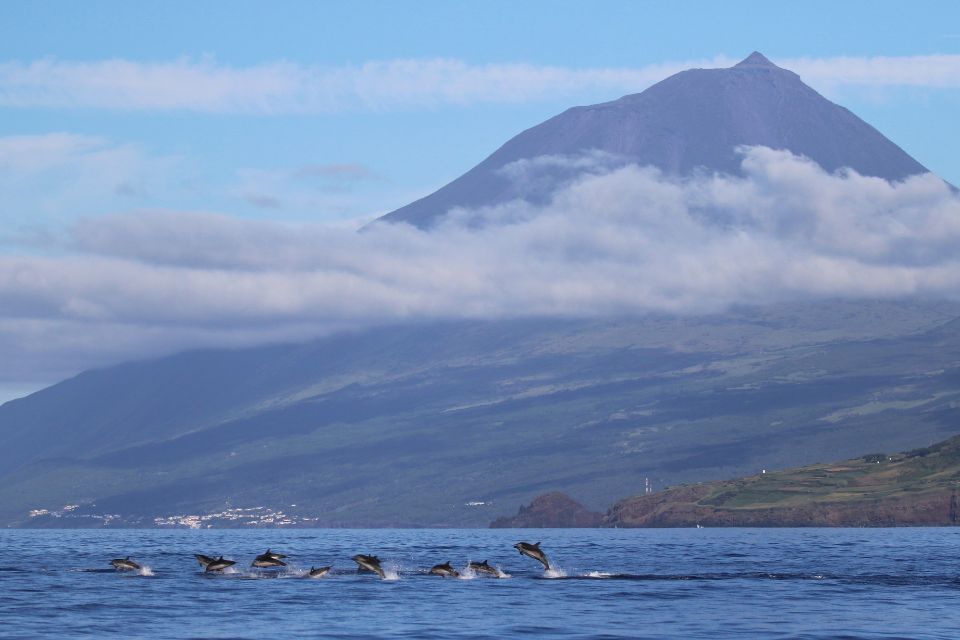
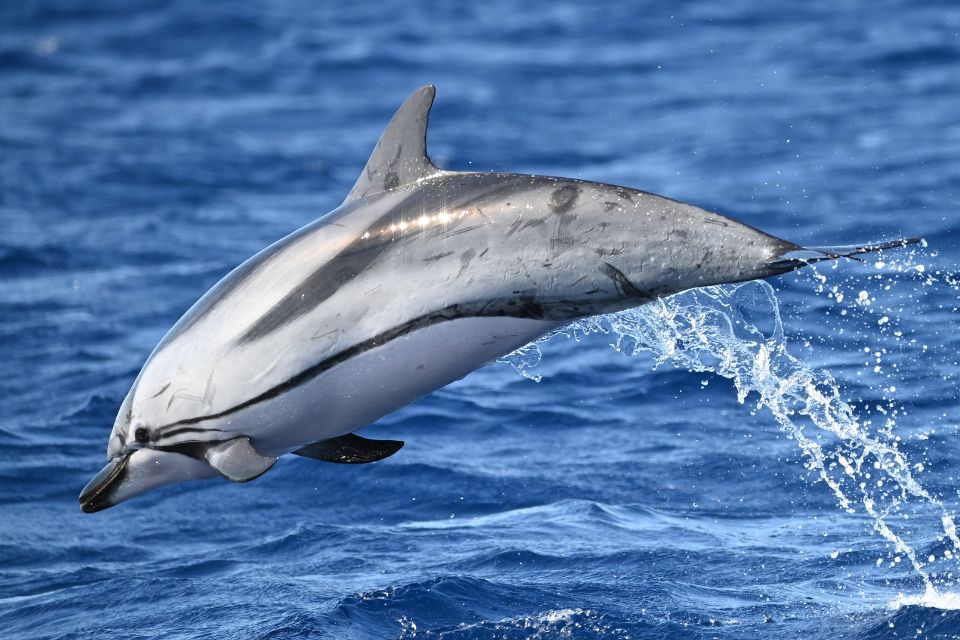
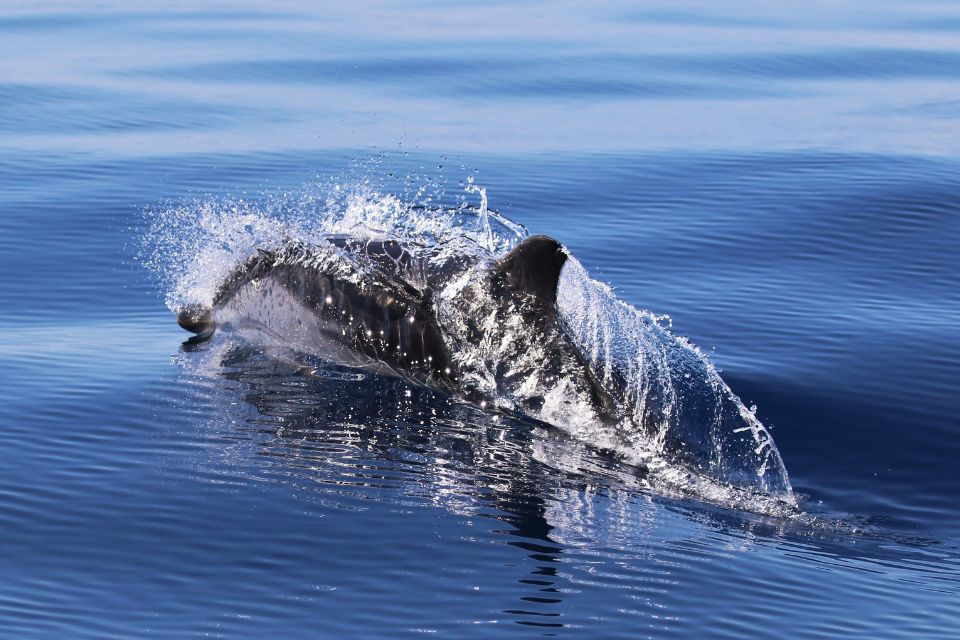
Striped Dolphins stand out with their distinct black and grey stripes decorating their sleek, streamlined bodies. Known for their speed and agility in the water, they often engage in acrobatic displays, including high jumps and spins. These dolphins exhibit a complex social structure, typically forming large groups that can occasionally number in the hundreds. While they are known for their energetic behavior, Striped Dolphins can be quite elusive around boats, often swiftly changing direction to maintain distance. This combination of physical and behavioral characteristics makes them a fascinating subject of study in marine biology, highlighting their adaptability and social cohesion within the vast oceans.

Quick facts

Length

Male: 2,6m

Female: 2,4m

Calf: 1m

Weight

Adults: 150 kg

Calves: 15 kg

Habits

Dive Time

<15 mins

Dive Depth

<700m

Reproduction

Reproduction

<50 years

Life Span:

12-13 mths

Gestation period:

IUCN RED LIST STATUS: Least Concern
Common and widespread, low vulnerability.
DD
LC
NT
VU
EN
CR
EW
EX

DATA DEFICIENT
EXTINCT

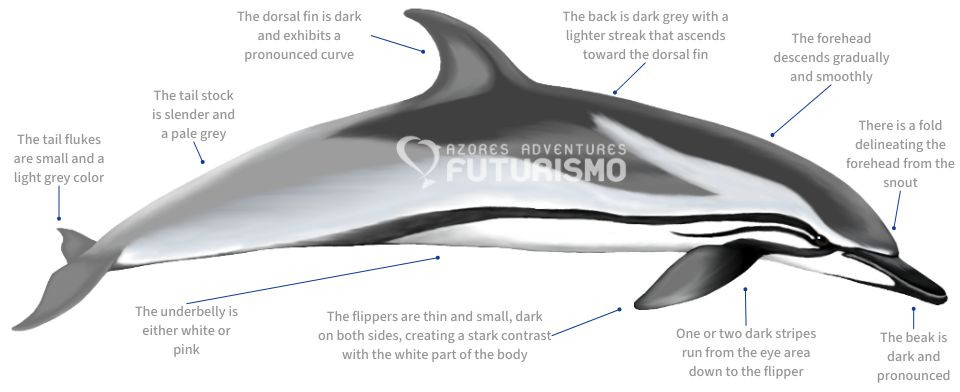
Physical characteristics

Striped Dolphin illustration with characteristics

Group Structure

Striped dolphins are known for their dynamic group structures, typically forming large, mixed groups that can range from hundreds to several thousand individuals. These groups may further subdivide into smaller pods, containing between 10 to 100 individuals, organizing themselves into three primary cohorts: juveniles, adults, and mixed groups consisting of females with calves. Approximately 1-2 years post-weaning, juveniles transition from the mixed groups to join juvenile-specific groups. Upon reaching sexual maturity, they then integrate into adult groups. This fluid social structure allows for varied social interactions and learning opportunities, crucial for the development and survival of individuals within the species.

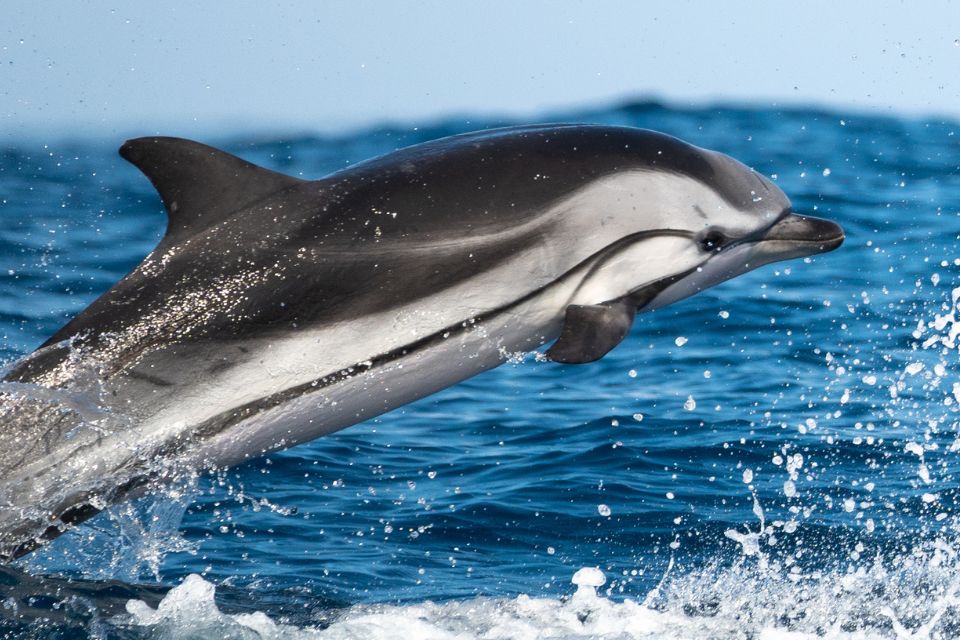
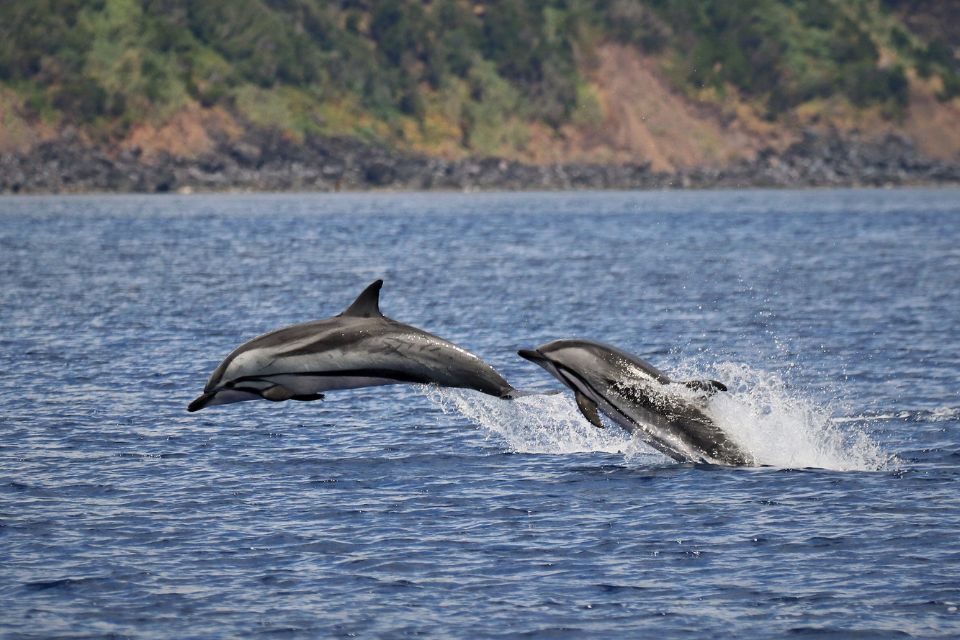
Striped Dolphin Photo Azores60
Striped Dolphin Photo Azores58
Striped Dolphin Photo Azores60
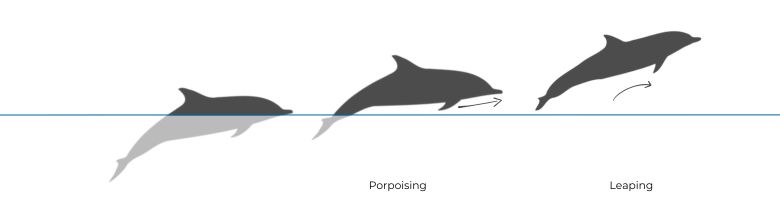
Striped Dolphin illustration dive sequence

Dive sequence

@Georgina Cabayol

Behavior & Feeding

Socializing +

Striped Dolphins are highly social animals, often seen in large, dynamic groups that can number in the hundreds or even thousands. These groups are characterized by high levels of interaction, including acrobatics, synchronized swimming, and vocal communication, facilitating strong social bonds and coordination during feeding and migration.

Resting +

While specific details on resting behaviors are not extensively documented, Striped Dolphins, like many cetaceans, likely engage in periods of rest that allow for alertness to predators and environmental changes. They may rest in smaller, more cohesive subgroups, maintaining social contact through gentle swimming movements and vocalizations.

Foraging & Diet +

Striped Dolphins exhibit sophisticated foraging techniques, notably the creation of “fish balls,” where they encircle and compact schools of fish into dense aggregations, making it easier to feed. This tactic showcases their intelligence and cooperative hunting strategy. Their diet predominantly consists of small schooling fish, cephalopods, and some crustaceans, reflecting their opportunistic feeding habits and adaptability to available prey resources in their environment.

Predators

Striped Dolphins face predation primarily from large marine predators such as sharks (notably the Great White and Tiger Sharks), orcas (killer whales), and there is also speculation about attacks from other cetaceans like the false killer whales and pygmy killer whales. These predators target Striped Dolphins due to their size and social behavior, often isolating younger or weaker individuals from the pod. This predation pressure plays a significant role in the natural selection and behavioral adaptations of Striped Dolphins, influencing their social structures and possibly their distribution and migration patterns to avoid areas with high predator densities.

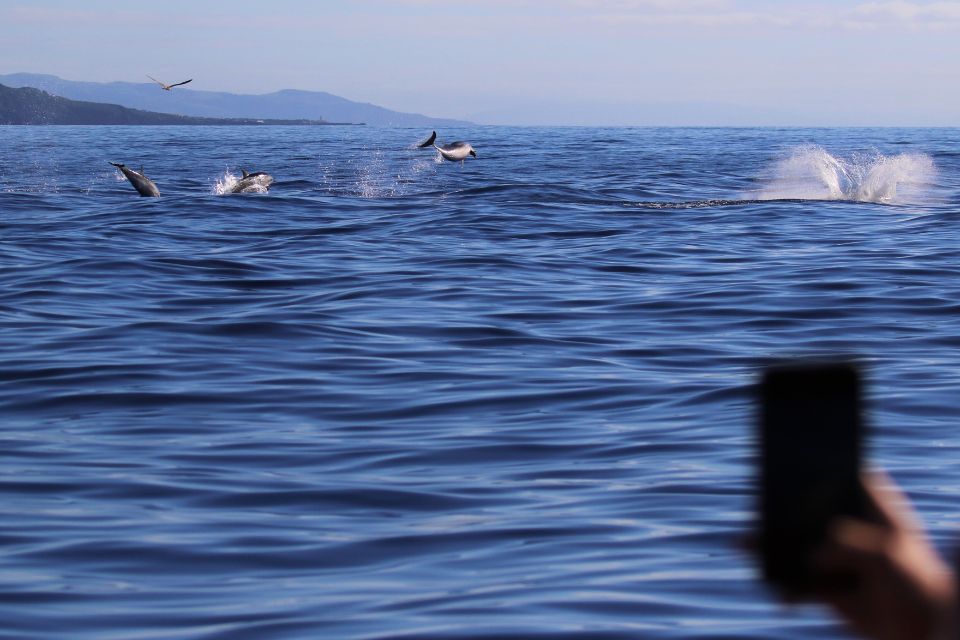
Striped Dolphin Photo Azores56
https://wwhandbook.iwc.int/en/species/striped-dolphin

Distribution & Movements

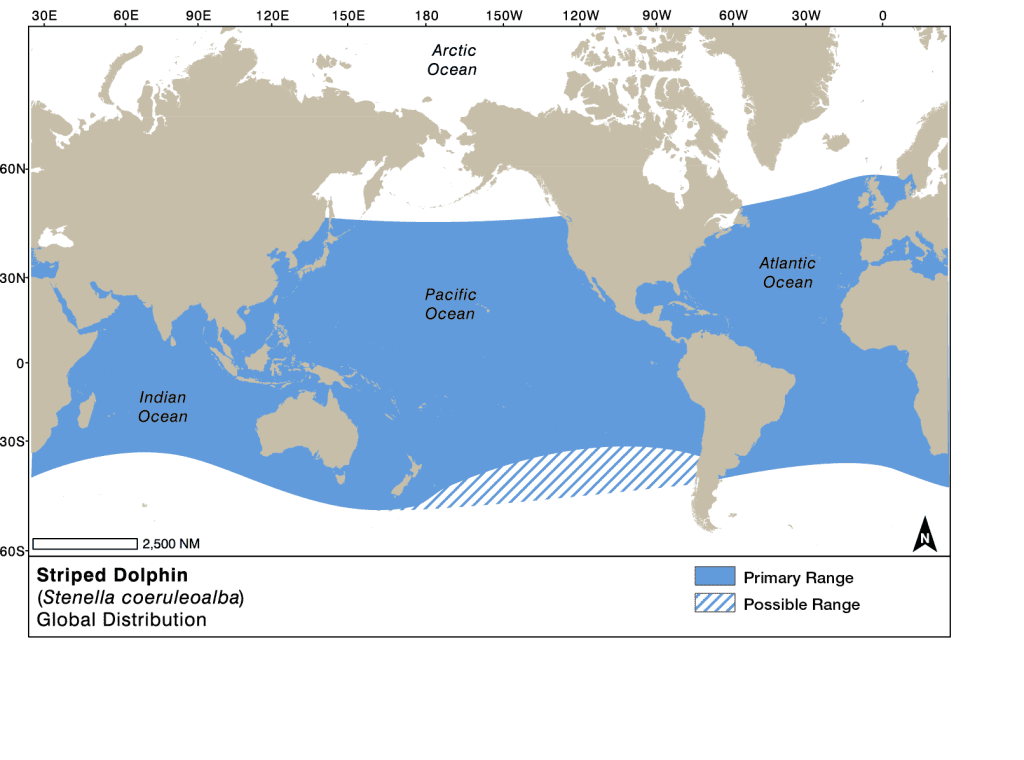
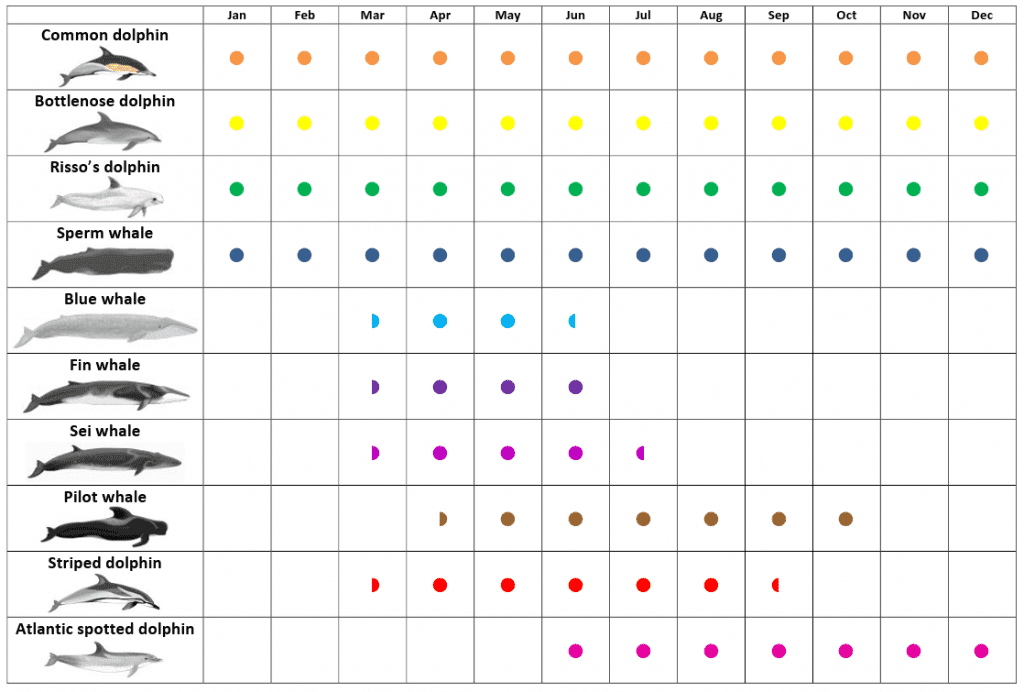
Striped dolphins exhibit a cosmopolitan distribution, thriving in both temperate and tropical waters of the Atlantic, Pacific, and Indian Oceans, as well as many adjacent seas. Their presence becomes notably more frequent in regions where the ocean depth exceeds 1000 meters, suggesting a preference for deeper waters. Observations indicate that these dolphins may follow warmer currents, with their visibility in areas like the Azores increasing as water temperatures rise, particularly between 18-22°C. This behavior underscores their adaptability and the influence of environmental factors on their distribution and movements, highlighting a complex interaction with their habitat that facilitates their wide-ranging presence across global waters.

Reproduction & Life History

Sexual Maturity

5-15 years
Males between 7 to 15 years and females slightly earlier, at 5 to 13 years. This variance reflects their adaptation to different environmental conditions and social structures within their populations.

Gestation Period

Around 12 months
During this period, females invest significant energy into developing offspring, preparing them for life in the open ocean.

Number of Calves

A single calf is born at a time
With 0.9 to 1 meter in length and weighing approximately 7 to 11 kilograms at birth. This size indicates the calves are relatively developed, enabling them to swim and surface for air shortly after birth.

Suckling Period & Nursing

12 to 18 months
During this period they rely entirely on their mother’s milk for nourishment. This extended suckling period allows the calf to grow and develop the necessary skills for independent survival in its marine environment.

Lifespan

Up to 50 years
The record is 58 years.

Mating Strategy

Complex and competitive
The social structure of their pods and the bonds between individuals play a significant role in their reproductive strategies, ensuring the continuation of their species despite the challenges they face in the open sea.

Species in the Azores

Whale-watching-azores-cetacean-species-temporal-distribution

Sighting frequency
Filter
Odontoceti Misticeti
loader
Your browser does not support the canvas element.
Species Frequency

Sighting frequency
Filter
BY SPECIES
loader
Your browser does not support the canvas element.

Sighting frequency

BY SPECIES
Species
▲
▼
Departure Points
Dates
icon dates
icon dates
VIEW ALL CHARTS

Related Scientific Articles

González, L. (2018): Spatio-temporal distribution of the order Cetacea in the Azores: relationship between biotic and abiotic variables

Read Now

Specimen that you can see in Azores sea

Blue Whale

Blue Whale

Balaenoptera musculus

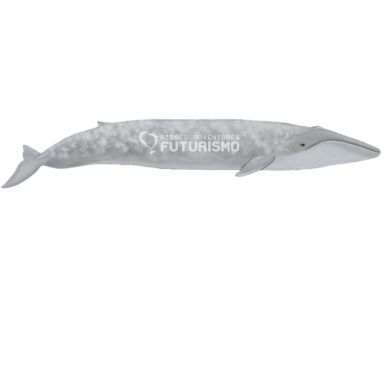
Blue whales are the largest animals in the world and can easily be detected from a great distance.
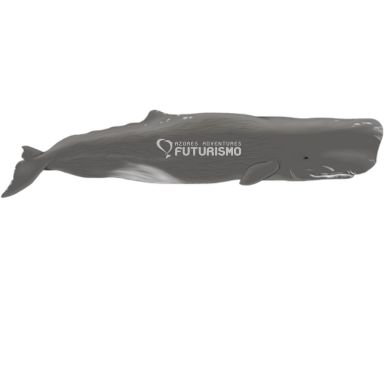
Blue Whale

Balaenoptera musculus
View profile
Sperm Whale

Sperm Whale

Physeter macrocephalus

Sperm whales hold the title of largest predator on Earth eating mostly giant squids from the deep oceans.
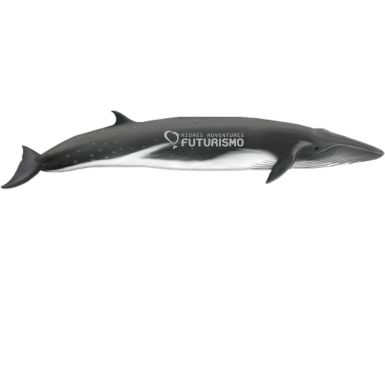
Sperm Whale

Physeter macrocephalus
View profile
Bryde’s Whale

Bryde’s Whale

Balaenoptera edeni

The Bryde's whale live in the tropical waters, are agile filter feeders and love to perform acrobatic displays.
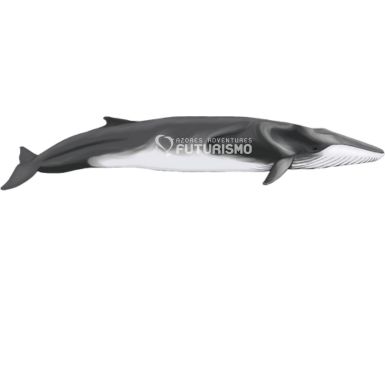
Bryde’s Whale

Balaenoptera edeni
View profile
Fin Whale

Fin Whale

Balaenoptera physalus

The second-largest whales, swift and streamlined ocean roamers.
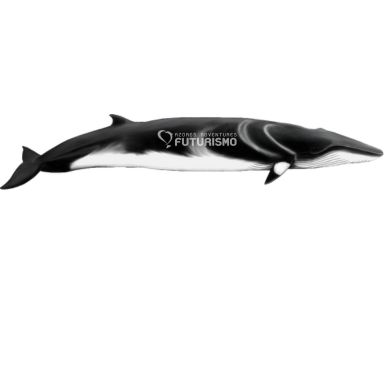
Fin Whale

Balaenoptera physalus
View profile
Minke Whale

Minke Whale

Balaenoptera acutorostrata

Agile mid-sized baleen whales, known for their elusive nature.
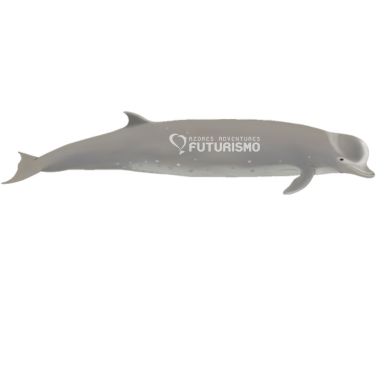
Minke Whale

Balaenoptera acutorostrata
View profile
Nothern Bottlenose Whale

Nothern Bottlenose Whale

Hyperoodon ampullatus

Nothern Bottlenose Whale

Hyperoodon ampullatus
View profile
Pilot Whale (Long & Short-finned)

Pilot Whale (Long & Short-finned)

Globicephala melas | Globicephala macrorhynchus

Highly social, intelligent & deep divers.

Pilot Whale (Long & Short-finned)

Globicephala melas | Globicephala macrorhynchus
View profile
Blainville’s Beaked Whale

Blainville’s Beaked Whale

Mesoplodon densirostris

Elusive deep-divers known for their unique foraging behavior.

Blainville’s Beaked Whale

Mesoplodon densirostris
View profile
Sei Whale

Sei Whale

Balaenoptera borealis

Third-largest whale species on Earth, fast swimmers and deep-divers.

Sei Whale

Balaenoptera borealis
View profile
Cuvier’s Beaked Whale

Cuvier’s Beaked Whale

Ziphius cavirostris

Noted for extraordinary deep-diving, setting mammalian records in depth and duration

Cuvier’s Beaked Whale

Ziphius cavirostris
View profile
Humpback Whale

Humpback Whale

Megaptera novaeangliae

Melodic giants with acrobatic displays, known for their haunting songs and intricate social behaviors. Know more!

Humpback Whale

Megaptera novaeangliae
View profile
Atlantic Spotted Dolphin

Atlantic Spotted Dolphin

Stenella Frontalis

Highly social, with distinct spots and a wide range of complex behaviors and vocalizations.

Atlantic Spotted Dolphin

Stenella Frontalis
View profile
Striped Dolphin

Striped Dolphin

Stenella coeruleoalba

Notable for their striking body patterns and acrobatic prowess.

Striped Dolphin

Stenella coeruleoalba
View profile
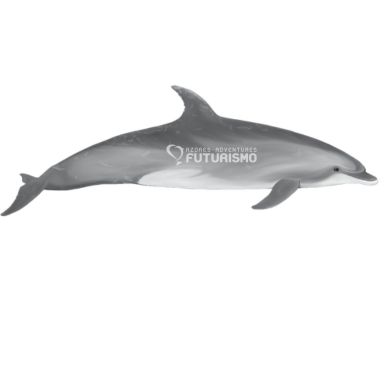
Bottlenose Dolphin

Bottlenose Dolphin

Tursiops truncatus

Bottlenose Dolphins are highly intelligent and social creatures, famous for their playful behavior and remarkable cognitive abilities.

Bottlenose Dolphin

Tursiops truncatus
View profile
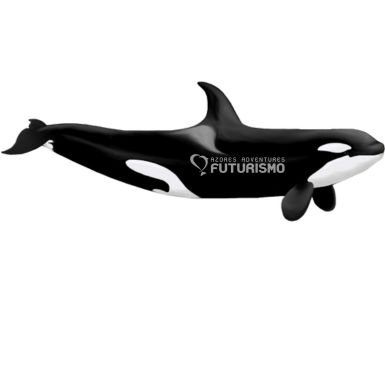
Orca (Killer Whale)

Orca (Killer Whale)

Orcinus orca

Orcas are the apex predators of the marine world, known for their distinctive black and white coloring and complex social structures.

Orca (Killer Whale)

Orcinus orca
View profile
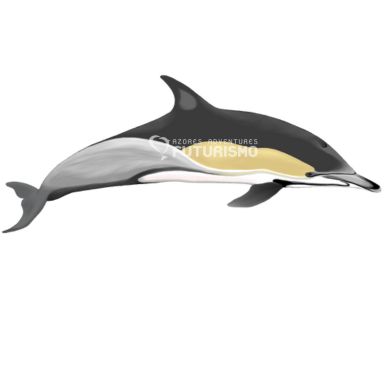
Common Dolphin

Common Dolphin

Delphinus delphis

Large groups of common dolphins, whipping the ocean's surface into a froth, are a familiar and thrilling sight in many parts of the world.

Common Dolphin

Delphinus delphis
View profile
False Killer Whale

False Killer Whale

Pseudorca crassidens

Despite its name, the false killer whale belongs taxonomically to the dolphin family and it often behaves more like one of its energetic and sprightly smaller relatives.

False Killer Whale

Pseudorca crassidens
View profile
Sowerby’s Beaked Whale

Sowerby’s Beaked Whale

Mesoplodon bidens

Sowerby’s Beaked Whales are elusive denizens of the North Atlantic, recognized by their slender beaks and distinctive forehead bulges.

Sowerby’s Beaked Whale

Mesoplodon bidens
View profile
Risso’s Dolphin

Risso’s Dolphin

Grampus griseus

Risso's dolphin is renowned for its heavily scarred appearance and significant size among species referred to as dolphins.

Risso’s Dolphin

Grampus griseus
View profile
Dragoeiro

Dragoeiro

Dracaena draco

Dragoeiro

Dracaena draco
View profile
Sanguinho

Sanguinho

Frangula azorica

Sanguinho

Frangula azorica
View profile
Gingeira Brava

Gingeira Brava

Prunus azorica

Gingeira Brava

Prunus azorica
View profile
Atlantic Spotted Dolphin

Atlantic Spotted Dolphin

Stenella Frontalis

Highly social, with distinct spots and a wide range of complex behaviors and vocalizations.

Atlantic Spotted Dolphin

Stenella Frontalis
View profile
Blainville’s Beaked Whale

Blainville’s Beaked Whale

Mesoplodon densirostris

Elusive deep-divers known for their unique foraging behavior.

Blainville’s Beaked Whale

Mesoplodon densirostris
View profile
Bottlenose Dolphin

Bottlenose Dolphin

Tursiops truncatus

Bottlenose Dolphins are highly intelligent and social creatures, famous for their playful behavior and remarkable cognitive abilities.

Bottlenose Dolphin

Tursiops truncatus
View profile
Common Dolphin

Common Dolphin

Delphinus delphis

Large groups of common dolphins, whipping the ocean's surface into a froth, are a familiar and thrilling sight in many parts of the world.

Common Dolphin

Delphinus delphis
View profile
Cuvier’s Beaked Whale

Cuvier’s Beaked Whale

Ziphius cavirostris

Noted for extraordinary deep-diving, setting mammalian records in depth and duration

Cuvier’s Beaked Whale

Ziphius cavirostris
View profile
False Killer Whale

False Killer Whale

Pseudorca crassidens

Despite its name, the false killer whale belongs taxonomically to the dolphin family and it often behaves more like one of its energetic and sprightly smaller relatives.

False Killer Whale

Pseudorca crassidens
View profile
Nothern Bottlenose Whale

Nothern Bottlenose Whale

Hyperoodon ampullatus

Nothern Bottlenose Whale

Hyperoodon ampullatus
View profile
Orca (Killer Whale)

Orca (Killer Whale)

Orcinus orca

Orcas are the apex predators of the marine world, known for their distinctive black and white coloring and complex social structures.

Orca (Killer Whale)

Orcinus orca
View profile
Pilot Whale (Long & Short-finned)

Pilot Whale (Long & Short-finned)

Globicephala melas | Globicephala macrorhynchus

Highly social, intelligent & deep divers.

Pilot Whale (Long & Short-finned)

Globicephala melas | Globicephala macrorhynchus
View profile
Risso’s Dolphin

Risso’s Dolphin

Grampus griseus

Risso's dolphin is renowned for its heavily scarred appearance and significant size among species referred to as dolphins.

Risso’s Dolphin

Grampus griseus
View profile
Blue Whale

Blue Whale

Balaenoptera musculus

Blue whales are the largest animals in the world and can easily be detected from a great distance.

Blue Whale

Balaenoptera musculus
View profile
Bryde’s Whale

Bryde’s Whale

Balaenoptera edeni

The Bryde's whale live in the tropical waters, are agile filter feeders and love to perform acrobatic displays.

Bryde’s Whale

Balaenoptera edeni
View profile
Fin Whale

Fin Whale

Balaenoptera physalus

The second-largest whales, swift and streamlined ocean roamers.

Fin Whale

Balaenoptera physalus
View profile
Humpback Whale

Humpback Whale

Megaptera novaeangliae

Melodic giants with acrobatic displays, known for their haunting songs and intricate social behaviors. Know more!

Humpback Whale

Megaptera novaeangliae
View profile
Minke Whale

Minke Whale

Balaenoptera acutorostrata

Agile mid-sized baleen whales, known for their elusive nature.
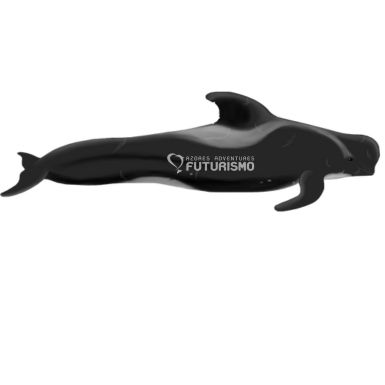
Minke Whale

Balaenoptera acutorostrata
View profile
Sei Whale

Sei Whale

Balaenoptera borealis

Third-largest whale species on Earth, fast swimmers and deep-divers.
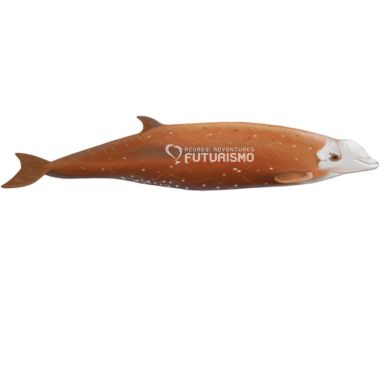
Sei Whale

Balaenoptera borealis
View profile

Whale Watching Azores Essentials

Explore, Love, and Protect: Unveiling the essence of Whale Watching in the Azores

Responsible Whale Watching

History & Culture

Whale Watching Handbook

More information

Best Azores island for Whale Watching

Best Azores island for Whale Watching

Our Scientific Publications

Our Scientific Publications

What to wear

What to wear

Preservation & Threats

Preservation & Threats

Explore Azores

Adventure awaits

Book your experience
SITEMAP
TERMS & CONDITIONS
PRIVACY POLICY
COMPLAINTS BOOK
About Us
OUR PURPOSE
OUR STORY
WHO WE ARE
WHY FUTURISMO
Honors & Alliances
ASSOCIATIVISM
AWARDS & DISTINCTIONS
CERTIFICATIONS
MEDIA HIGHLIGHTS
Social Media
Facebook Youtube Instagram Twitter Tripadvisor
Info & Reservations

info@futurismo.pt
Tel. (+351) 296 628 522
Mobile. (+351) 967 805 101

Licences

MT 22/2009 (Açores)
AT 09/2011/RA (Açores)

Tours & Islands

SITEMAP
TERMS & CONDITIONS
B2B PARTNERS
PRIVACY POLICY
COMPLAINTS BOOK

Partners
Info & Reservations

info@futurismo.pt
Tel. (+351) 296 628 522
Mobile. (+351) 967 805 101

Licences

MT 22/2009 (Açores)
AT 09/2011/RA (Açores)

Facebook Youtube Instagram Twitter Tripadvisor

Certifications

All rights reserved. Copyright © 2022 - Futurismo
|
design by: WEBOOST.PT
LAST NEWS
Earlybird Discount: Enjoy a 10% discount if booking with 30 days in advance by using the Promo code EARLYBIRD on the checkout of your Whale Watching tour Mix & Save: Enjoy a 10% Discount on your Second Tour operated by Futurismo and 15% on the next ones Contact us via chat (working days only) or the +351 296 628 522
x
Manage Consent

We use technologies like cookies to store and/or access device information to enhance your experience. Some tools, such as the live chat, may still be active to assist with navigation and offer promotional messages, even without explicit consent. You can manage your preferences at any time.

Functional Always active
The technical storage or access is strictly necessary for the legitimate purpose of enabling the use of a specific service explicitly requested by the subscriber or user, or for the sole purpose of carrying out the transmission of a communication over an electronic communications network.
Preferences
The technical storage or access is necessary for the legitimate purpose of storing preferences that are not requested by the subscriber or user.
Statistics
The technical storage or access that is used exclusively for statistical purposes. The technical storage or access that is used exclusively for anonymous statistical purposes. Without a subpoena, voluntary compliance on the part of your Internet Service Provider, or additional records from a third party, information stored or retrieved for this purpose alone cannot usually be used to identify you.
Marketing
The technical storage or access is required to create user profiles to send advertising, or to track the user on a website or across several websites for similar marketing purposes.
  • Manage options
  • Manage services
  • Manage {vendor_count} vendors
  • Read more about these purposes
View preferences
  • {title}
  • {title}
  • {title}
Search
Day Tours +
+ São Miguel island
Bike Tours
Canyoning
Coasteering
Kayaking & SUP Best seller
Hiking Tours
Jeep Tours Best seller
Van Tours
Whale Watching Best seller
+ Pico island
Hiking Tours
Jeep Tours Best seller
Van Tours
Whale Watching Best seller
Travel Agency
Futurismo +
+ The Brand
Our Story
Who We Are
Why Futurismo
+ Our Fundamentals
Mission & Vision
Our Purpose
Our Values
+ Our Projects
All Projects
> People
> Planet
> Wildlife
United Nations Global Goals
+ Our Commitments
Ethical Swimming with Dolphins
Hiking Conduct Code
Mindful & Transformational Travel
Responsible Travel
Responsible Whale Watching
+ Our Policies
Animal Welfare Policy
Environmental Policy
Sustainability Policy
+ Honors & Alliances
Awards
Associativism
Certifications
Media Highlights
+ Collab with Us
B2B Partnerships
Content Creators
Media
Contact Us
The Azores +
+ Islands
Corvo
Faial
Flores
Graciosa
Pico
Santa Maria
São Miguel
São Jorge
Terceira
+ Whale Watching
About
> Complete Guide
> Best Island
> Best Season
> History & Culture
> Preservation & Threats
> Sightings Statistics
> What to wear
Why Futurismo
> Educational Projects
> Our Fleet
> Our Scientific Publications
> Scientific Publications
> The Marine Biologists
> The Lookouts
> Responsible Operator
> WCA Certification
+ Species
Dolphins' Species
> Atlantic Spotted Dolphin
> Bottlenose Dolphin
> Common Dolphin
> False Killer Whale
> Orca
> Risso's Dolphin
> Striped Dolphin
Whales' Species
> Blainville's Beaked Whale
> Blue Whale
> Bryde's Whale
> Cuvier's Beaked Whale
> Fin Whale
> Humback Whale
> Minke Whale
> Nothern Bottlenose Whale
> Pilot Whale
> Sei Whale
> Sowerby's Beaked Whale
> Sperm Whale popular
Blog +
+ All articles
All articles
> People
> Planet
> Travel
> Wildlife
+ Contributors
Copywriters & Guest-bloggers
Photographers & Videographers
Gift Shop +
+ Books
O Canto dos Açores
Day tours

SITEMAP
TERMS & CONDITIONS
B2B PARTNERS
PRIVACY POLICY
COMPLAINTS BOOK

Multiday tours
About Us
Travel Agency
The Azores
Blog

Get in touch

EN
FR
DE
IT
PT
ES
Rubens Rodrigues

Ruben Rodrigues

Owner & General Director

Lorem ipsum dolor sit amet, consectetur adipiscing elit. Ut elit tellus, luctus nec ullamcorper mattis, pulvinar dapibus leo.

The iron-rich water of this spa at open air is naturally warm at any time. This green jungle classified as Natural Regional Monument will transport you to another planet. Enjoy the unique scenery straight out of a Jurassic Park movie.

What to take?
Best Season to Visit
Read Complete Guide