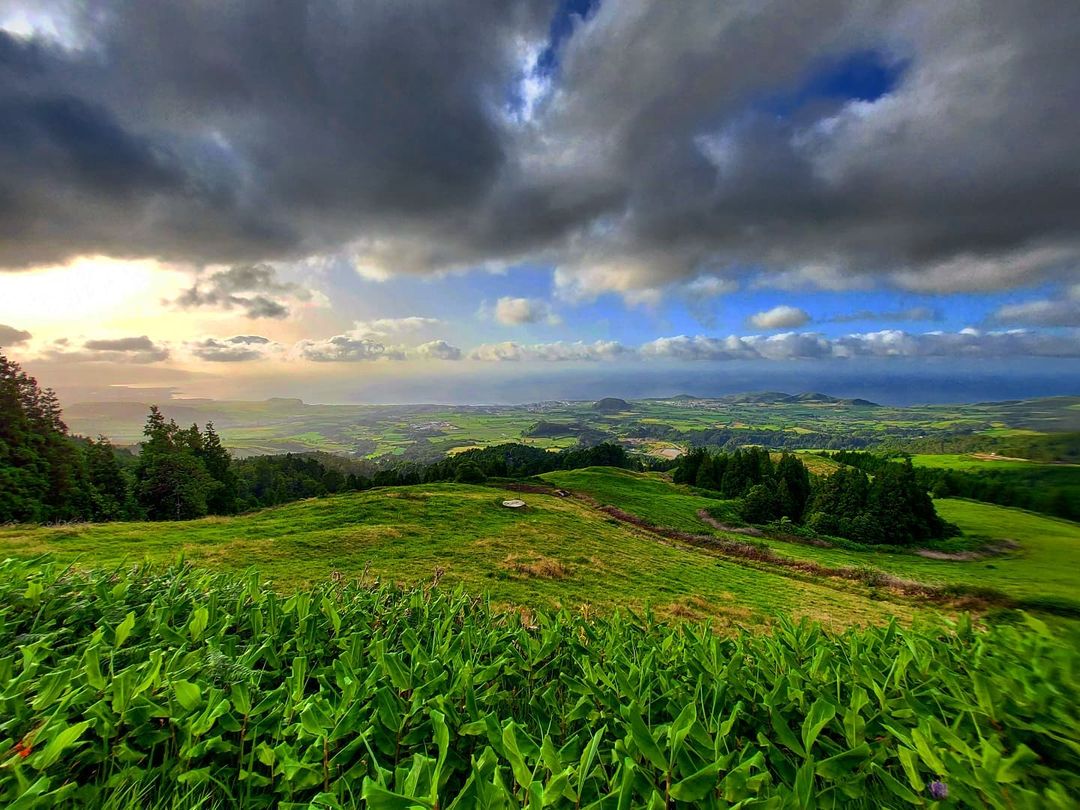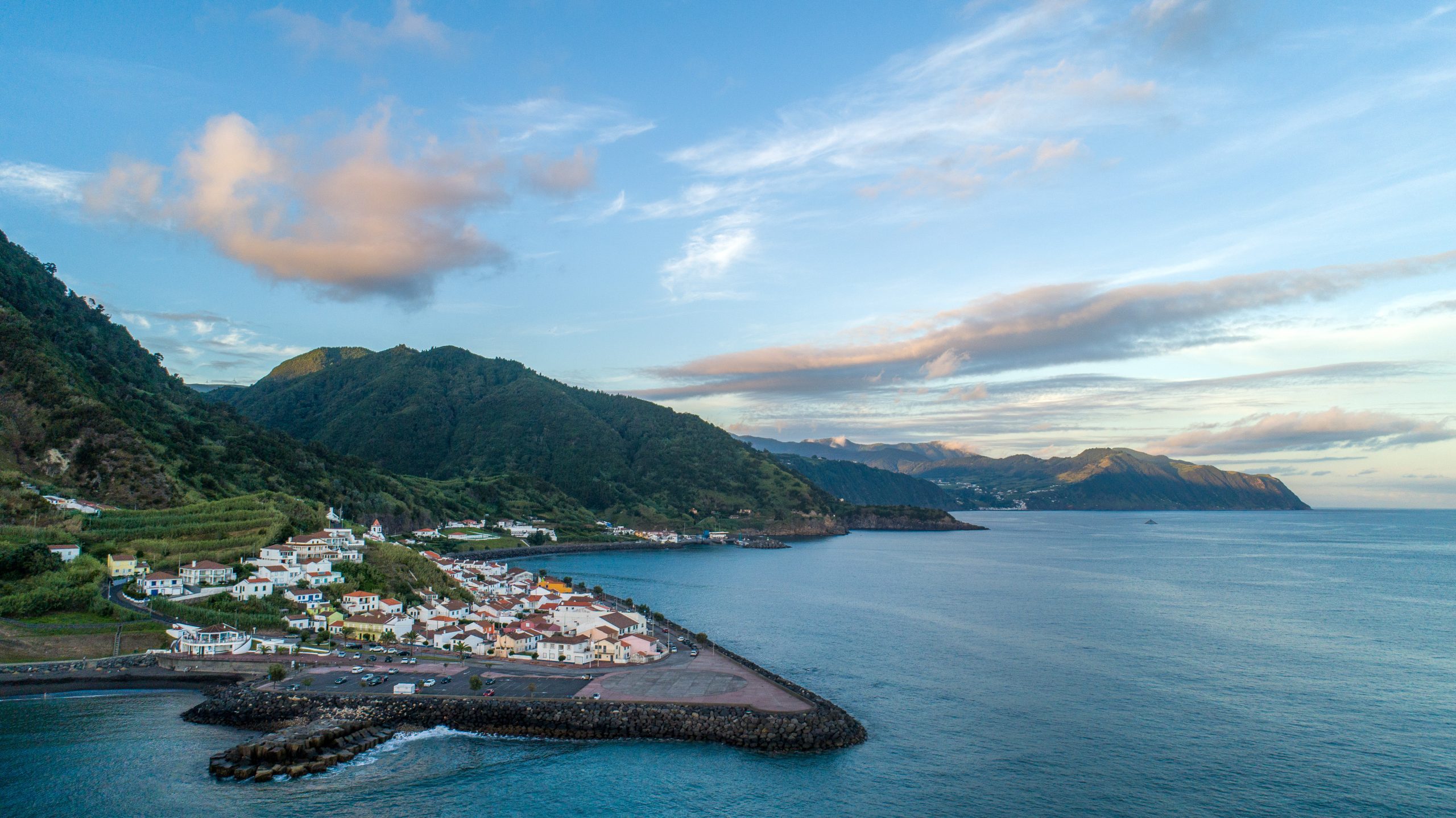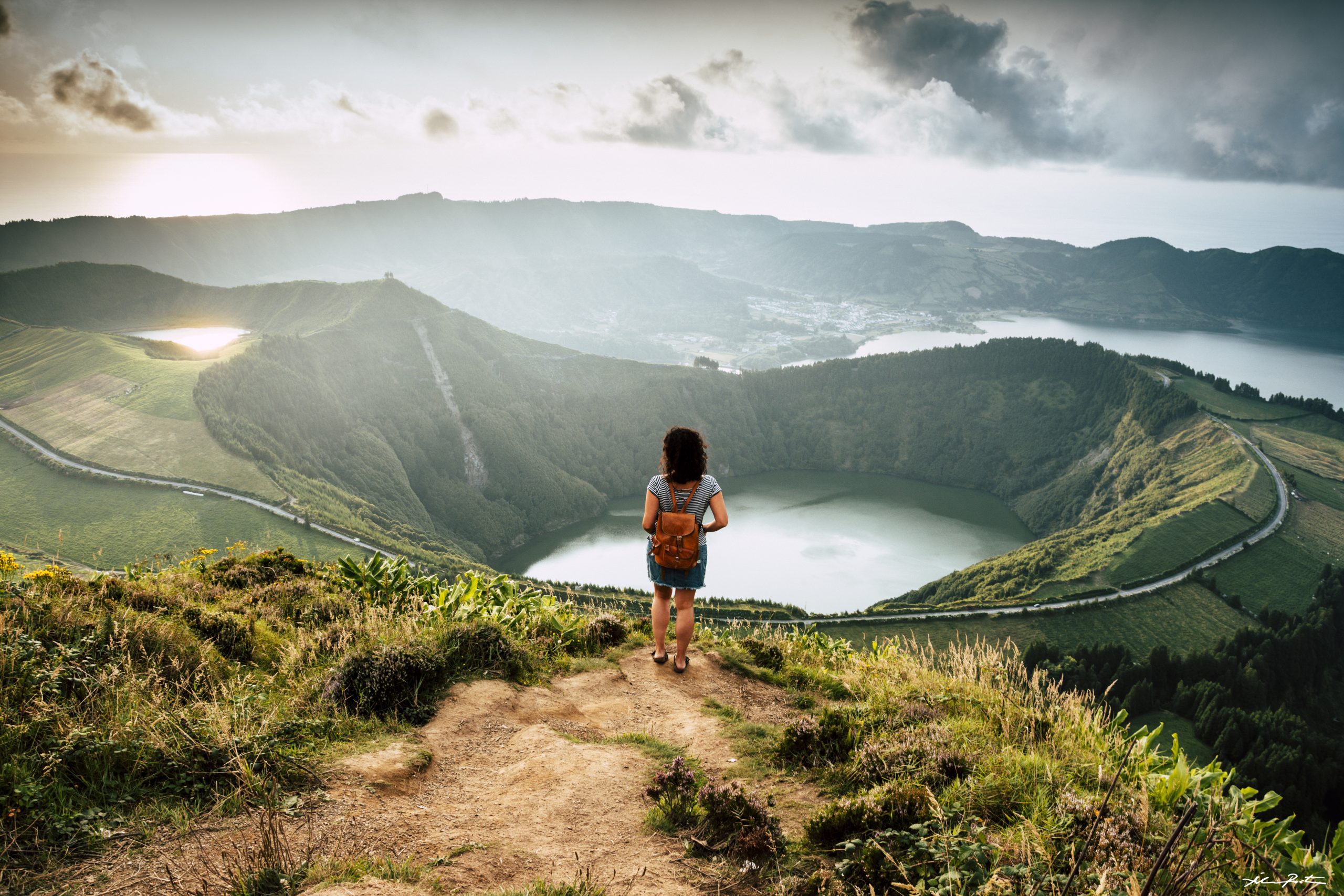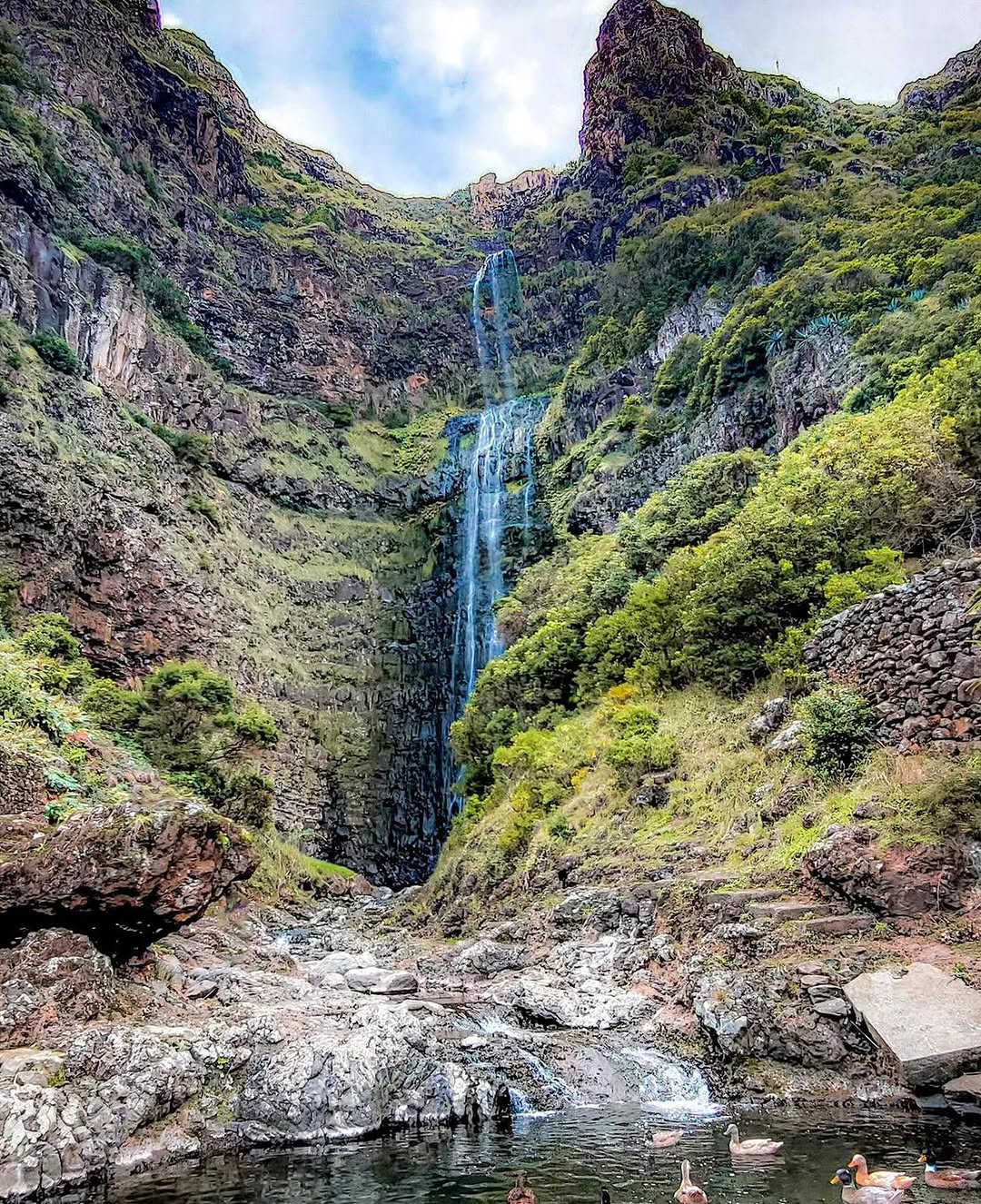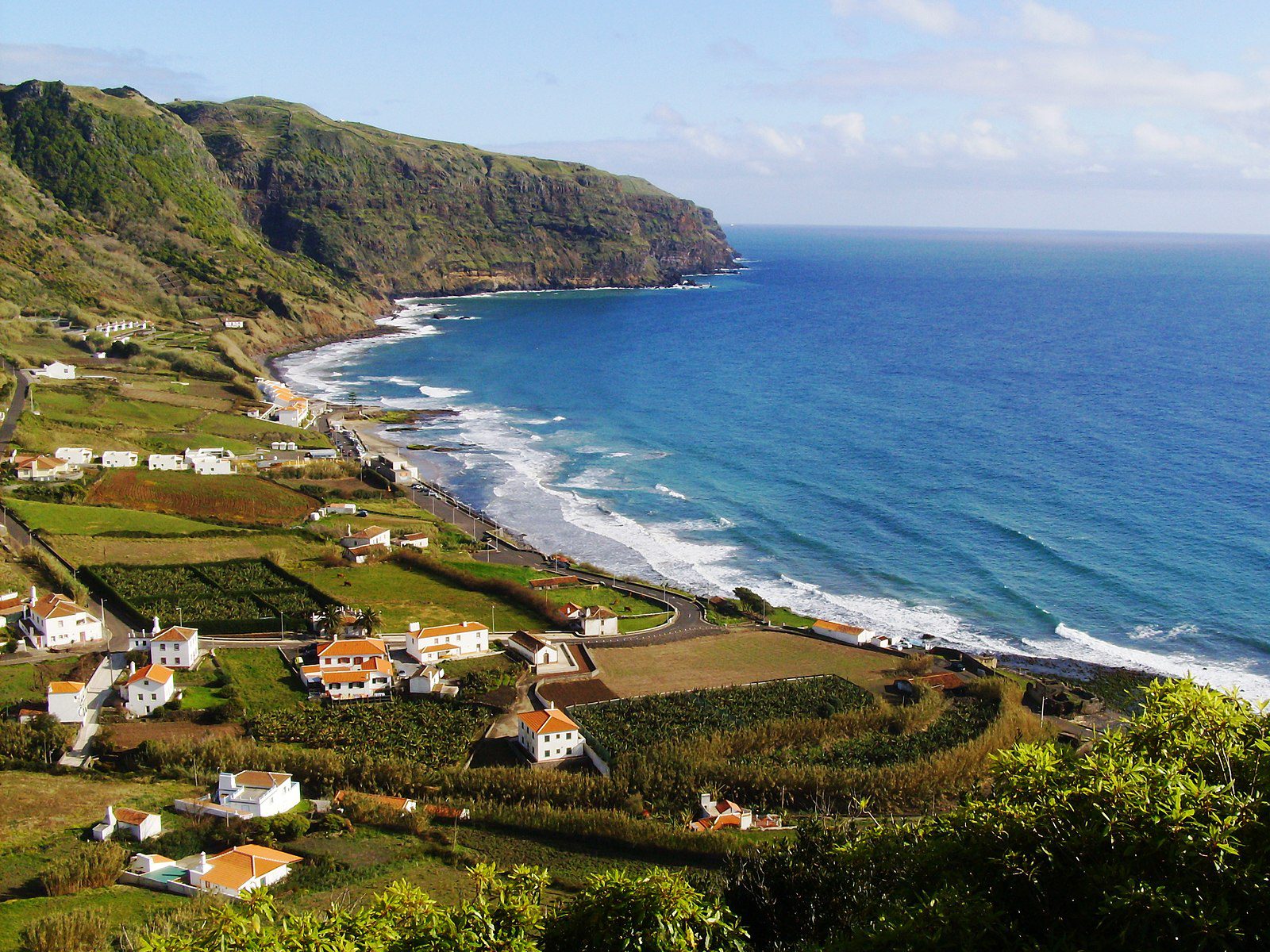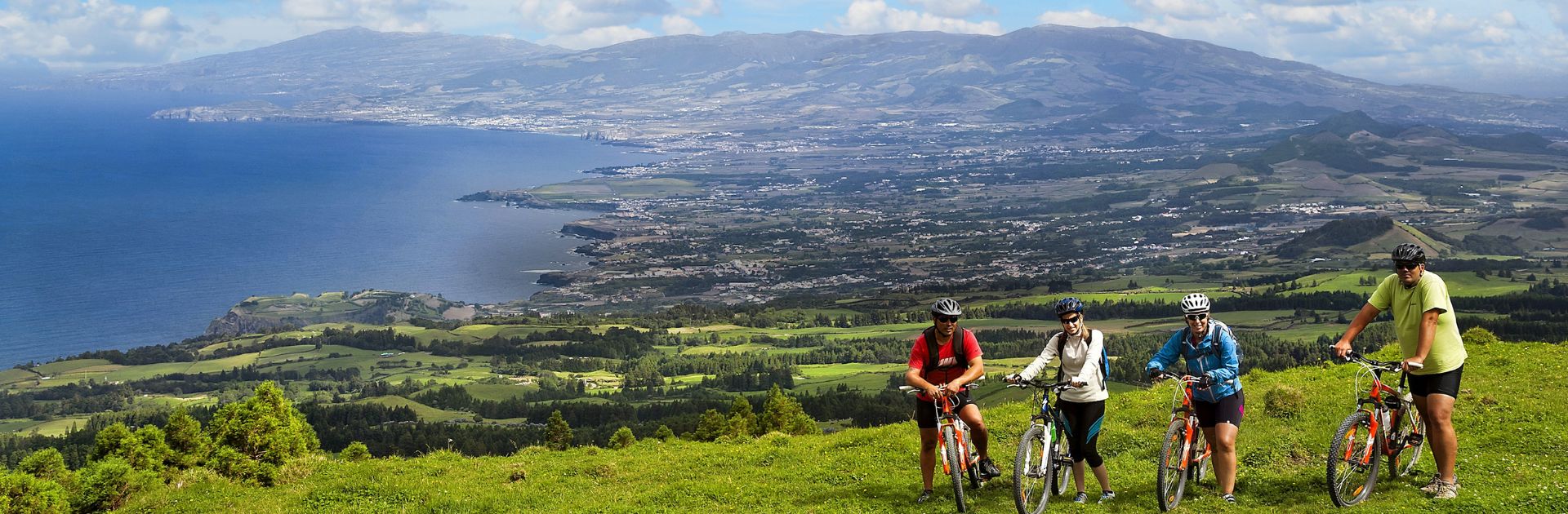



Le Pico Alto, littéralement traduit par le Haut Pic, est le point culminant de Santa Maria, l'une des 9 îles des Açores. Ce point culmine à 587 mètres au-dessus du niveau de la mer, soit 1 925 pieds. De là-haut, vous pouvez profiter d'une des plus belles vues sur l'île de Santa Maria, avec ses verts pâturages, ses parcelles de végétation, quelques villages pittoresques, la côte et l'océan Atlantique infini.
Découvrez plus d'informations sur cet endroit magnifique. Comment s'y rendre, que faire, et d'autres faits historiques sur cette visite incontournable lors de vos vacances sur l'île jaune.
Qu'est-ce que Pico Alto ?

Le Pico Alto est la plus haute montagne de Santa Maria, l'île du soleil. Il résulte d'une phase de volcanisme intense créée par des éruptions sous-marines il y a environ 5 millions d'années. Ce pic unique sur l'île capture les nuages, créant une zone humide à la végétation luxuriante.
Dans cette zone, vous rencontrerez une végétation indigène réintroduite par les autorités, comme la bruyère des Açores (Vaccinium cylindraceum) et le laurier des Açores (Laurus azorica). En ce qui concerne la faune, vous pourrez observer de nombreux oiseaux dans les environs. Observez le célèbre et mini Regulus regulus sanctaemariae, une sous-espèce endémique présente uniquement à Santa Maria. Il existe des arthropodes uniques comme Athous pomboi, Donus multifidus, Tarphius pomboi ou Tarphius serranoi.
Saviez-vous que
À Pico Alto, trois avions différents se sont déjà écrasés : un Douglas C-54 en 1945, un Piper Aztec en 1964 et un Boeing 707-300 en 1989. Sur le sentier qui contourne le pic, vous trouverez un monument en l'honneur des 144 passagers décédés lors de l'incident.
Planifiez votre visite à Pico Alto

Comment se rendre à Pico Alto
Pico Alto est situé dans la paroisse de Santa Bárbara, sur l'île de Santa Maria. Depuis Vila do Porto, la principale ville de l'île de Santa Maria, prenez une voiture de location ou un taxi en suivant la route principale (EN1-2A) vers l'est jusqu'à ce que vous traversiez le village d'Almagreira. À la sortie du village, prenez la route secondaire à gauche jusqu'au parking. Au total, il faut environ 17 minutes en voiture pour parcourir 10 km depuis Vila do Porto.
Autour de Pico Alto, le sentier de randonnée PRC02 SMA permet d'explorer la région à pied. Il s'agit d'une boucle de 6,2 km, de difficulté moyenne et d'une durée d'environ 2 heures. Un autre bon moyen d'explorer Pico Alto.
Vous prévoyez un voyage aux Açores ? Ces articles vous aideront: Comment se rendre aux Açores 🗺️ | Aéroports des Açores 🛬 | Vols entre les îles ✈️ | Ferries entre les îles ⛴️ | Quelle île choisir ? 🏝️ | Quelles sont les compagnies aériennes qui desservent les Açores ? 🛩️
Meilleure période pour visiter
Le meilleur moment pour visiter le Pico Alto à Santa Maria dépend de la façon dont vous prévoyez d'y accéder. Si vous arrivez en voiture, la marche jusqu'au sommet est assez courte et vous pouvez donc y aller à peu près à n'importe quel moment de la journée. Cependant, si vous prévoyez de faire une randonnée, commencez le matin ou en début d'après-midi pour gérer votre temps confortablement. Privilégiez le matin pour éviter la chaleur de la mi-journée et terminez votre randonnée avant le coucher du soleil pour plus de sécurité.
Consultez tous nos articles sur le temps qu'il fait aux Açores tout au long de l'année 🌤️ ☔️ : Janvier | Février | Mars | Avril | Mai | Juin | Juillet | Août | Septembre | Octobre | Novembre | Décbraise
Conseils de pro

Pour les randonneurs, n'oubliez pas d'emporter de l'eau, des en-cas, une veste de pluie, un chapeau et de la crème solaire, en fonction du temps. Bien qu'il ne s'agisse pas d'un sentier difficile, il est conseillé de porter des chaussures de randonnée adéquates et plusieurs couches de vêtements.
Ne manquez pas non plus les casemates du Pico Alto, qui apportent une touche historique à votre visite du plus haut sommet de l'île. L'armée de l'air portugaise a construit ces installations en 1956 pendant la guerre froide, à la suite du Pacte de Varsovie. Le site a été conçu spécialement pour accueillir une nouvelle station radar. Bien qu'elles ne soient plus pleinement opérationnelles aujourd'hui, elles servent à la transmission radio.
Guide des Açores
Langue et expressions açoriennes 🗣️ | Monnaie et banques 💵 | Cartes de crédit et chèques de voyage 🏧 | Conduire dans les Açores 🚗 | L'électricité 🔌 | Expériences et visites 🗺️ | Santé et sécurité 🩺 | Accès Internet et Wi-Fi 🛜 | Téléphones et services mobiles 📞 | Bureaux de poste et achat de timbres ✉️ | Jours fériés 🏖️ | Achats 🛒 | Heure et lumière du jour 🕒 | Guide d'observation des baleines 🐳 | Meilleure île à visiter 🏞️
Attractions à proximité
Praia de São Lourenço

La Praia de São Lourenço, sur la côte nord-est de Santa Maria, est l'une des principales attractions de l'île. Elle est formée par un cratère volcanique semi-circulaire qui forme aujourd'hui une baie pittoresque. Entourée de vignobles traditionnels en terrasses construits en pierre de basalte, cette plage est tout à fait emblématique.
C'est l'une des rares plages de sable clair des Açores. Ses eaux cristallines et généralement calmes en font un lieu idéal pour la baignade, la plongée avec masque et tuba et la détente. On y trouve également une piscine naturelle, un endroit calme et pittoresque pour se baigner, idéal pour les enfants.
Praia de São Lourenço offre d'excellentes infrastructures pour tous les visiteurs. La plage dispose de toilettes, de douches, d'un parking et même d'un bar local. Le Miradouro de São Lourenço garantit une vue panoramique digne d'une carte postale que vous ne pouvez pas manquer.
→ Articles connexes: Les plus belles plages des Açores | Les meilleurs spots de surf des Açores
Barreiro da Faneca

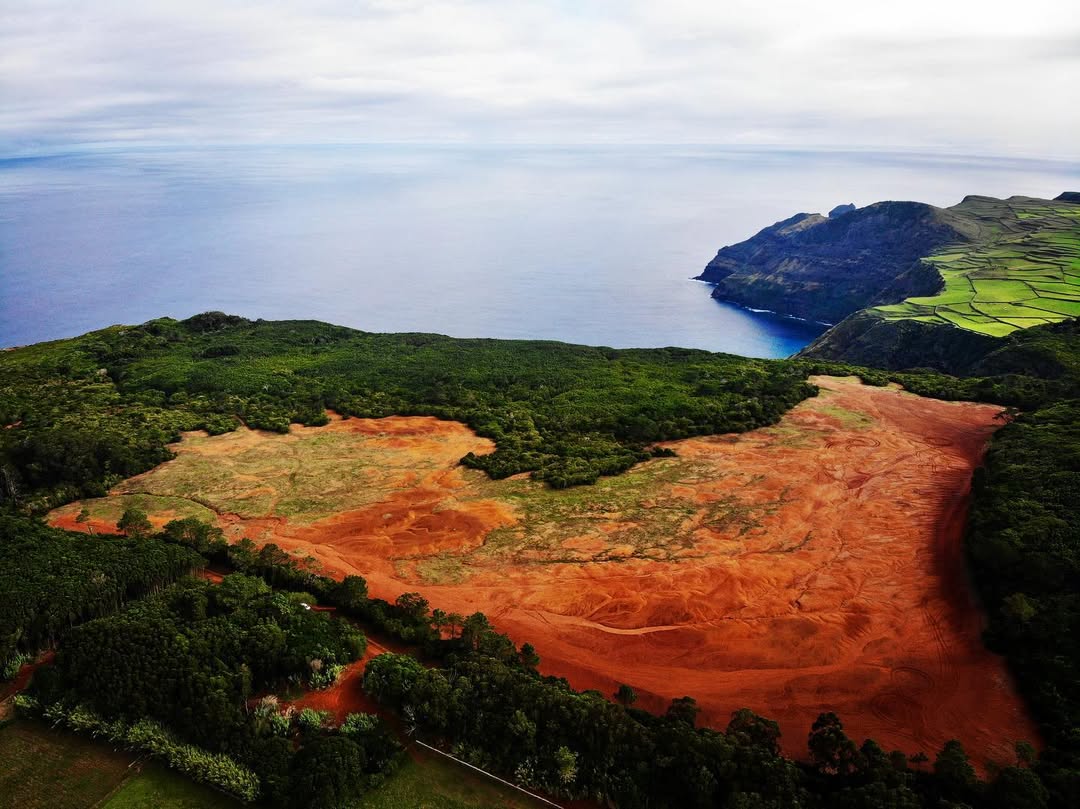
Barreiro da Faneca, Le désert rouge des Açores, situé au nord de Santa Maria, est un phénomène géologique unique. Les habitants appellent souvent cette zone protégée le ‘désert rouge des Açores". Le sol aride, riche en argile et aux tons rouges et orangés intenses définit le caractère du paysage. Le paysage est ondulé, ce qui donne l'impression d'une planète complètement différente.
Là, vous pouvez profiter du désert presque seul, selon l'heure de la journée et la saison de l'année, car de nombreuses personnes se rendent à Santa Maria pour passer du temps sur la plage. En outre, il s'agit d'une région assez petite, de sorte qu'une fois que vous aurez profité des collines rouges et pris de nombreuses photos, il n'y aura pas grand-chose d'autre à faire.
Barreiro da Faneca est facilement accessible en voiture, grâce à la route qui y mène. Les visiteurs peuvent également explorer des sentiers de randonnée tels que le sentier de la Costa Norte (PR01SMA) ou des parties du chemin de grande randonnée de l'île (GR01SMA), qui traversent le paysage d'argile rouge.
Vila do Porto

Vila do Porto est la capitale de l'île de Santa Maria et se trouve dans la paroisse et la municipalité du même nom. Fondée en 1432 par Gonçalo Velho Cabral, Vila do Porto fut la première ville de l'archipel des Açores. Cependant, c'est en 1470 que des colons ont fondé la municipalité de Vila do Porto. Cinq paroisses : Almagreira, Santa Bárbara, Santo Espírito, São Pedro et Vila do Porto - subdivisent la municipalité.
Si vous êtes de passage sur l'île, ne manquez pas de visiter les principales attractions de Vila do Porto :
- Miradouro de São Lourenço ;
- Pico Alto ;
- Phare de Gonçalo Velho ;
- Baía da Raposo ;
- Grotte de Figueiral ;
- Baía dos Anjos ;
- Entre autres.
Pous préparez votre voyage aux Açores ? ✨ Consultez notre guide complet pour Jours fériés aux Açores : Liste complète et guide de voyage
Praia Formosa

Praia Formosa se trouve sur la côte sud de Santa Maria. Elle est célèbre pour être l'une des rares plages des Açores dont le sable clair s'étend sur environ un kilomètre.
Les eaux de Praia Formosa sont exceptionnellement claires, chaudes et peu profondes, ce qui les rend idéales pour la natation et la plongée avec masque et tuba. La température de l'eau est adaptée à la baignade tout au long de l'année. Depuis le Miradouro da Macela, vous pourrez admirer le panorama de la plage, de la baie et de la côte environnante.
La qualité de l'eau et les installations sont récompensées chaque année par le drapeau bleu. La plage offre d'excellents équipements à tous les visiteurs, notamment un parking, des douches et des toilettes. Un restaurant, des sauveteurs saisonniers et une accessibilité totale pour les personnes à mobilité réduite complètent les services. À l'une des extrémités de la plage se trouve également un camping, qui propose un hébergement économique avec un accès direct au sable.
Praia Formosa se trouve à environ 10 minutes en voiture de Vila do Porto, avec un accès facile. Il est facile d'y accéder. Août, À l'automne, Praia Formosa accueille le festival Maré de Agosto. Organisé chaque année depuis 1984, cet événement attire de nombreux habitants de Santa Maria et d'autres îles.
Consultez tous nos articles sur chacun des points d'intérêt les plus importants de l'île de Santa Maria: Praia Formosa | Barreiro da Faneca | Cascata do Aveiro | Miradouro Vigia da Baleia | Pico Alto
Informations complémentaires
Meilleure saison pour visiter les Açores
L'archipel des Açores bénéficie d'un climat unique qui façonne ses paysages luxuriants et en fait une destination splendide tout au long de l'année. Avec des températures douces et des fluctuations minimes, chaque saison offre quelque chose d'unique. Le printemps affiche une température moyenne de 16 °C, l'été atteint 21 °C, l'automne se rafraîchit à 18 °C et l'hiver reste doux à 14 °C.
→ Pour une analyse détaillée du temps par mois, consultez les liens suivants 🌤️☔️ : Janvier | Février | Mars | Avril | Mai | Juin | Juillet | Août | Septembre | Octobre | Novembre | Décbraise
Comment se rendre aux Açores
L'archipel des Açores est facilement accessible grâce à de nombreuses liaisons aériennes. Lisbonne et Porto sont les principaux points d'entrée sur le continent, avec des vols directs à destination de São Miguel (PDL), Terceira (TER), Faial (HOR), Pico (PIX), et Santa Maria (SMA). Pour trouver le meilleur vol, utilisez des moteurs de recherche tels que eDreams ou Skyscanner. Ces plateformes vous permettent de comparer les prix et les horaires de plusieurs compagnies aériennes en un seul endroit.
Pour plus de détails sur la façon de se rendre aux Açores, consultez notre rubrique guide complet. Mais qu'en est-il si vous souhaitez explorer d'autres régions que l'île d'arrivée ? Nous avons ce qu'il vous faut !
- Aéroports des Açores 🛬
- Vols entre les îles ✈️
- Ferries entre les îles ⛴️
- Quelle île choisir ? 🏝️
- Quelles sont les compagnies aériennes qui desservent les Açores ? 🛩️
→ Une fois que vous avez trouvé l'itinéraire idéal, réservez vos billets et préparez-vous à découvrir l'un des groupes d'îles les plus étonnants au monde !
Les essentiels du voyage
Informations essentielles pour votre voyage aux Açores : Langue et expressions açoriennes 🗣️ | Monnaie et banques 💵 | Cartes de crédit et chèques de voyage 🏧 | Conduire dans les Açores 🚗 | L'électricité 🔌 | Expériences et visites 🗺️ | Santé et sécurité 🩺 | Accès Internet et Wi-Fi 🛜 | Téléphones et services mobiles 📞 | Bureaux de poste et achat de timbres ✉️ | Jours fériés 🏖️ | Achats 🛒 | Heure et lumière du jour 🕒 | Guide d'observation des baleines 🐳 | Meilleure île à visiter 🏞️
Outils et applications utiles
Le temps aux Açores peut être variable, il est donc utile d'utiliser quelques applications avant de visiter les îles. Spotazores fournit des images en direct des principales attractions touristiques, ce qui vous permet de vérifier le temps qu'il fait et de planifier votre visite. Pour des prévisions météorologiques précises, utilisez Venteux ou Windguru - ils fournissent les prévisions les plus fiables.
Vidéo
Conclusion
Le Pico Alto est comme la couronne de Santa Maria, et vous ne pouvez pas visiter l'île jaune sans vous arrêter à son point culminant, qui est facilement accessible. Il offre une vue panoramique étonnante sur les divers paysages de l'île, des pâturages verdoyants aux falaises pittoresques en passant par les villages pittoresques, le tout encadré par l'océan Atlantique.
Au-delà de sa beauté, d'anciennes éruptions volcaniques ont transformé le Pico Alto en un important site géologique. Il joue un rôle important dans l'écosystème de l'île, abritant une flore et une faune uniques. Le pic est également un site historique important, depuis les casemates de radar de la guerre froide jusqu'aux tragiques crashs aériens commémorés près du sommet. Grâce au sentier de randonnée qui l'entoure, vous pourrez découvrir les différents visages du Pico Alto.
La visite du Pico Alto est indispensable pour découvrir pleinement Santa Maria. Vous pouvez facilement l'intégrer à votre itinéraire, que vous disposiez de peu de temps ou de beaucoup.
Note des auteurs
J'ai le plaisir de vous informer que toutes les recommandations fournies dans cet article sont basées sur mon expérience et mes observations personnelles. En tant qu'auteur, j'ai personnellement visité chaque attraction mentionnée, ce qui garantit que chaque suggestion est fondée sur des connaissances de première main et un enthousiasme sincère.
FAQ
Pico Alto est le point culminant de Santa Maria, atteignant 587 mètres. Il s'est formé à la suite d'intenses éruptions volcaniques sous-marines il y a environ 5 millions d'années. Cette altitude capture les nuages qui passent, créant un microclimat humide qui favorise une végétation indigène luxuriante, comme la bruyère des Açores, et une faune endémique rare.
Pour atteindre Pico Alto, Le sentier de randonnée PRC02 SMA se trouve à environ 17 minutes de Vila do Porto, en suivant la route EN1-2A. Pour ceux qui préfèrent explorer à pied, le sentier de randonnée PRC02 SMA propose une boucle de 6,2 km de difficulté moyenne, offrant une promenade pittoresque de deux heures à travers la région.
Pico Alto a un poids historique important en raison de trois accidents d'avion majeurs survenus entre 1945 et 1989. Un monument situé près du sommet rend hommage aux victimes. En outre, vous pouvez voir des casemates datant de la guerre froide des années 1950, construites par l'armée de l'air portugaise pour abriter une station radar, qui servent aujourd'hui d'émetteurs radio.
Depuis le sommet de Pico Alto, Le point de vue de l'île de Santa Maria est un point de vue panoramique à couper le souffle sur l'île de Santa Maria. Le point d'observation surplombe de verts pâturages, une végétation dense et des villages locaux pittoresques. Par temps clair, la vue s'étend de la côte accidentée à l'horizon infini de l'océan Atlantique.