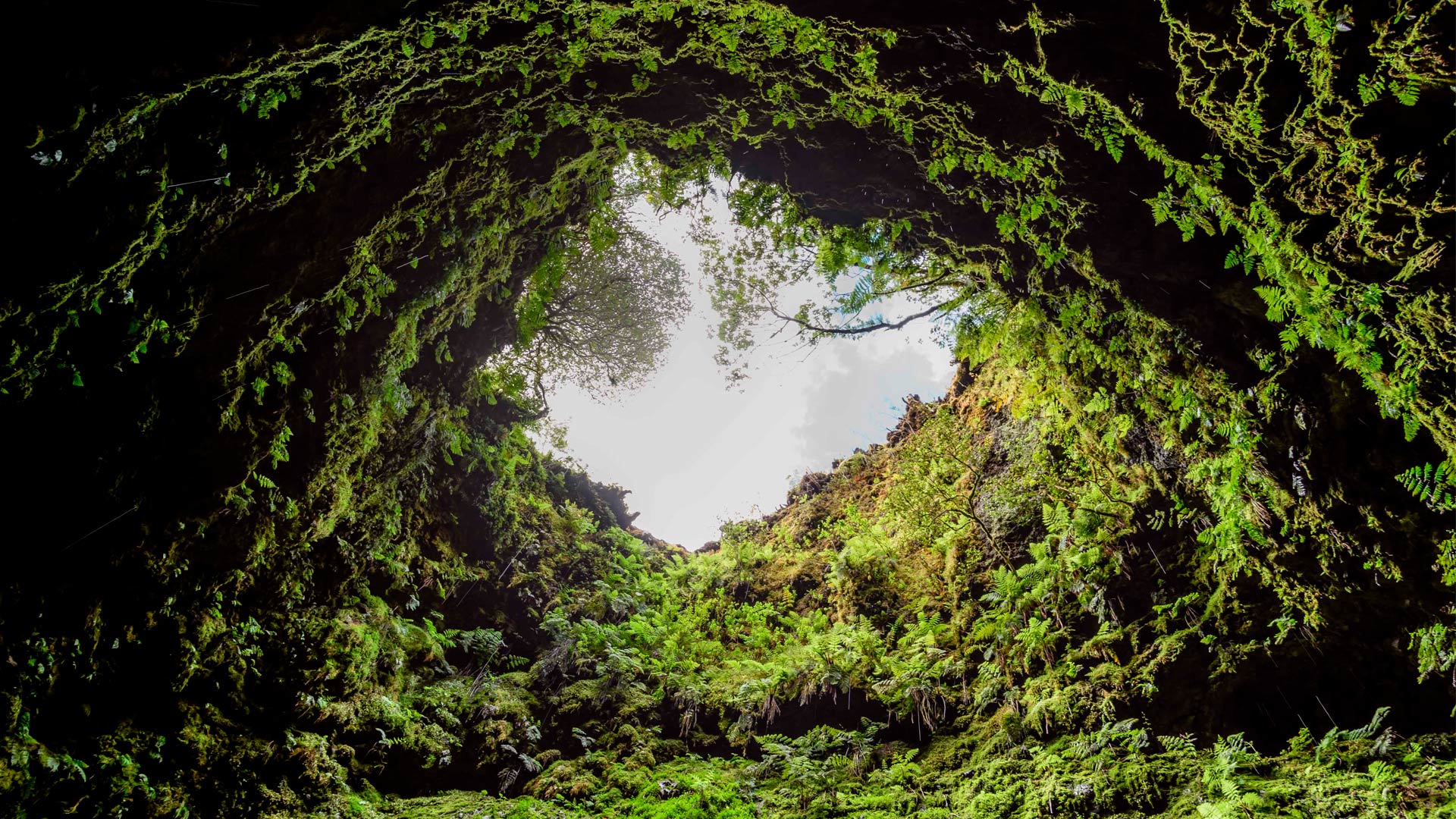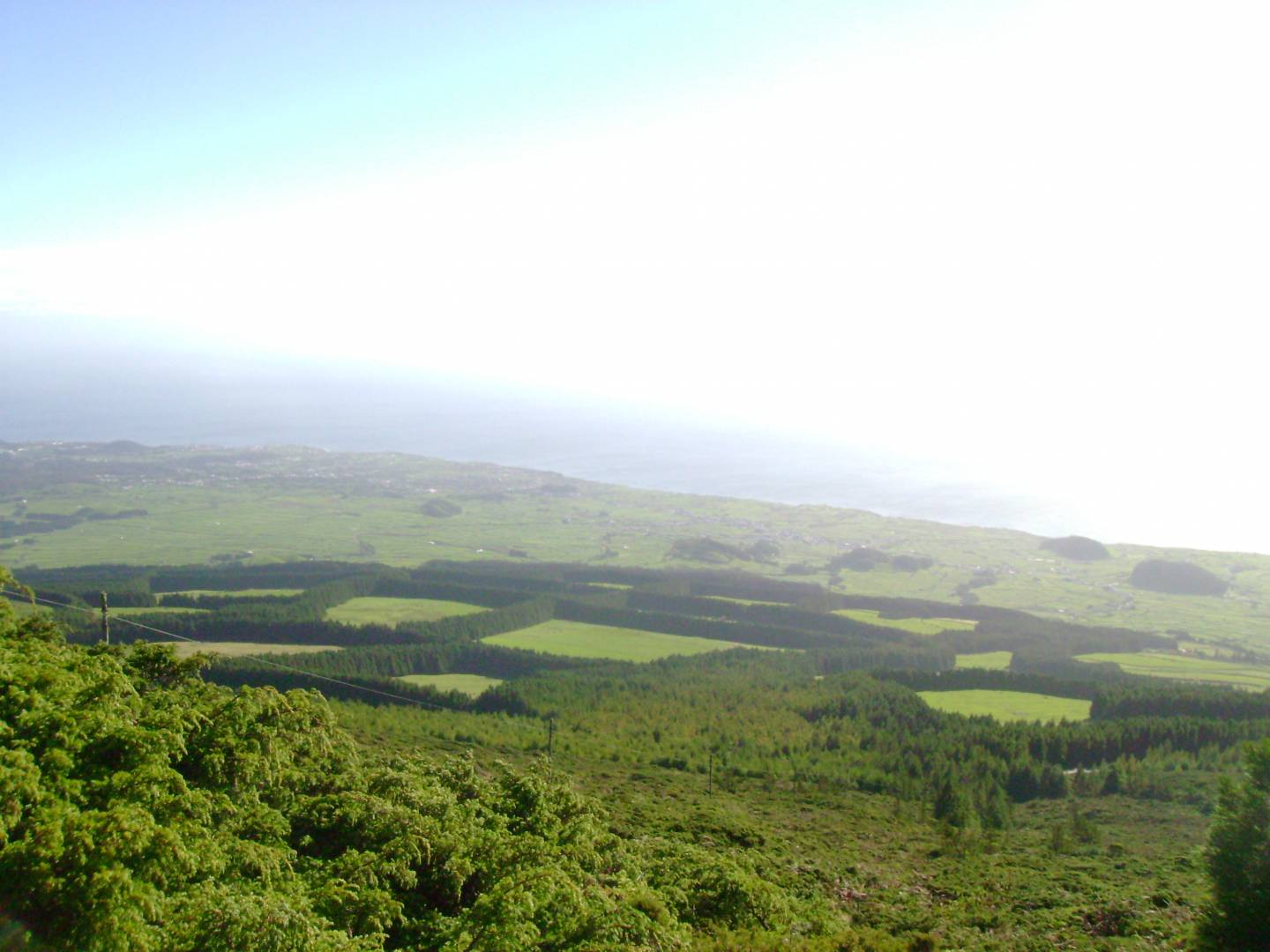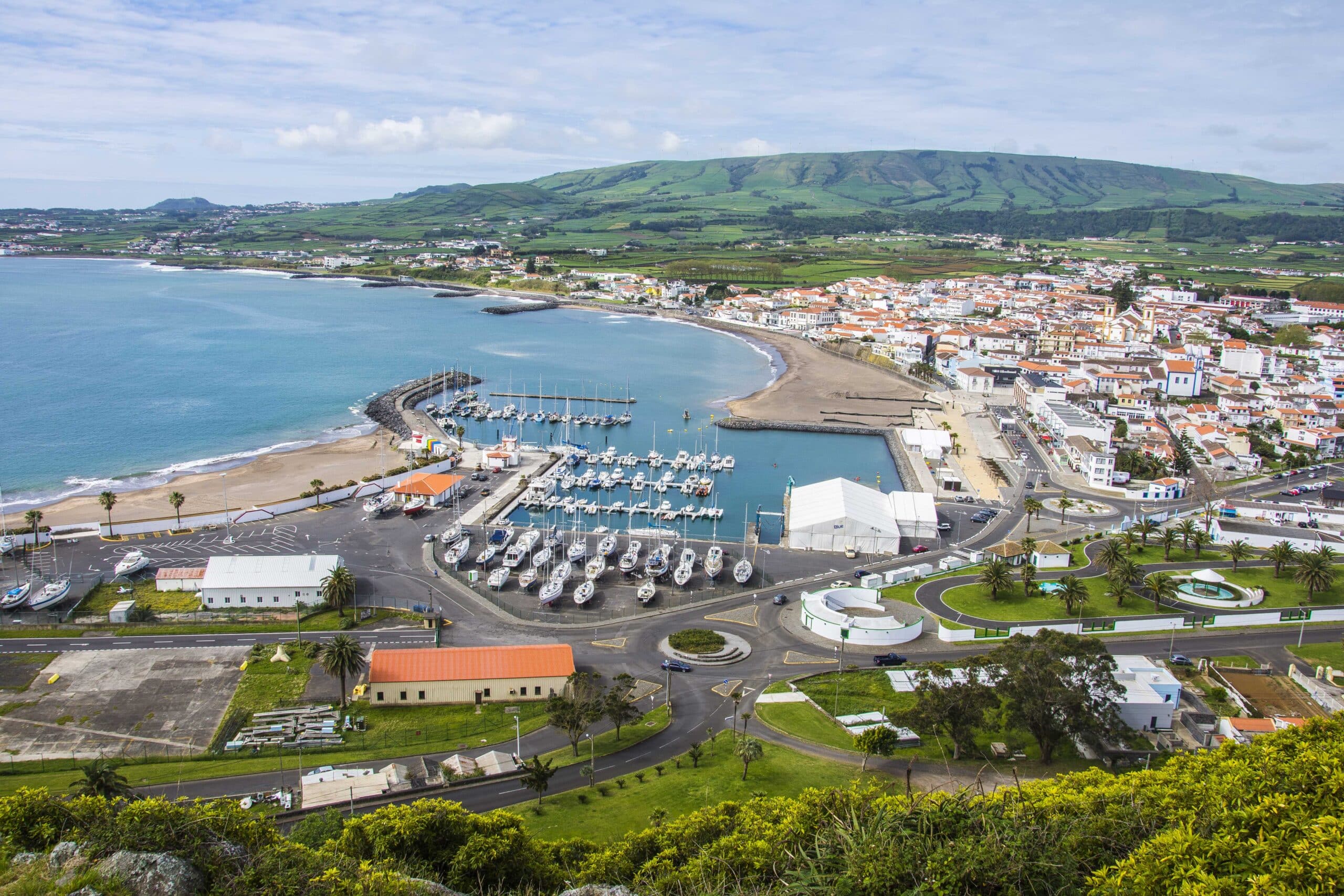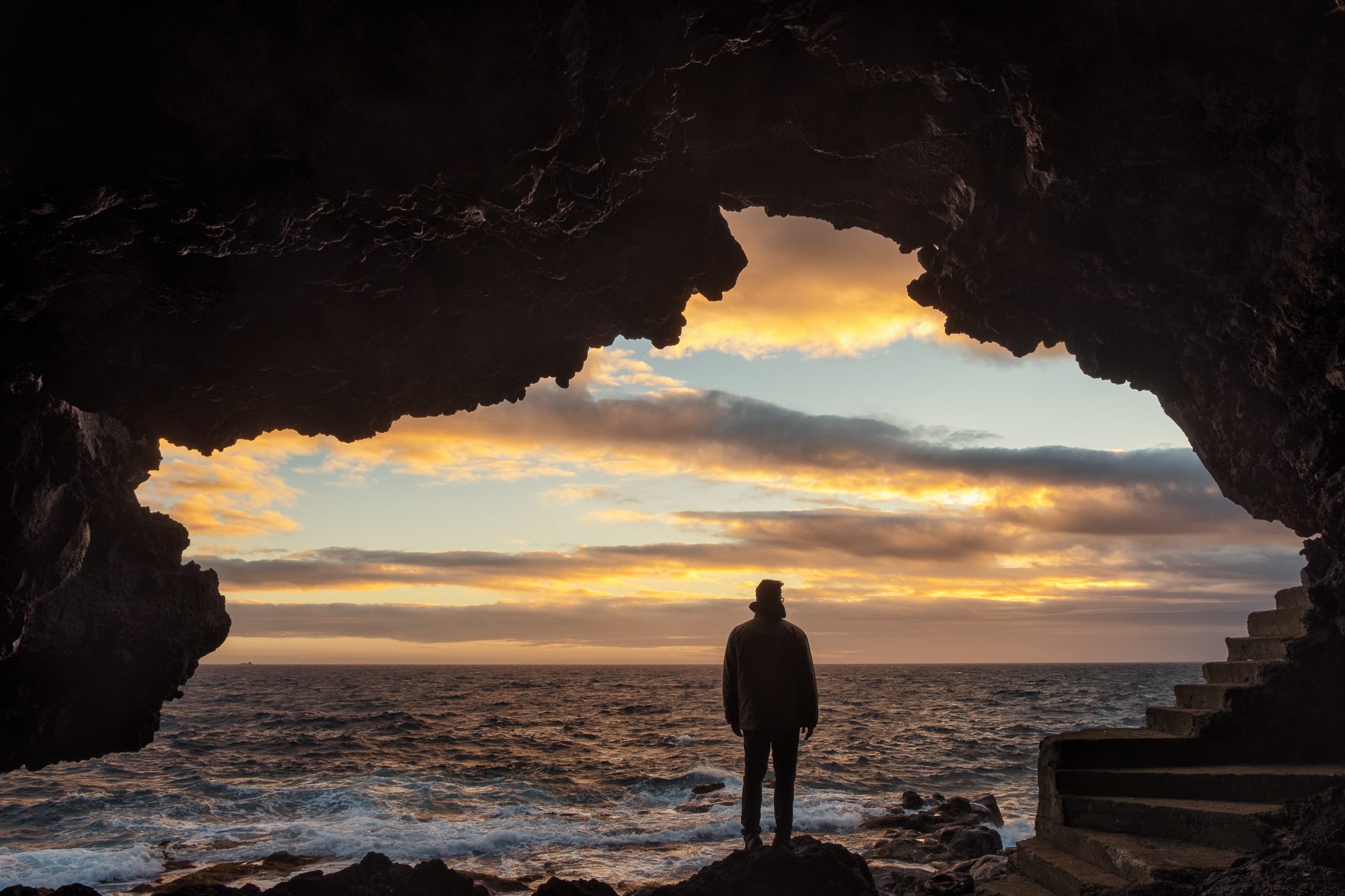





The Gruta do Natal (“Christmas Cave” literally translated) is a unique and mysterious geological formation located near the Serra de Santa Bárbara and Mistérios Negros Forest Reserve. This is a must-see for anyone looking for adventure and fun in nature.
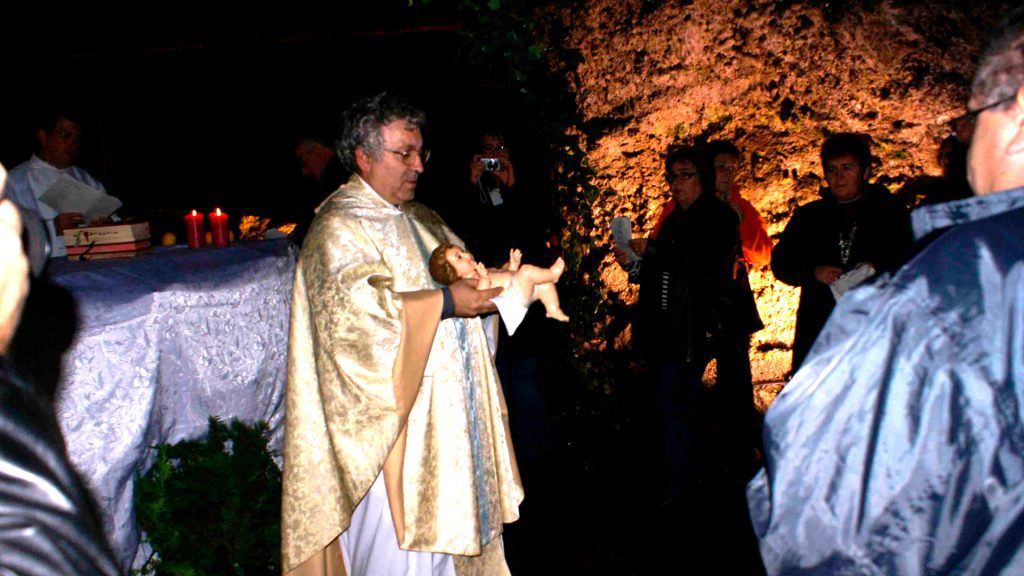
Located in Angra do Heroísmo, on Terceira Island, this cave is an extensive lava tube formed by incandescent lava flows — the best known in the region. It should be noted that during the Christmas season, the cave takes on a particular social importance for the community, as it is here that Christmas mass is held whenever possible.
In this article, you’ll learn about the Gruta do Natal, its historical and geological value, various curiosities, and how you can enjoy unique moments in one of the most beautiful volcanic manifestations of its kind.
What is Gruta do Natal?
The Gruta do Natal is located near Picos Gordos, part of the Serra de Santa Bárbara and Mistérios Negros Forest Nature Reserve in the parish of Altares. This geological formation is essentially an extensive lava tube.

Did you know
Gruta do Natal is located mainly underneath Lagoa do Negro.
They have well-prepared this cave to receive tourists, ensuring the best lighting and safety conditions. Inside, there are two staircases, and you can walk on the original floor of the cave — it hasn’t changed over time. Access is a bit more complex than in other caves in Terceira, but it offers a great natural experience. Outside the cave, there are several high-altitude pastures and cryptomeria forests.
Geology and Volcanology
The Gruta do Natal consists of an extensive magical lava tunnel, 697 meters long, 12 meters high, and 7 meters wide. You can visit this tunnel with a guide year-round. Despite the marks of human presence, this cave consists of a complementary geological structure, different types of lava, staphylites, and side counters, and an Algar. This unique underground experience will leave you speechless, awed by the bizarre shapes and colors that so well characterize the atmosphere of this place.
Did you know
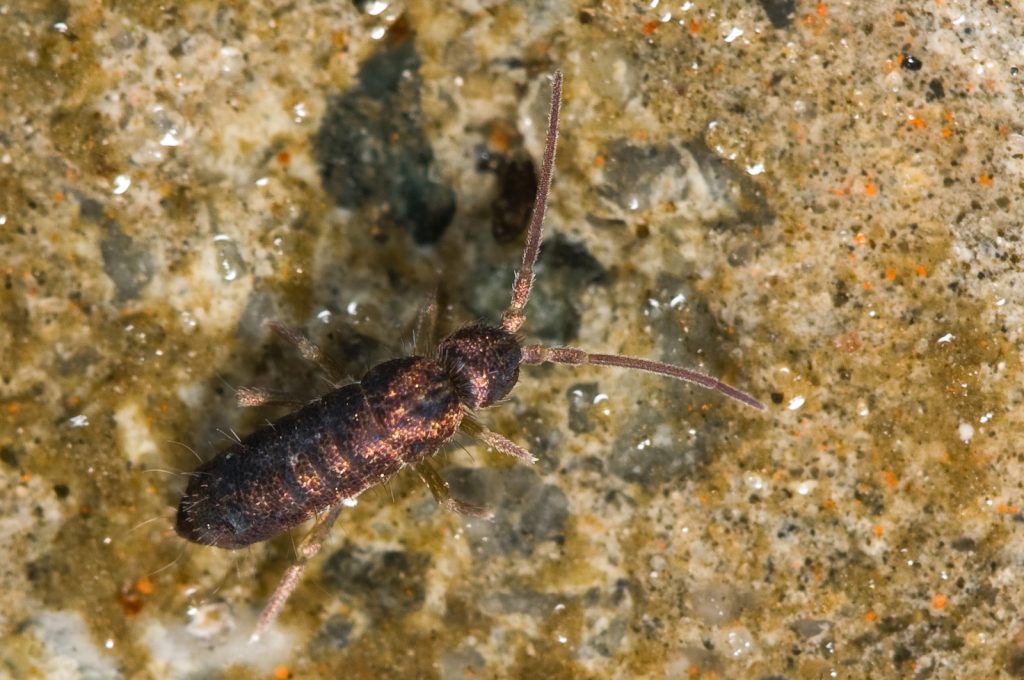
Due to its geomorphological characteristics and biodiversity, the Gruta do Natal is part of the Natura 2000 Network.
History
The Gruta do Natal is a mystical place in Terceira, not only because of its origin but also because of its history. To this day, researchers have not been able to explain precisely how the cave came to be. Initially, the cave was known as Galeria Negra because it was dark when it was discovered. It later became known as the Horse Cave because a horse’s bone was found near the cave entrance during one of the first explorations.
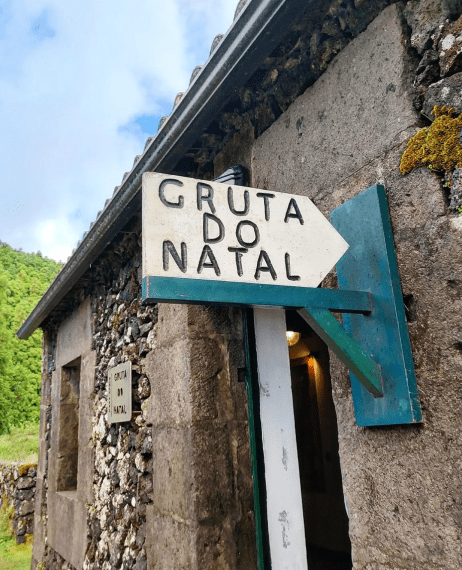

However, the current name first appeared on 25 December 1969, following the Christmas Mass celebrated inside the cave — the first time the site was open to the public. The “Os Montanheiros” association started this unique Christmas tradition. Since then, this grotto has been the “stage” for other Christmas Masses, baptisms, and weddings.
What to Do in Gruta do Natal
Visit the Gruta do Natal Interpretation Center
On 1 December 1998, the “Os Montanheiros” association inaugurated the Gruta do Natal Interpretation Center. Its main objectives are to promote the tourist exploitation of the cave and ensure its maintenance. This interpretation center serves as a gateway to the cave and allows visitors to learn about its origin, which stems from lava flows left behind by fissure eruptions. Visitors can follow an internal circuit full of cultural and traditional history.
Did you know
There is a permanent exhibition featuring photographs that allude to the archipelago’s volcanism and the social and historical activities that took place in the Gruta do Natal, such as baptisms, masses, and weddings.
It is currently possible to buy a double ticket to explore the Gruta do Natal and Algar do Carvão. This ticket costs 15 euros per adult — a price that has been in force since January 2023. Each cave is entirely different, and both are worth visiting.
Discover Gruta do Natal
After getting to know the Gruta do Natal Interpretation Center, it’s time to set off and explore the cave’s interior. The cave’s internal circuit features a unique route that offers a closer look at the history and culture of the Azores. Visits to the cave interior are conducted with a specialized, well-informed guide who will explain the scientific importance of the cave’s geological formations and those of the archipelago.

Quick Info
The internal circuit is designed so that you don’t have to travel the same route to and from the cave.
Please note that you are recommended to wear the safety equipment provided during the visit — in this case, a helmet.
Plan Your Visit to Gruta do Natal
As you might expect, the Gruta do Natal plays a significant role in the customs and traditions of the local inhabitants during December, more specifically during the Christmas season. However, if you’re passing through Terceira at any other time of year, you should know that you can visit the Gruta do Natal at the following times:
- Autumn/Winter (1st October to 31st March): open to the public on Tuesdays, Wednesdays, Fridays and Saturdays from 14:30 to 17:00;
- Spring (1st April to 31st May): open to the public every day from 14:30 to 17:00;
- Summer (1st June to 30th September): open to the public every day from 14h00 to 18h00.
Therefore, if you wish to visit the Gruta do Natal, we recommend planning your visit according to the times shown above. In addition, it is also advisable to book your flights and tours.
Best Time to Visit
The best time to visit the Gruta do Natal is usually between April and September, when the cave is open to the public daily and the days are sunny and more inviting for nature walks. However, if you’re visiting Terceira in the autumn/winter, although the temperatures outside the cave are lower and the rain is more frequent, you should know that the climate inside the cave remains mild year-round. In addition, the cave is sheltered, so you can enjoy this unique experience at any time.
Note: always check the cave’s opening hours.
Check all our articles about the weather in the Azores throughout the year 🌤️ ☔️: January | February | March | April | May | June | July | August | September | October | November | December
Where to Eat
If you need somewhere to eat near Gruta do Natal, click here. In this link, you’ll find the 10 best restaurants on TripAdvisor.
Where to Stay
To make your life easier, we’ve filtered the search by:
How to Get to Gruta do Natal
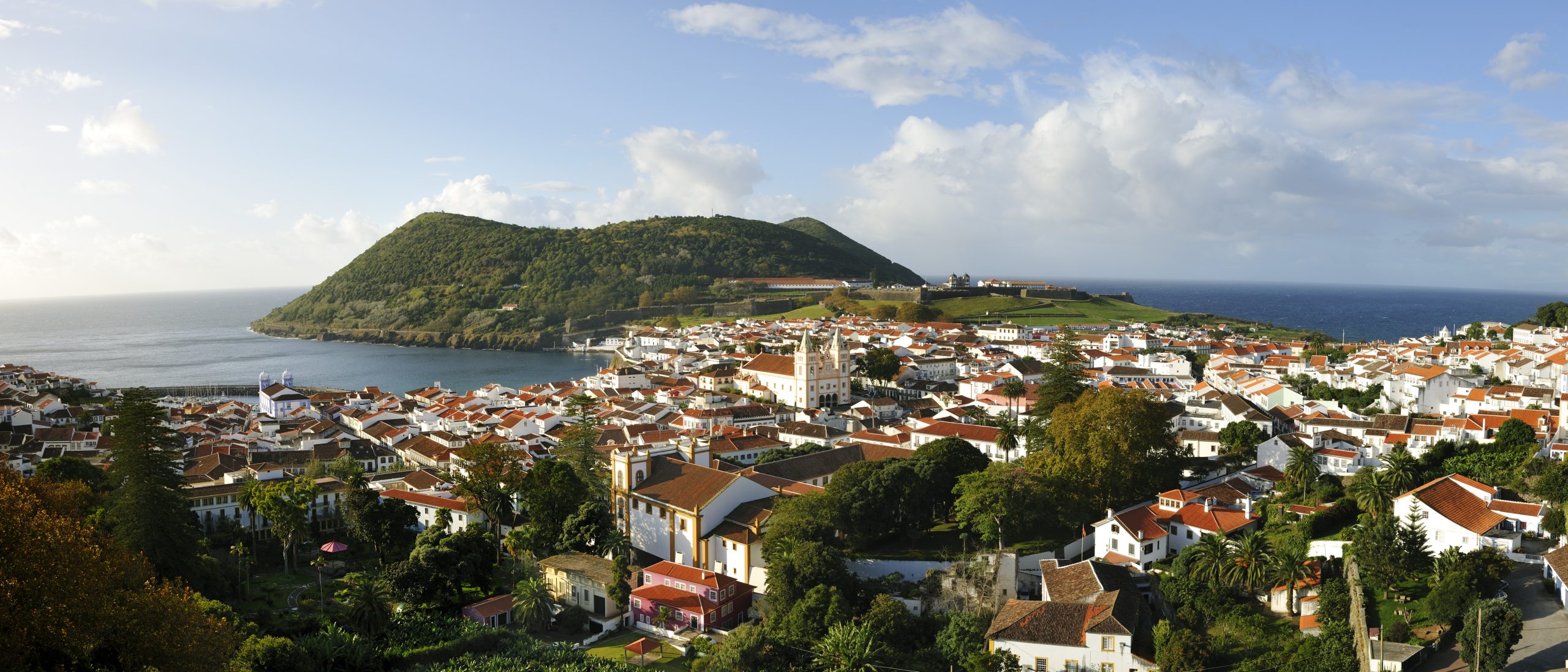
The Gruta do Natal is located in the parish of Altares, in the city and municipality of Angra do Heroísmo. If you are traveling from the city of Angra do Heroísmo to the Gruta do Natal, you have several alternative routes and modes of transport available.
Following EN3-1A, you can choose between an owned or rented vehicle, a bicycle, or walking to your destination. To reach the Gruta do Natal, you will have to travel around 12 kilometers. The journey takes approximately 15 minutes by car, 1 hour and 15 minutes by bicycle, and 2 hours and 30 minutes on foot.
Planning a trip to the Azores? These articles will help you: How to Get to the Azores 🗺️ | Azores airports 🛬 | Flights between islands ✈️ | Ferries between islands ⛴️ | Which island to choose? 🏝️ | What airlines fly to the Azores? 🛩️
Nearby Attractions
Algar do Carvão

Algar do Carvão is an 80-meter-deep volcanic chimney with a crystal-clear lake at its base. Admire the most beautiful opal stalactites and stalagmites. This site is a must-visit due to its international relevance, scientific interest, and tourist appeal. To access this underground wonder, you’ll have to go down the 338 stairs and through the tunnel into Algar do Carvão.
Once inside Algar do Carvão, nothing feels like our world; it’s like walking on another planet. Impressive stalactites and evidence of the eruption that formed the cave. Look inside the cave. You will find magnificent whitish walls with red veins. The rocks are rich in iron and silica minerals, and there are also some layers of basalt.
Furnas do Enxofre
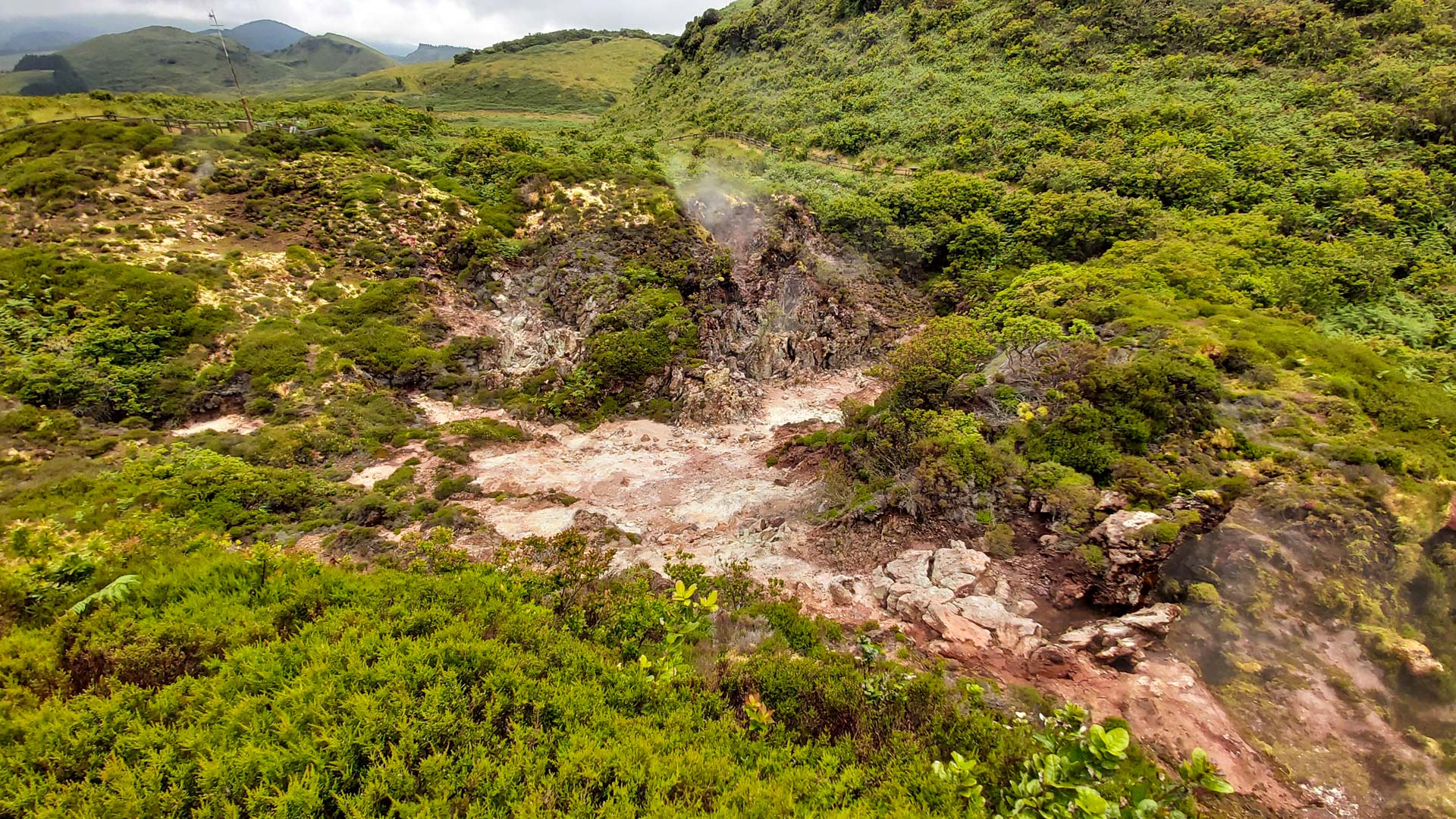
Furnas do Enxofre is located in the parish of Posto Santo, in the municipality of Angra do Heroísmo, in Terceira. This fumarolic field is designated as a natural monument and covers approximately 14 hectares.

Did you know
The monument is part of the Central Plateau of Terceira and is a geosite in the UNESCO World Geopark of the Azores.
It should be noted that Furnas do Enxofre is a large fumarolic field, considered the most important in Terceira, located in the heart of the island. It was formed by geological processes associated with the region’s volcanic activity.
This natural tourist attraction is characterized by various manifestations of volcanic and geothermal activity, which come from volcanic gases emitted at high temperatures — 95. °C at the surface and 130. °C at a depth of half a meter.
Furnas do Enxofre is a popular tourist destination due to its unique landscape. However, prolonged exposure to sulfurous gases can be harmful to your health.
Monte Brasil

Monte Brasil is located on the south coast of Terceira Island in the Azores archipelago. This natural masterpiece is in the parish of Sé, in the city and municipality of Angra do Heroísmo, and is another of the island’s unique corners. An underwater basaltic eruption formed this natural monument as a volcanic cone. In other words, it formed in the sea and created a sheltered island, the origin of the city of Angra do Heroísmo.
Here, you can enjoy views from various viewpoints, with unique landscapes featuring a variety of trees and shrubs. In addition, you can explore submerged and semi-submerged caves, which host a high diversity of marine fauna.
Lagoa das Patas

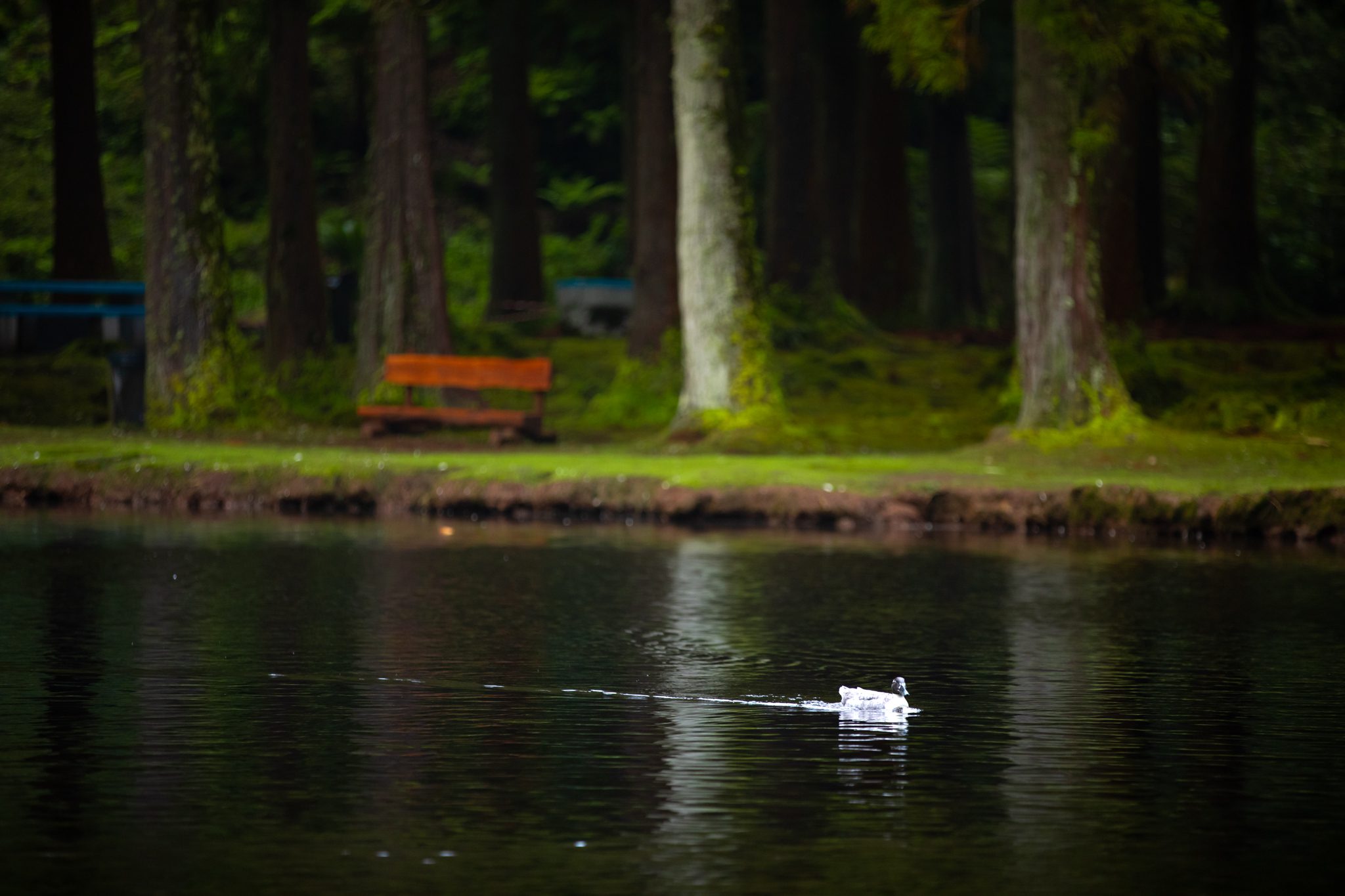
Lagoa das Patas, also known as Lagoa da Falca, is located in the Lagoa das Patas Recreational Forest Reserve, in the parish of Doze Ribeiras, in the municipality of Angra do Heroísmo, on Terceira Island, in the Azores. This lagoon is close to a stream at a reasonably high altitude. Water flowing down from the mountains through Ribeira Brava feeds it, and many ducks waddle among the water lilies, which is why people call it Lagoa das Patas.
The lagoon, surrounded by azaleas, hydrangeas, other shrubs, and trees, and the cryptomeria forest, convey the calm and silence of this wonder of nature — the small lake’s waters are reminiscent of a natural mirror.
Check all our articles about each one of the most relevant points of interest on Terceira Island: Algar do Carvão | Biscoitos | Furnas do Enxofre | Gruta do Natal | Jardim Duque da Terceira | Lagoa das Patas | Miradouro Serra do Cume | Miradouro da Serra de Santa Bárbara | Monte Brasil | Ponta das Contendas | Praia da Vitória | Gruta das Agulhas | Ilhéus das Cabras | Miradouro do Facho
Complementary Information
Best Season to Visit the Azores
The Azores Archipelago boasts a unique climate that shapes its lush landscapes, making it a splendid year-round destination. With mild temperatures and minimal fluctuations, each season offers something unique. Spring averages 16 °C, summer reaches 21 °C, autumn cools to 18 °C, and winter remains mild at 14 °C.
→ For a detailed breakdown of the weather by month, check the following links 🌤️☔️: January | February | March | April | May | June | July | August | September | October | November | December
How to Get to the Azores
The Azorean Archipelago is easily accessible through numerous flight routes. Lisbon and Porto are the main entry points to the continent, with direct flights available to São Miguel (PDL), Terceira (TER), Faial (HOR), Pico (PIX), and Santa Maria (SMA). To find the best flight, use search engines like eDreams or Skyscanner. These platforms let you compare prices and schedules from multiple airlines in one convenient location.
For more details on how to get to the Azores, take a look at our complete guide. But what if you want to explore beyond your arrival island? We’ve got you covered!
- Azores airports 🛬
- Flights between islands ✈️
- Ferries between islands ⛴️
- Which island to choose? 🏝️
- What airlines fly to the Azores? 🛩️
→ Once you’ve found the perfect route, book your tickets and get ready to experience one of the world’s most stunning island groups!
Travel Essentials
Essential Information for your Azores trip: Azorean Language & Phrases 🗣️ | Currency & Banks 💵 | Credit Cards & Traveler’s Cheques 🏧 | Driving in the Azores 🚗 | Electricity 🔌 | Experiences & Tours 🗺️ | Health & Safety 🩺 | Internet & Wi-Fi Access 🛜 | Phones & Mobile Service 📞 | Post Offices & Buying Stamps ✉️ | Public Holidays 🏖️ | Shopping 🛒 | Time & Daylight 🕒 | Whale Watching Guide 🐳 | Best Island to Visit 🏞️
Useful Tools & Apps
The weather in the Azores can be variable, so it’s helpful to use some apps before visiting the islands. Spotazores provides live camera feeds from the main tourist attractions, allowing you to check the weather and plan your visit. For accurate weather predictions, use Windy or Windguru — they provide the most reliable predictions.
Video
Conclusion
The Gruta do Natal is a natural monument full of enigmas and stories. Here, you can appreciate the singularity of this volcanic manifestation, which has significant scientific value within Terceira’s geological formations. When you visit Angra do Heroísmo, take the opportunity to discover this and many other wonders that nature has to offer.
You can visit other impressive natural attractions in the region, such as Algar do Carvão, Furnas do Enxofre, Monte Brasil, and Lagoa das Patas. You can also enjoy the magnificent views from the belvederes and savor the island’s local cuisine.
Authors’ Note
I am pleased to inform you that all the recommendations in this article are based on my personal experience and observations. As the author, I have personally visited each attraction mentioned, ensuring that every suggestion is grounded in first-hand knowledge and genuine enthusiasm.
FAQs
Gruta do Natal is located in the interior of Terceira Island, within the Natural Forest Reserve of Algar do Carvão and Mistérios Negros, near the Serra de Santa Bárbara.
Ancient lava flows formed Gruta do Natal, which is one of the few lava tubes on Terceira open to visitors. Inside, you can explore fascinating volcanic formations, including stalactites, lava ropes, and side passages that reveal the island’s geological history.
Visitors can explore Gruta do Natal through guided tours, usually organized by the Montanheiros Association. Guides provide helmets and lights for safety, and they recommend wearing comfortable shoes because the terrain is uneven and humid.
The name “Gruta do Natal” (Christmas Cave) comes from the tradition of celebrating Christmas Mass inside the cave — a unique event that still happens annually in December.