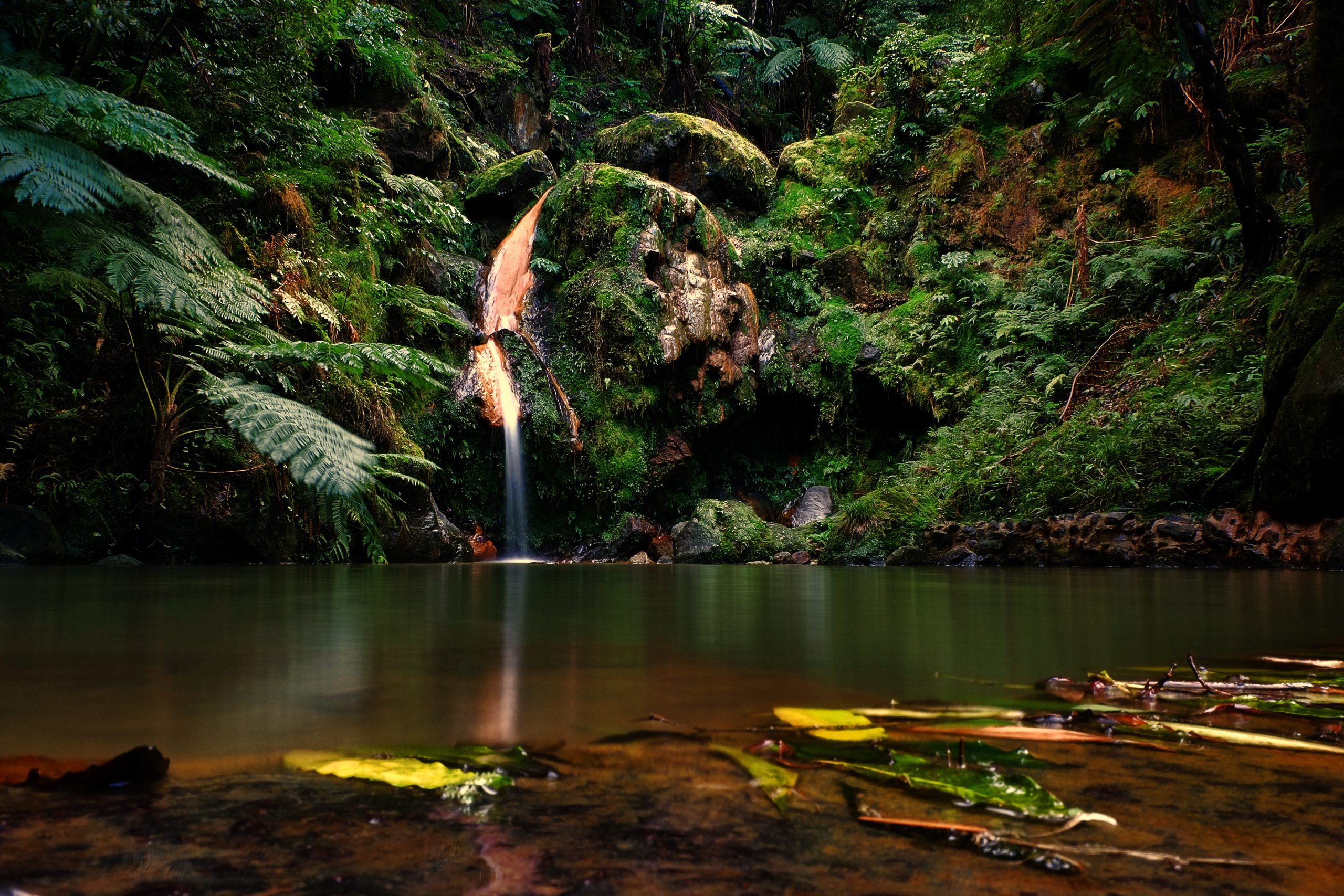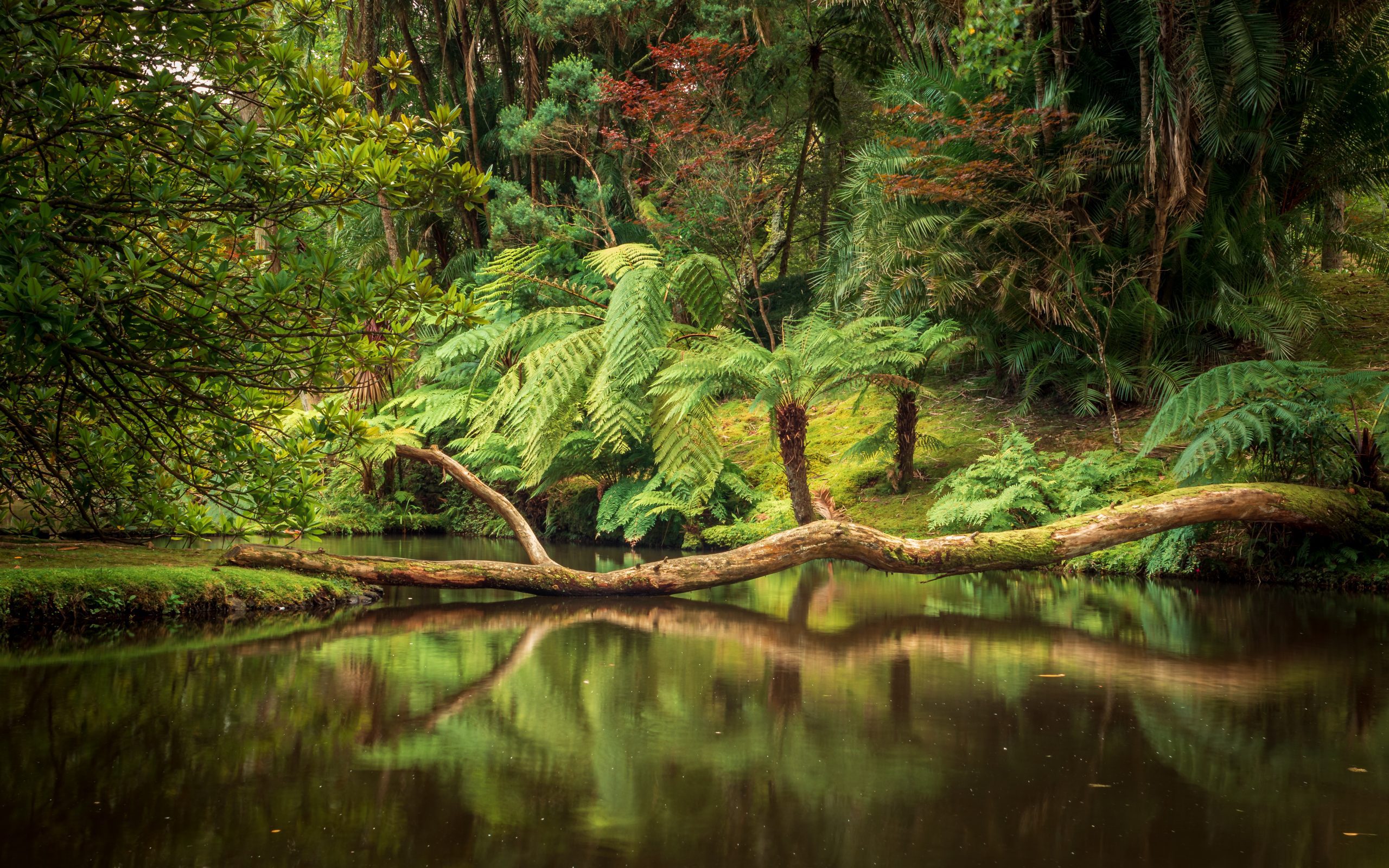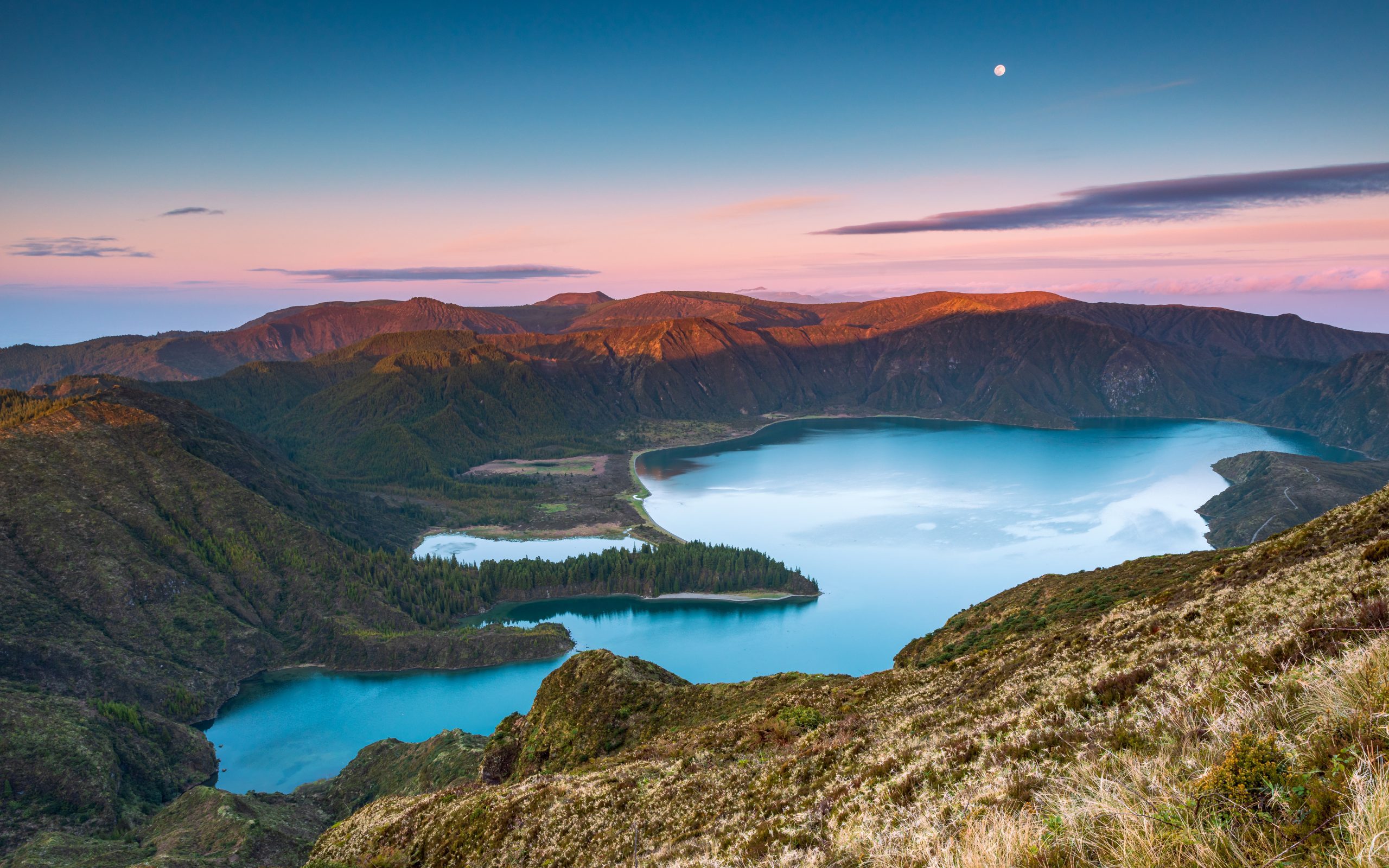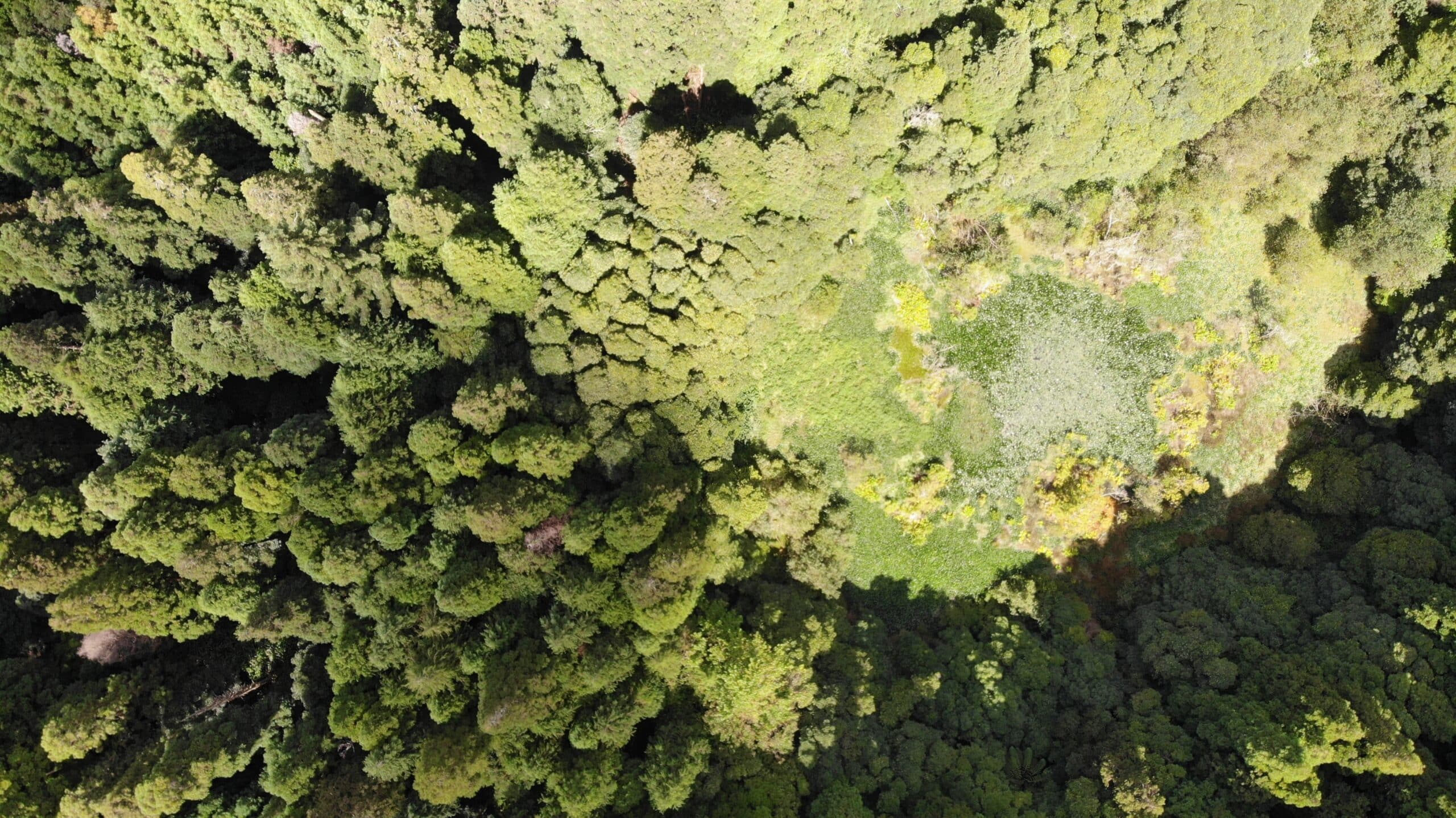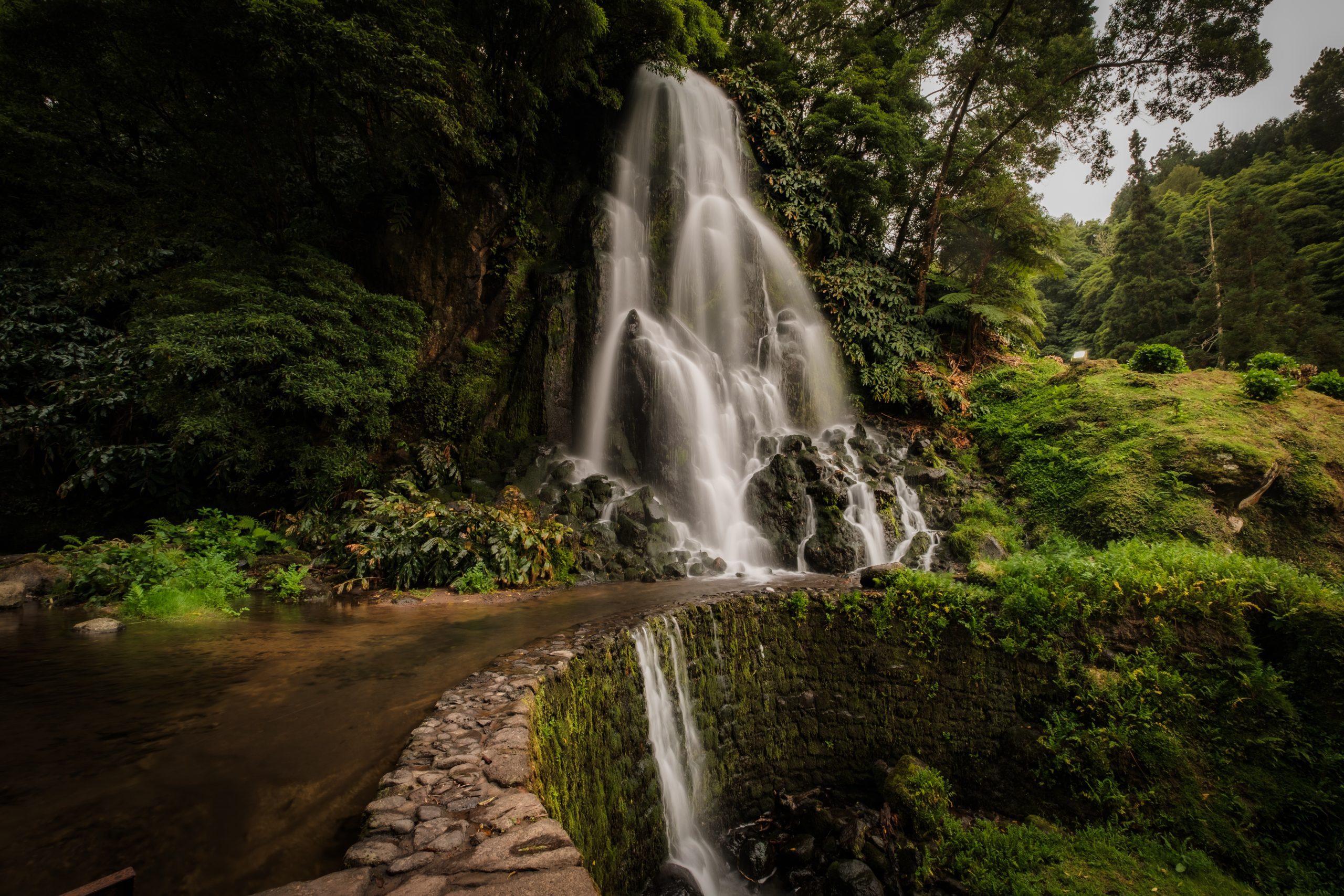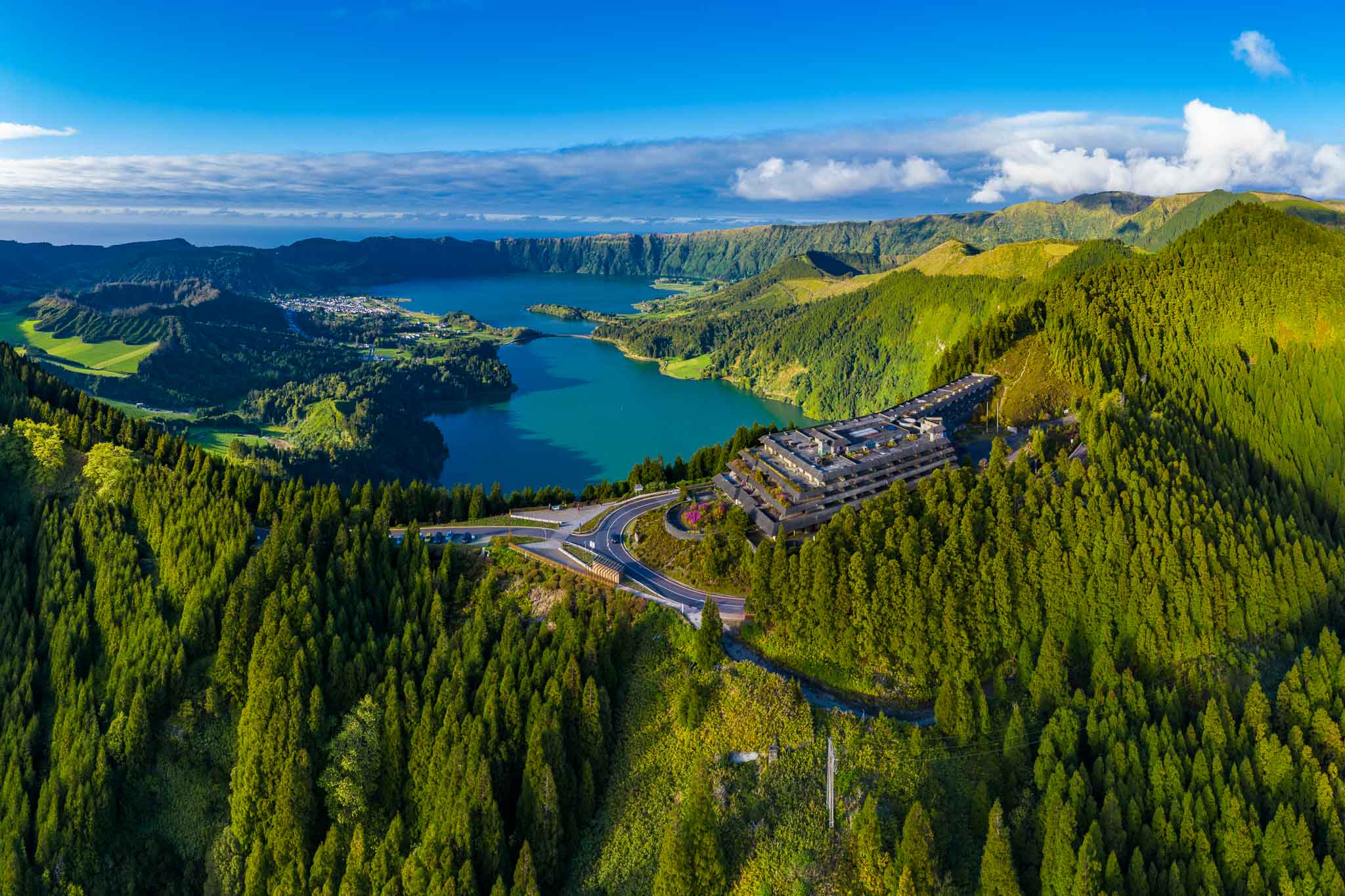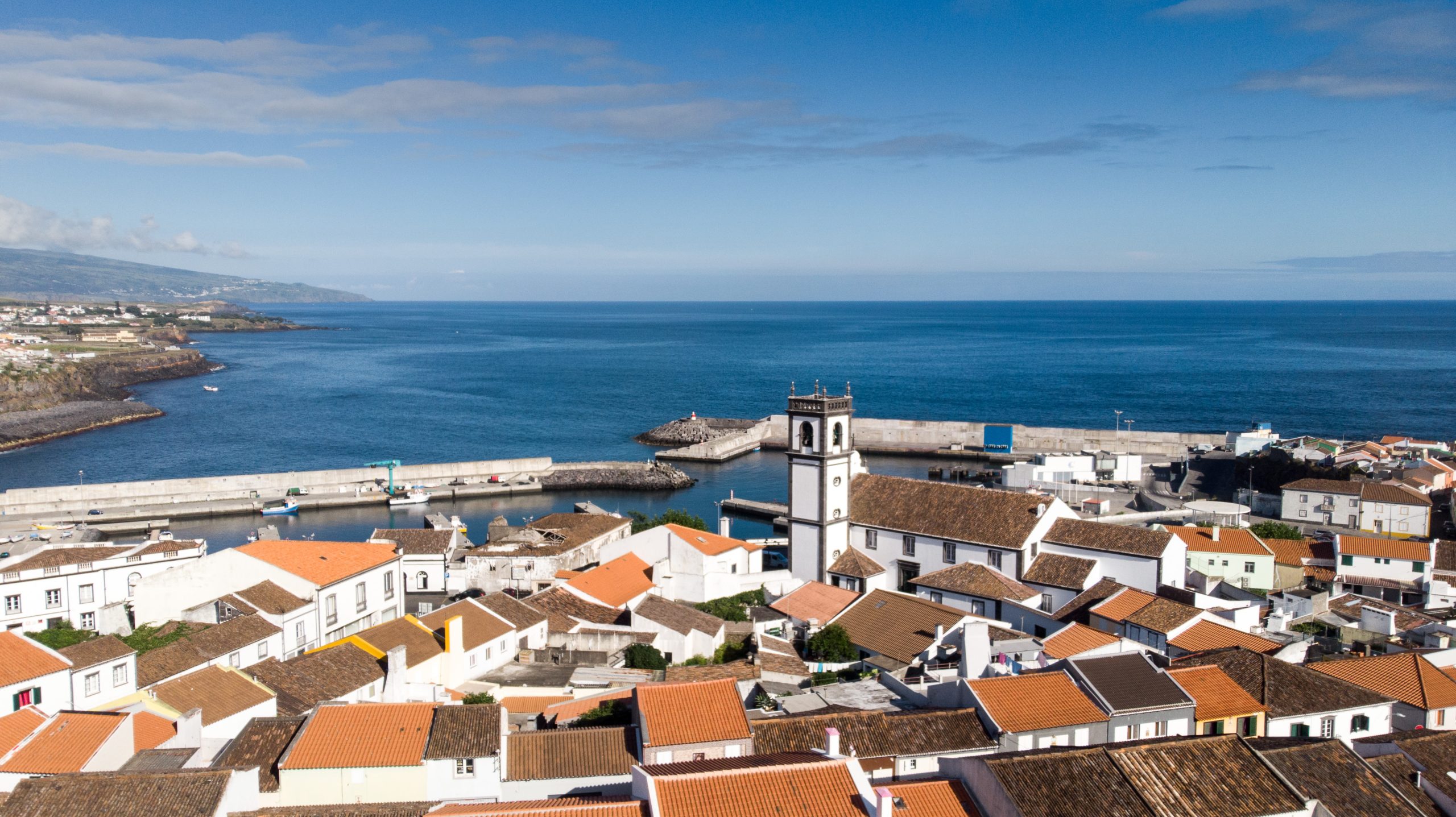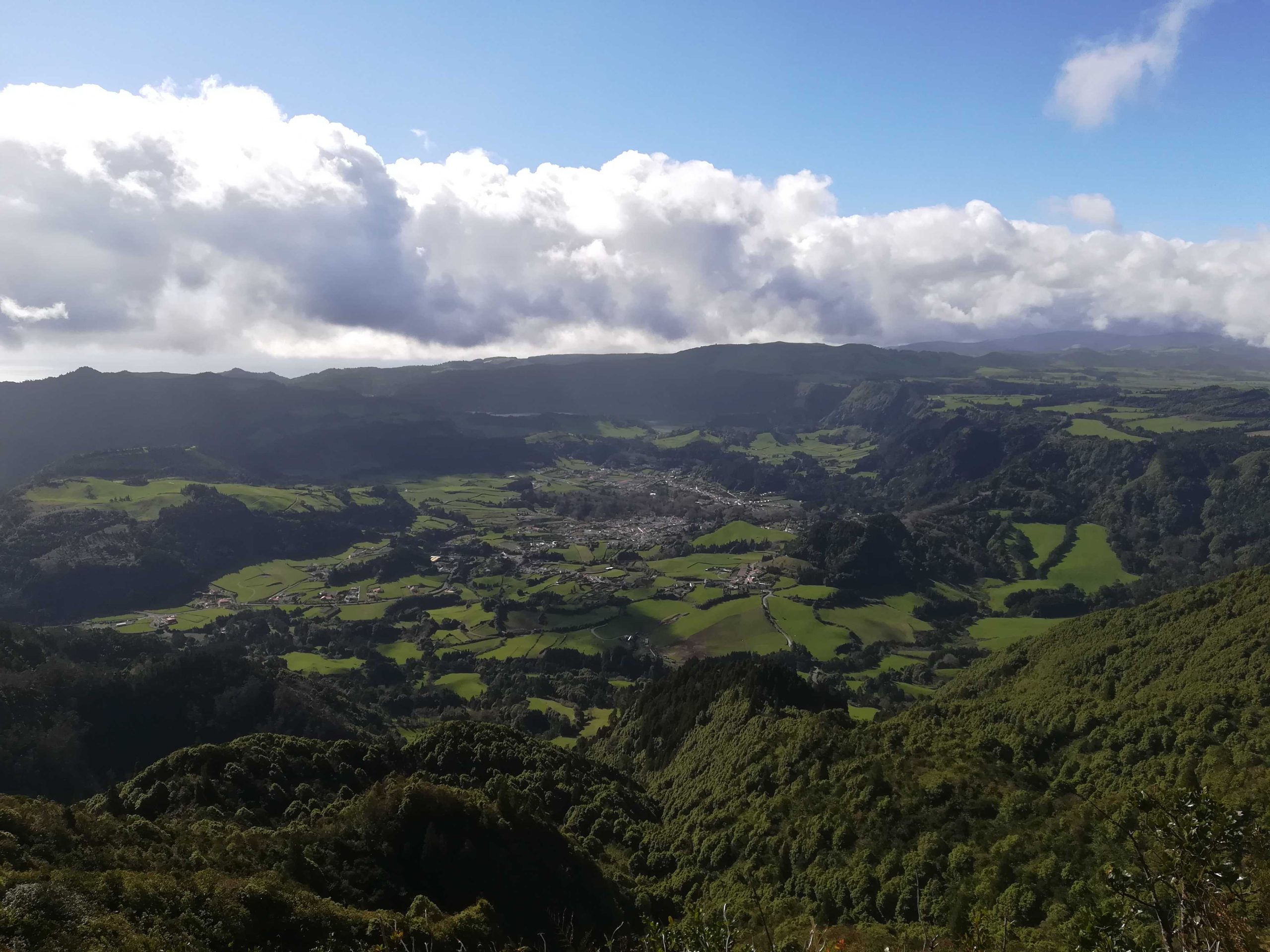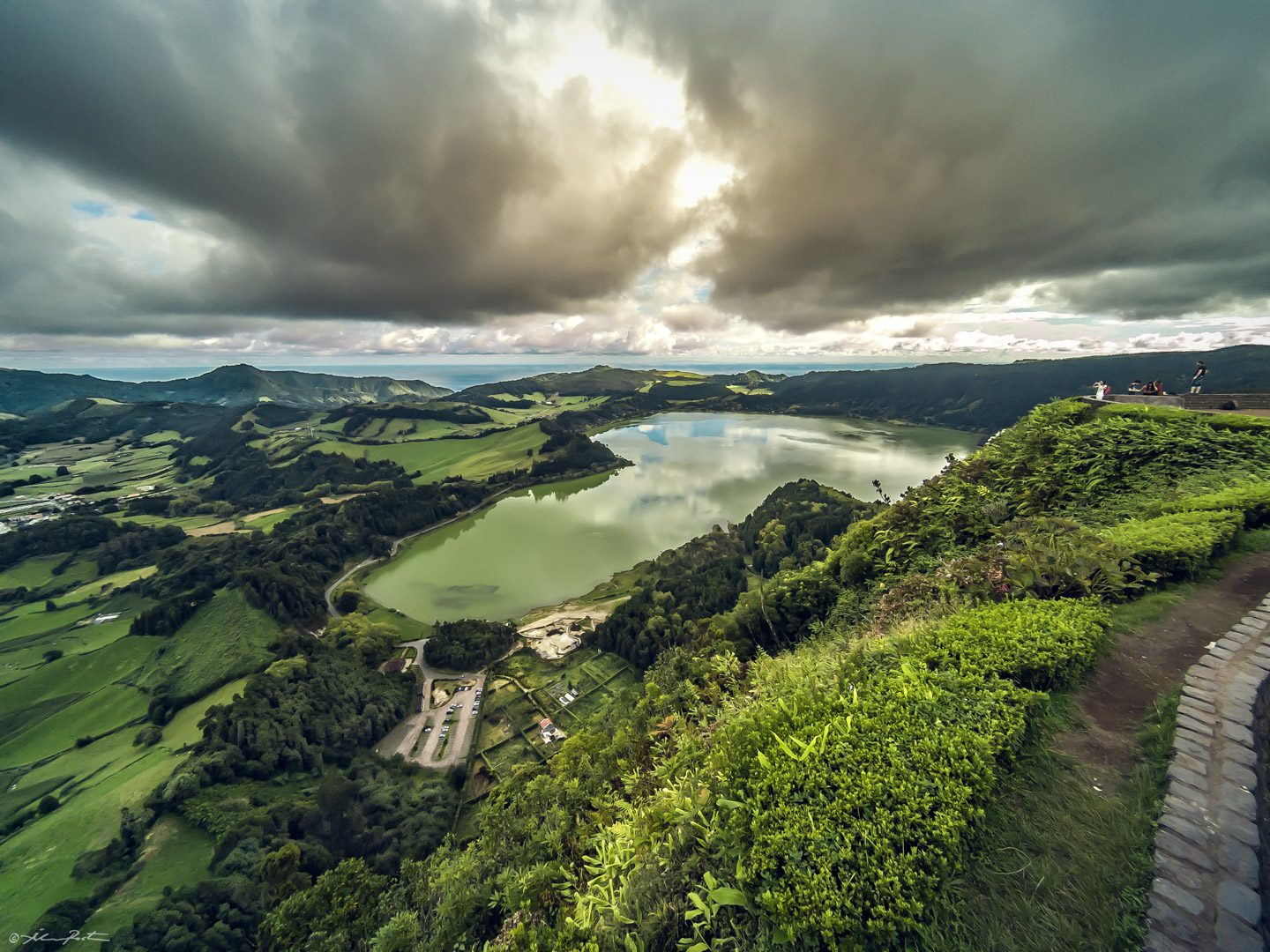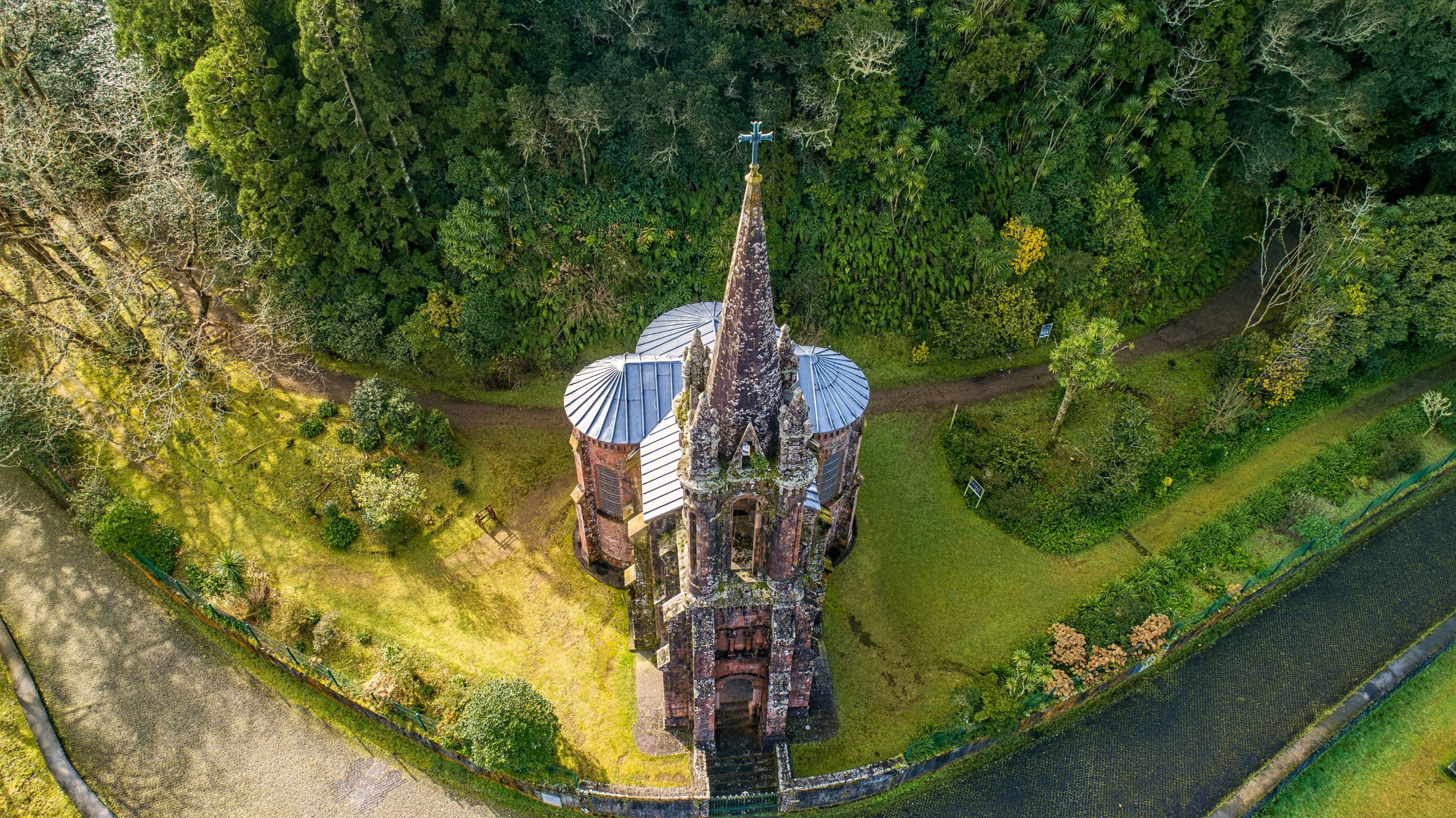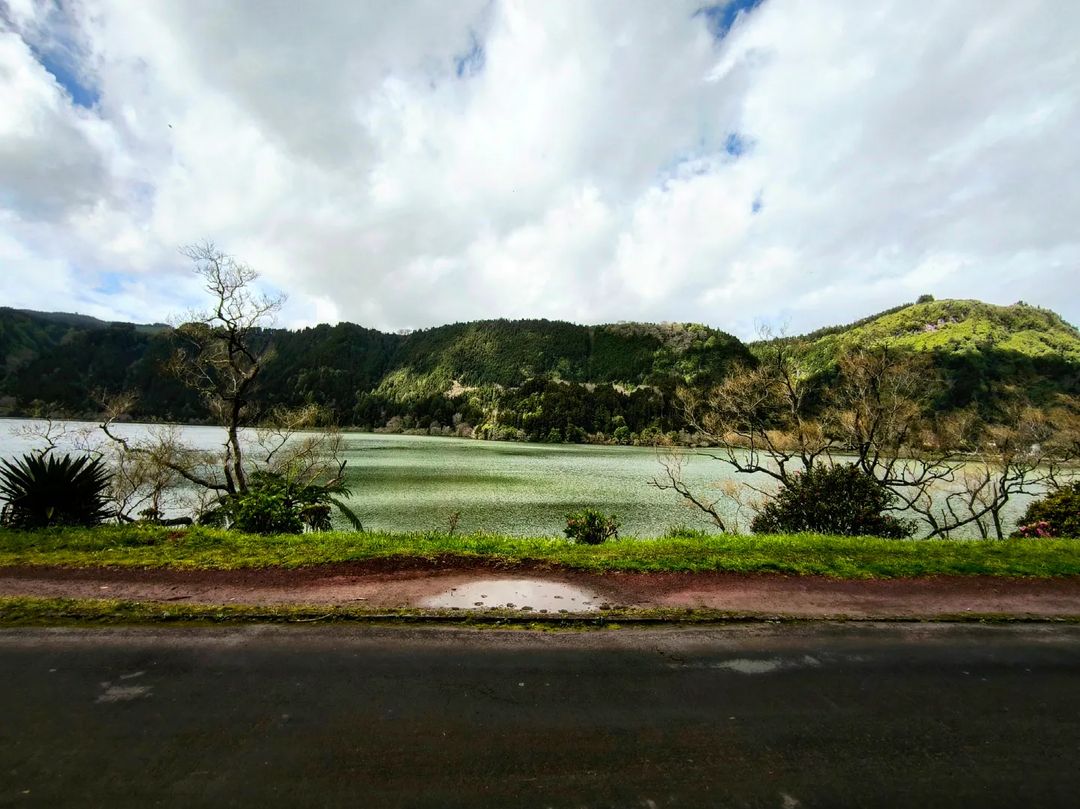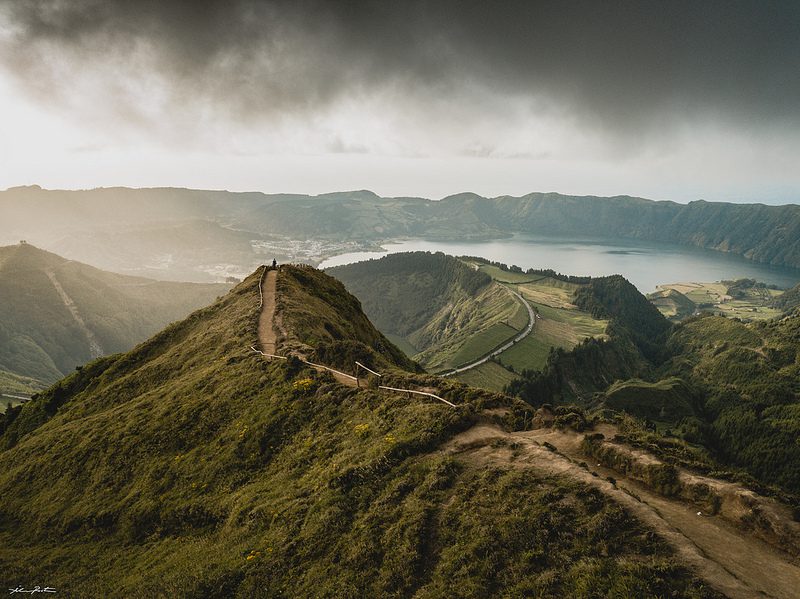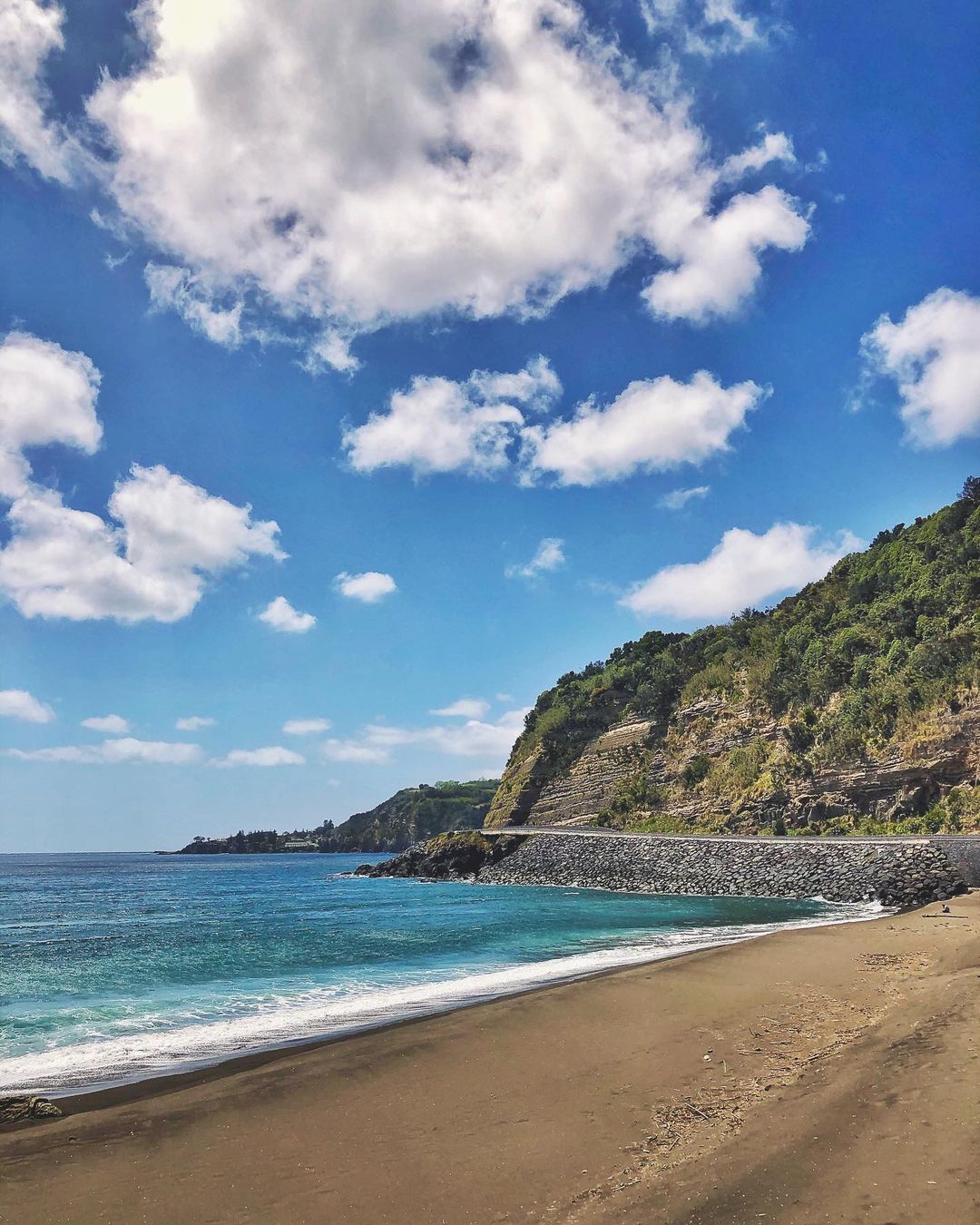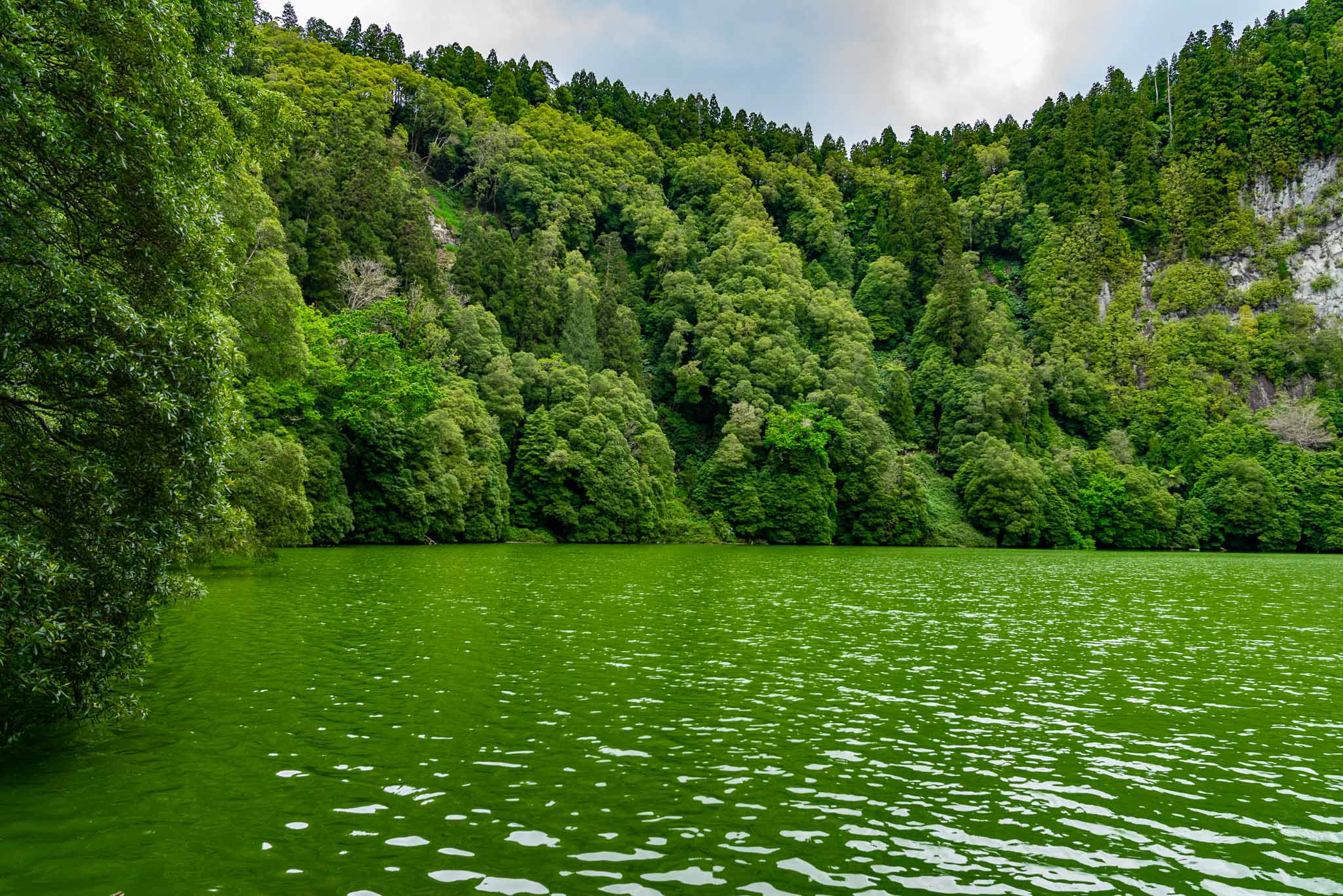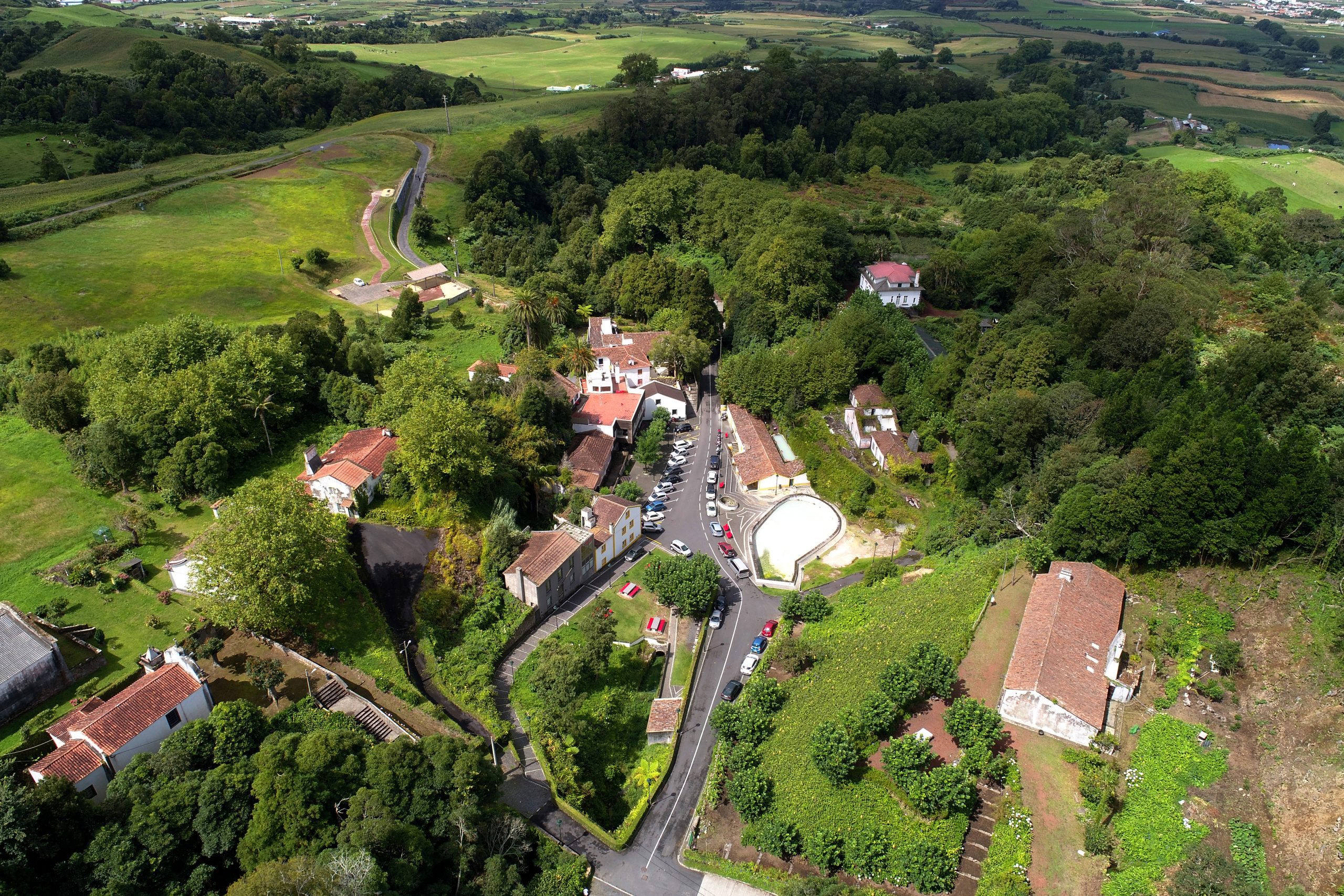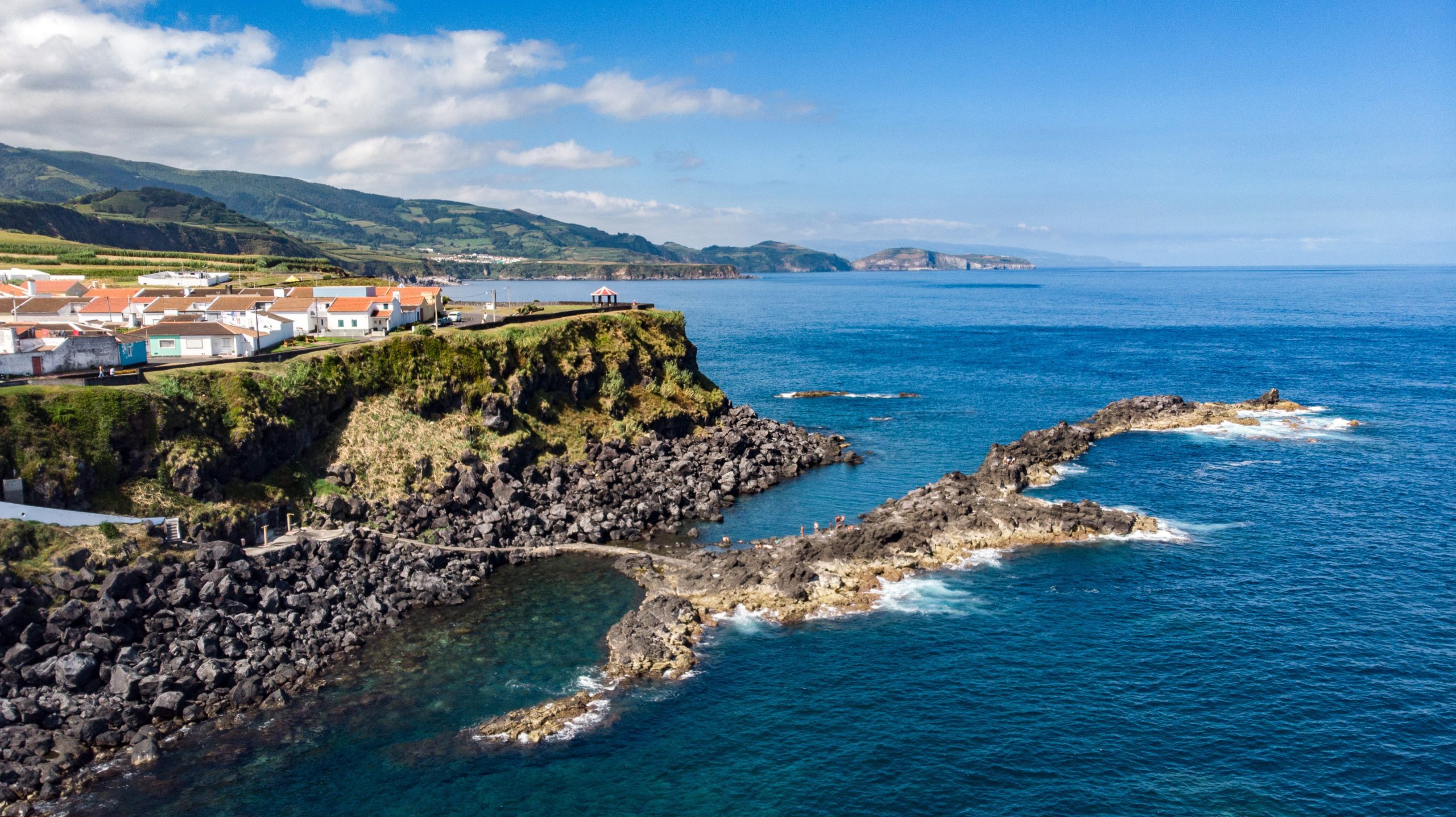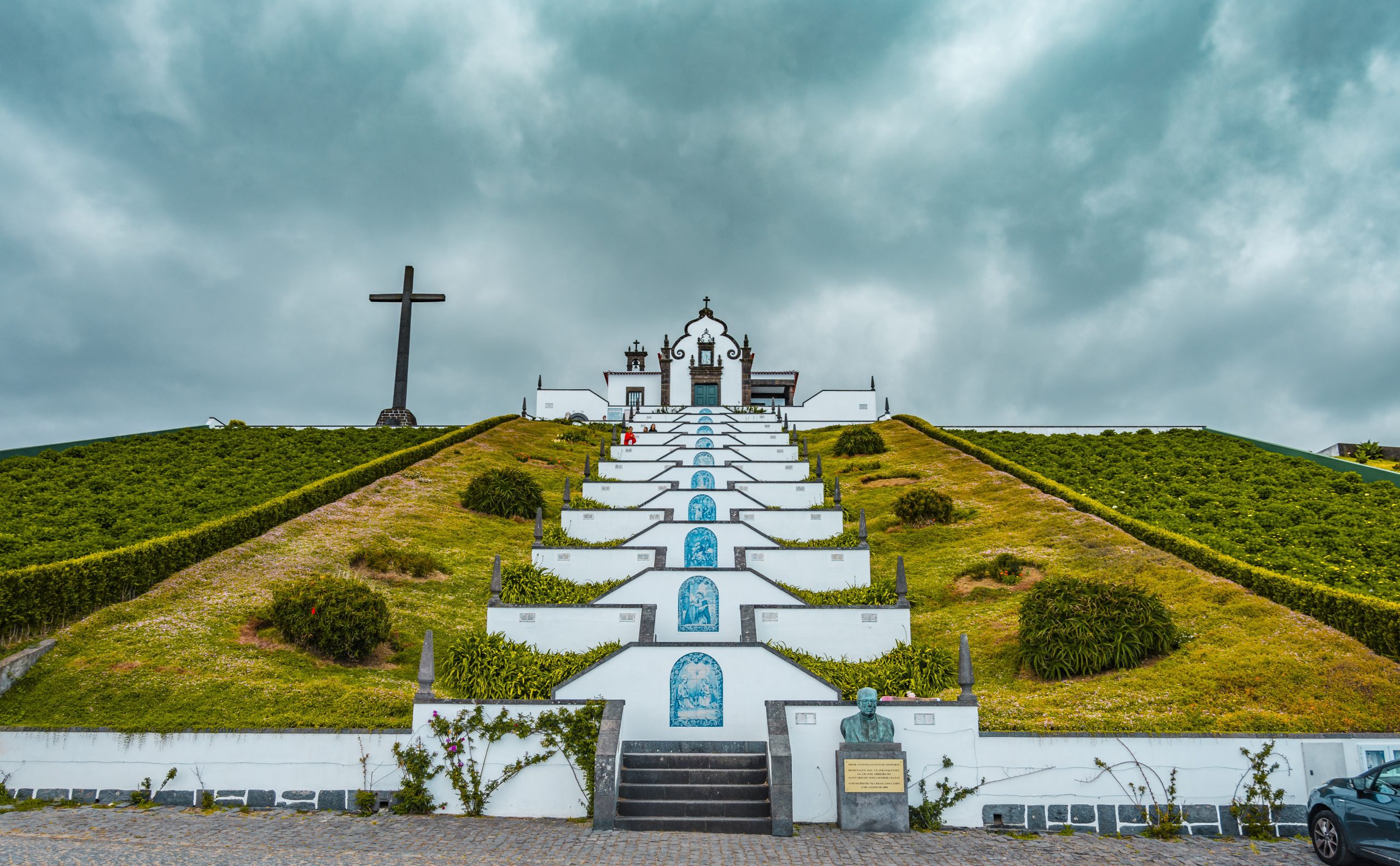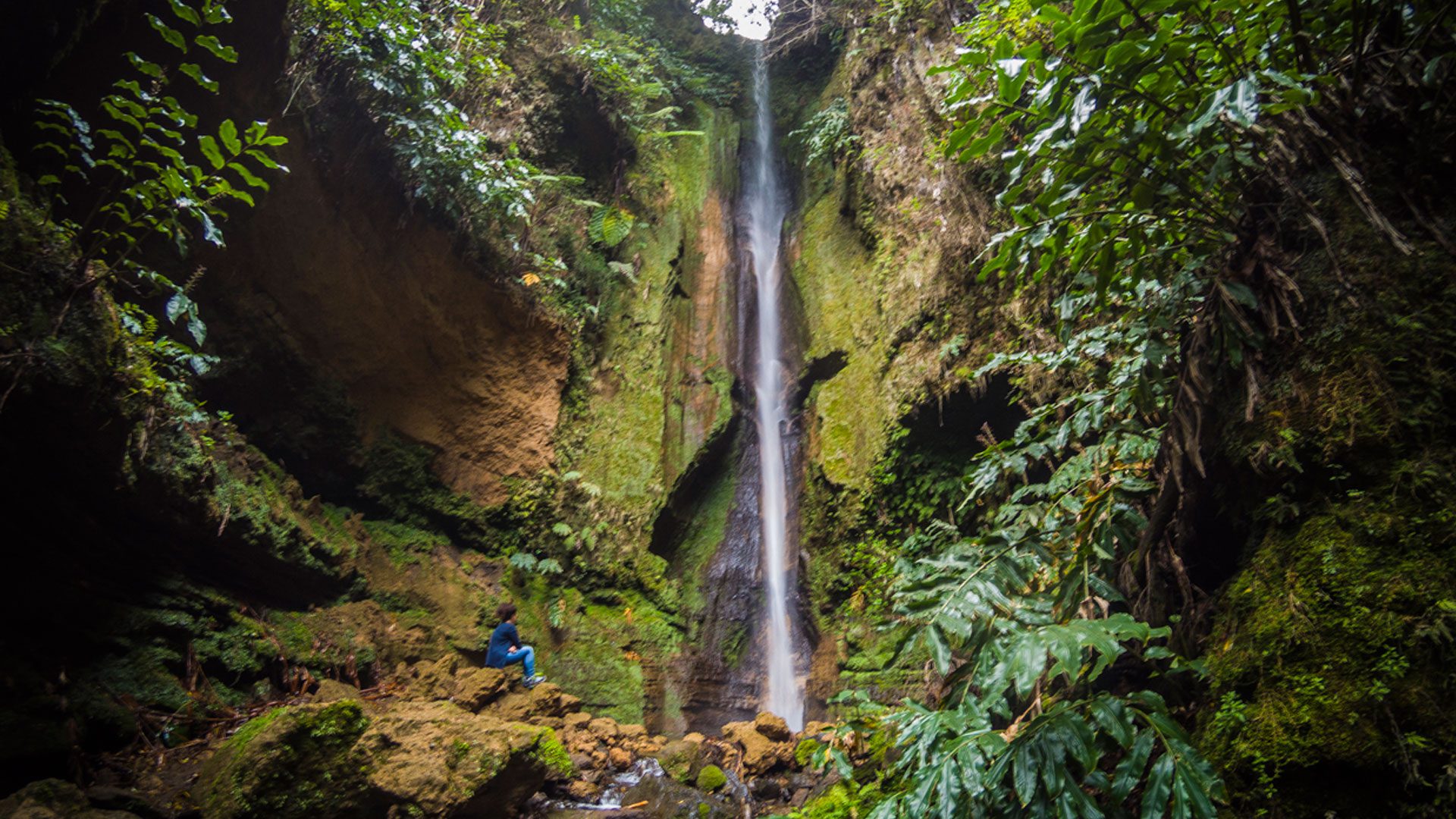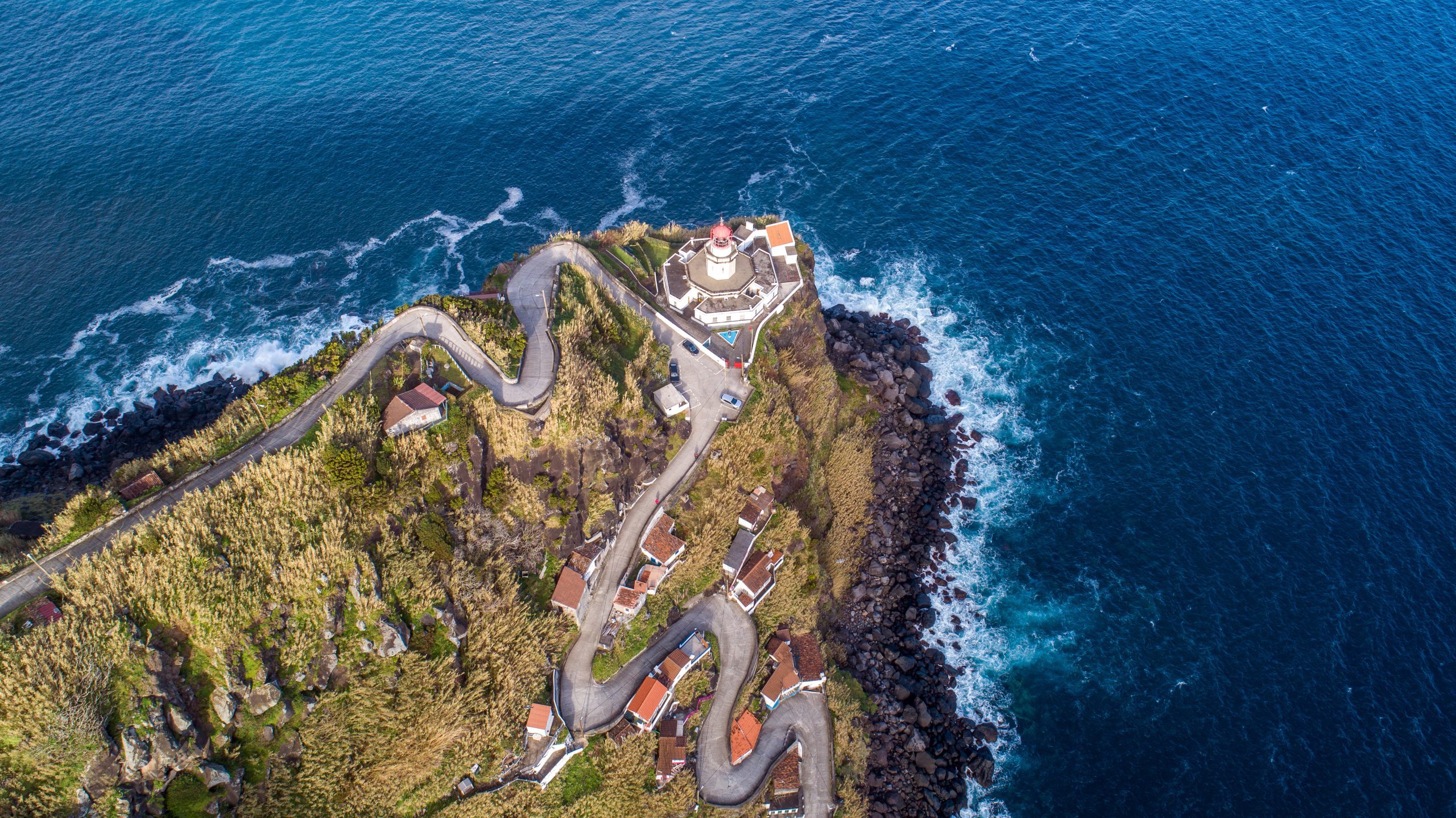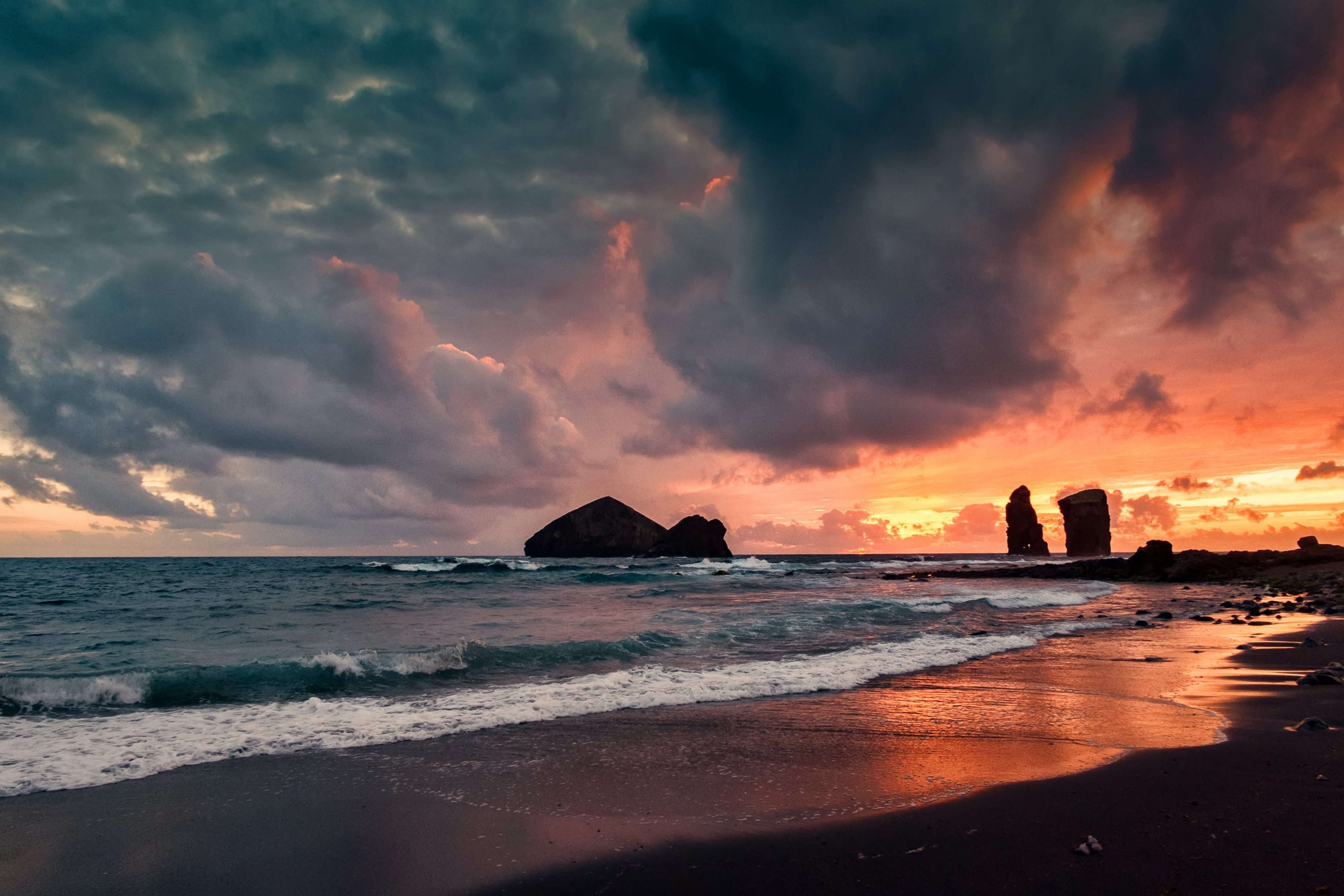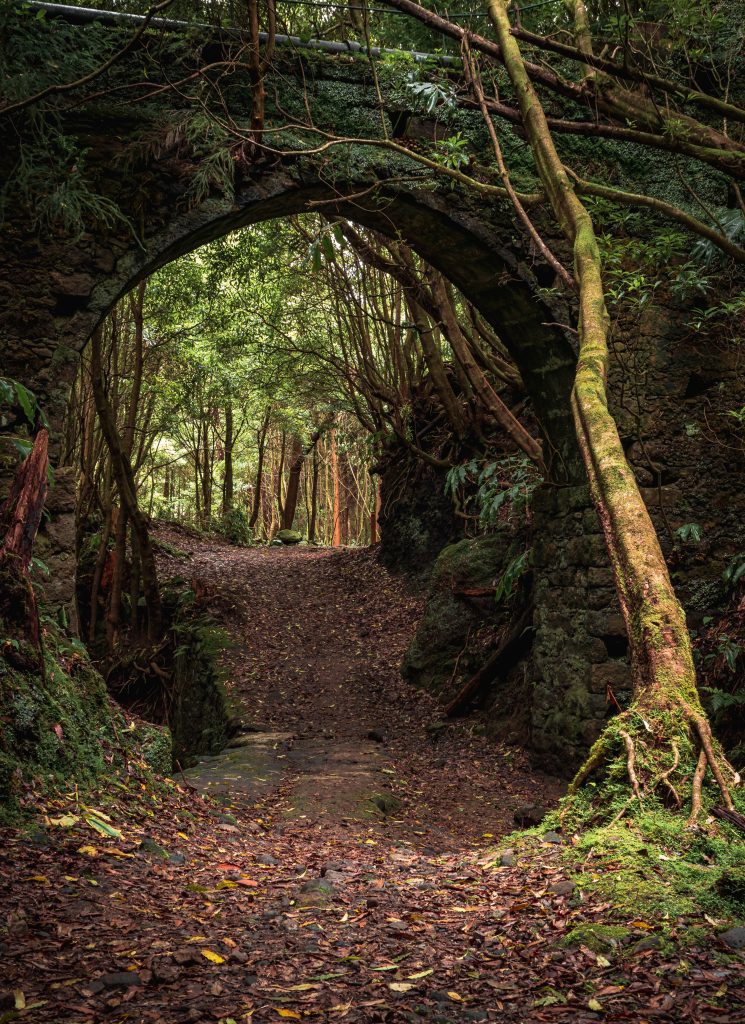







Deep in the volcanic highlands of São Miguel lies a hidden architectural gem. The Muro das Nove Janelas (Wall of the Nine Windows) is a historic 19th-century stone aqueduct. Surrounded by dense Cryptomeria forests and mystical mist, this moss-covered monument feels like something out of a fairy tale.
Located on the road leading into the iconic Sete Cidades volcanic complex, it serves as a fascinating reminder of São Miguel’s hydraulic history. Here is everything you need to know to explore this enchanting landmark.
What is Muro das Nove Janelas?

Muro das Nove Janelas is a historic 19th-century stone aqueduct on São Miguel’s western volcanic massif. Nestled in a lush forest of Japanese cedars (Cryptomeria japonica), this basalt landmark marks the entrance to the Sete Cidades volcanic complex.
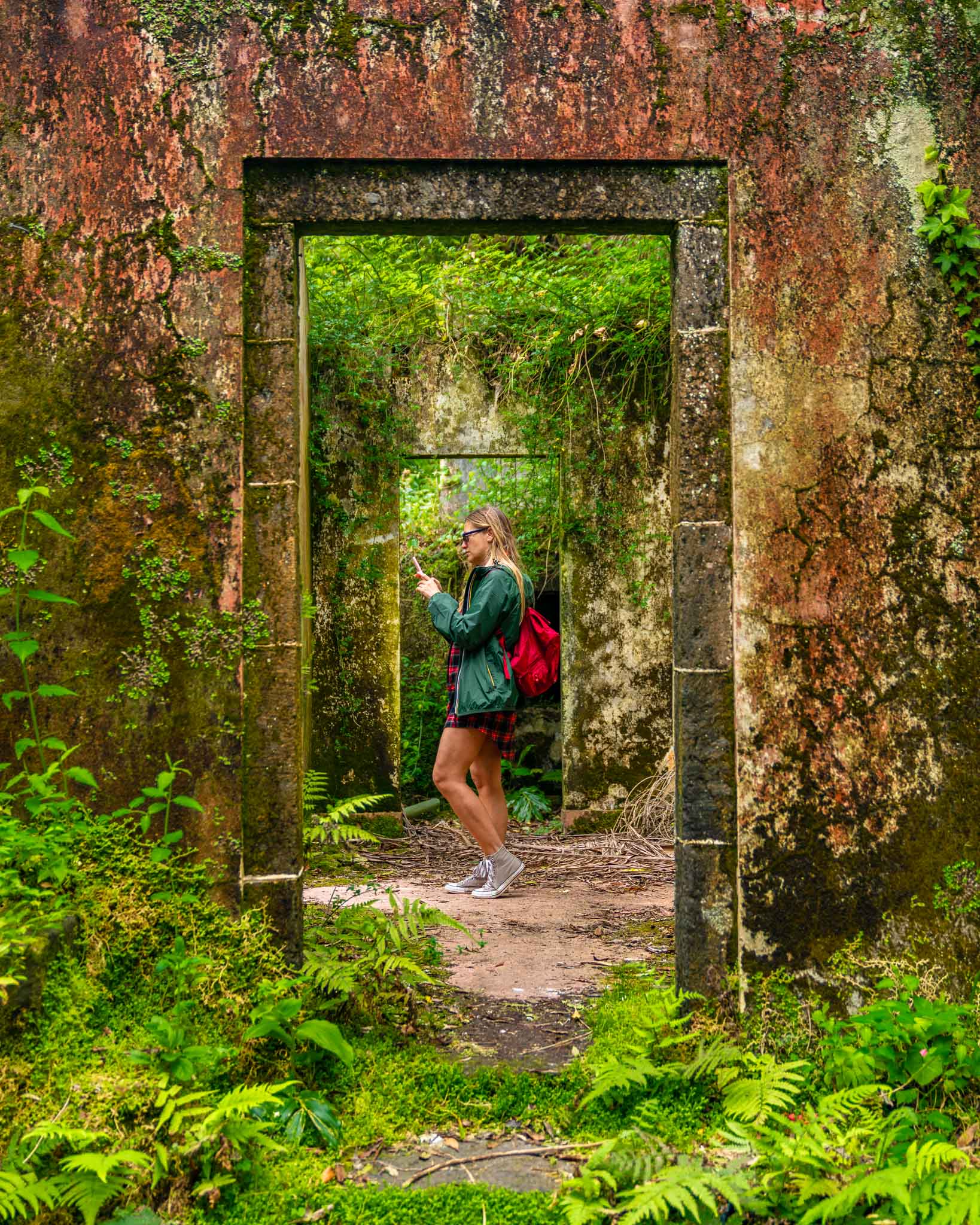
Originally built to capture pure mountain springs, the structure stands out for its distinctive architectural design. It features a sequence of tall, moss-draped stone arches that resemble church windows, blending human craftsmanship seamlessly into Azorean nature.
History & Curiosities of the Site

The History: Quenching Ponta Delgada’s Thirst
In the early 19th century, Ponta Delgada faced severe freshwater shortages as its population grew. In 1830, municipal authorities began building an ambitious aqueduct network.
Engineers directed water from mountain springs near Lagoa do Canário into this stone canal. The aqueduct transported clean drinking water across more than 15 kilometers of rugged volcanic terrain, feeding the public fountains across the capital. Modern pipelines later replaced the system, leaving the arches as a monument to early hydraulic engineering.
Curiosities & Hidden Facts
- The “Nine Windows” Name: The structure gets its popular name from the nine elevated arches visible above the forest floor, which frame the woodland scenery like Gothic windows.
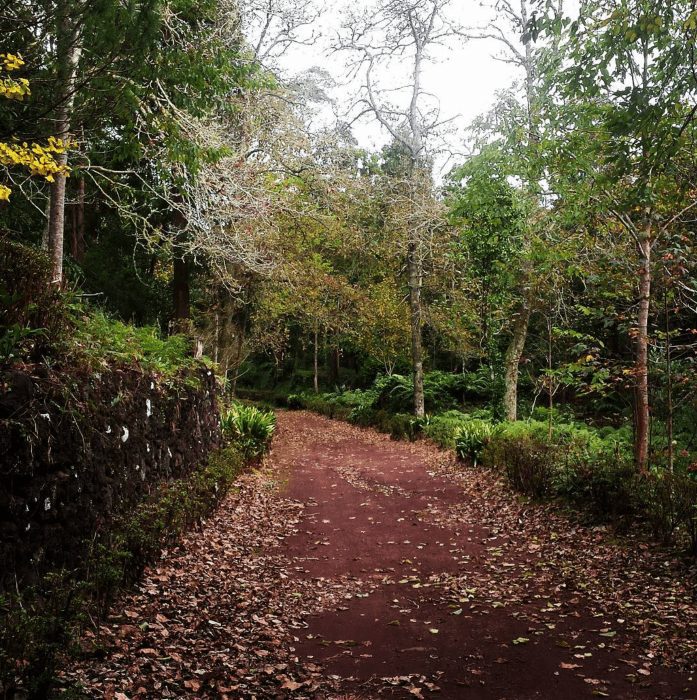
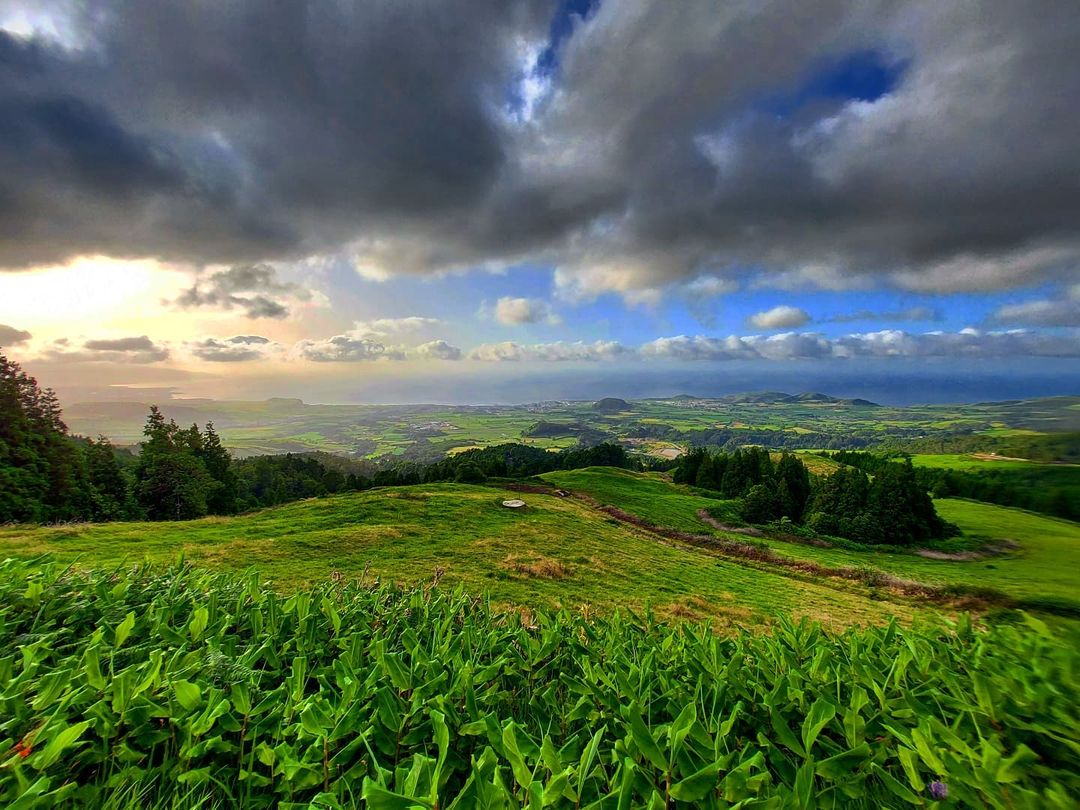
- Fairytale Microclimate: The surrounding high-altitude plateau frequently traps low-hanging Atlantic clouds. This creates a mystical, foggy atmosphere that covers the basalt stones in rich green moss and ferns.
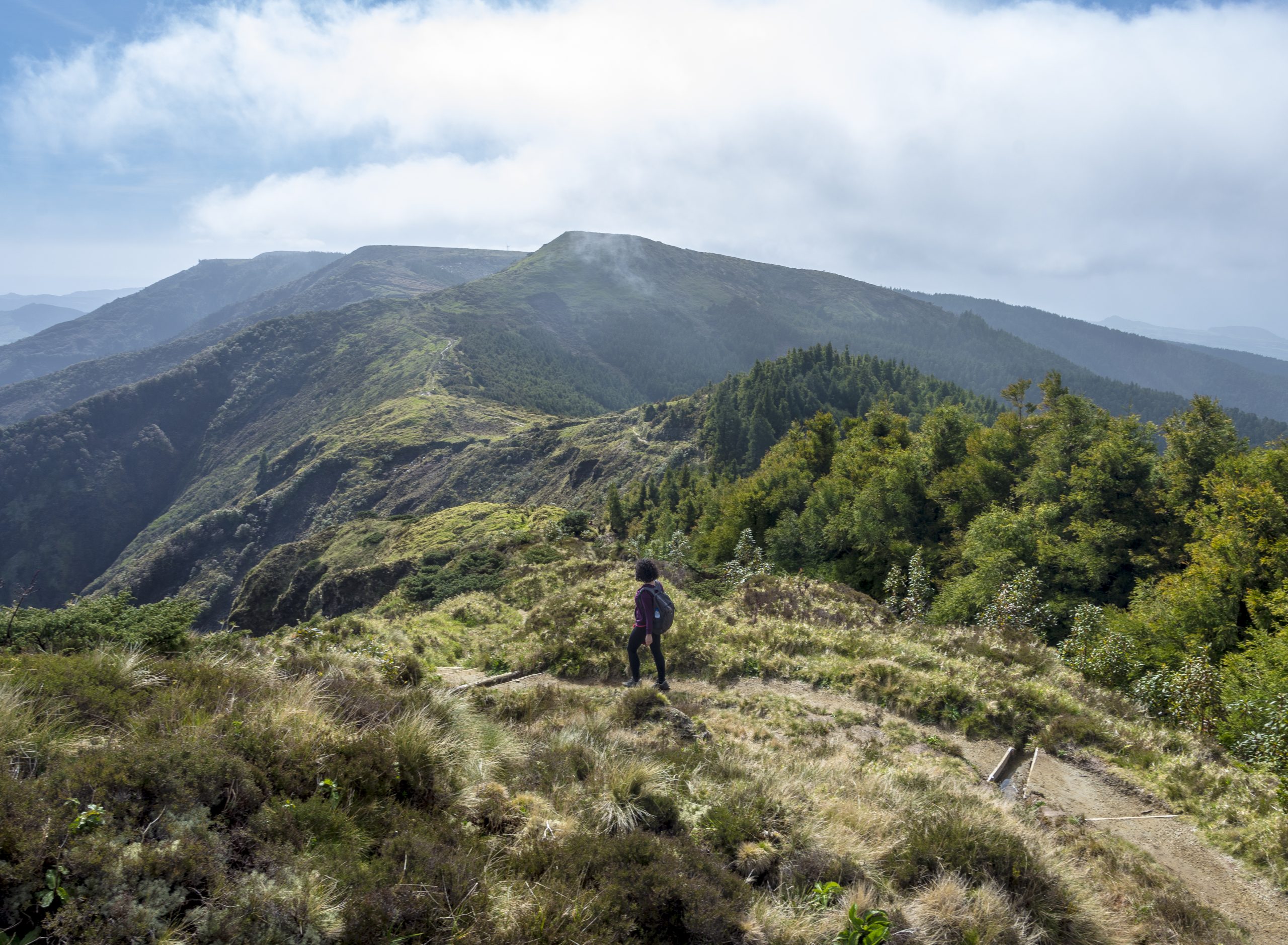
- Trailhead Hub: The aqueduct is a major landmark along the PR04 SMI hiking route (Mata do Canário – Sete Cidades), connecting walkers directly to the rim of the famous volcanic caldera.
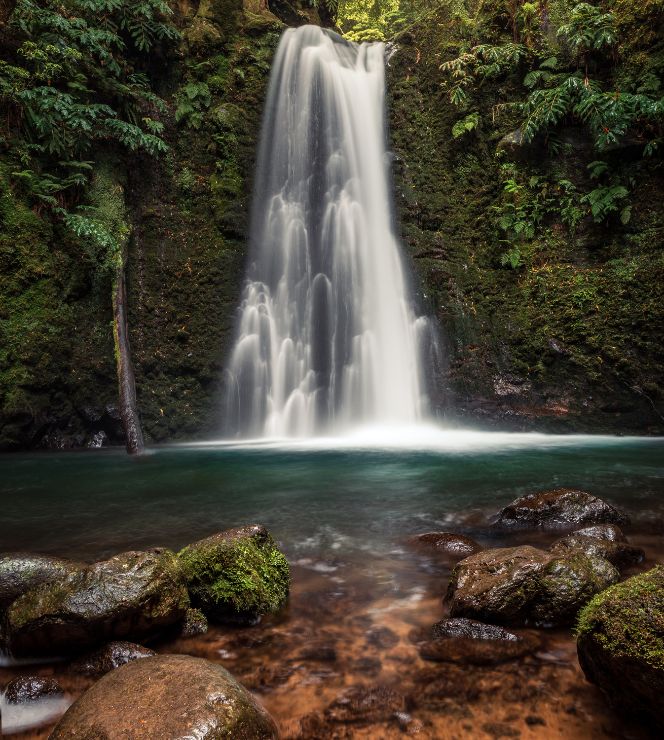
- Living Engineering: Even though the open canal no longer feeds the capital, mountain water still trickles naturally through sections of the stonework during the rainy winter months.
Why You Should Stop at Muro das Nove Janelas?
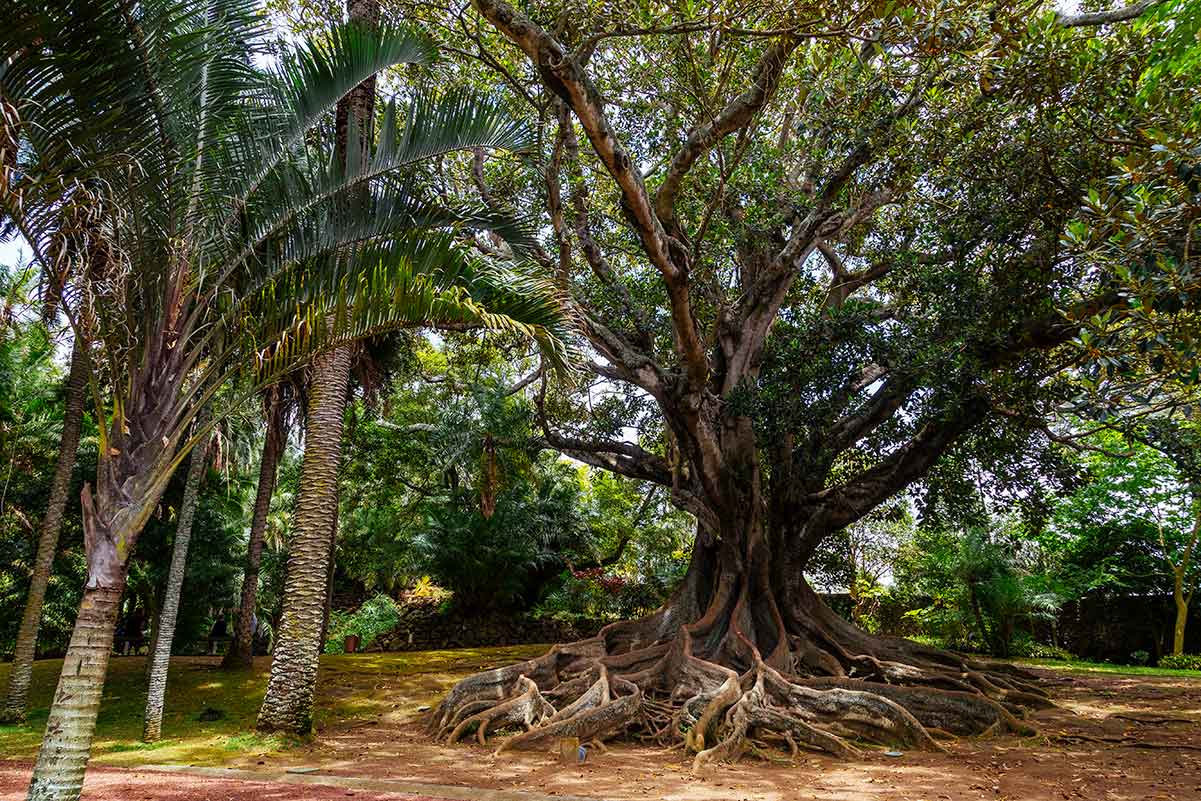
- Enchanted forest atmosphere: Japanese cedar (Cryptomeria japonica) trees and thick green moss frame the basalt structure.
- Gateway to Sete Cidades: The aqueduct sits right along the main road to the western volcanic caldera.
- Hiking hub: Popular walking trails cross directly past the stone arches, connecting nearby crater lakes.
- Great photo spot: The contrast of dark volcanic stone, bright green moss, and soft forest light makes for striking photography.
Plan Your Visit

How to Get There
Muro das Nove Janelas sits along the EN1-1A / ER8-2 road on the western volcanic plateau of São Miguel.
- By Car: Drive west from Ponta Delgada toward Sete Cidades. The scenic mountain drive takes roughly 25 minutes (about 18 km). You will spot the stone arches right alongside the road, adjacent to a dirt parking area.
- On Foot (Trail): The official PR04 SMI circular hiking trail passes right by the monument.
Planning a trip to the Azores? These articles will help you: How to Get to the Azores 🗺️ | Azores airports 🛬 | Flights between islands ✈️ | Ferries between islands ⛴️ | Which island to choose? 🏝️ | What airlines fly to the Azores? 🛩️
Best Time to Visit
The aqueduct is accessible year-round at any time of day. Morning visits often feature dramatic morning mist filtering through the pine needles. For clear photos and warm sunlight, aim for midday or early afternoon.
Check out all our articles about the weather in the Azores throughout the year 🌤️ ☔️: January | February | March | April | May | June | July | August | September | October | November | December
Pro Tips
- Wear waterproof footwear: The forest floor and surrounding dirt paths stay damp and muddy year-round.
- Combine with Lagoa do Canário: The entrance gate to Lagoa do Canário and the famous Boca do Inferno trail are just a 2-minute drive away.
- Check the webcams: Check the SpotAzores camera for Sete Cidades before leaving Ponta Delgada to see cloud coverage.
- Respect the heritage: Do not climb on top of the historic stone arches to help preserve the fragile volcanic stonework.
Azores Guide Book
Azorean Language & Phrases 🗣️ | Currency & Banks 💵 | Credit Cards & Traveler’s Cheques 🏧 | Driving in the Azores 🚗 | Electricity 🔌 | Experiences & Tours 🗺️ | Health & Safety 🩺 | Internet & Wi-Fi Access 🛜 | Phones & Mobile Service 📞 | Post Offices & Buying Stamps ✉️ | Public Holidays 🏖️ | Shopping 🛒 | Time & Daylight 🕒 | Whale Watching Guide 🐳 | Best Island to Visit 🏞️
Nearby Attractions
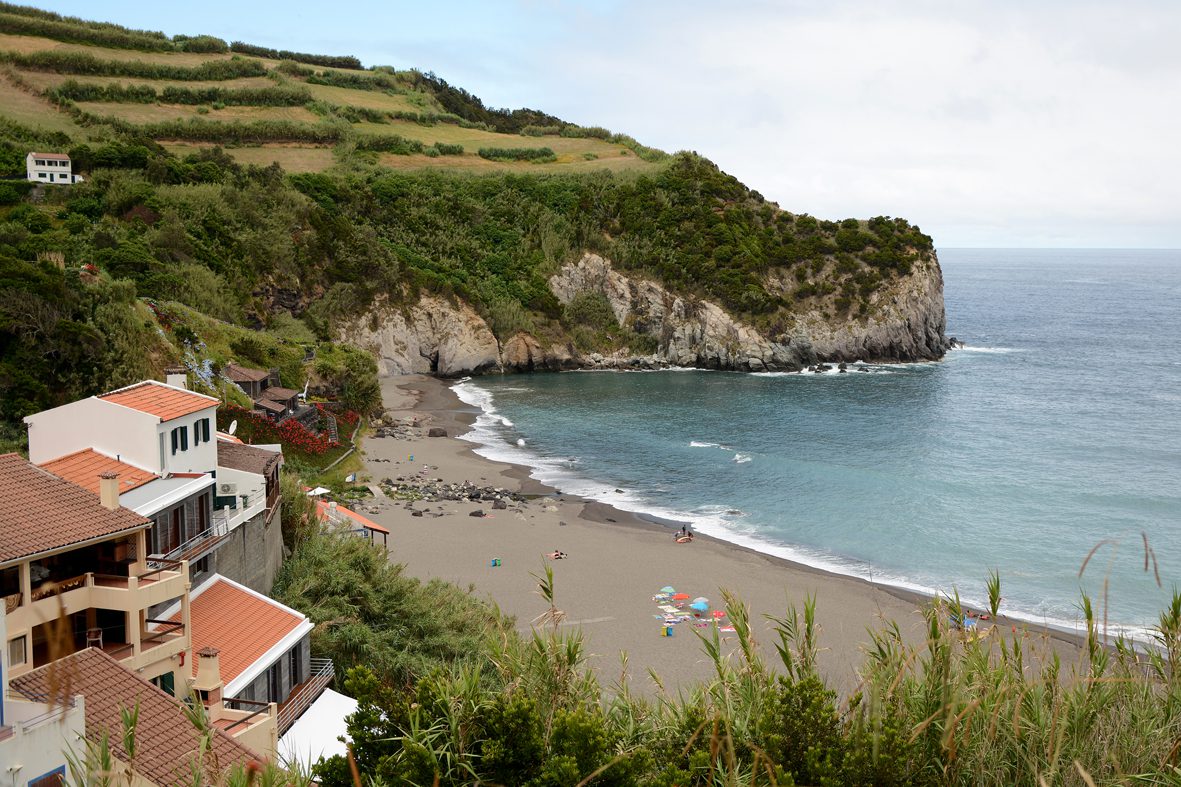
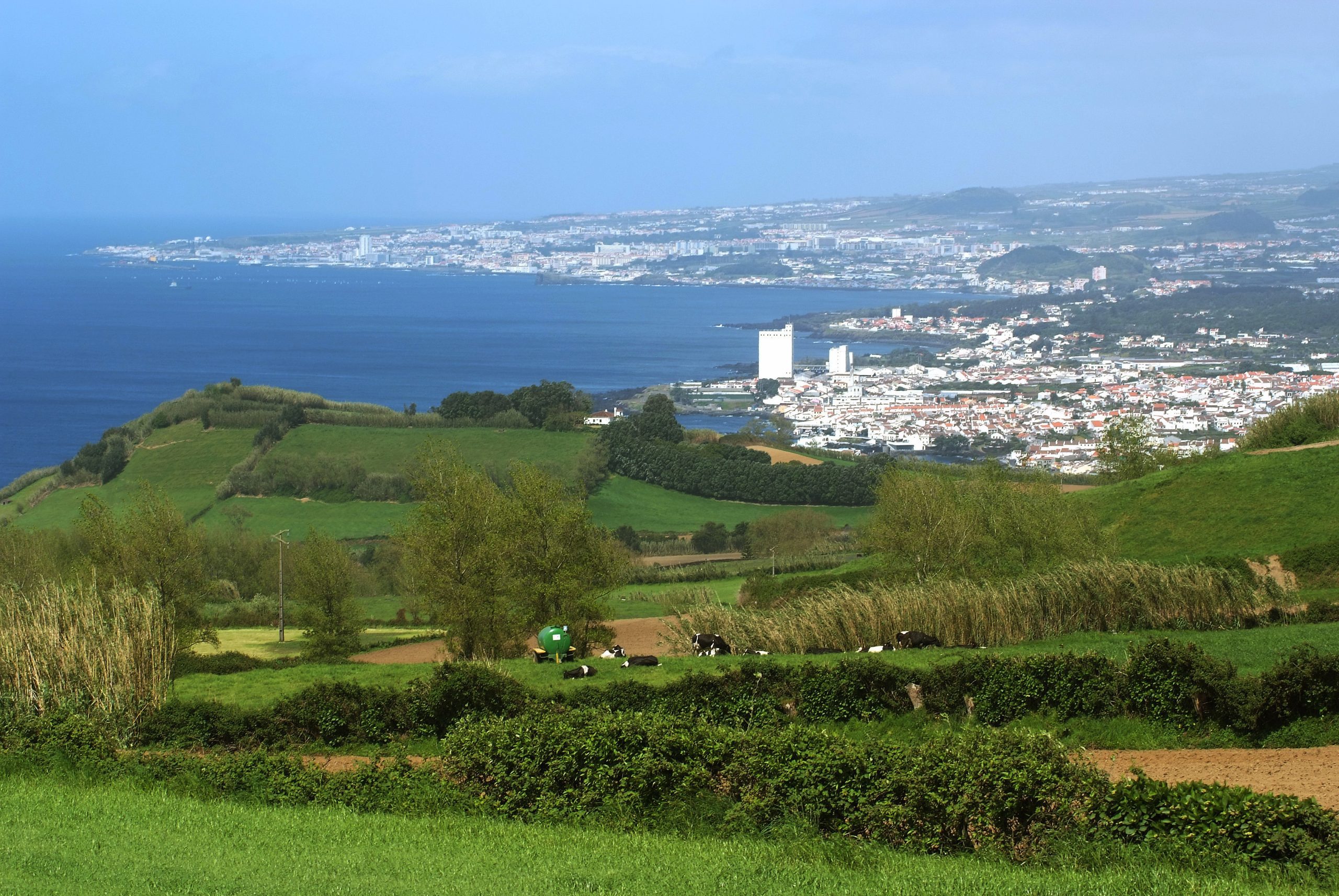
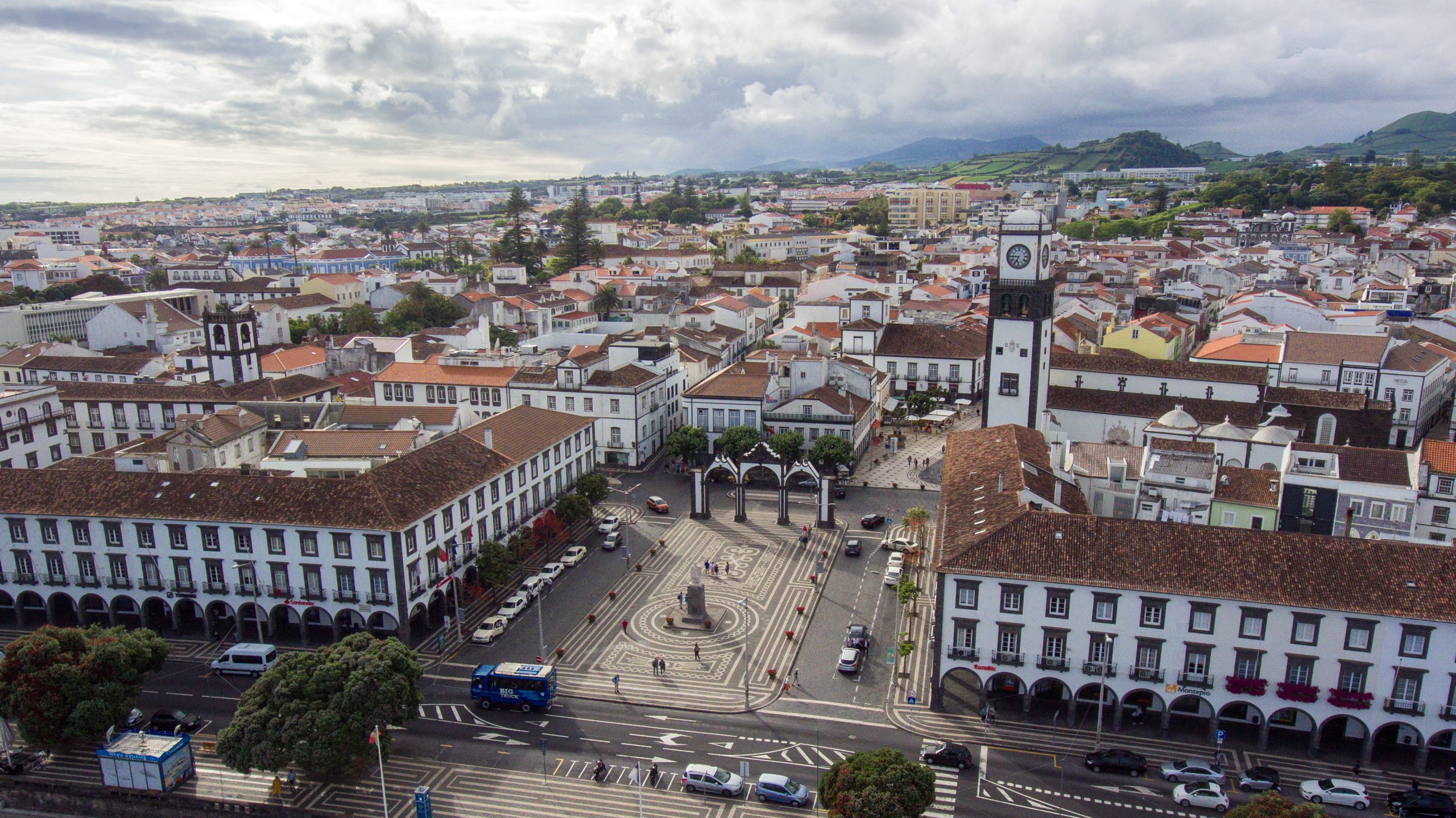
Ponta Delgada

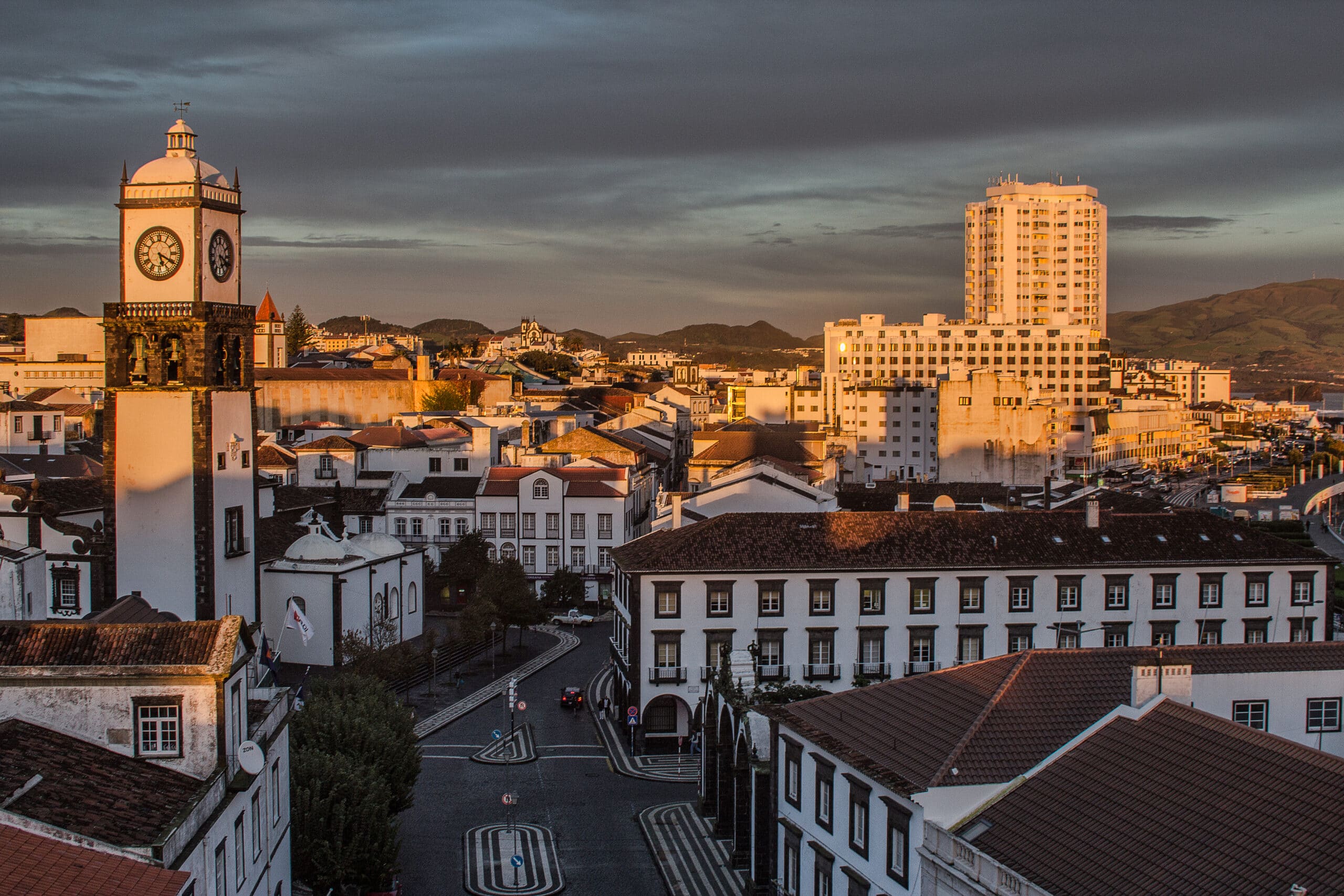
Ponta Delgada is officially one of Portugal’s best cities to live in. The modern city is the biggest and most populated of the Azores. Ocean breeze, mountain views, and delicious local food are part of everyday life. Despite its energy, Ponta Delgada has no rush and no annoying traffic jams.
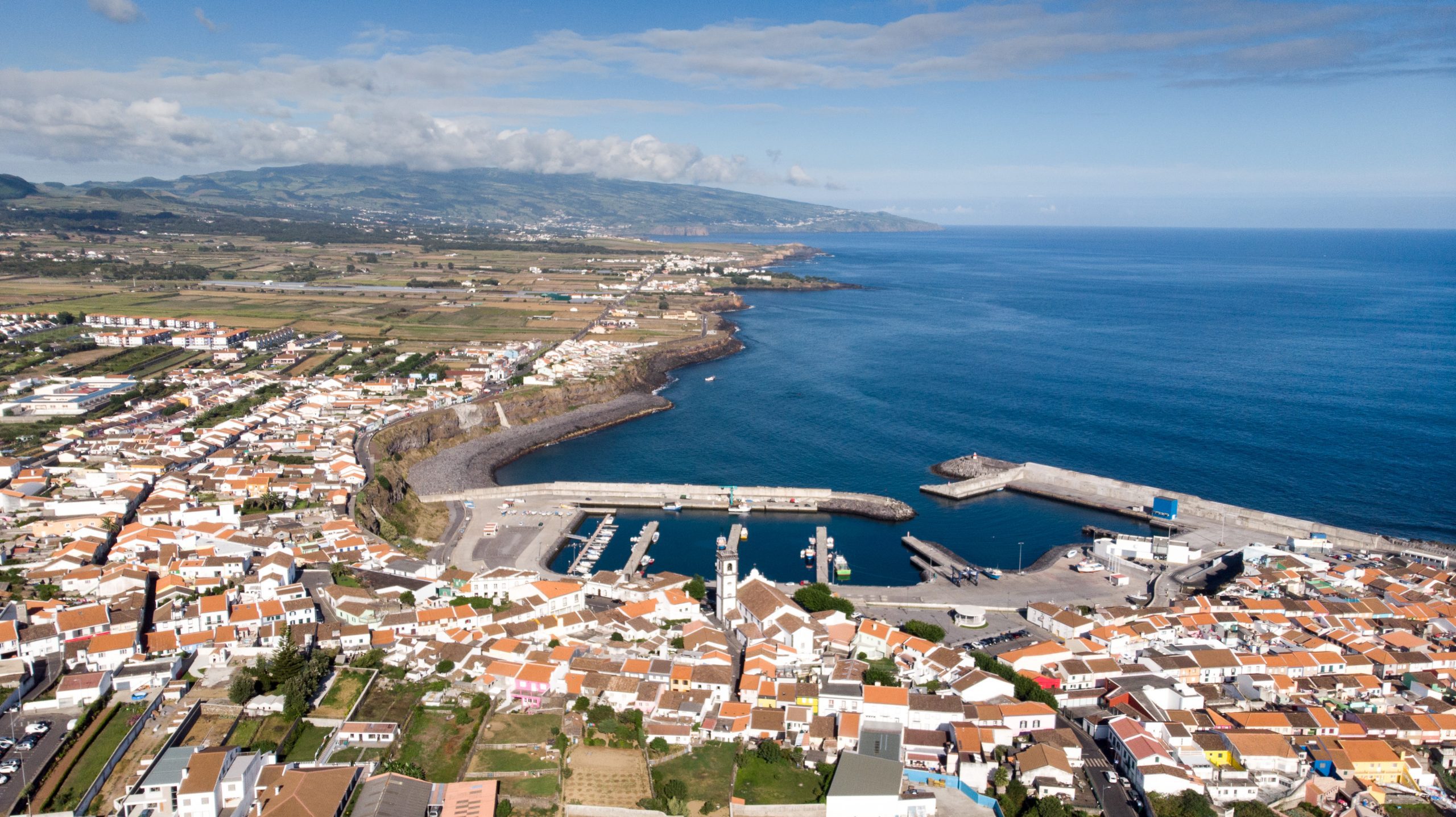
In the beginning, Ponta Delgada was only a small fishing village. But quickly, thanks to its safe bays, it became the island’s most important trade harbor. Ponta Delgada was declared a city in 1546 and became the island’s capital. This happened after a terrible earthquake destroyed the first capital, Vila Franca do Campo, in 1522. Today, Ponta Delgada, with almost 70,000 inhabitants, is a cosmopolitan city that attracts visitors from around the world.
Check out all our articles about each one of the most relevant points of interest in Ponta Delgada: Gruta do Carvão | Ponta Delgada | Jardim António Borges | Jardim Botânico José do Canto | Pinhal da Paz | Portas da Cidade | Milícias & Pópulo Beaches | Praia de São Roque | Pico Vermelho Windmill | Rocha da Relva | Mercado da Graça | Miradouro Vigia da Baleia | 10 Unique Things to Do in Ponta Delgada
Sete Cidades

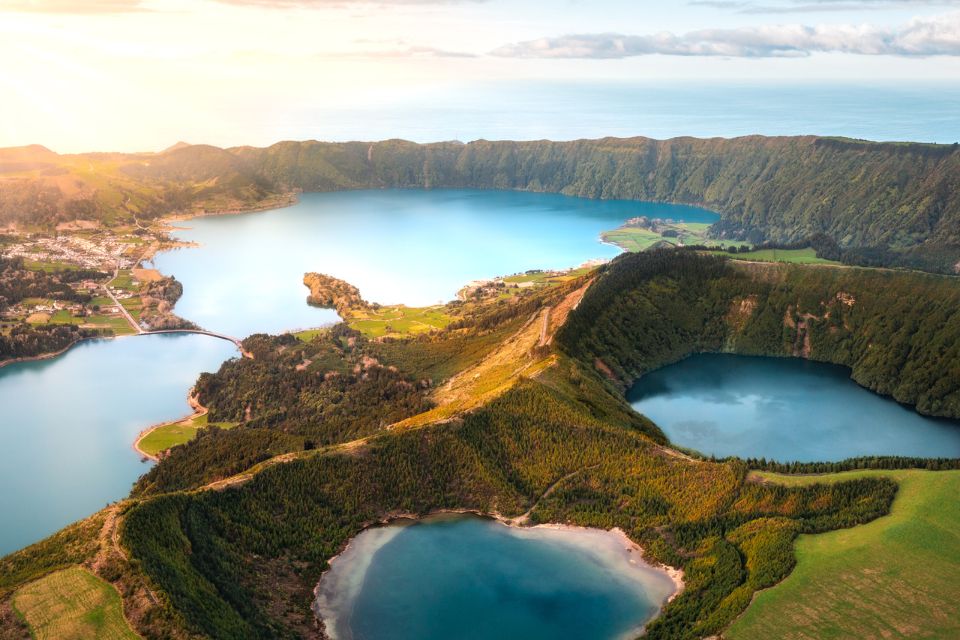
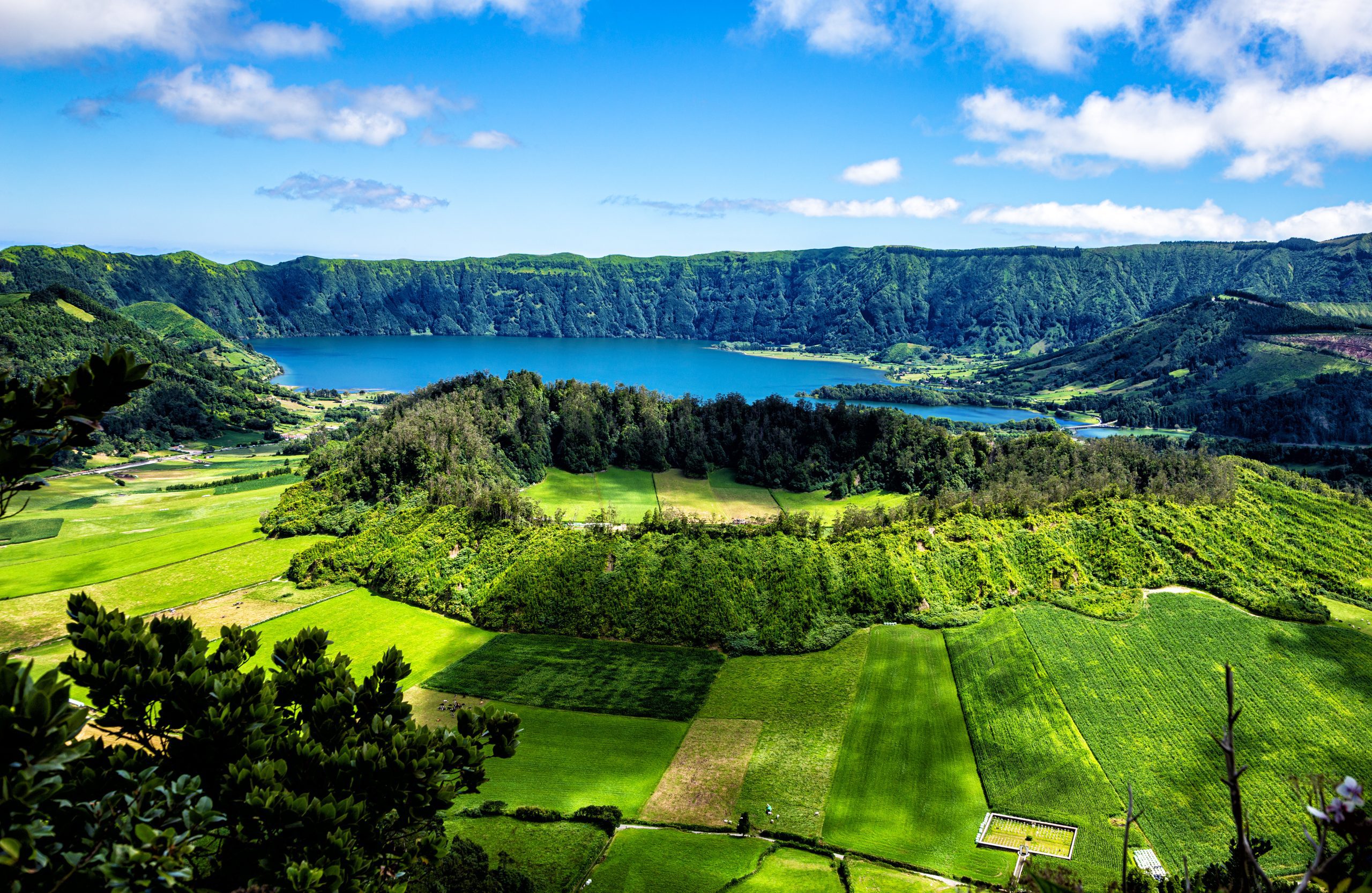
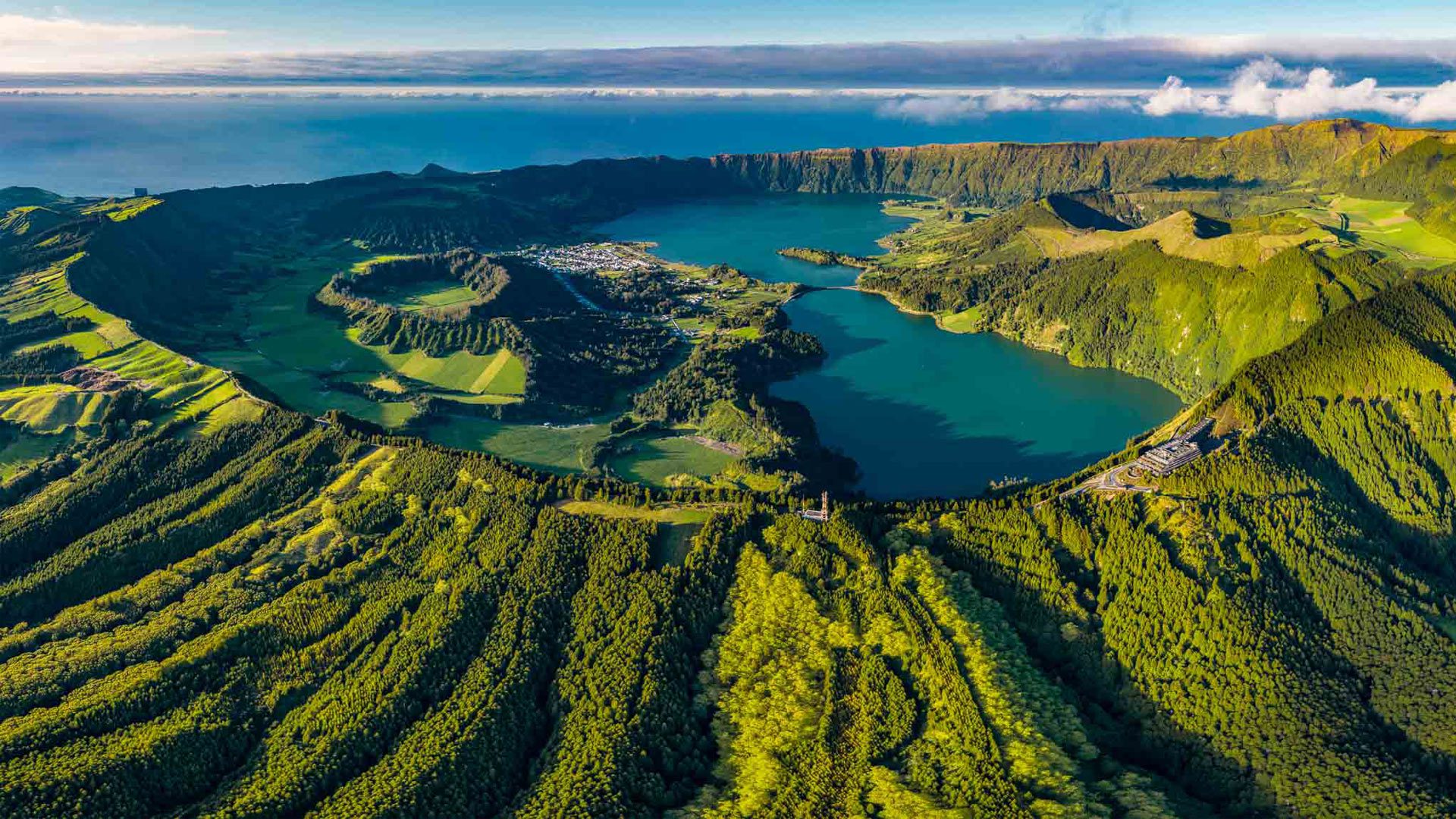
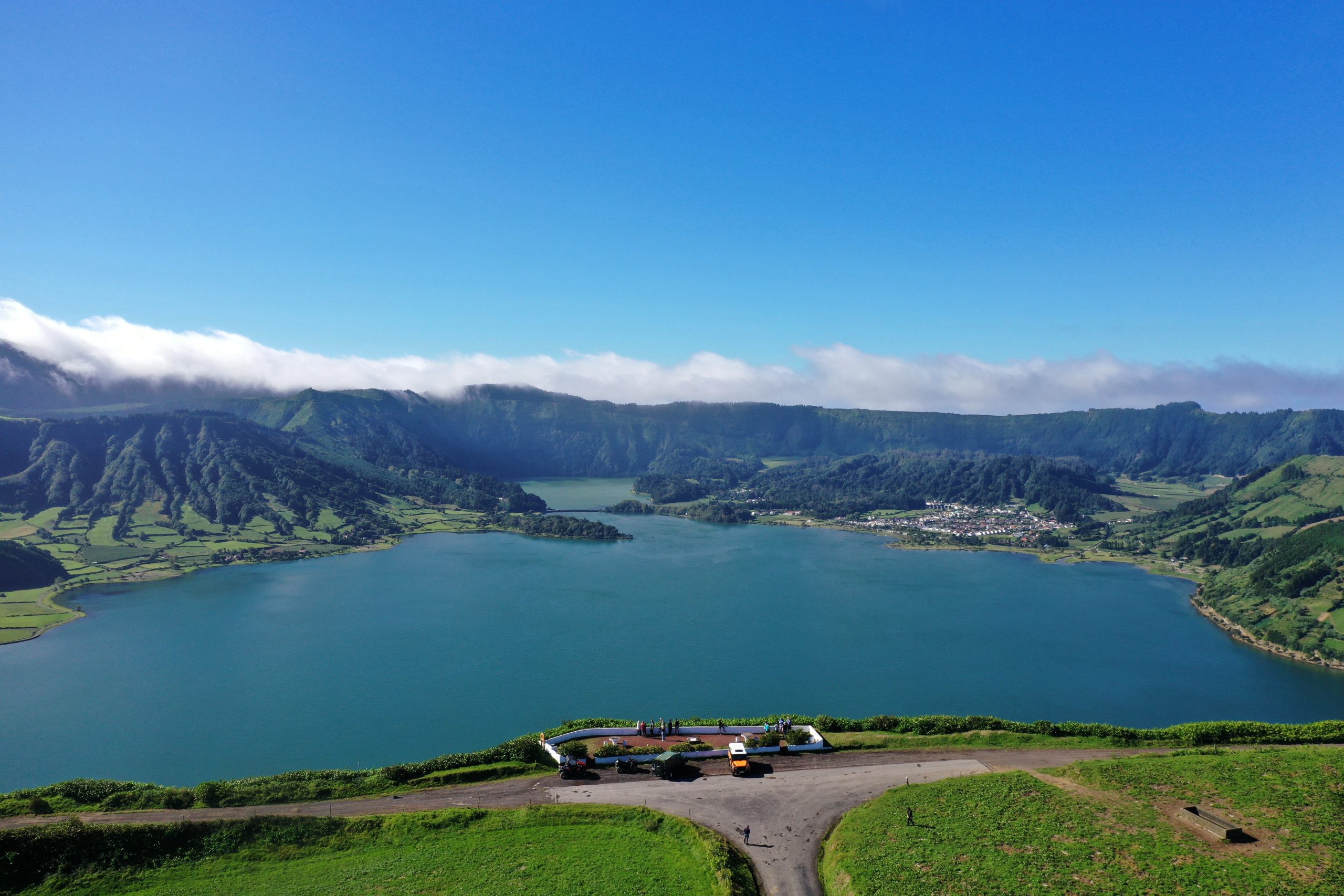
The Sete Cidades volcanic complex is a stunning region and village in Ponta Delgada county, northwest of São Miguel. The iconic love legend of the two-colored lakes makes it renowned. The story tells of a blue-eyed princess and a green-eyed farmer whose forbidden love created the lakes. At the king’s order, their tears formed the lakes, forever binding their love to this enchanting tale.
Check all our articles about each one of the most relevant points of interest in Sete Cidades: Caldeira Seca | Janela do Inferno | Miradouro da Grota do Inferno | Lagoa das Empadadas | Sete Cidades | Lagoa das Sete Cidades | Lagoa de Santiago | Lagoa do Canário | Lagoa do Congro | Miradouro das Cumeeiras | Monte Palace Hotel | Sete Cidades Legend | Miradouro da Vista do Rei | Lagoa de Santiago Viewpoint | Pico da Vara | Caldeira das Sete Cidades
Lagoa das Sete Cidades

Lagoa das Sete Cidades, the lake of the ‘Seven Cities’, is a natural highlight that attracts thousands of visitors every year.
Indeed, Sete Cidades is one of the most emblematic sights in the Azores. Elected one of Portugal’s seven natural wonders, this unique place on Earth is protected by Natura 2000, reminding us how small we are in the face of nature.
Locals and travelers love seeing the lake from various viewpoints around the large volcanic complex.
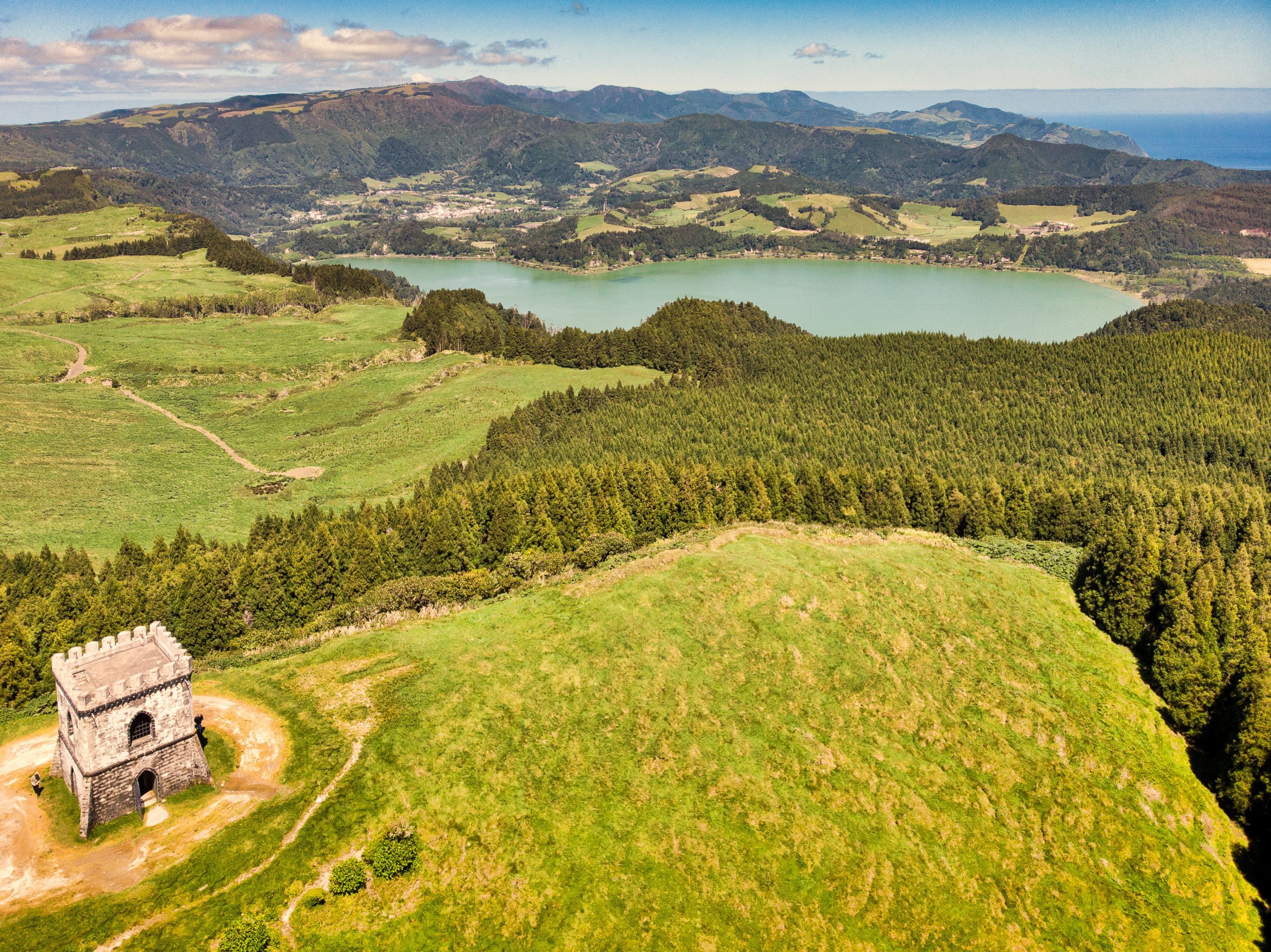
Lagoa do Canário

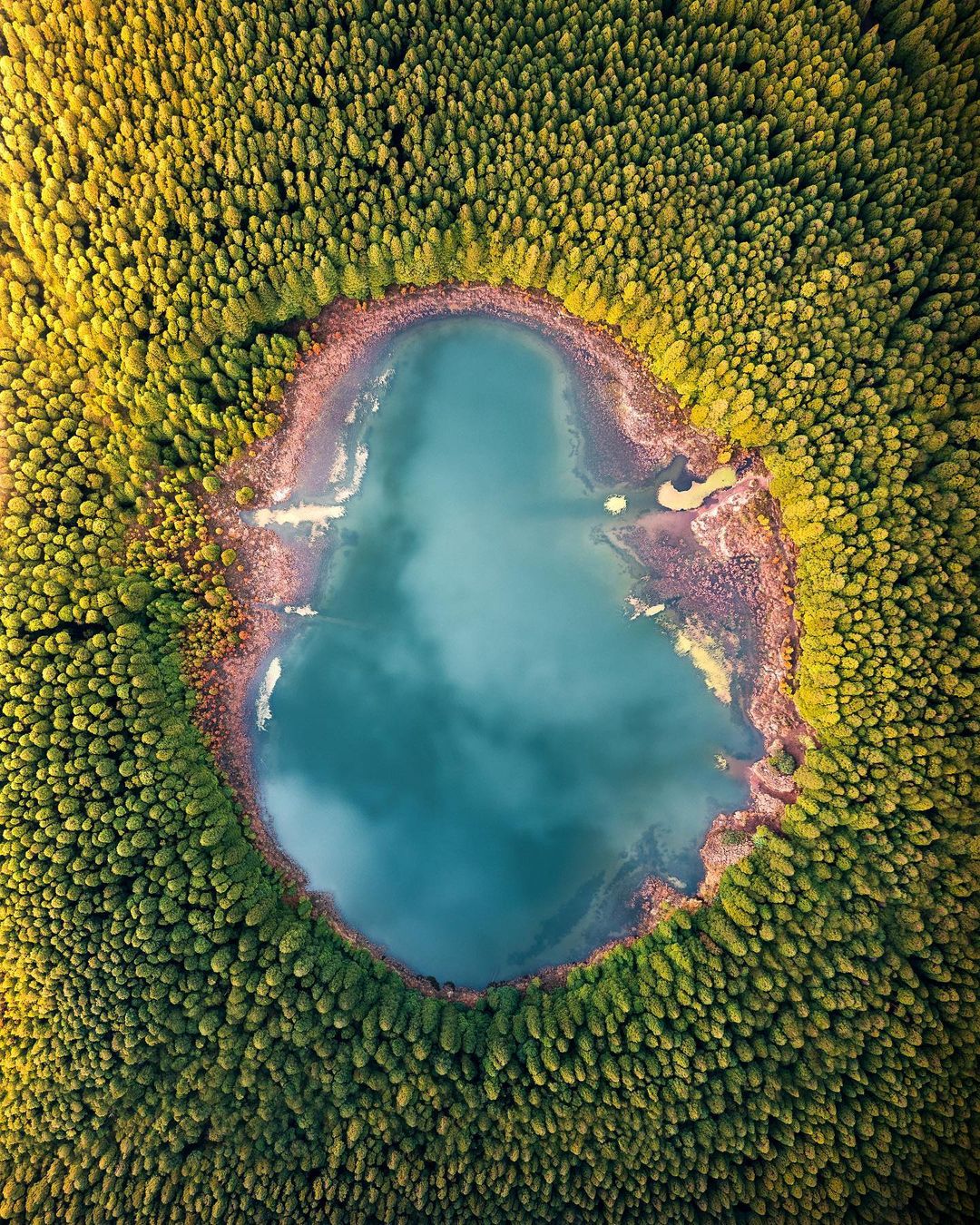
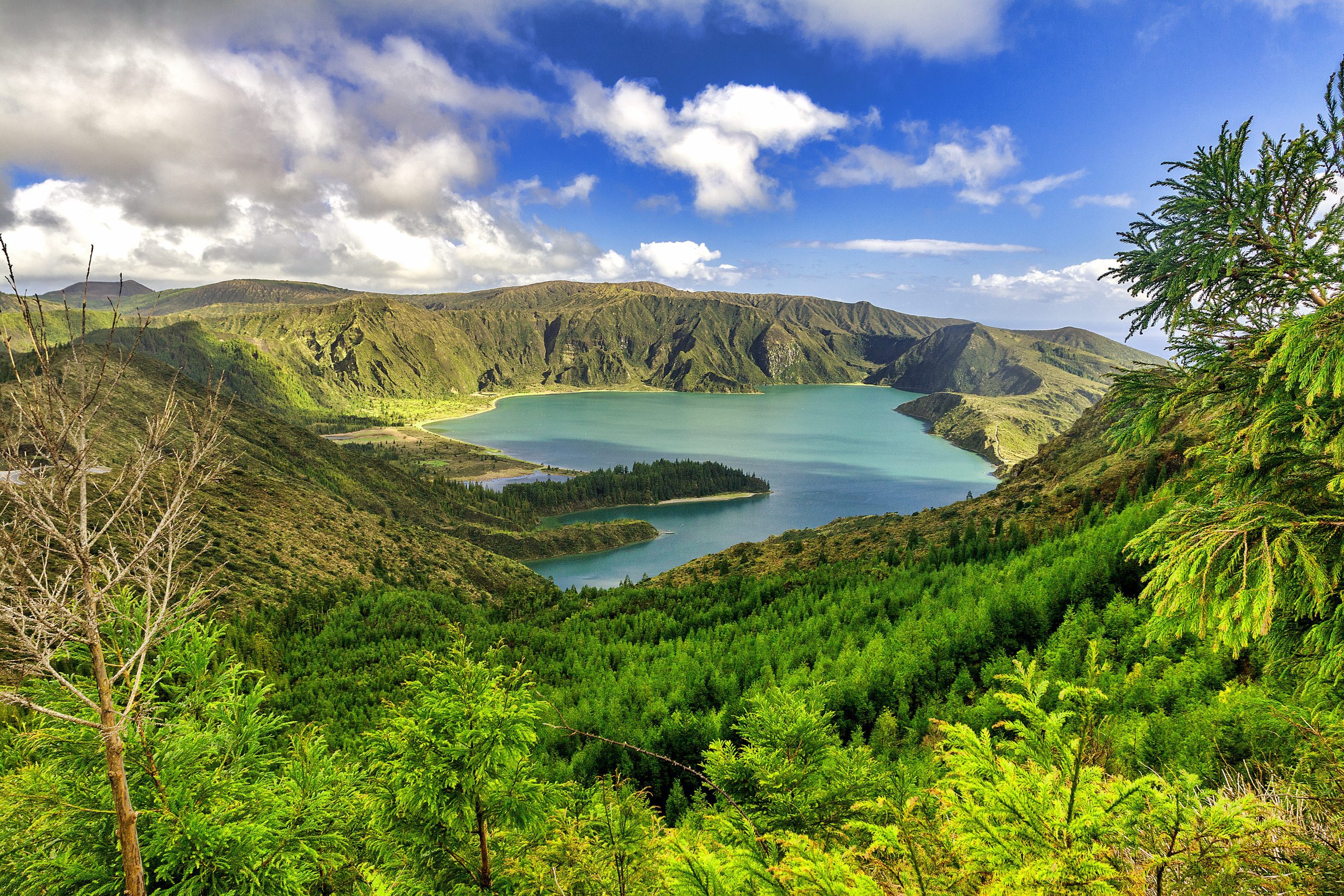
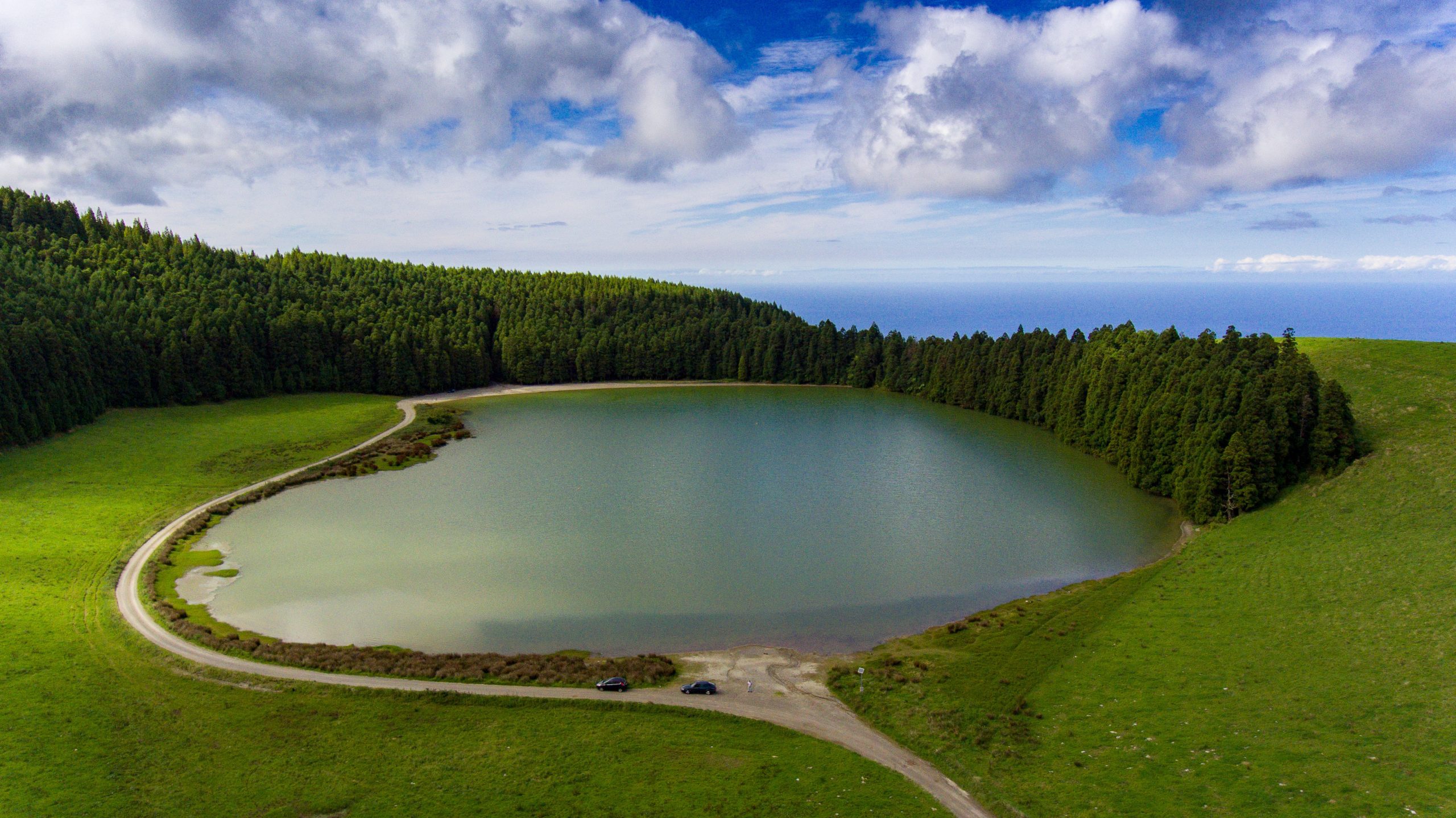
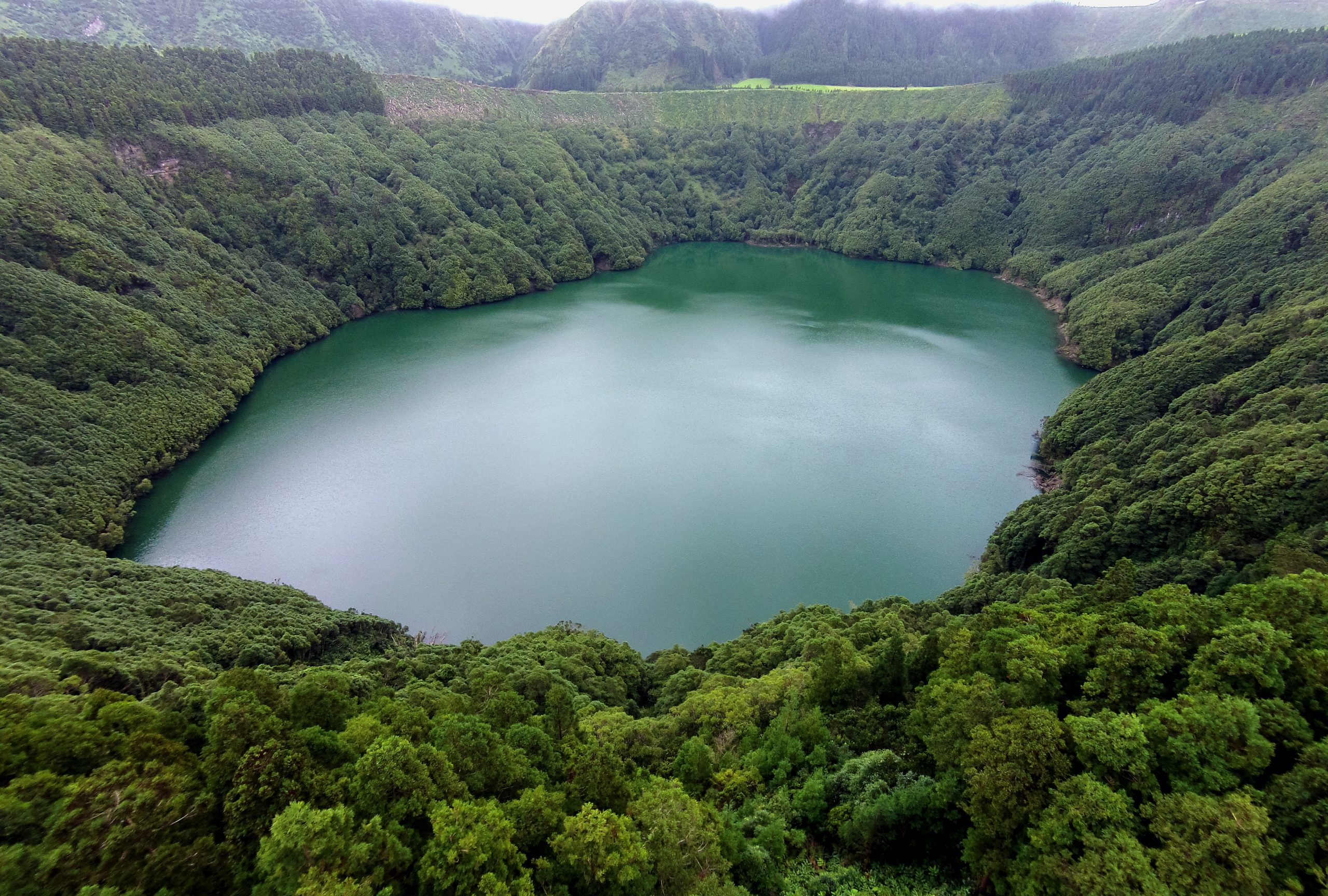
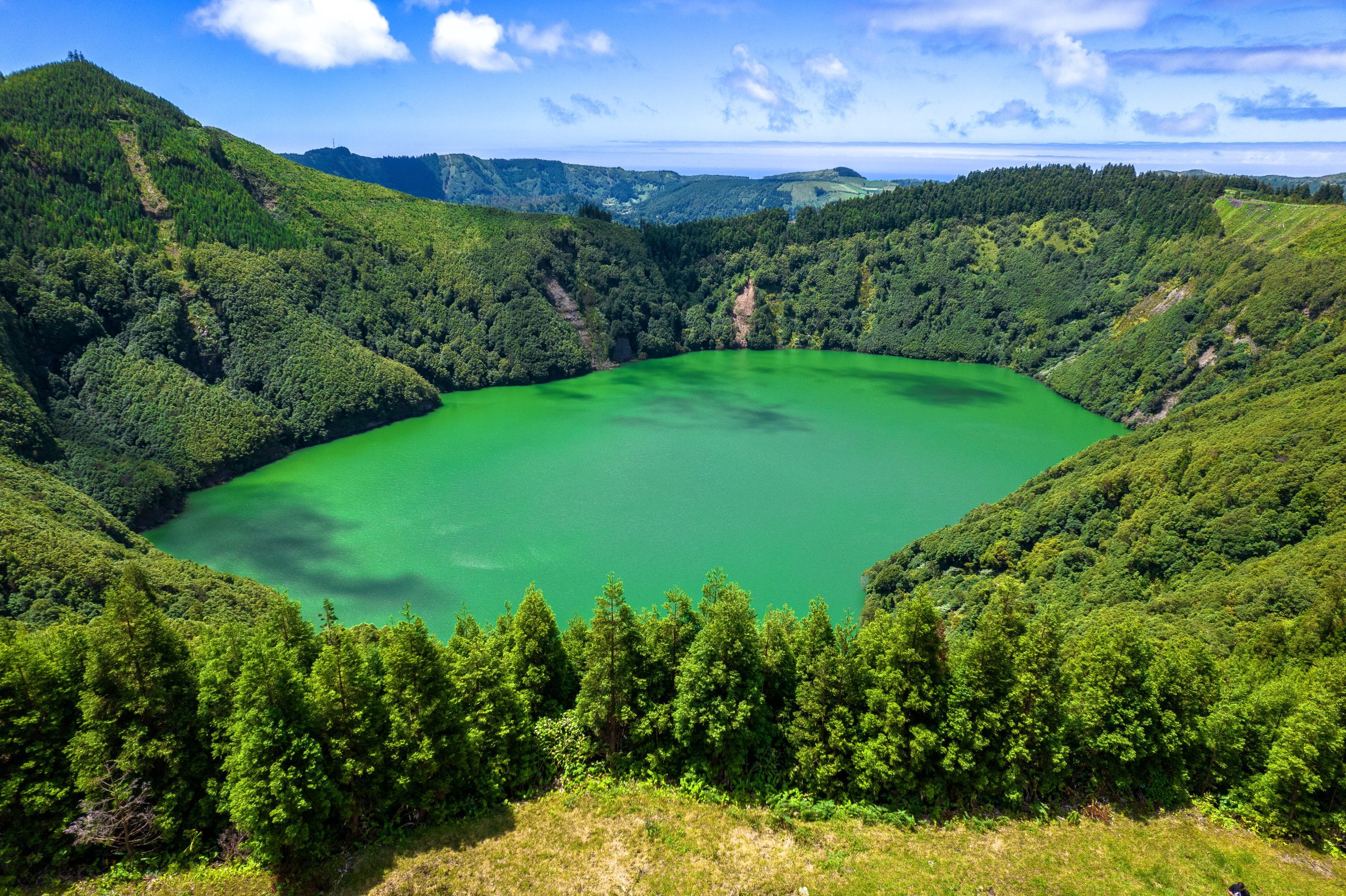
Lagoa do Canário is a stunning natural wonder in the Azores Archipelago. The blue lake contrasts beautifully with the surrounding green vegetation, creating a breathtaking scene that leaves visitors in awe. The forested area beyond the lake only adds to the area’s natural beauty. The hydrangea walls lining the roads create a breathtaking sight you simply cannot miss.
This lagoon is the perfect destination for those seeking a peaceful getaway to relax and unwind. Whether with family or friends, visitors can enjoy a serene environment perfect for taking in nature’s beauty. Lagoa do Canário ranks among São Miguel’s top attractions and is a must-visit for anyone exploring the Azores.
Grota do Inferno Viewpoint

The Grota do Inferno Viewpoint goes by another name: the Boca do Inferno Viewpoint. It stands out as one of the most iconic spots in the Azores. Tourist promotions frequently feature it for its breathtaking landscapes.
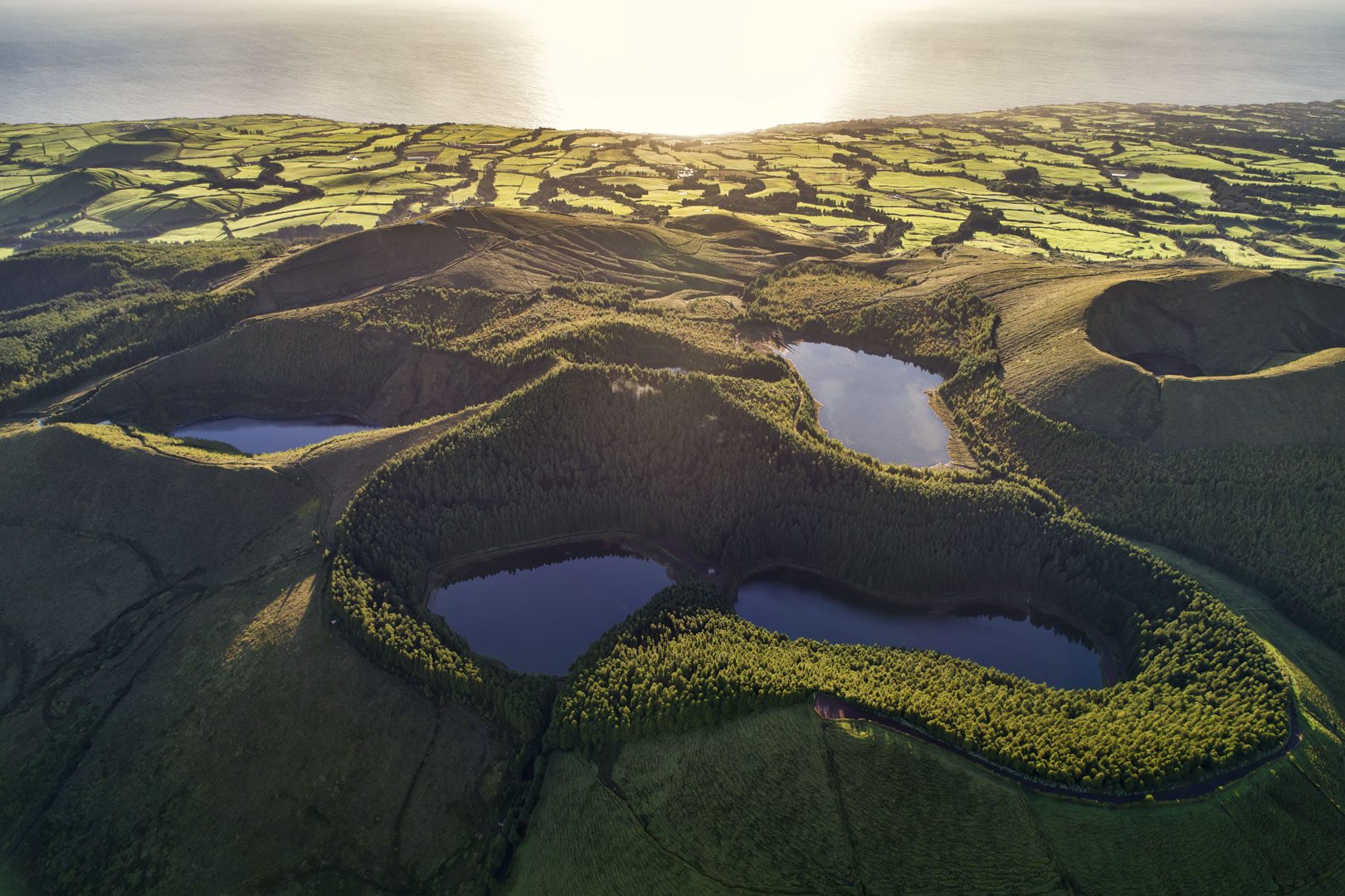
From this vantage point, visitors can admire Lagoa das Sete Cidades and Lagoa Rasa. They can also enjoy the stunning views of Lagoa de Santiago and Lagoa do Canário. The viewpoint also provides a privileged view of the parish of Sete Cidades and the Serra Devassa. These stunning perspectives enhance the charm of the Grota do Inferno Viewpoint.
Renowned for its panoramic views, Grota do Inferno is a must-visit destination on São Miguel Island. This iconic viewpoint offers visitors a truly otherworldly experience, showcasing the island’s breathtaking natural beauty.

Complementary Information
Best Season to Visit the Azores
The Azores Archipelago boasts a unique climate that shapes its lush landscapes, making it a splendid year-round destination. With mild temperatures and minimal fluctuations, each season offers something unique. Spring averages 16 °C, summer reaches 21 °C, autumn cools to 18 °C, and winter remains mild at 14 °C.
→ For a detailed breakdown of the weather by month, check the following links 🌤️☔️: January | February | March | April | May | June | July | August | September | October | November | December
How to Get to the Azores
The Azorean Archipelago is easily accessible through numerous flight routes. Lisbon and Porto are the main entry points, with direct flights to São Miguel (PDL), Terceira (TER), Faial (HOR), Pico (PIX), and Santa Maria (SMA). To find the best flight, use search engines like eDreams or Skyscanner. These platforms let you compare prices and schedules from multiple airlines in one convenient location.
For more details on getting to the Azores, check out our complete guide. But what if you want to explore beyond your arrival island? We’ve got you covered!
- Azores airports 🛬
- Flights between islands ✈️
- Ferries between islands ⛴️
- Which island to choose? 🏝️
- What airlines fly to the Azores? 🛩️
→ Once you’ve found the perfect route, book your tickets and get ready to experience one of the world’s most stunning island groups!
Travel Essentials
Essential Information for your Azores trip: Azorean Language & Phrases 🗣️ | Currency & Banks 💵 | Credit Cards & Traveler’s Cheques 🏧 | Driving in the Azores 🚗 | Electricity 🔌 | Experiences & Tours 🗺️ | Health & Safety 🩺 | Internet & Wi-Fi Access 🛜 | Phones & Mobile Service 📞 | Post Offices & Buying Stamps ✉️ | Public Holidays 🏖️ | Shopping 🛒 | Time & Daylight 🕒 | Whale Watching Guide 🐳 | Best Island to Visit 🏞️
Useful Tools & Apps
Weather in the Azores can be variable, so it helps to use a few apps before visiting. Spotazores provides live camera feeds from the main tourist attractions, allowing you to check the weather and plan your visit. For accurate weather predictions, use Windy or Windguru; they provide the most reliable predictions.
Video
Conclusion
Muro das Nove Janelas is much more than a scenic roadside stop on São Miguel. It stands as a poetic blend of 19th-century engineering and raw Azorean nature.
Walking among these moss-covered stone arches feels like stepping straight into an enchanted Atlantic forest. The mystical mist, towering Japanese cedars, and trickling mountain waters create an unforgettable stop on your way to Sete Cidades.
Whether you are embarking on a scenic hike or capturing memorable photos along the volcanic ridge, this historic aqueduct deserves a place on your itinerary.
Author’s Note
I am pleased to inform you that all the recommendations in this article are based on my personal experience and observations. As the author, I visited each attraction mentioned to ensure every suggestion is grounded in first-hand knowledge and genuine enthusiasm.
FAQs
Built in 1830, the aqueduct captured freshwater from mountain springs near Lagoa do Canário. It transported drinking water across 15 kilometers of rugged volcanic terrain down to public fountains in Ponta Delgada, relieving the city’s historic water shortages.
No, visiting Muro das Nove Janelas is completely free. The aqueduct runs alongside the public road and hiking trails, so travelers can walk around the historic stone arches and take photos at any time of day.
It is located on the western volcanic massif of São Miguel Island, along the mountain road leading into Sete Cidades. It sits approximately 18 kilometers from Ponta Delgada, right near the entrance to Lagoa do Canário.
Yes, the monument is an official landmark along the PR04 SMI hiking route (Mata do Canário – Sete Cidades). This popular trail guides walkers past the aqueduct, volcanic crater rims, and scenic viewpoints above the blue and green lakes.