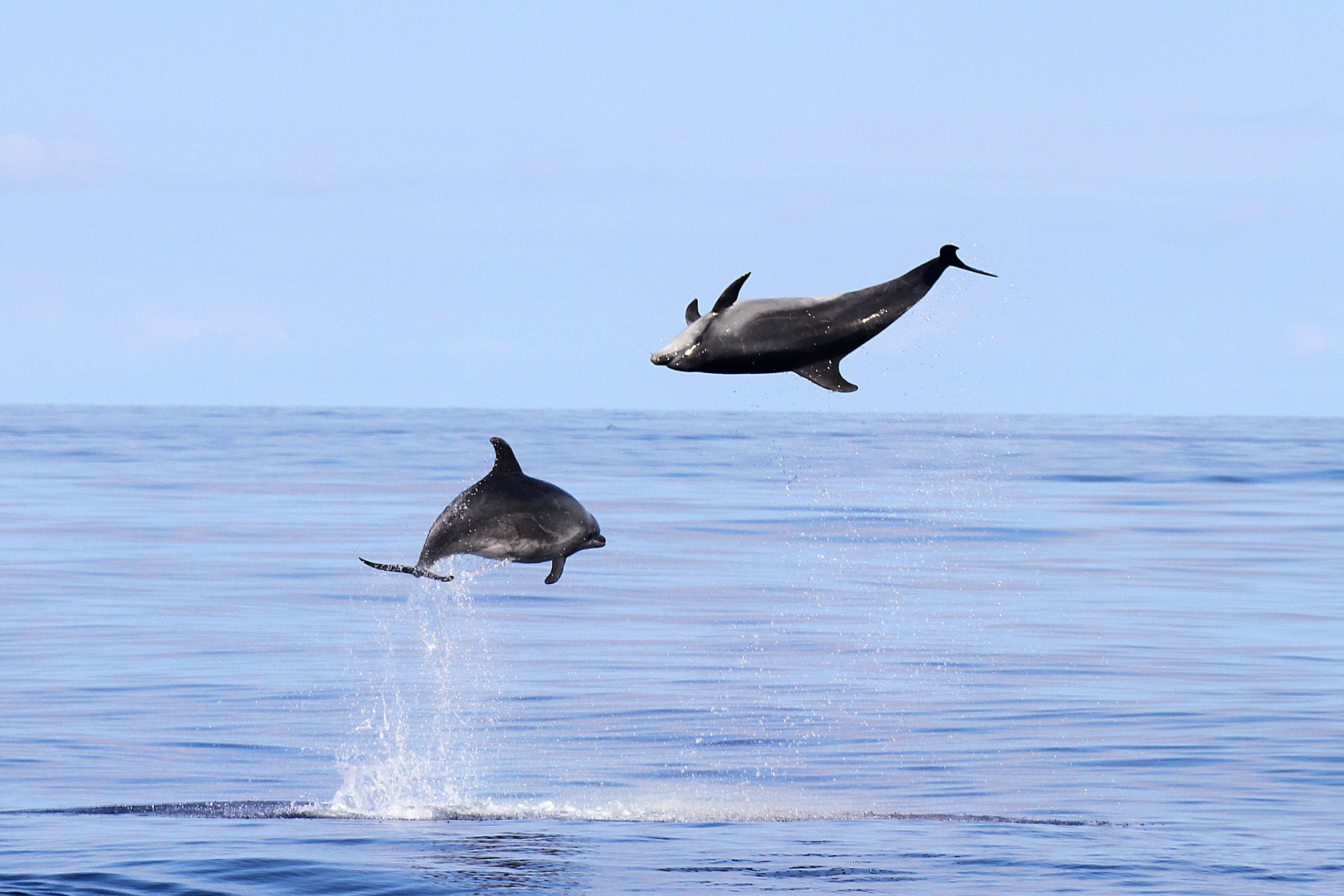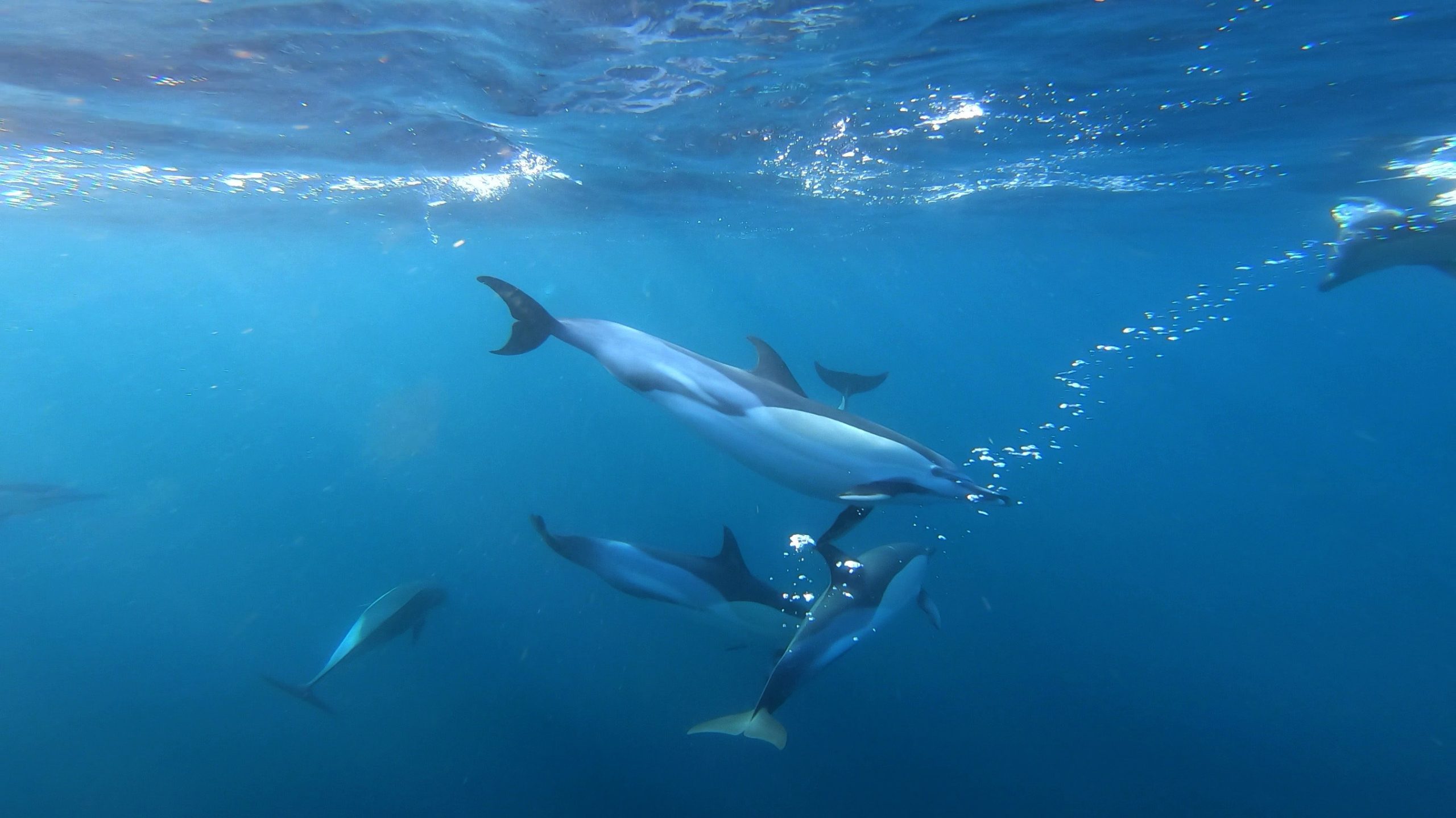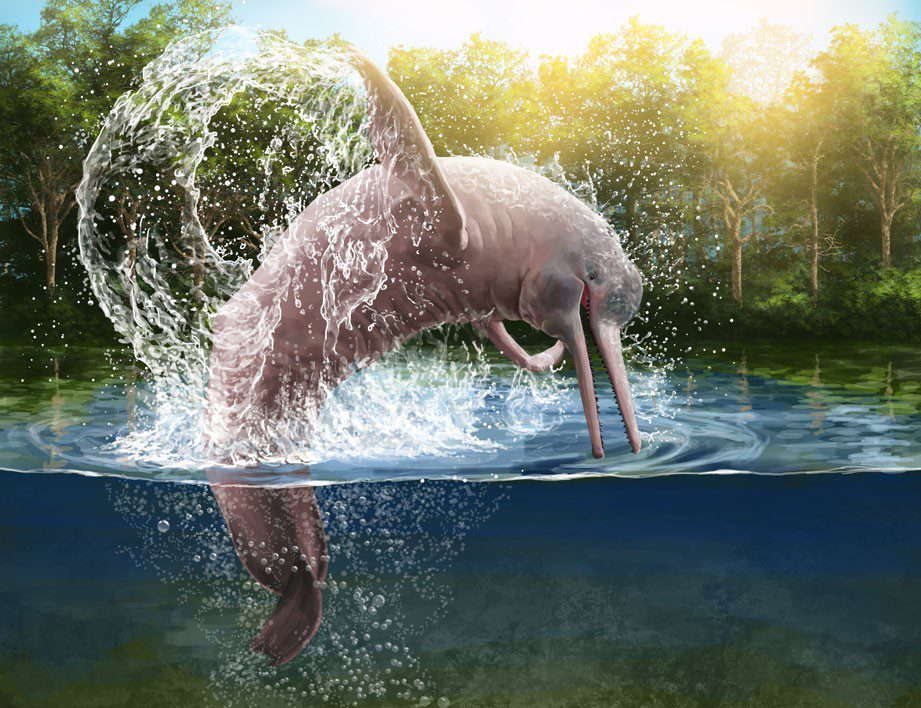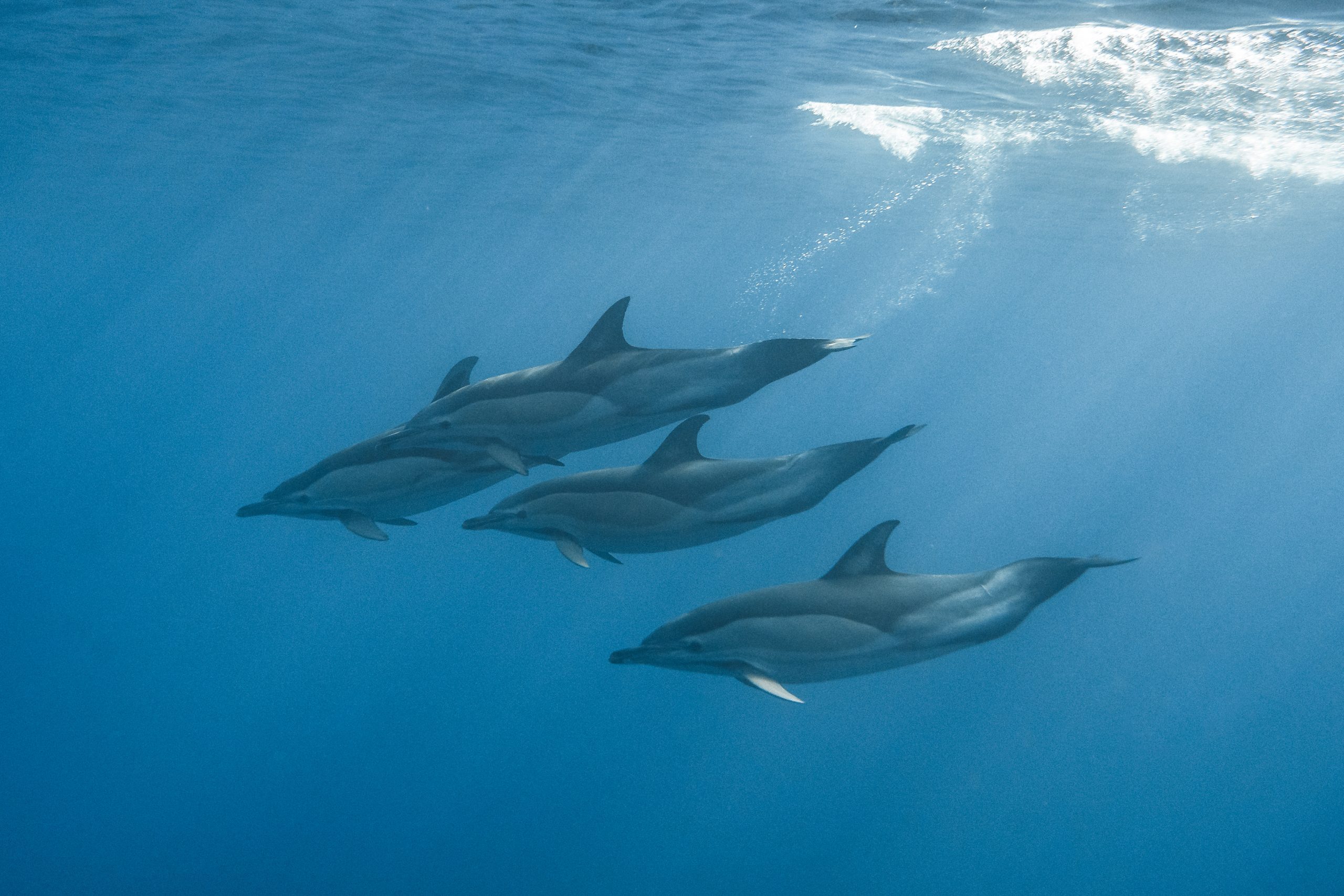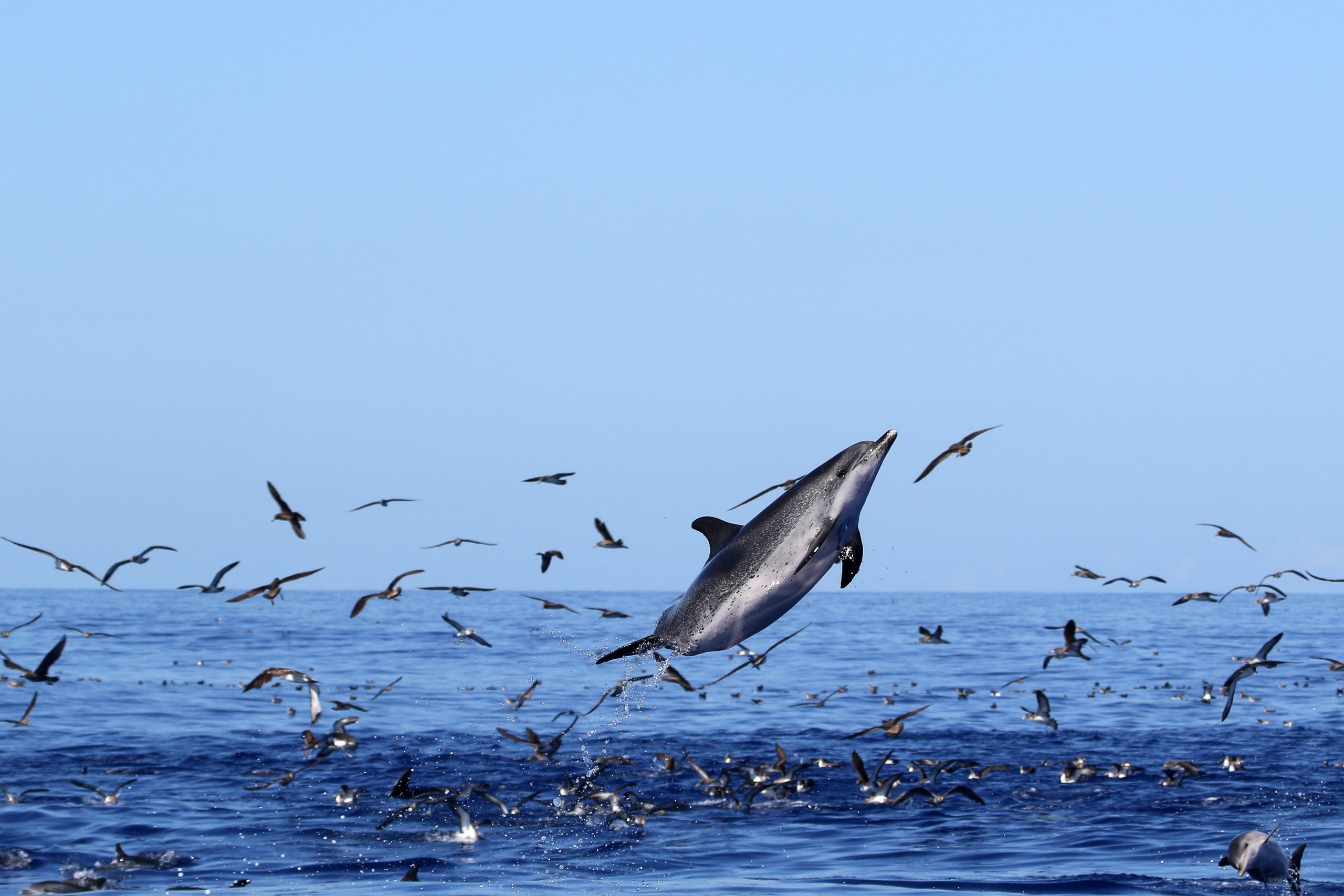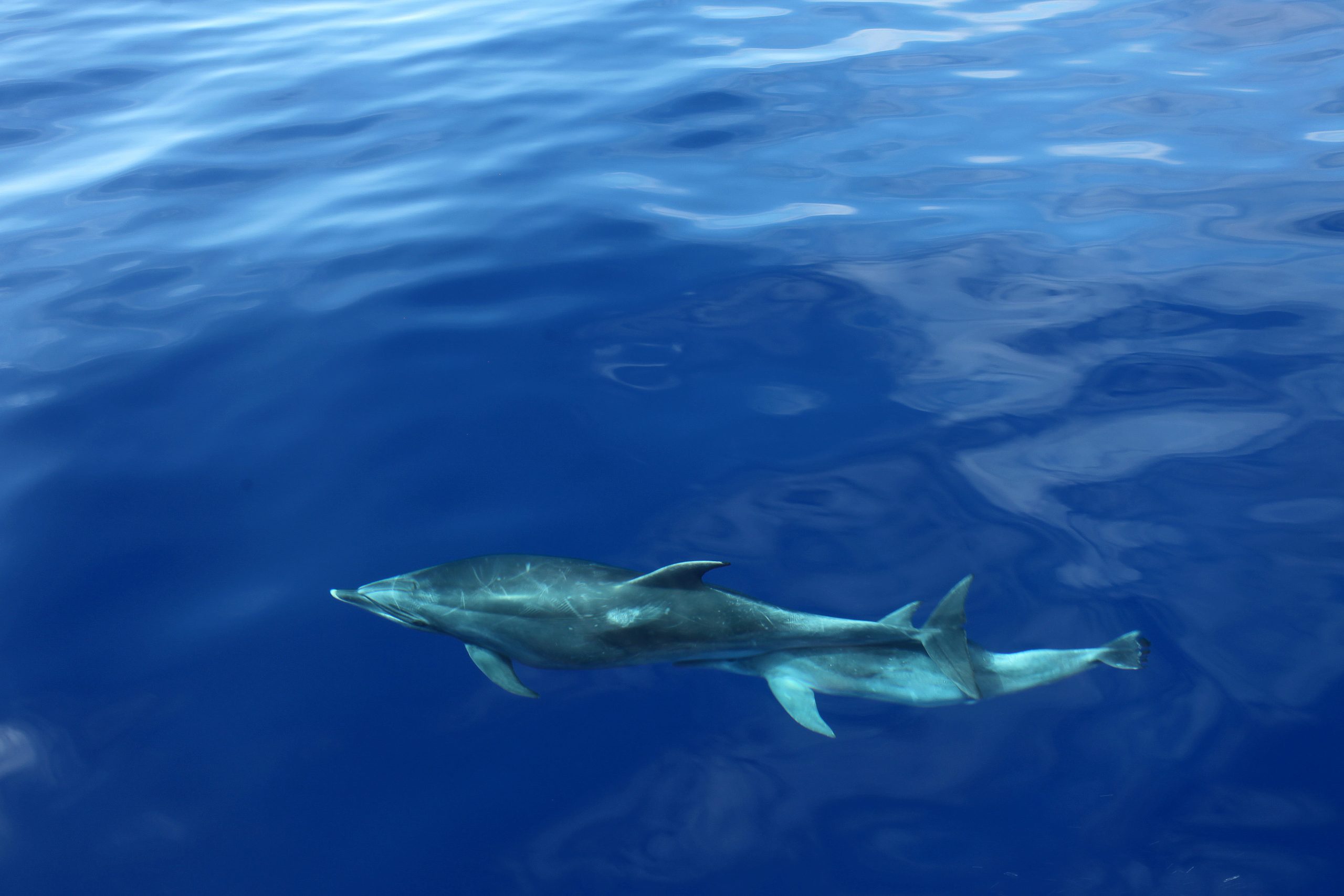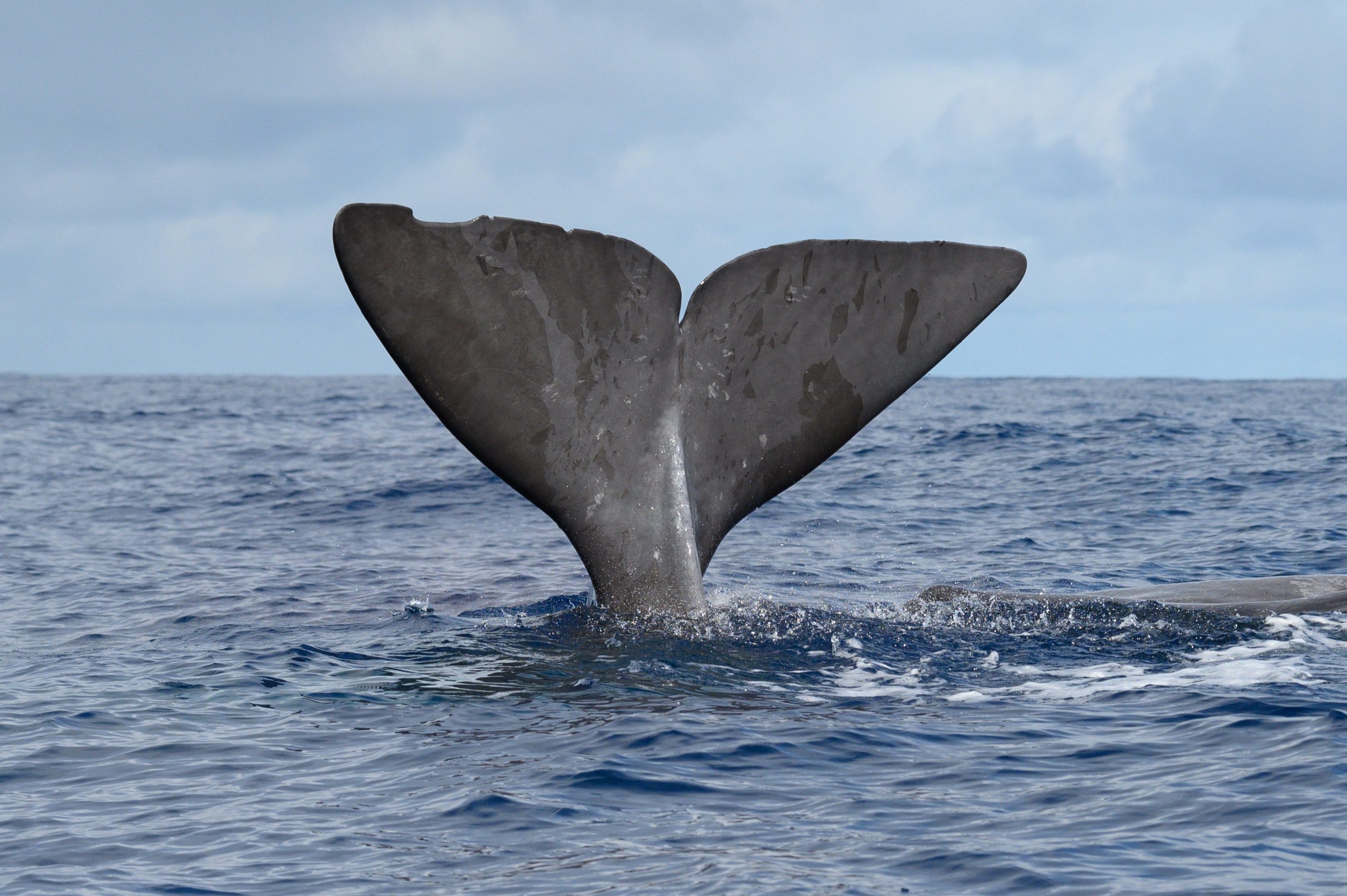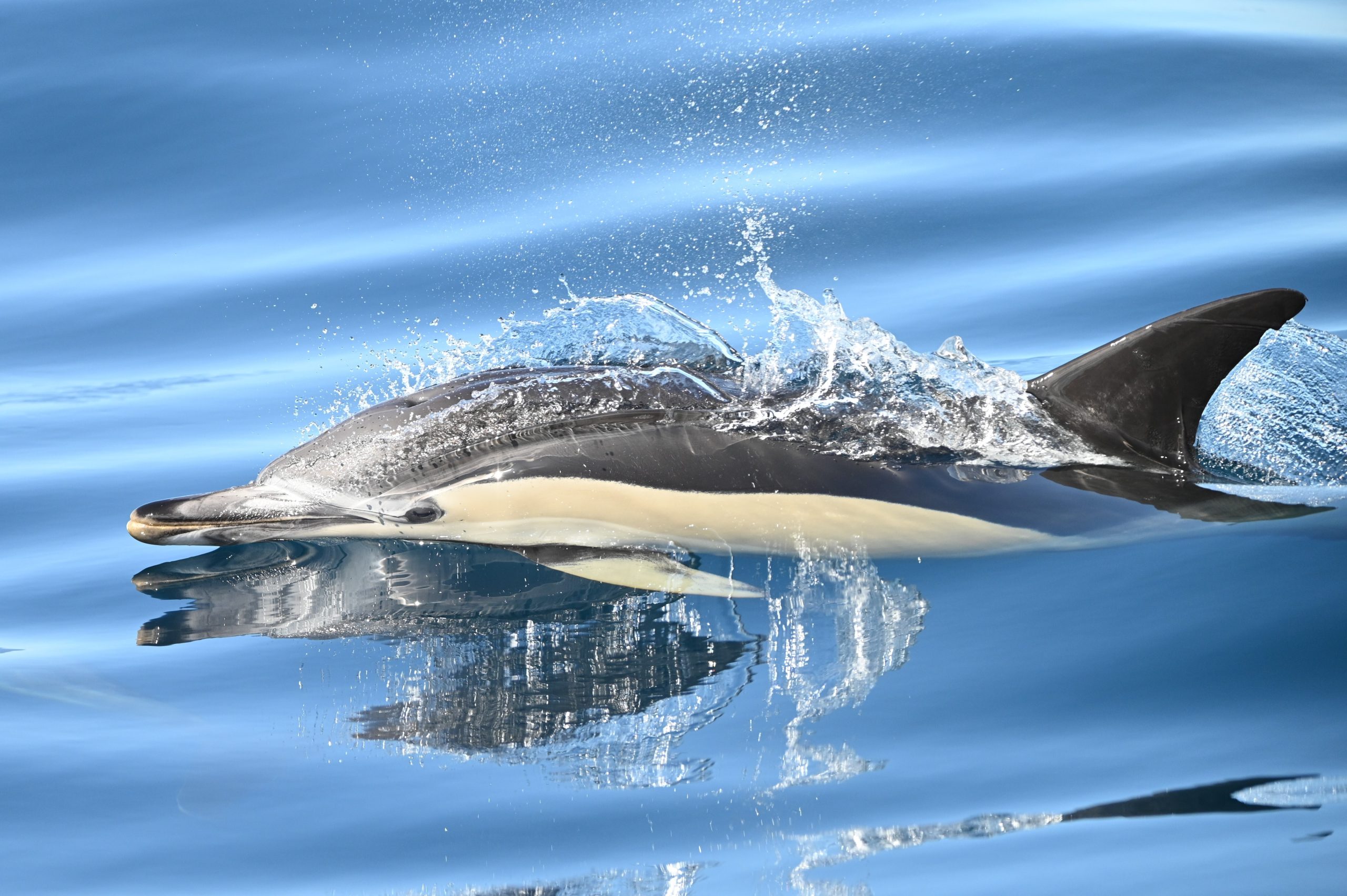




I assume that, if you are reading this post, it is because you were intrigued and curious about how dolphins sleep.
All of us humans know how peaceful and regenerative a good eight-hour sleep can be. However, while we enjoy the cozy safety of our beds at home, many other animal species cannot name a house their home. And some even need to fear dangers from every angle, especially when living in the ocean.
The oceans of our planet provide a rich, huge three-dimensional home to around 15% of all our worldwide species. However, given the strong pressure, lack of air, cold temperatures, and further risks, only adapted individuals may survive in such a harsh environment. This may be one reason why we mainly find micro-scale animals, like bacteria and plankton, there. Bigger species are scarce.

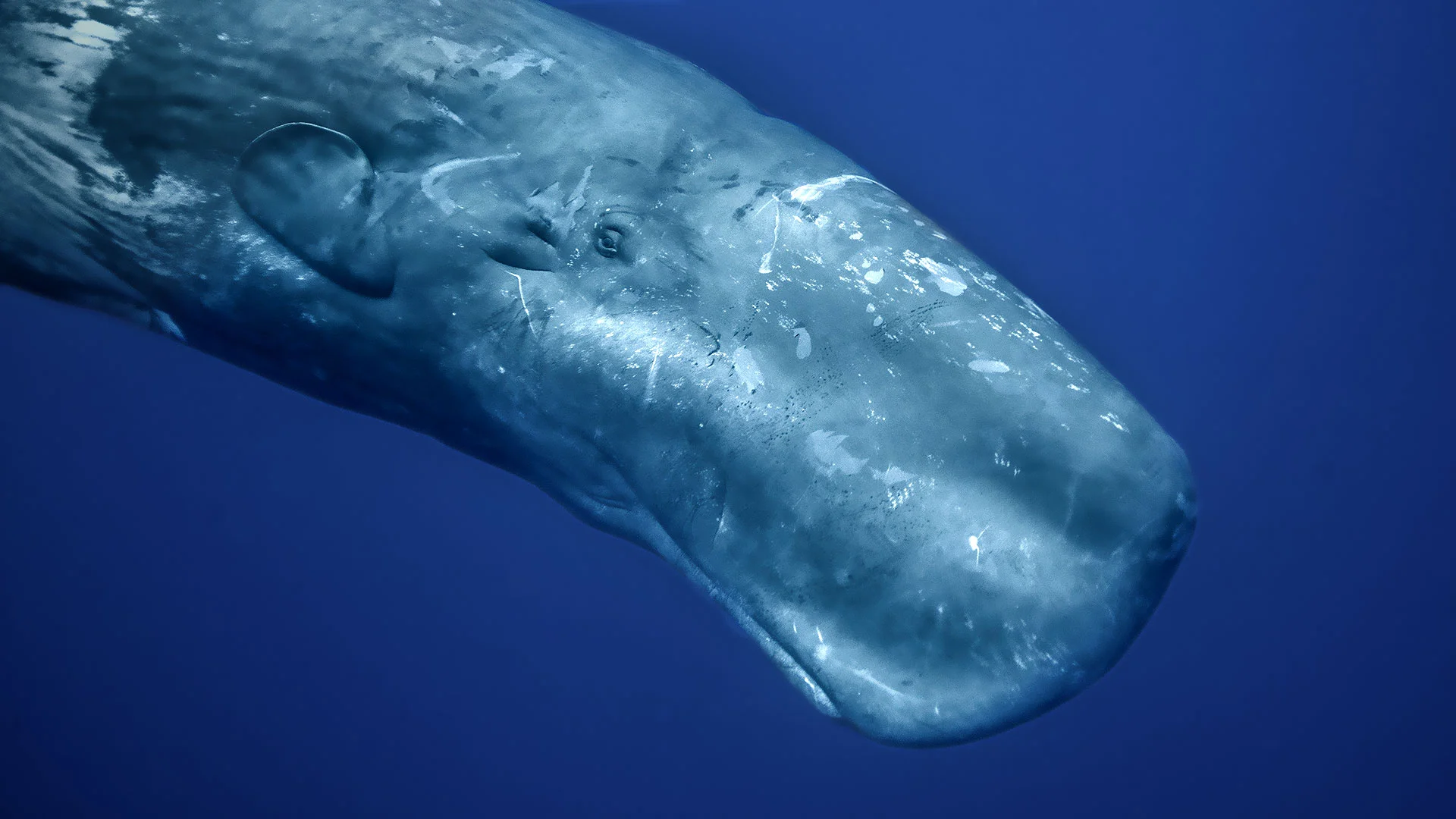
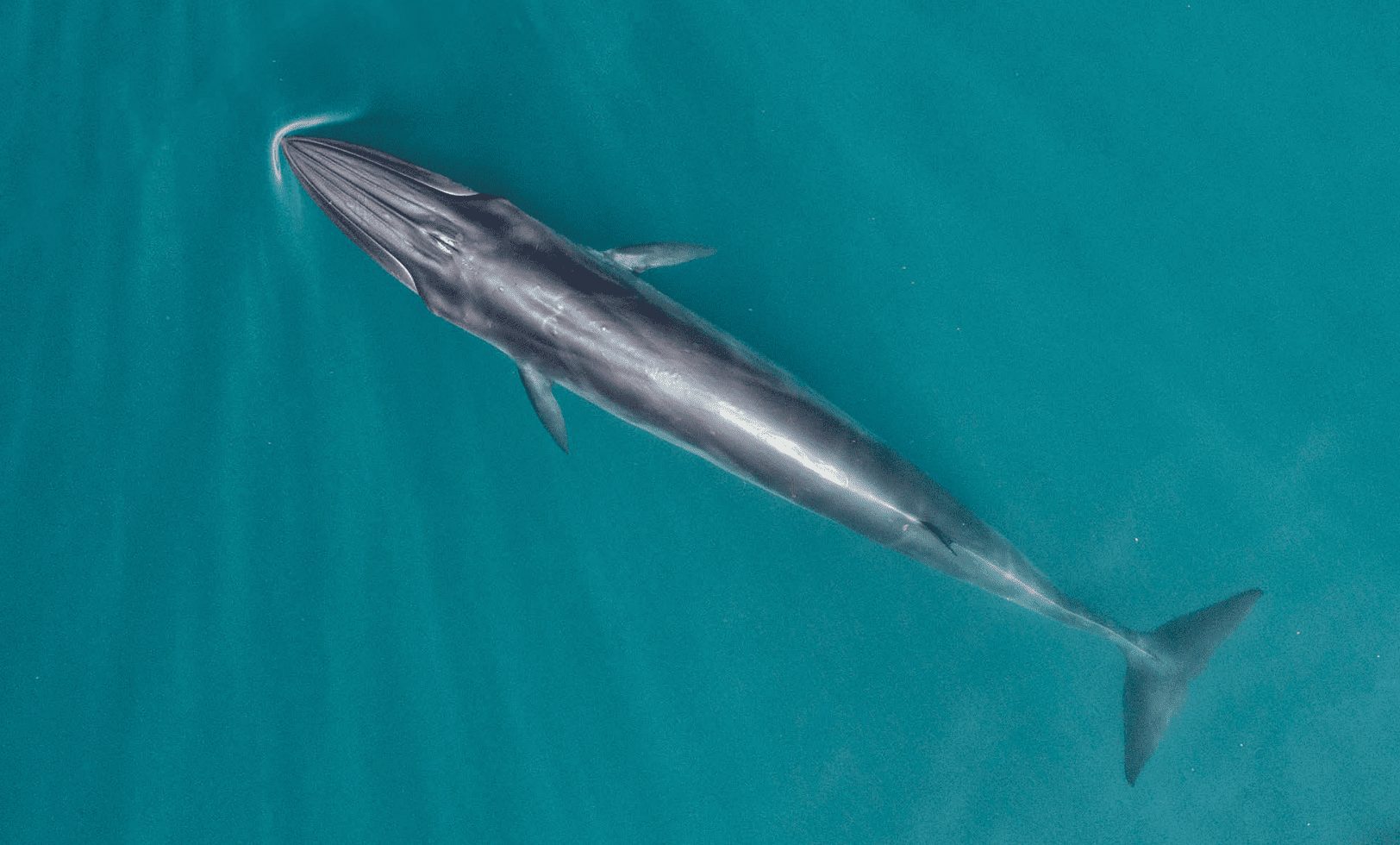
However, you will probably say now: “Stop! When we go for Whale Watching, we can see our biggest animal on earth in the ocean!” – And yes, you are completely right with this! Some ocean inhabitants can become quite big because they do not need to carry all their weight in the water. Most of our ocean giants are cetaceans, which is the umbrella term for whales and dolphins. Cetaceans are marine mammals. This means that they need sleep and – what makes it even more difficult – they also need to breathe air regularly.
Having a closer look at these animals makes it almost unbelievable to imagine that they are able to survive in such a cruel habitat. However, you will be surprised to learn that they even manage to get some sleep.
Whales & Dolphins Are Not Fish – But Mammals!
Unlike humans, cetaceans prefer to live in the ocean. It offers some advantages to become big and thus, a top predator of the oceans. Nevertheless, there are a lot of disadvantages to living in the ocean, especially if you are a mammal.
Like humans, whales and dolphins are mammals, not fish. This means that they are highly evolved, warm-blooded, air-breathing, and nursing vertebrates. They are closer to your grandma than to a salmon, for example!

Now imagine you or your grandma living in the ocean. Probably you might get cold and tired after a while of swimming in the blue. Additionally, it is also getting dark outside, so you will look for a place to rest. However, even if you find a good spot to sleep, you will eventually struggle with the lack of air! And well, a shark may also pay you a visit while you are not paying attention.
So how do dolphins sleep peacefully out there?
✨ Related articles: How do Dolphins Mate? | How do Dolphins Sleep? | How do Whales & Dolphins Communicate? | How is a Group of Dolphins called? | Top-3 Facts & Curiosities about Dolphins | What Do Dolphins Eat?
Importance of Sleep

Benefits of Sleep
Animals all over the world benefit from a good night’s sleep; however, they sleep differently.
Like humans and other mammals, cetaceans need sleep to recover and maintain the high functionality of their brains. During sleep, the brain stores new information, deletes unnecessary information, and repairs and reorganizes cells.
Sleep in Cetaceans (Risks)
Yet, taking a nap can be very dangerous for dolphins. They need to deal with potential predators, the cold, the lack of air, and other risks they face in the ocean. This means they have to maintain a low level of alertness at all times.
To maintain alertness at all times, cetaceans need to adapt their behavior to their environment. They need to make sure they are safe from predators, do not freeze, and still get enough air without risking drowning while sleeping.
Breathing in Cetaceans – How it Works?

Breathing in General
Breathing is a necessary activity for all animals with lungs, including humans and dolphins. Without the steady gas exchange, we would simply suffocate and die. The same happens if we breathe water into our lungs. Does this mean dolphins could drown at any moment?
No, of course, in contrast to us humans, dolphins are adapted to their aquatic environment. Humans are dependent on involuntary breathing, which means we breathe automatically every 4 seconds. We do not have to think about it.
Breathing in Mammals
For dolphins, this works differently. As they have water around them, it would be disadvantageous to involuntarily breathe every few seconds. They would face a high-level risk of drowning. Instead, cetaceans evolved voluntary breathing.
This means that dolphins breathe only when facing the surface, on average every 6 seconds when active and every 20 seconds when resting. However, if necessary, they can also hold their breath up to an incredible twenty minutes!

To be fair, the diving response of marine mammals differs from humans. A breathing response will be triggered only at much higher CO2 levels than in terrestrial mammals, like us. Although they do not need to breathe that often, they are able to outbalance the intoxication level of the gases. Proportionally bigger lungs and more efficient red blood cells facilitate a quicker gas exchange in dolphins.
Breathing in Cetaceans
In contrast to humans, cetaceans do not have a nose, but an organ called a spiracle or blowhole. This organ is a hole on top of the head, connected over the nasal passage to the respiratory system. The passage can be closed with a nasal plug during a dive.
Similar to humans, the blowholes of the cetaceans are attached to their trachea and lungs. By contrast, unlike in humans, the trachea and esophagus are separated. Therefore, a dolphin could never choke on food and can hunt while holding its breath.
Nevertheless, this amazing ability to hold one’s breath does not help when entangled in a ghost net underwater. In this sad case, dolphins cannot reach the surface to breathe. As they only breathe at the surface, they simply stop breathing and suffocate instead of drowning.
✨ Related articles: Are Dolphins Endangered? | Are Pink Dolphins real? | Do Dolphins Eat Tuna? | Do Dolphins Smell? | Do Whales & Dolphins Lay Eggs?
How do the Dolphins Sleep?

That’s How Dolphins Solve the Problem
Observations of dolphins in the wild and in captivity revealed how dolphins sleep.
In general, dolphins sleep as much as humans do, but only in shorter intervals and with one half of the brain. They sleep about 33% of the day; we just usually do not see it. However, the sleep champions of the sea are indeed gray whales, which spend up to 41% of the day sleeping.
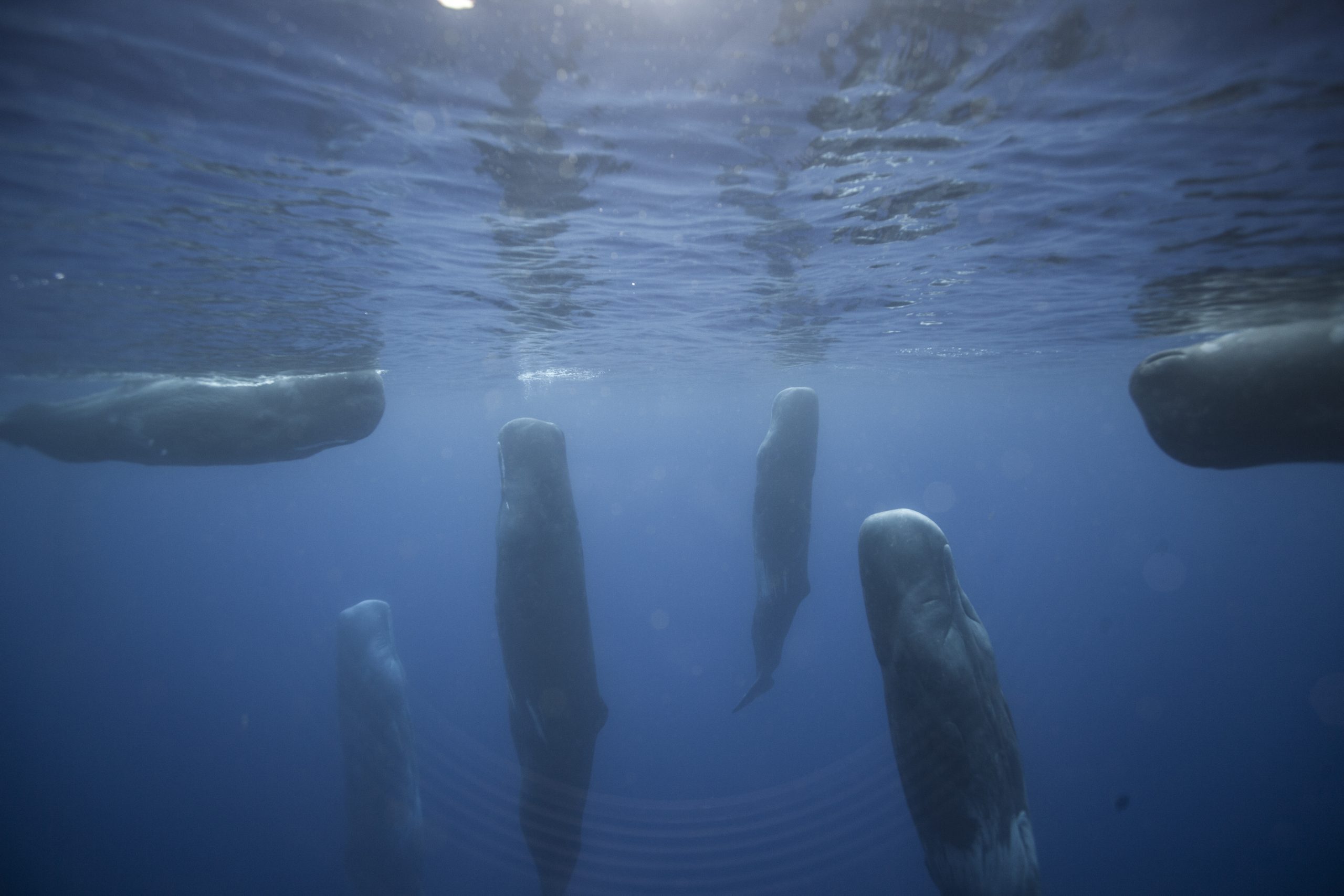
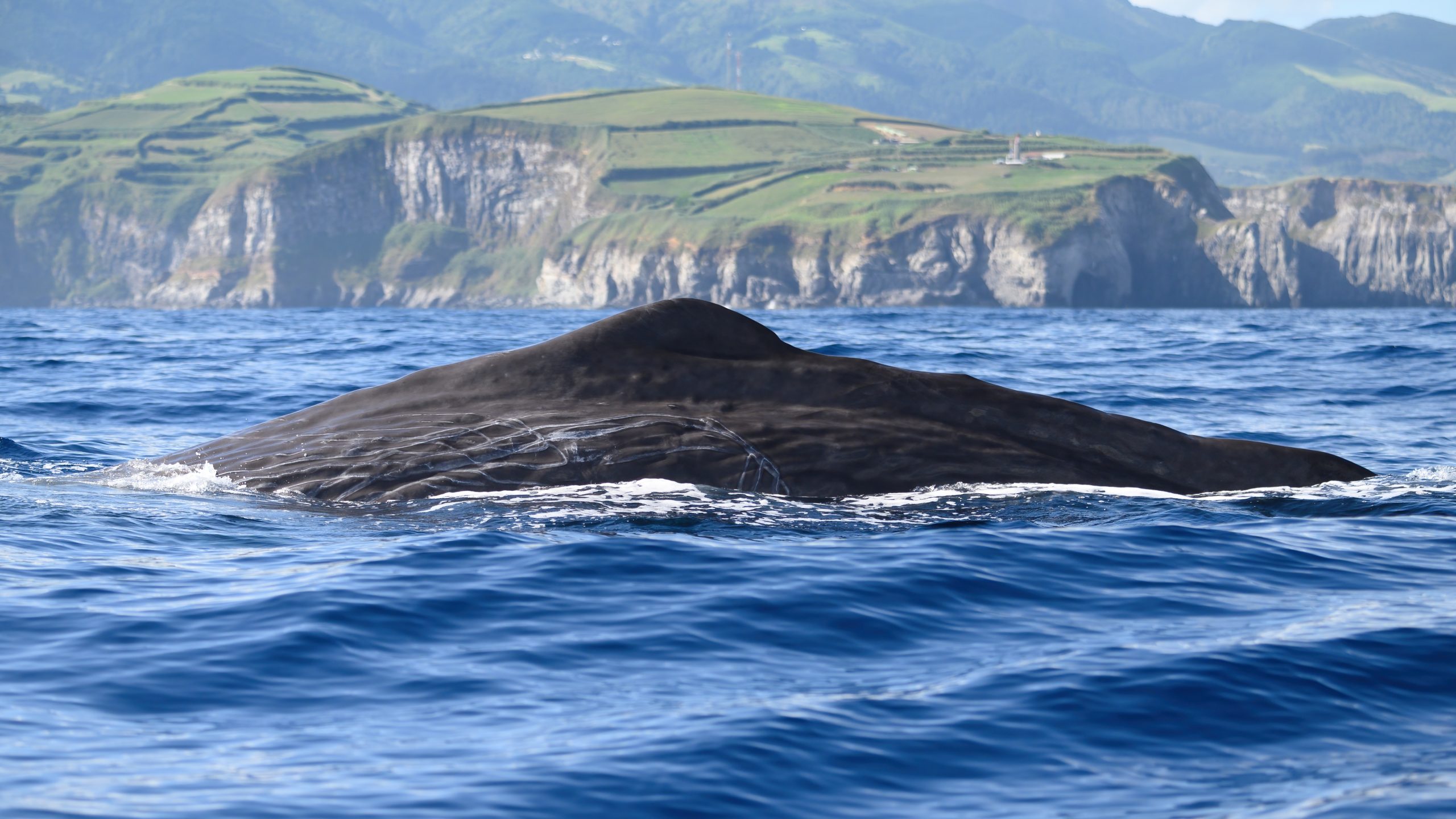
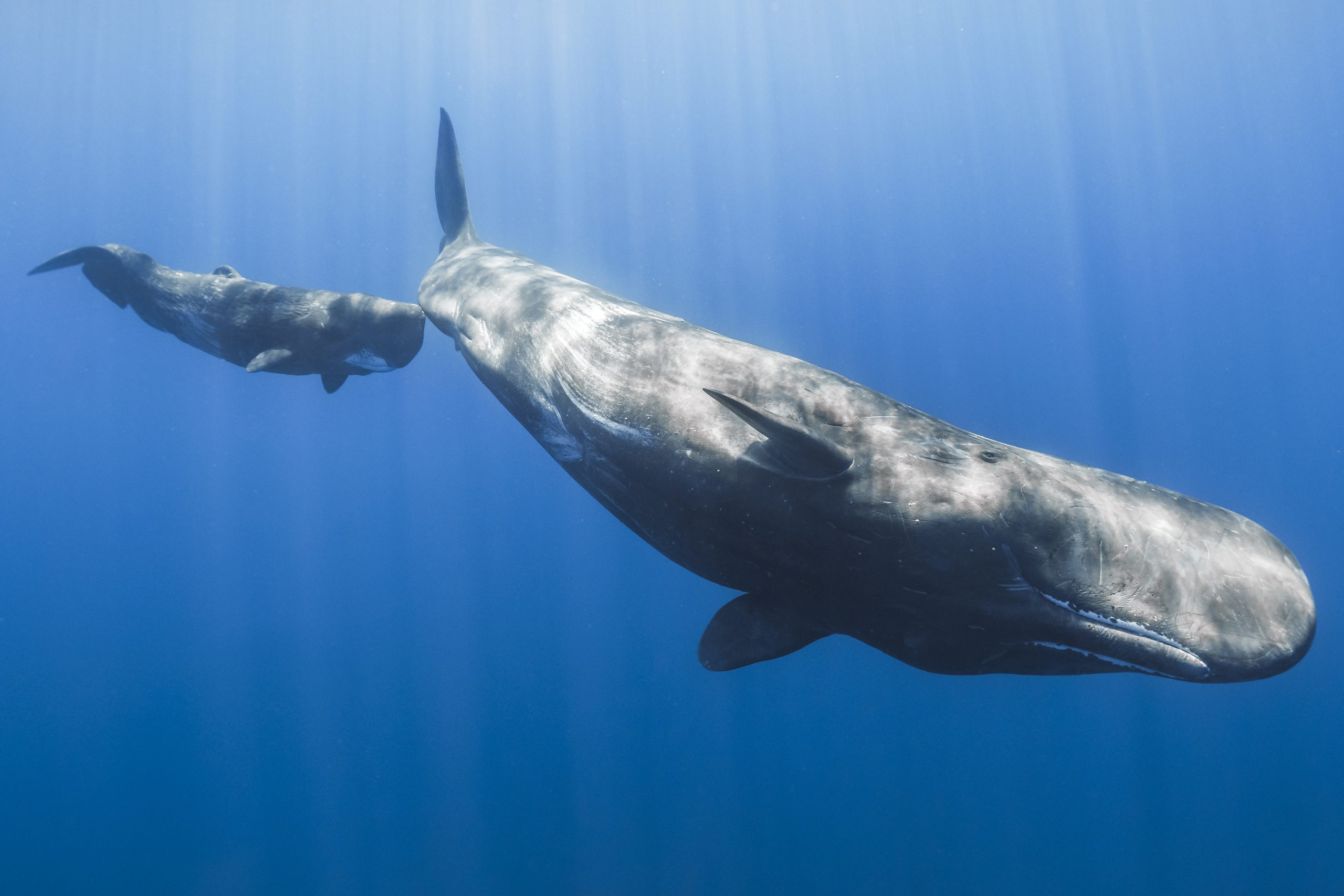
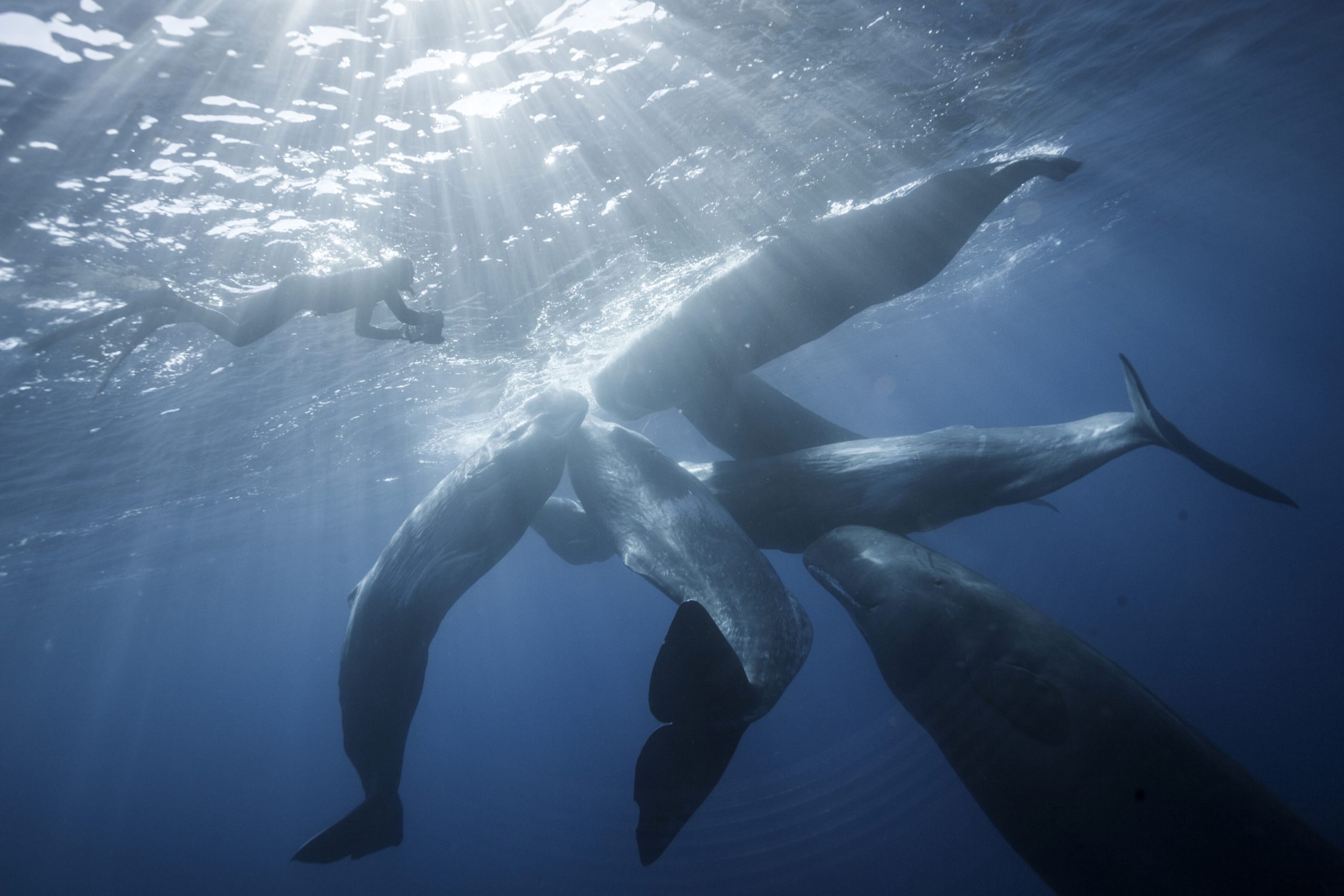
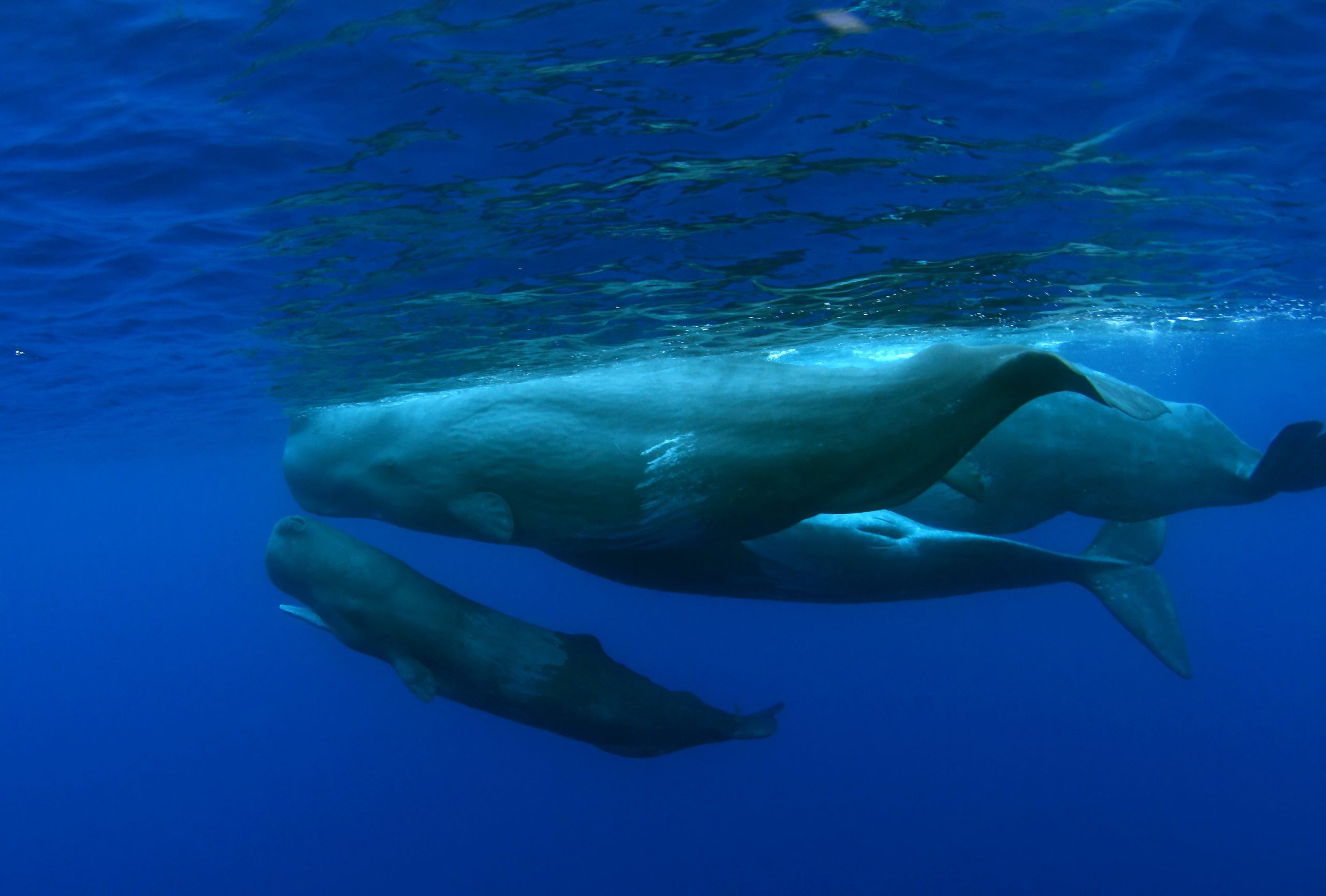
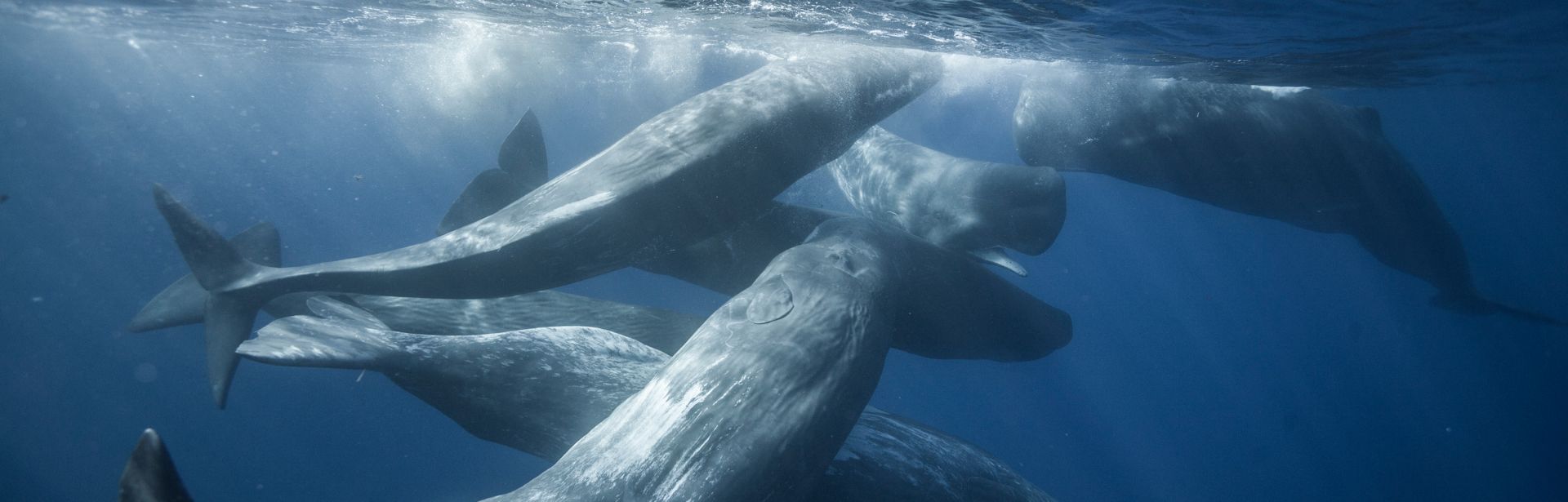
Mostly, when dolphins are sleeping, you can find them resting motionlessly at the surface. This is called logging, because it looks like a floating log. While this behavior is mainly associated with deep sleep, dolphins can also swim during their naps! This is very important because the muscle movement keeps them warm.
But What Happens Exactly When Dolphins Sleep?
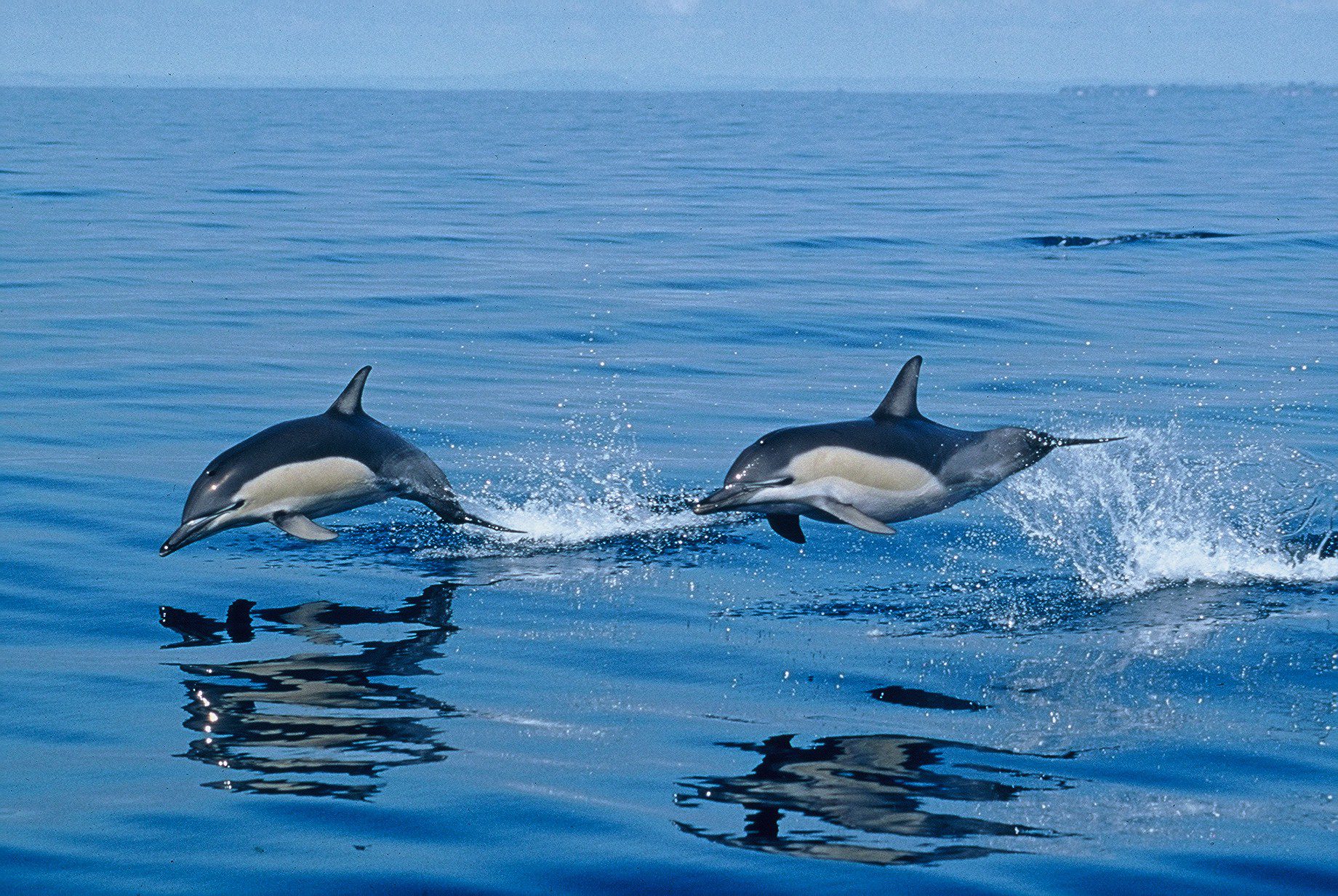
Dolphins’ sleep is called cat-napping: an alternating, unihemispheric slow-wave sleep. Basically, this means they sleep only with one half of their brain, and after approximately two hours, they switch sides. Interestingly, during the sleeping phase of one brain half, the eye on the opposite side of the head is closed. The closed eye is usually pointing towards the group’s middle or another individual, as dolphins avoid sleeping alone. So, the individuals can look around, protect, and support each other.
Dreaming
Although much is already known about dolphin sleep, it remains uncertain whether dolphins dream. Dreams usually occur during the REM (Rapid Eye Movement) phase. However, the EEGs of sleeping dolphins showed they lack a REM phase, so it is unlikely they are dreaming. Nevertheless, since sleep is generally solved differently in cetaceans, it might be, just yet, an unknown form of dreaming!
Nevertheless, what we know is that during dolphins’ sleep, the lungs transport oxygen only to the most important organs, such as the heart, brain, and swimming muscles, resulting in reduced air consumption and longer dives. And since they do not inhale automatically underwater, they can easily sleep without drowning!
Tired Parents

Interesting Facts About Sleeping and Dolphin Parenthood
Does all of this mean that dolphins cannot suffer sleep deprivation and are really happy every day?
No! Dolphins can undergo hard times due to a lack of sleep. Particularly, the parents between you may probably identify with this.
It all starts when a baby dolphin is born. It will need the touch of air to trigger the first breath. So the mother is pushing it to the surface. Sometimes it might happen that calves never reach the surface and thus, never take their first breath.
However, a newborn dolphin is not simply smaller; it still needs time to fully develop. For example, infants do not have enough blubber, a fatty mass that insulates the body, to float easily. So, baby dolphins cannot sleep while floating motionlessly, because they would sink. They always need to swim. However, a lot of swimming is tiring for the newborn and may make it more susceptible to infections and attacks.
This is the point where the dolphin mom enters the exhausting game. She helps the infant by constantly swimming for the first four to eight weeks, thereby towing the newborn in her slipstream. If she stops swimming for one or two hours, then her baby will begin to sink into a deep sleep without waking. In science, researchers call this continuous swimming with the newborn echelon swimming.
As you can see, the first weeks with a newborn dolphin can be very exhausting for the mother, but, as we know, she can swim and sleep at the same time. So she will not be sleeping deeply (logging), but she will get at least a little bit of sleep.
Conclusion
Dolphins are so special and amazing to watch, so make sure you follow us online for more awesome news and articles!
If you would like to learn more about whales and dolphins, the Futurismo team is excited to share them with you on one of our incredible Whale Watching tours in the Azores!
So, book a trip to meet these amazing creatures, and we’ll help you create unforgettable memories.

Bibliography
- Lyamin, O., Pryaslova, J., Kosenko, P., & Siegel, J. (2007). Behavioral aspects of sleep in bottlenose dolphin mothers and their calves. Physiology & Behavior, 92 (4), 725–733.
- Lyamin, O., Manger, P., Ridgway, S., Mukhametov, L., & Siegel, J. (2008). Cetacean sleep: An unusual form of mammalian sleep. Neuroscience & Biobehavioral Reviews, 32 (8), 1451–1484.
- Mascetti, Gian Gastone, G. G. (2016). Unihemispheric sleep and asymmetrical sleep: behavioral, neurophysiological, and functional perspectives. Nature and Science of Sleep, Volume 8, 221–238.
- Sekiguchi, Y., & Kohshima, S. (2003). Resting behaviors of captive bottlenose dolphins (Tursiops truncatus). Physiology & Behavior, 79 (4-5), 643–653.
- Sekiguchi, Y., Arai, K., & Kohshima, S. (2006). Sleep in continuously active dolphins. Nature, 441 (7096),
- Siegel, J. M. (2005). Clues to the functions of mammalian sleep. Nature, 437 (7063), 1264–1271.
- Siegel, J. M. (2009). Sleep viewed as a state of adaptive inactivity. Nature Reviews Neuroscience, 10 (10), 747–753.
- Tobler, I. (1995). Is sleep fundamentally different between mammalian species? Behavioural Brain Research, 69 (1-2), 35–41