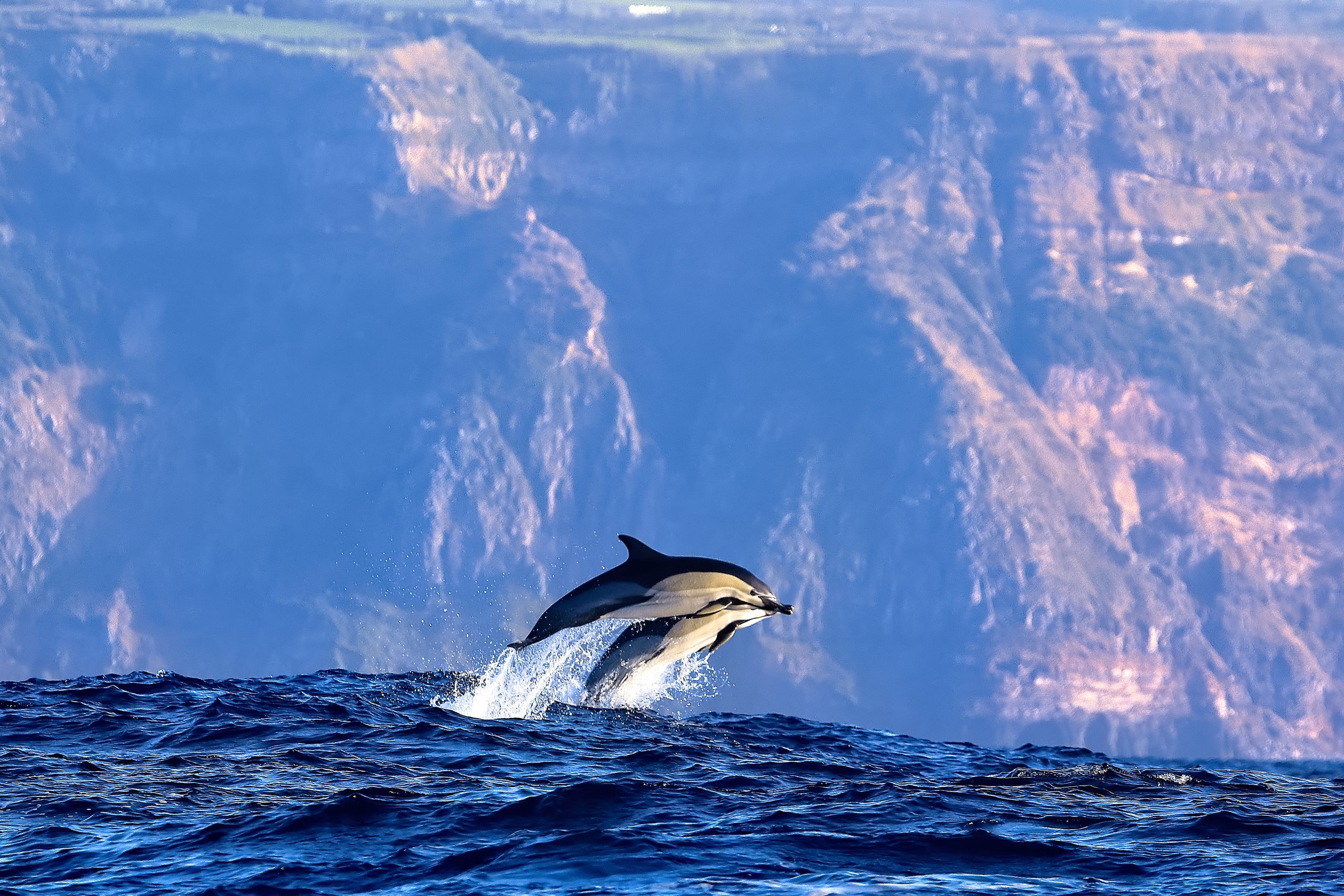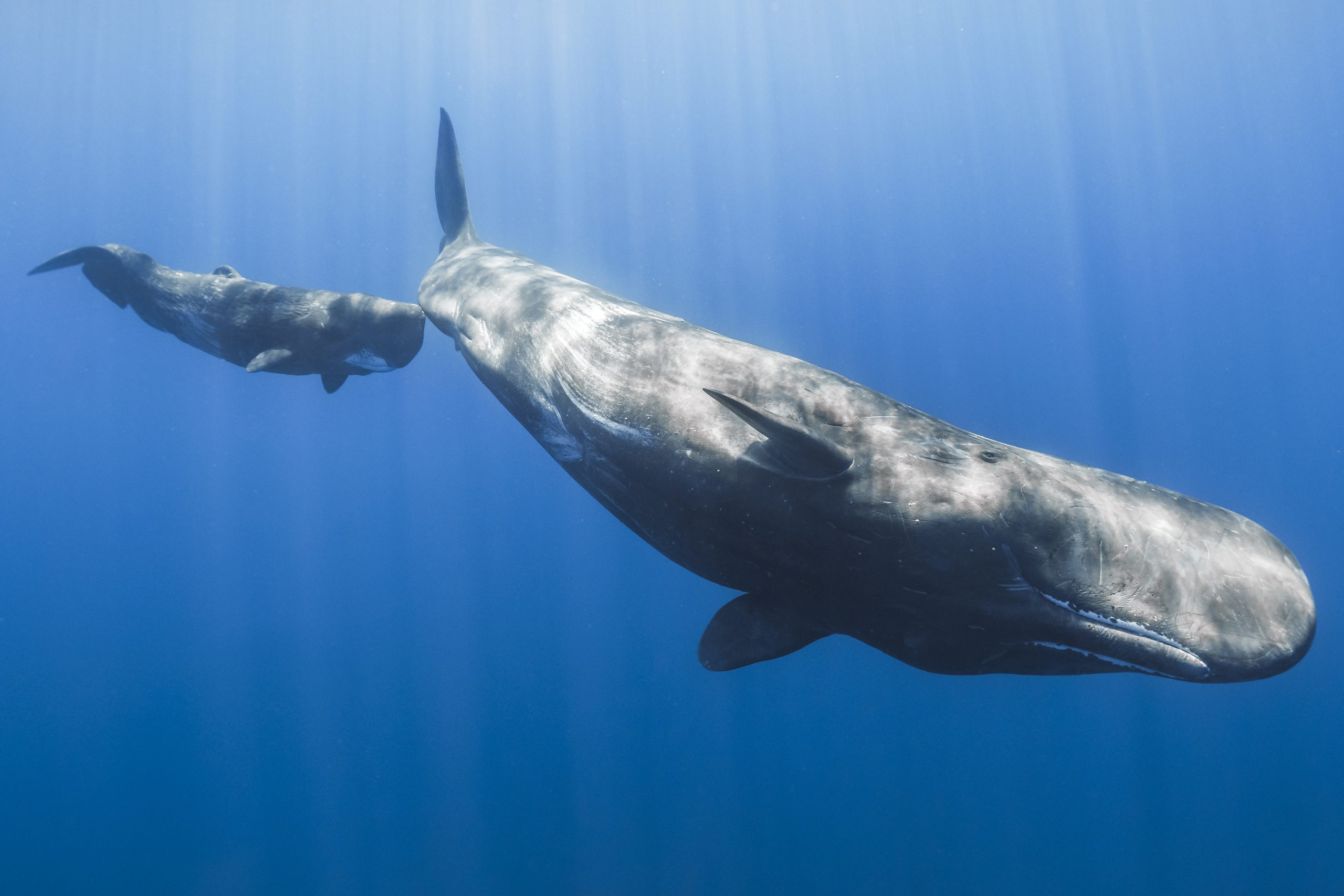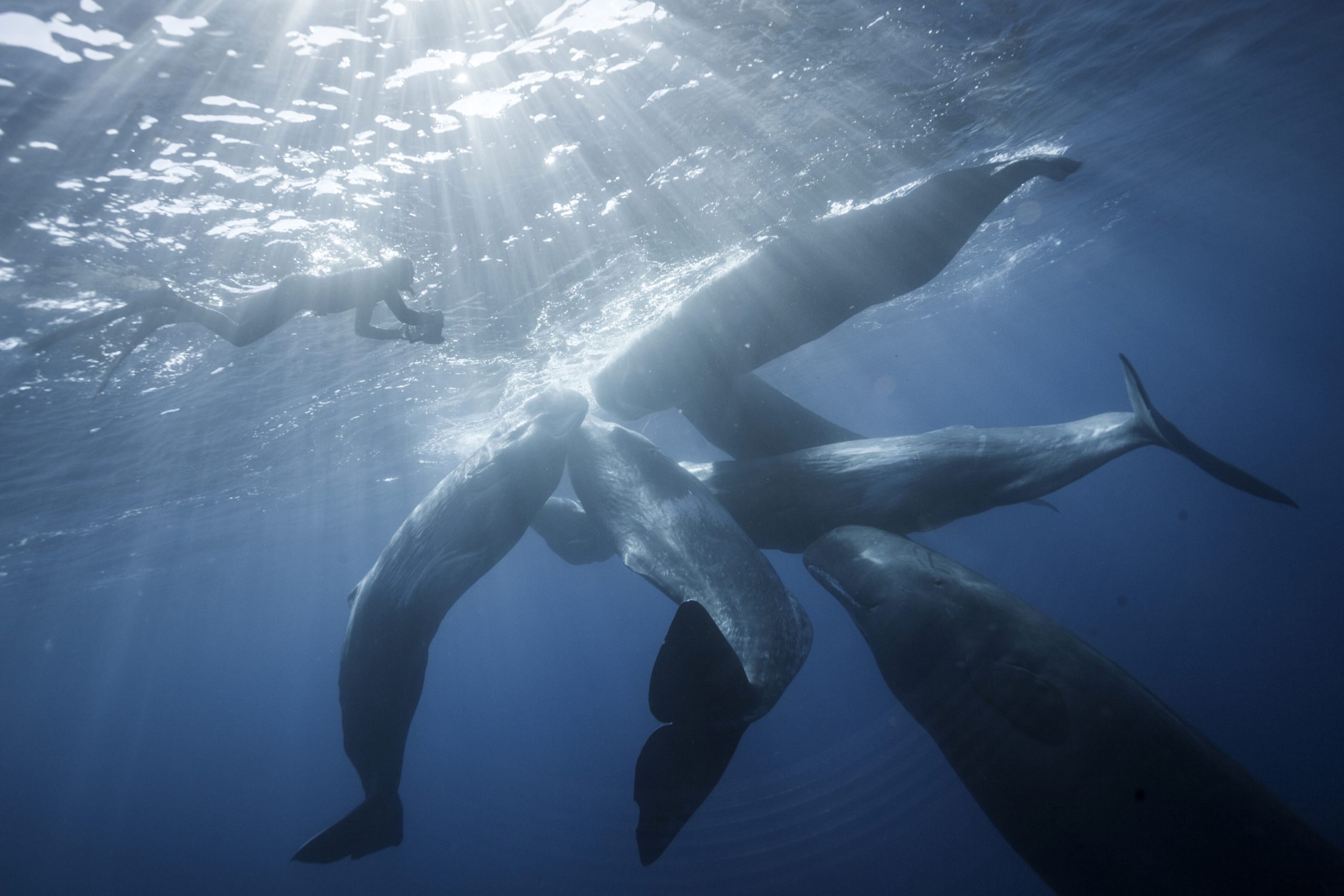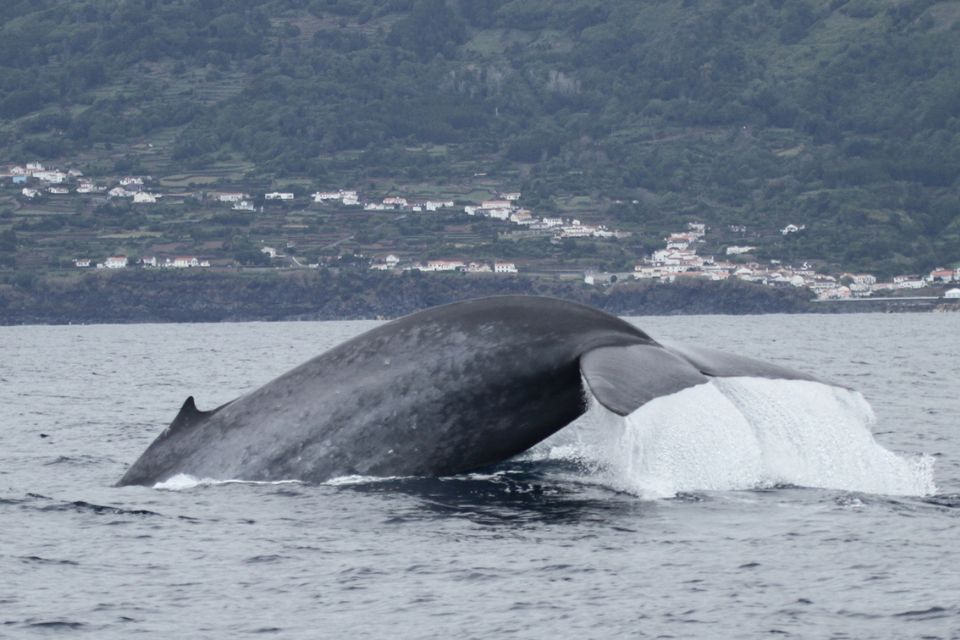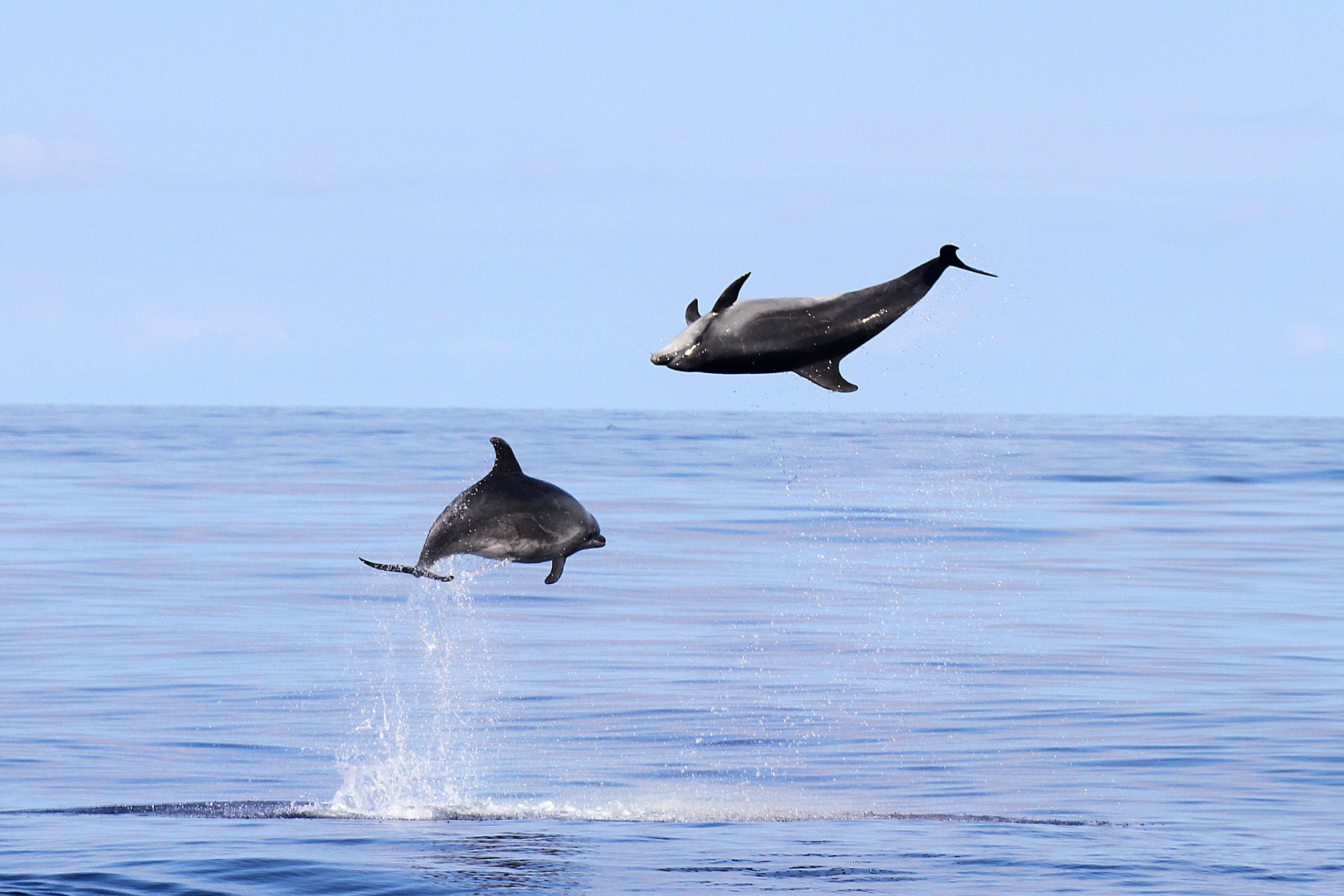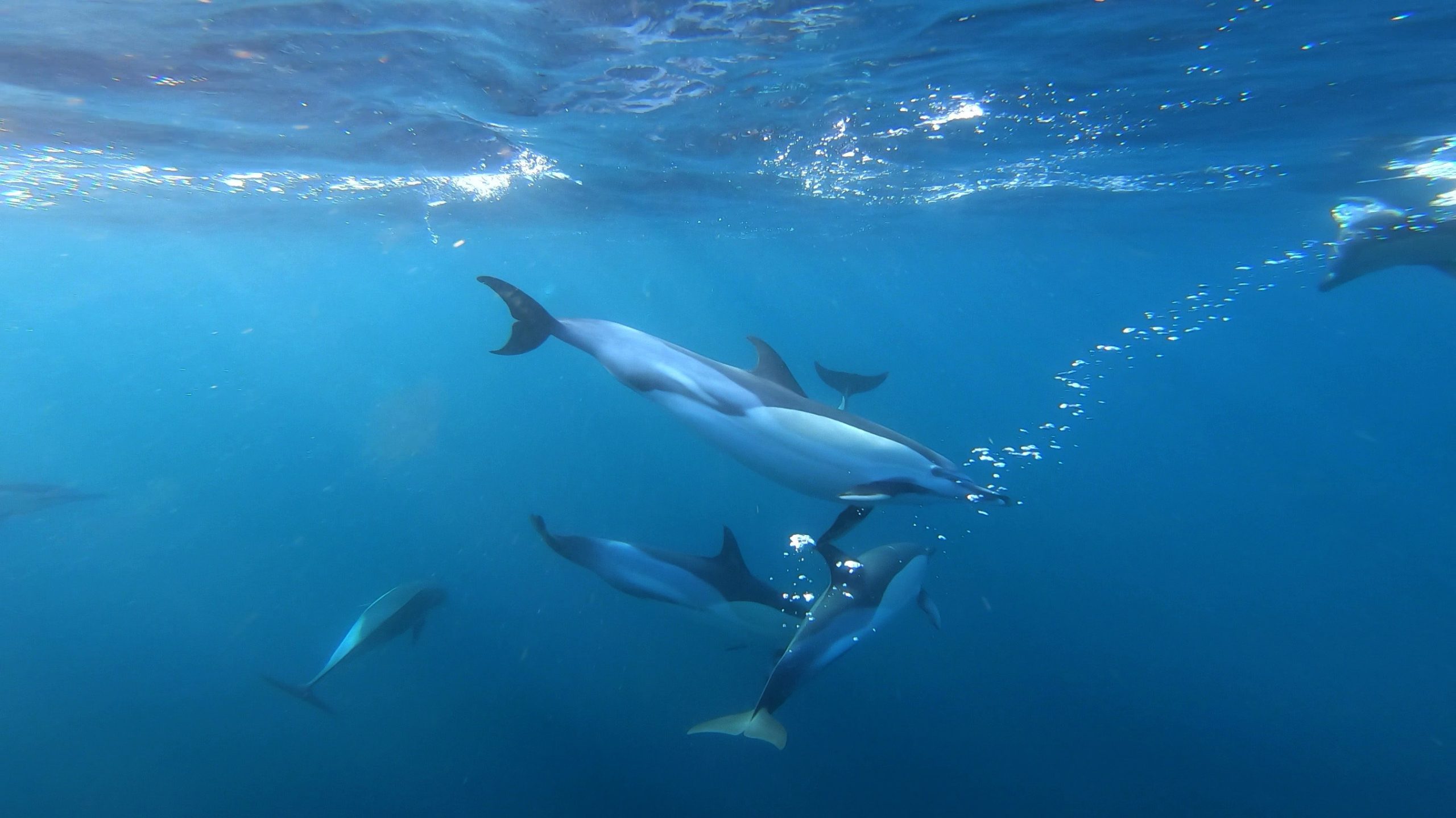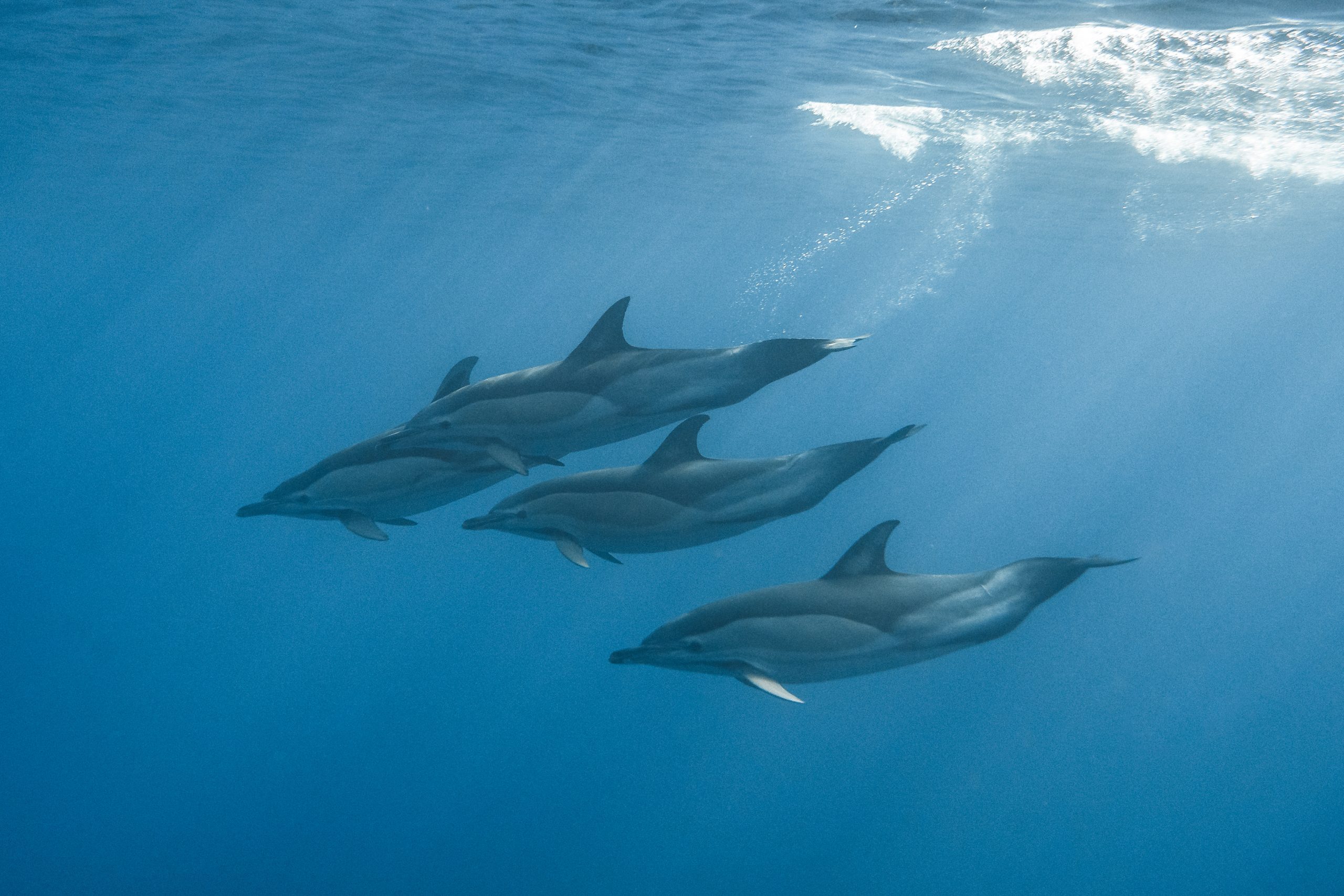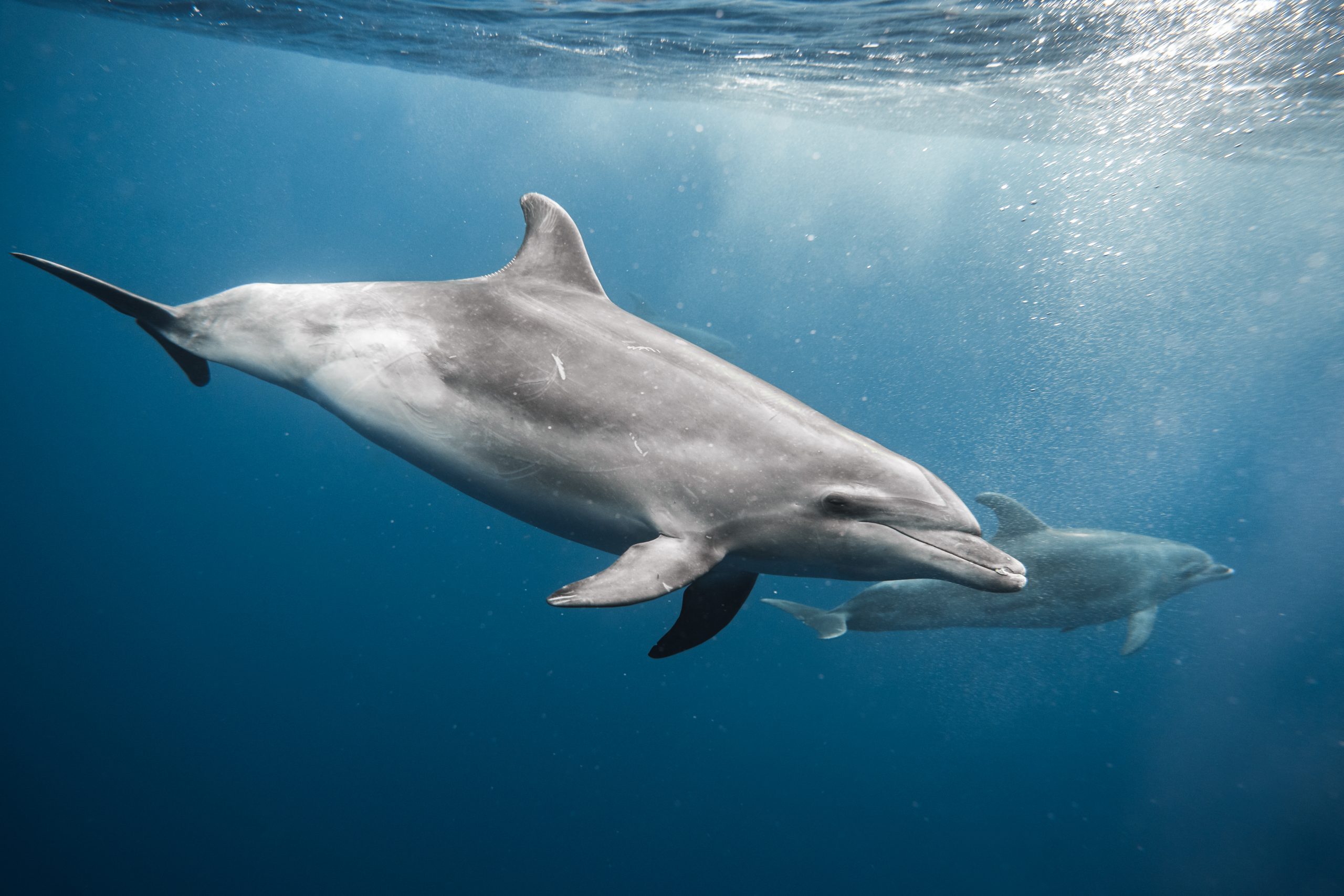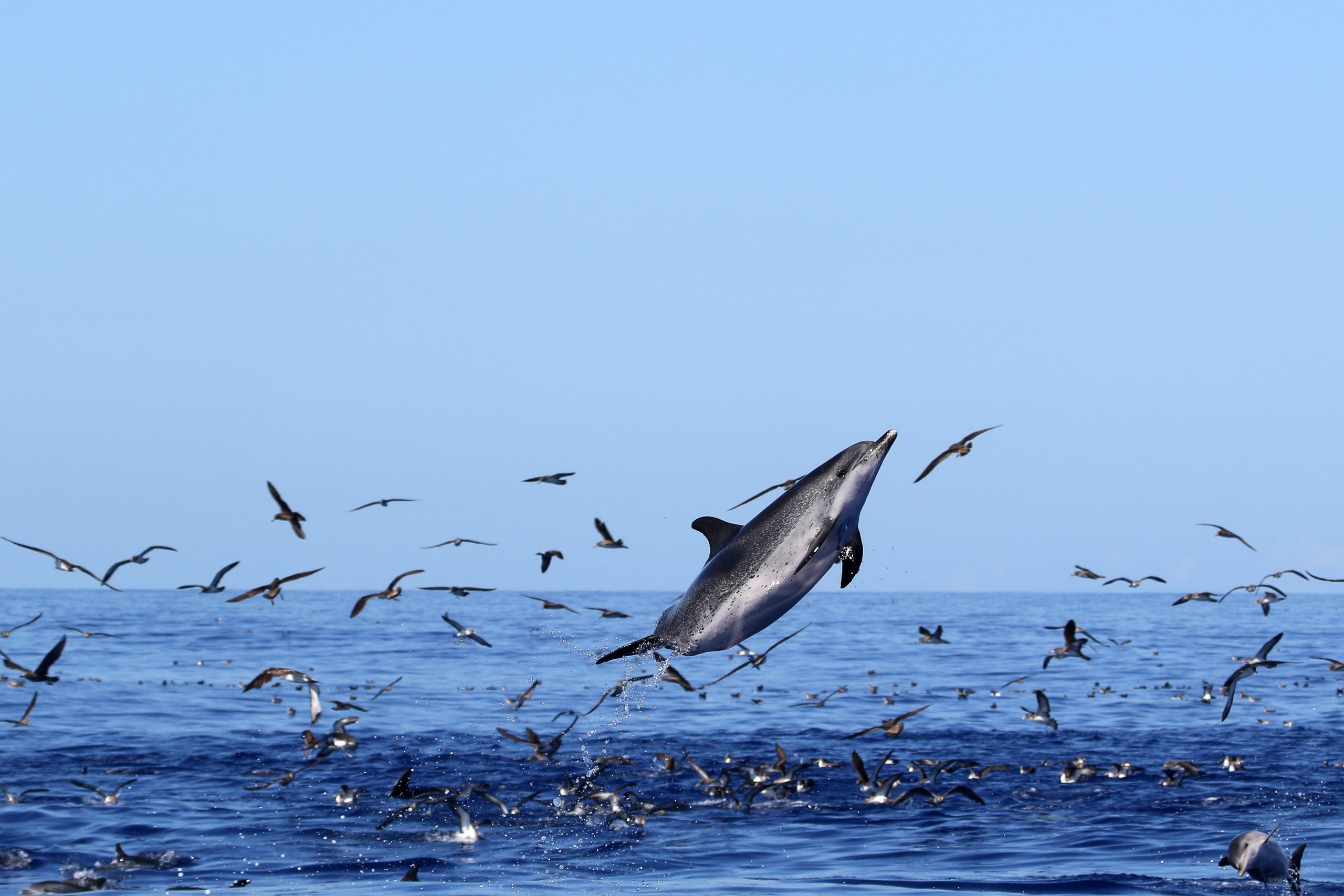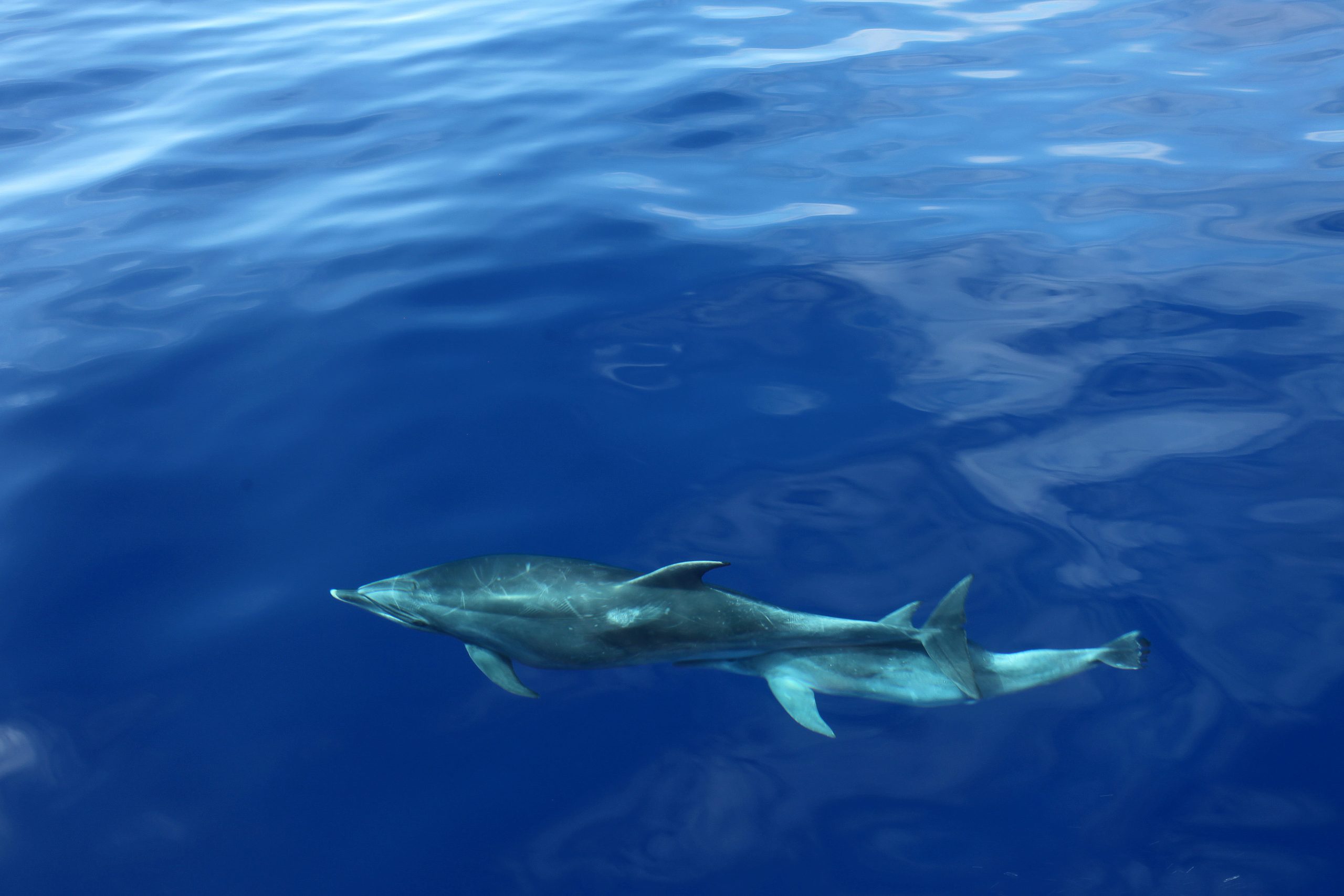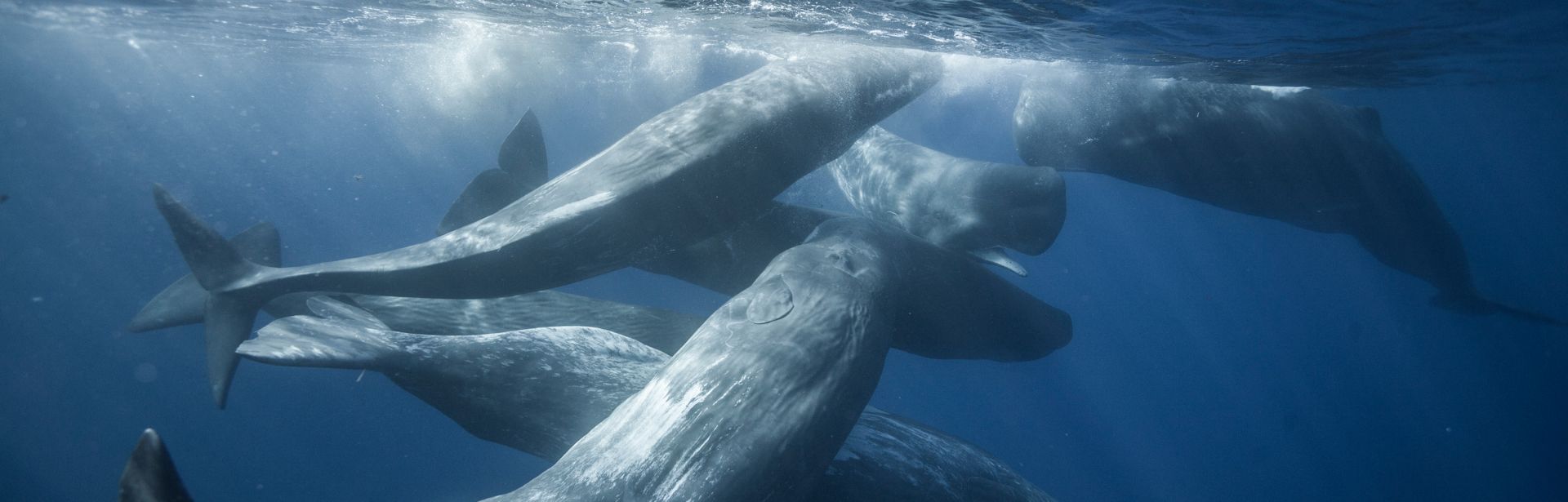



Are dolphins endangered? Dolphins, belonging to the family Delphinidae, face various threats that have led some species to be categorized as endangered. Understanding these threats and the conservation efforts in place is crucial for their protection.
Overview

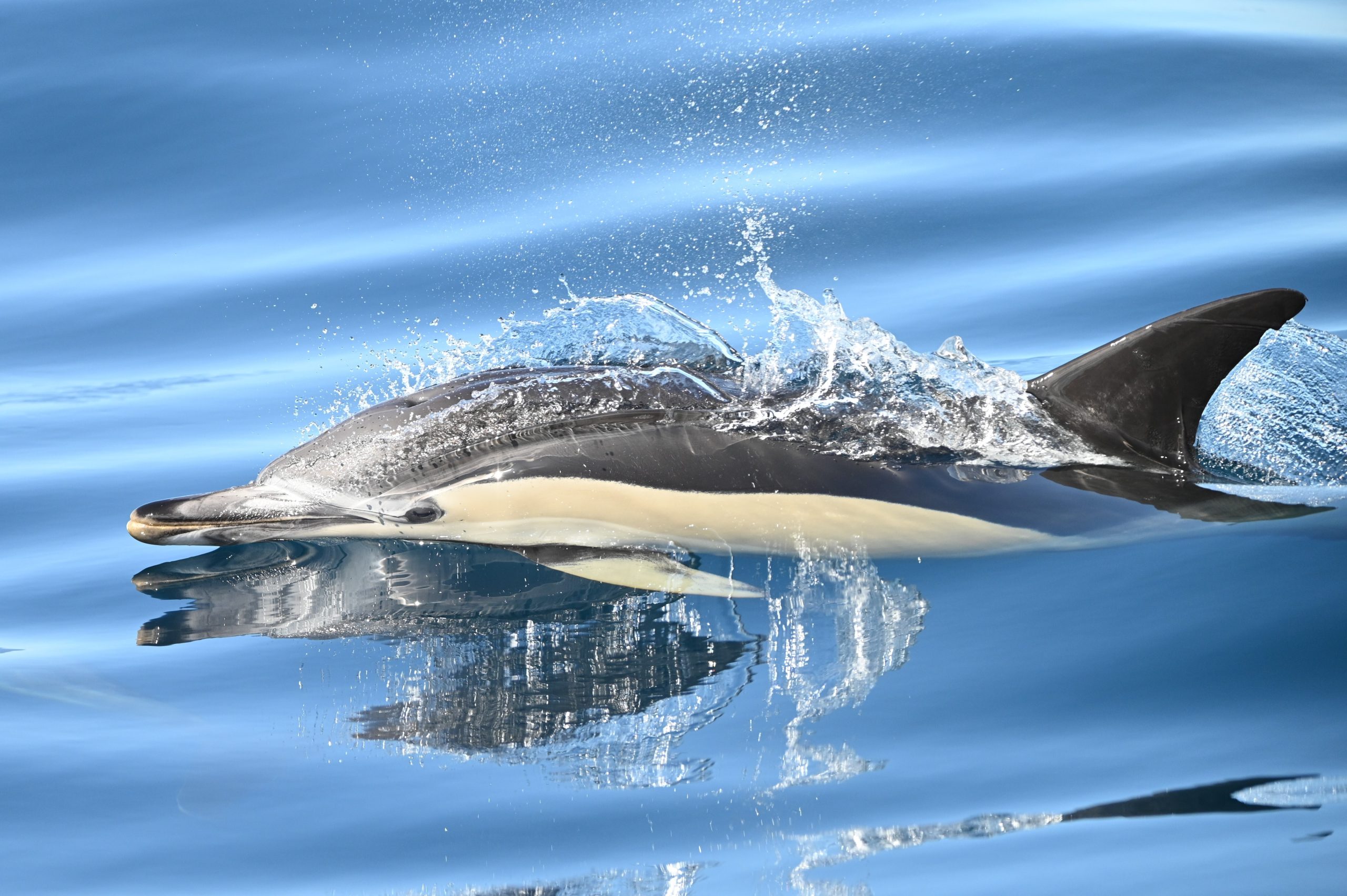
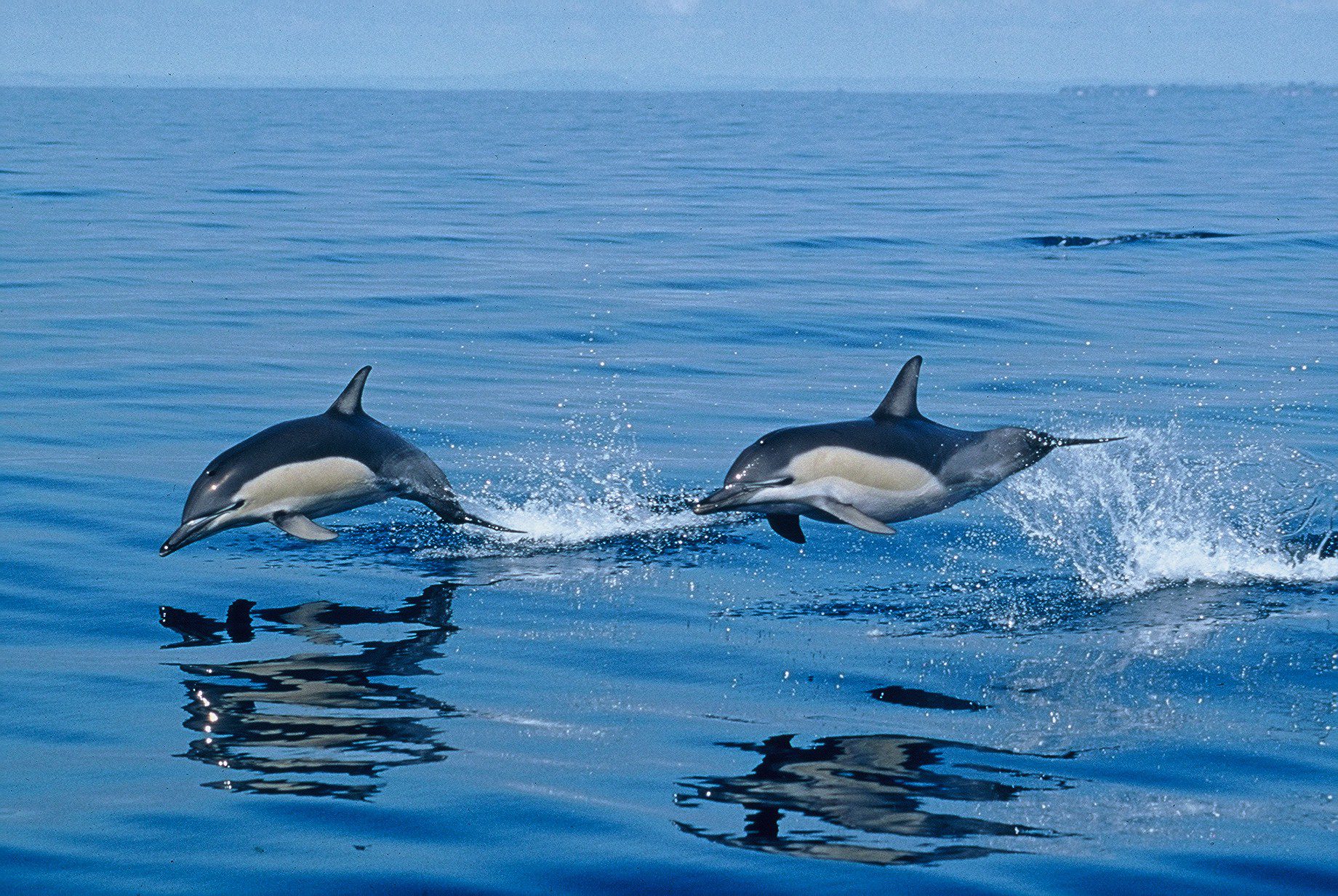
Within the family Delphinidae, we found a diverse group of species totaling 38. This species can vary across a range of sites from 1.8 meters to 9.8 meters. These animals are marine mammals belonging to the Odontoceti, a group within the cetaceans. Odontoceti have teeth and only one blowhole (Jefferson et al. 2011).
Some species of dolphins and other cetaceans can be hunted, given the resources available. Hunting cetaceans started at 1100 and finished in the early 1900s. Also, climate change influences species with more specific ecosystems (Parsons and Rose, 2022).
In the International Union for Conservation of Nature’s Red List of Threatened Species, we found: 23 species in the least concern category, five near threatened, two vulnerable, three endangered, one critical, one with no data deficient, and three without a category (IUCN, 2022).

Endangered species

Endangered, according to the IUCN criteria, means all those species that possess a very high risk of extinction because of rapid population declines. This decline in the population must be 50 to 70 percent in the previous 10 years, then they get this category.
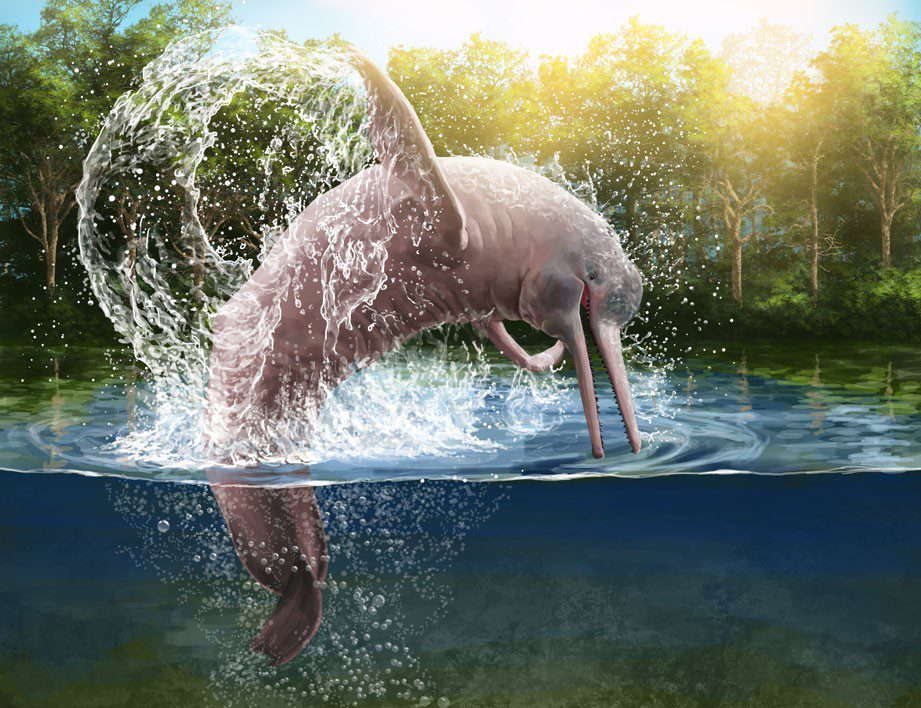
The endangered species are Cephalorhynchus hectori, Orcaella brevirostris, and Sotalia fluviatilis. There is a species, Sousa teuszi, that is critically endangered. The most influential threats are anthropogenic activities, including fishing and pollution of ecosystems; these are the main reasons for the decline in this species’ populations.
The nets of the fishermen kill many dolphins per year, and the species of dolphins that have a delicate ecosystem are more affected by pollution. All these species have a small distribution area, coastal areas, and some freshwater areas. That makes them a greater threat than other species with larger distribution areas (IUCN, 2022).
Fishing

New technology has made fishing methods more effective but also more damaging to habitats, target species, and other species (Laxmappa & Bakshi, 2014). Most of the dolphins that are killed by these activities are killed by bycatch. This means that they are caught accidentally by the nets of the fisheries.
Dolphins detect nets but don’t recognize them as a barrier; they also get entangled because they can be distracted by other activities. They also get close to the nets because those nets are full of fish, so they approach to eat them, which puts them in danger (Bowles & Anderson, 2012).
To protect this group of hunters, each country has its own laws. So that way, they are protected from the hunters. Sometimes it is difficult due to the countries’ cultures, but governments try to provide economic compensation to the fishers (Prieto, 2018).

Ecosystem

Some dolphins can live in both marine and freshwater environments. This makes them live in fragile ecosystems. Freshwater is more affected by anthropogenic activities because they are closer to urban areas. Pollutants are released into the rivers, making them more easily polluted than the oceans.
Salinity is also a factor in the survival of these animals, so some prefer to stay in areas near river mouths. Because their distribution area is not large, they have a small population, making them more vulnerable to extinction.
Their habitats are more restricted because of all the conditions that they need to live in. This condition can change quickly with human activity. So, if they change a lot, maybe these changes will become irreversible someday. If this happens, we will lose this species (IUCN, 2022).
Conclusion
As we see, in protected environments, we don’t find this endangered species, or if they are endangered, they are starting to increase in population. In the Azores, we protect cetacean species, and luckily for us, we haven’t found any species of dolphins in danger of losing them. If you want to know more about these animals, come to see them in their natural habitat, where they belong!

References
- Bowles, A. E., & Anderson, R. C. (2012). Behavioral responses and habituation of pinnipeds and small cetaceans to novel objects and simulated fishing gear with and without a pinger. Aquatic Mammals, 38(2), 161.
- International Union of Conversation of Nature’s Red List of Threatened Species (2022). https://www.iucnredlist.org/es
- Jefferson, T. A., Webber, M. A., & Pitman, R. (2011). Marine mammals of the world: a comprehensive guide to their identification. Elsevier.
- Laxmappa, B., & Bakshi, R. R. (2014). Types of fishing gears operating and their impact on the Krishna River fishery in Mahabubnagar district, TS, India. International Journal of Fisheries and Aquatic Studies, 2(1), 30-41.
- Parsons, E. C. M., & Rose, N. A. (2022). The history of cetacean hunting and changing attitudes to whales and dolphins. Ethology and behavioral ecology of marine mammals: the evolving human factor. Springer Nature, Cham, Switzerland, 219-254.
- Prieto, C. (2018). Breve análisis de la Ley 20.293 de Protección de los Cetáceos a 10 años de su entrada en vigencia. Justicia Ambiental.