


If there is one delicacy that captures the unique and wild essence of the Atlantic Ocean, it is Azorean Cracas. With an appearance that evokes volcanic rocks, Cracas remains one of the best-kept secrets of Azorean gastronomy.
While their look might intimidate the less adventurous, those who try them guarantee: it is like taking a sip of the ocean itself! So, join us as we discover these seafood treasures exclusive to the Azores.
What is Azorean Cracas?

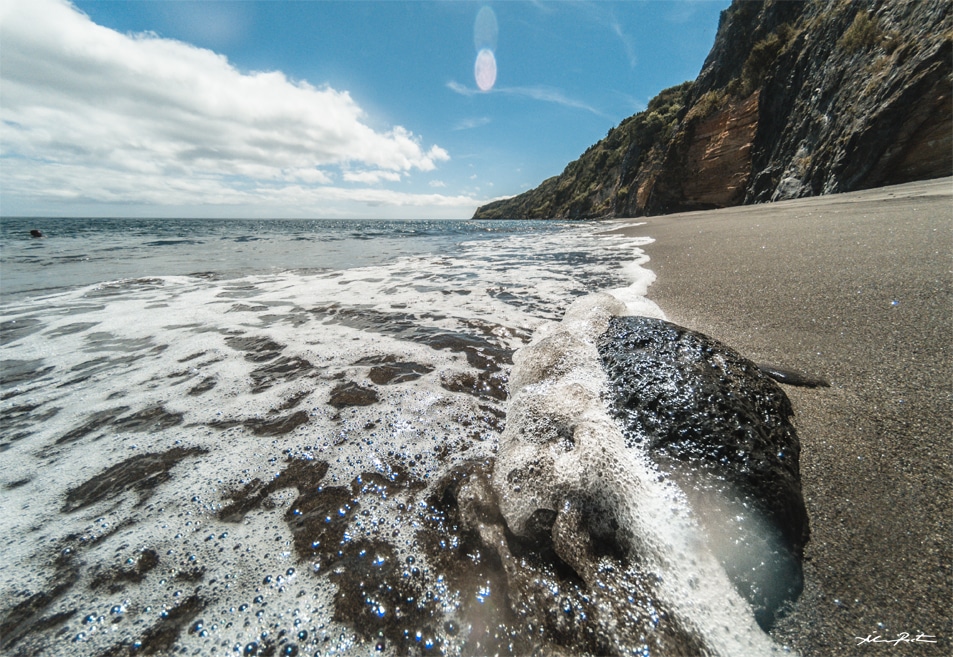
Azorean Cracas, or simply Cracas (Azorean goose barnacles), are one of the most traditional and unique seafood delicacies in the Azores. Unlike the famous percebes found in mainland Portugal, Cracas come attached to volcanic rocks and hold the purest essence of the Atlantic inside them. Their flavor is intensely marine: salty, rich, and unmistakably wild.
Highly appreciated by locals and curious travelers alike, Azorean Cracas offers an authentic taste of Azorean heritage. They are served mostly during festive events or in specialized restaurants, as harvesting them requires immense skill, caution, and respect for the sea.
Quick Info
Scientifically, Azorean Cracas (Megabalanus azoricus) are a species of cirripede crustacean. Contrary to popular belief, they are not mollusks, but relatives of barnacles and lobsters. These organisms live attached to rocks in the intertidal zone or shallow submerged areas (typically at depths of 1 to 12 meters), where they form compact colonies of calcium carbonate. What we eat is the soft part, the animal itself, which lives protected inside this limestone “fortress”. They feed by filtering organic particles from the water using small, flexible appendages. In the Azores, these communities thrive with unique vigor, reaching sizes considerably larger than those found elsewhere.
Traditional Recipe

The preparation of Azorean Cracas is surprisingly simple, as the goal is to preserve the seafood’s natural flavor as much as possible.
Ingredients
- 1 kg of live Cracas (cleaned of sediment);
- Seawater (preferred) or fresh water with plenty of coarse sea salt.
Preparation
- Cleaning: Wash the Cracas under running water to remove any external impurities.
- Cooking: Place them in a pot with the “beaks” facing upward so they don’t lose their internal juices. Cover them with seawater.
- Timing: Let them boil for approximately 15 to 20 minutes.
- Cooling: It is crucial to let the Azorean Cracas cool down in their own cooking liquid. They should be served cold.
Pro Tip: To eat them, use a small metal hook to extract the crustacean. Finally, don’t forget to drink the liquid that remains inside the “stone”, it is the most flavorful part!
What to Expect About the Flavor of Azorean Cracas?

Azorean Cracas stand out for their incredibly pure and concentrated flavor. Each shell cradles a small portion of tender meat immersed in its own natural sea broth. Often described as ‘eating the ocean,’ the experience is defined by:
- A powerful maritime aroma;
- A soft, delicate texture;
- A natural brine harvested directly from the pristine Atlantic waters.
Typically boiled in seawater with no need for spices or additives, they are a true testament to the idea that simplicity often leads to perfection.
Where to Eat Azorean Cracas?

Although you can find Cracas on almost every Azores Island, some locations have gained international fame for the quality of their seafood:
- Cais 20 (São Miguel): Located in São Roque, it is an absolute classic for seafood, and Cracas are the star of the house.
- Restaurante Beira Mar (Terceira): Situated in São Mateus da Calheta, it offers one of the best views and consistently fresh Cracas.
- Restaurante O Silva (São Miguel): In Ponta Delgada, this spot is highly sought after for its authentic regional appetizers.
- Pico and Faial: On these islands, almost any restaurant near the harbor typically serves Cracas harvested right from the day.
Click on the following link to find a place to eat Azorean Cracas. It will take you to TripAdvisor, where you can review the 10 best restaurants serving this Azorean delicacy.
Average Price of Cracas dos Açores
Unlike Grilled Limpets, which are typically sold by the plate, Azorean Cracas are almost always sold by the kilogram. However, in some local snack bars and specialized restaurants, you may find smaller individual portions.
- Price per Kilogram: In well-known restaurants (such as Cais 20 or Beira Mar), prices usually range from 45€ to 65€ per kg.
- Appetizer Portion: A small starter portion (usually consisting of 4 to 6 large barnacles) can cost between 12 € and 18 €, depending on their size.
Due to the dangerous harvesting process and the influence of sea conditions, Azorean Cracas are subject to variable pricing. We always recommend checking the menu or asking your server before ordering.
Did you know
When ordering Cracas, you are paying for a complete nature experience. Since they are sold by weight, most of the value lies in their heavy stone shells. Although the edible portion is small in proportion, the flavor is so concentrated that it justifies its reputation as the “Atlantic Caviar”. It is a luxury measured by intensity, not quantity!
A Brief History: From Rock Formation to Choice Delicacy

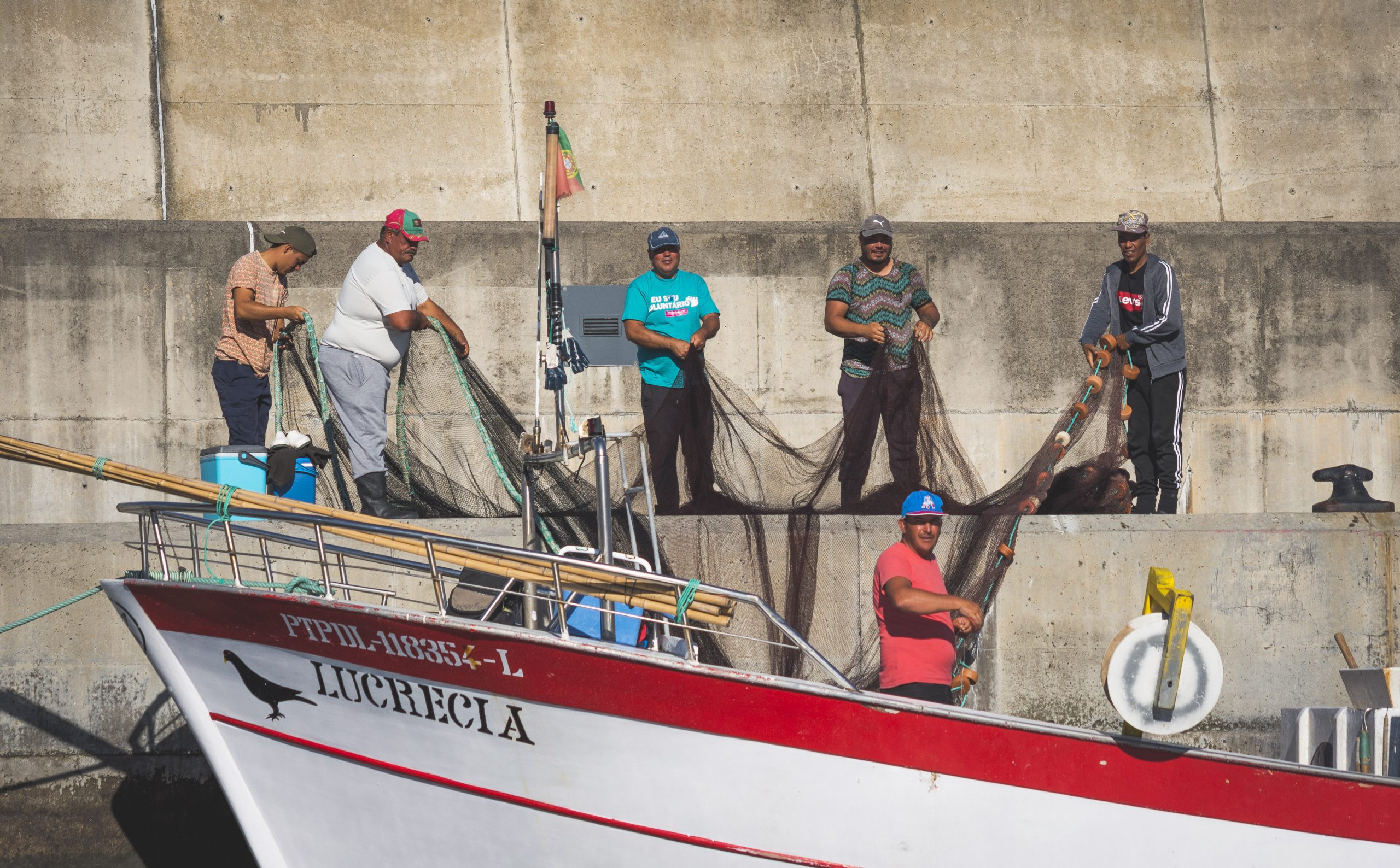
The history of Cracas as a staple of the Azorean table is deeply intertwined with the very survival of coastal populations. For centuries, the sea served as the primary source of protein for the islands. Local shellfishermen gathered Cracas using hammers and chisels to “pry” them from the rocks during low tide, an arduous and often dangerous task due to the sheer force of the waves.
What began as a local food resource eventually evolved into a prestigious delicacy. It was during the second half of the 20th century that Azorean Cracas gained status as a fine specialty in local restaurants, becoming a symbol of cultural identity and a unique tasting challenge for tourists.
Video
Learn an easier way of making Azorean Cracas here:
Conclusion
Cracas are one of the most authentic and wild flavors you can try in the Azores. From their challenging harvest to their intense, salty taste, they offer a culinary experience deeply connected to the Atlantic and to Azorean tradition. Whether you’re a seafood lover or an adventurous eater, tasting cracas is a must for anyone exploring the islands.
→ Explore the authentic flavors of Azorean gastronomy in our articles: Bolos Lêvedos | Cozido das Furnas | Grilled Limpets | Massa Sovada | Pimenta da Terra | Gorreana Tea | Queijadas de Vila Franca do Campo | Queijadas da Graciosa | Azorean Cracas
FAQs
They have a strong, salty ocean flavor with a soft texture, often described as tasting “pure Atlantic”.
No. Although both are barnacles, they are different species, with round shells and a distinct flavor. The Percebes grow in clusters, while cracas grow individually on volcanic rock.
Not always. The availability of the Cracas depends on weather conditions, sea safety, and local regulations to protect marine life.
Typically, the Cracas are boiled in seawater and served cold or at room temperature. No butter, sauces, or condiments. Their natural flavor is enough.
Photo Gallery