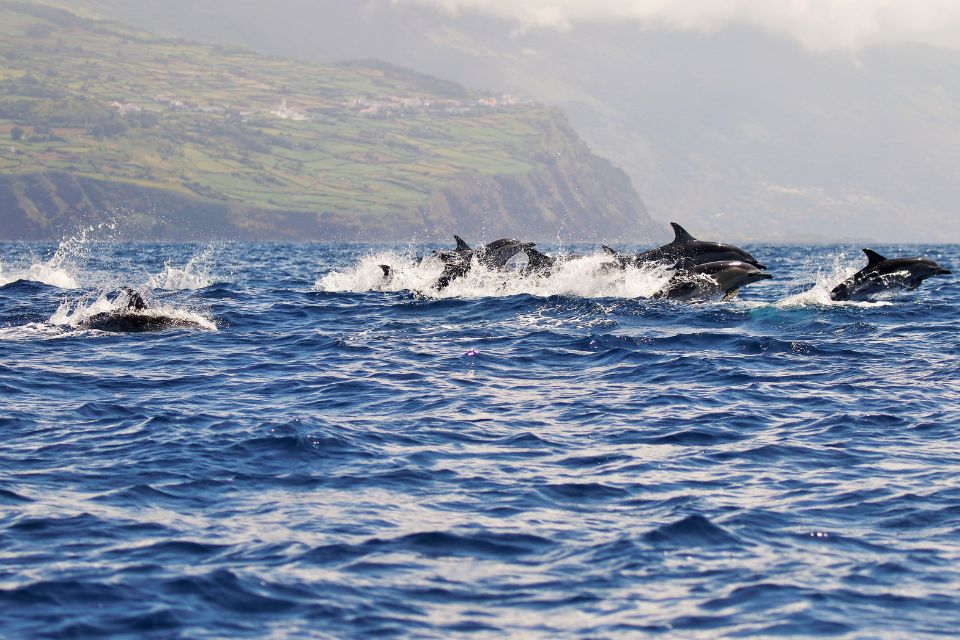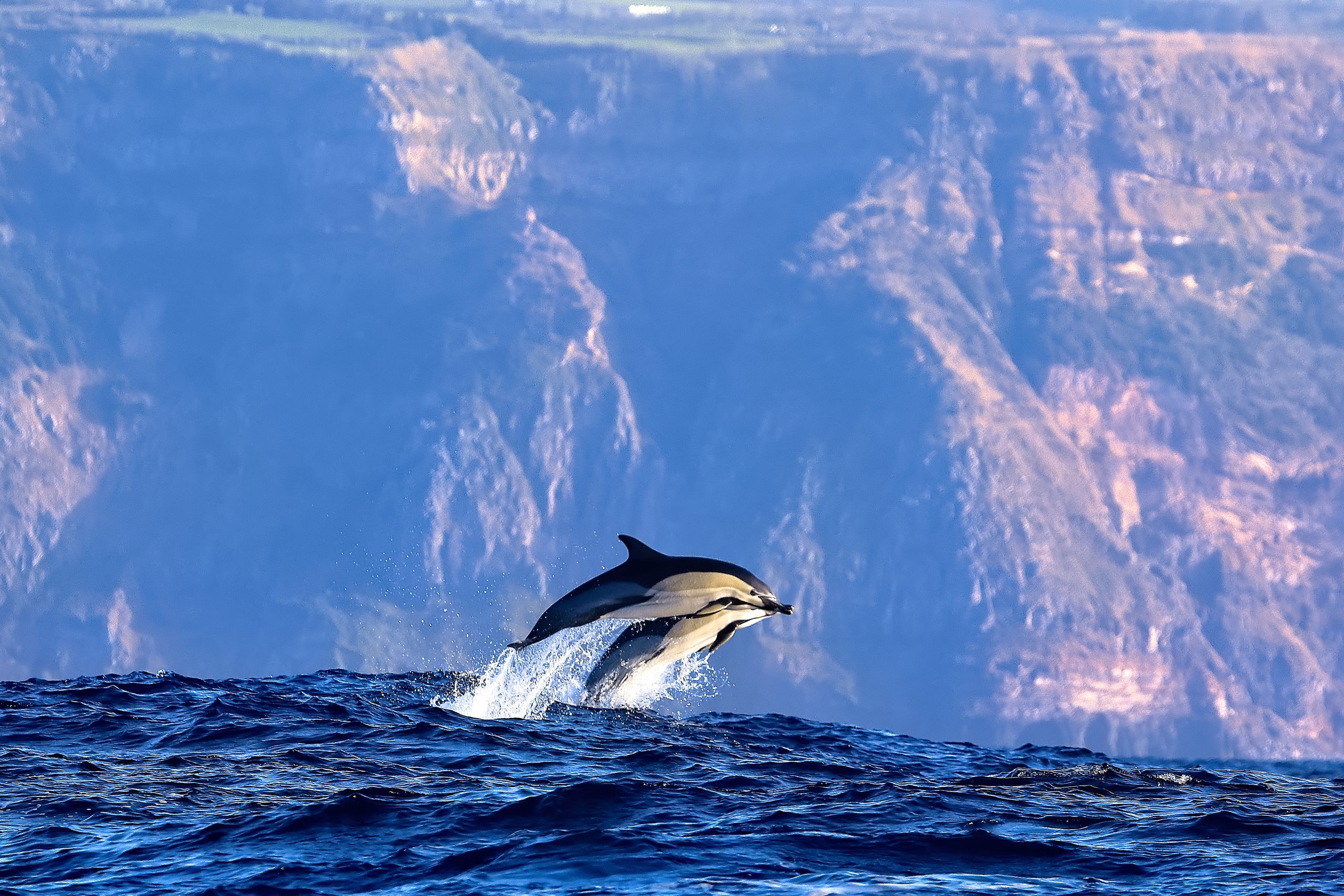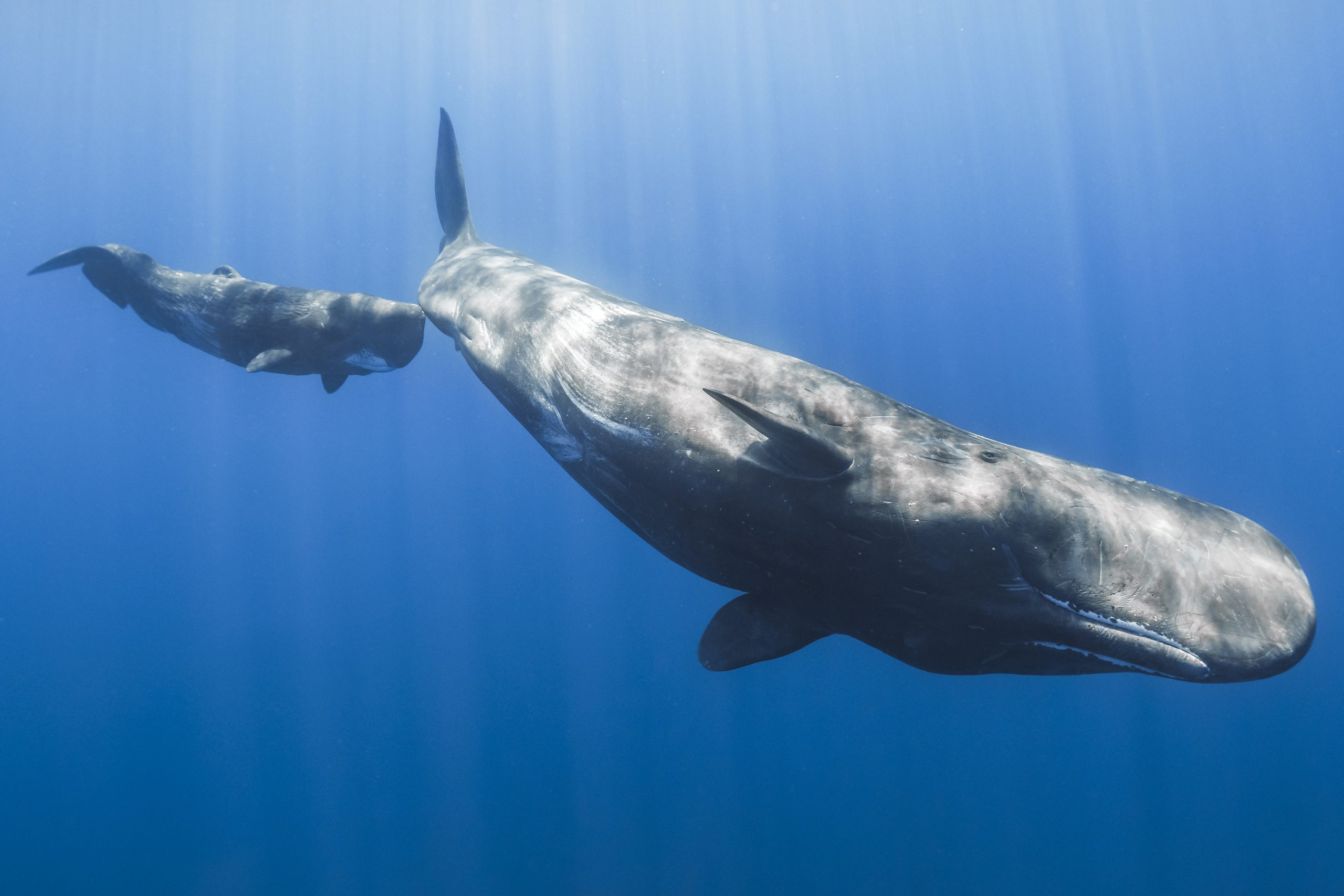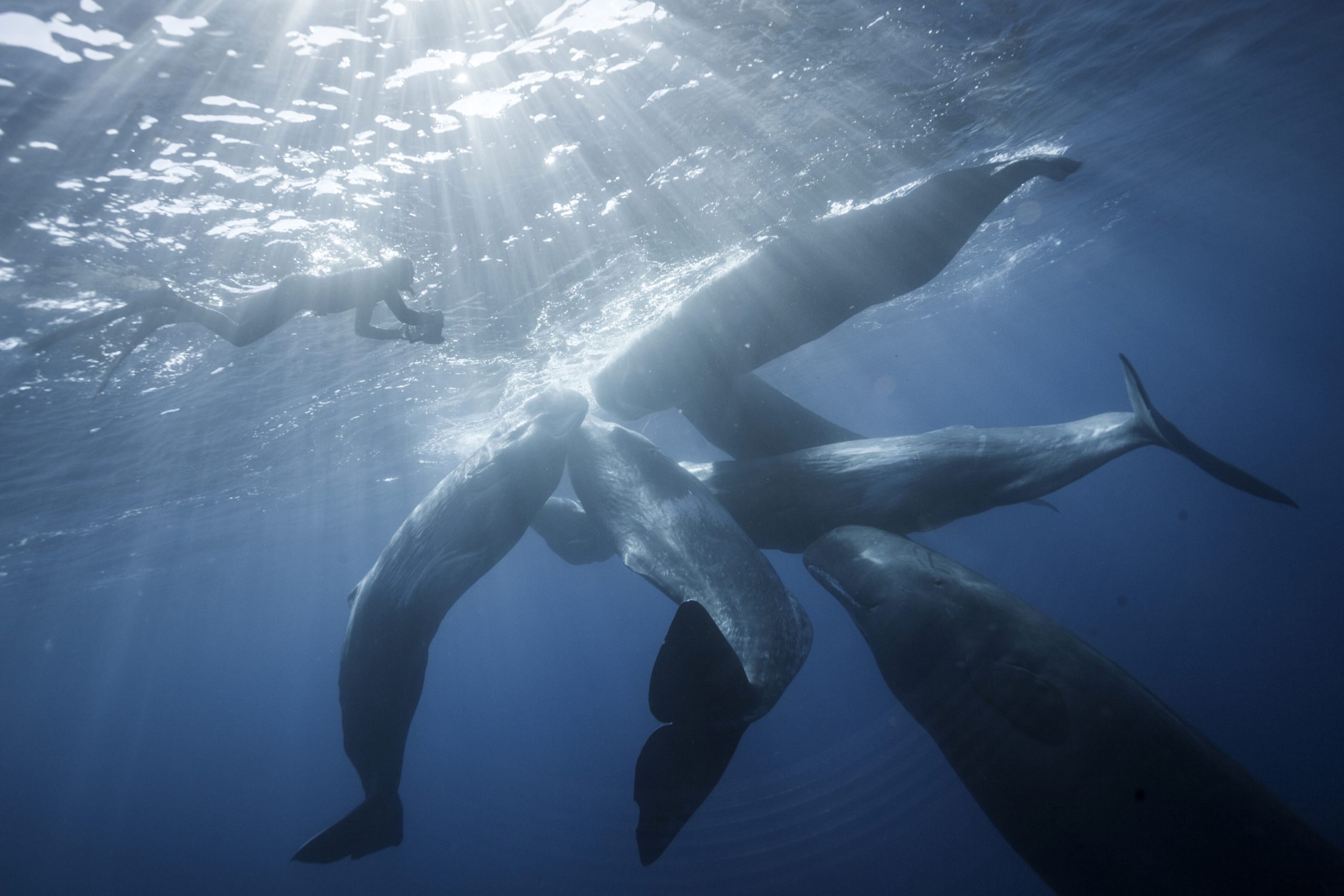




When it comes to who eats whom, there is always a bit of confusion. Dolphins inhabit our oceans, but they have plenty of company in this vast habitat, which can lead us to wonder what they eat. So, join us in this adventure and come learn a little more about these wonderful animals’ diets and whether the dolphins eat tuna or not.

How do dolphins eat?
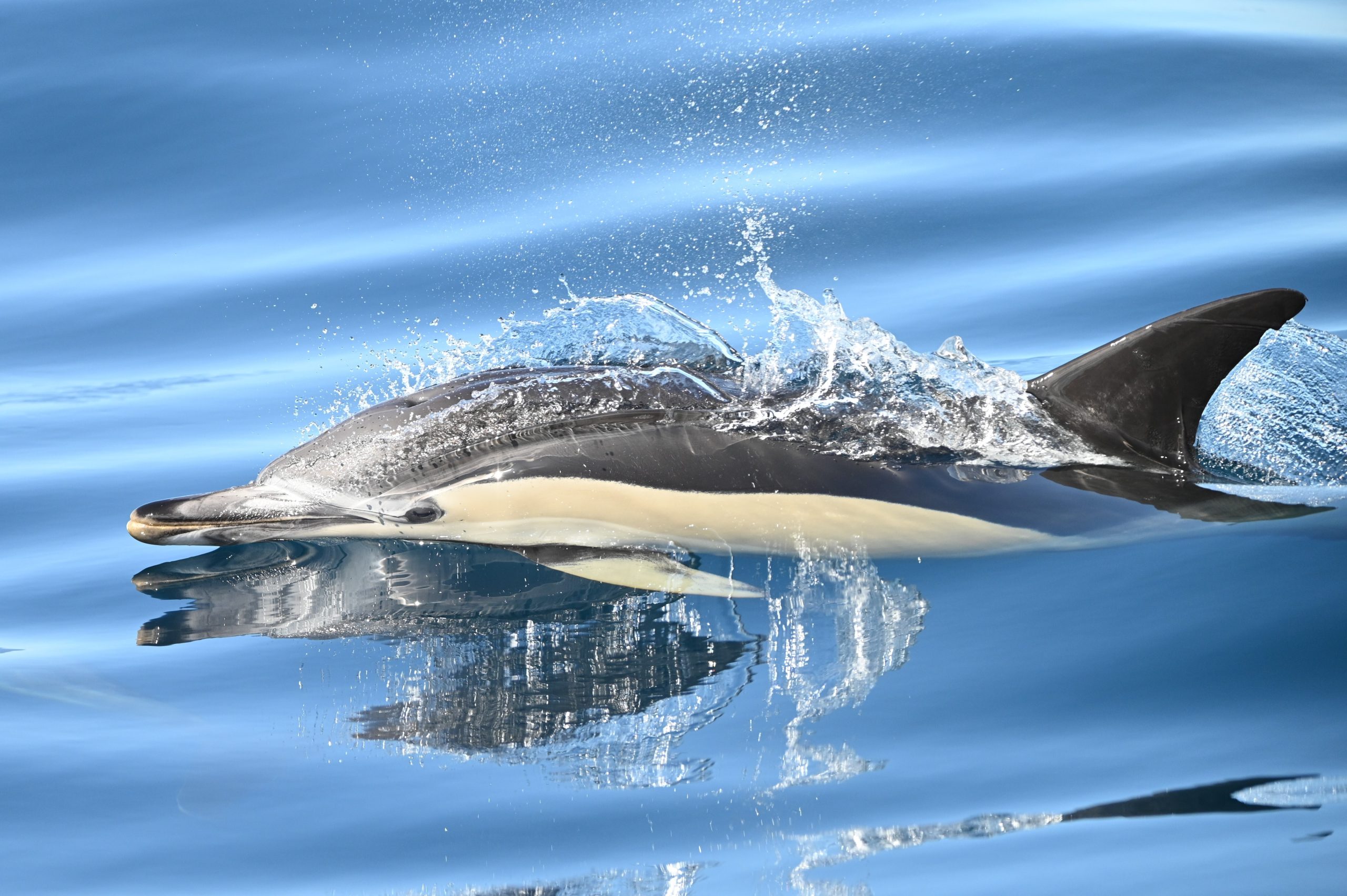
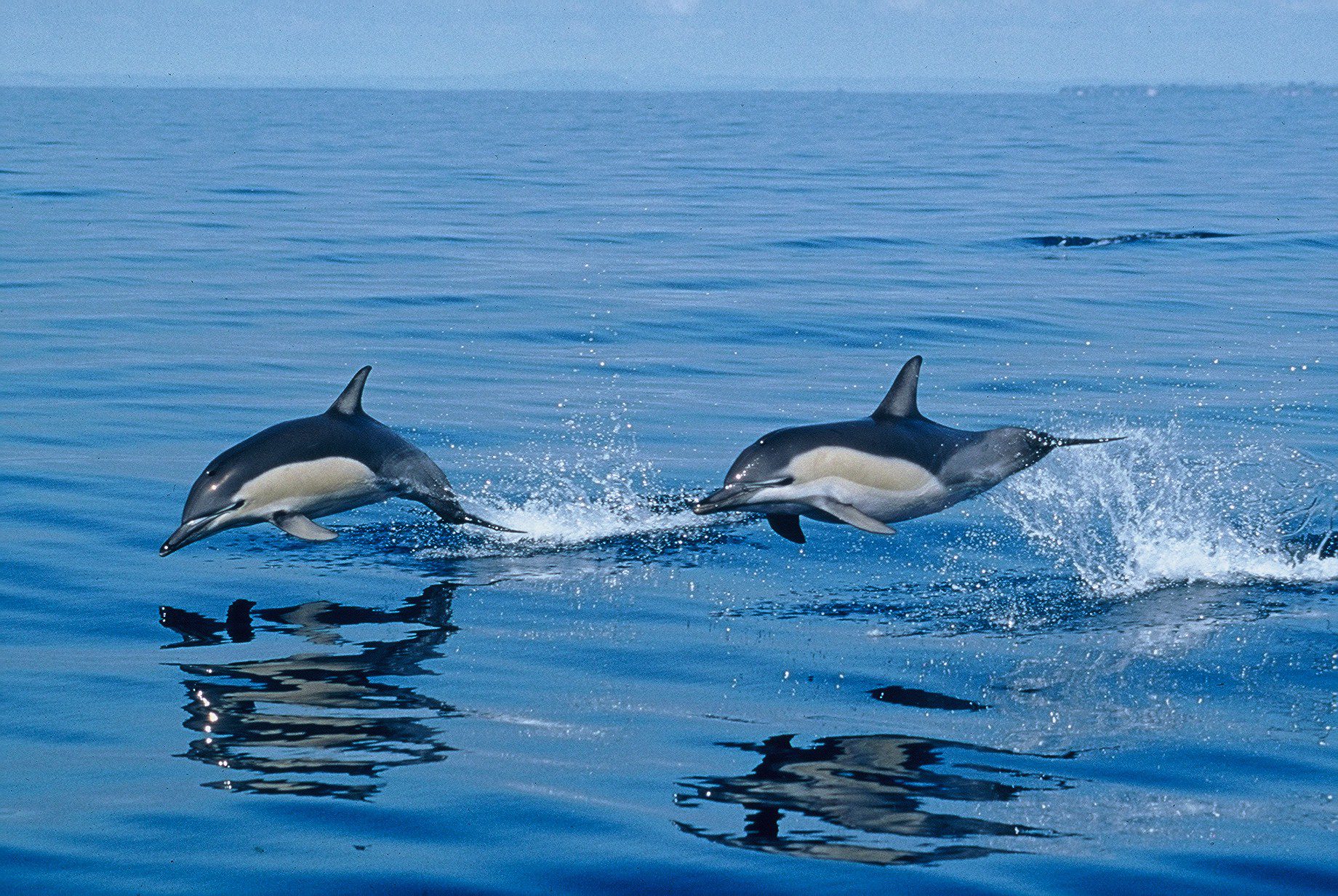
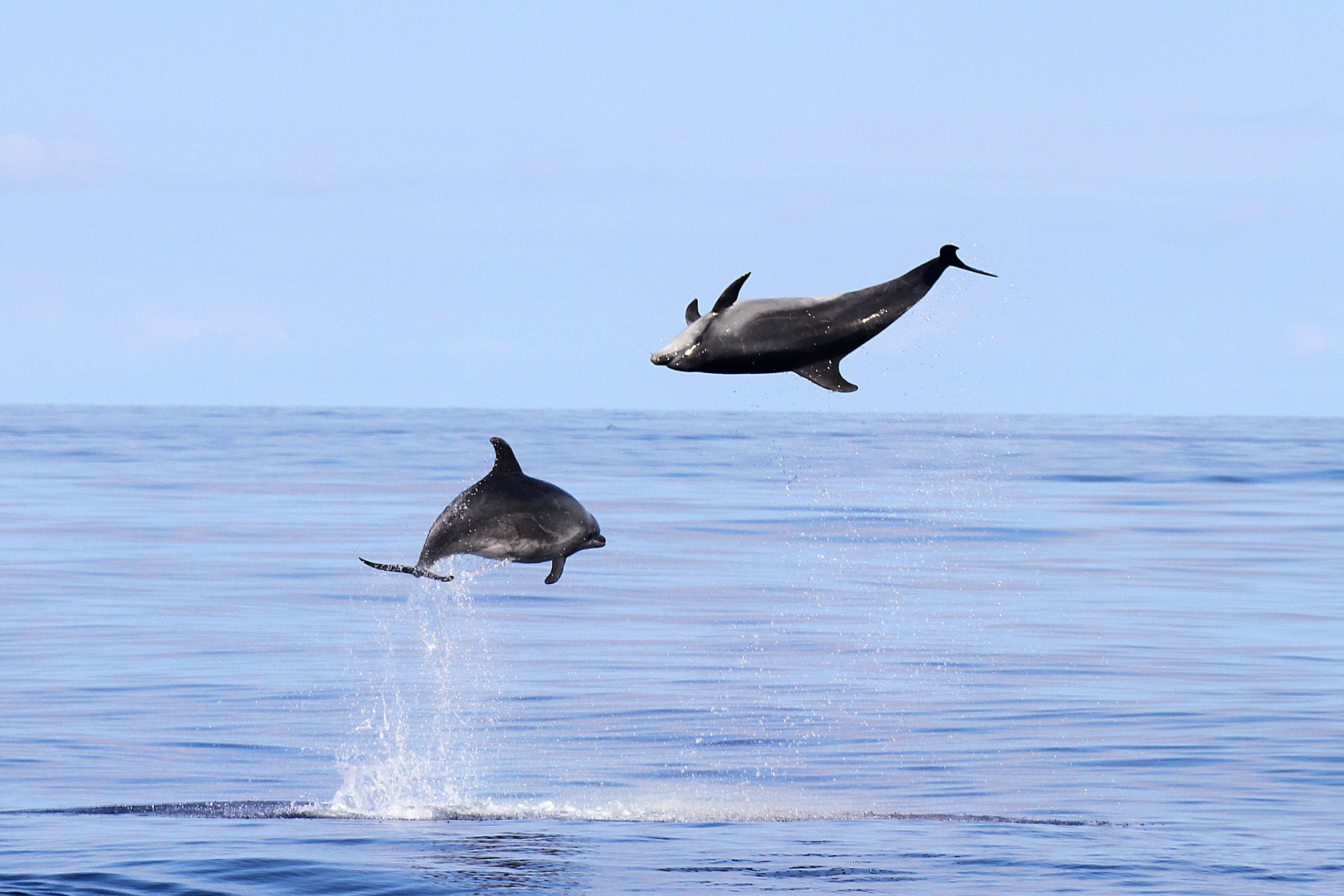
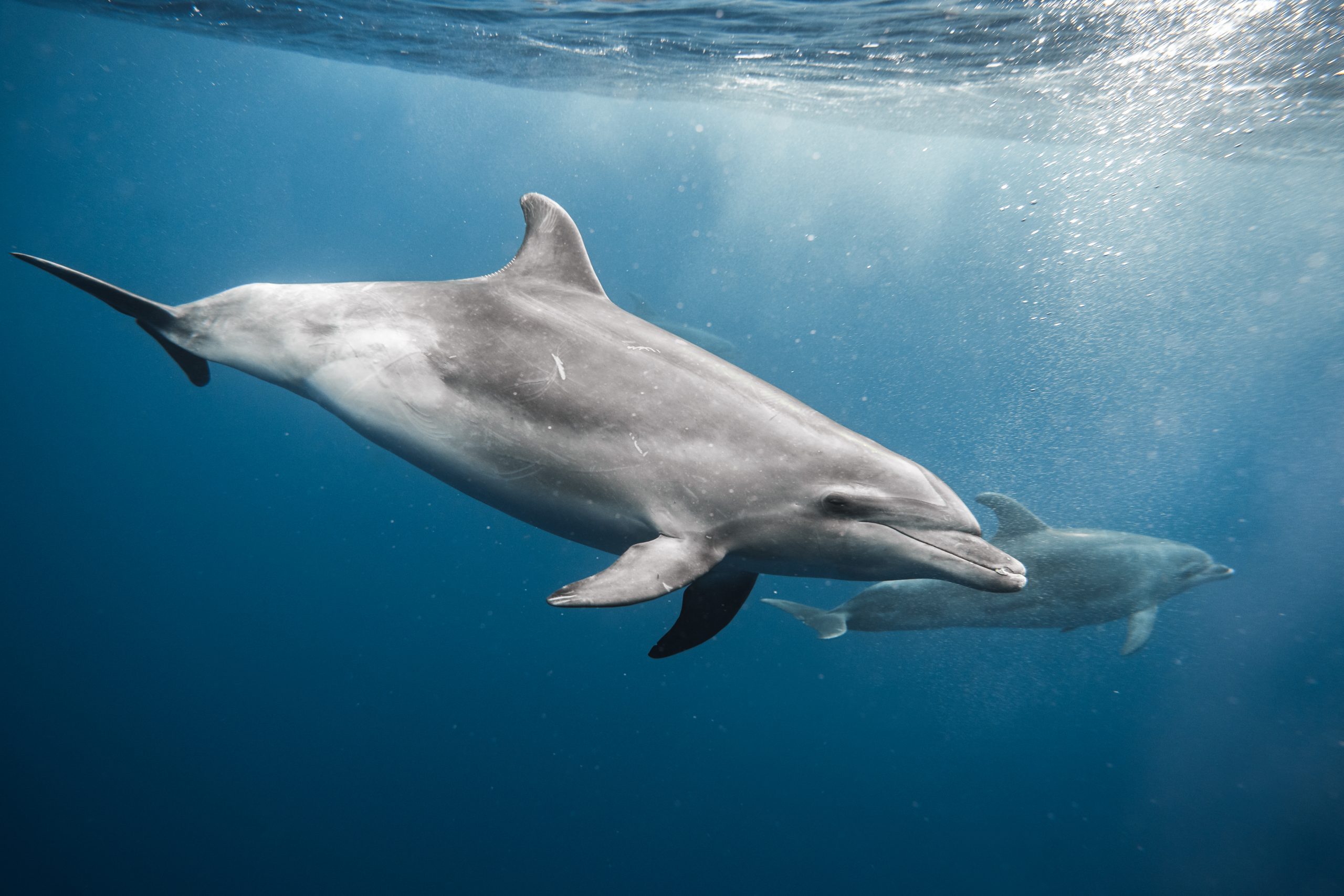
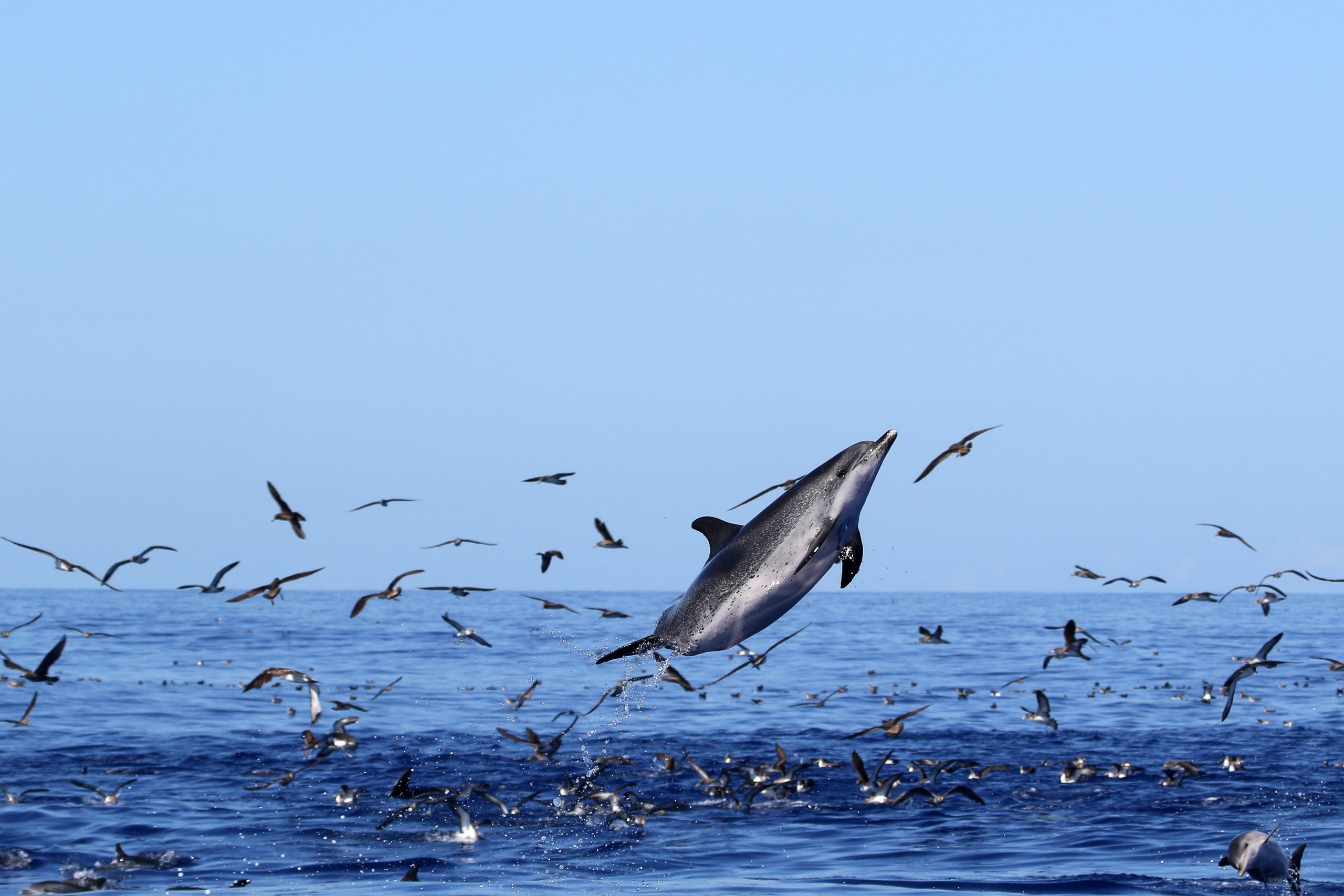
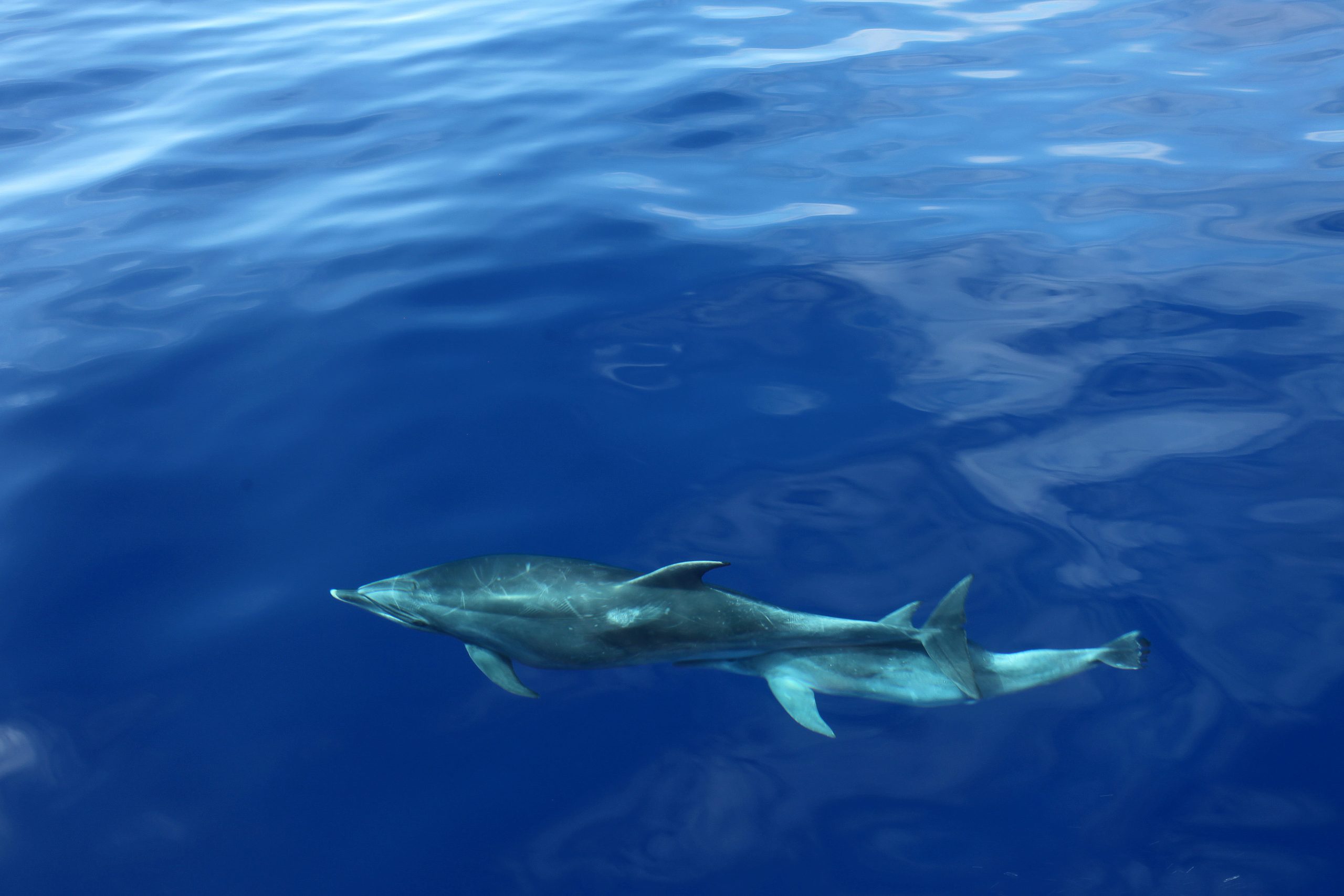
Dolphins are Odontocetes, which means “toothed cetaceans”. They are known to be opportunistic feeders, meaning that they show some flexibility in their feeding behavior, allowing them to consume different prey items following are available at any given time (Klinowska, 1991).
You might also want to know more about what dolphins eat.
Opportunistic feeders

This allows them to take advantage of whatever prey item is most easily accessible or abundant in their habitat. In dolphins, prey items can include fish, squid, and crustaceans.
This kind of flexibility in prey items gives them advantages, including the ability to adapt to changes in their habitat and maintain a diverse diet even when their preferred food sources are not always available. Therefore, they have evolved to eat fish and other prey items using highly developed sensory systems.
Do they use their teeth?
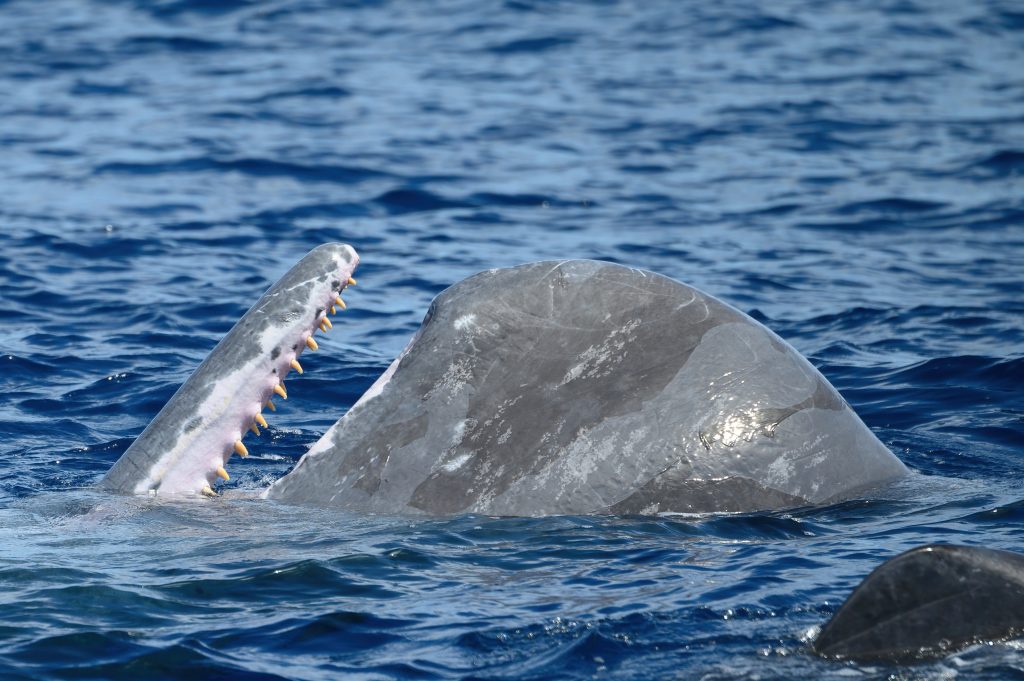
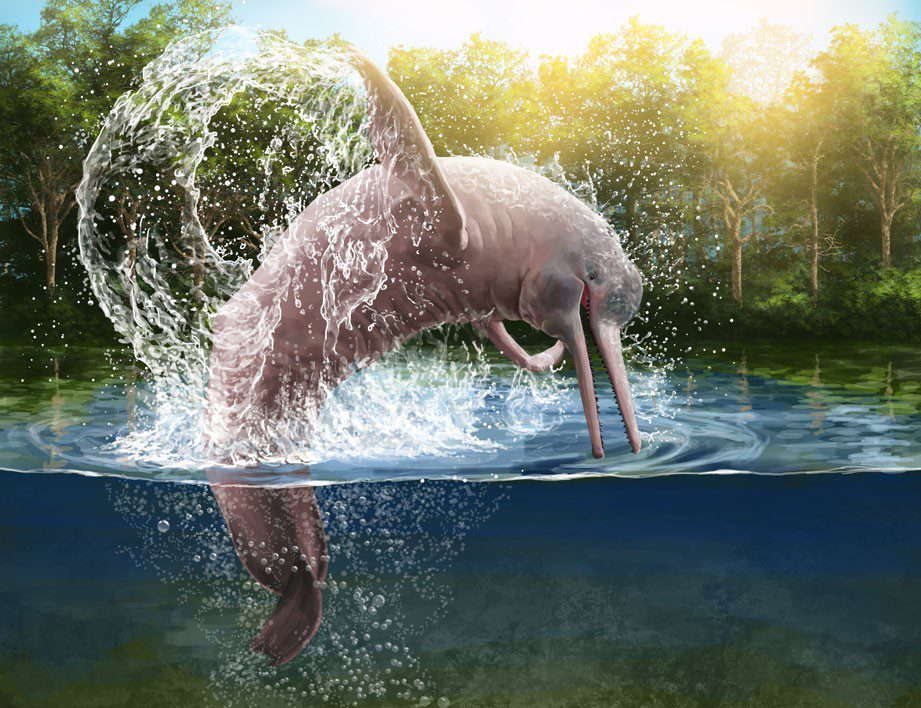
All dolphins have conical-shaped teeth; Risso’s dolphin has 14, while the Spinner dolphin can have 240. Although they do not chew their food if needed, they can break it into smaller pieces before swallowing it. To start, they usually used them to kill the fish, biting them in the head.
Hunting techniques

Dolphins are indeed a very intelligent species, which is reflected in their hunting techniques. They have developed different techniques to hunt their prey, which include:
- Herding fish into tight groups, which can be done through mud ringing (where the dolphins create a ring-shaped mud plume forming a turbidity barrier around the prey).
- Whacking the fish (stunning the fish through a blow with the tail, sometimes allowing them to catch the fish out of the water).
- Chasing down individual fish, strand feeding (the dolphins create waves to push fish to the edge of the mud and then move to the shore to catch them).
- They wave, wash, and even use their echolocation to stun or disorient prey.
So… Do dolphins eat tuna?
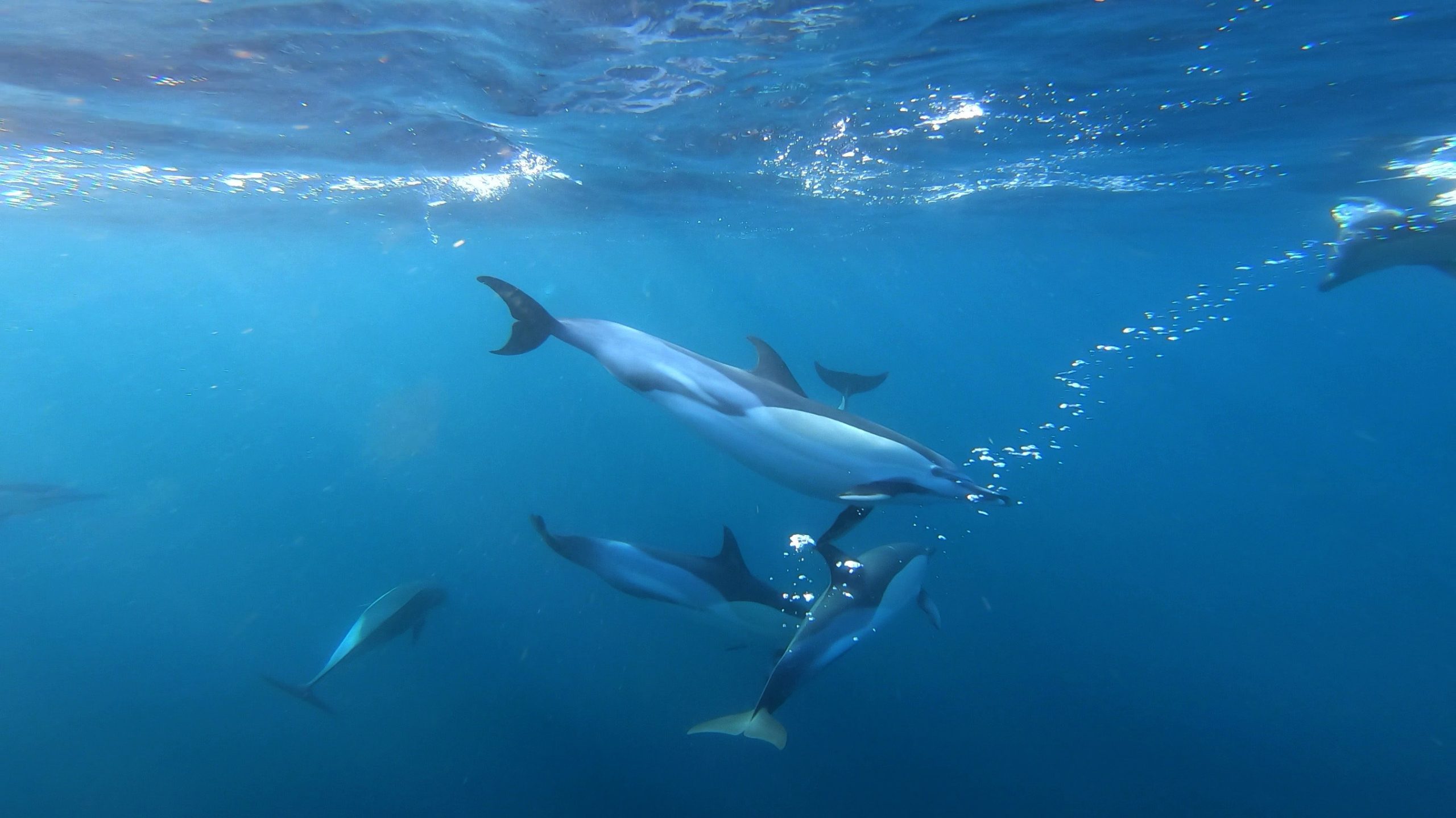
YES! Some dolphins are known to prey on tuna, including common dolphins (Silva, 1999; Brophy et al., 2009), false killer whales (Ortega-Ortiz et al., 2014), bottlenose dolphins (Spitz et al., 2006), killer whales (Guinet et al., 2007), and spotted dolphins.
Benefits of preying on tunas

Preying on tunas can provide some benefits to the dolphins. This includes:
- High-nutrition food source: Tuna is a highly nutritious food, rich in protein and essential nutrients such as omega-3 fatty acids and vitamin D. These nutrients are essential for maintaining healthy brain function (Simmonds & Isaac, 2007).
- Ecological importance: Dolphins are top predators, which gives them an important role in maintaining the balance of the food chain. When they prey on tuna, they help regulate the population and prevent tuna from overgrazing on their prey (Estes & Duggins, 1995).
- Energy-rich prey: Tuna is a major source of energy for dolphins, allowing them to maintain their energy levels.
- Adaptive behavior: the activity of preying on tunas can promote an adaptive behavior in dolphins, as a result of the difficult hunt they require. This will help improve their overall hunting skills and their chances of survival (Reiss et al., 2018).
- Cooperative hunting opportunities: Due to the tuna’s size and speed, hunting them requires cooperation among dolphins, increasing their chances of success and reducing their risk of injury (Orbach et al., 2017).
Costs of preying on tunas

Tunas can contain high levels of mercury and other pollutants, which can be harmful to dolphins’ health. It’s also important to note that dolphins are at risk of entanglement and accidental capture in fishing gear that is used to catch tuna and other fish.
As a result, this can lead to injury or death for dolphins. Therefore, it is essential to adopt sustainable fishing practices and reduce the bycatch of non-target species, including dolphins.
✨ Related articles: How do Dolphins Sleep? | Whales & Dolphins Communication | How is a Group of Dolphins called? | Top-3 Facts & Curiosities about Dolphins | What Dolphins Eat?
Conclusion
Although dolphins can prey on tuna, this species is not their primary food source. However, their diverse feeding habits reveal just how intelligent and adaptable dolphins are.
In addition, dolphins remain incredibly special and fascinating to watch in the wild. For this reason, be sure to follow us online for more news and educational articles about whales and dolphins.
Furthermore, if you would like to learn more about whales and dolphins in their natural habitat, the Futurismo team would be delighted to welcome you on one of our Whale Watching tours in the Azores. Ultimately, book a trip to meet these wonderful creatures, and we will help you create lasting memories.

References
- Brophy, J. T., Murphy, S., & Rogan, E. (2009). The diet and feeding ecology of the short-beaked common dolphin (Delphinus delphis) in the northeast Atlantic. IWC Scientific Committee Document SC/61/SM, 14.
- Estes, J. A., & Duggins, D. O. (1995). Sea otters and kelp forests in Alaska: generality and variation in a community ecological paradigm. Ecological Monographs, 65(1), 75-100.
- Guinet, C., Domenici, P., de Stephanis, R., Barrett-Lennard, L., Ford, J. K. B., & Verborgh, P. (2007). Killer whale predation on bluefin tuna: exploring the hypothesis of the endurance-exhaustion technique. Marine Ecology Progress Series, 347, 111 – 119.
- Spitz, J., Rousseau, Y., & Ridoux, V. (2006). Diet overlap between harbour porpoise and bottlenose dolphin: an argument in favour of interference competition for food?. Estuarine, Coastal and Shelf Science, 70(1-2), 259-270.
- Klinowska, M. (1991). Dolphins, porpoises and whales of the world: the IUCN Red Data Book. IUCN, Cambridge, and Gland.
- Orbach, D. N., Brennan, P. L., & Connor, R. C. (2017). Toothed whale communication. Current Opinion in Psychology, 16, 41-47.
- Ortega-Ortiz, C. D., Elorriaga-Verplancken, F. R., Olivos-Ortiz, A., Liñán-Cabello, M. A., & Vargas-Bravo, M. H. (2014). Insights into the Feeding Habitats of False Killer Whales (Pseudorca crassidens) in the Mexican Central Pacific. Aquatic Mammals, 40(4).
- Reiss, D., Marine, L., & Furey, N. (2018). Mirror self-recognition in the bottlenose dolphin: a case of cognitive convergence. Proceedings of the National Academy of Sciences, 115(45), 11453-11455.
- Silva, M.A. (1999). Diet of common dolphins, Delphinus delphis, off the Portuguese continental coast. Journal of the Marine Biological Association of the UK, 79(3), 531–540. doi:10.1017/s0025315498000654
- Simmonds, M. P., & Isaac, S. J. (2007). The impacts of climate change on marine mammals: early signs of significant problems. Oryx, 41(1), 19-26.