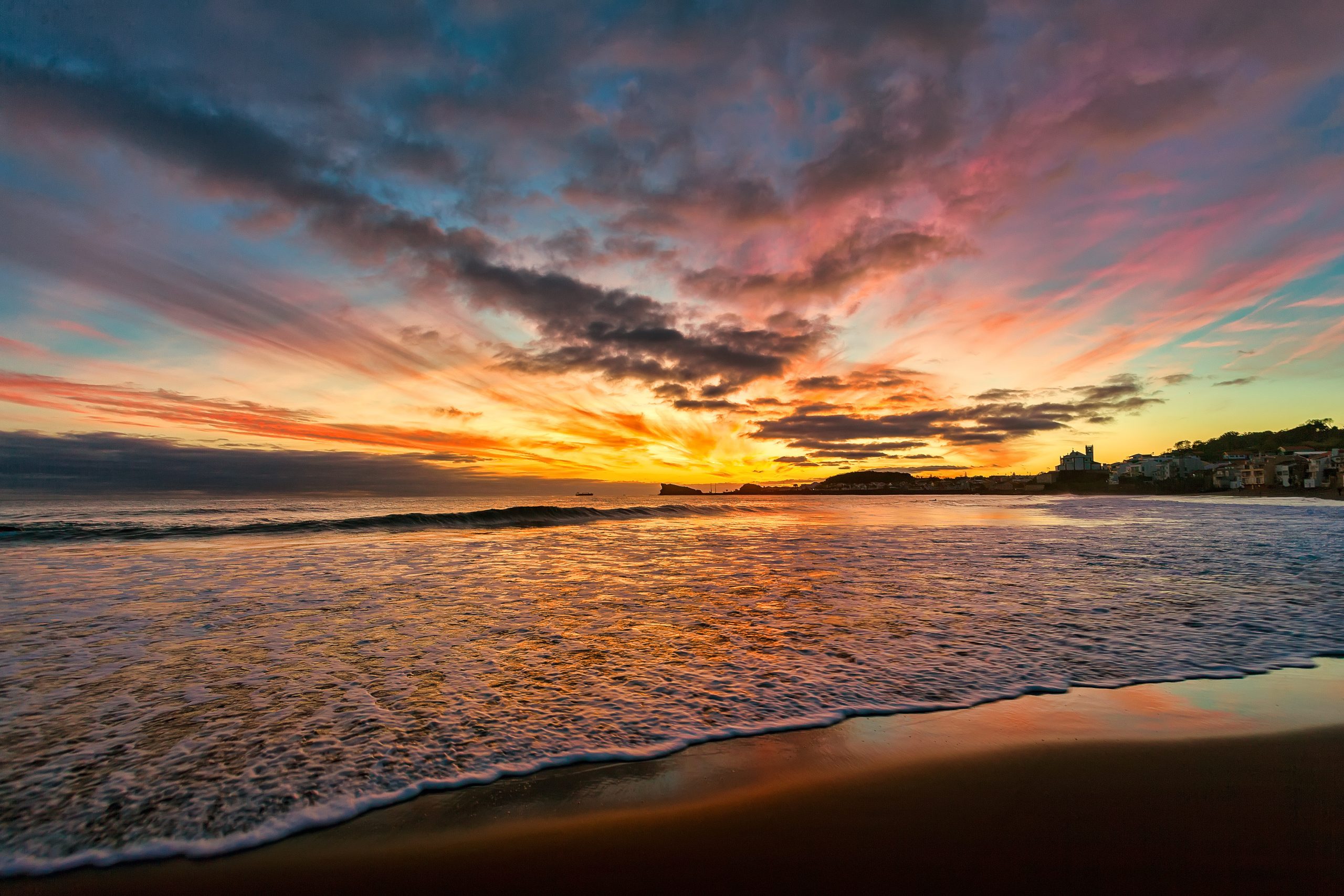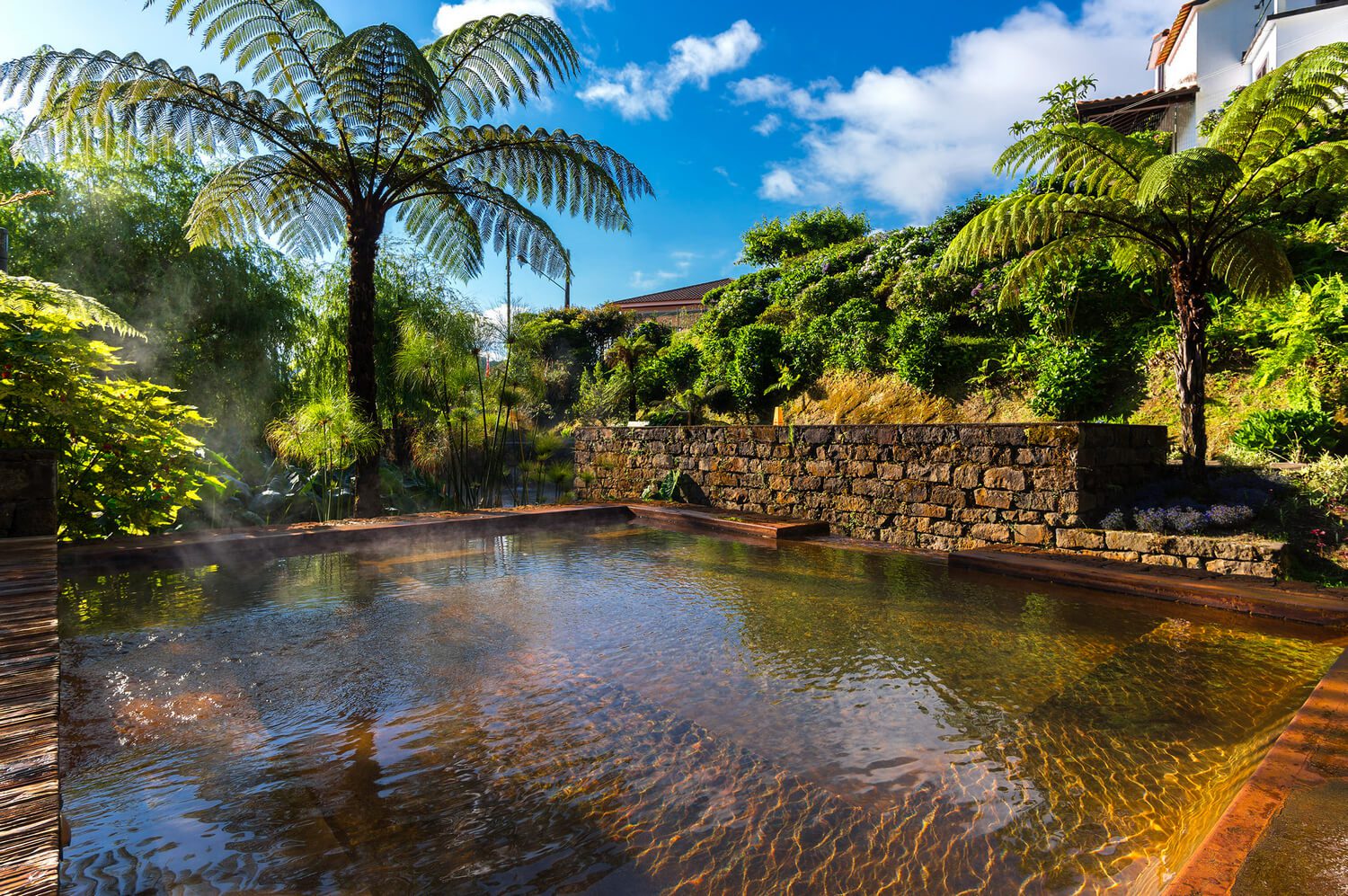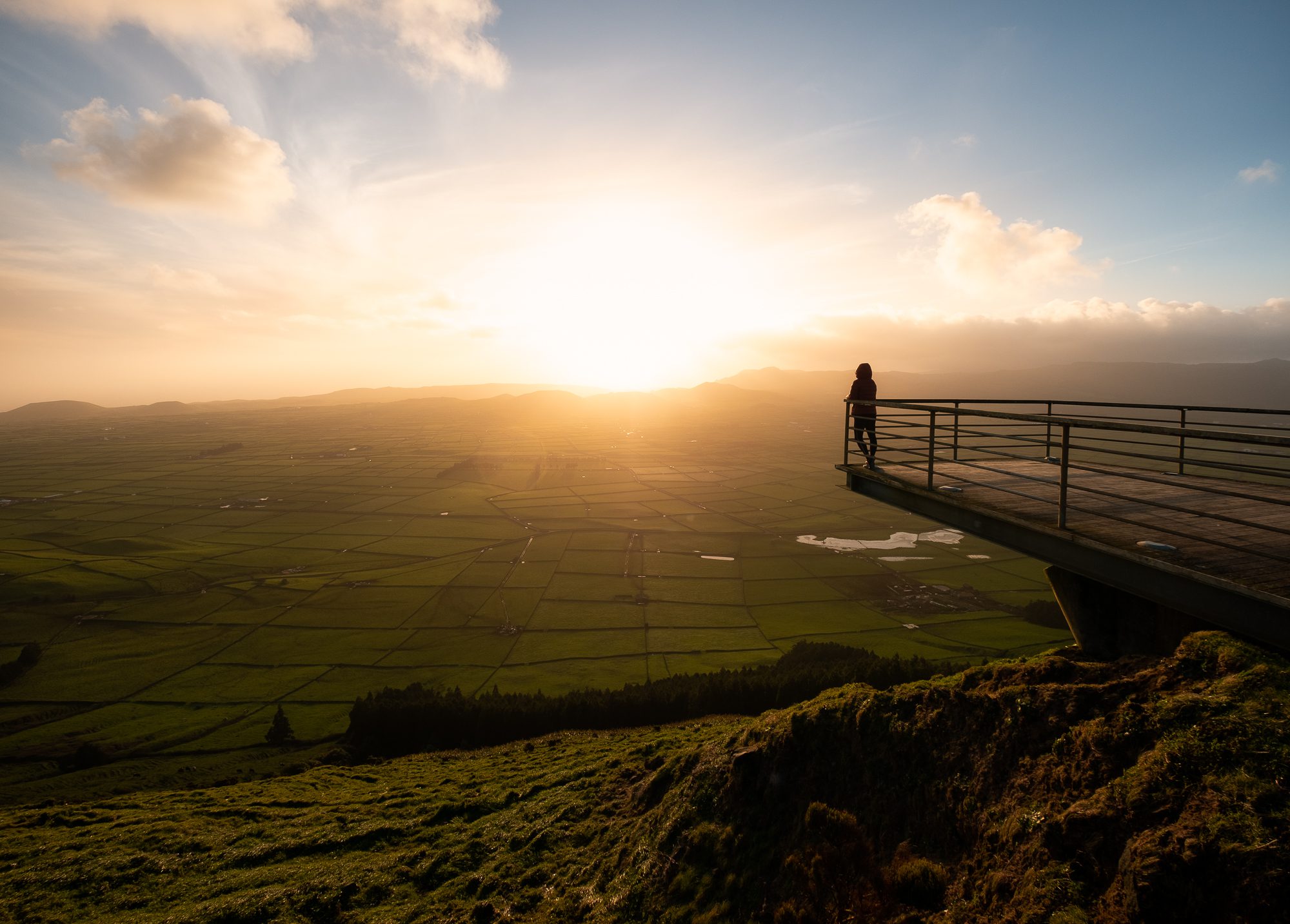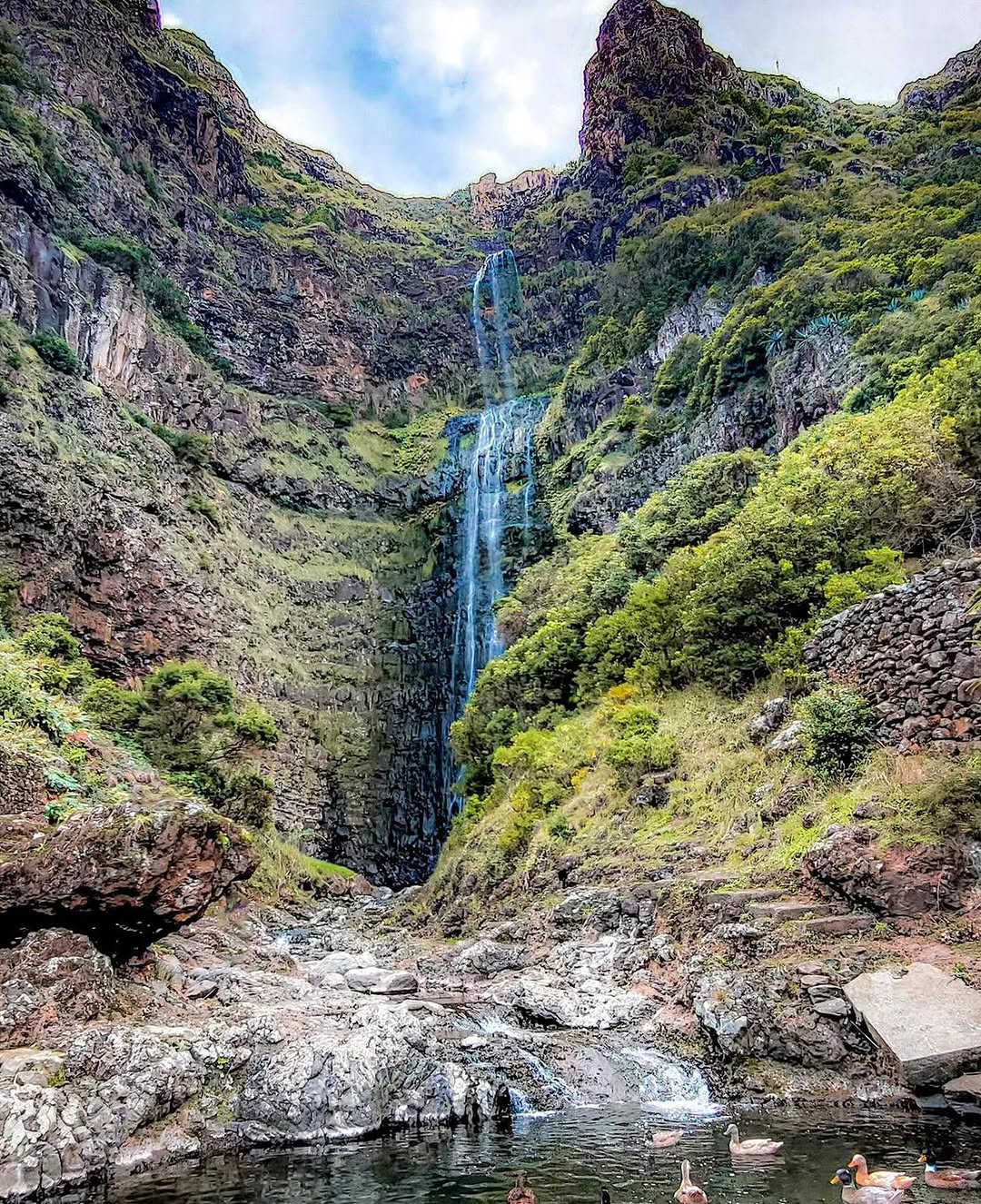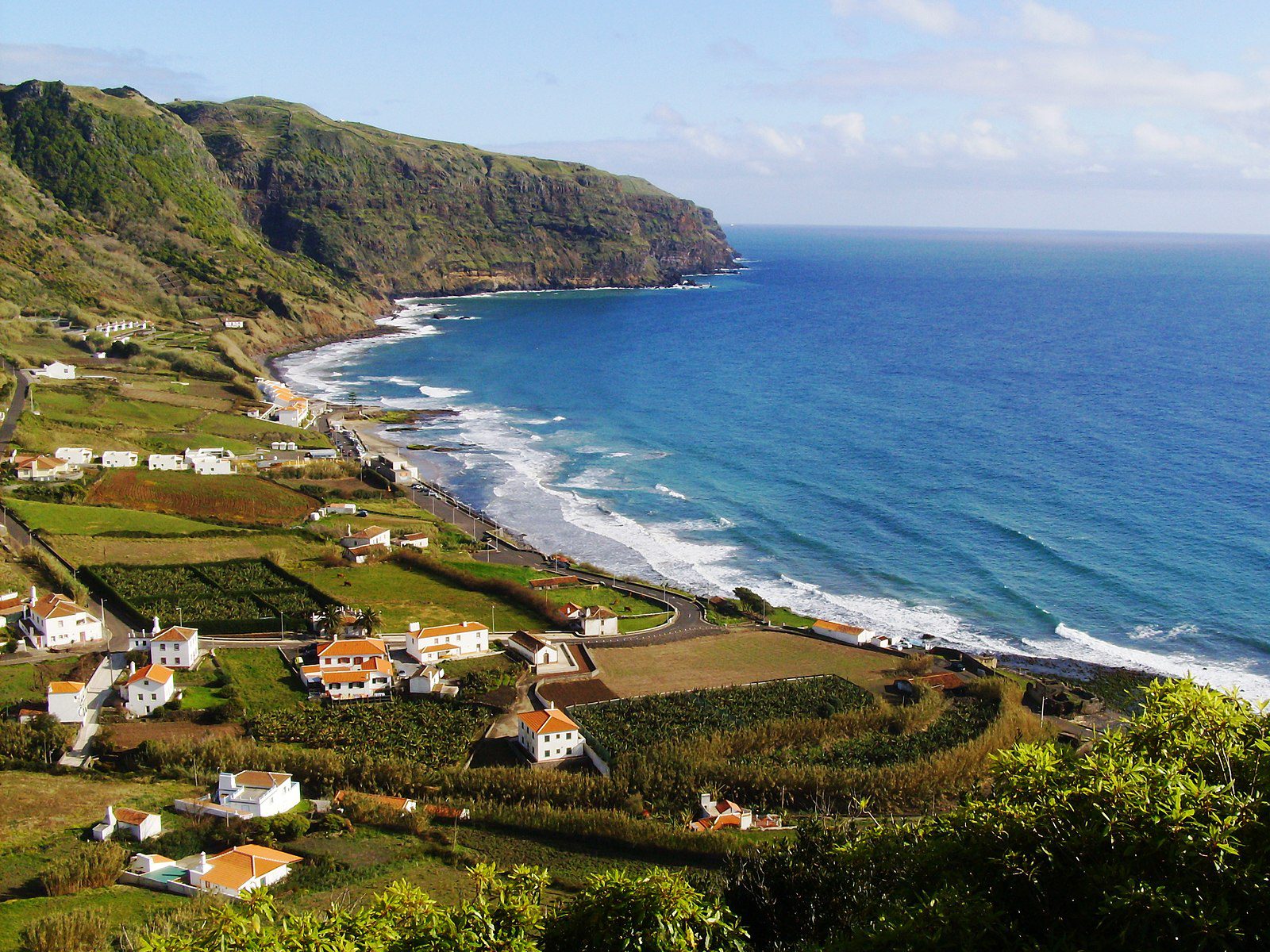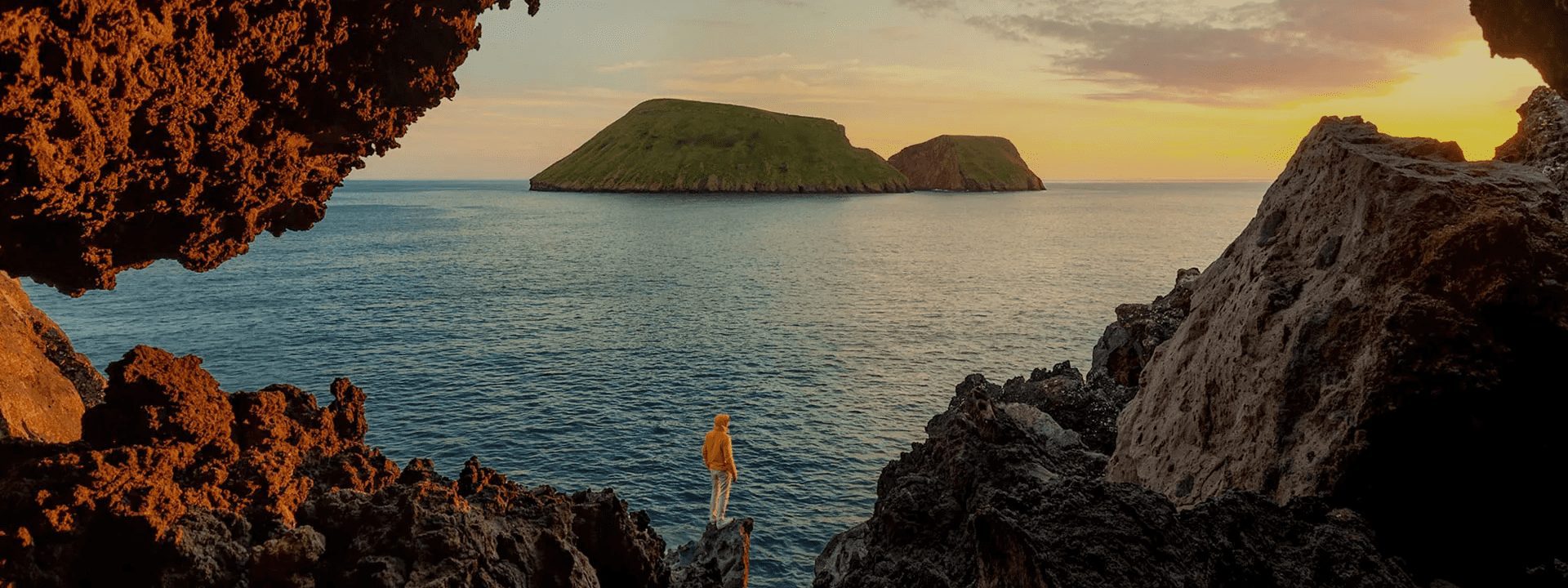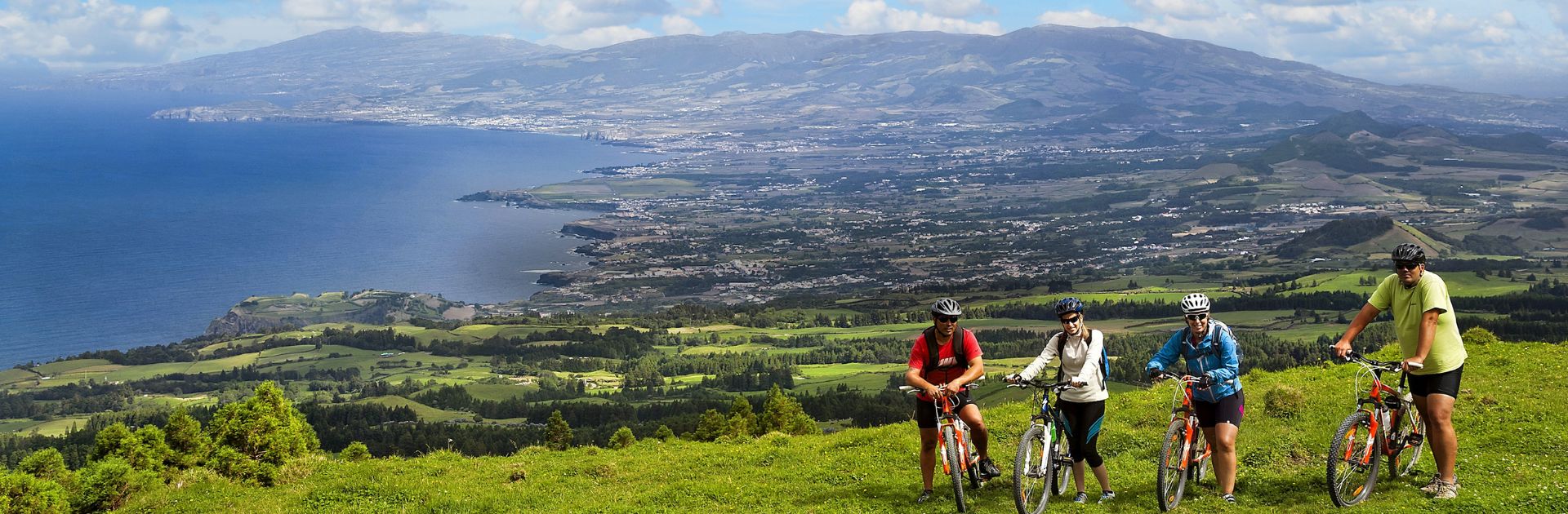



Pico Alto, literally translated to the High Peak, is the highest point of Santa Maria, one of the 9 islands in the Azores. This elevation reaches 587 meters above sea level, or 1 925 feet. From up there, you can enjoy one of the greatest views over Santa Maria Island with the green pastures, patches of vegetation, some picturesque villages, the coast, and the infinite Atlantic Ocean.
Discover more about this beautiful place. How to go, what to do, and more historic facts about this must-visit during your holiday on the Yellow Island.
What is Pico Alto?

Pico Alto is the tallest mountain on Santa Maria, the island of the sun. It resulted from a phase of intense volcanism created by submarine eruptions about 5 million years ago. This singular peak on the island captures the clouds, creating a humid area with lush vegetation.
In this area, you will encounter native vegetation reintroduced by authorities, such as Azorean Heather (Vaccinium cylindraceum) and Azores Laurel (Laurus azorica). In terms of fauna, you can watch many birds around the vicinity. Observe the famous and mini Regulus regulus sanctaemariae, an endemic subspecies only present in Santa Maria. There are some unique arthropods of Athous pomboi, Donus multifidus, Tarphius pomboi, or Tarphius serranoi.
Did you know
At Pico Alto, three different planes have already crashed: a Douglas C-54 in 1945, a Piper Aztec in 1964, and a Boeing 707-300 in 1989. On the trail around the peak, you can find a monument in honor of the 144 passengers who died during the incident.
Plan Your Visit to Pico Alto

How to Get to Pico Alto
Pico Alto is located in Santa Bárbara parish, on Santa Maria island. From Vila do Porto, the main town on the island of Santa Maria, take a rental car or a taxi following the main road (EN1-2A) eastwards until you cross the village of Almagreira. When you get out of the village, take the secondary road on the left until you reach the parking lot. In total, it takes about 17 minutes by car to cover 10km from Vila do Porto.
Around Pico Alto, the PRC02 SMA hiking trail offers a way to explore the area on foot. This is a 6.2km loop, medium difficulty, and about a 2-hour walk. Another great way to explore Pico Alto.
Planning a trip to the Azores? These articles will help you: How to Get to the Azores 🗺️ | Azores airports 🛬 | Flights between islands ✈️ | Ferries between islands ⛴️ | Which island to choose? 🏝️ | What airlines fly to the Azores? 🛩️
Best Time to Visit
The best time to visit Pico Alto in Santa Maria depends on how you are planning to reach it. If you drive, the walk to the top is quite short, so you can go pretty much any time of day. However, if you plan to hike, start in the morning or early afternoon to manage your time comfortably. Aim for a morning start to avoid the midday heat and complete your trek before sunset for safety.
Check all our articles about the weather in the Azores throughout the year 🌤️ ☔️: January | February | March | April | May | June | July | August | September | October | November | December
Pro Tips

For hikers, remember to take water, snacks, a rain jacket, a hat, and sunscreen, depending on the weather. Although this is not a difficult trail, you should wear proper hiking shoes and wear layers of clothing.
Also, don’t miss the casemates of Pico Alto, a historic touch to your visit to the island’s highest peak. The Portuguese Air Force built these facilities in 1956 during the Cold War following the Warsaw Pact. They designed the site specifically to host a new radar station. Even though they are not fully operating nowadays, they serve as a radio transmission.
Azores Guide Book
Azorean Language & Phrases 🗣️ | Currency & Banks 💵 | Credit Cards & Traveler’s Cheques 🏧 | Driving in the Azores 🚗 | Electricity 🔌 | Experiences & Tours 🗺️ | Health & Safety 🩺 | Internet & Wi-Fi Access 🛜 | Phones & Mobile Service 📞 | Post Offices & Buying Stamps ✉️ | Public Holidays 🏖️ | Shopping 🛒 | Time & Daylight 🕒 | Whale Watching Guide 🐳 | Best Island to Visit 🏞️
Nearby Attractions
Praia de São Lourenço

Praia de São Lourenço, on the northeastern coast of Santa Maria, is one of the island’s main attractions, shaped by a semicircular volcanic crater that now forms a picturesque bay. Surrounded by traditional terraced vineyards built from basalt stone, this beach is completely iconic.
This is one of the few beaches with light-colored sand in the Azores. Its crystal-clear, usually calm waters make it ideal for swimming, snorkeling, and relaxing. It also features a natural pool, a quiet and scenic spot for bathing, ideal for kids.
Praia de São Lourenço offers excellent infrastructure for all visitors. The beach area provides restrooms, showers, parking, and even a local bar. Miradouro de São Lourenço guarantees a postcard-worthy panoramic view that you cannot miss.
→ Related articles: Best beaches in the Azores | Best Surf Spots in the Azores
Barreiro da Faneca

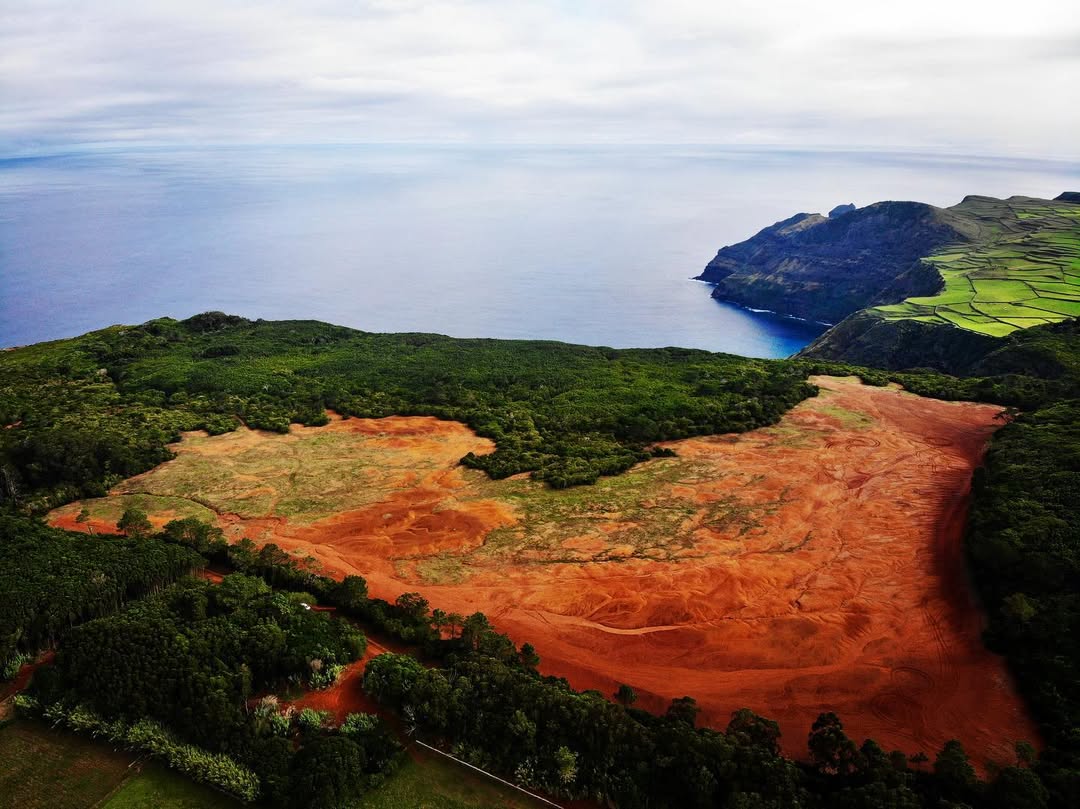
Barreiro da Faneca, on the northern side of Santa Maria, is a unique geological phenomenon. Locals often call this protected area the ‘Red Desert of the Azores. Arid, clay-rich soil with intense red and orange tones defines the landscape’s character. The landscape is wavy, making it look like a completely different planet.
There, you can enjoy the desert almost to yourself, depending on the time of day and the season of the year, as many people go to Santa Maria to spend time on the beach. Plus, this is quite a small area, so once you have enjoyed the red rolling hills and taken plenty of pictures, there is not much else to do.
Barreiro da Faneca is easily accessible by car, with a road leading there. Alternatively, visitors can explore walking trails such as the Costa Norte trail (PR01SMA) or parts of the island’s long-distance route (GR01SMA), which go through the red clay landscape.
Vila do Porto

Vila do Porto is the capital of the island of Santa Maria and is located in the parish and municipality of the same name. Founded in 1432 by Gonçalo Velho Cabral, Vila do Porto was the first town in the Azorean archipelago. However, settlers founded the municipality of Vila do Porto in 1470. Five parishes: Almagreira, Santa Bárbara, Santo Espírito, São Pedro, and Vila do Porto – subdivide the municipality.
So if you’re passing through the island, be sure to visit the main attractions of Vila do Porto, such as:
- Miradouro de São Lourenço;
- Pico Alto;
- Gonçalo Velho Lighthouse;
- Baía da Raposo;
- Figueiral Cave;
- Baía dos Anjos;
- Among others.
Planning your trip to the Azores? ✨ Check out our complete guide to Public Holidays in the Azores: Full List & Travel Guide
Praia Formosa

Praia Formosa lies on the southern coast of Santa Maria. It is famous for being one of the few beaches in the Azores with clear sand extending for about 1 kilometer.
The waters at Praia Formosa are exceptionally clear, warm, and shallow, making it ideal for swimming and snorkeling. The water temperature is suitable for bathing year-round. From Miradouro da Macela, enjoy the panorama of the beach, bay, and coast around.
Its water quality and facilities earn the Blue Flag every year. The beach provides excellent equipment for all visitors, including parking, showers, and toilets. A restaurant, seasonal lifeguards, and full accessibility for people with mobility issues complete the services. At one end of the beach, there is also a campsite, offering budget-friendly accommodation with direct access to the sand.
Praia Formosa is about 10 minutes by car from Vila do Porto, with easy access. In August, Praia Formosa hosts the Maré de Agosto Festival. Held annually since 1984, the event attracts many people from Santa Maria and other islands.
Check all our articles about each one of the most relevant points of interest on Santa Maria Island: Praia Formosa | Barreiro da Faneca | Cascata do Aveiro | Miradouro Vigia da Baleia | Pico Alto
Complementary Information
Best Season to Visit the Azores
The Azores Archipelago boasts a unique climate that shapes its lush landscapes, making it a splendid year-round destination. With mild temperatures and minimal fluctuations, each season offers something unique. Spring averages 16 °C, summer reaches 21 °C, autumn cools to 18 °C, and winter remains mild at 14 °C.
→ For a detailed breakdown of the weather by month, check the following links 🌤️☔️: January | February | March | April | May | June | July | August | September | October | November | December
How to Get to the Azores
The Azorean Archipelago is easily accessible through numerous flight routes. Lisbon and Porto are the main entry points to the continent, with direct flights available to São Miguel (PDL), Terceira (TER), Faial (HOR), Pico (PIX), and Santa Maria (SMA). To find the best flight, use search engines like eDreams or Skyscanner. These platforms let you compare prices and schedules from multiple airlines in one convenient location.
For more details on how to get to the Azores, take a look at our complete guide. But what if you want to explore beyond your arrival island? We’ve got you covered!
- Azores airports 🛬
- Flights between islands ✈️
- Ferries between islands ⛴️
- Which island to choose? 🏝️
- What airlines fly to the Azores? 🛩️
→ Once you’ve found the perfect route, book your tickets and get ready to experience one of the world’s most stunning island groups!
Travel Essentials
Essential Information for your Azores trip: Azorean Language & Phrases 🗣️ | Currency & Banks 💵 | Credit Cards & Traveler’s Cheques 🏧 | Driving in the Azores 🚗 | Electricity 🔌 | Experiences & Tours 🗺️ | Health & Safety 🩺 | Internet & Wi-Fi Access 🛜 | Phones & Mobile Service 📞 | Post Offices & Buying Stamps ✉️ | Public Holidays 🏖️ | Shopping 🛒 | Time & Daylight 🕒 | Whale Watching Guide 🐳 | Best Island to Visit 🏞️
Useful Tools & Apps
The weather in the Azores can be variable, so it’s helpful to use some apps before visiting the islands. Spotazores provides live camera feeds from the main tourist attractions, allowing you to check the weather and plan your visit. For accurate weather predictions, use Windy or Windguru — they provide the most reliable predictions.
Video
Conclusion
Pico Alto is like the crown of Santa Maria, and you cannot visit the Yellow island without stopping by its highest point, which is easily accessible. It offers an amazing panoramic view of the island’s diverse landscapes, from green pastures and scenic cliffs to quaint villages, all framed by the Atlantic Ocean.
Beyond its beauty, ancient volcanic eruptions molded Pico Alto into a significant geological landmark. It plays a significant role in the island’s ecosystem, hosting unique flora and fauna. The peak is also a site of historical relevance, from Cold War radar casemates to the tragic air crashes memorialized near the summit. Thanks to the hiking trail around it, you can discover the various faces of Pico Alto.
Visiting Pico Alto is a must to fully discover Santa Maria. You can easily fit this spot into your itinerary, whether you have only a short amount of time or plenty.
Authors’ Note
I am pleased to inform you that all the recommendations in this article are based on my personal experience and observations. As the author, I have personally visited each attraction mentioned, ensuring that every suggestion is grounded in first-hand knowledge and genuine enthusiasm.
FAQs
Pico Alto is the highest point on Santa Maria, reaching 587 meters. It formed through intense submarine volcanic eruptions approximately 5 million years ago. This elevation captures passing clouds, creating a humid microclimate that supports lush native vegetation such as Azorean Heather and rare endemic fauna.
To reach Pico Alto, you can drive about 17 minutes from Vila do Porto following the EN1-2A road. For those who prefer exploring on foot, the PRC02 SMA hiking trail offers a 6.2km loop of medium difficulty, providing a scenic two-hour walk through the area.
Pico Alto holds significant historical weight due to three major plane crashes between 1945 and 1989. A monument near the peak honors the victims. Additionally, you can see 1950s Cold War-era casemates built by the Portuguese Air Force to host a radar station, which now serve as radio transmitters.
From the top of Pico Alto, you can enjoy a breathtaking panoramic view of Santa Maria Island. The vantage point overlooks green pastures, dense vegetation, and picturesque local villages. On clear days, the view extends across the rugged coastline to the infinite horizon of the Atlantic Ocean.