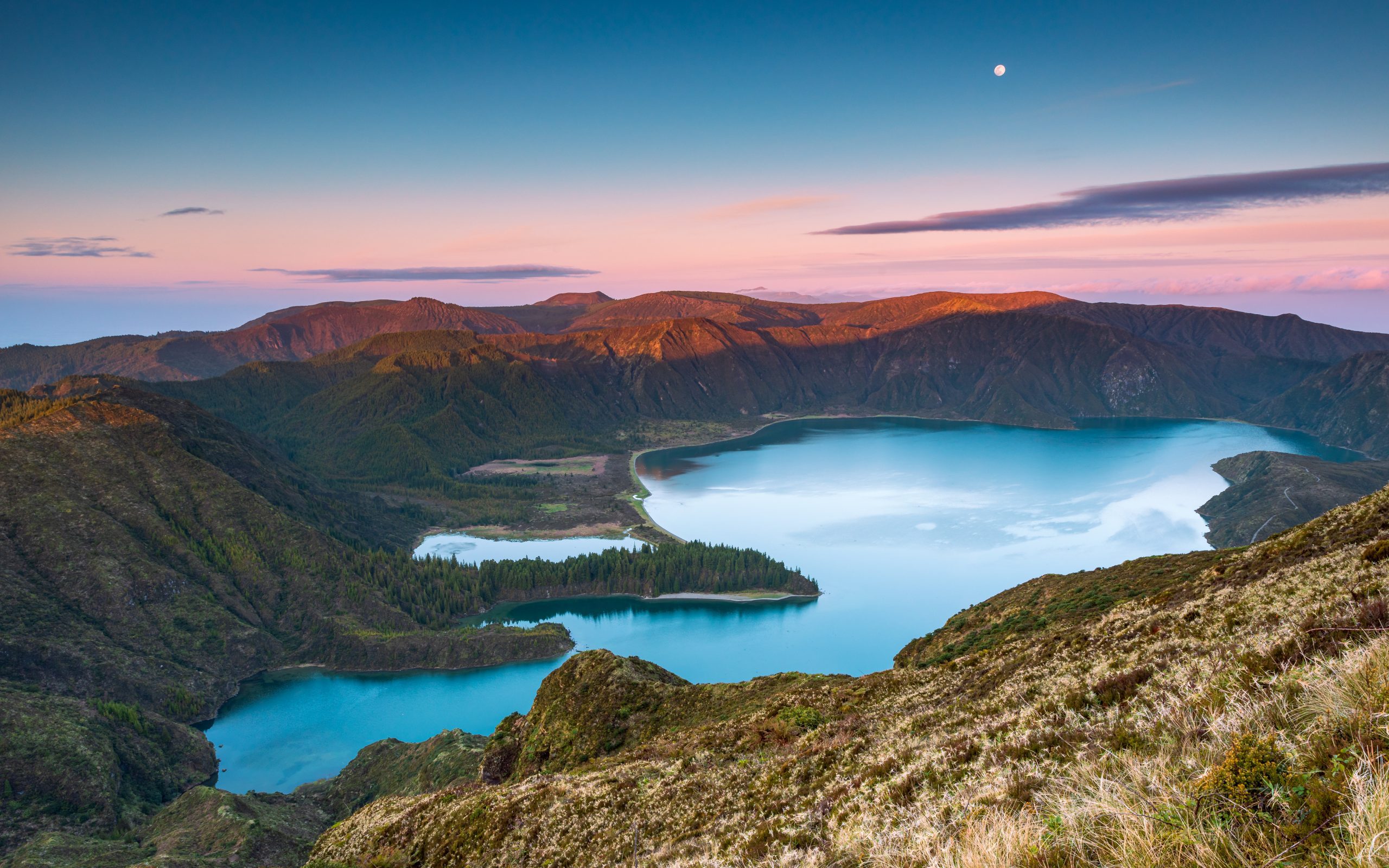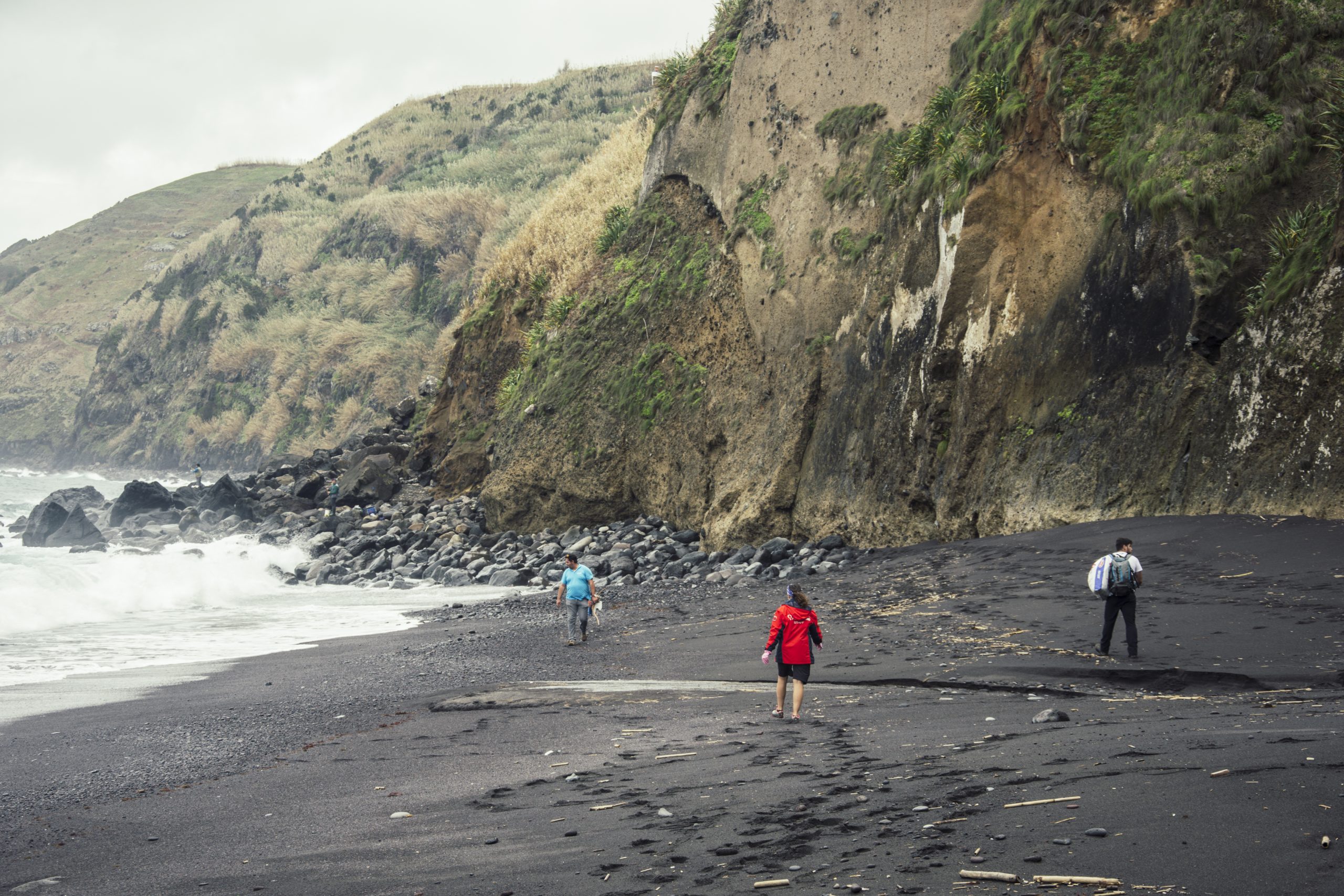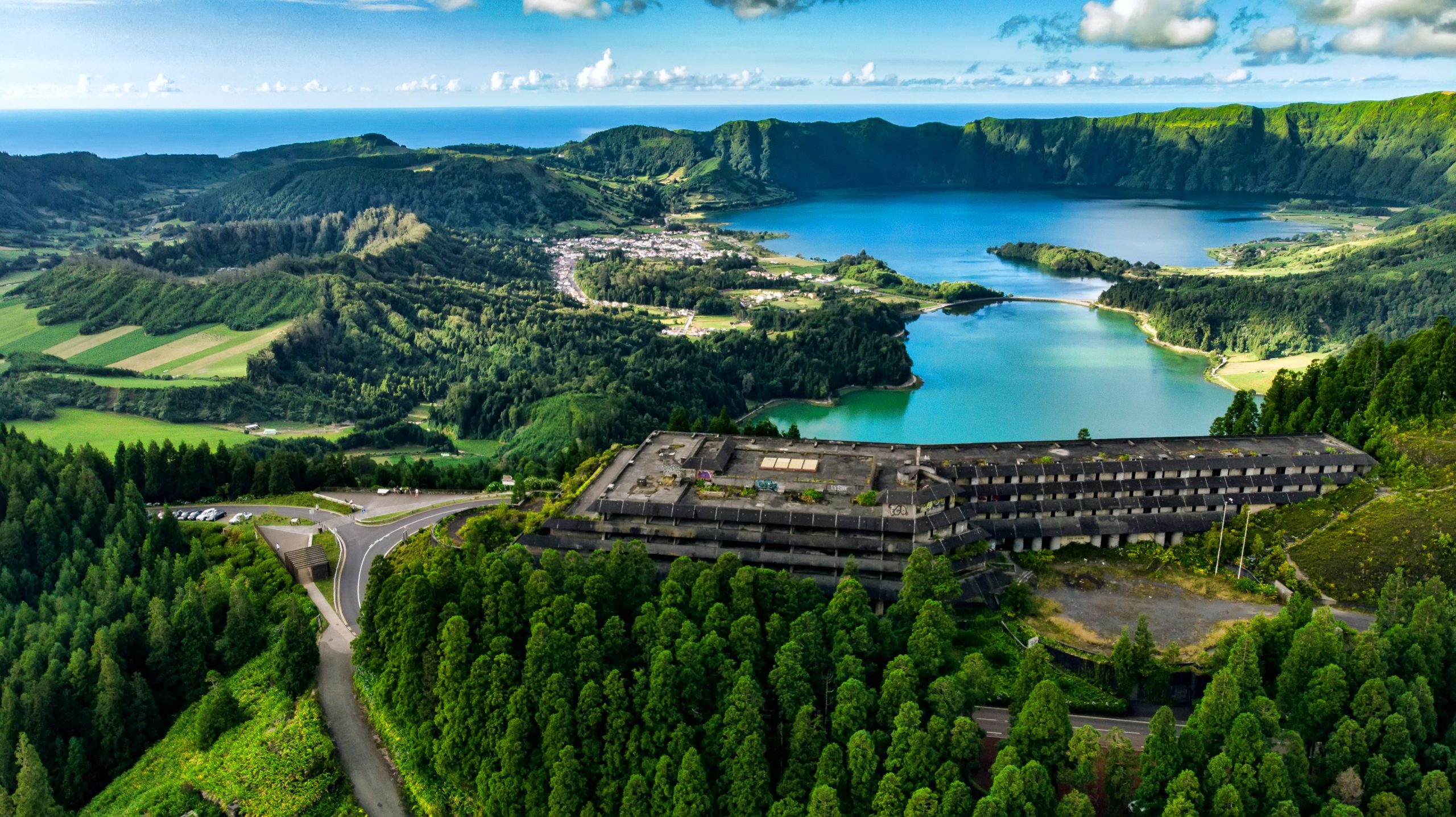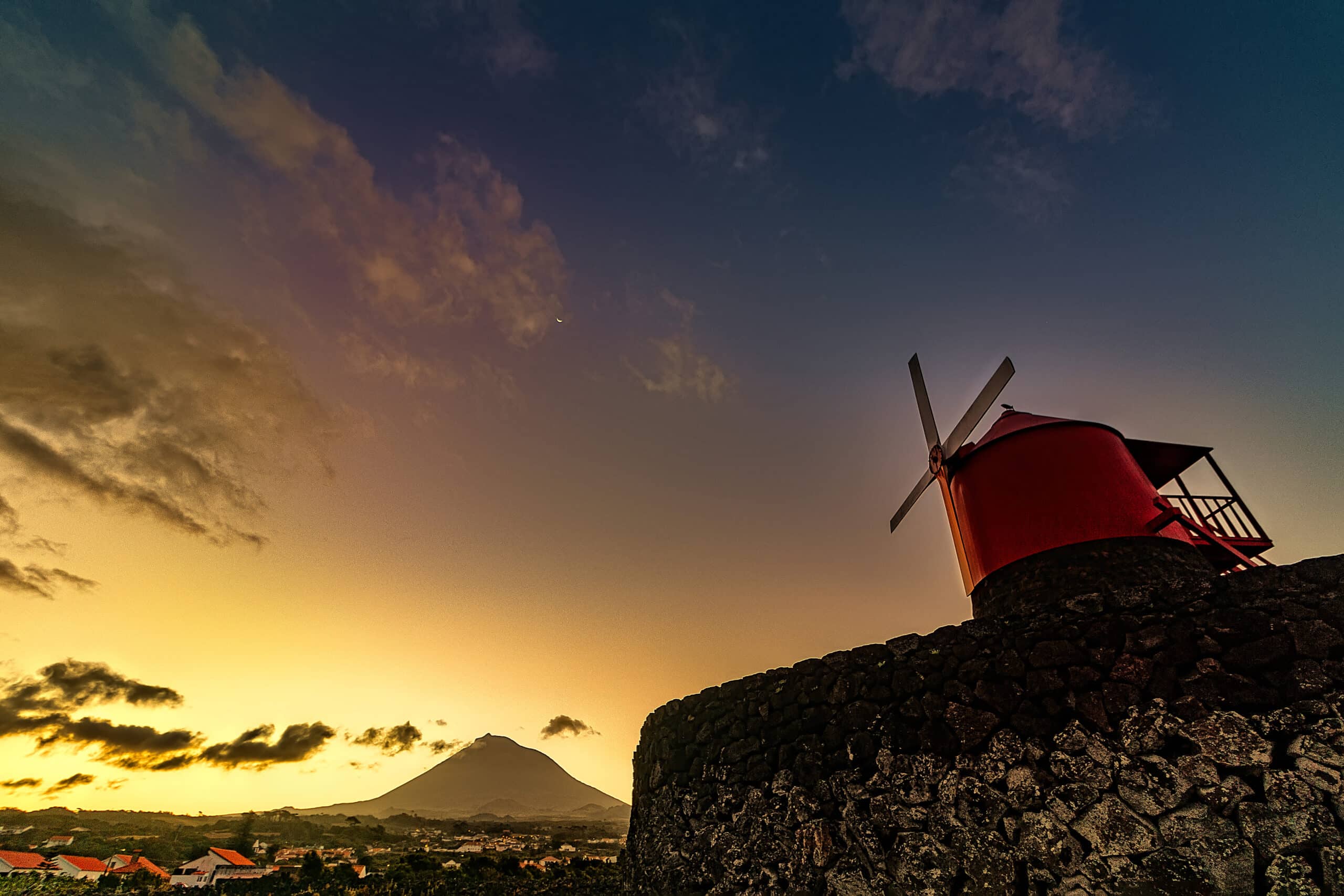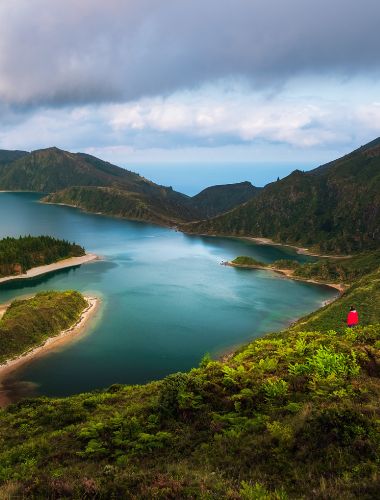



Hidden in the highlands of Pico Island, Lagoa do Paul is one of those places that feels pure and untouched by humans. Surrounded by misty landscapes and green volcanic terrain, this small lagoon offers a peaceful escape far from the island’s more popular attractions.
Located on the Central Plateau, the lagoon is in a remote yet easily accessible area, where nature predominates. The silence here is king, broken only by the sound of wind, birds, and other wildlife across the wetlands.
Although it is not the most famous lagoon on Pico, Lagoa do Paul definitely has a special charm. The isolation and natural beauty make it a great spot for those seeking a deeper connection with nature and the island of Pico.
What is Lagoa do Paul?

Lagoa do Paul is a freshwater lagoon situated at approximately 790 meters above sea level. It is within the protected Natural Reserve of Caveiro and two Natura 2000 protected areas. It is also part of the Ramsar Site of Central Plateau and part of the Azorean Geopark registered by UNESCO. This region is known for its ecological significance and is part of a 30-kilometer-long volcanic range shaped by ancient eruptions.
The landscape surrounding the lagoon is characterized by low vegetation, including native species such as the Azorean heather or Azores juniper. The area is frequently foggy, creating a moody setting typical of this lagoon.
Did you know
In the past, this place played an important role in local life. Women from nearby communities would gather here to wash clothes, often turning the task into a social and festive occasion. Men would also use the lagoon to collect water and irrigate surrounding pastures.
Today, human presence is rare, and the lagoon belongs mainly to wildlife. Along with other wetlands on Pico Island, such as Lagoa do Capitão, Lagoa do Caiado, Lagoa do Peixinho, and Lagoa Rosada, Lagoa do Paul is a vital habitat for migratory and resident bird species. It is a great spot for birdwatching. You can find woodcocks, snipes, blackbirds, wagtails, Western Azores goldcrests, and Azorean chaffinches among many other birds.
Check all our articles about each one of the most relevant points of interest on Pico Island: Pico Mountain | 15 Unique Things to do in Pico Island | Madalena | São Roque do Pico | Moinho do Frade | Centro de Visitantes da Gruta das Torres | Lagoa do Paul
Plan Your Visit to Lagoa do Paul

How to Get to Lagoa do Paul
Lagoa do Paul is located in the Central Plateau of Pico Island. It belongs to the parish of Ribeirinha, municipality of Lajes do Pico. Despite its remote feel, it is surprisingly easy to access by car thanks to paved roads.
From Madalena, the drive is about 30 kilometers (45 minutes). You will drive on the famous Longitudinal road, the longest straight road in the Azores. From São Roque and Lajes do Pico, it is approximately 20 kilometers. Count 30 to 40 minutes going up to the central part of the island. After passing Lagoa do Caiado on the left, a small sign indicates the road to Lagoa do Paul. Turn right and continue along the paved road until reaching the lagoon.
It is only possible to get to Lagoa do Paul by renting a car, taking a taxi, or hiring a guide.
Planning a trip to the Azores? These articles will help you: How to Get to the Azores 🗺️ | Azores airports 🛬 | Flights between islands ✈️ | Ferries between islands ⛴️ | Which island to choose? 🏝️ | What airlines fly to the Azores? 🛩️
Best Time to Visit
Lagoa do Paul can be visited year-round, depending on your interests. For birdwatching, the best months are from March to July for resident species and from October to March for migratory birds. Keep in mind that this area is part of a hunting zone, particularly between October and January, with Sundays being the most active days.
The area is often shrouded in fog, giving it a mysterious, dreamy appearance. On clearer days, however, the surrounding landscape becomes visible, revealing the green pastures, volcanic hills, and dense vegetation. During summer, you will have more chances of good weather, although the clouds can move very fast and the weather can change quickly.
Check all our articles about the weather in the Azores throughout the year 🌤️ ☔️: January | February | March | April | May | June | July | August | September | October | November | December
Pro Tips
Bring binoculars if you are interested in birdwatching, as the lagoon and its surroundings attract a wide variety of species. Early morning and late afternoon are usually the best times for spotting wildlife.
It is also advisable to wear appropriate footwear, as the terrain can be damp and uneven. Do not swim in the lake or get too close to the edge; this is not recommended.
Azores Guide Book
Azorean Language & Phrases 🗣️ | Currency & Banks 💵 | Credit Cards & Traveler’s Cheques 🏧 | Driving in the Azores 🚗 | Electricity 🔌 | Experiences & Tours 🗺️ | Health & Safety 🩺 | Internet & Wi-Fi Access 🛜 | Phones & Mobile Service 📞 | Post Offices & Buying Stamps ✉️ | Public Holidays 🏖️ | Shopping 🛒 | Time & Daylight 🕒 | Whale Watching Guide 🐳 | Best Island to Visit 🏞️
Nearby Attractions
Pico Mountain

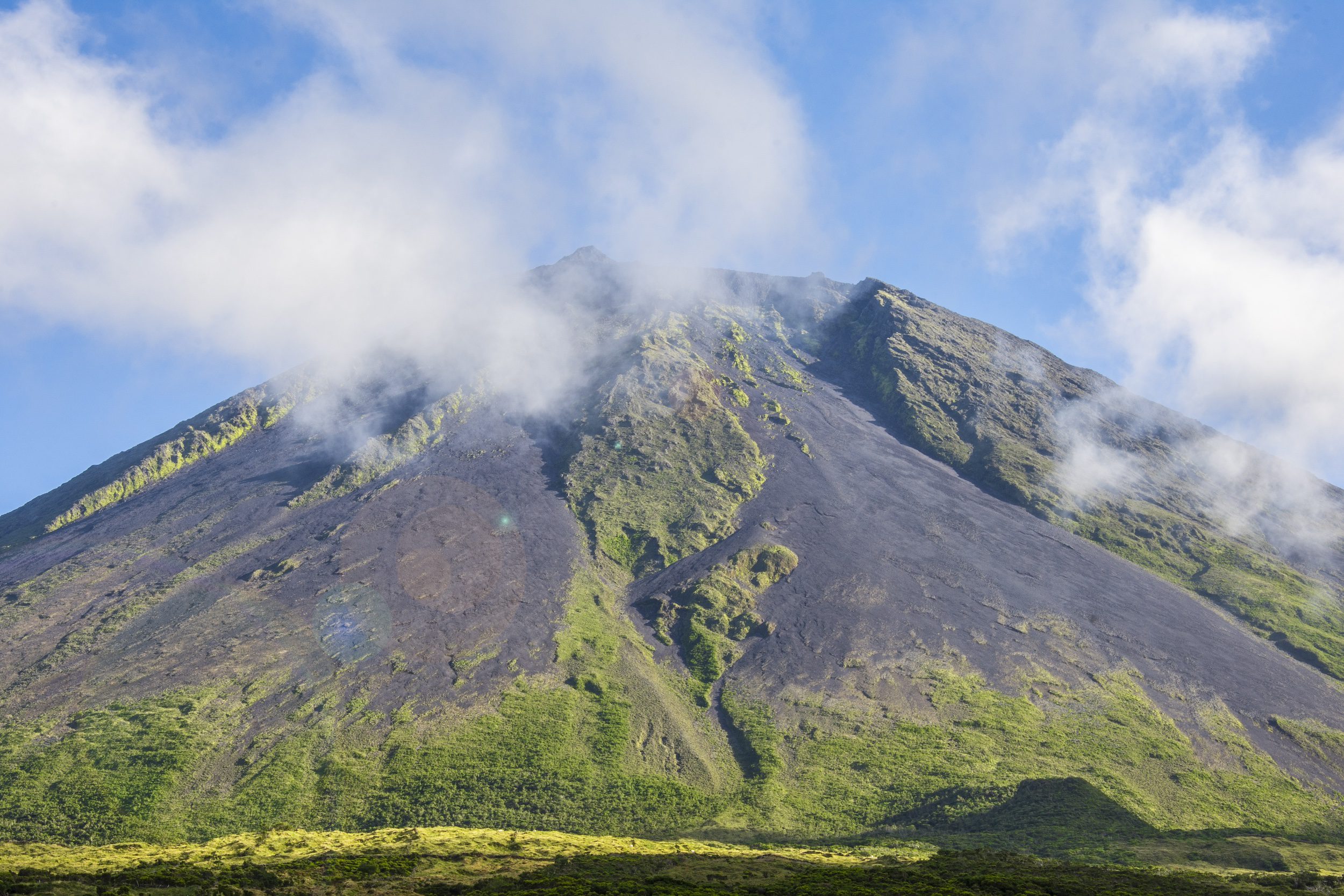
Pico Mountain is the crown jewel of Pico Island, the highest point in Portugal at 2,351 meters. The adventure begins at the Casa da Montanha, approximately 1,230 meters above sea level, where you can learn about the volcano and prepare for the climb.
The trail to the summit offers an unforgettable experience for those seeking a challenge. Along the way, you can enjoy breathtaking views of the island and the surrounding Azorean archipelago. Guided climbs are available to ensure safety and maximize the adventure.
Caminho dos Burros

Not so far away from Lagoa do Paul is the starting point of a beautiful hike from the central plateau to the coast: Caminho dos Burros (the donkeys’ path). This historic trail offers a unique perspective of Pico’s volcanic landscape.
The trail takes you through open fields, wetlands, and areas shaped by the past eruptions. It is a relatively peaceful 9-kilometer one-way route, ideal for those looking to experience nature without crowds. Be aware that the descent goes from 800 meters to sea level.
Along the way, you may encounter a variety of bird species and enjoy the quiet atmosphere that defines this part of the island. The combination of fresh air, open space, and scenic views makes this hike a great way to get an overview of Pico Island’s atmosphere.
Lagoa do Caiado

Located in the Partial Natural Forest Reserve of Lagoa do Caiado, on the central plateau of the island of Pico, the lake covers approximately 18.8 hectares. At an altitude of over 800 meters, the humidity is high. For this reason, the beautiful landscape is marked by the greenish tones of the vegetation surrounding the lagoon.
You’ll also find lots of ducks here — it’s considered by many to be the best place for duck watching. However, due to the strong wind and fog, this region is not very popular with birdwatchers.
Quick Info
Since 1993, the waters of the Caiado Lagoon have been used by the São Roque Municipal Council to supply the public network.
Lajes do Pico

Lajes do Pico, the first settlement on Pico Island before 1460, holds a unique place in Azorean history. Only the navigator Fernando Álvares Evangelho and his loyal dog braved this rugged region for a year, facing the ocean’s relentless force.
Yet, the Atlantic Ocean surrounding Lajes do Pico proved to be more than a challenge — it was a blessing. Its abundant marine life created significant economic opportunities, particularly in the 19th century, when the islanders turned to whaling, which became central to their livelihood and culture.
→ Recommended tours: Whale Watching in Lajes do Pico | Van Tour Wine Culture from Lajes do Pico
Points of interest in Lajes do Pico
- Fort of Santa Catarina: A historic fortification offering stunning views of the Atlantic Ocean and a glimpse into the island’s defensive past.
- Church of Nossa Senhora da Conceição: A beautiful church steeped in history, showcasing the religious and architectural heritage of the region.
- Vigia da Queimada Viewpoint: A traditional whale-watching tower, once used to spot whales during the height of the whaling era, is now a historic site.
- Whalers’ Museum: Explore Pico’s whaling history through artifacts, tools, and stories highlighting its cultural and economic significance.
Check all our articles about each one of the most relevant points of interest on Pico Island: Pico Mountain | 15 Unique Things to do in Pico Island | Madalena | São Roque do Pico | Moinho do Frade | Centro de Visitantes da Gruta das Torres | Lagoa do Paul
Complementary Information
Best Season to Visit the Azores
The Azores Archipelago boasts a unique climate that shapes its lush landscapes, making it a splendid year-round destination. With mild temperatures and minimal fluctuations, each season offers something unique. Spring averages 16 °C, summer reaches 21 °C, autumn cools to 18 °C, and winter remains mild at 14 °C.
→ For a detailed breakdown of the weather by month, check the following links 🌤️☔️: January | February | March | April | May | June | July | August | September | October | November | December
How to Get to the Azores
The Azorean Archipelago is easily accessible through numerous flight routes. Lisbon and Porto are the main entry points to the continent, with direct flights available to São Miguel (PDL), Terceira (TER), Faial (HOR), Pico (PIX), and Santa Maria (SMA). To find the best flight, use search engines like eDreams or Skyscanner. These platforms let you compare prices and schedules from multiple airlines in one convenient location.
For more details on how to get to the Azores, take a look at our complete guide. But what if you want to explore beyond your arrival island? We’ve got you covered!
- Azores airports 🛬
- Flights between islands ✈️
- Ferries between islands ⛴️
- Which island to choose? 🏝️
- What airlines fly to the Azores? 🛩️
→ Once you’ve found the perfect route, book your tickets and get ready to experience one of the world’s most stunning island groups!
Travel Essentials
Essential Information for your Azores trip: Azorean Language & Phrases 🗣️ | Currency & Banks 💵 | Credit Cards & Traveler’s Cheques 🏧 | Driving in the Azores 🚗 | Electricity 🔌 | Experiences & Tours 🗺️ | Health & Safety 🩺 | Internet & Wi-Fi Access 🛜 | Phones & Mobile Service 📞 | Post Offices & Buying Stamps ✉️ | Public Holidays 🏖️ | Shopping 🛒 | Time & Daylight 🕒 | Whale Watching Guide 🐳 | Best Island to Visit 🏞️
Useful Tools & Apps
The weather in the Azores can be variable, so it’s helpful to use some apps before visiting the islands. Spotazores provides live camera feeds from the main tourist attractions, allowing you to check the weather and plan your visit. For accurate weather predictions, use Windy or Windguru — they provide the most reliable predictions.
Video
Conclusion
If you look for a quiet place surrounded by nature and wildlife, you must stop at Lagoa do Paul. Birdlovers absolutely have to add this spot to their to-go list in the Azores. Enjoy the sense of tranquility that is so hard to find in our modern times.
Even though you can easily reach it by road, arriving at the lagoon feels like discovering a hidden corner of the island. While everyone visits the most popular spots of Pico Island, the peaceful setting of Lagoa do Paul creates the impression of being immersed in nature in its purest form.
If you seek typical landscapes, birdlife, and a deeper connection with the Azores, you must not overlook Lagoa do Paul.