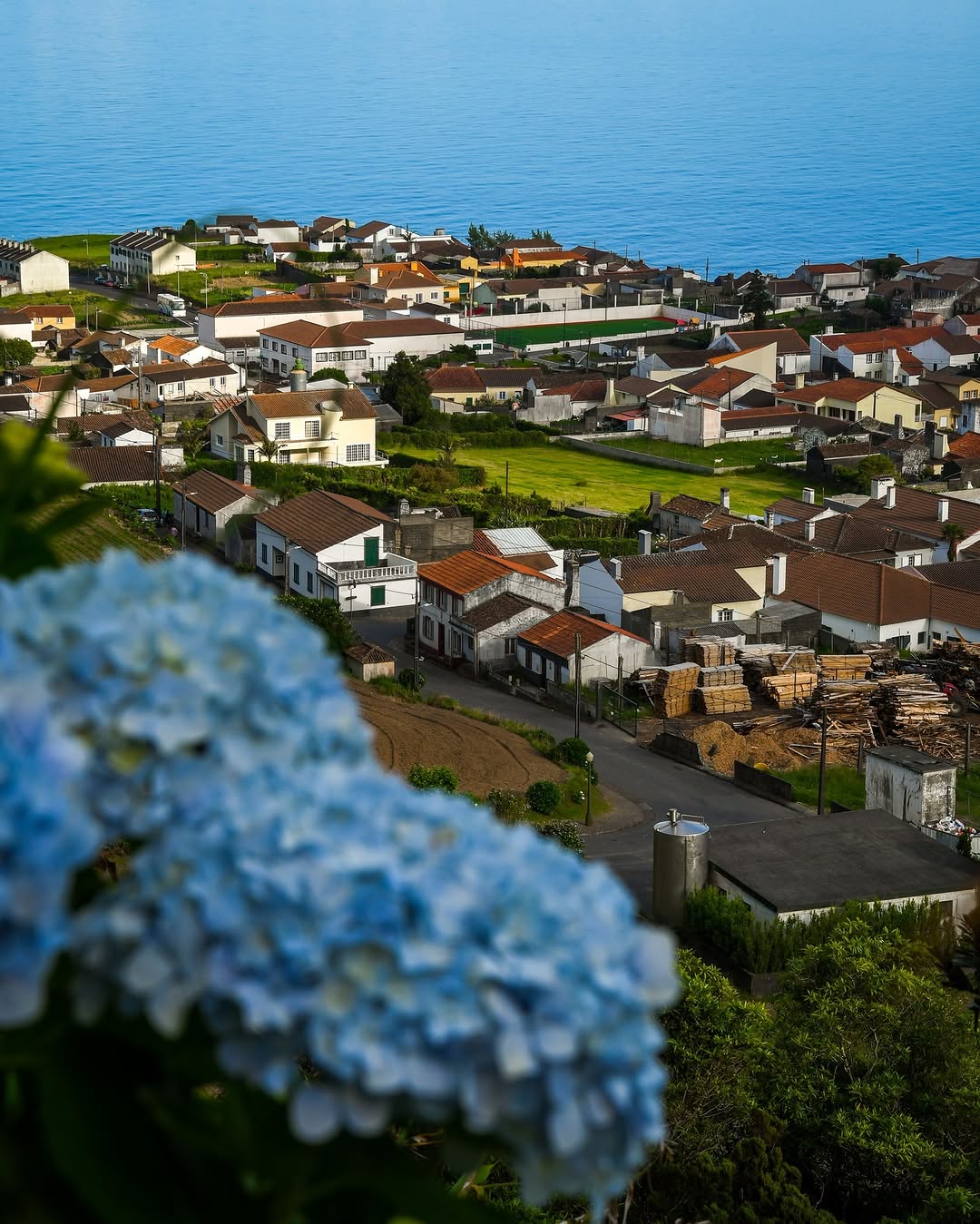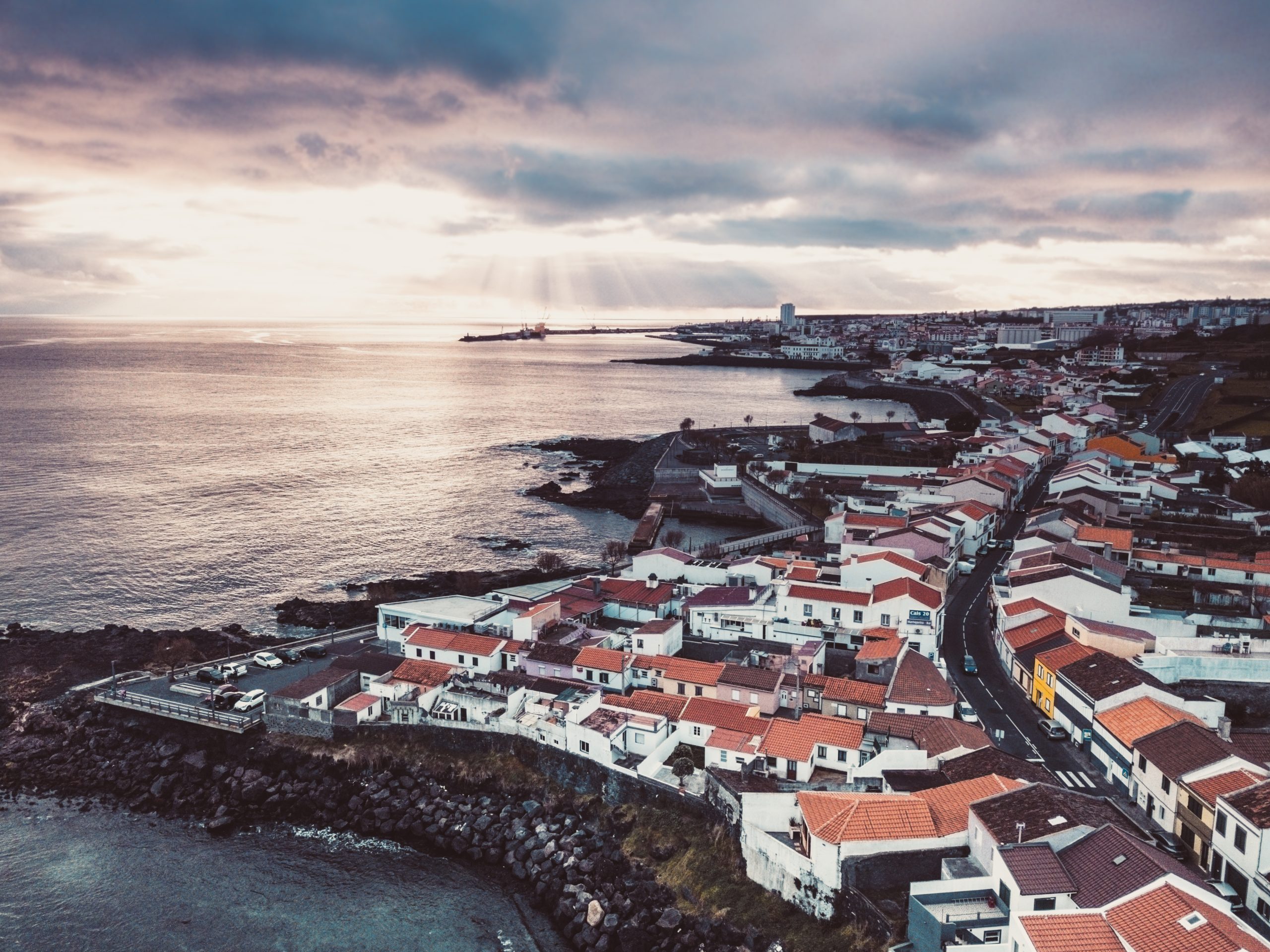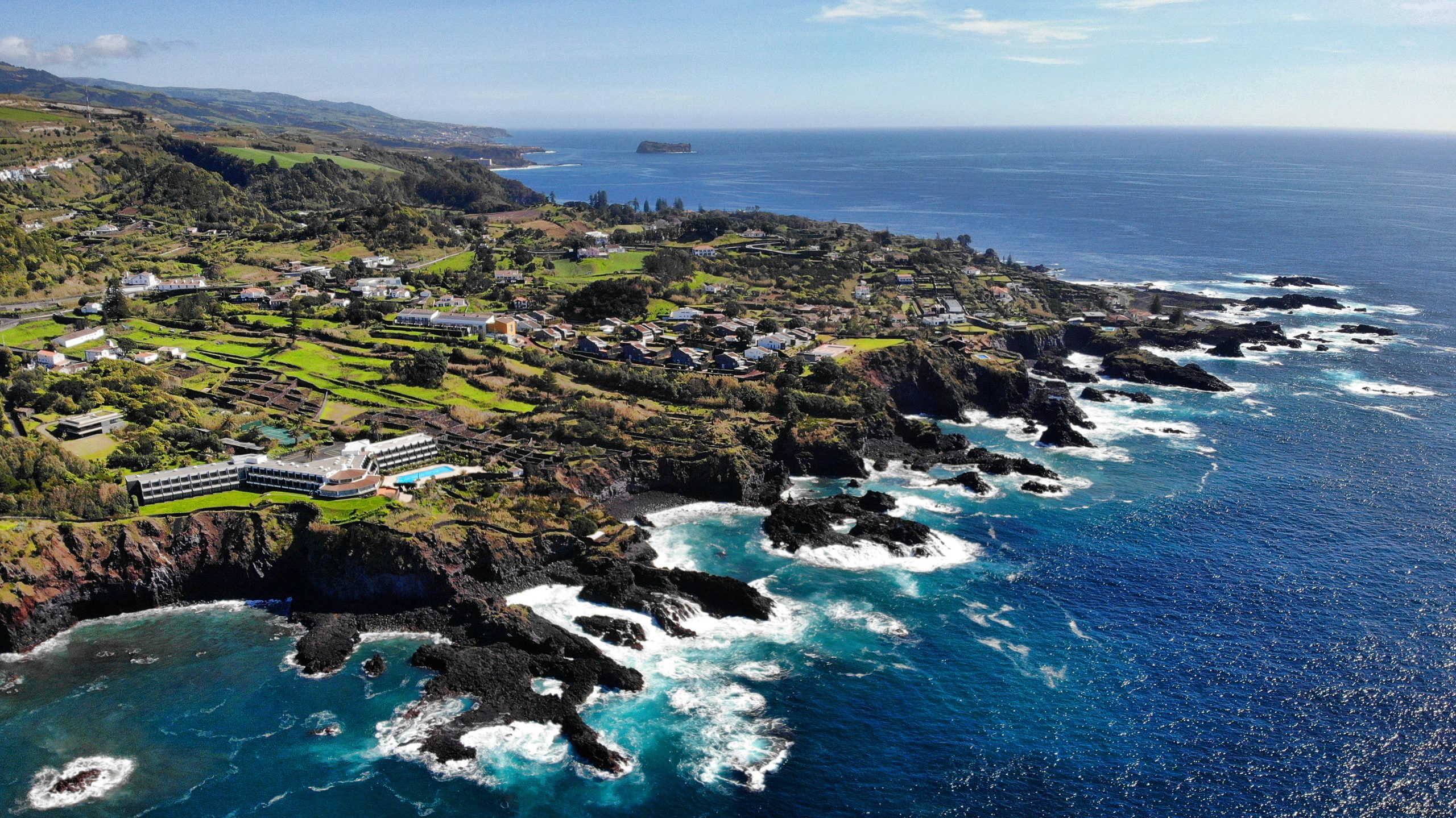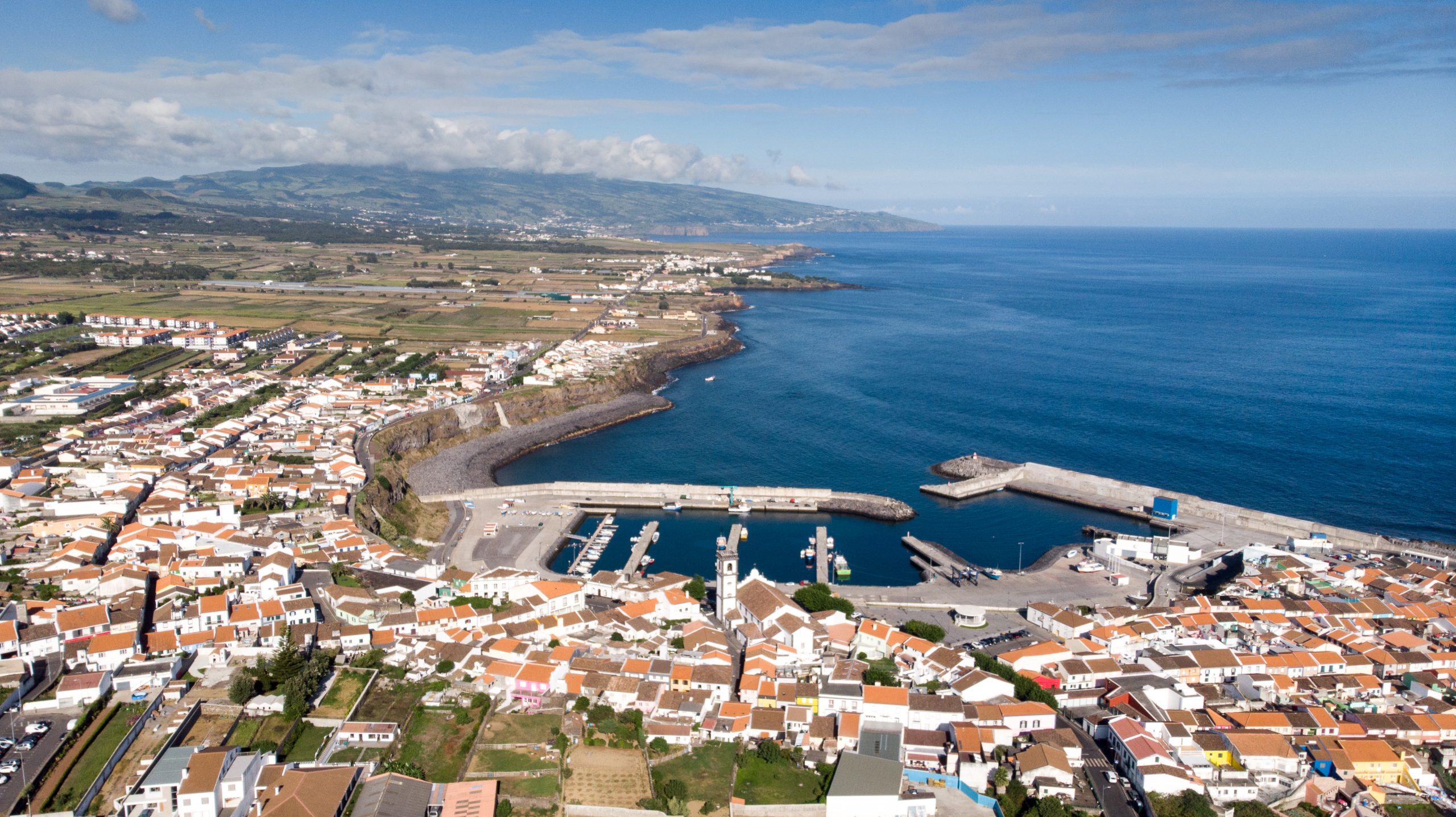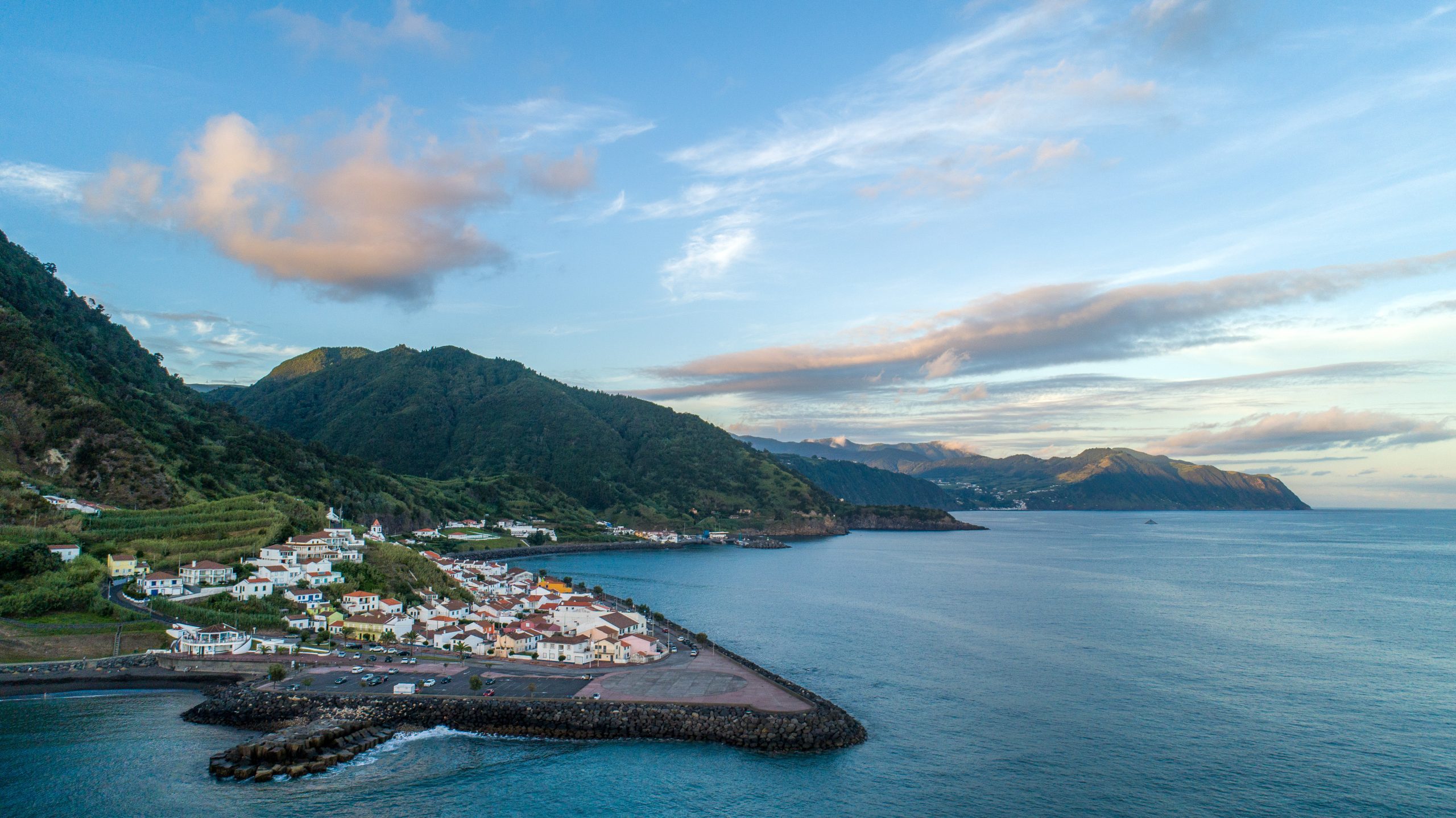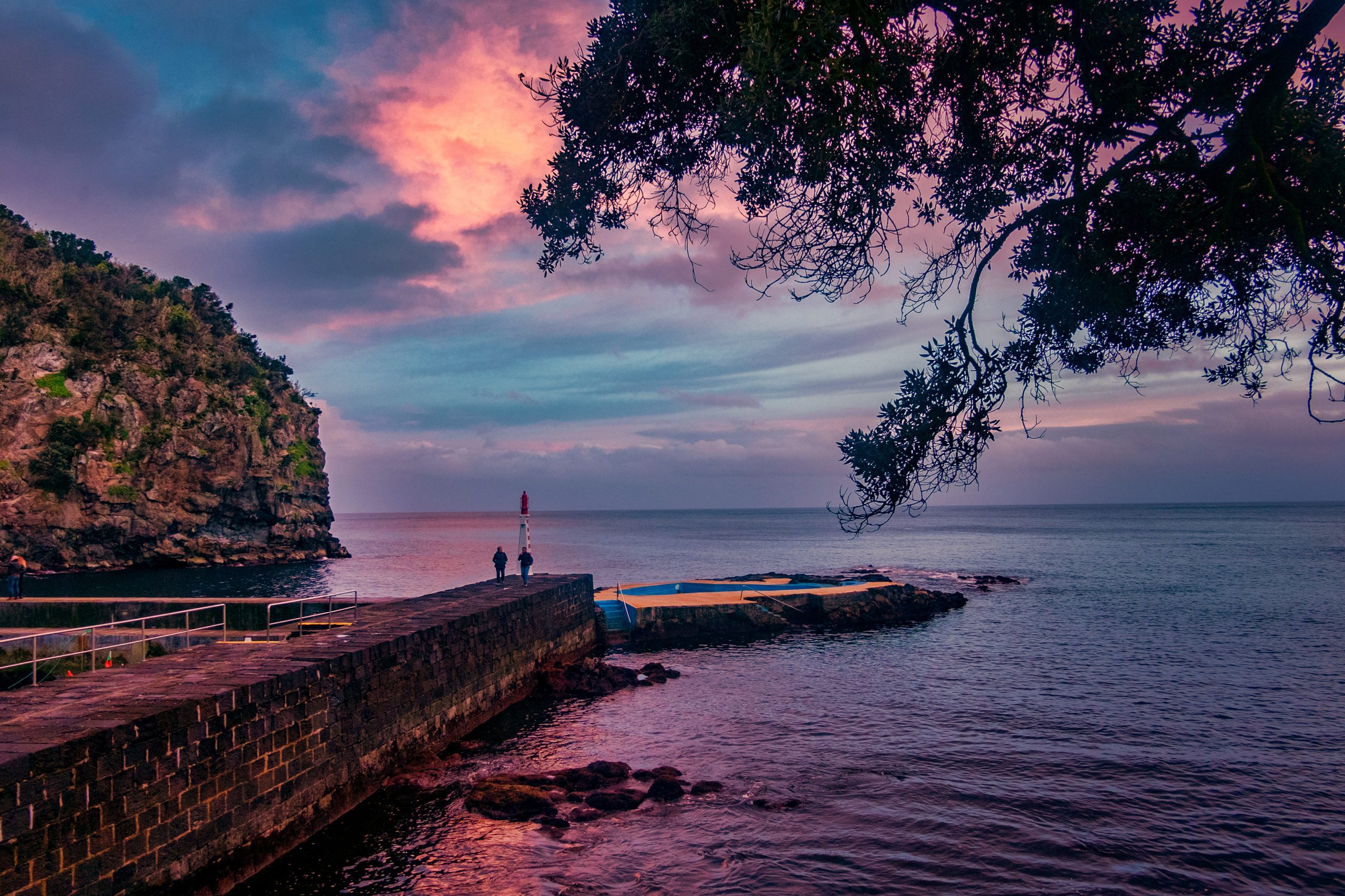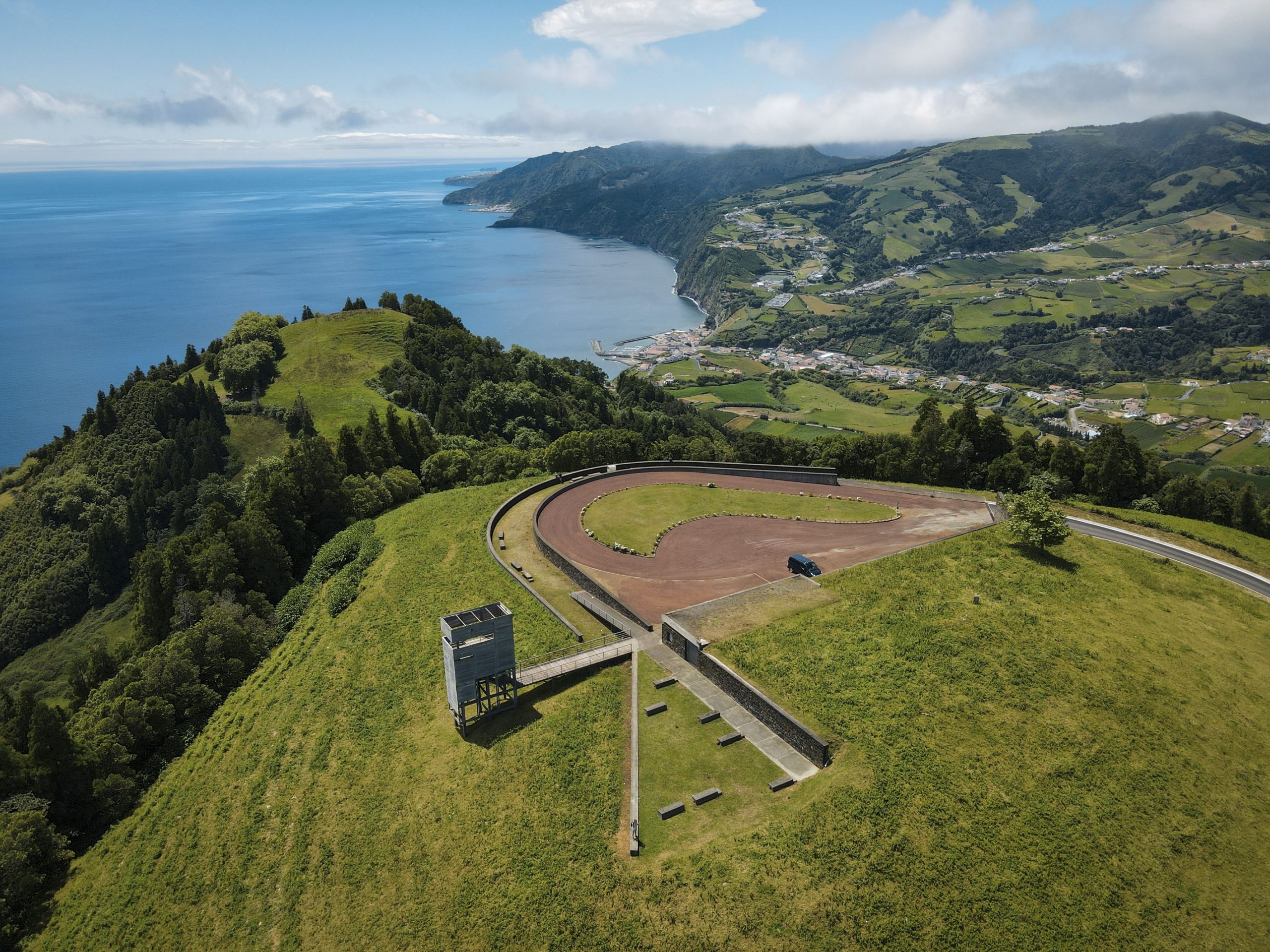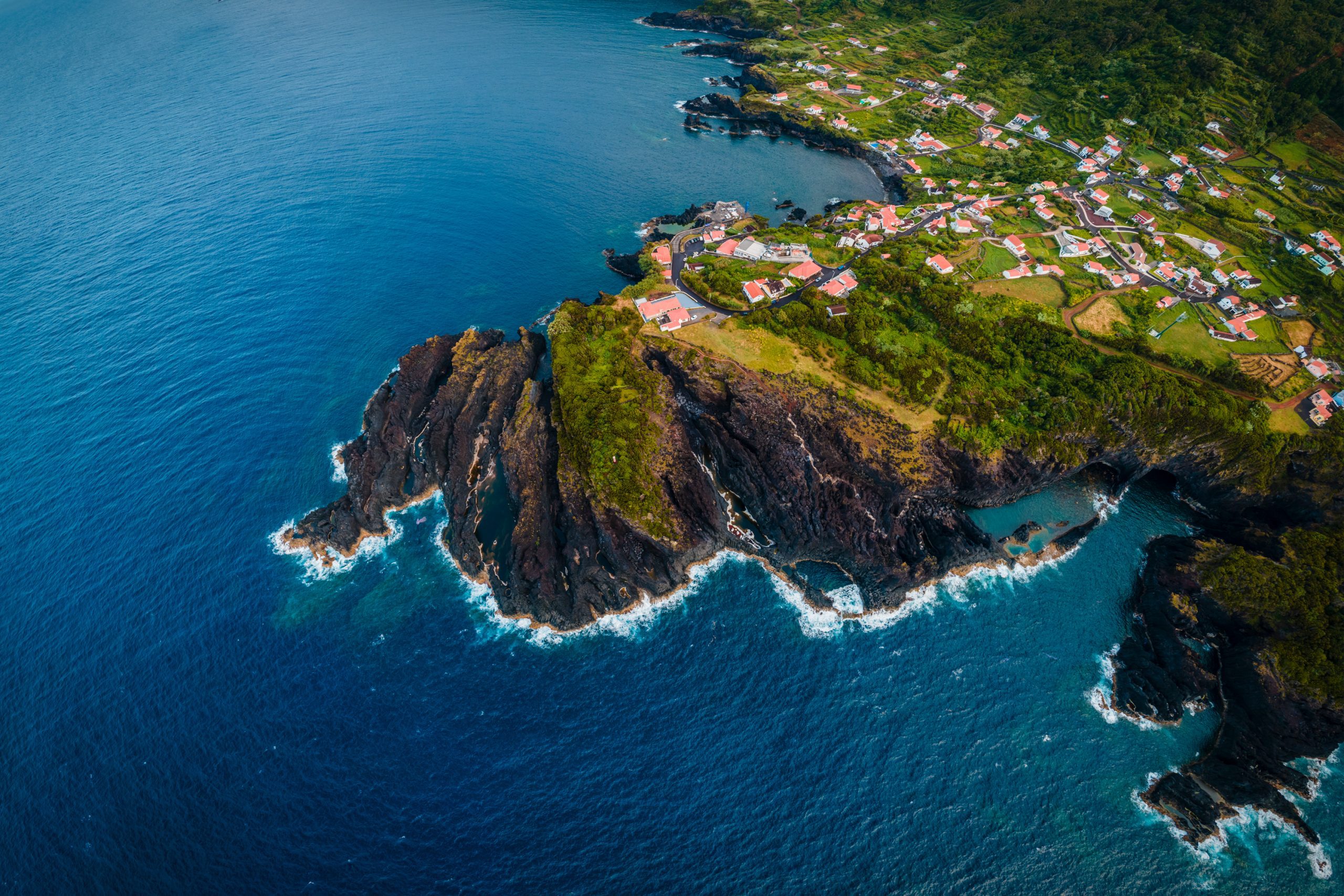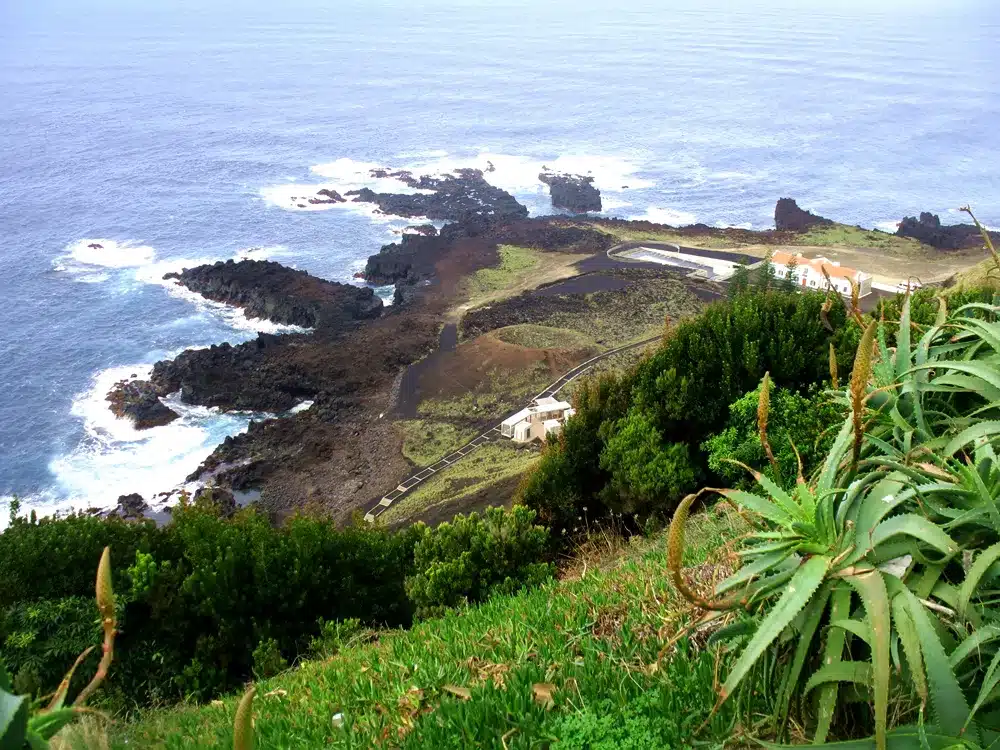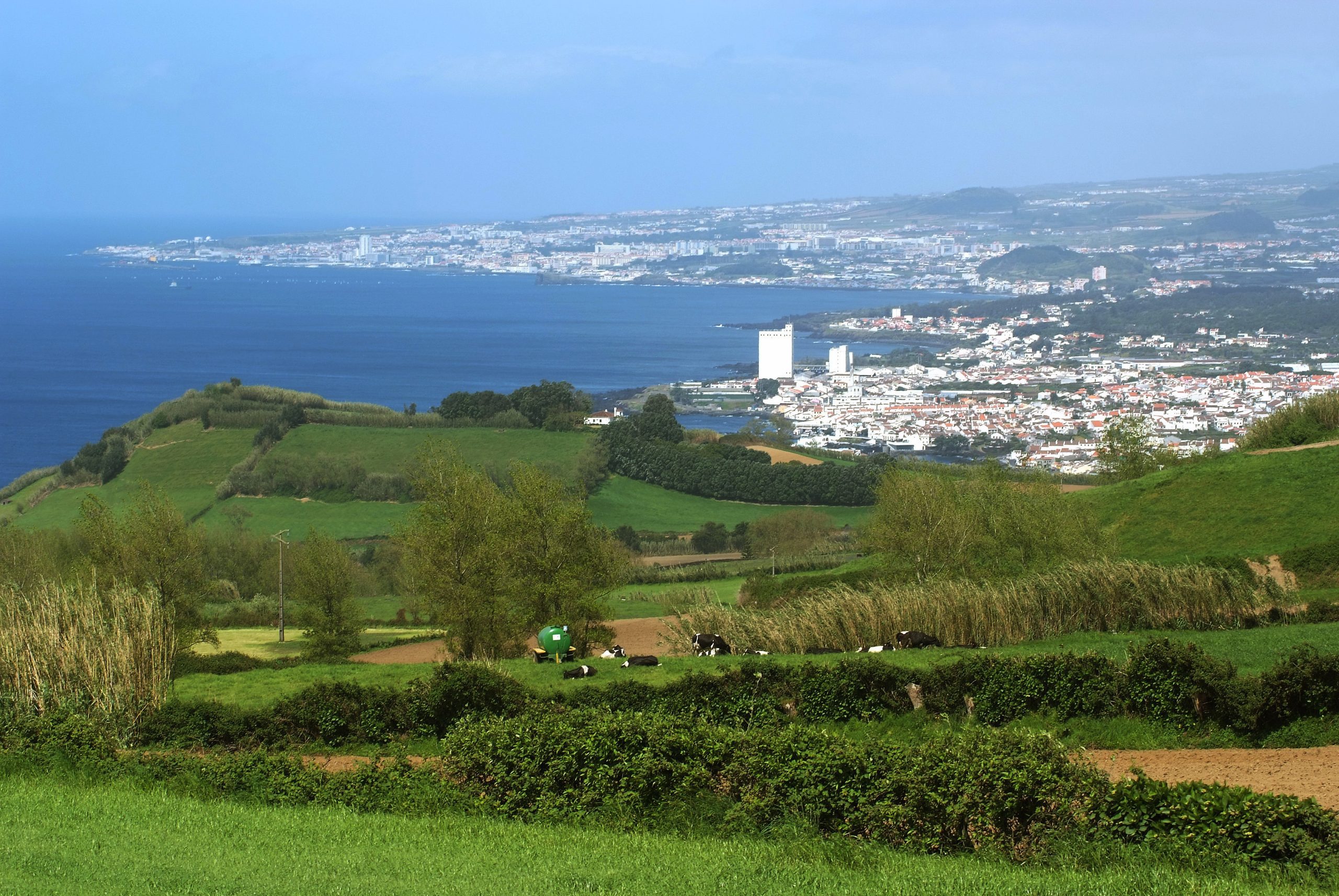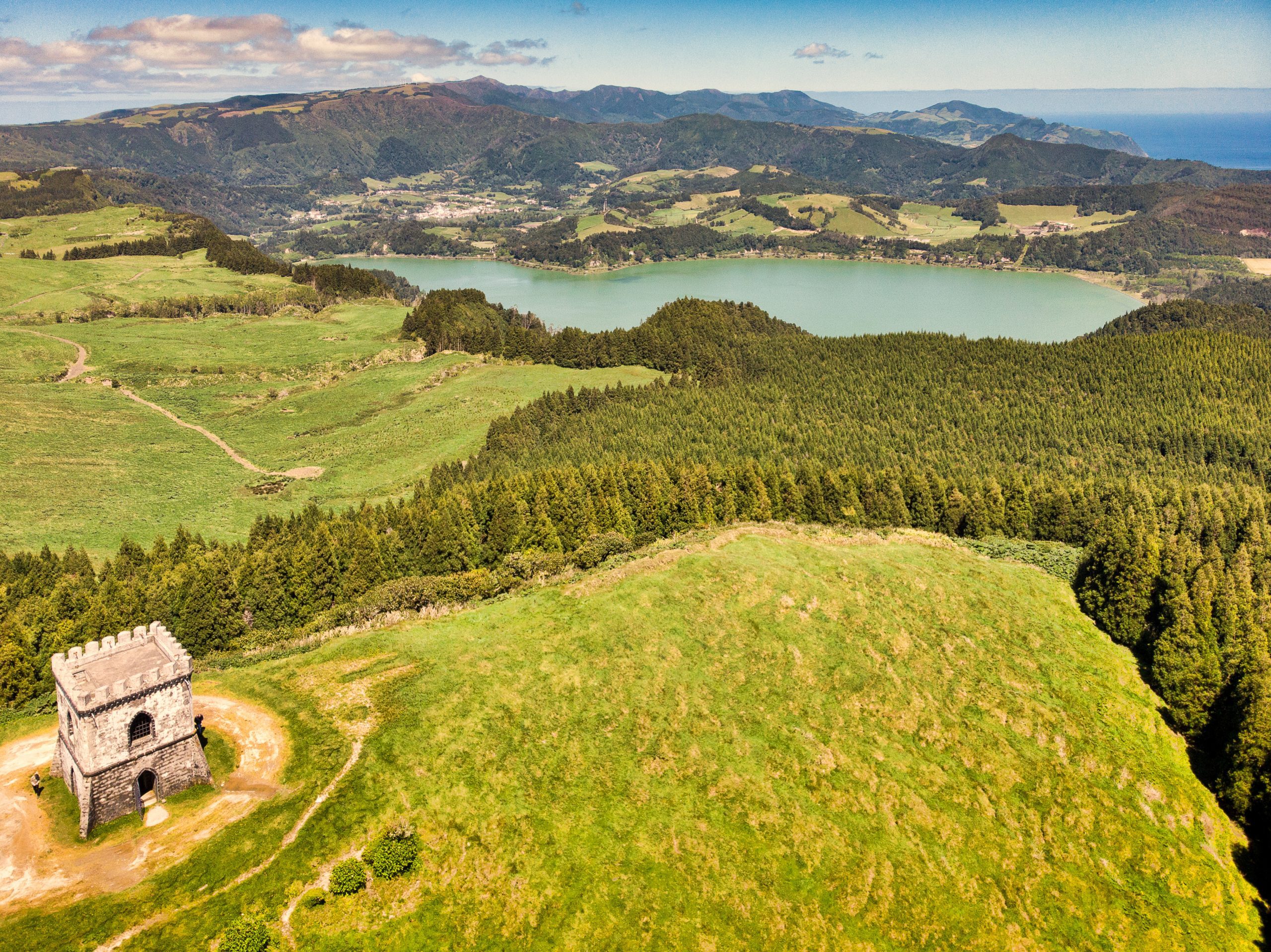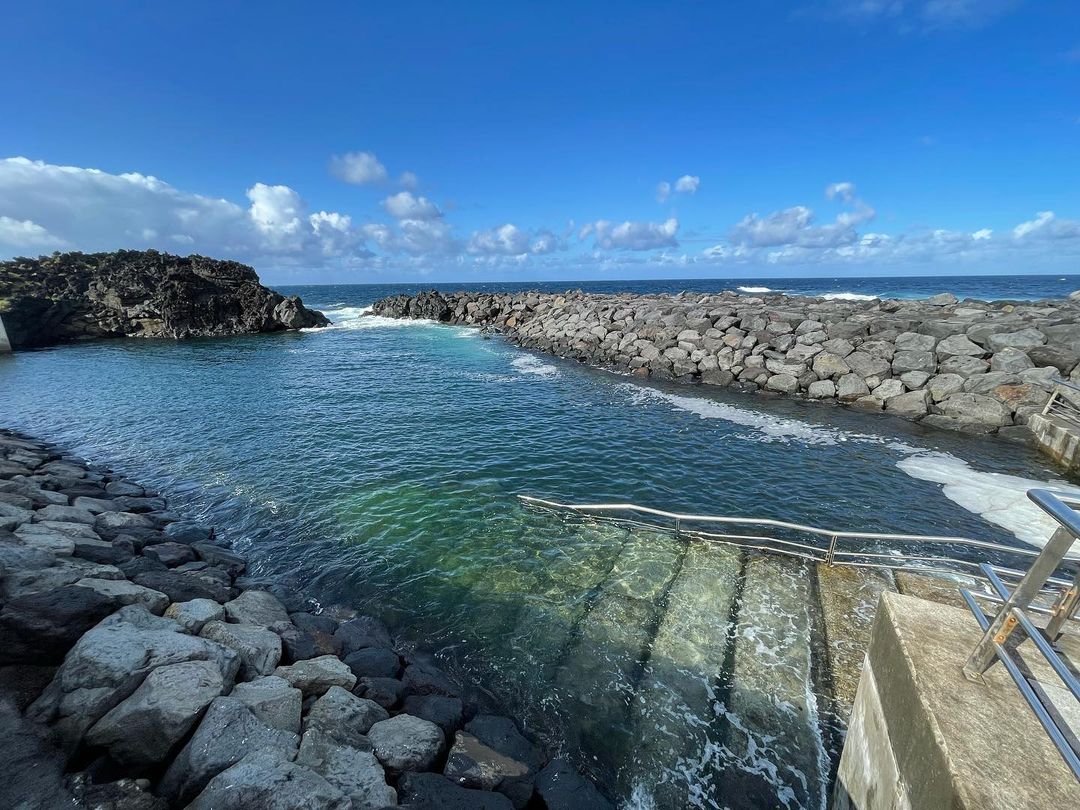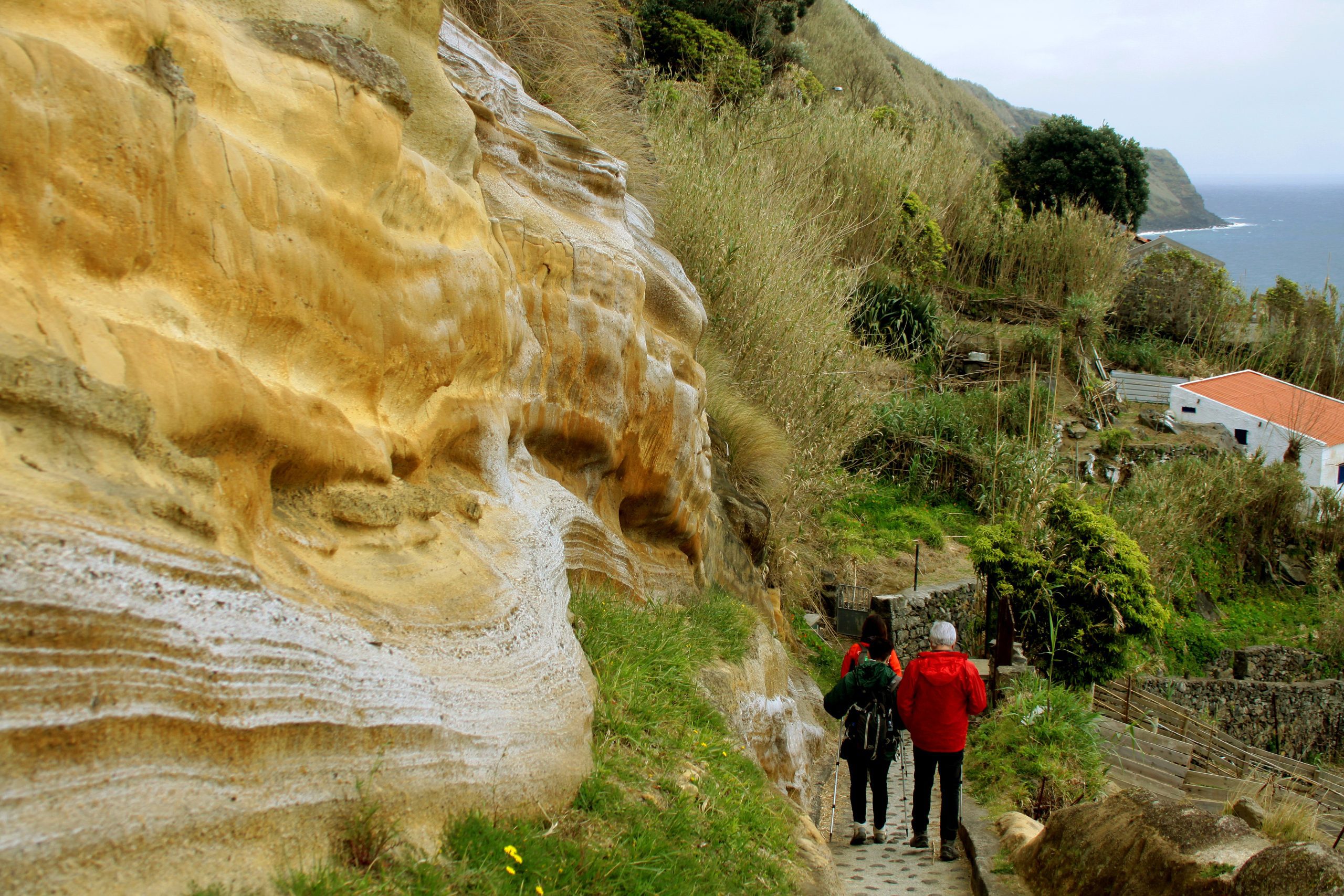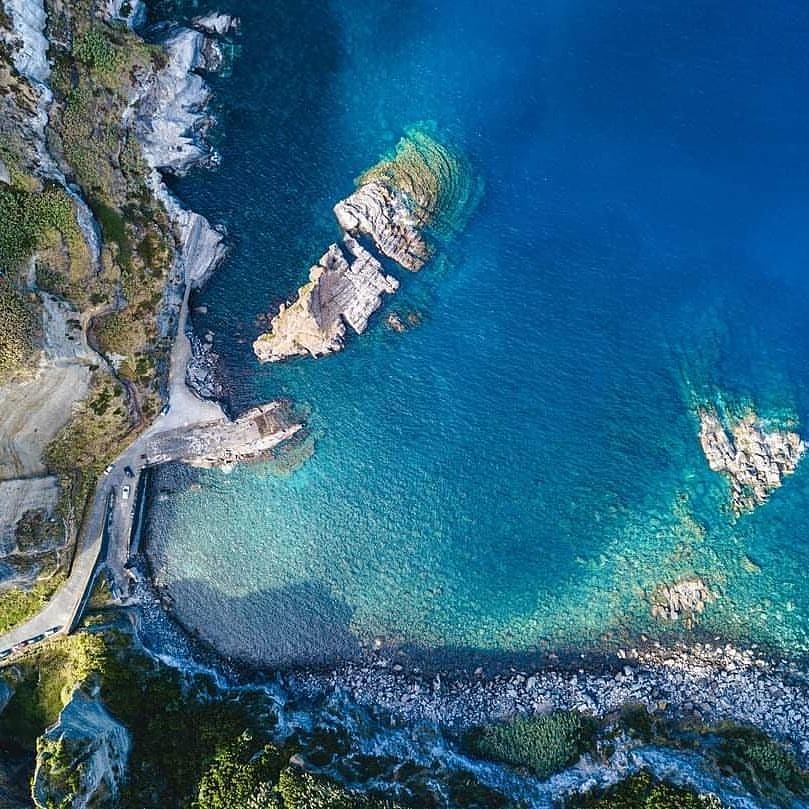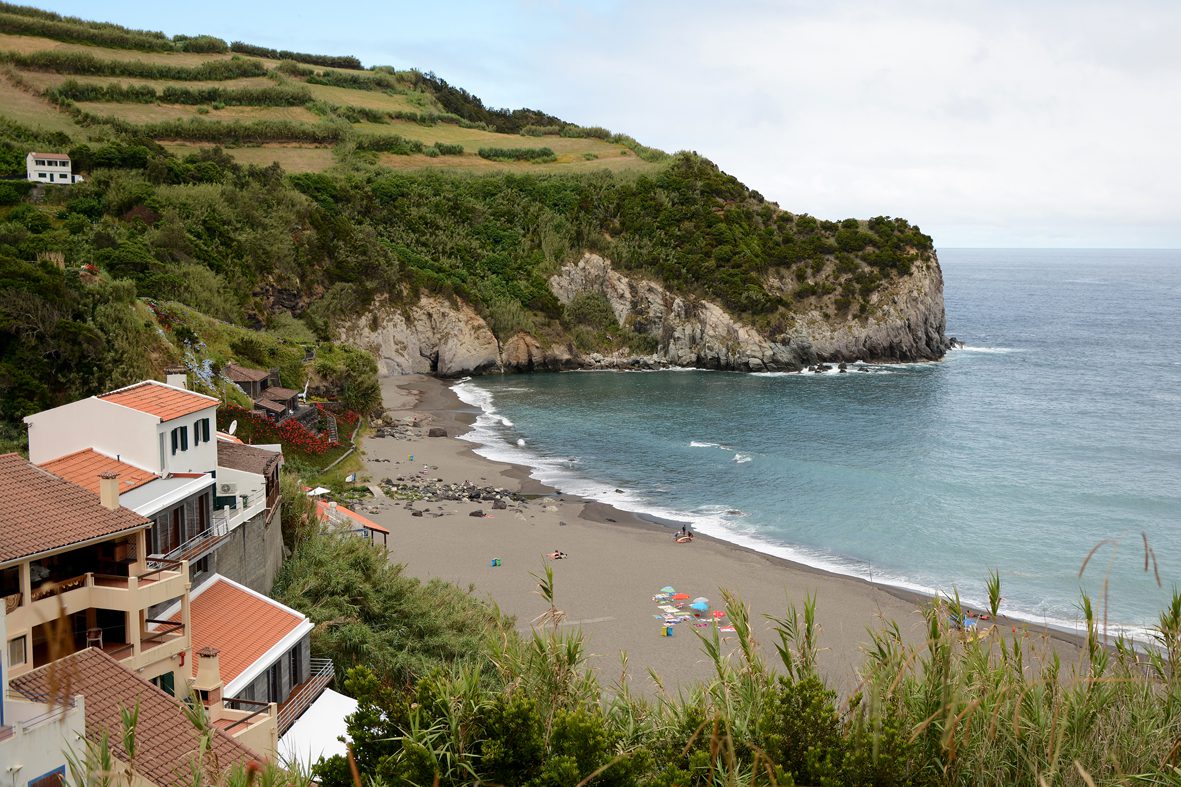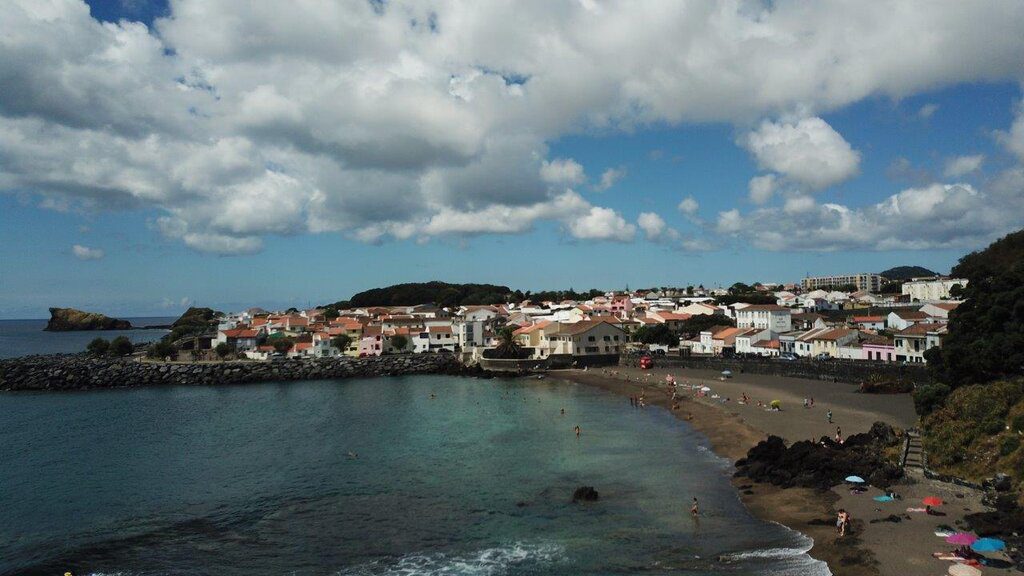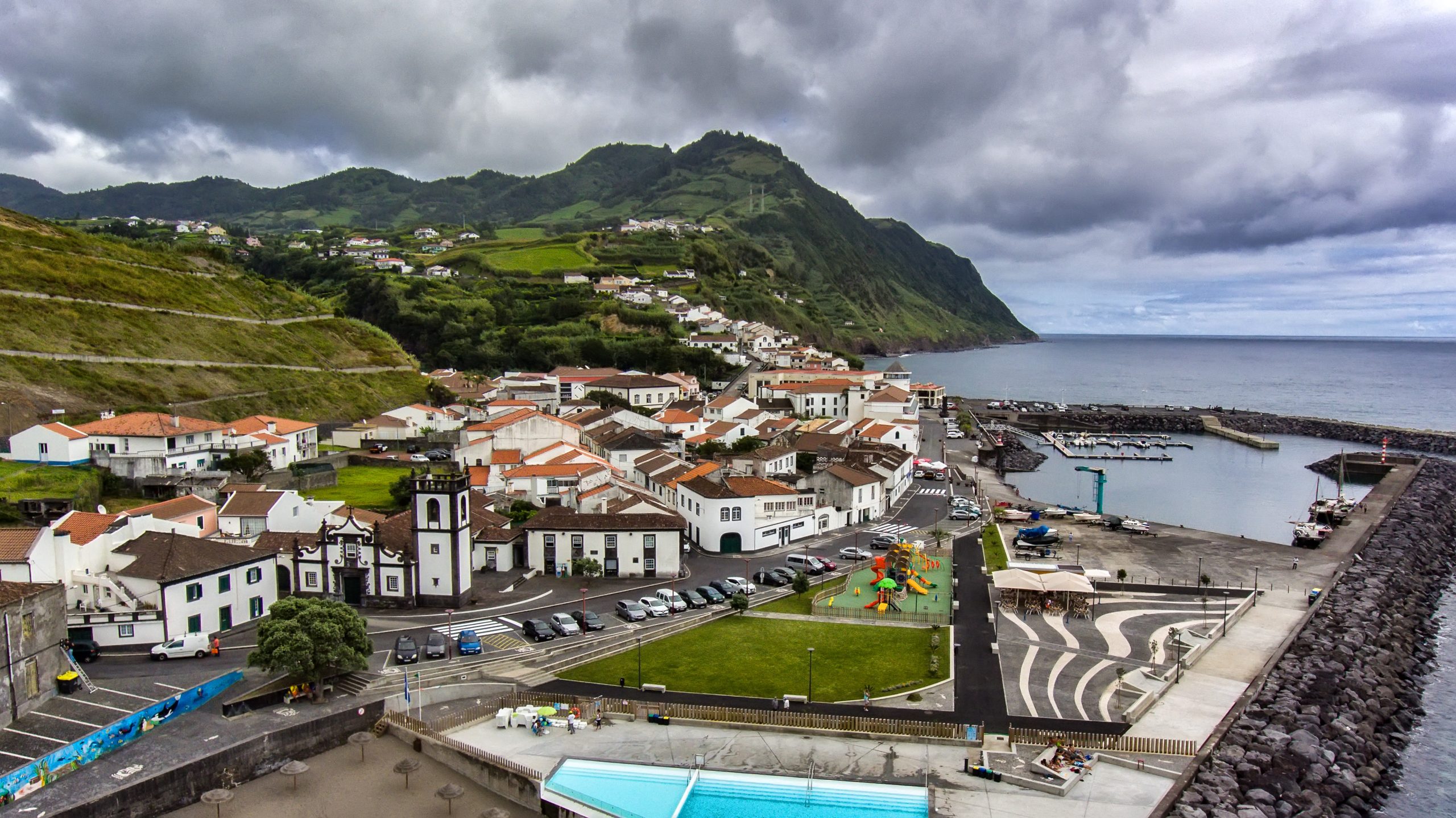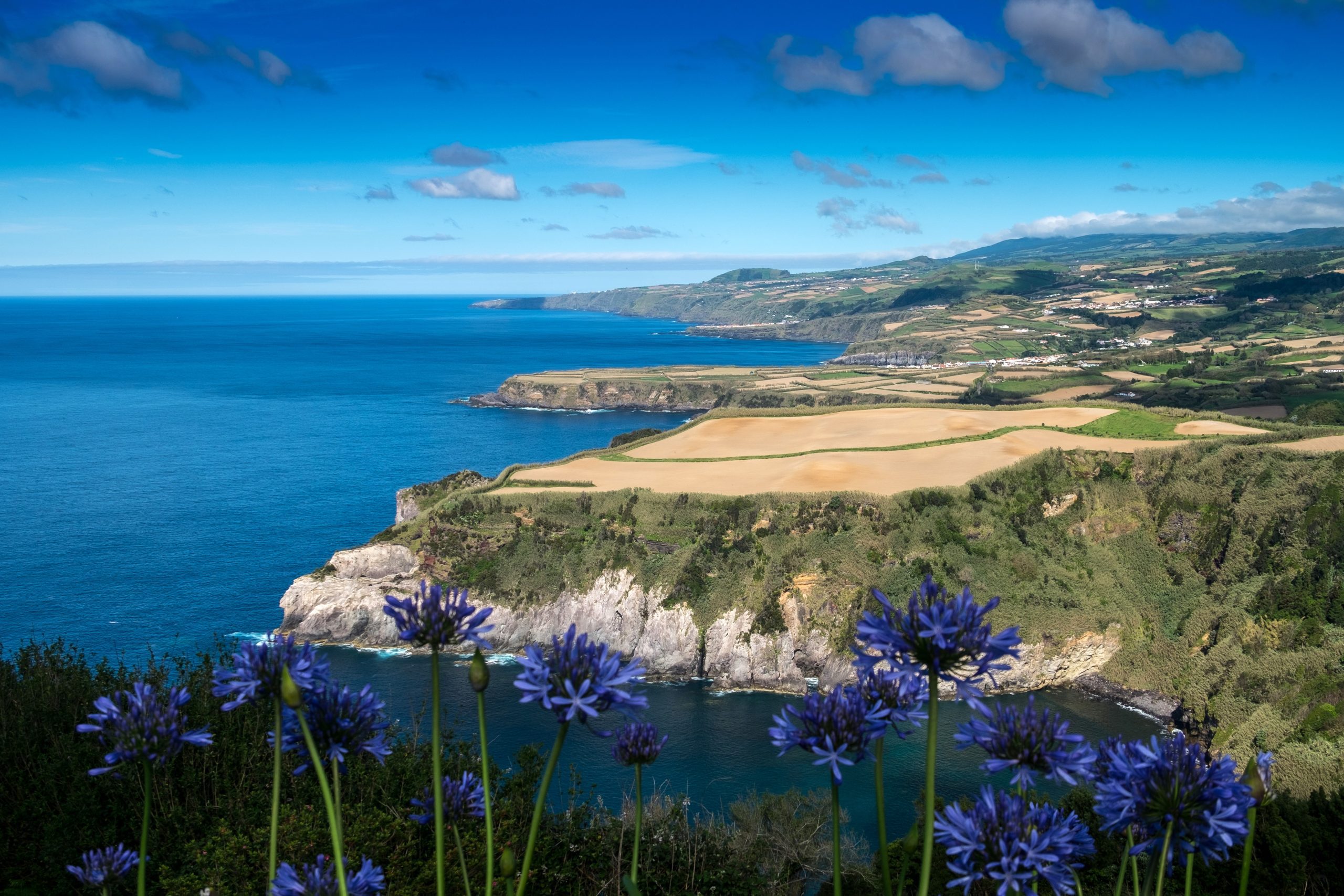






When exploring the northern coast of São Miguel Island, most travelers seek out the island’s famous volcanic viewpoints. However, to experience the Azores’ authentic cultural soul, you must visit the northern shoreline. Nestled in the municipality of Ribeira Grande sits Rabo de Peixe Harbor (Porto de Pescas de Rabo de Peixe in Portuguese). This location remains one of the largest and most traditional artisanal fishing ports in the entire archipelago.
Far from a standard tourist stop, this bustling harbor offers a raw, fascinating look into local maritime heritage. Here is why you should add this unique coastal spot to your Azorean itinerary!
The Beating Heart of Azorean Fishing Culture

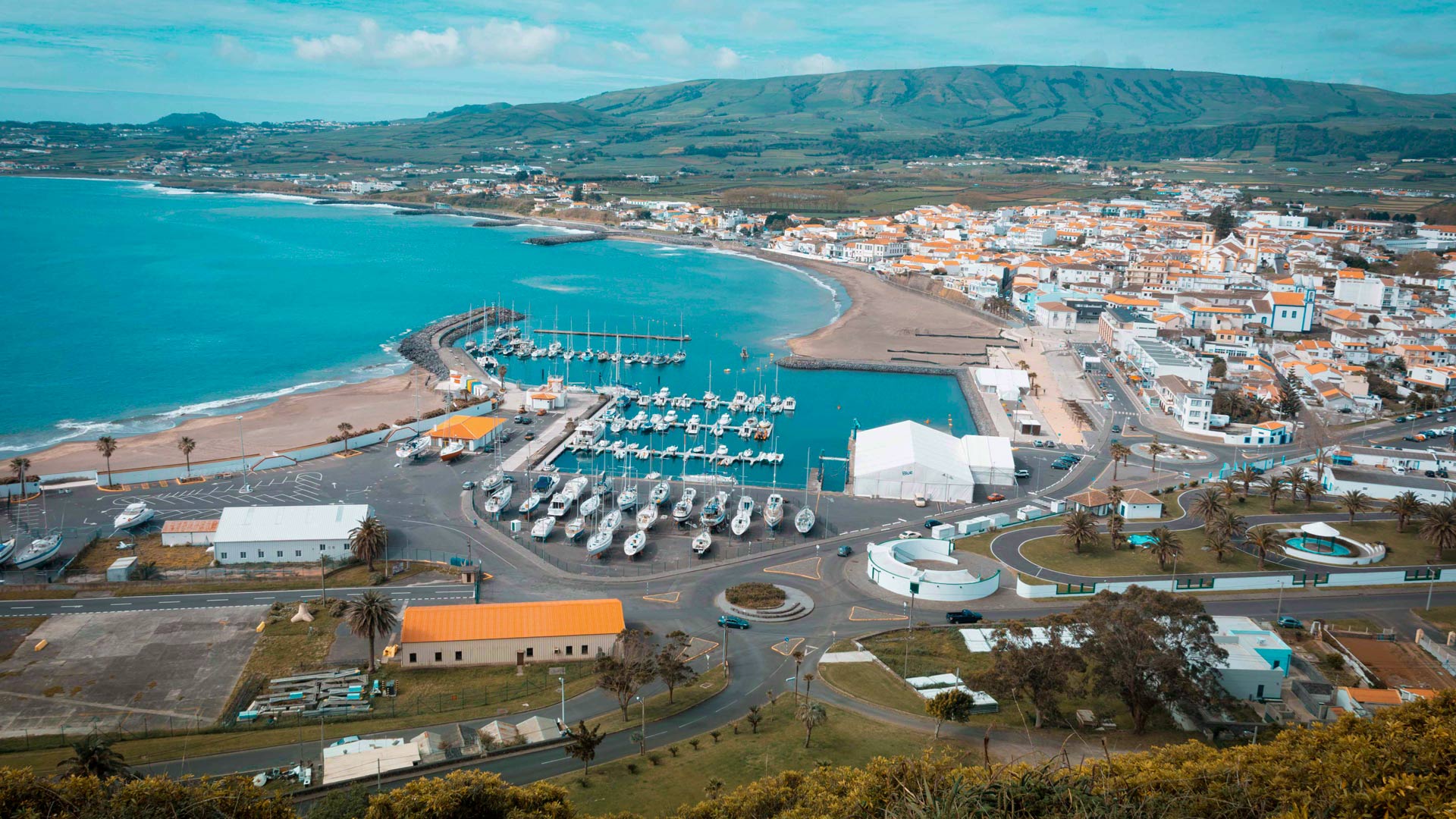
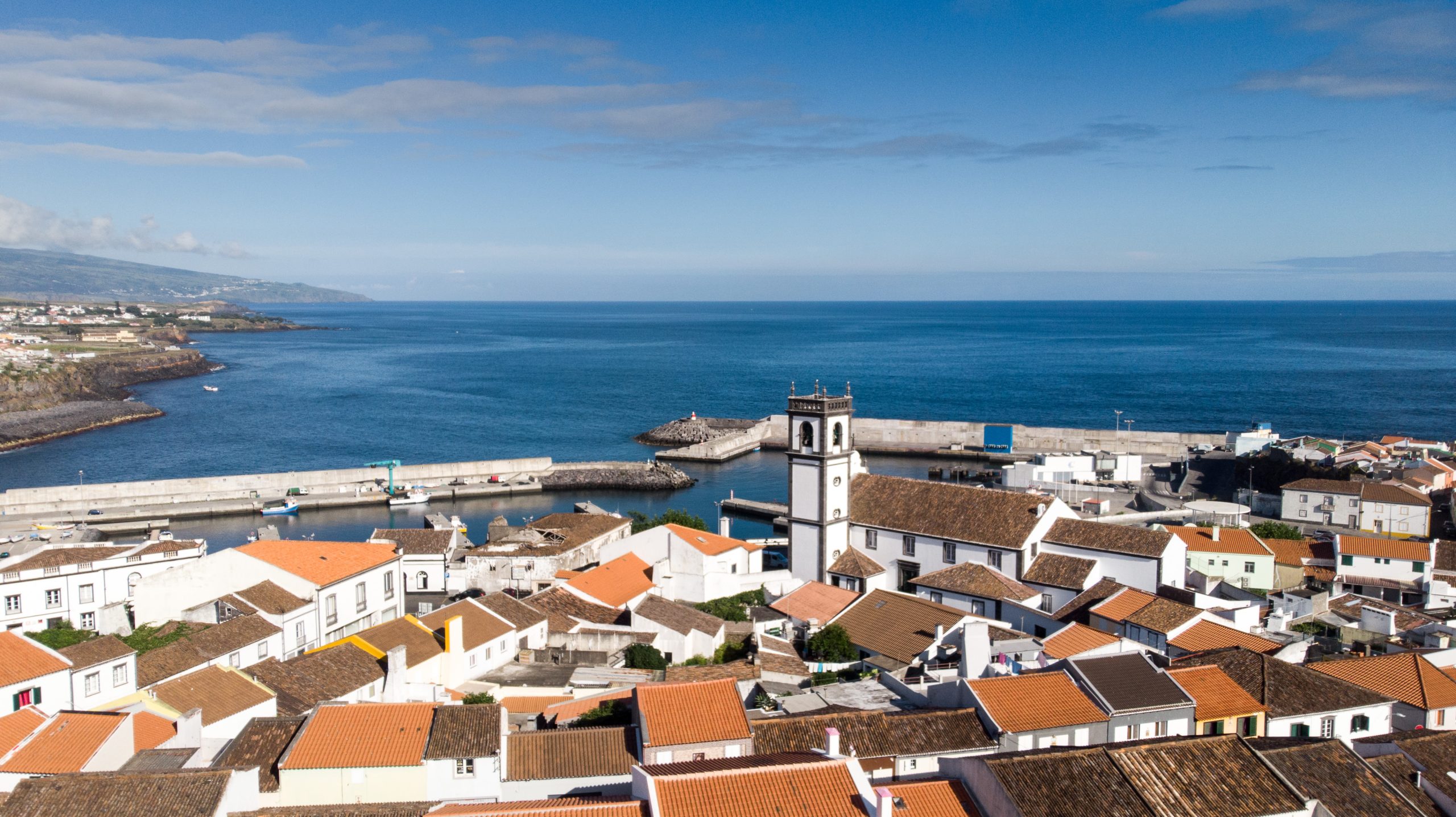
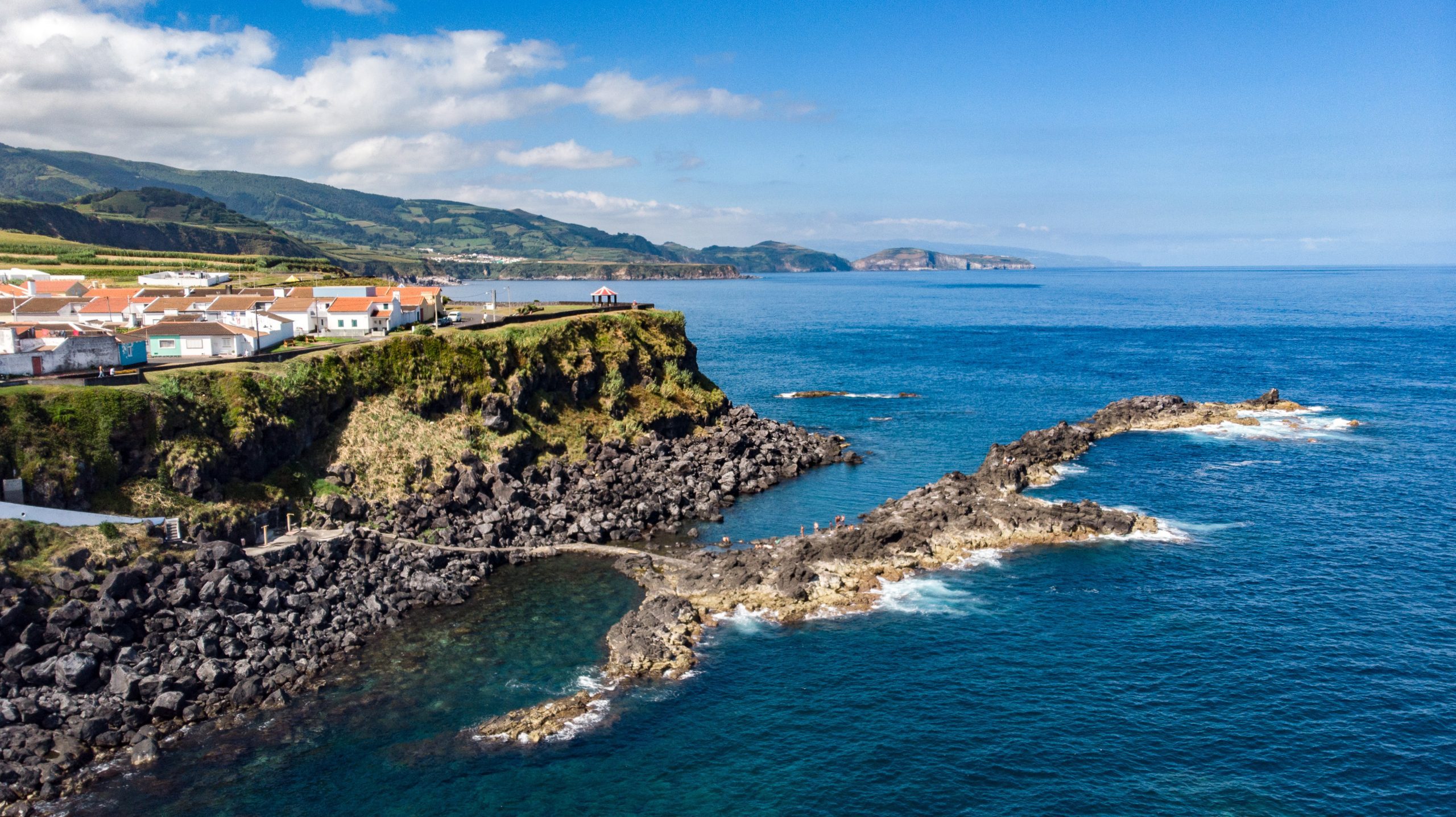
Rabo de Peixe holds a centuries-old connection to the Atlantic Ocean. The local community revolves deeply around maritime traditions. At the waterfront, the vibrant port is the daily hub of activity. It acts as the home base for hundreds of artisanal fishermen. These locals navigate the open seas using traditional, colorful wooden boats.
Visiting the Rabo de Peixe Harbor lets you experience an authentic way of life. In the early morning, the area buzzes with intense energy. You can watch crews unload a variety of species caught directly from the deep ocean. Fishermen expertly untangle large nets, share seafaring stories, and prepare their vessels for the next journey.
Furthermore, this community plays a vital role in regional sustainability. Most local fishermen still practice selective, artisanal line-fishing methods. This careful approach protects fragile marine ecosystems and aligns perfectly with the conservation values we promote at Futurismo.
What to See and Do at the Rabo de Peixe Harbor?

While the port functions as a workspace, it offers unique visual experiences for cultural travelers:
- The Colorful Fleet: Walk safely along the upper docks to admire the traditional wooden boats. Their bright colors offer beautiful photography opportunities.
- Ermida de Nossa Senhora do Rosário: Visit this historic chapel overlooking the sea. For generations, families have gathered here to pray for the safe return of their fishermen.
- Taste the Fresh Catch: After exploring, visit a nearby local tavern. You can taste authentic seafood dishes made with the freshest fish available on the island.
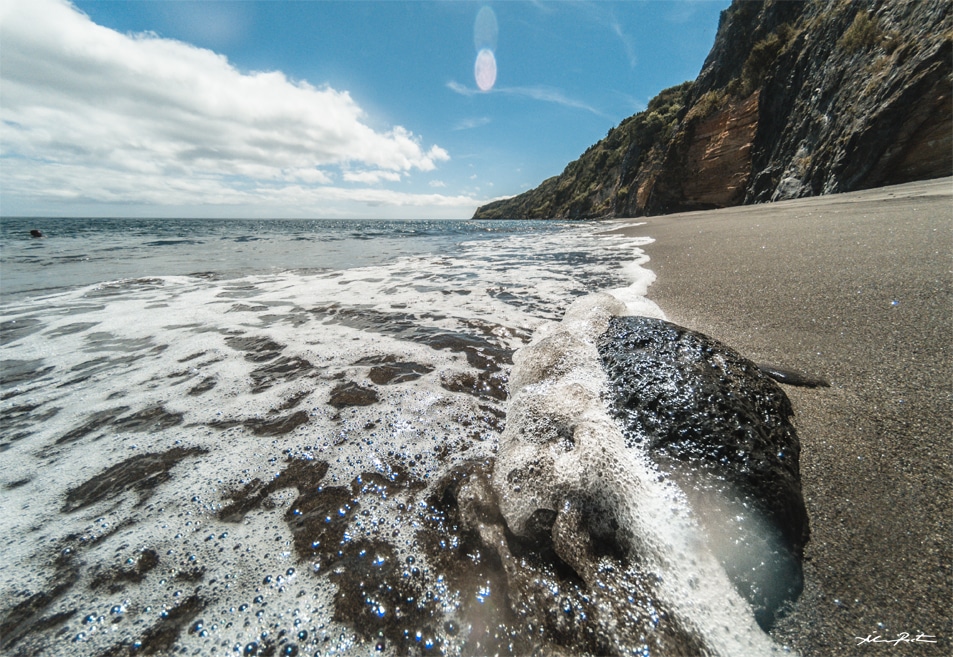
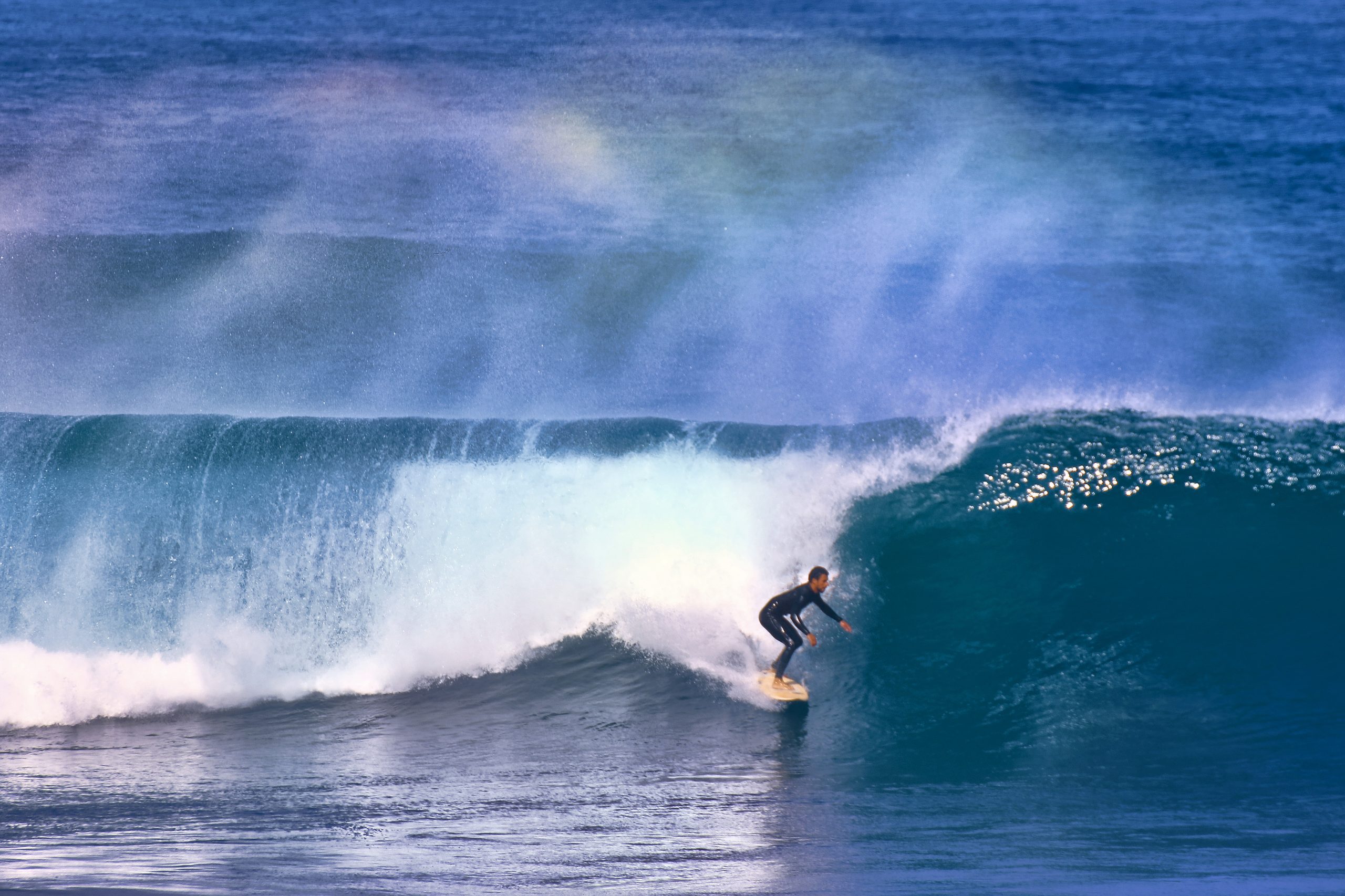
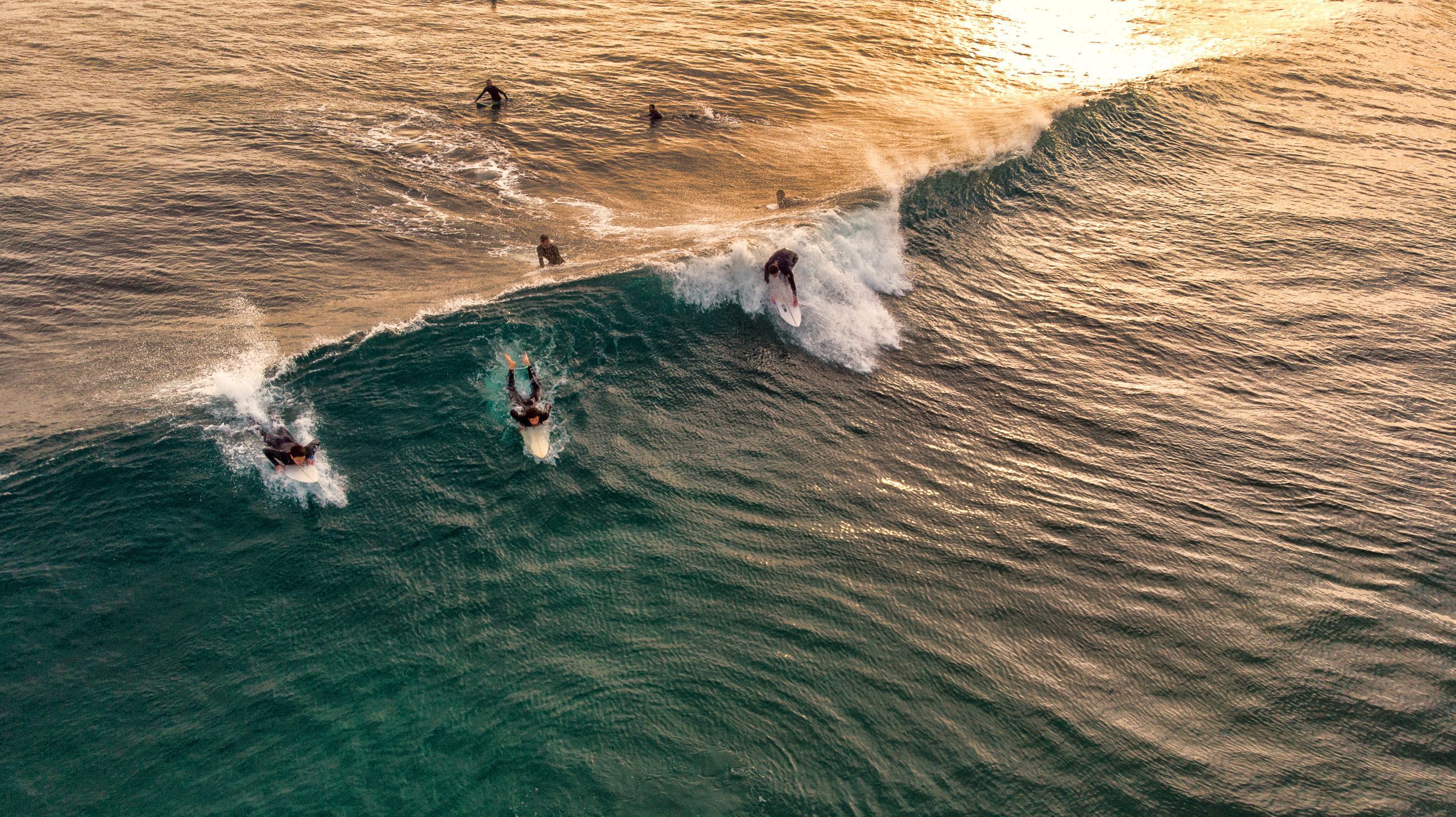
- Enjoy the Ocean: Rabo de Peixe offers fabulous conditions for surfers, fishermen, boaters, and ocean adventurers along the coasts. If you are an expert surfer, then the big waves will be your preference, but if you prefer fishing, then you can catch fish from the rich Atlantic waters. At sunrise, the early morning departure of local fishermen offers an opportunity to relax and witness the village’s maritime heritage.
Plan Your Visit to Rabo de Peixe Harbor

How to Get to Rabo de Peixe
Rabo de Peixe sits on the scenic north coast of São Miguel Island, making it highly accessible for travelers. The easiest way to reach the village and its historic fishing port is by rental car, a 20-minute drive from Ponta Delgada via the regional highway.
If you prefer public transportation, regular daily buses connect the capital to Ribeira Grande, stopping directly in the center of Rabo de Peixe. Once you arrive in the village, simply follow the main roads downhill toward the coastline to find the vibrant harbor area.
Planning a trip to the Azores? These articles will help you: How to Get to the Azores 🗺️ | Azores airports 🛬 | Flights between islands ✈️ | Ferries between islands ⛴️ | Which island to choose? 🏝️ | What airlines fly to the Azores? 🛩️
Best Time to Visit
São Miguel Island enjoys a mild, unpredictable maritime climate year-round, so outdoor conditions can change quickly. Regardless of the weather, the absolute best time to experience the true essence of Rabo de Peixe is in the mornings.
We highly recommend arriving early at Rabo de Peixe Harbor to witness the local fishing community in its authentic morning routine. This precise timing ensures you see the colorful traditional boats returning from the ocean to drop off their fresh daily catch. It is also the perfect opportunity to experience the authentic energy of the fishing market at its best.
Check all our articles about the weather in the Azores throughout the year 🌤️ ☔️: January | February | March | April | May | June | July | August | September | October | November | December
Where to Eat
Click on the following link to find a place to eat near Rabo de Peixe. It will take you to TripAdvisor, where you can review the 10 best restaurants.
→ Explore the authentic flavors of Azorean gastronomy in our articles: Bolos Lêvedos | Cozido das Furnas | Grilled Limpets | Massa Sovada | Pimenta da Terra | Gorreana Tea | Queijadas de Vila Franca do Campo | Queijadas da Graciosa | Azorean Cracas
Where to Stay
Searching for the perfect place to stay? We’ve made it easy by filtering top accommodation options from Airbnb and Booking. Here, you’ll find the ideal place to stay and enjoy your visit!
Pro Tips
Rabo de Peixe residents show warm hospitality while maintaining a strong respect for their privacy and customs. When visiting the harbor, keep these essential points in mind to ensure a respectful and rewarding experience.
- Support Local Businesses: Support the economy directly by visiting traditional taverns near the waterfront. Taste regional specialties like caldeirada de peixe (fish stew) or freshly grilled tuna.
- Respect Worker Boundaries: Remember that this is an active, industrial workspace. Always respect the fishermen’s routines, stay clear of moving machinery, and ask permission before taking close-up portraits.
- Stick to Maritime Areas: Always appreciate the harbor as an invited guest, not as a fictional spectacle. Keep your exploration strictly to the main docks, historical landmarks, and public visitor areas.

Nearby Attractions
Ribeira Grande

Ribeira Grande, the island’s surf capital, is a beautiful coastal city on the north coast of São Miguel. It stands proudly as the second-largest city on the island after Ponta Delgada. The vibrant town center features historic churches, a lively farmers’ market, and scenic rivers. Beyond the city streets, the surrounding municipality offers an incredible variety of natural wonders and breathtaking landscapes.
Check all our articles about each one of the most relevant points of interest in Ribeira Grande: Caldeiras da Ribeira Grande | Ribeira Grande | Miradouro da Bela Vista | Lagoa de São Brás | Porto de Santa Iria | Poços de São Vicente | Praia dos Moinhos | Salto do Cabrito | Miradouro de Santa Iria | Rabo de Peixe | Pico da Barrosa | Areal de Santa Bárbara | Miradouro Vigia da Baleia | Jardim Municipal da Ribeira Grande | Waterfalls of Ribeira Grande | Rabo de Peixe Harbor | Best Surf Spots in the Azores
Sete Cidades

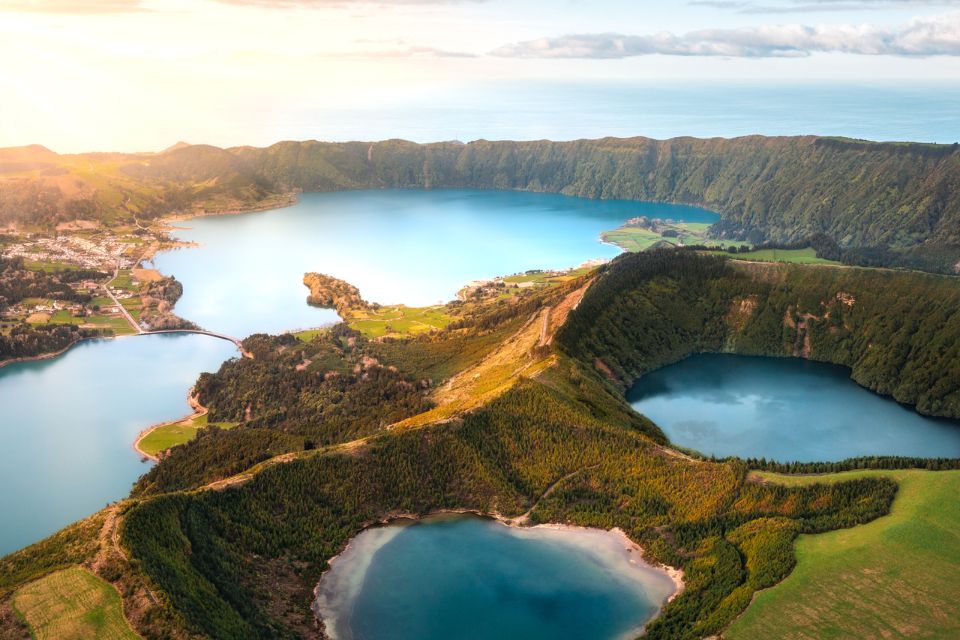
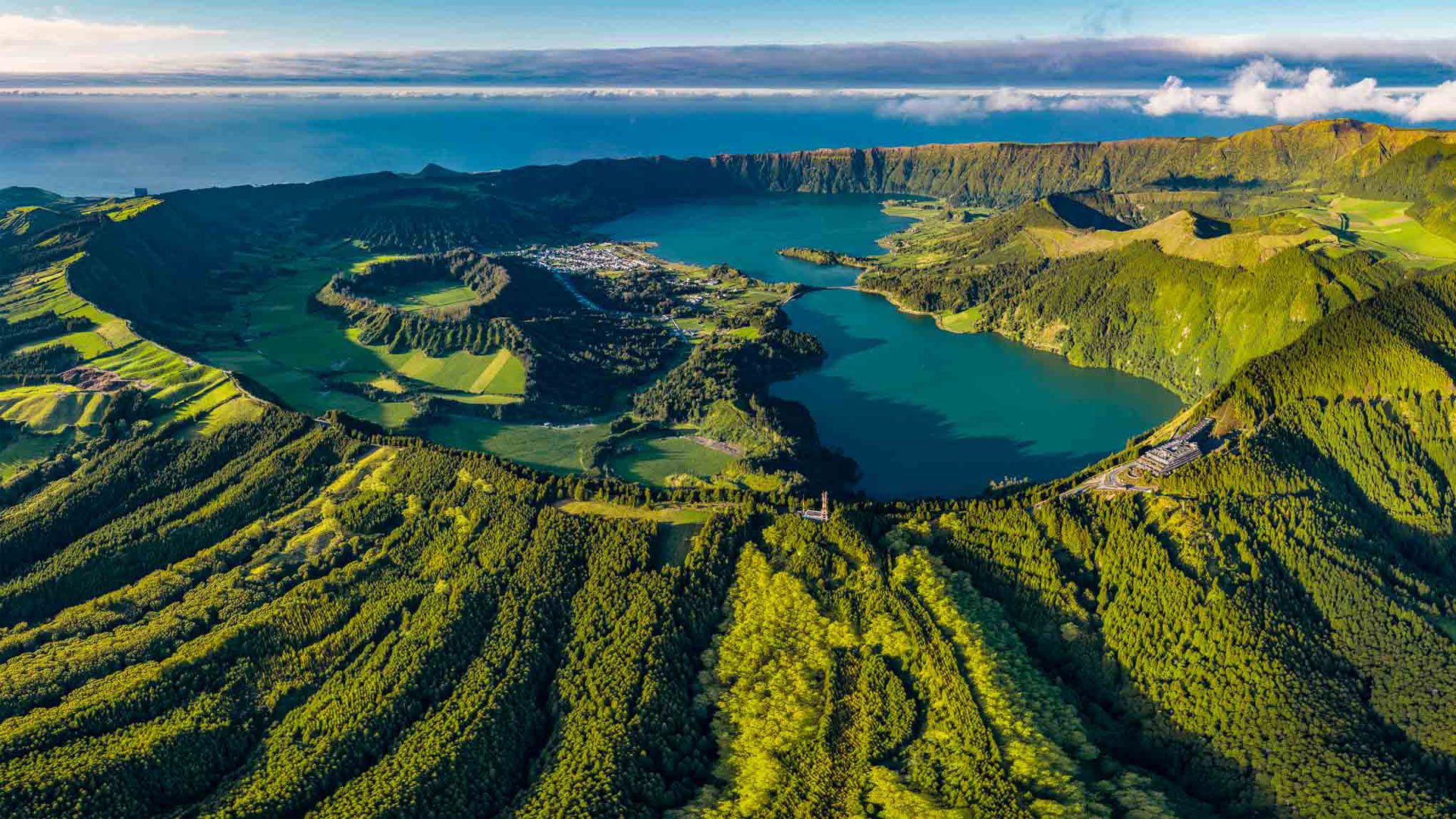
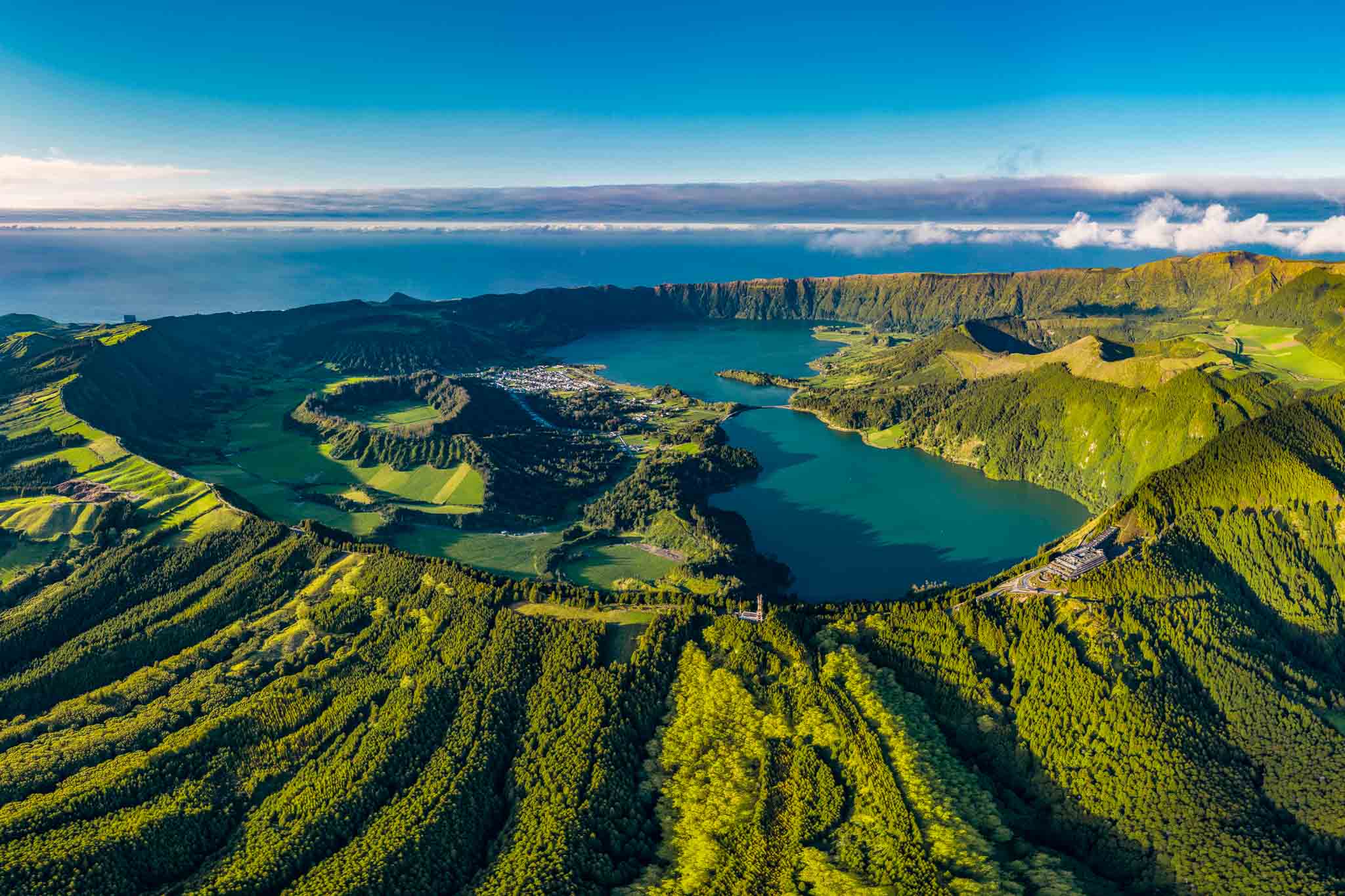
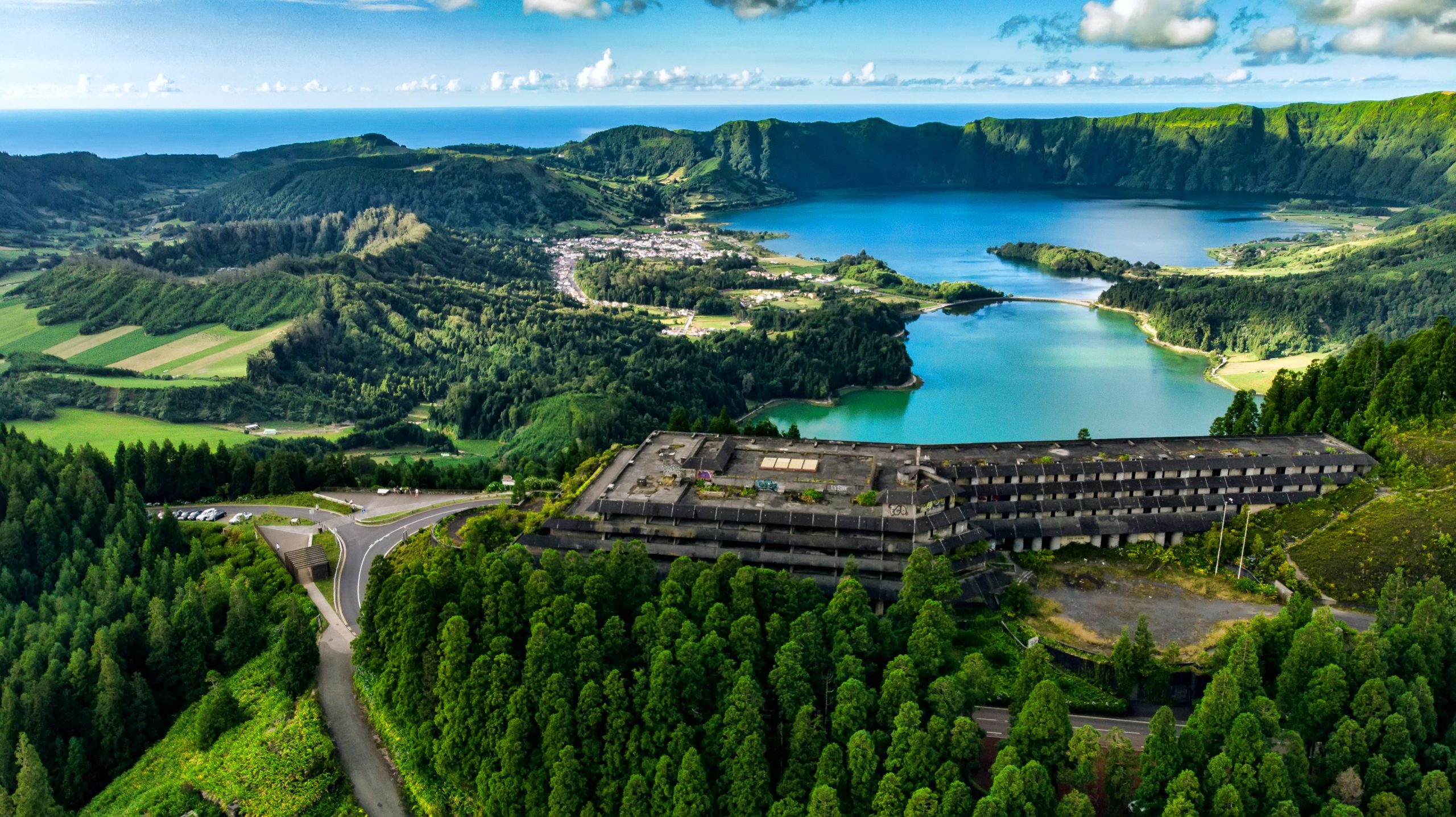
Sete Cidades is a mystical and world-famous volcanic parish located on the western side of São Miguel Island. This quiet village sits directly inside a massive volcanic crater, surrounded by lush green walls. The area’s main treasures include the stunning blue-and-green twin lakes, peaceful walking trails, and traditional whitewashed houses. It stands proudly as one of the most iconic natural wonders of the entire Azores archipelago.
Check all our articles about each one of the most relevant points of interest in Sete Cidades: Caldeira Seca | Janela do Inferno | Miradouro da Grota do Inferno | Lagoa das Empadadas | Sete Cidades | Lagoa das Sete Cidades | Lagoa de Santiago | Lagoa do Canário | Lagoa do Congro | Miradouro das Cumeeiras | Monte Palace Hotel | Sete Cidades Legend | Miradouro da Vista do Rei | Lagoa de Santiago Viewpoint | Pico da Vara | Caldeira das Sete Cidades
Nordeste

Nordeste is a peaceful and remote municipality located on the eastern end of São Miguel Island. Known as the wildest region, it features dramatic coastal cliffs, deep valleys, and extensive native Macaronesian forests. The area’s treasures include beautifully manicured botanical viewpoints, historic lighthouses, hidden waterfalls, and quiet, traditional villages. It offers the perfect destination for travelers seeking pure nature and absolute tranquility.
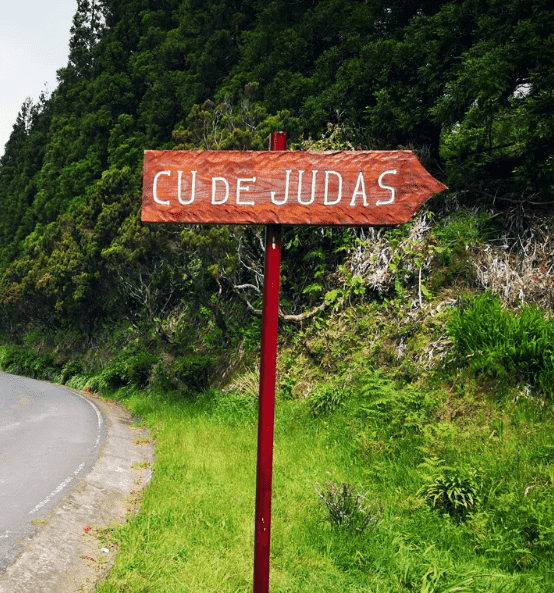
Check all our articles about each one of the most relevant points of interest in Nordeste: Cu de Judas | Nordeste | Farol do Arnel | Faial da Terra | Ponta do Sossego | Miradouro do Salto da Farinha | Pico da Vara | Pico dos Bodes | Poço Azul | Ribeira dos Caldeirões | Miradouro da Boca da Ribeira | Ponta da Madrugada | Miradouro Vigia da Baleia | Miradouro da Ponta do Arnel | Miradouro da Vista dos Barcos
Complementary Information
Best Season to Visit the Azores
The Azores Archipelago boasts a unique climate that shapes its lush landscapes, making it a splendid year-round destination. With mild temperatures and minimal fluctuations, each season offers something unique. Spring averages 16 °C, summer reaches 21 °C, autumn cools to 18 °C, and winter remains mild at 14 °C.
→ For a detailed breakdown of the weather by month, check the following links 🌤️☔️: January | February | March | April | May | June | July | August | September | October | November | December
How to Get to the Azores
The Azorean Archipelago is easily accessible through numerous flight routes. Lisbon and Porto are the main entry points to the continent, with direct flights available to São Miguel (PDL), Terceira (TER), Faial (HOR), Pico (PIX), and Santa Maria (SMA). To find the best flight, use search engines like eDreams or Skyscanner. These platforms let you compare prices and schedules from multiple airlines in one convenient location.
For more details on how to get to the Azores, take a look at our complete guide. But what if you want to explore beyond your arrival island? We’ve got you covered!
- Azores airports 🛬
- Flights between islands ✈️
- Ferries between islands ⛴️
- Which island to choose? 🏝️
- What airlines fly to the Azores? 🛩️
→ Once you’ve found the perfect route, book your tickets and get ready to experience one of the world’s most stunning island groups!
Travel Essentials
Essential Information for your Azores trip: Azorean Language & Phrases 🗣️ | Currency & Banks 💵 | Credit Cards & Traveler’s Cheques 🏧 | Driving in the Azores 🚗 | Electricity 🔌 | Experiences & Tours 🗺️ | Health & Safety 🩺 | Internet & Wi-Fi Access 🛜 | Phones & Mobile Service 📞 | Post Offices & Buying Stamps ✉️ | Public Holidays 🏖️ | Shopping 🛒 | Time & Daylight 🕒 | Whale Watching Guide 🐳 | Best Island to Visit 🏞️
Useful Tools & Apps
The weather in the Azores can be variable, so it’s helpful to use some apps before visiting the islands. Spotazores provides live camera feeds from the main tourist attractions, allowing you to check the weather and plan your visit. For accurate weather predictions, use Windy or Windguru — they provide the most reliable predictions.
Video
Conclusion
The Rabo de Peixe Harbor offers far more than a beautiful coastal view. It stands as a living testament to the resilient, seafaring identity of São Miguel Island. By stepping away from the standard tourist tracks, you can connect directly with the authentic traditions of the Azores.
Whether you visit to admire the colorful fleet at dawn or to support the community through sustainable local dining, this harbor leaves a lasting impression. Embrace the experience with respect, celebrate the fishermen’s hard work, and discover the true maritime soul of our beautiful island.
Author’s Note
I am pleased to inform you that all the recommendations in this article are based on my personal experience and observations. As the author, I visited each attraction mentioned, ensuring every suggestion is grounded in first-hand knowledge and genuine enthusiasm.
FAQs
The Rabo de Peixe Harbor is located on the northern coast of São Miguel Island. It sits in the municipality of Ribeira Grande, just a 15-minute drive from the capital, Ponta Delgada.
The best time to visit is during weekday mornings. Arriving early allows you to witness the fleet’s authentic energy as they return and unload their fresh daily catch.
Yes, the harbor is safe to visit. However, remember it is an active industrial workplace. Always stay alert, keep a safe distance from moving machinery, and respect the workers’ privacy.
You should definitely visit a local tavern to taste the fresh catch of the day. Do not miss regional specialties like caldeirada de peixe (traditional fish stew) or freshly grilled tuna.
Yes. Most local fishermen still use traditional, selective line-fishing methods. This artisanal approach helps minimize environmental impact and protects fragile marine ecosystems.