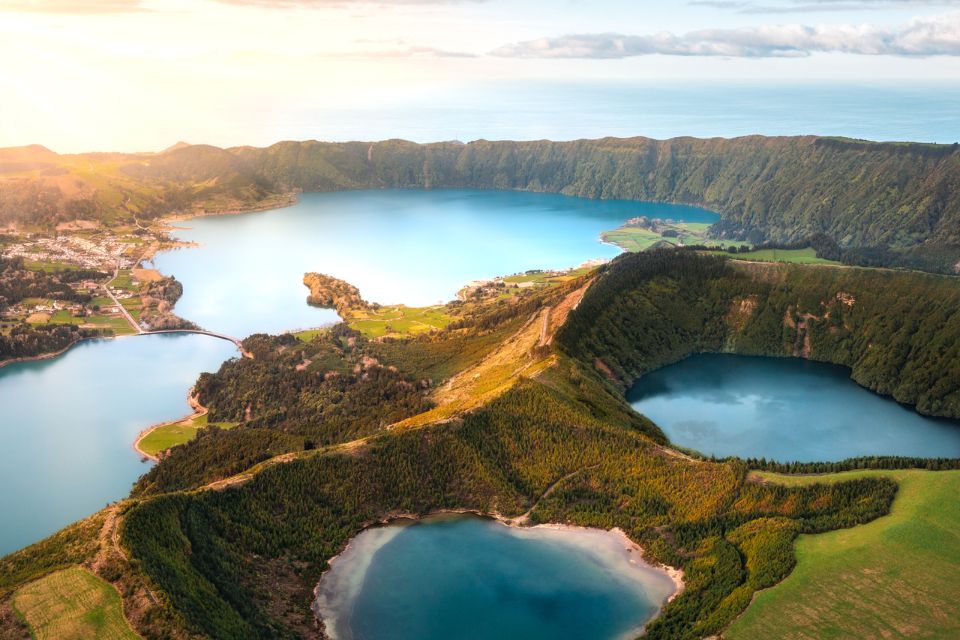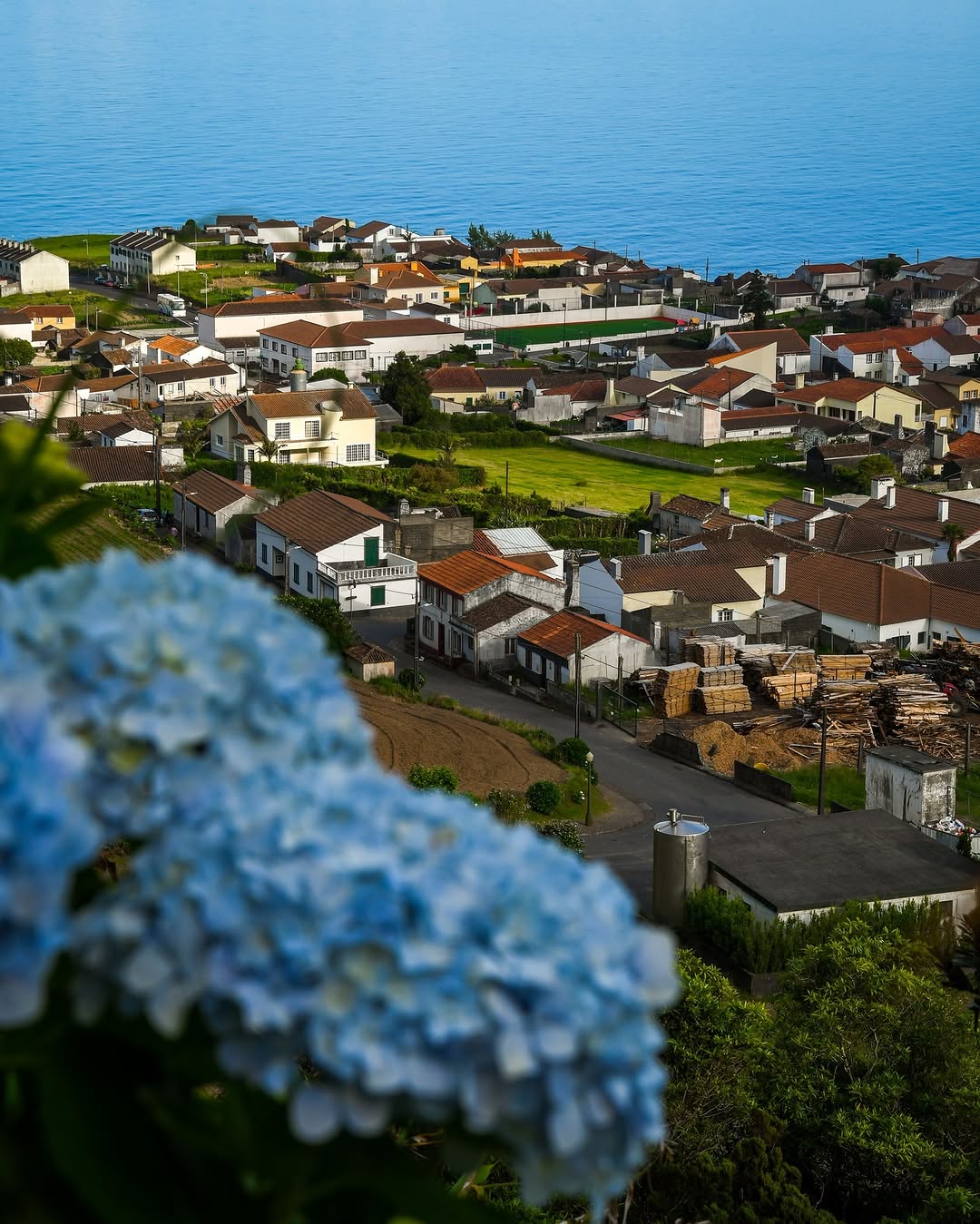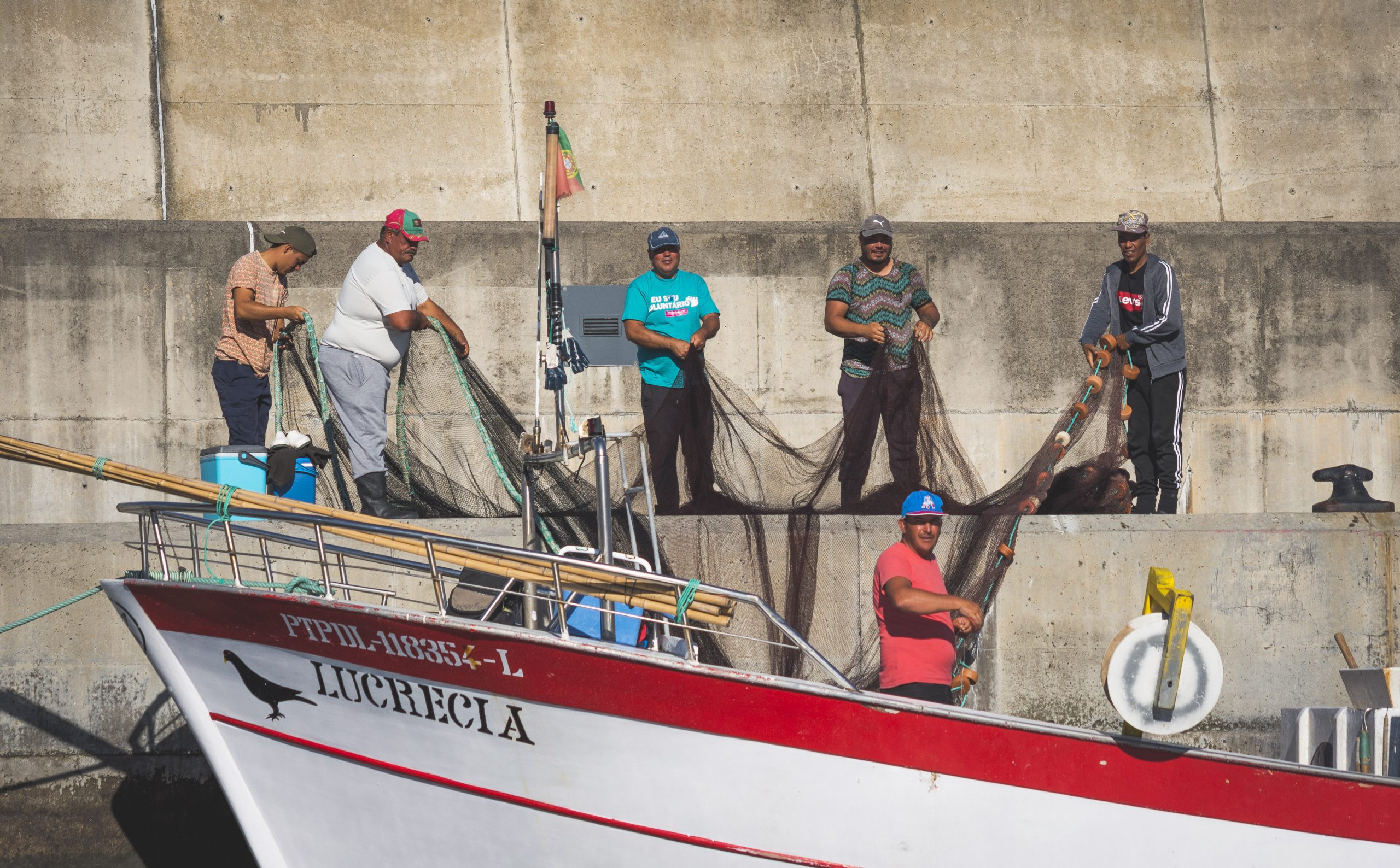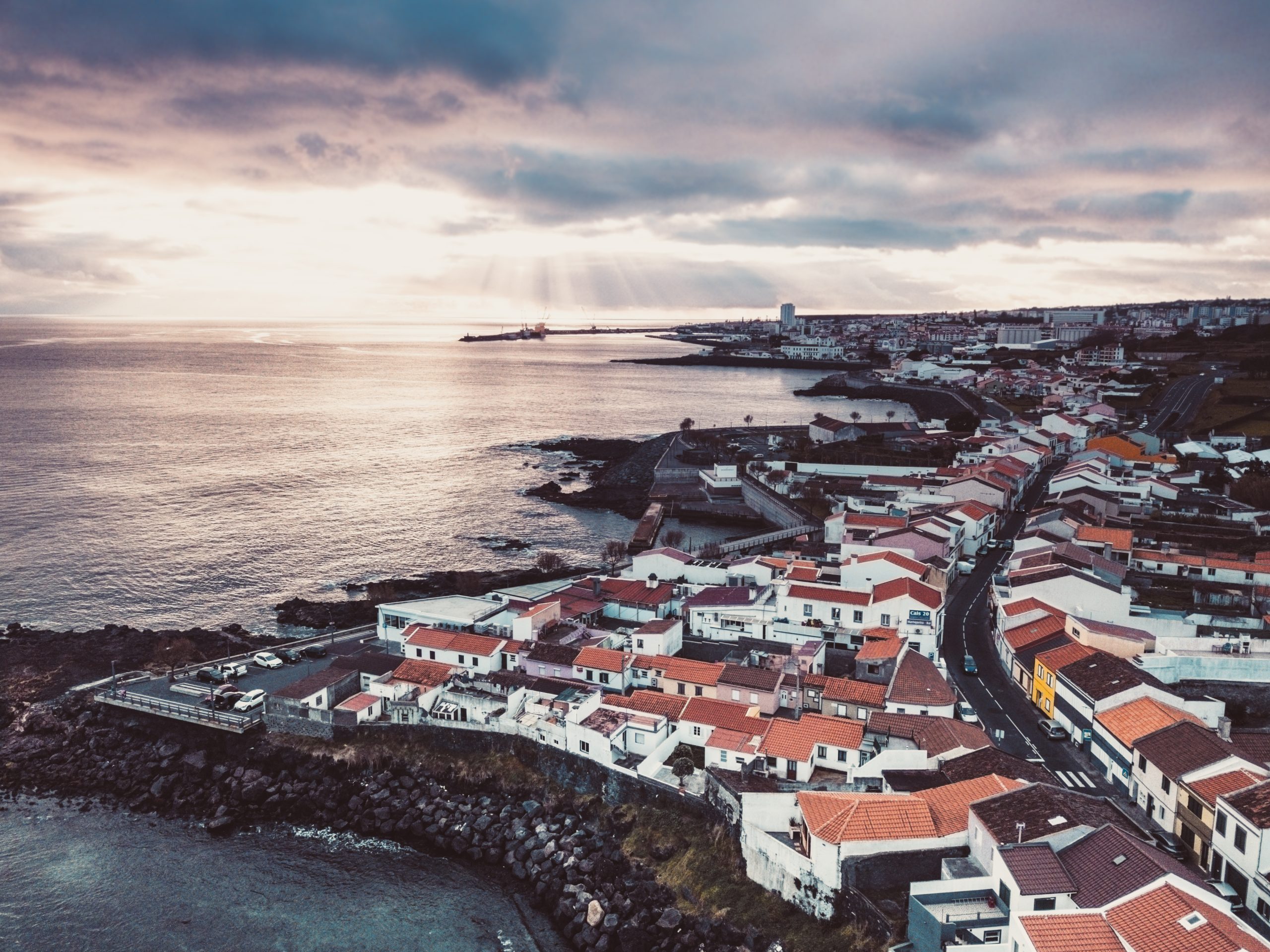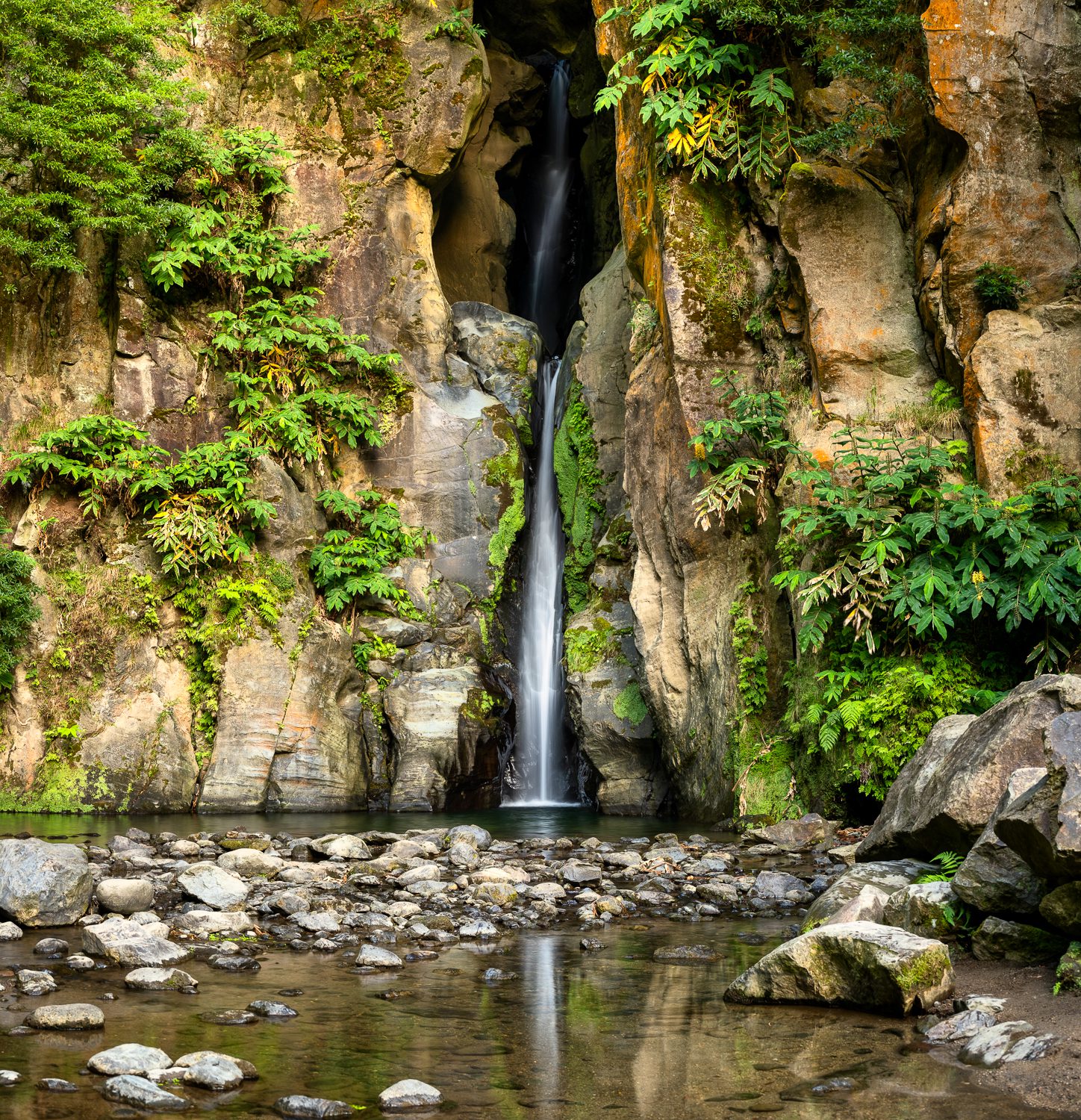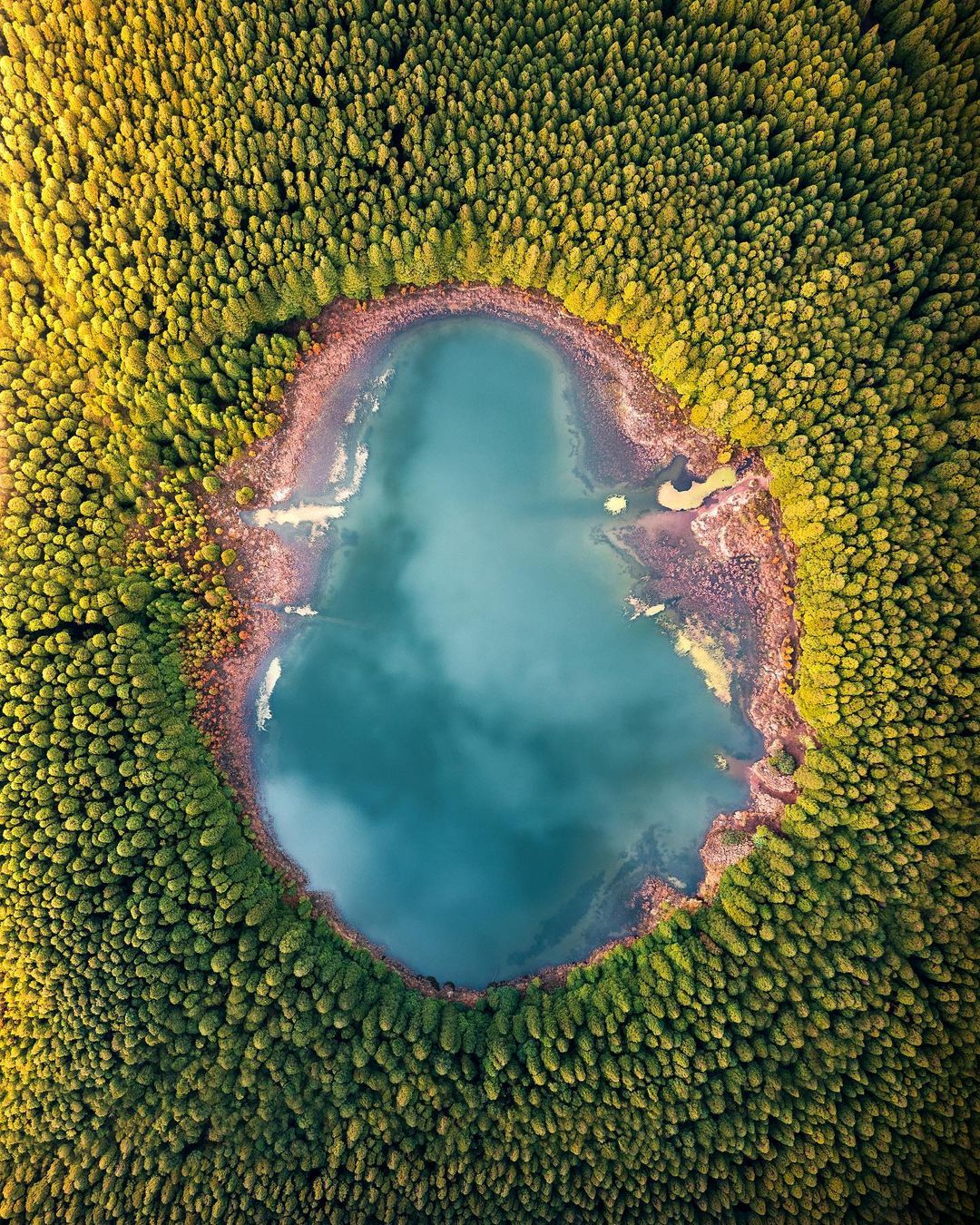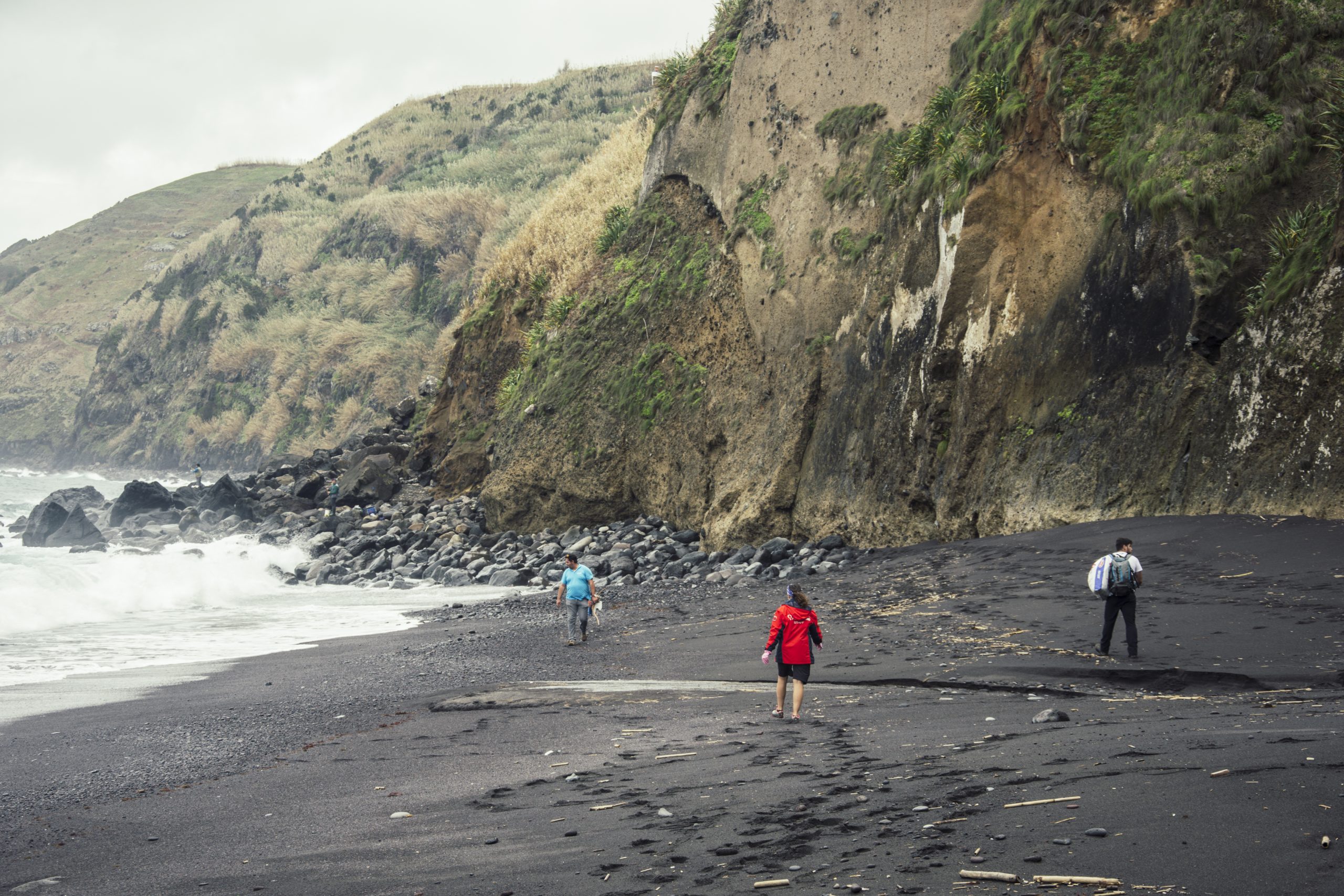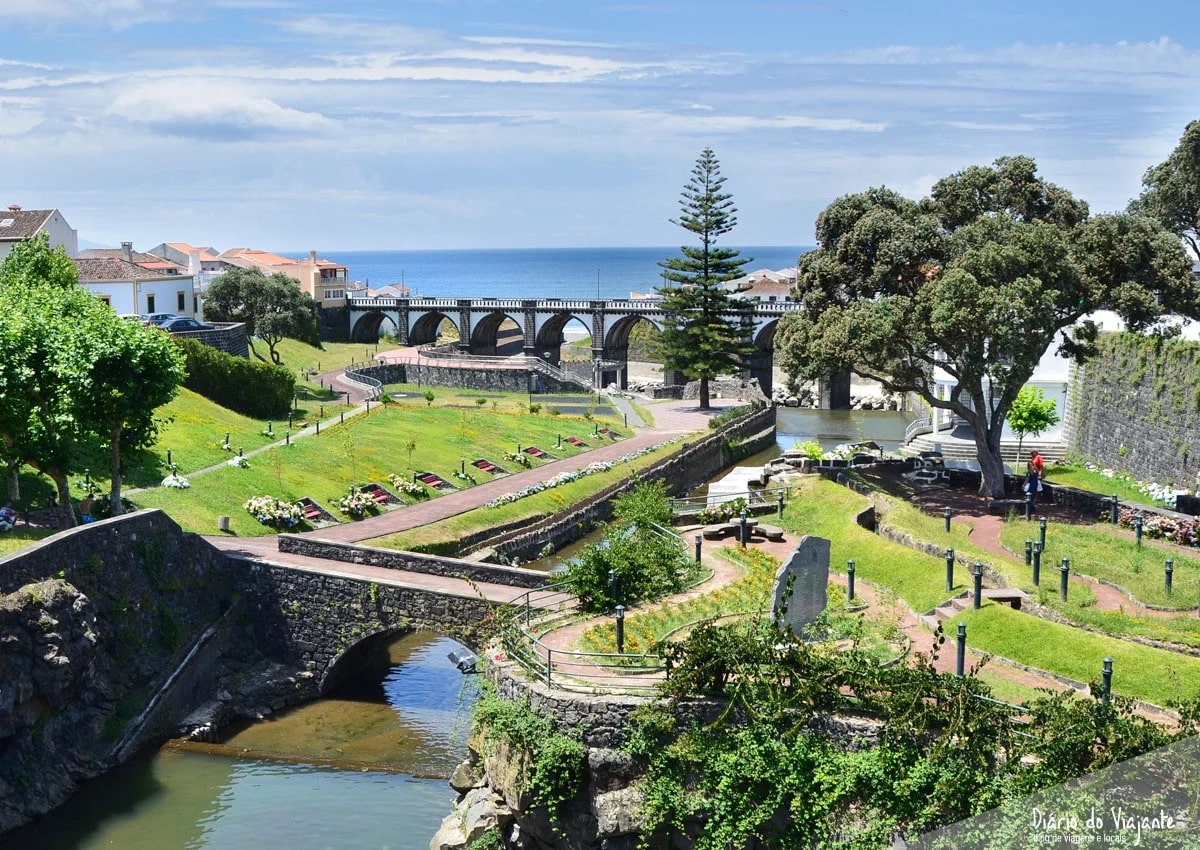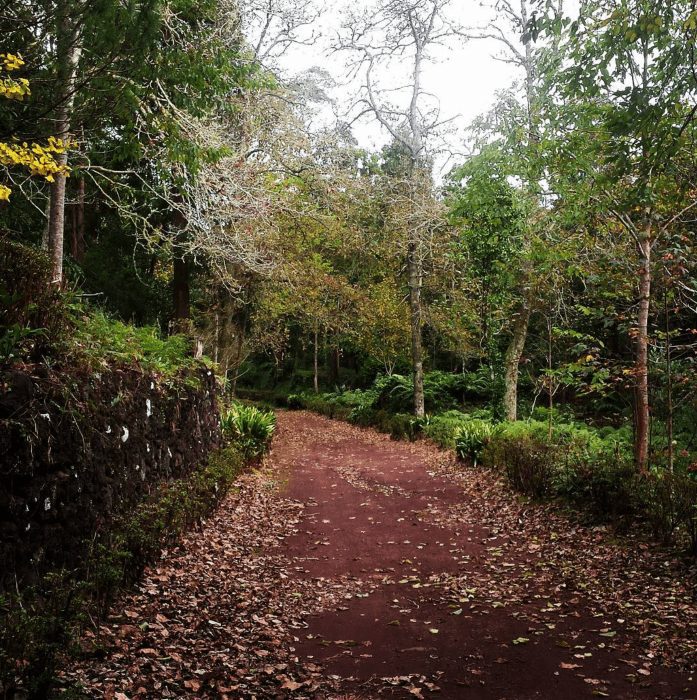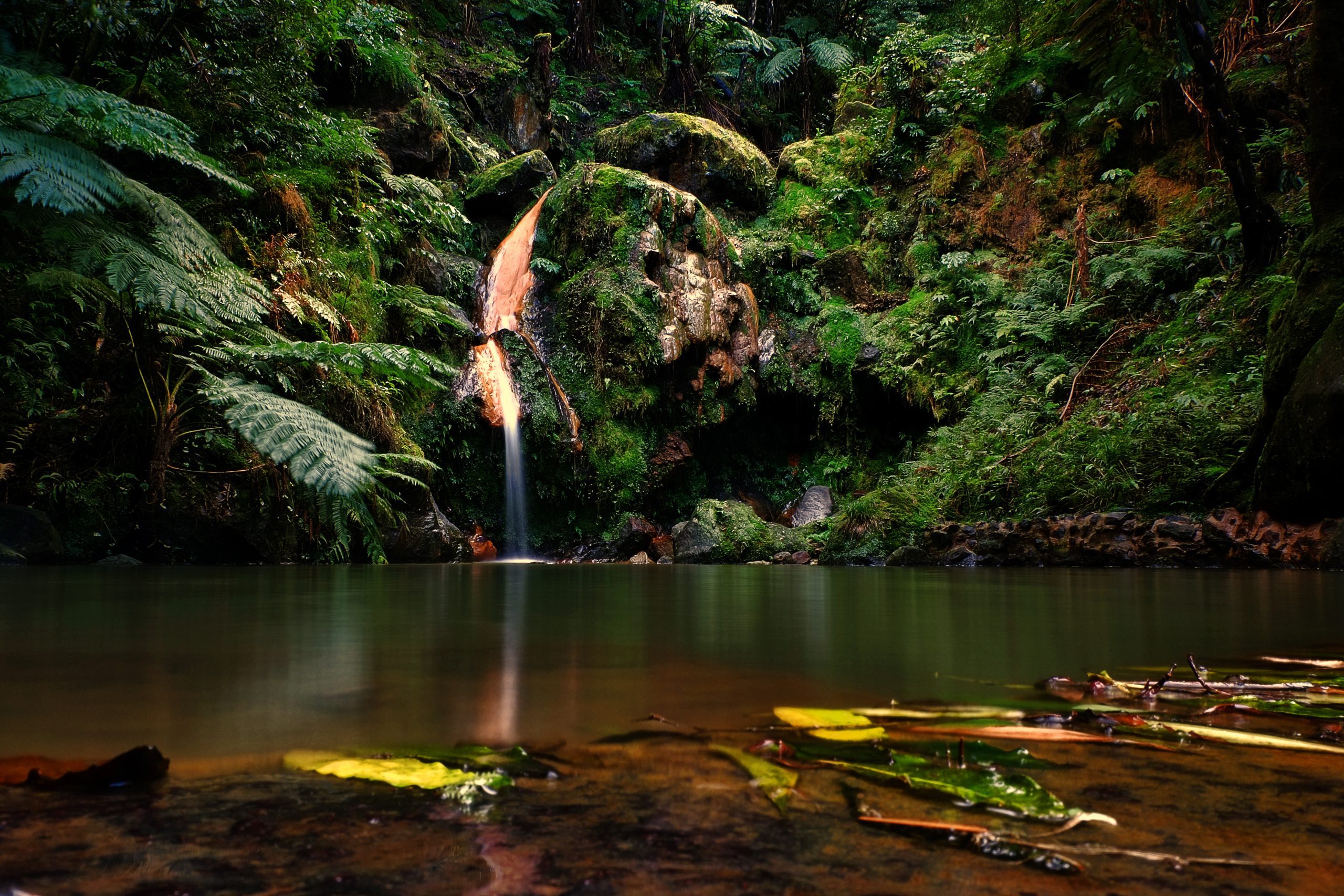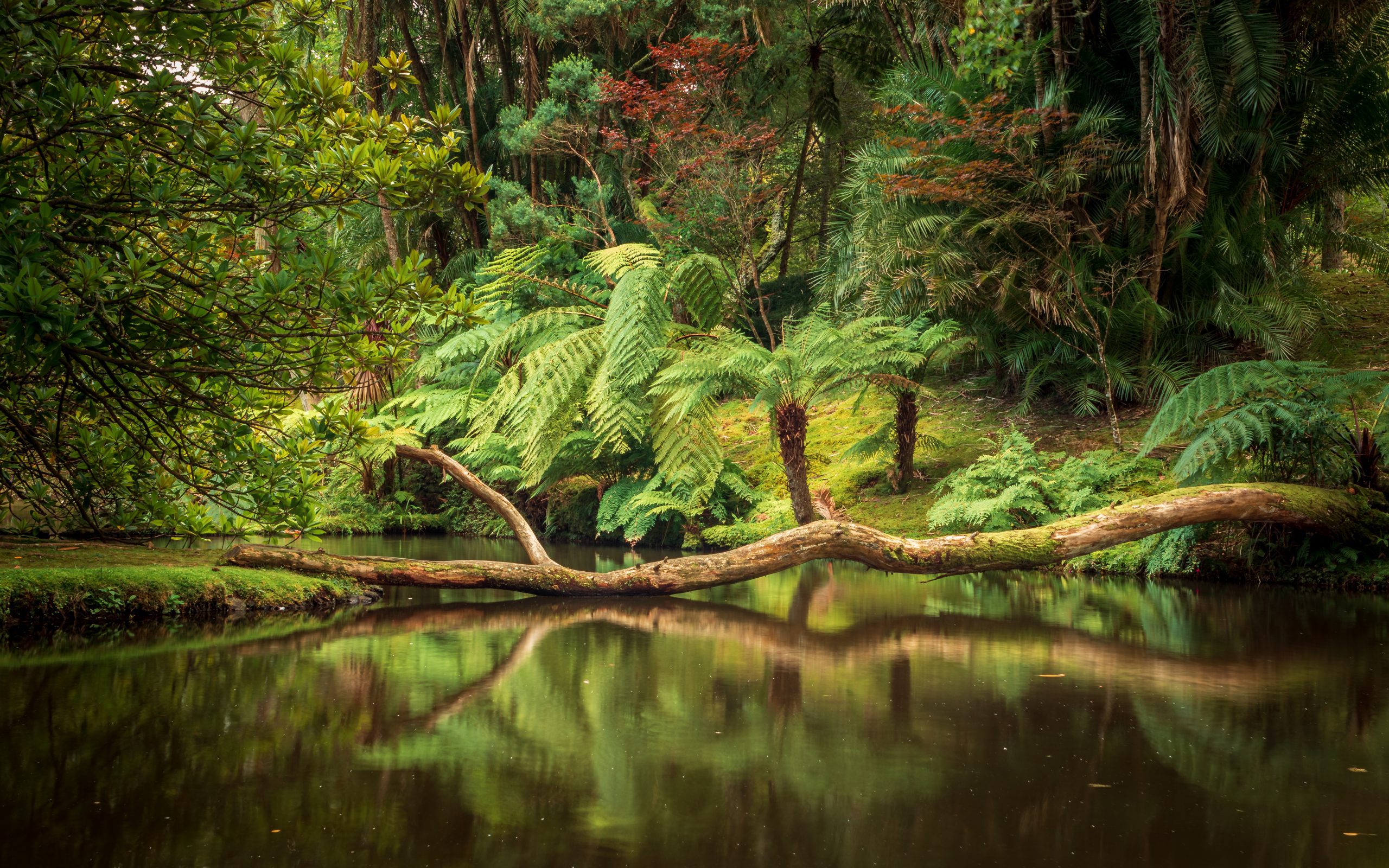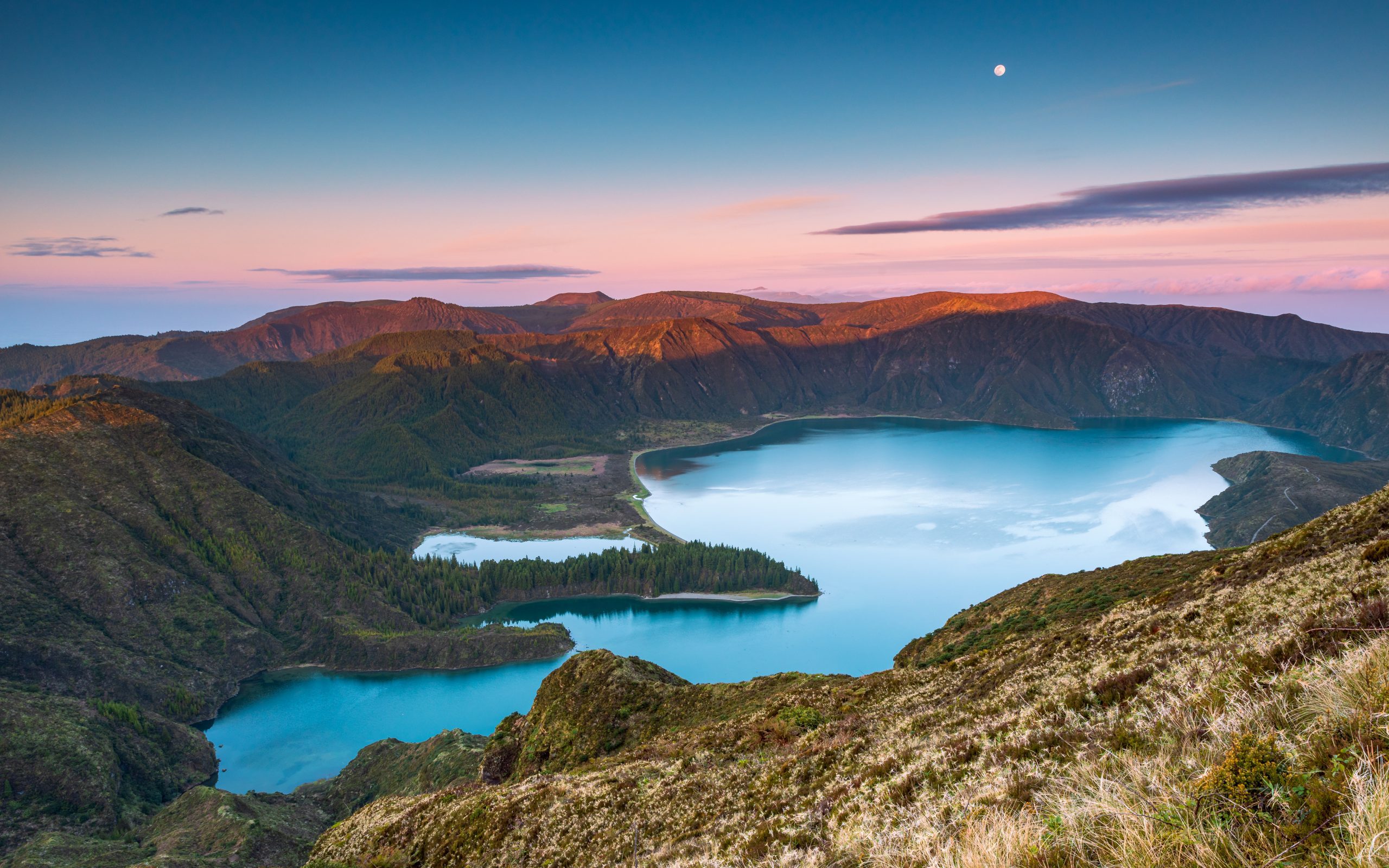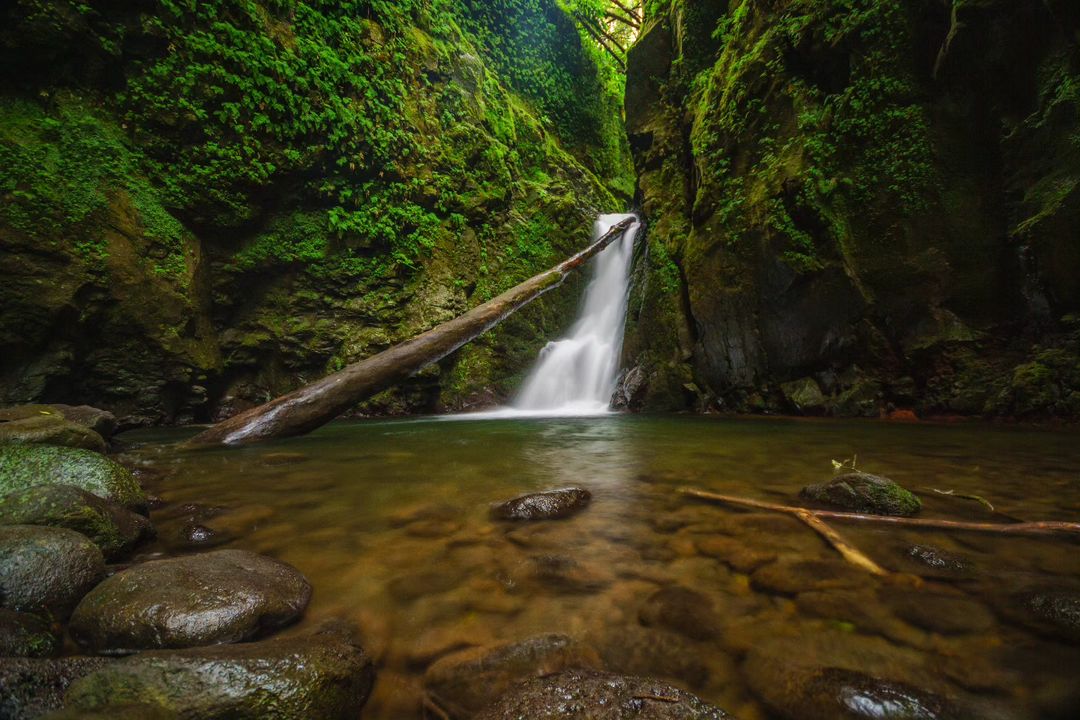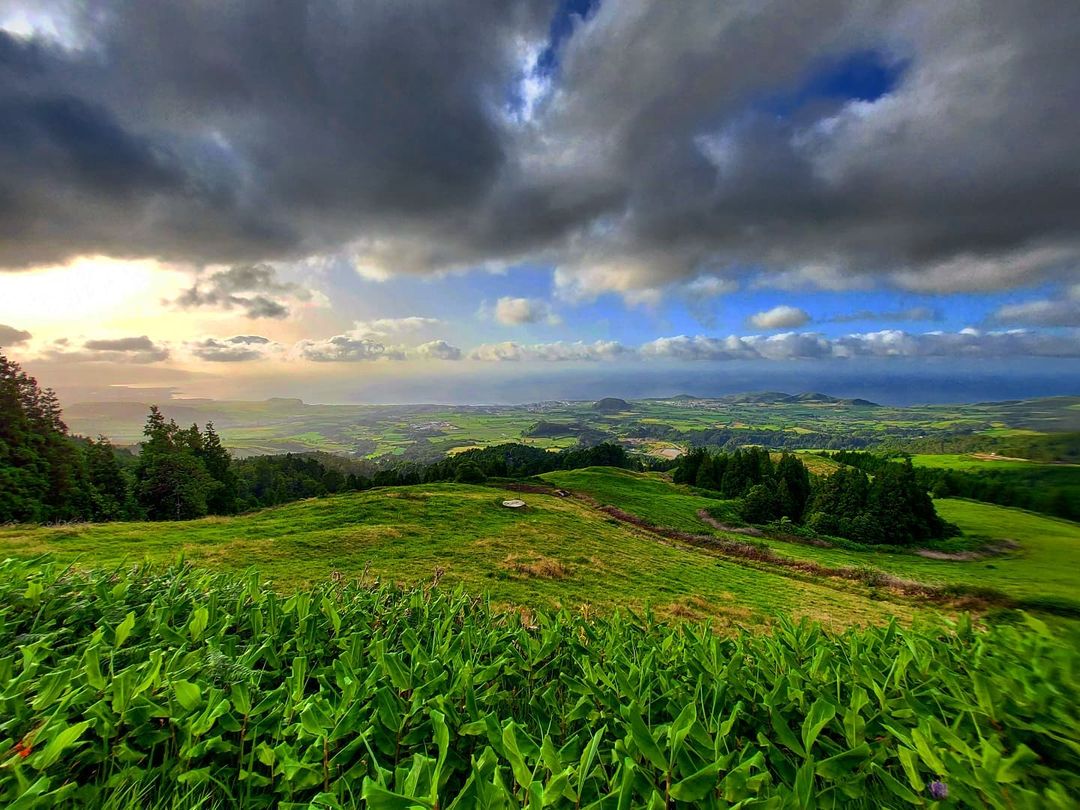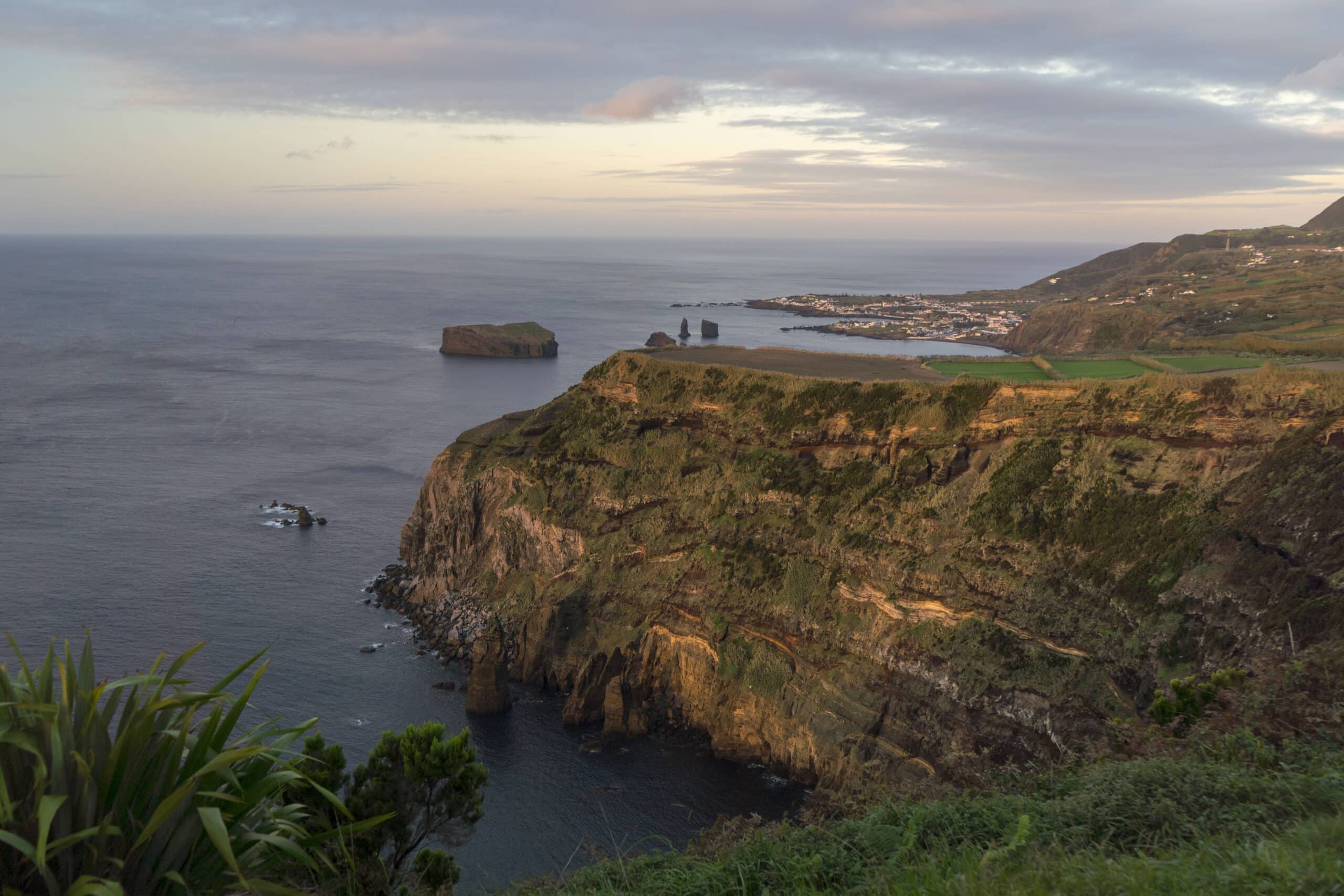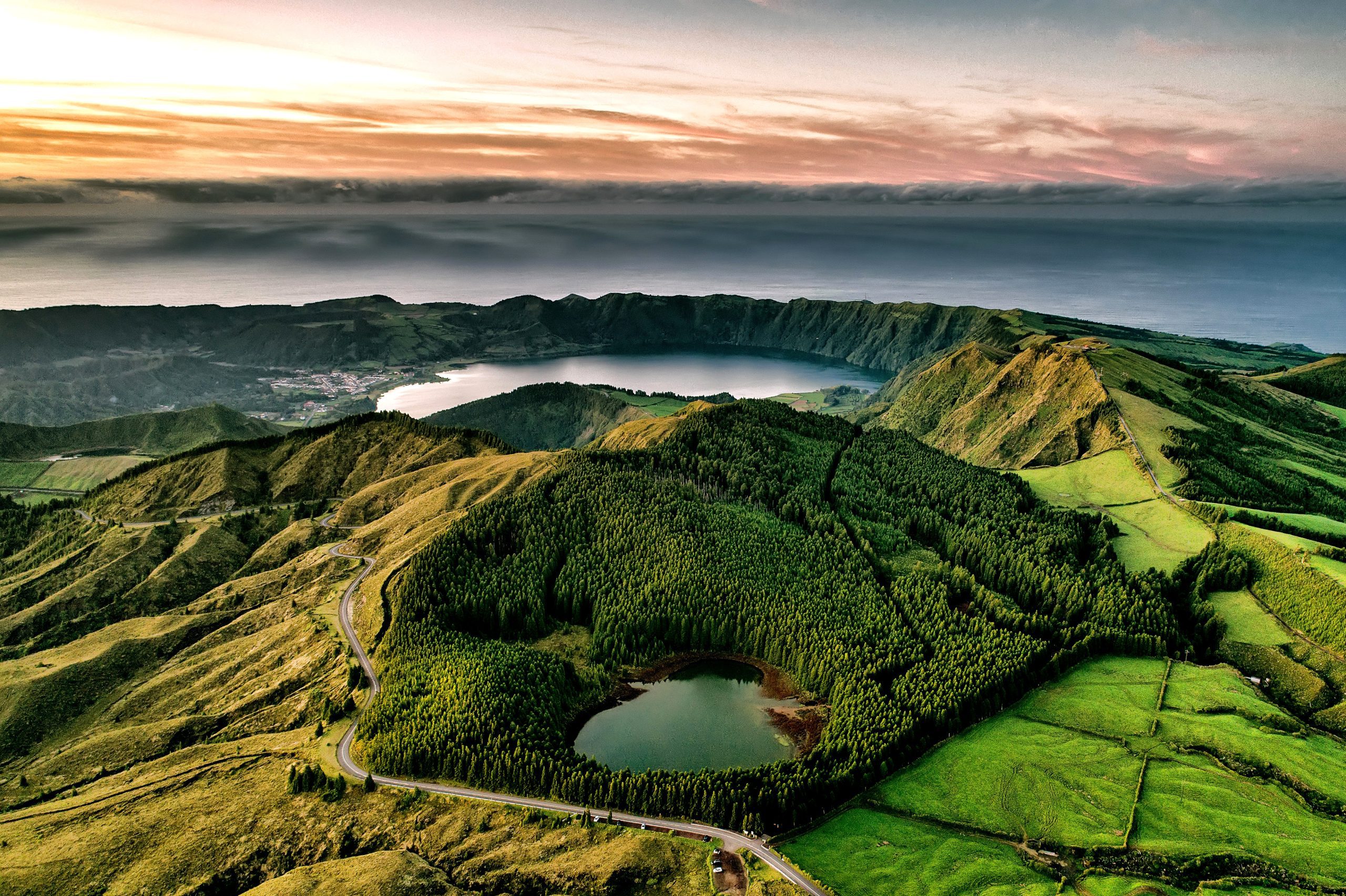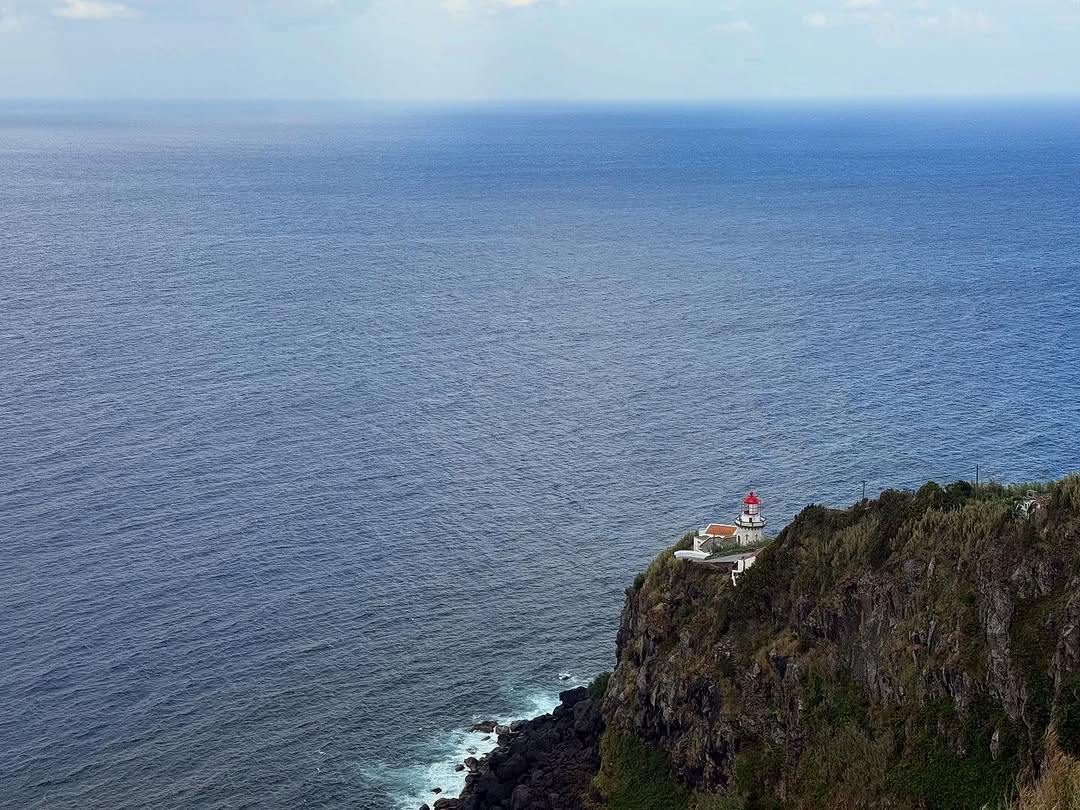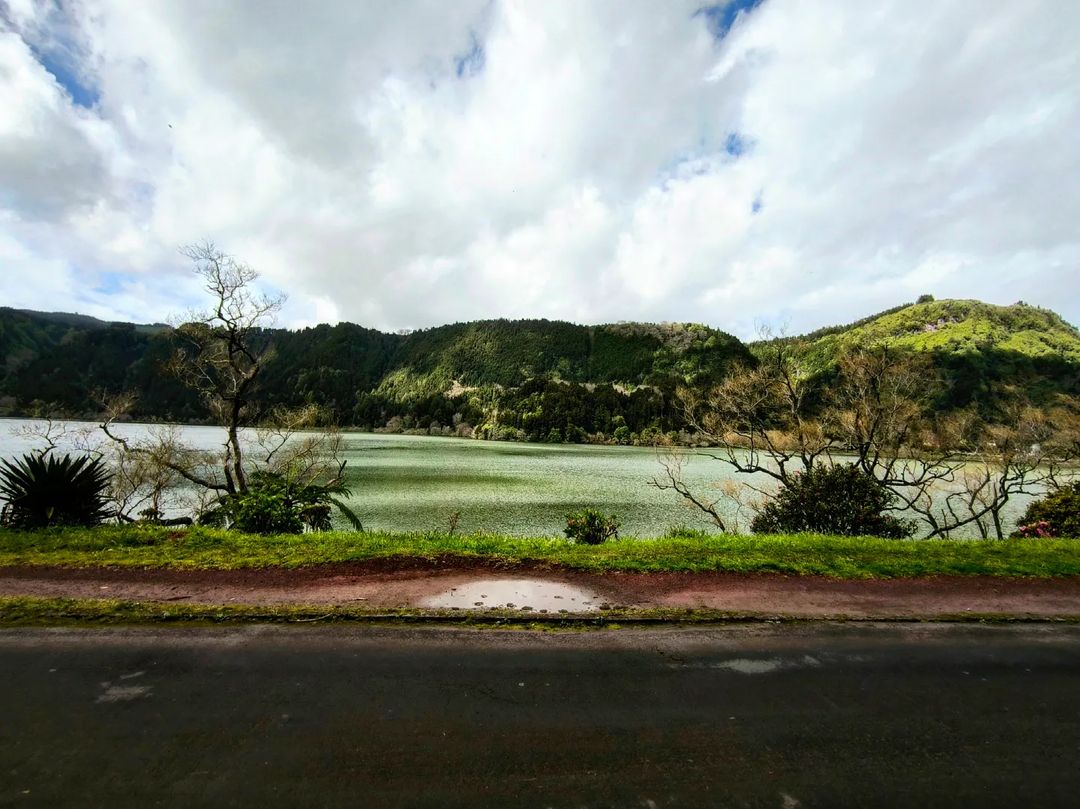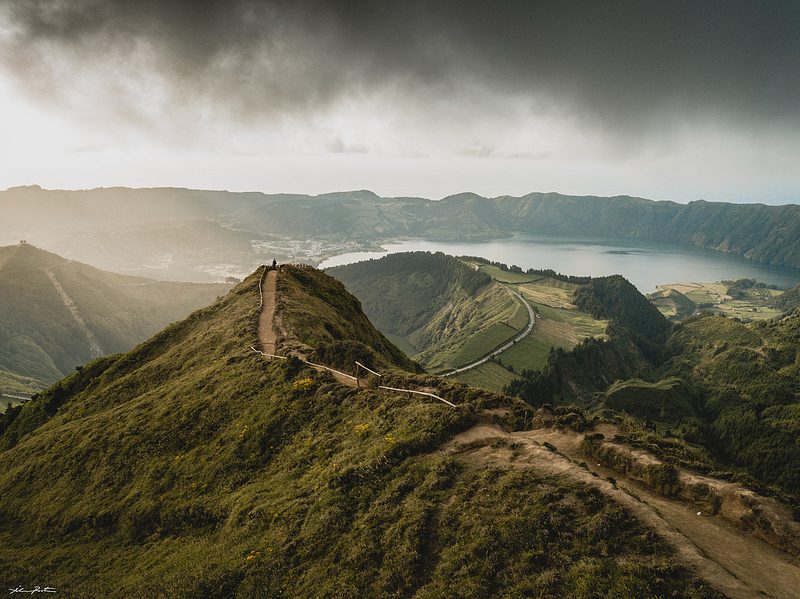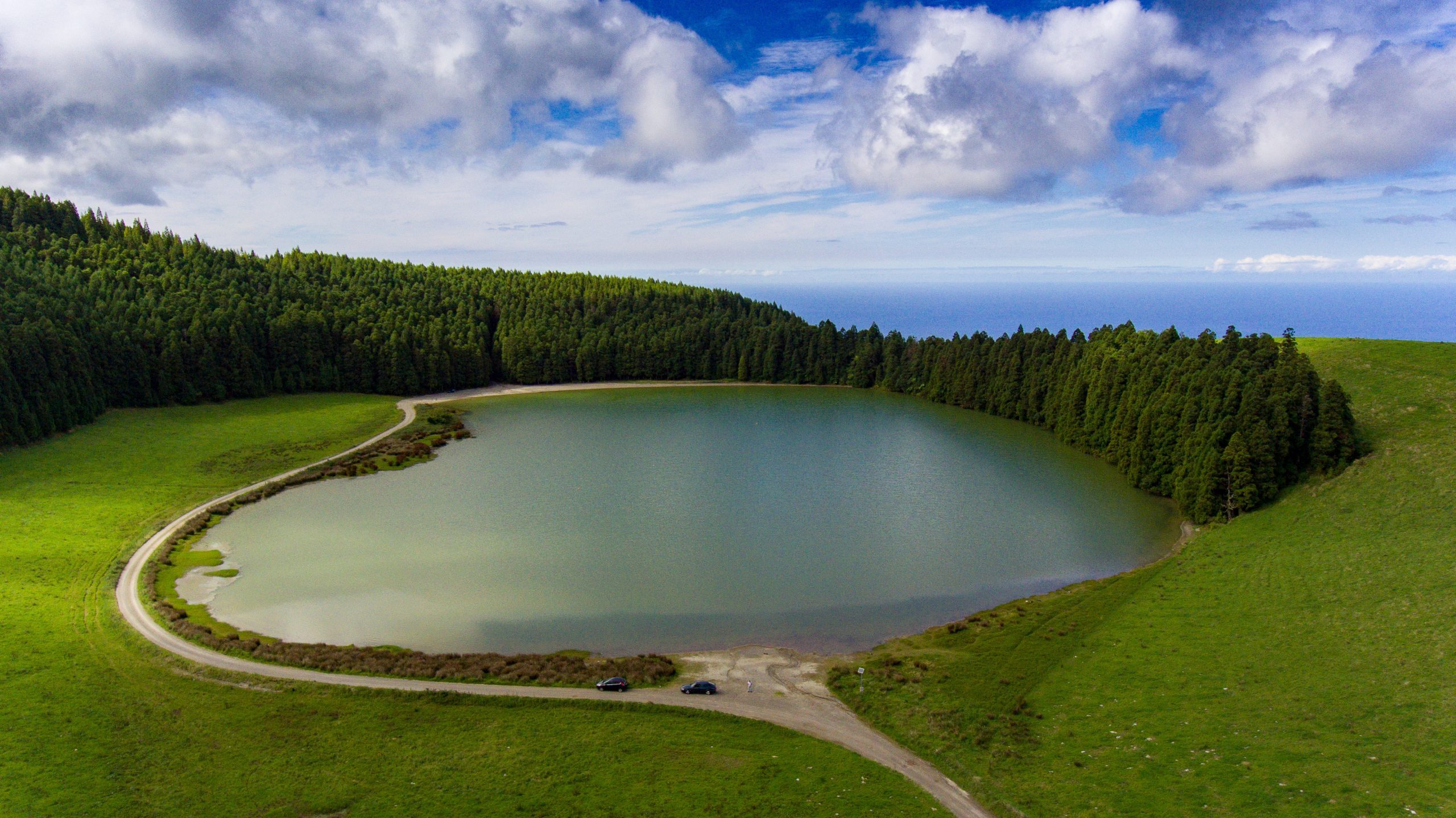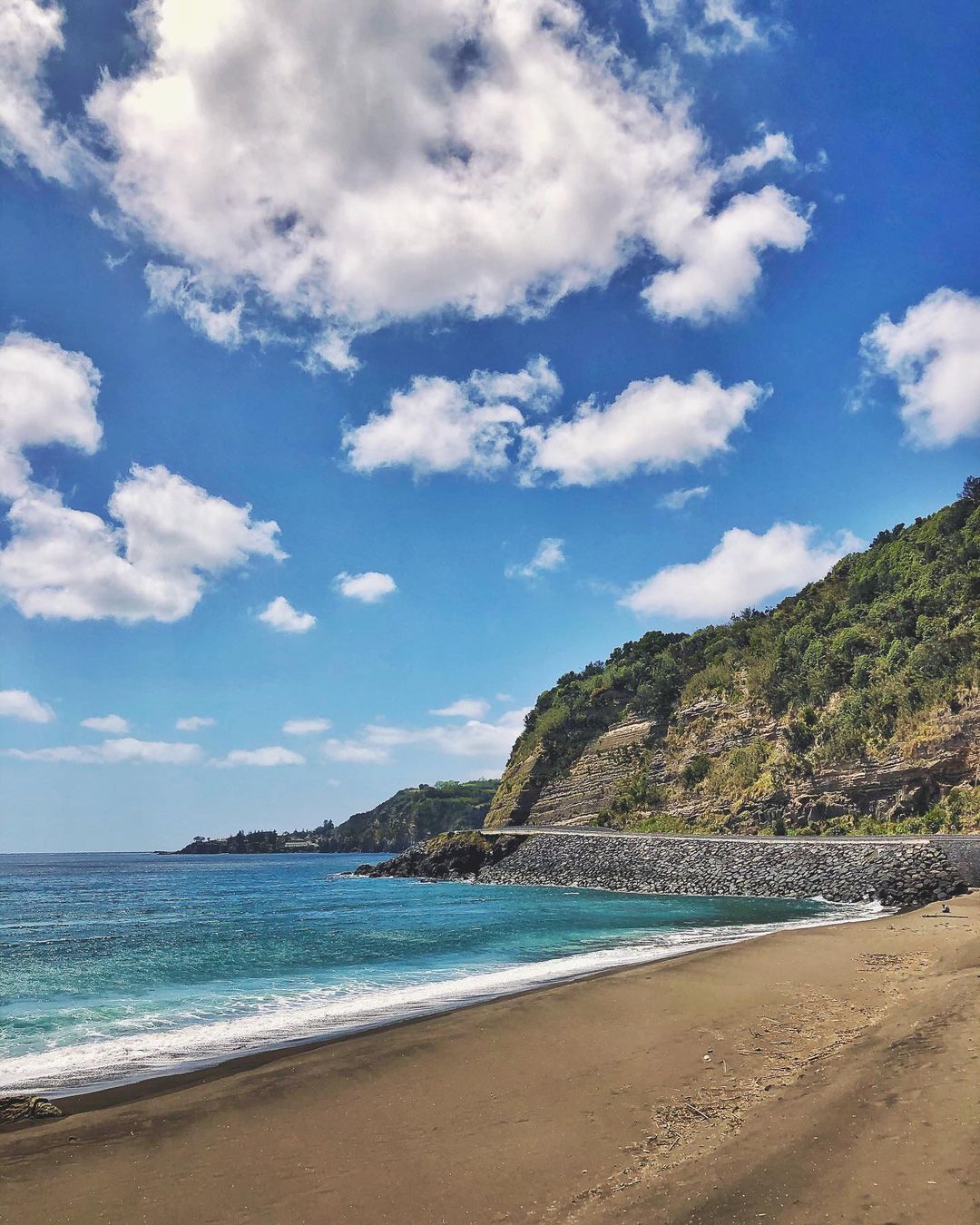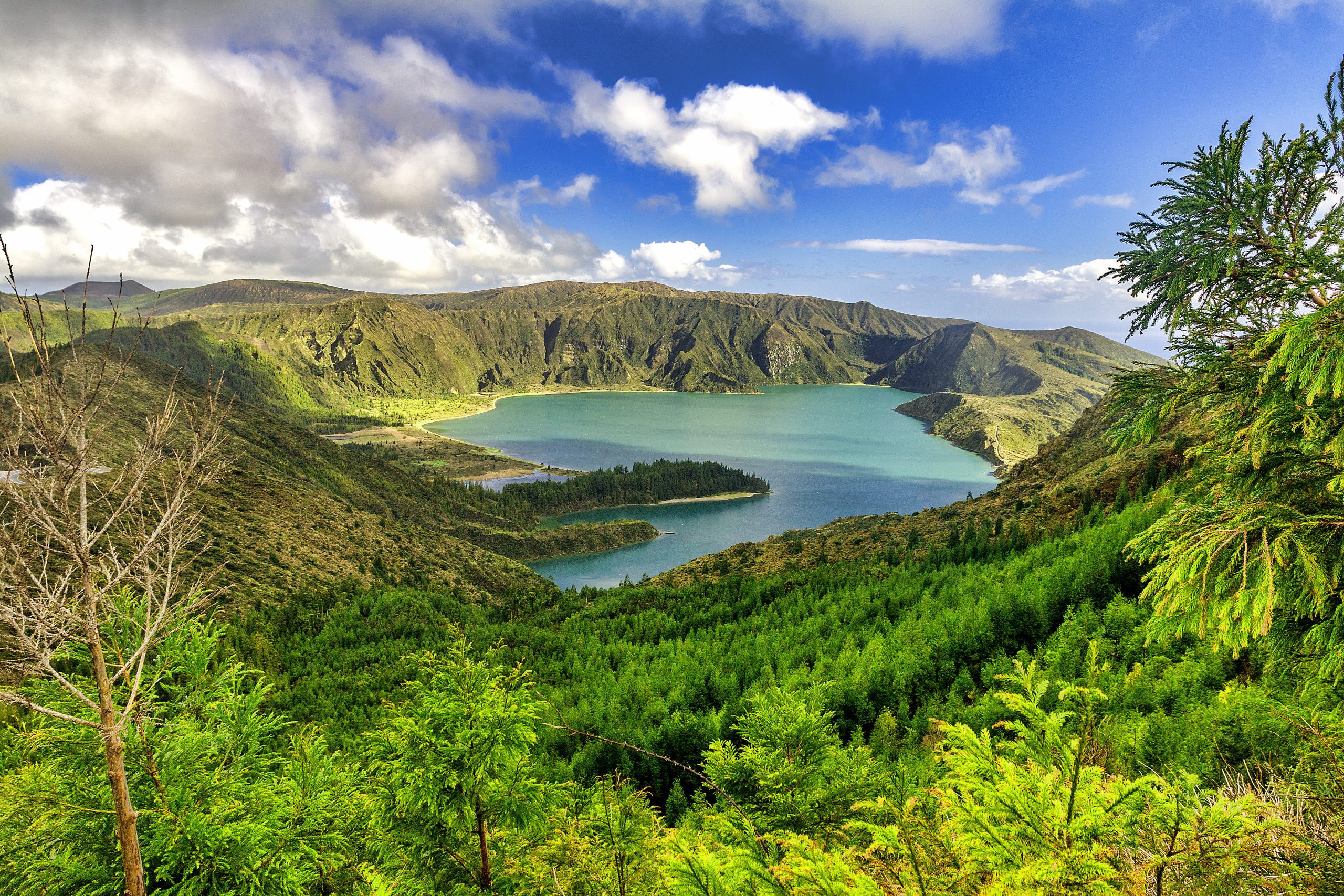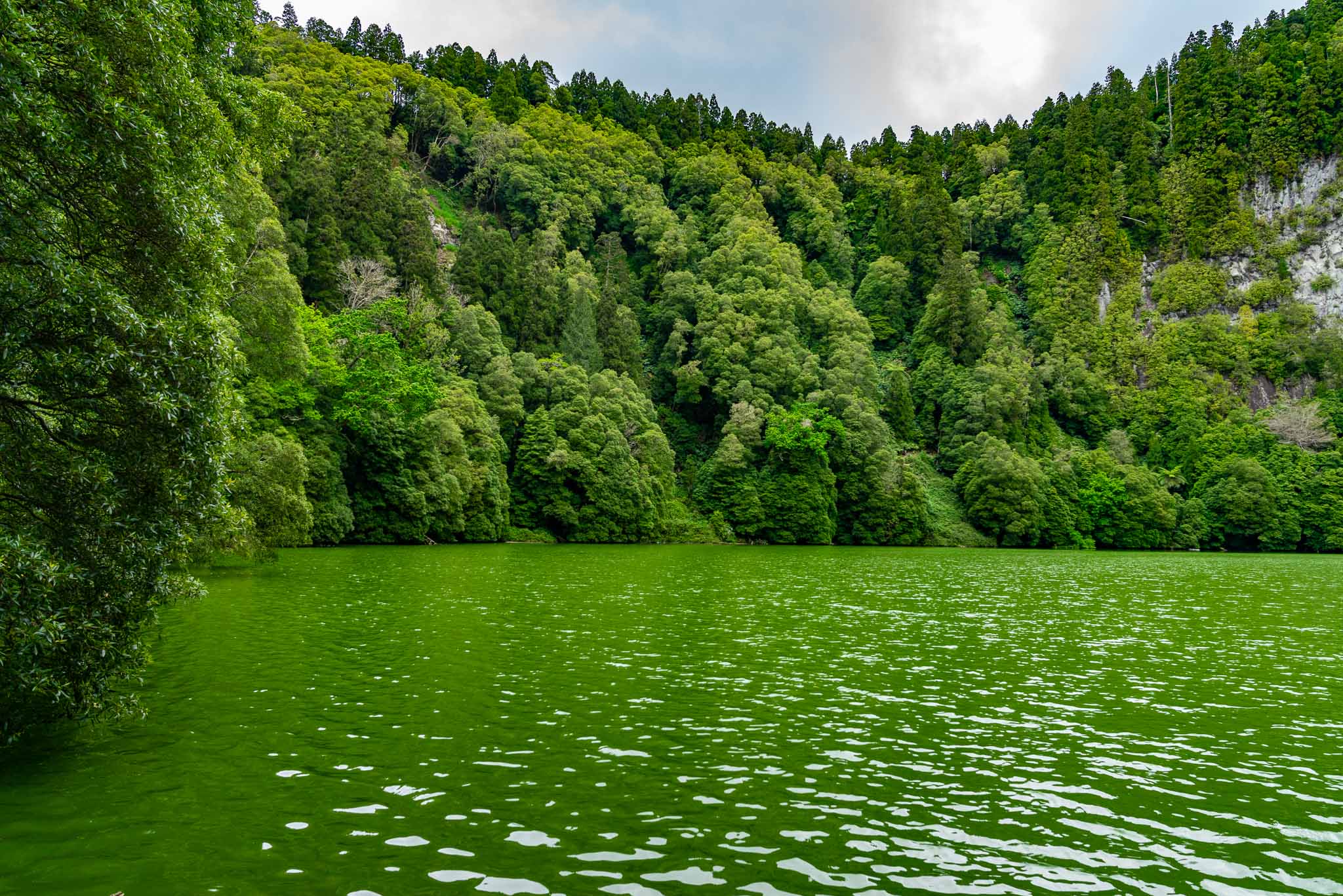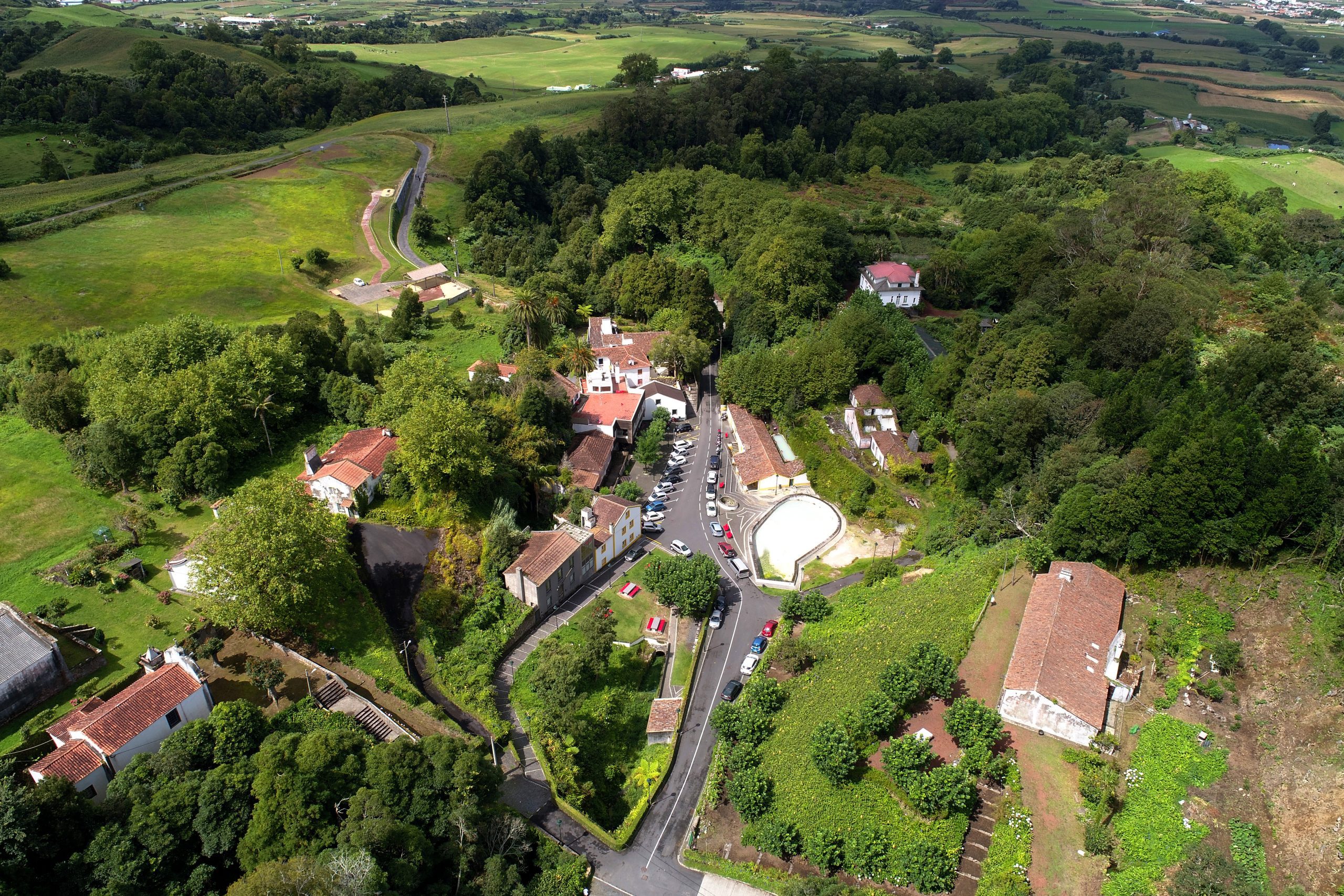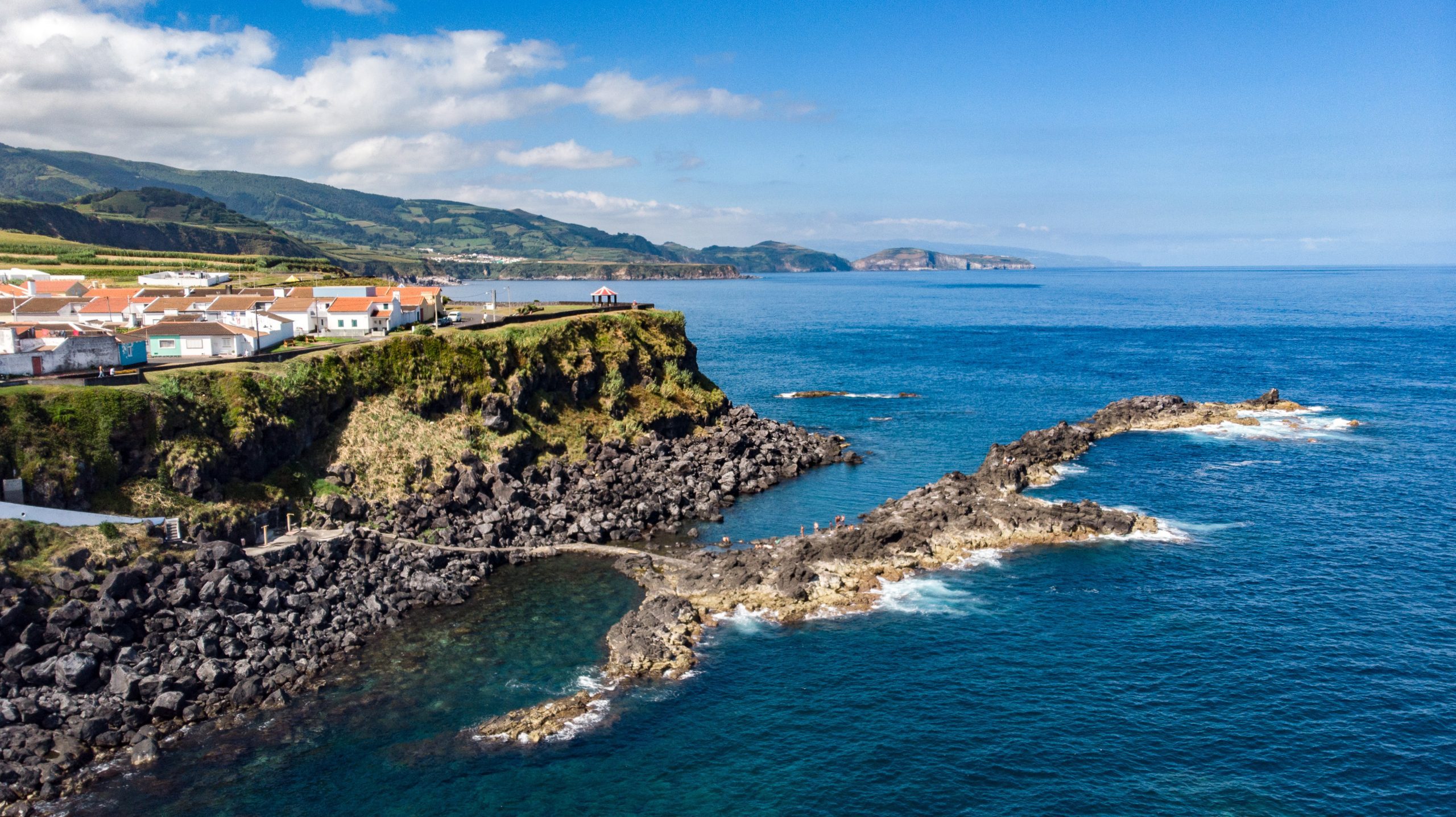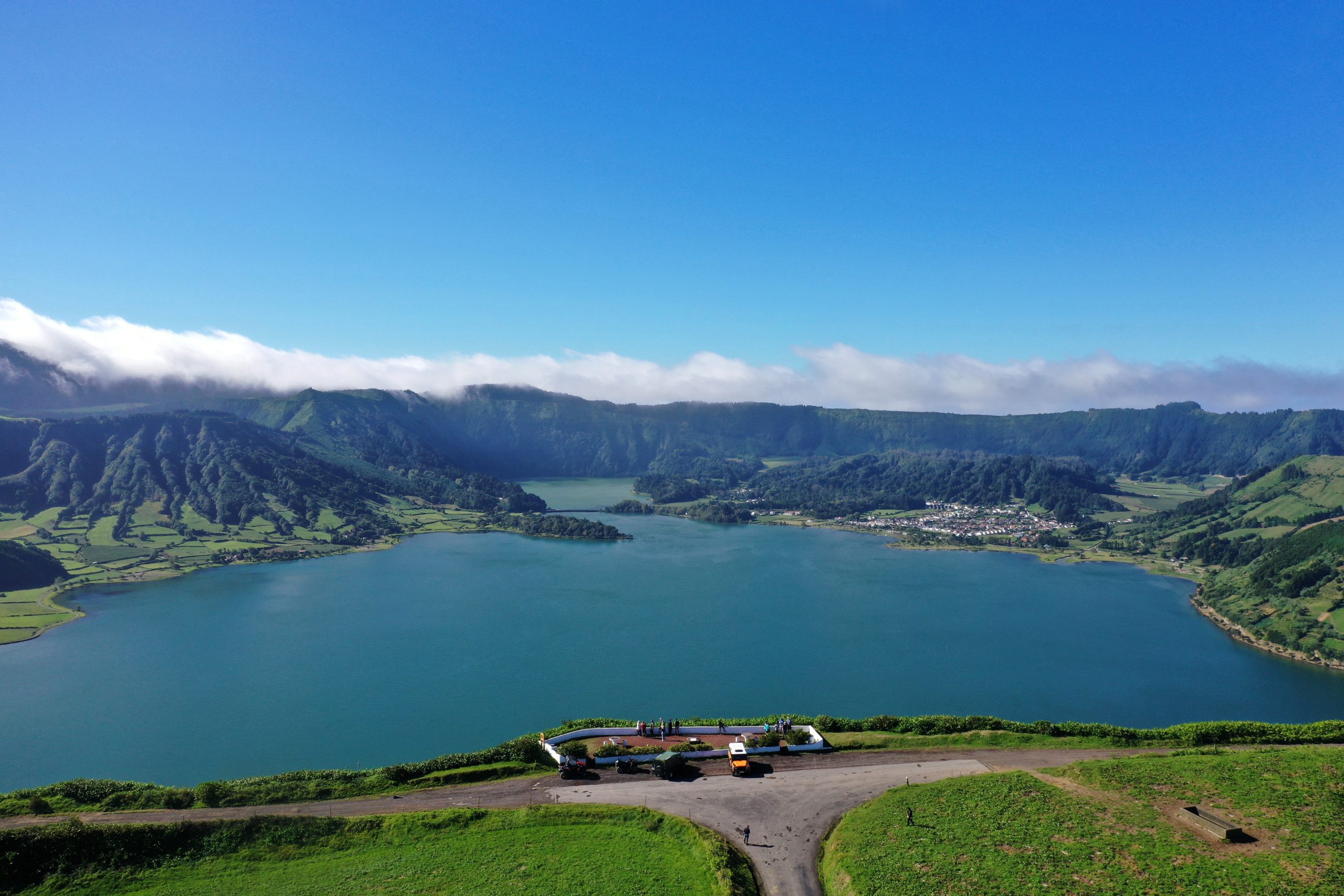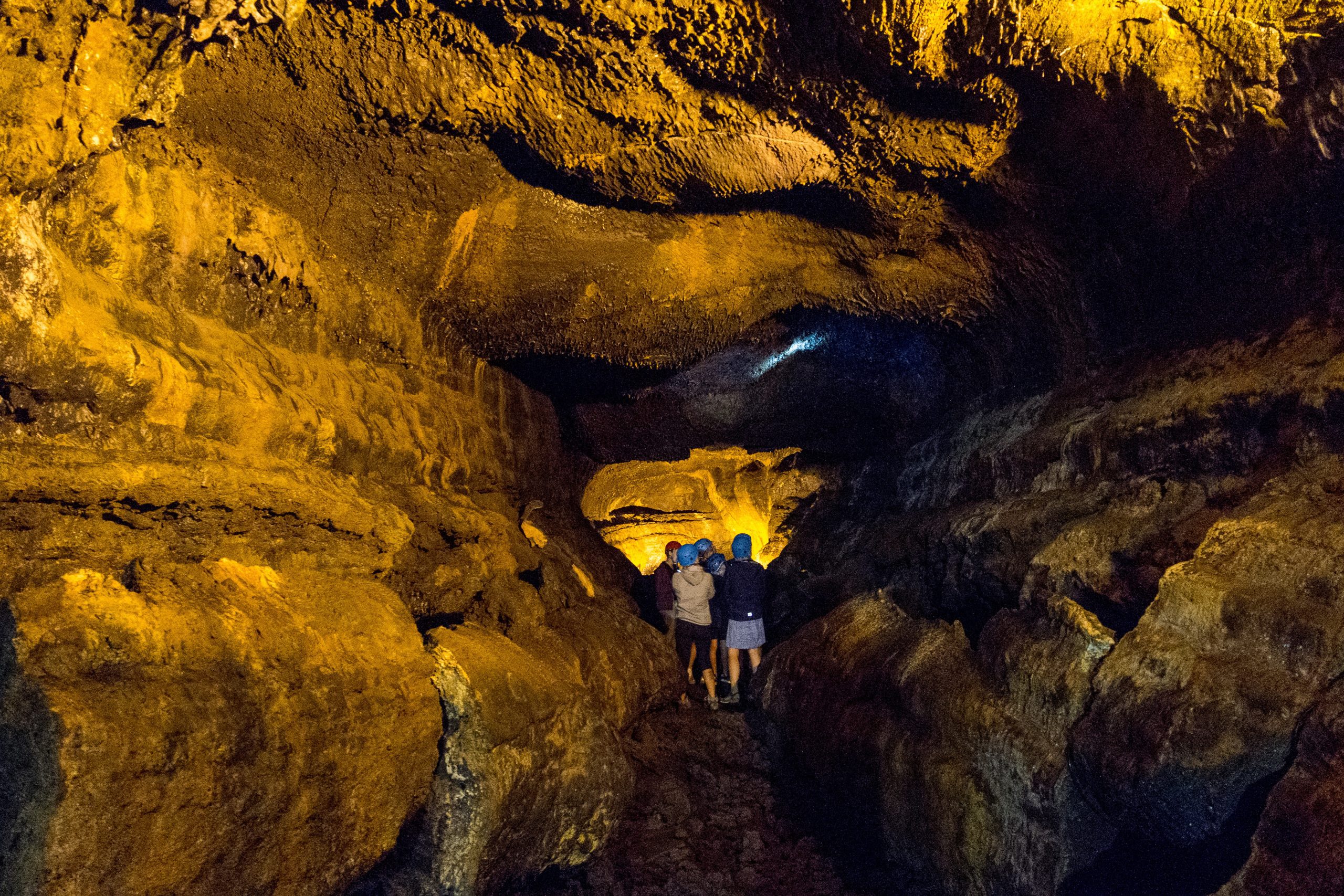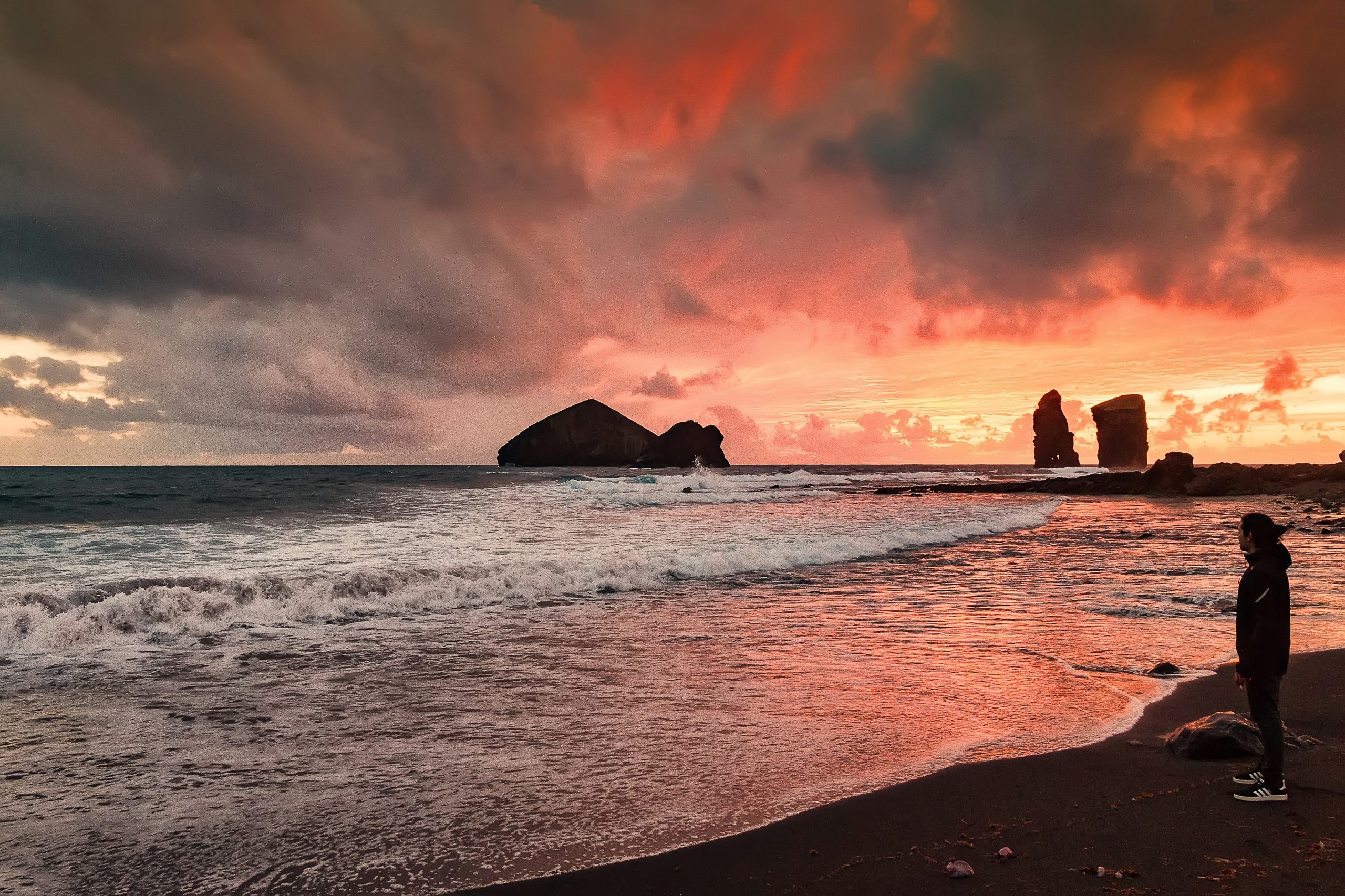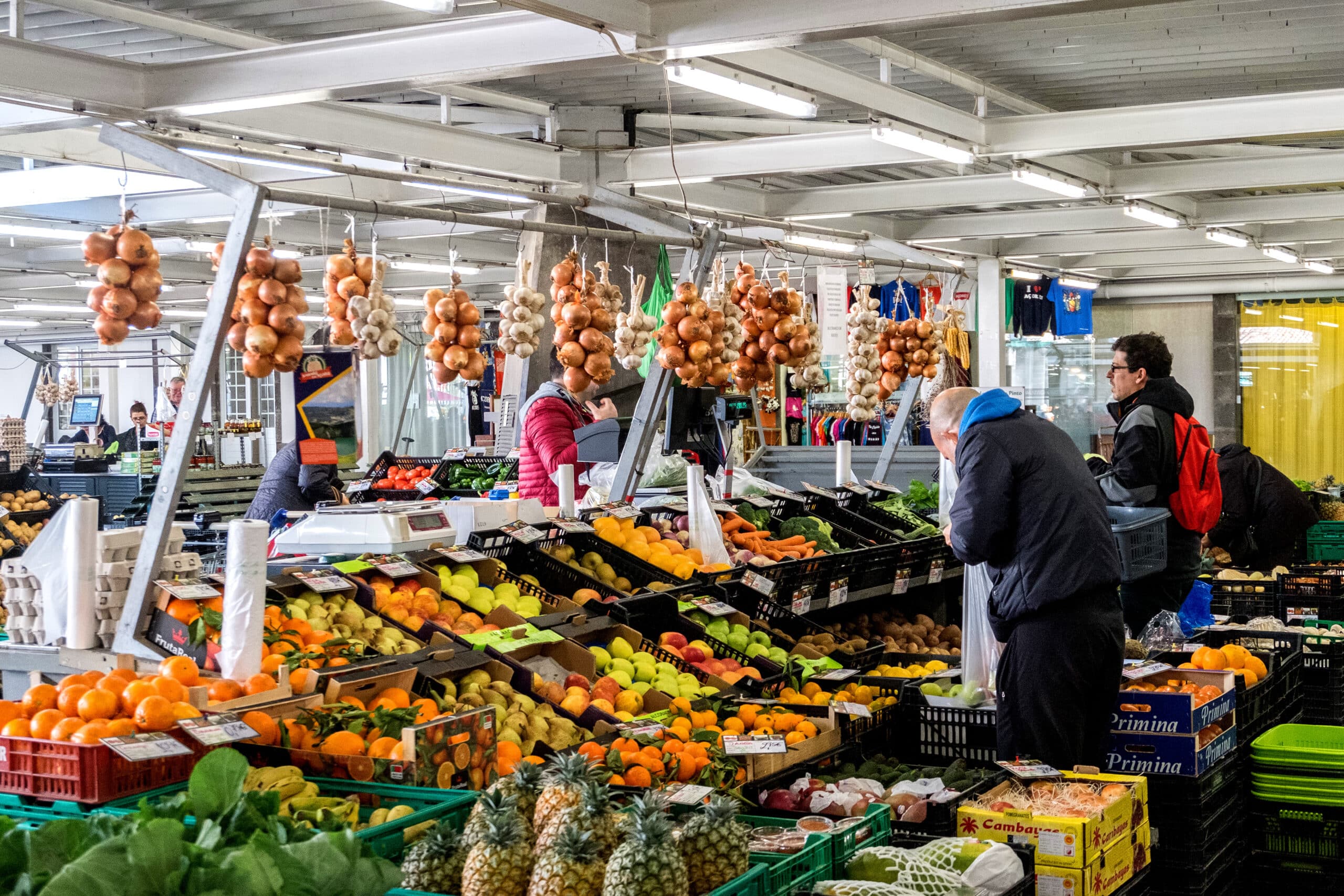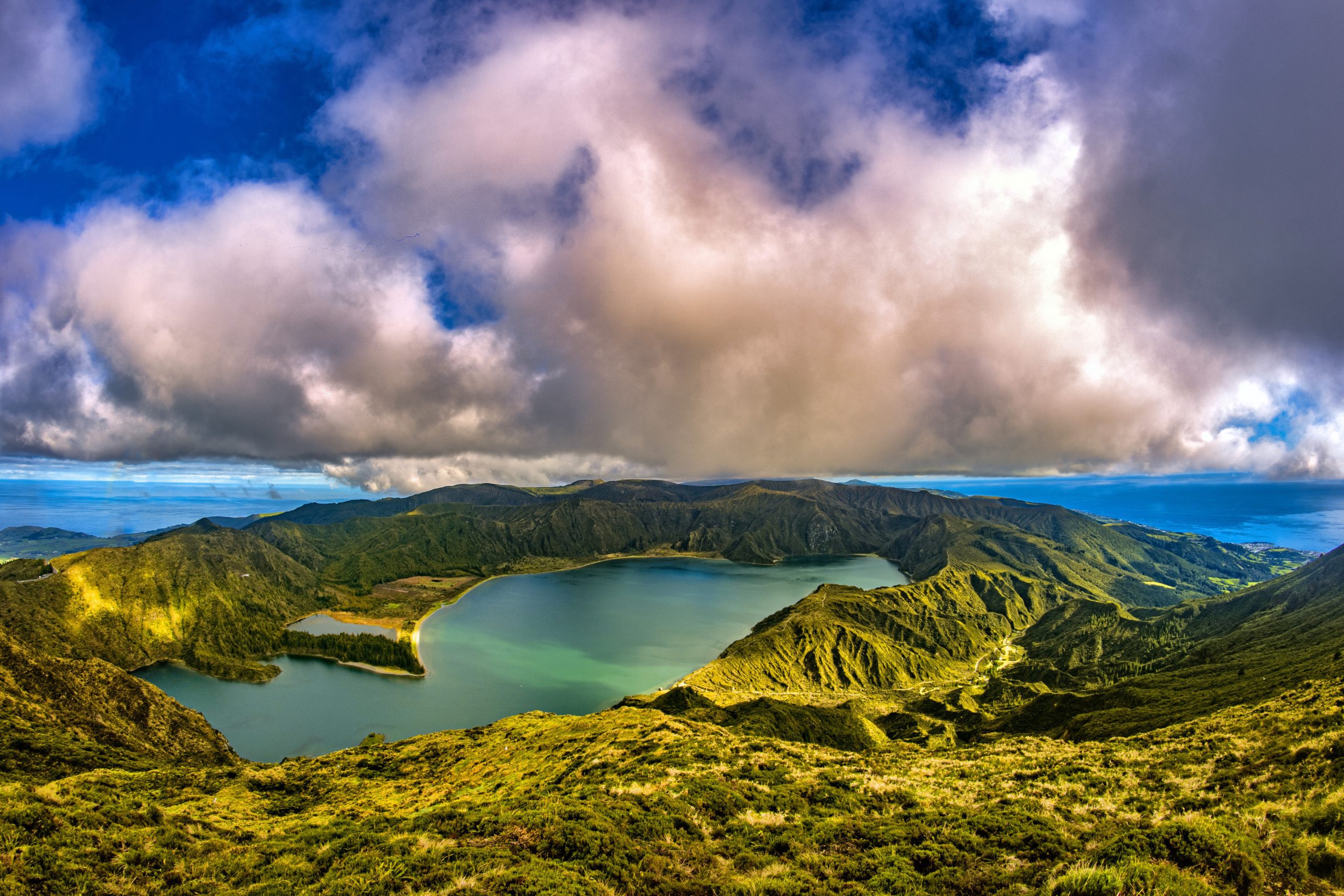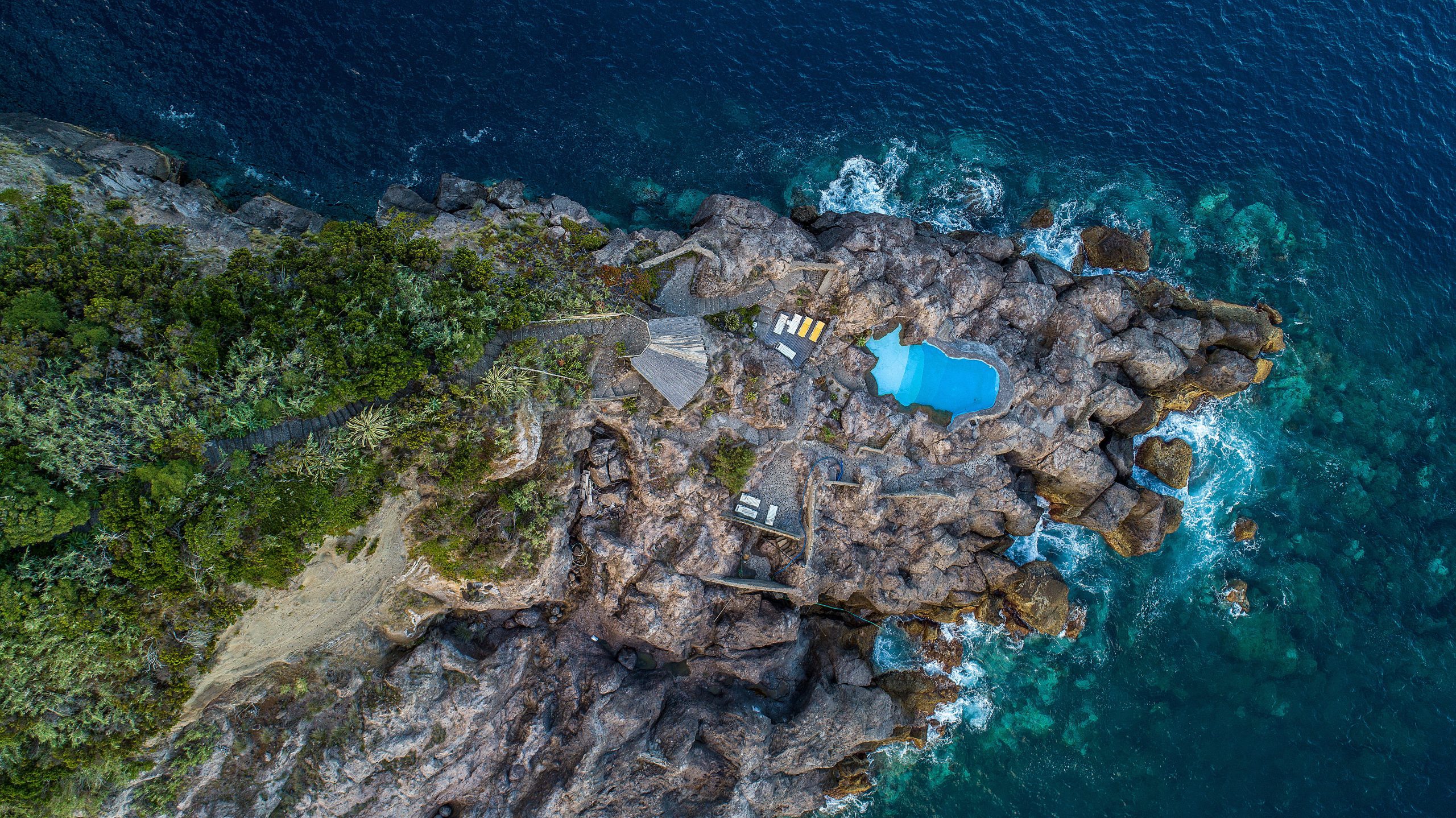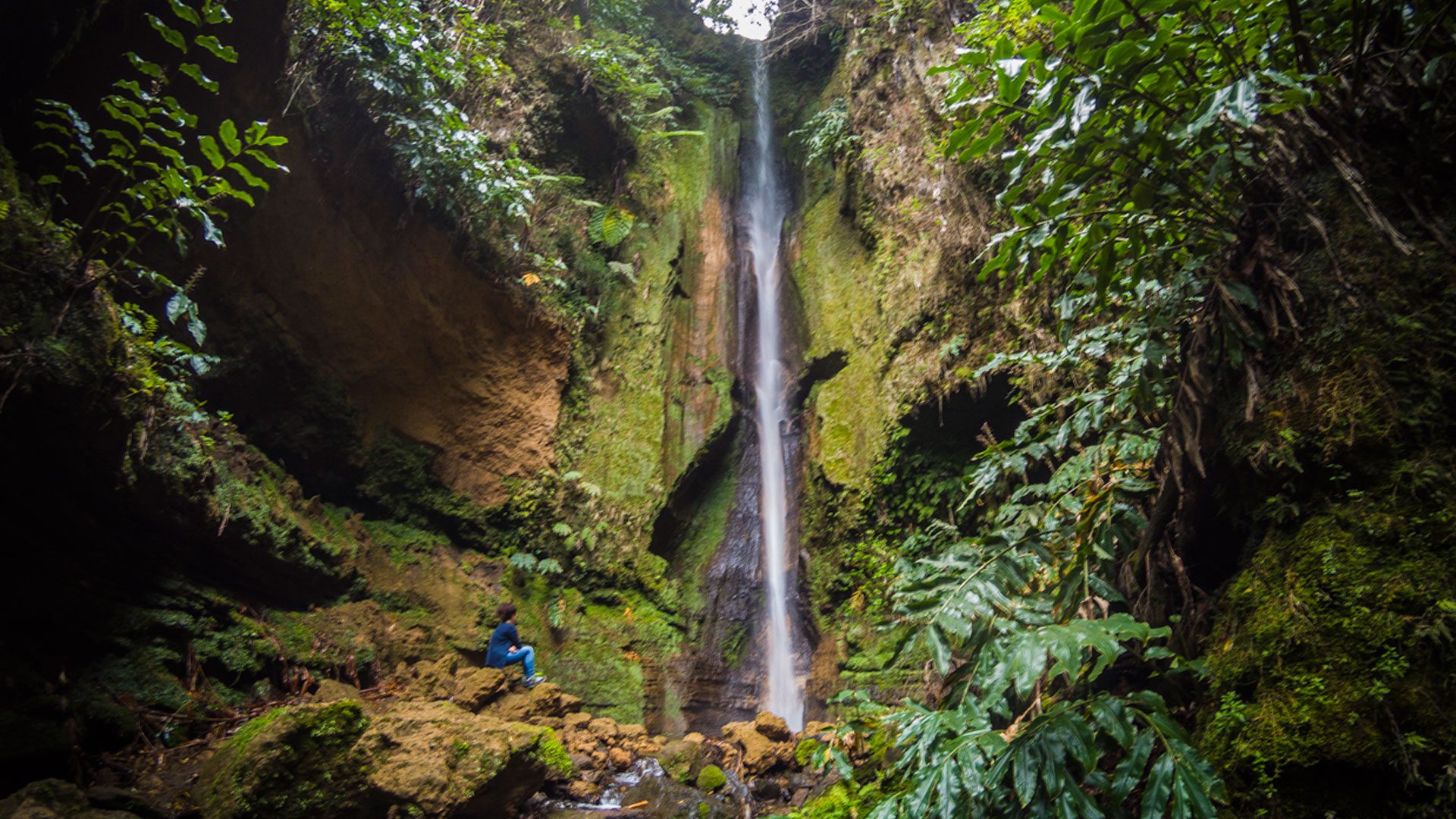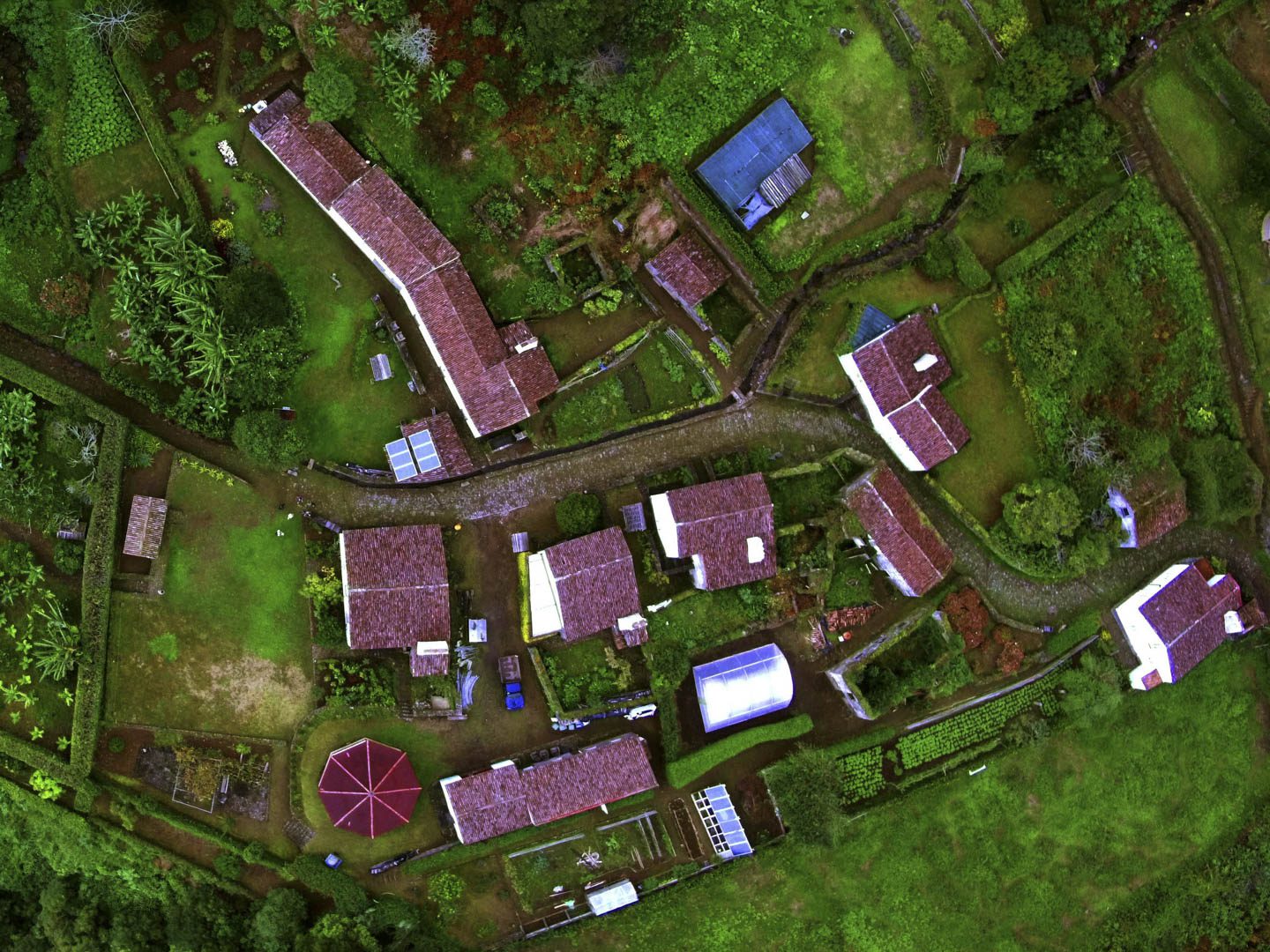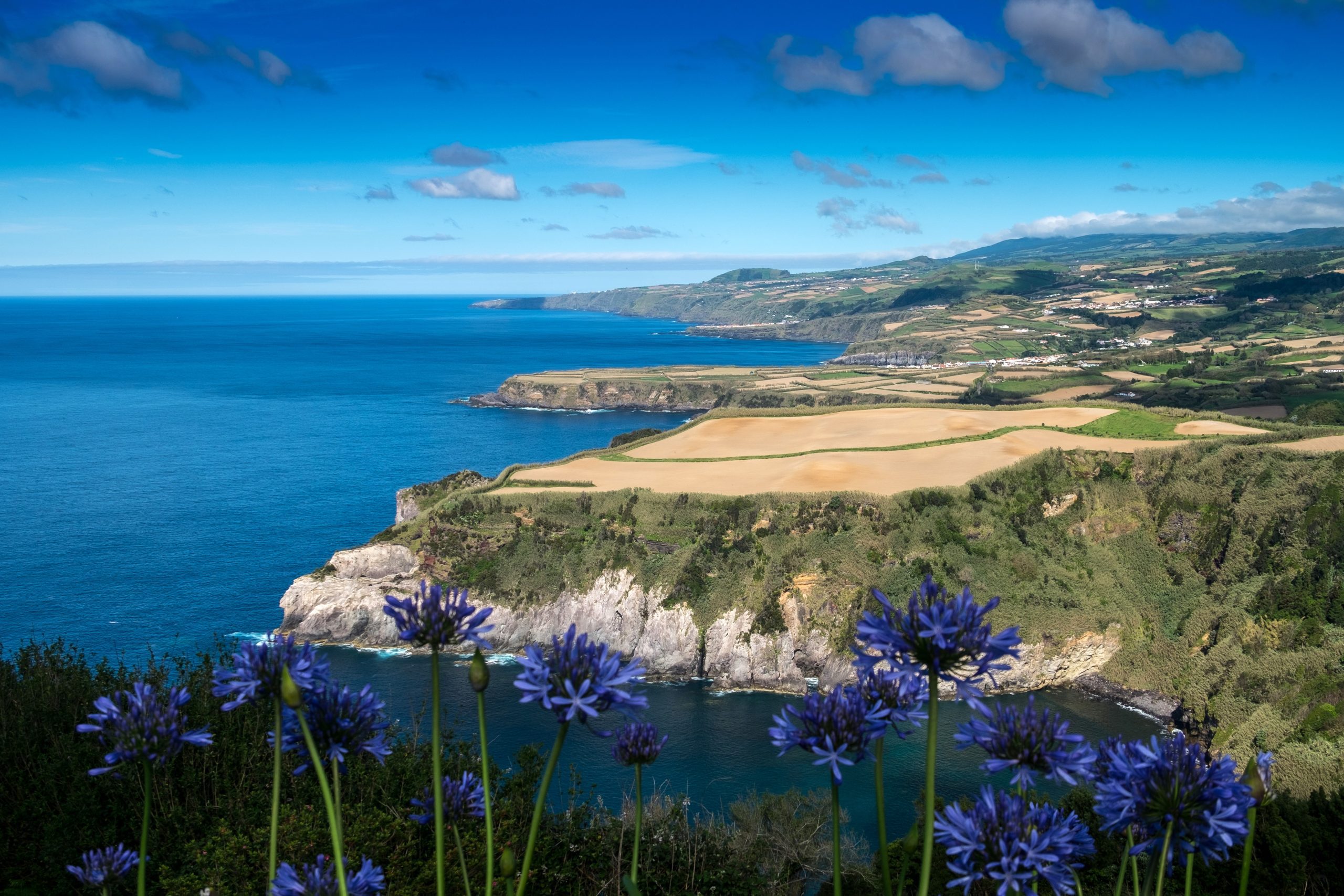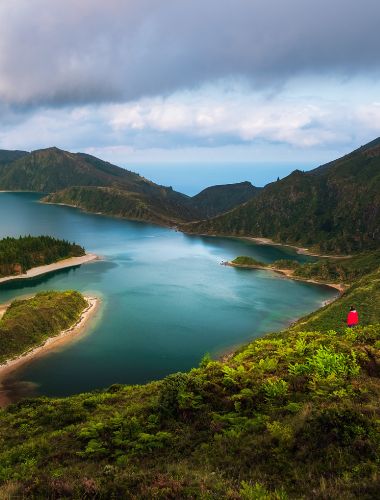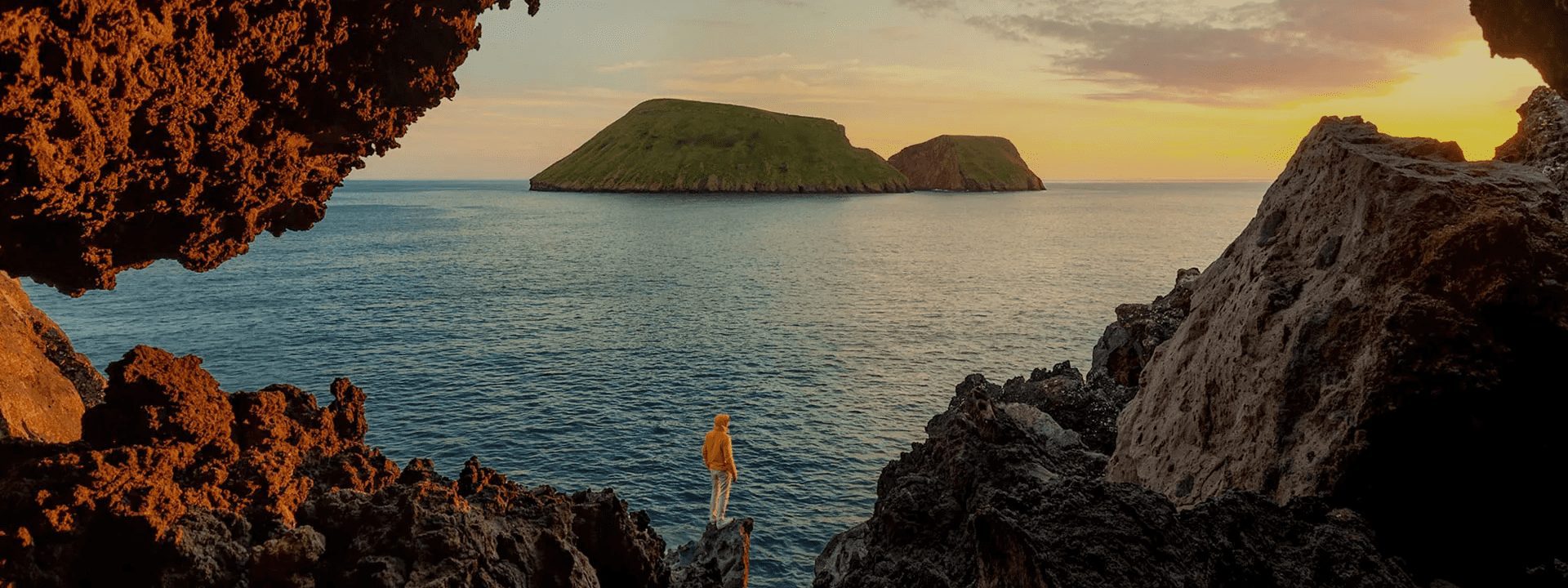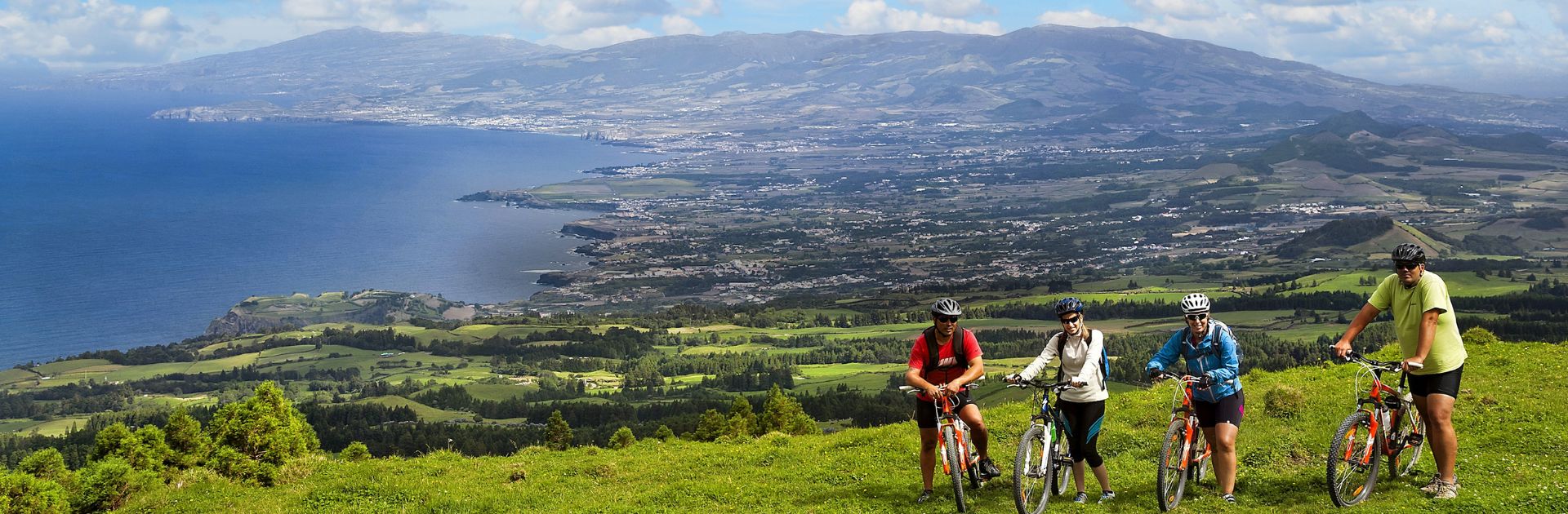








Where Mother Nature shows its magic, Furnas is the entrance to another world full of geological mysteries. It is a peaceful retreat for locals to escape the city and for travelers to explore the unspoiled, unique nature. Furnas is mesmerizing, with boiling water rising from the volcanic ground, smoke visible throughout town, and a distinct smell. Get to know every detail about this luxurious place in São Miguel Island, explained by a local professional guide.
What is Furnas?

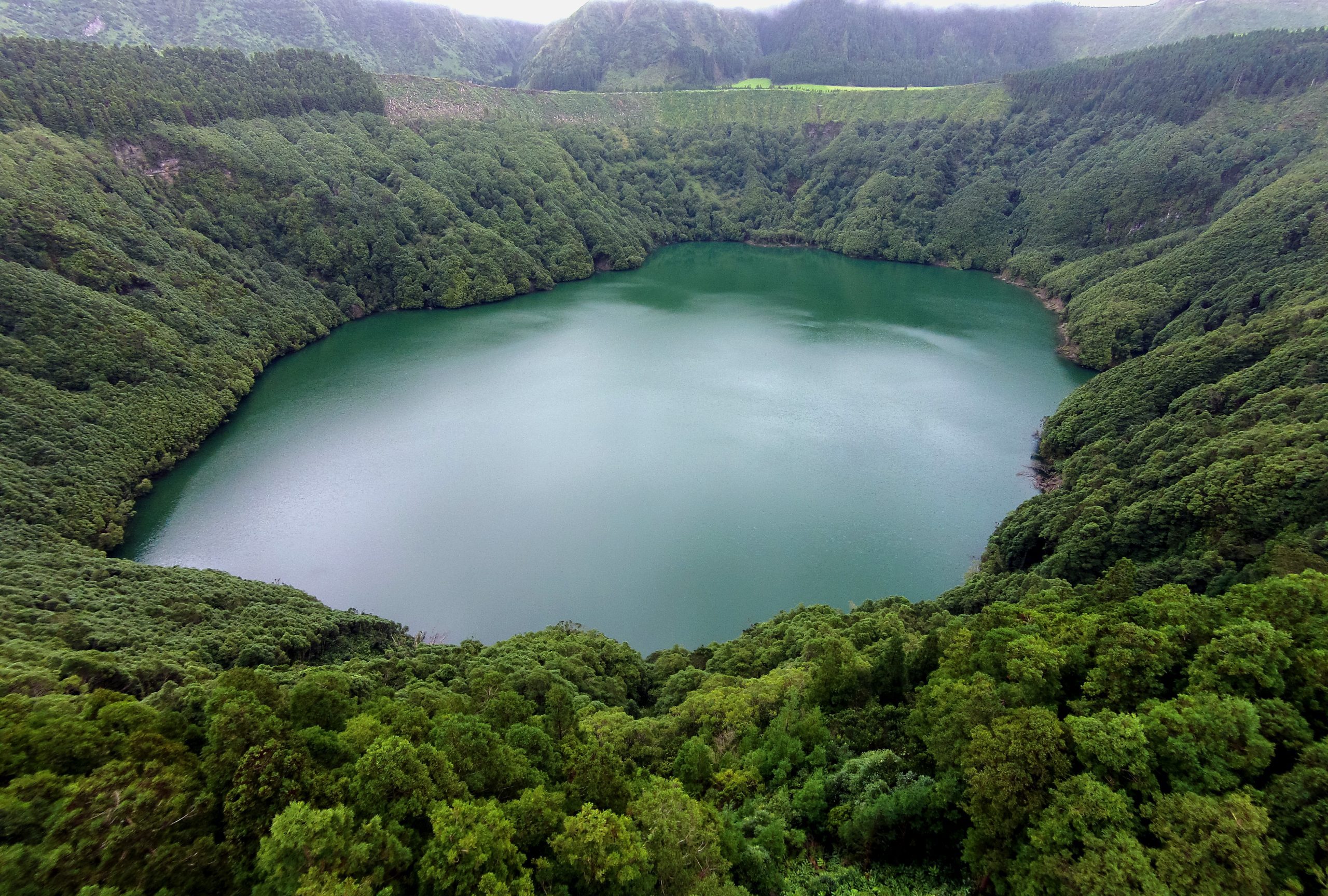
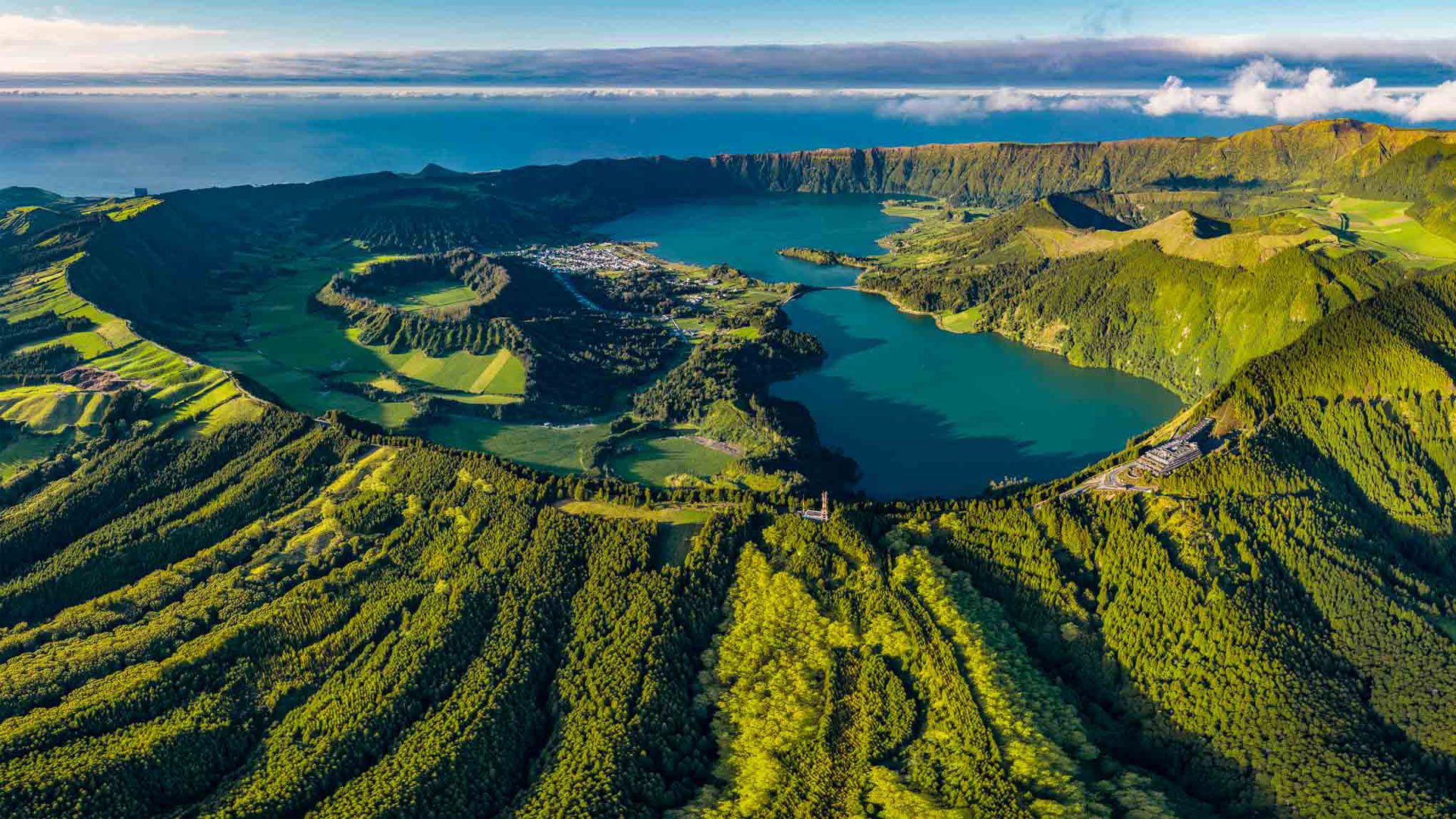
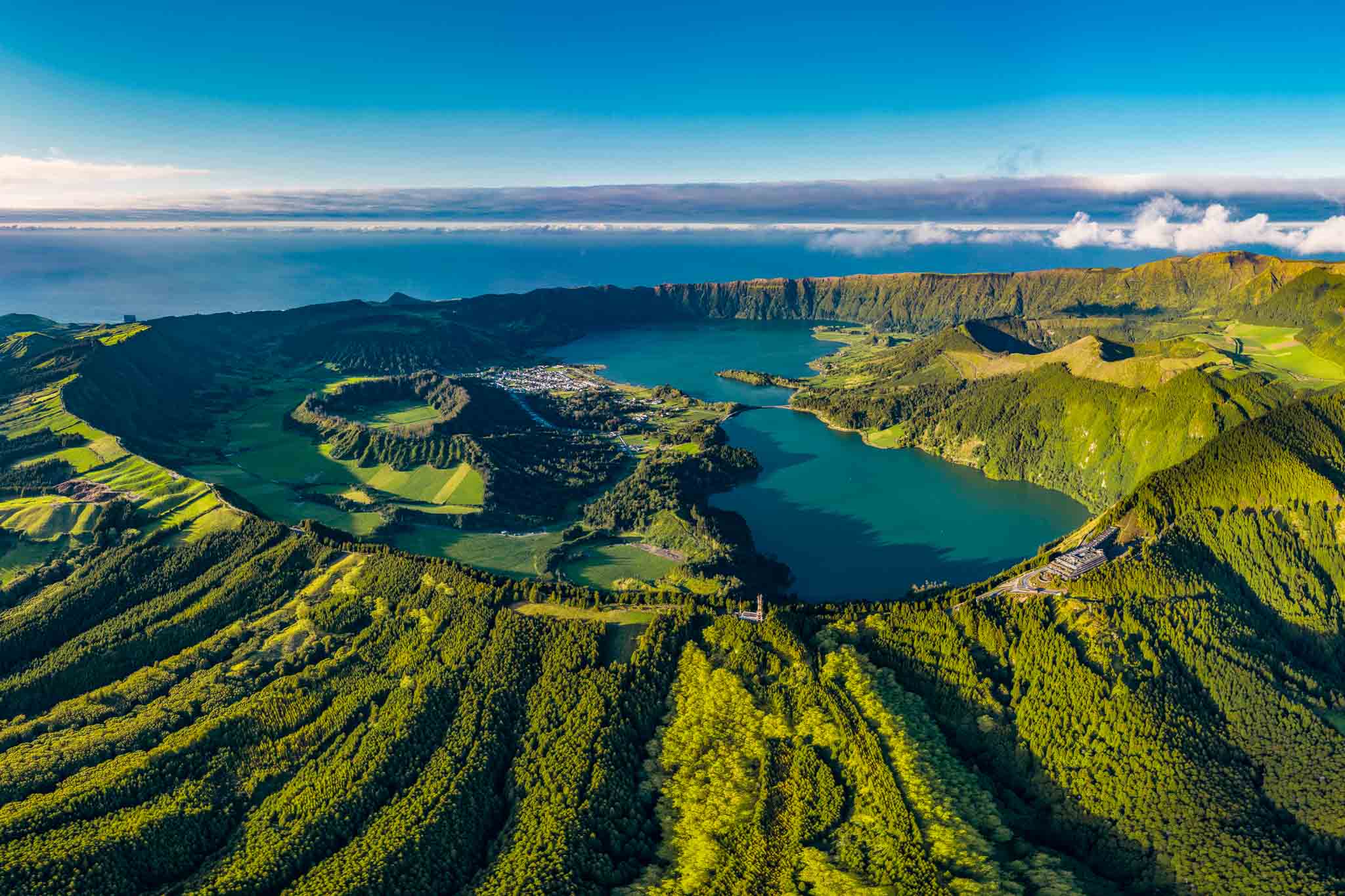
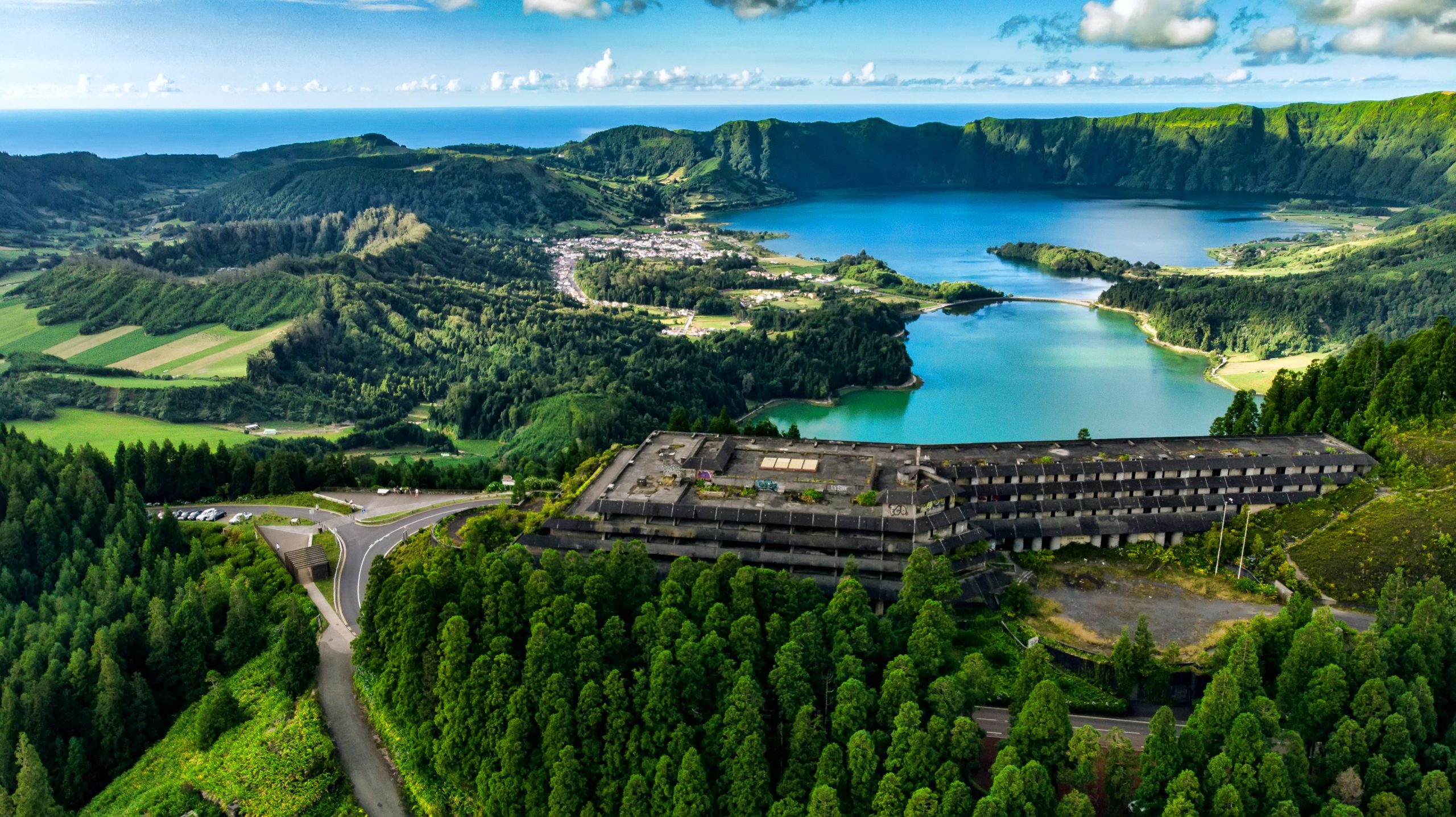
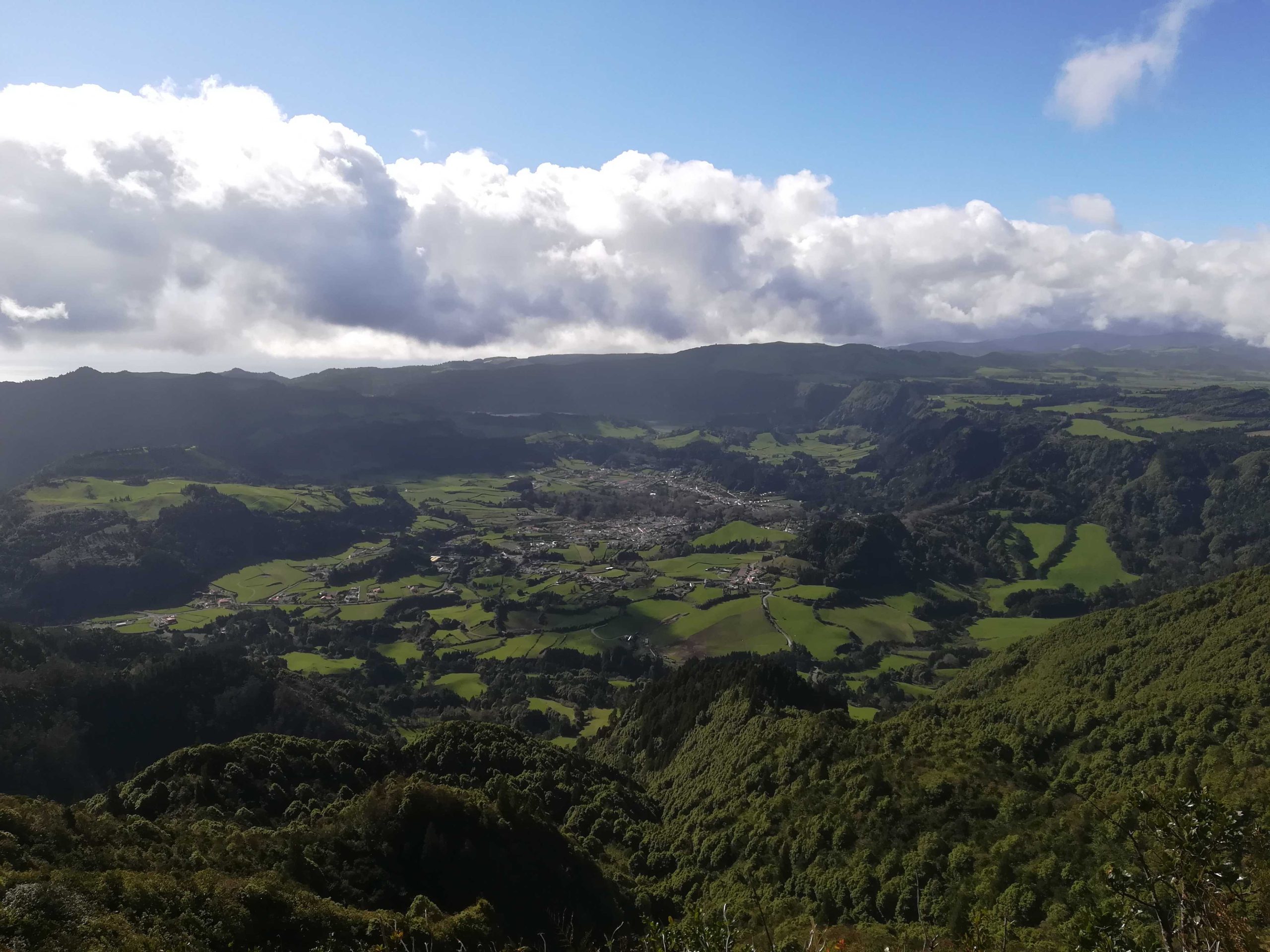
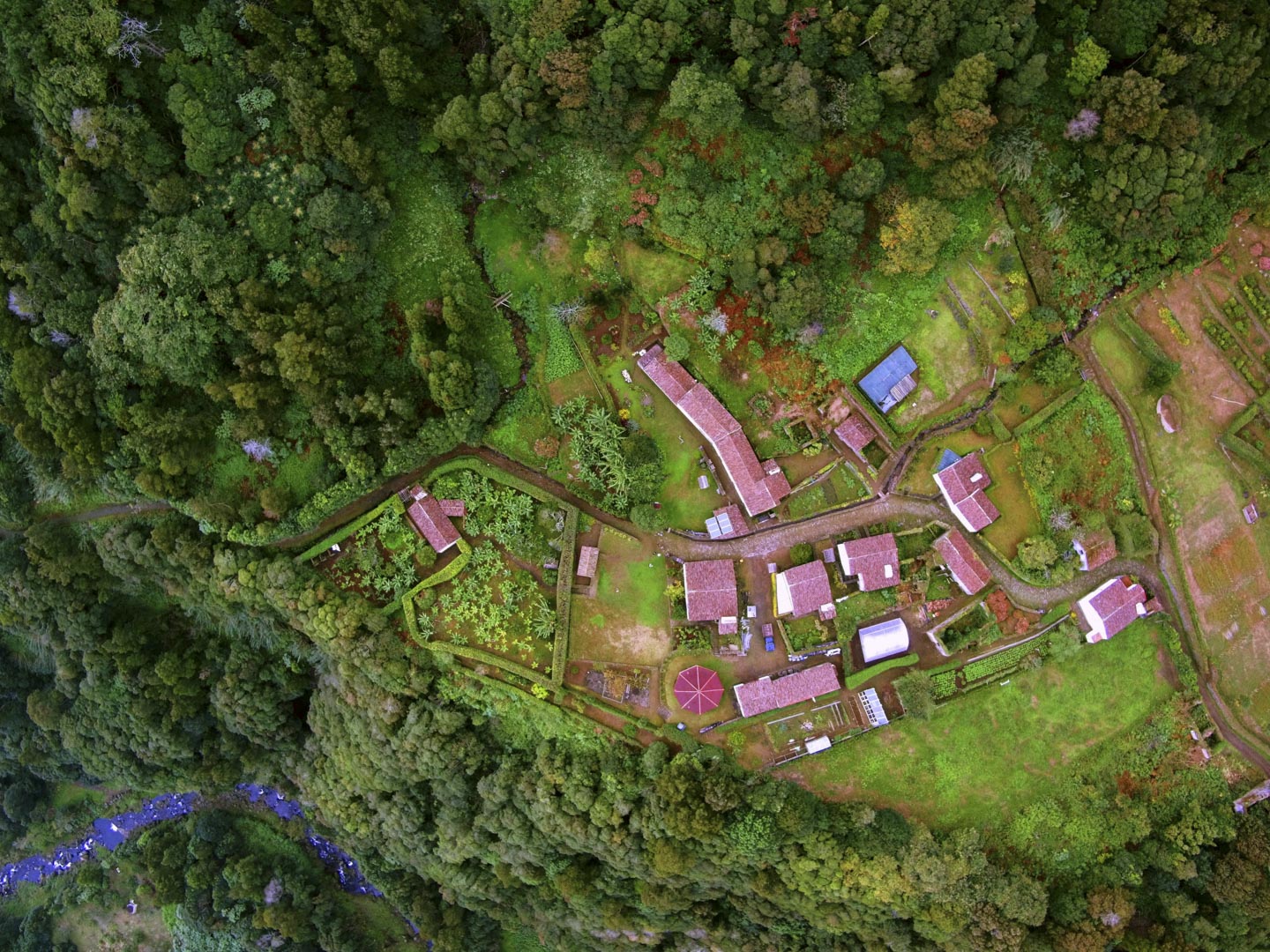
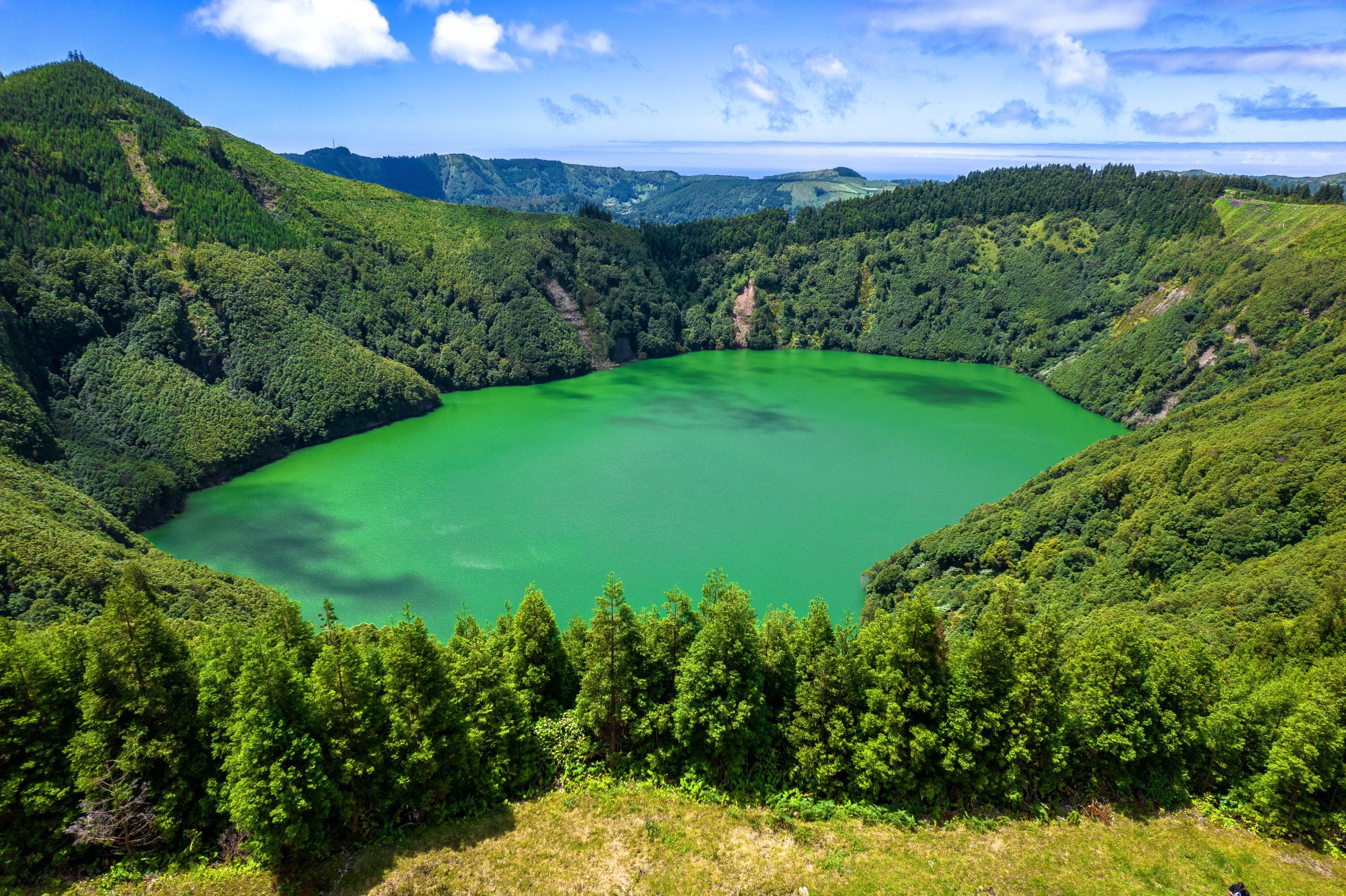
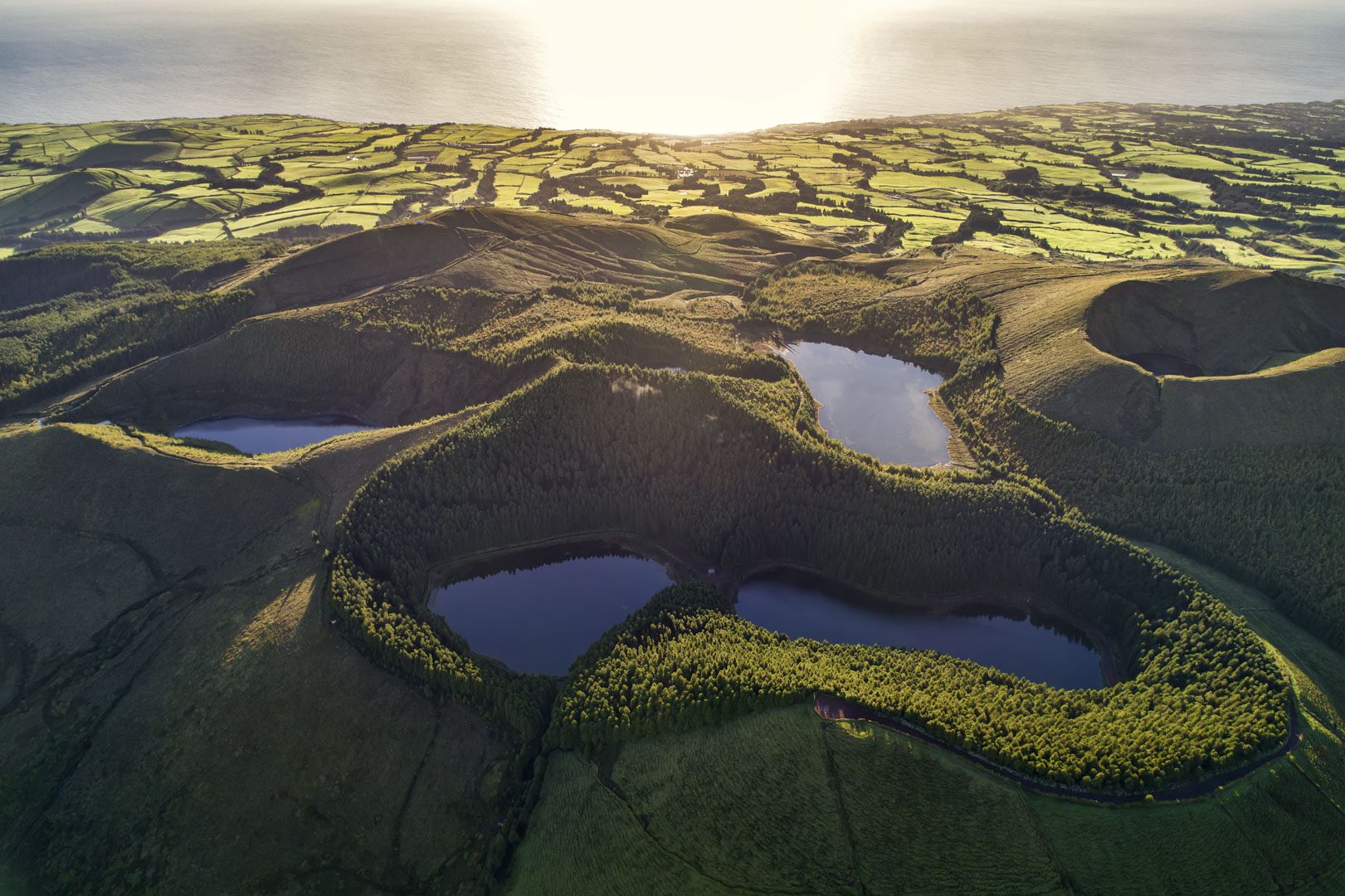
Located in the municipality of Povoação, on the island’s east side, Furnas is about 45 minutes away from Ponta Delgada by car. The valley of Furnas is situated inside a vast volcanic crater, one of the most active on the island. The primary sources of wealth in Furnas are agriculture and tourism, given its unparalleled beauty. This quiet place is well-known to travelers and locals who come here for the weekend or holidays.
Geology & Volcanology

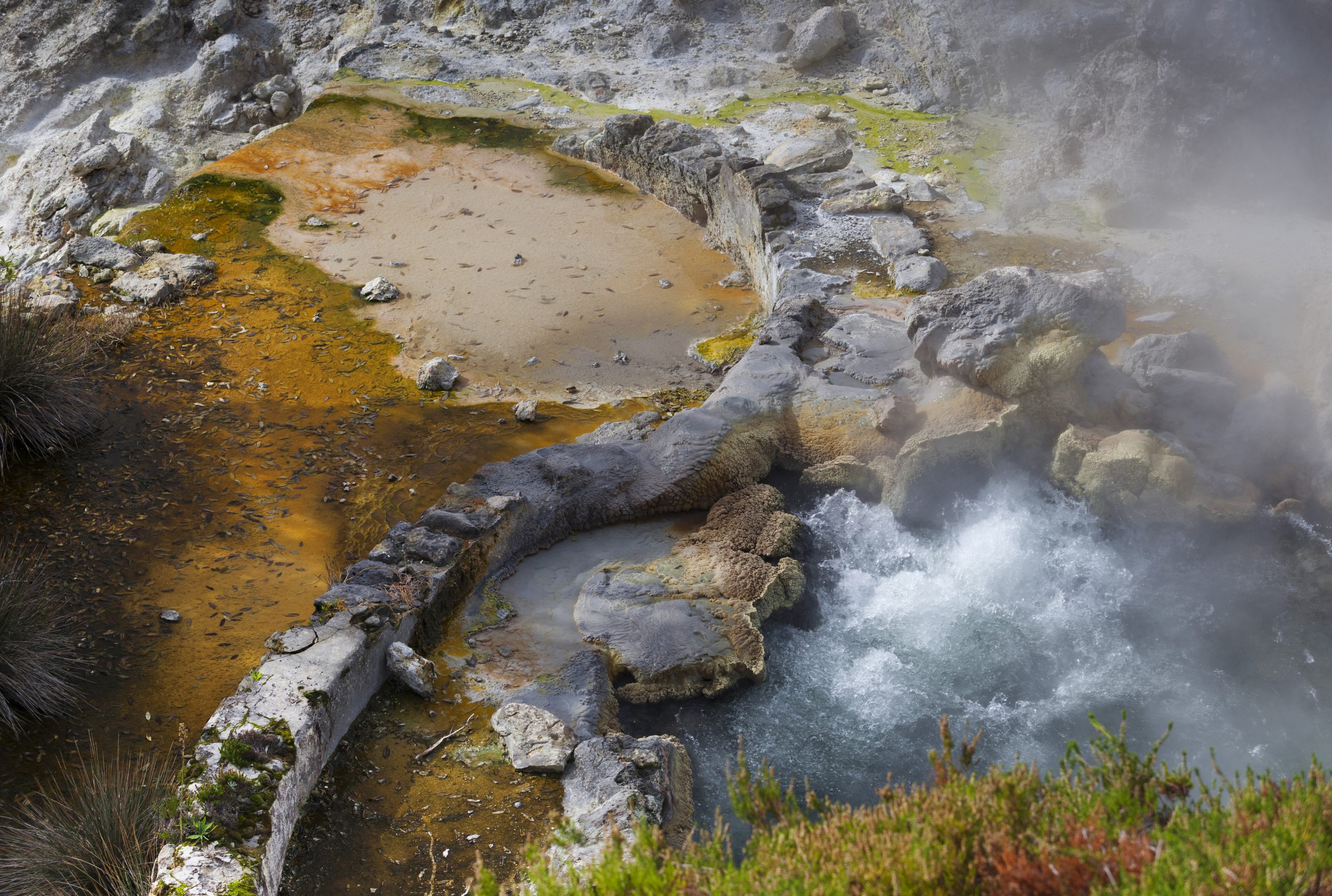
Inside Furnas, you can witness many phenomena of active volcanism, such as fumaroles, boilers, or hot springs. The last volcanic eruption of Furnas occurred in 1630, but the volcano remains active, as evidenced by numerous signs of its natural power.
Furthermore, many medicinal water sources will be found in the municipality. Some of them have gas, and some are hot, but one thing is sure: tasting 20 different water sources is unique and fun.
→ Related article: Caldeiras das Furnas
Fauna & Flora

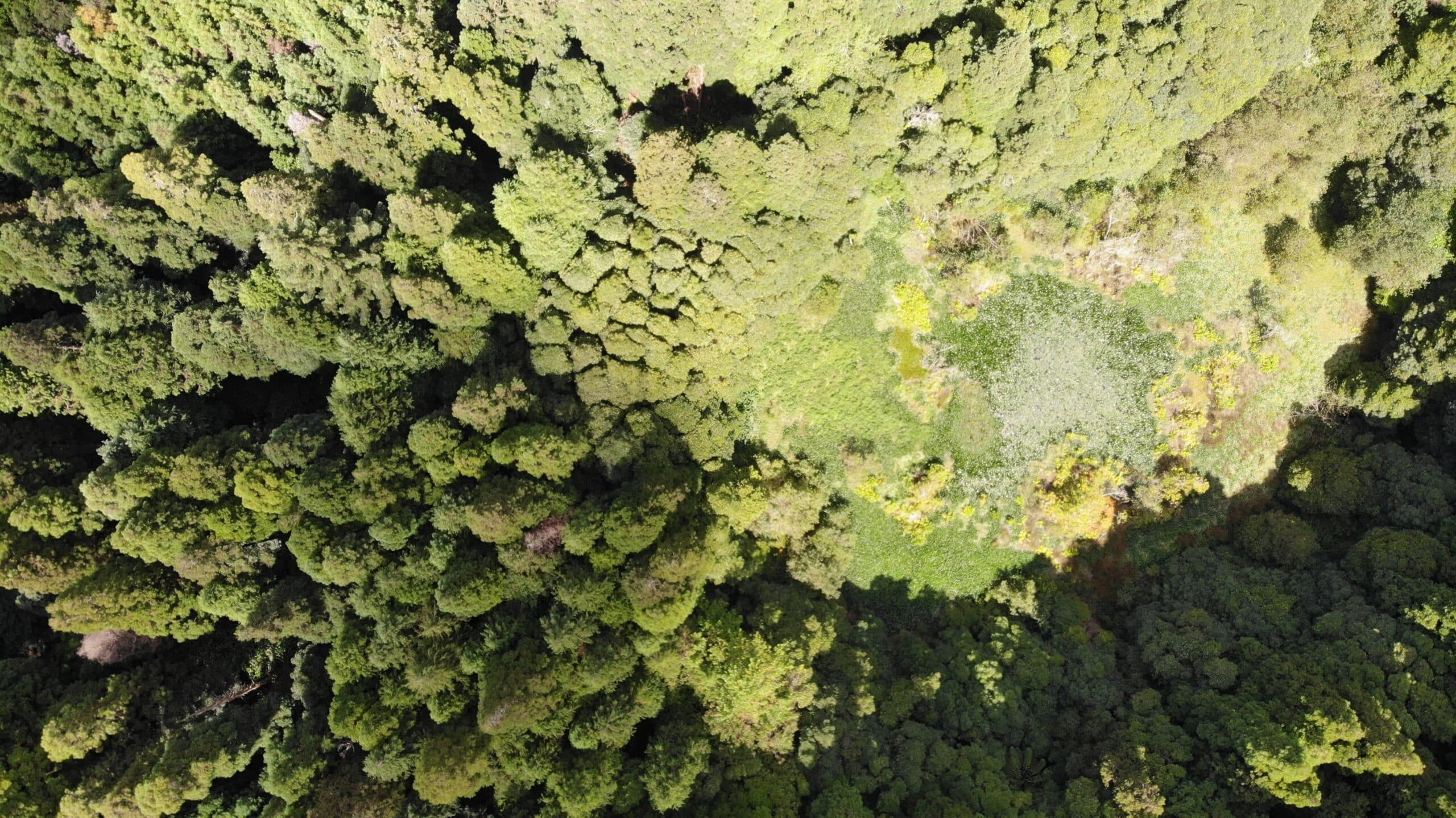
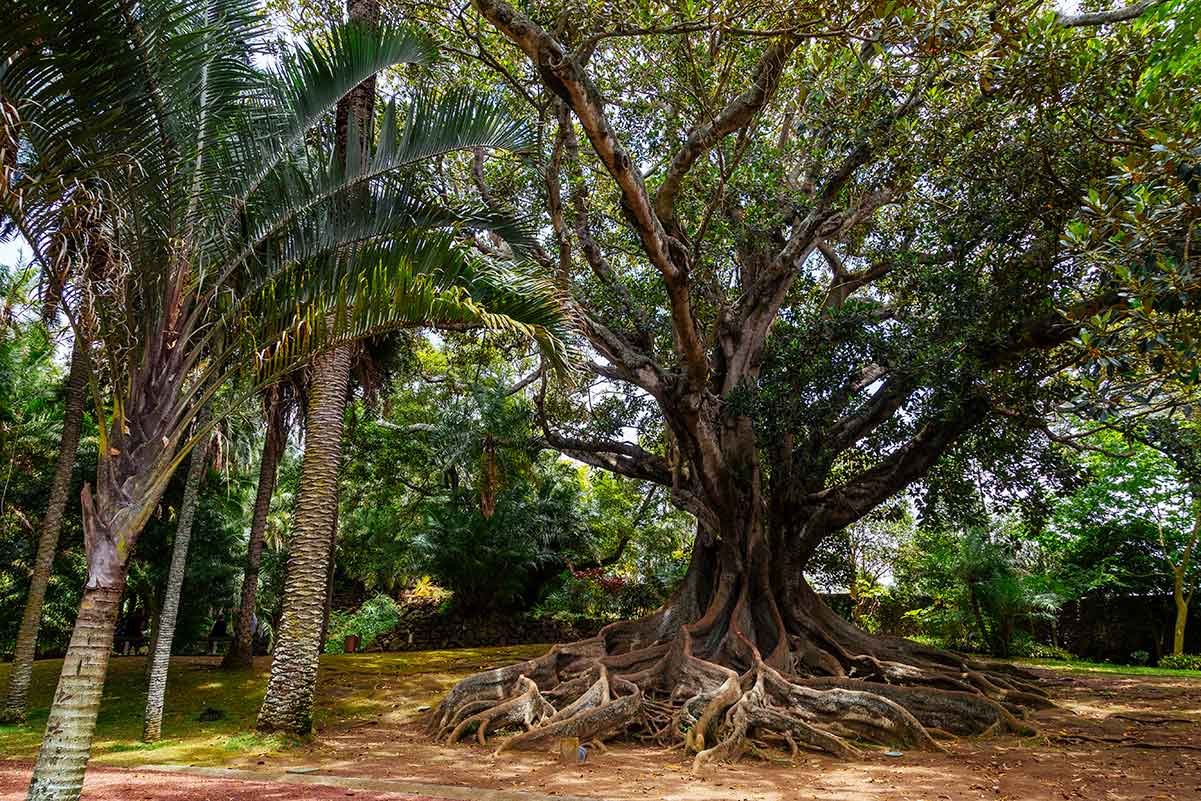
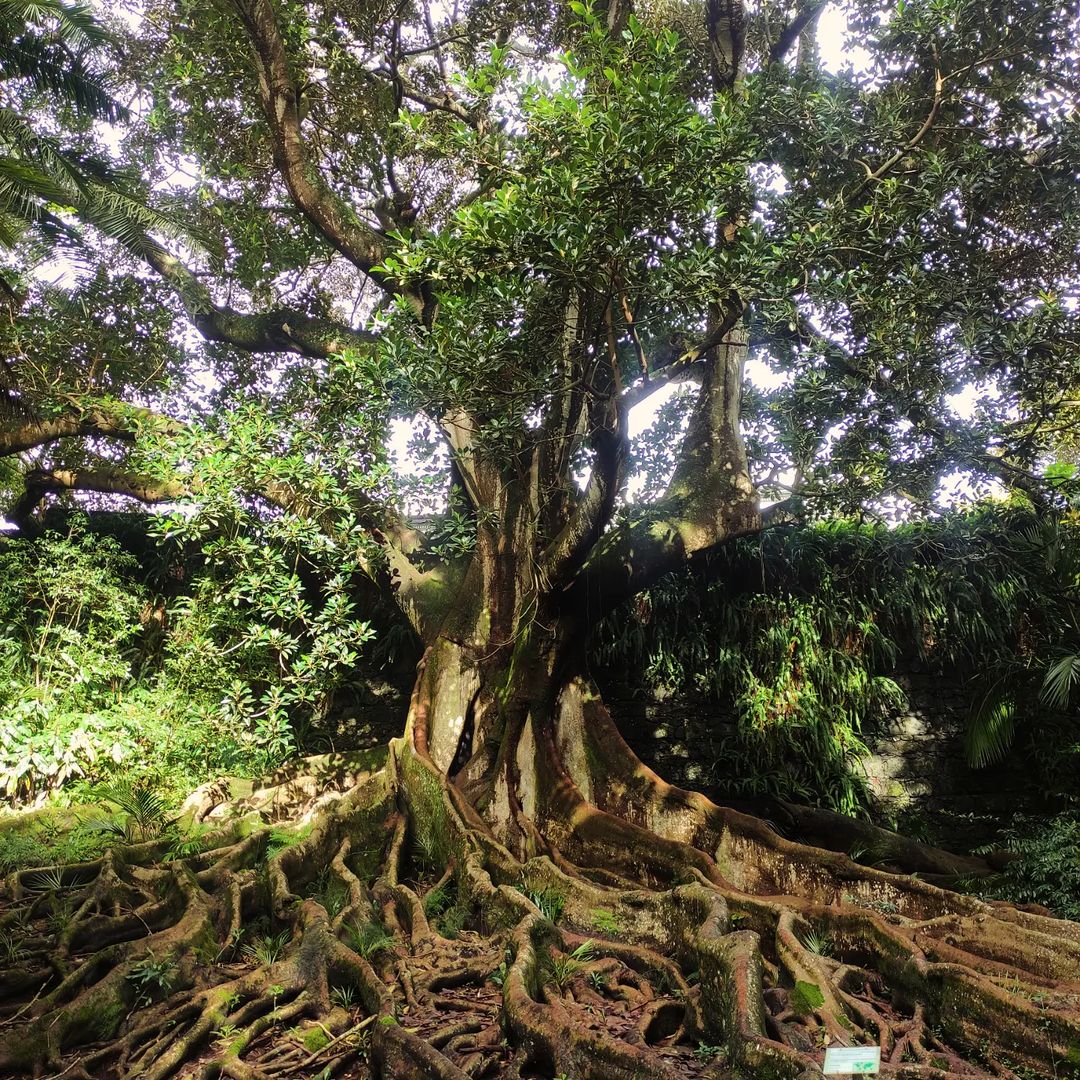
Did you know that Furnas is one of the richest hydrological regions of Europe? That is why there is lush vegetation. At Terra Nostra Botanical Garden, a wonderful variety of trees, plants, and flowers is on display, along with the hot springs.
What to Do at Furnas
Furnas is like a vast geological playground, where everyone will be amazed by nature’s wonders. We will split this section into the three different types of locations:
- Furnas Village;
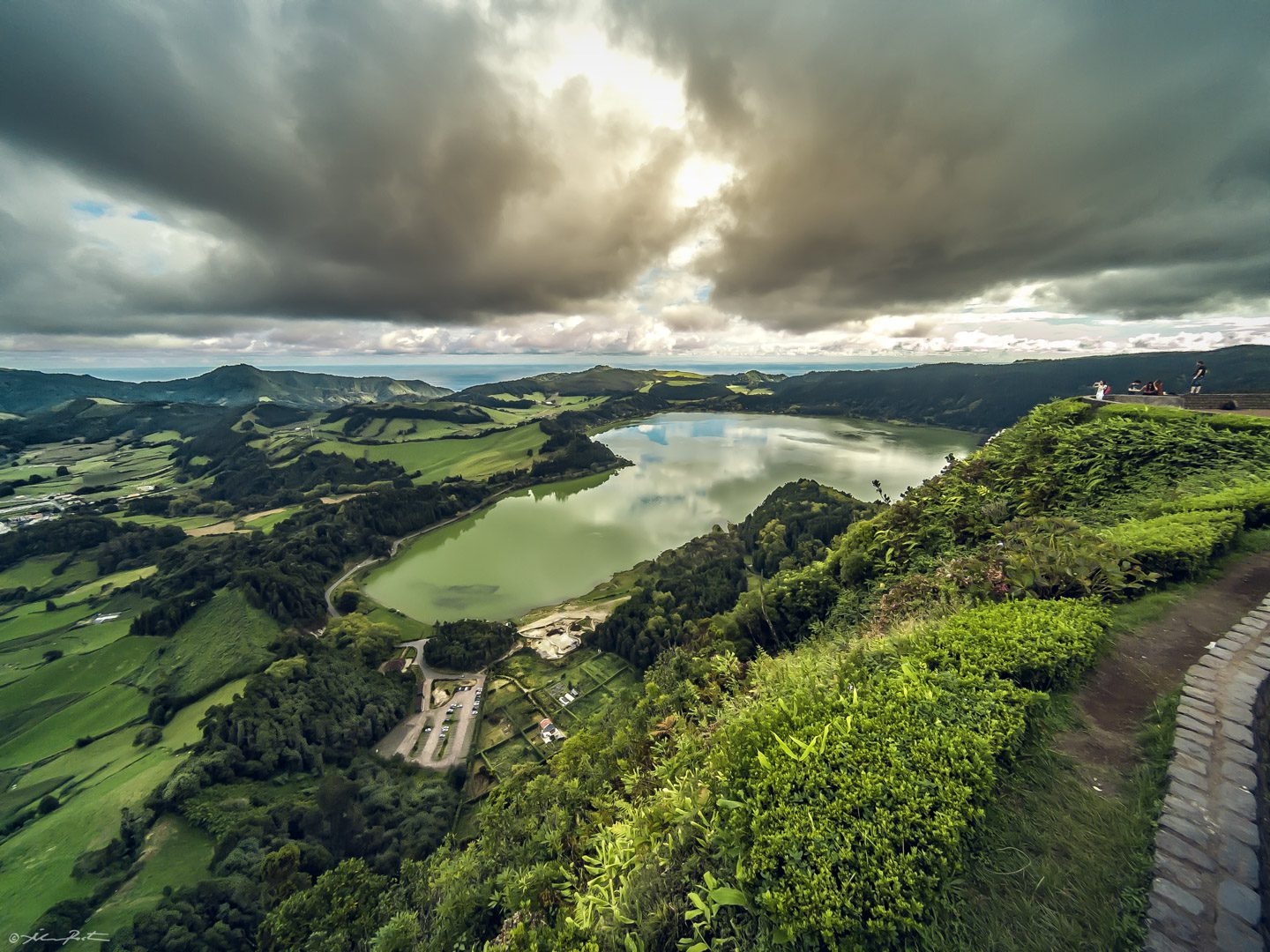
- Lagoa das Furnas;
- Caldeiras das Furnas;
- Miradouro da Lagoa das Furnas;
- Miradouro do Pico do Ferro.
Explore Furnas Village
Caldeiras das Furnas Volcanic Fumaroles

The Caldeiras das Furnas, also known as Fumarolas das Furnas, offer a unique sensory experience. They are among the island of São Miguel‘s main tourist attractions.
As in any place where magma is closer to the surface, the Smoky Field of Vila das Furnas and the Smoky Field of Furnas Lagoon are areas where these imposing volcanic manifestations occur. Unique landscapes accompany all this. This enigmatic place is worth visiting, and you cannot miss a visit to the site on your way through the Azores Archipelago.
Terra Nostra Botanical Garden

Terra Nostra Botanical Garden is a place of obligatory passage. It is located at the back of the well-known Hotel Spa Terra Nostra, and because of its size, the best way to explore the space is to dedicate a whole morning or afternoon.
In addition to the hot tank, the park also features a wonderful botanical garden that deserves special attention. With over 2,000 species of trees coming from the four corners of the world, an invaluable collection of camellias (600 species), and a considerable variety of flowers, this place is worth an in-depth visit.
→ Related article: Parque Terra Nostra’s Thermal Pool
Poça da Tia Silvina / Lava Pés
One of the most flashy places in the Parish of Furnas is Poça da Tia Silvina, a foot wash with railway water located on the Way of The Fires. This site is appreciated for its therapeutic properties – here, you can alternate between the hot water of the puddle and the cold stream, allowing you to relax your feet.
So, if you’re considering taking long walks and visiting various trails, finishing your adventures in this location will be a gold-on-blue experience.
Mata-Jardim José do Canto

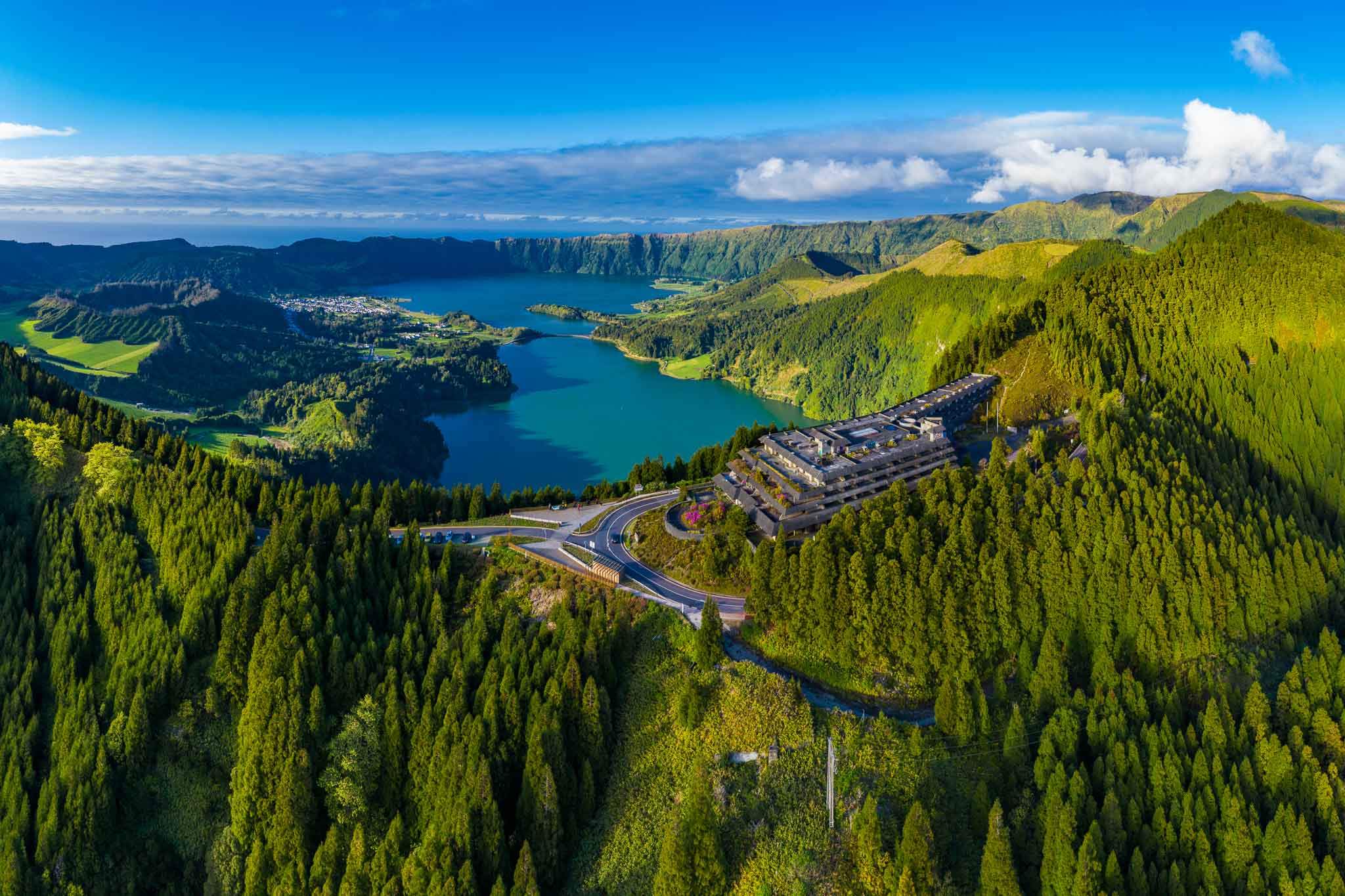
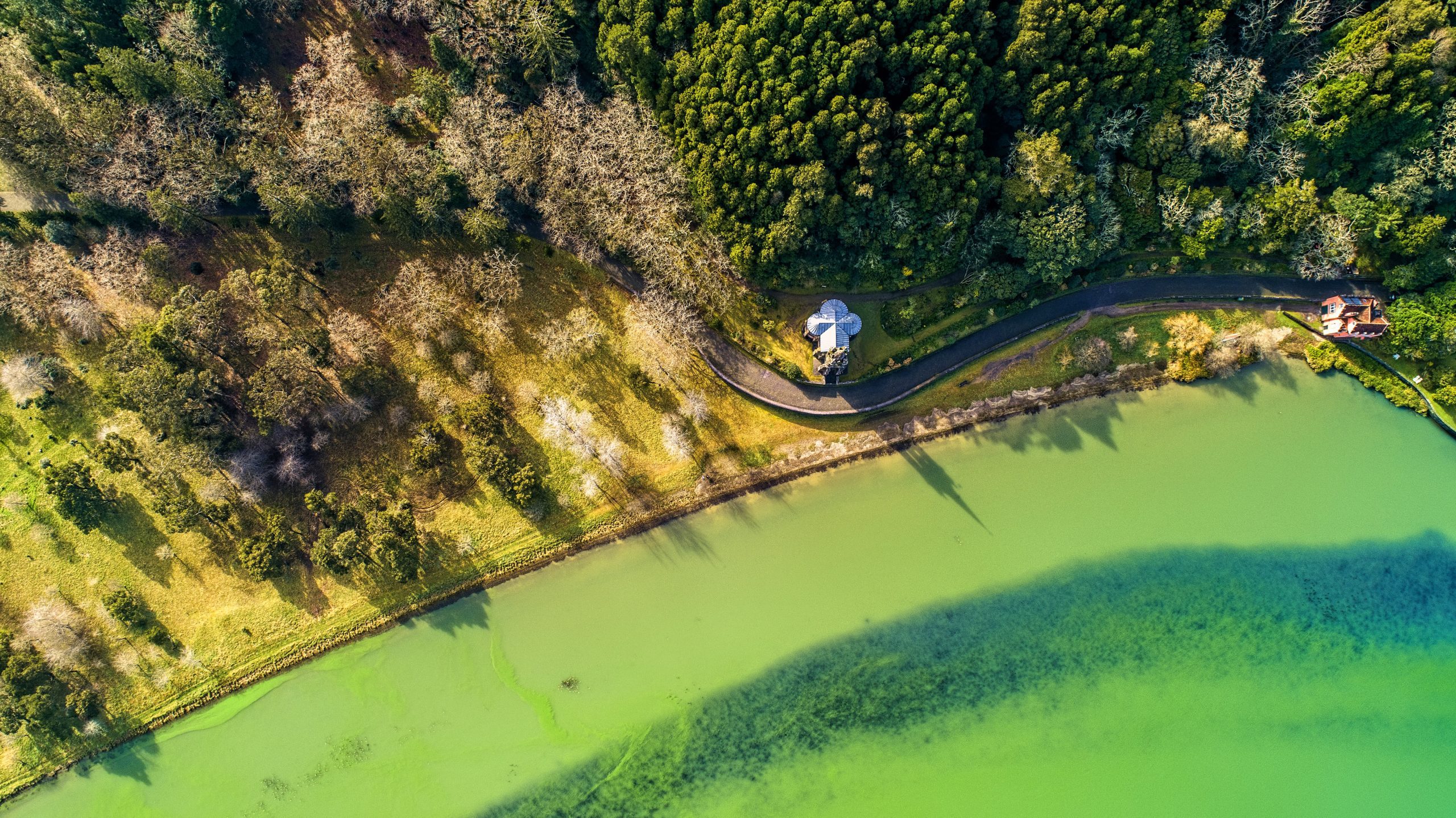
Located on the south bank of Lagoa das Furnas, Mata-Jardim José do Canto surrounds the Chapel of Nossa Senhora das Vitórias. In addition to the neo-Gothic chapel, next to the lagoon shore, you can find the House of Boats and the Lagoa House, which have been converted into rural tourism spaces. It is in the extensive property, spanning approximately 10 hectares, that you can glimpse its magnificent garden, featuring several species of centuries-old camellias.
Observatório Microbiano dos Açores (OMIC)
Observatório Microbiano dos Açores highlights the importance of balancing and evolving Azorean ecosystems, emphasizing the existing biodiversity in Azorean hot springs. This science center features permanent and temporary exhibition spaces, as well as a laboratory where visitors can observe samples of living microorganisms and participate in activities outlined in experimental protocols.
Centro de Monitorização e Investigação das Furnas (CMIF)
The Furnas Monitoring and Research Center (CMIF), as its name implies, is a research center where you can learn more about the history and evolution of Furnas Volcano over the centuries, as well as the changes it has undergone following its eruptions.
If you wish to visit the research center, please note that the tour lasts approximately 30 minutes and is accompanied by a guide who will explain everything you can observe in the exhibition and video room.
At the CMIF, you will also have the opportunity to observe the Landscape Laboratory’s intervention work, carried out by several technicians who work daily to protect and restore the region’s ecosystems.
Must-Do Activities at the Furnas Village
Relax in the Terra Nostra Park and Poça da Dona Beija Iron-rich Thermal Pools

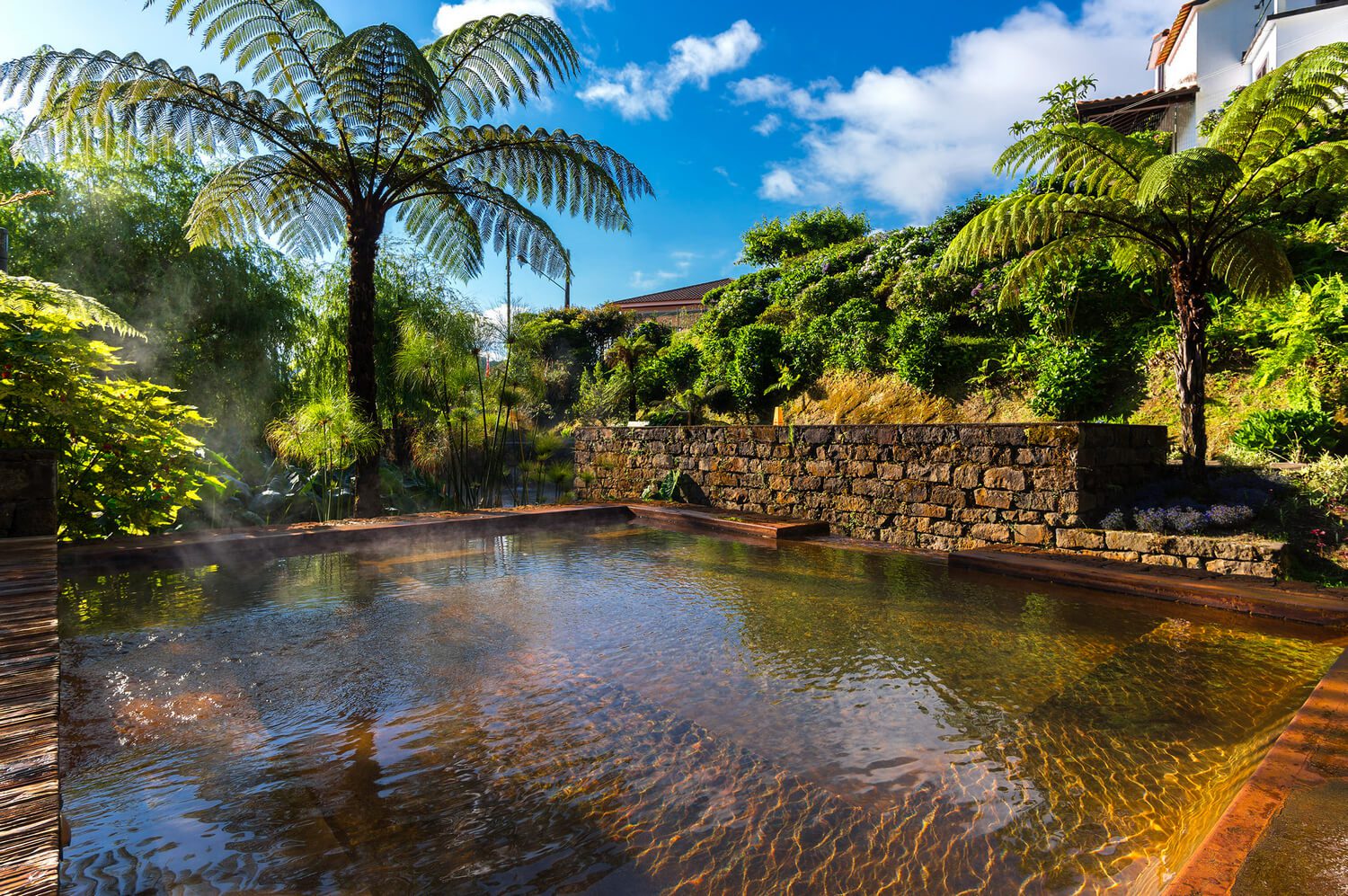
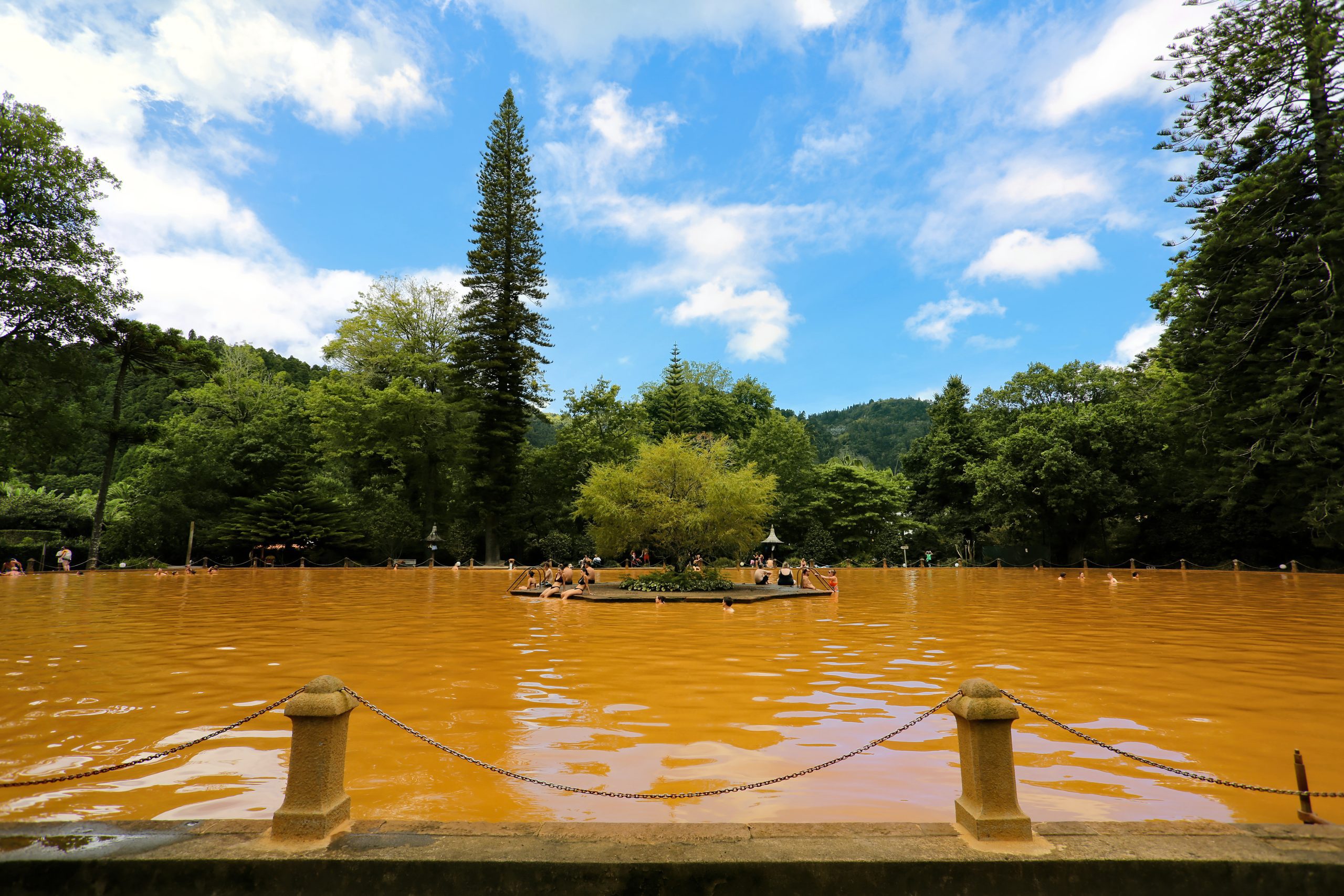
In the immensity of the Botanical Garden of Parque Terra Nostra, among the numerous endemic species of peculiar plants and trees, you can find a magnificent hot-water tank between 38ºC and 40ºC.
Due to the high iron concentration, the tank water has a brownish tint that, at first glance, appears strange. However, it is worth looking beyond color, as the thermal waters of Parque Terra Nostra offer numerous medicinal and therapeutic properties for those who bathe in them.
The distance between the Terra Nostra Park and Poça da Dona Beija is relatively short. However, these spaces are quite different and adopt different concepts, so your visits are mandatory.

For a night hot-spring experience, Poça da Dona Beija is a magical place to be. Observe the stars when soaking in a naturally warm pool. It is a unique experience to have on São Miguel Island. The Poça da Dona Beija comprises five continuous tanks arranged in an ascending order, differing in depth and temperature. The space offers a longer schedule that can last up to 23 hours.
Try the Flowing Spring Water in Furnas
In the parish of Furnas, you will find more than 20 thermal springs with aromas, shades, flavors, and distinct therapeutic properties. Have you ever heard of water that can cure hangovers? Azeda do Rebentão is one of the most popular hot springs in the parish. The “Sour Water” from the Sour Spring of Rebentão, in addition to its purple hue, was known to cure hangovers when heated.
A hot spring popular in the region was also the source of the “Holy Water”. With very characteristic mineral properties, the small source of hot water situated on the descent of a staircase allows you to make your hot drink.
Must Eat at the Furnas Village
Eat the “Cozido das Furnas” in a Local Restaurant

Cozido das Furnas, also known as Cozido da Caldeira, is the most emblematic dish on the island of São Miguel and is a gastronomic product highly valued by locals and tourists. With a different version of traditional Portuguese stew, the dish consists of beef, pork, chicken, yams, sweet potatoes, cabbage, carrots, traditional chorizo, and black pudding. This specialty is prepared the day before and does not require water or spices. Only coarse salt is used.
Using a unique method, Cozido das Furnas cooks with steam inside holes dug into the ground in the boiler area. This specialty, cooked slowly for approximately 5 to 6 hours, yields a rich, abundant broth with tender meats and a divine flavor. The Furnenses usually make this delicacy, but interested people can also participate and follow the experience from start to finish.
Taste “Bolos Lêvedos” (Yeast Cakes)

The Yeast Cakes, known as “Bolos Lêvedos” in Portuguese, are one of the region’s most well-known and coveted sweets. This traditional sweet is a thick pancake that people can serve with a sweet filling or savory (cheese or ham). From the stew in the boiler to the rice pudding, through the yams and the cakes, the difficulty will be even to taste everything during the passage through Furnas on the island of São Miguel.
→ Explore the authentic flavors of Azorean gastronomy in our articles: Bolos Lêvedos | Cozido das Furnas | Grilled Limpets | Massa Sovada | Pimenta da Terra | Gorreana Tea | Queijadas de Vila Franca do Campo | Queijadas da Graciosa | Azorean Cracas
Taste Corncobs Cooked in the Caldeiras
São Miguel’s gastronomy is rich, so finding a local delicacy that suits your tastes is possible. This may be the case with traditional “Maçarocas de Milho”.
At some point, in the Caldeira do Esguicho area, you will find villagers making the “Maçarocas das Furnas”, arousing the curiosity and appetite of visitors. The process becomes relatively simple: after tying a rope around the corn cobs, dip them into the holes of the fumarolas at very high temperatures, and shortly afterward, remove the corn from the hole when it is completely cooked.
After cooking, wash corn cobs to remove traces of sulfur from underground, making them ready for consumption. Before eating, carefully remove the leaves covering the ear, then slowly remove the juicy, hot corn kernels without burning them.
Lagoa das Furnas
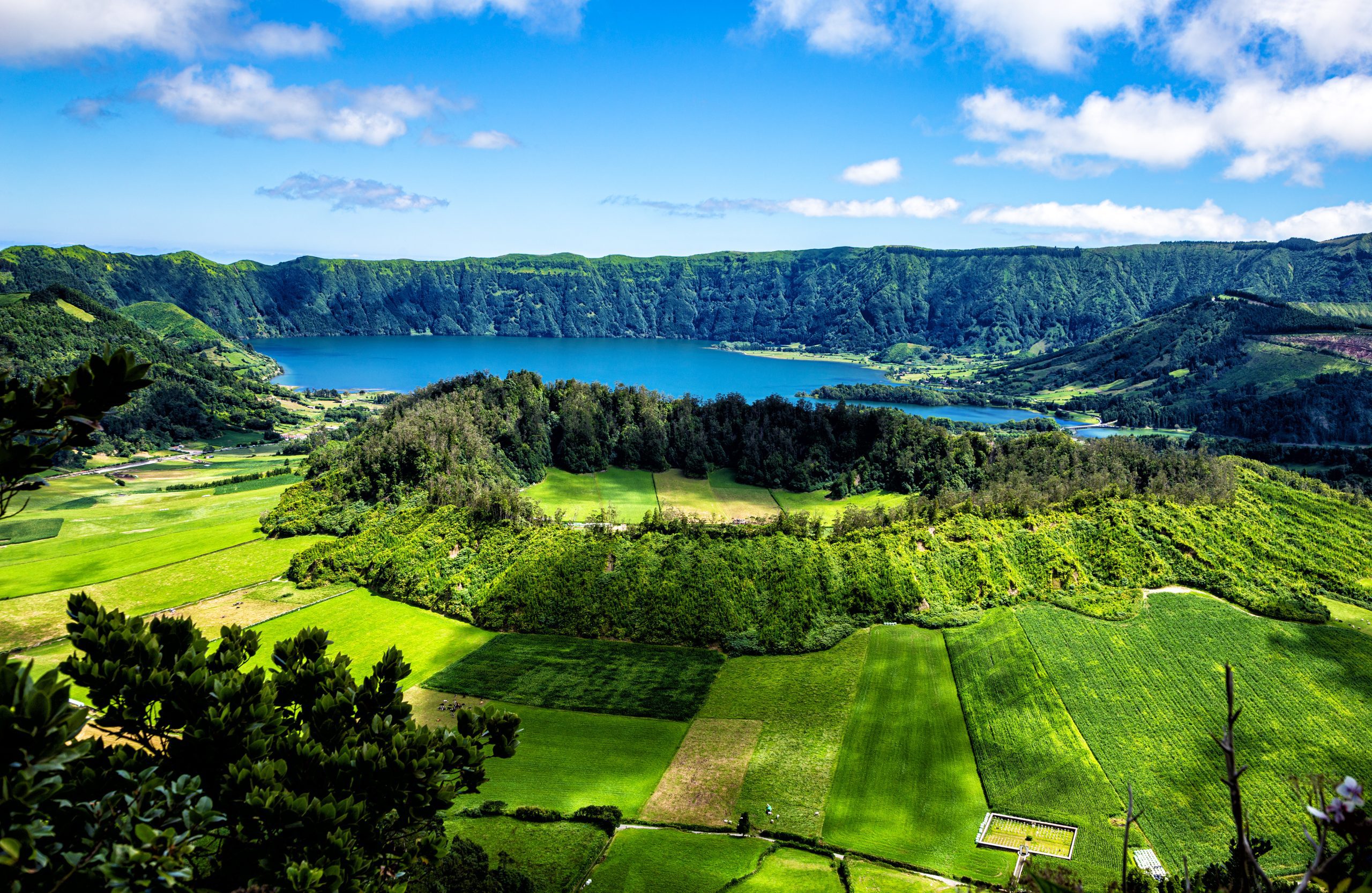
From radical activities in nature to more relaxing, romantic experiences, Lagoa das Furnas will always be a viable option for those seeking adventure and tranquility.
Must Visit Places at the Lagoa das Furnas
Casa dos Barcos and Casa da Lagoa

Initially built as a cottage inspired by Nordic (Anglo-Flemish) architectural models, the Casa dos Barcos, now converted into a rural tourism destination, was formerly known as the “Navigation Pavilion.”
On the other hand, Casa da Lagoa has been converted into a rural tourism space. It was originally the old “Fishing Pavilion,” designed as a Franco-Swiss chalet. The picturesque elements inspired the architecture. These rural accommodations offer natural and historical elements that make your stay or visit memorable.
Now, both houses sit on the south bank of Lagoa das Furnas. They insert themselves in the Mata-Jardim José do Canto. Here, besides the garden of exceptional botanical diversity, we also find the Chapel of Nossa Senhora das Vitórias.
Gothic Chapel of Nossa Senhora das Vitórias

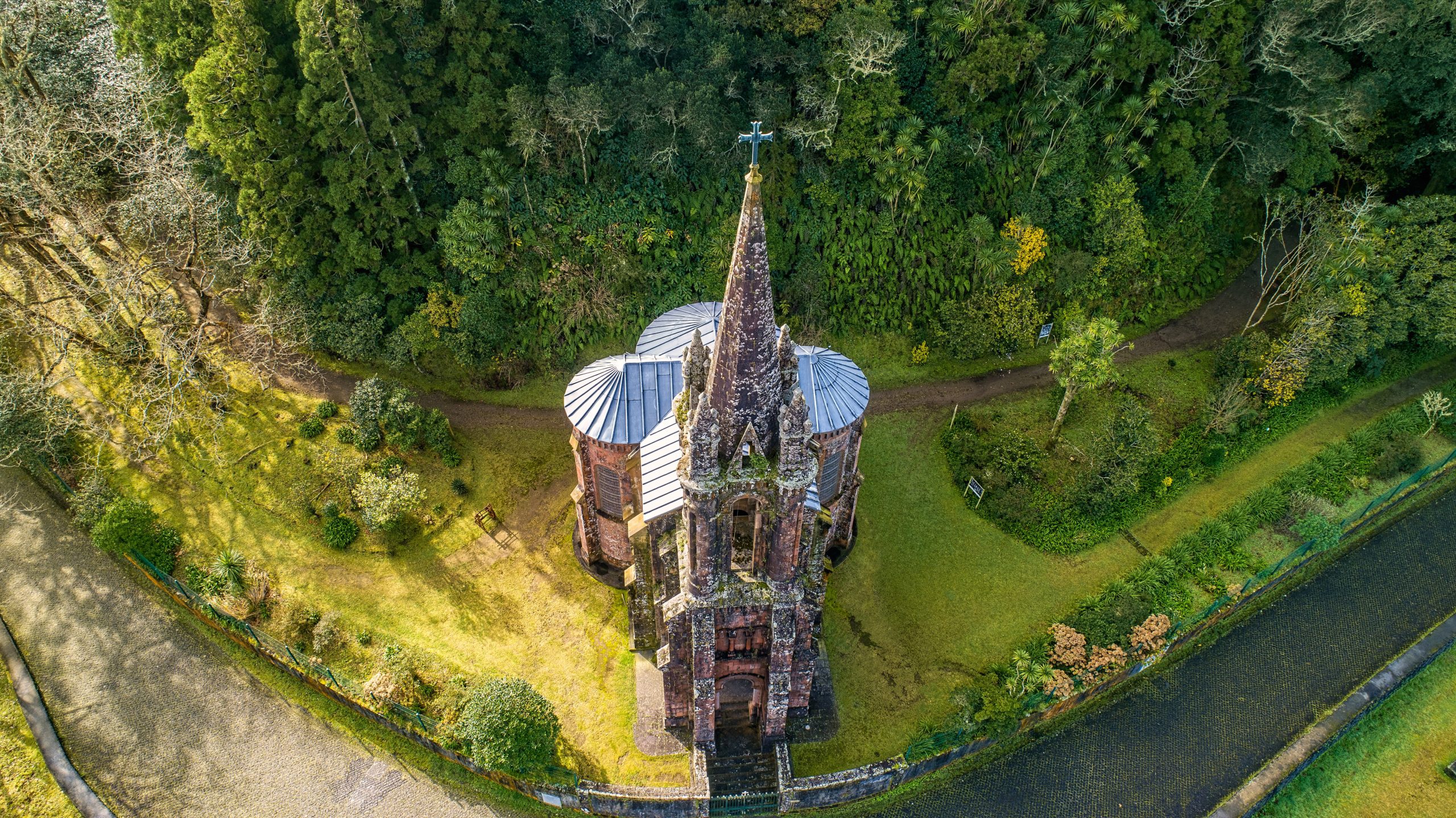
If you pass through the Furnas Lake, you’ll likely notice the Chapel of Nossa Senhora das Vitórias. It is located on the south bank of the lake and stands out as a notable landmark in the area. The Neo-Gothic chapel was built between 1877 and 1888. The contemporary architecture of the great European capitals inspired it. When you visit, take the opportunity to explore its interior. You can observe its unmistakable construction and intricate design.
The Mata-Jardim José do Canto surrounds the chapel. Here, you can stroll through the botanical gardens. You will find a set of statues delicately carved into tree trunks. Additionally, there are information boards about the area’s flora.
Parque da Grená

Located on the island of São Miguel, Grená Park sits on the north bank of Lagoa das Furnas. It captivates visitors with its abundant charms and serene surroundings. On your visit to the park, you will see an exhibition. The exhibition showcases the history of the property’s restoration.
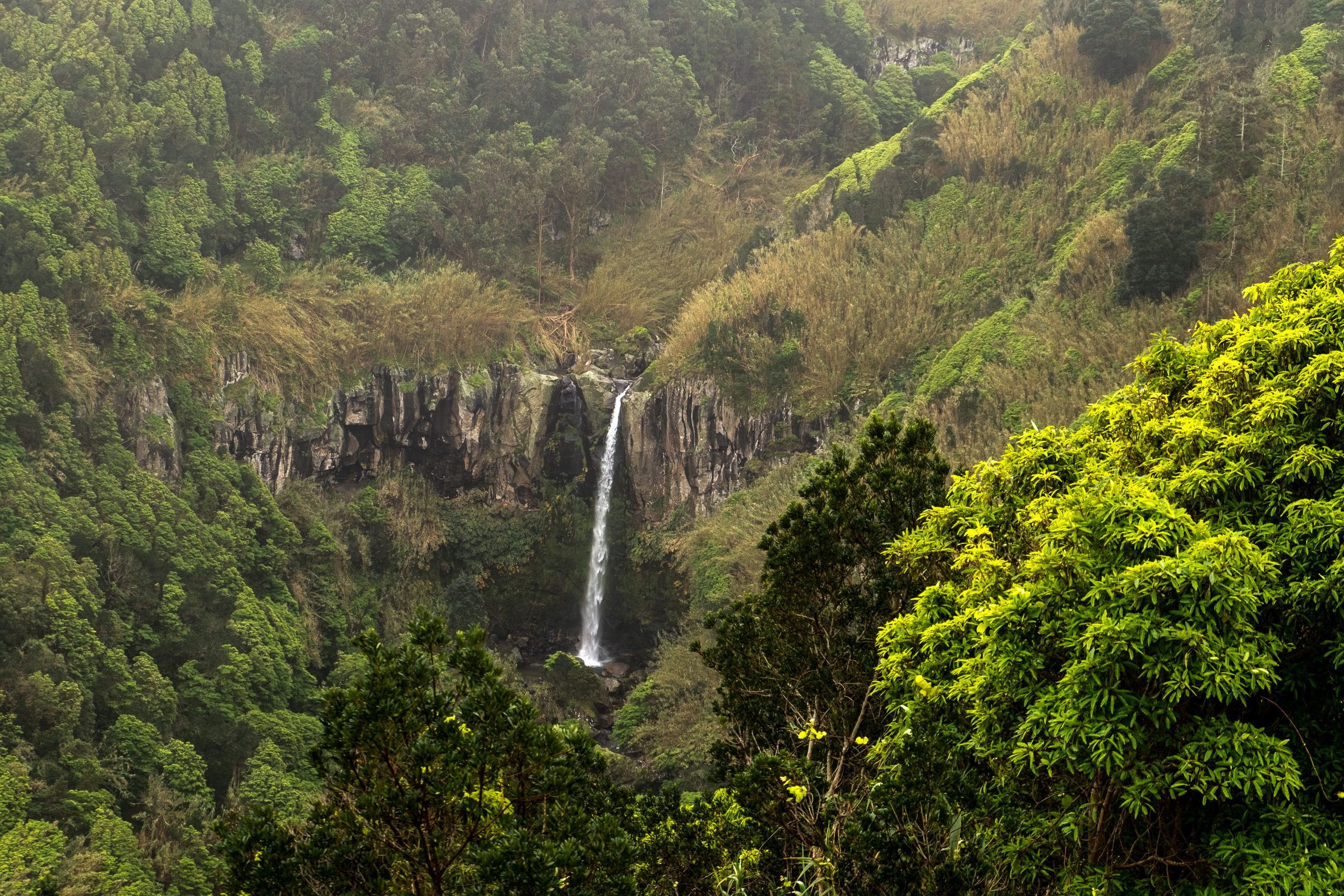
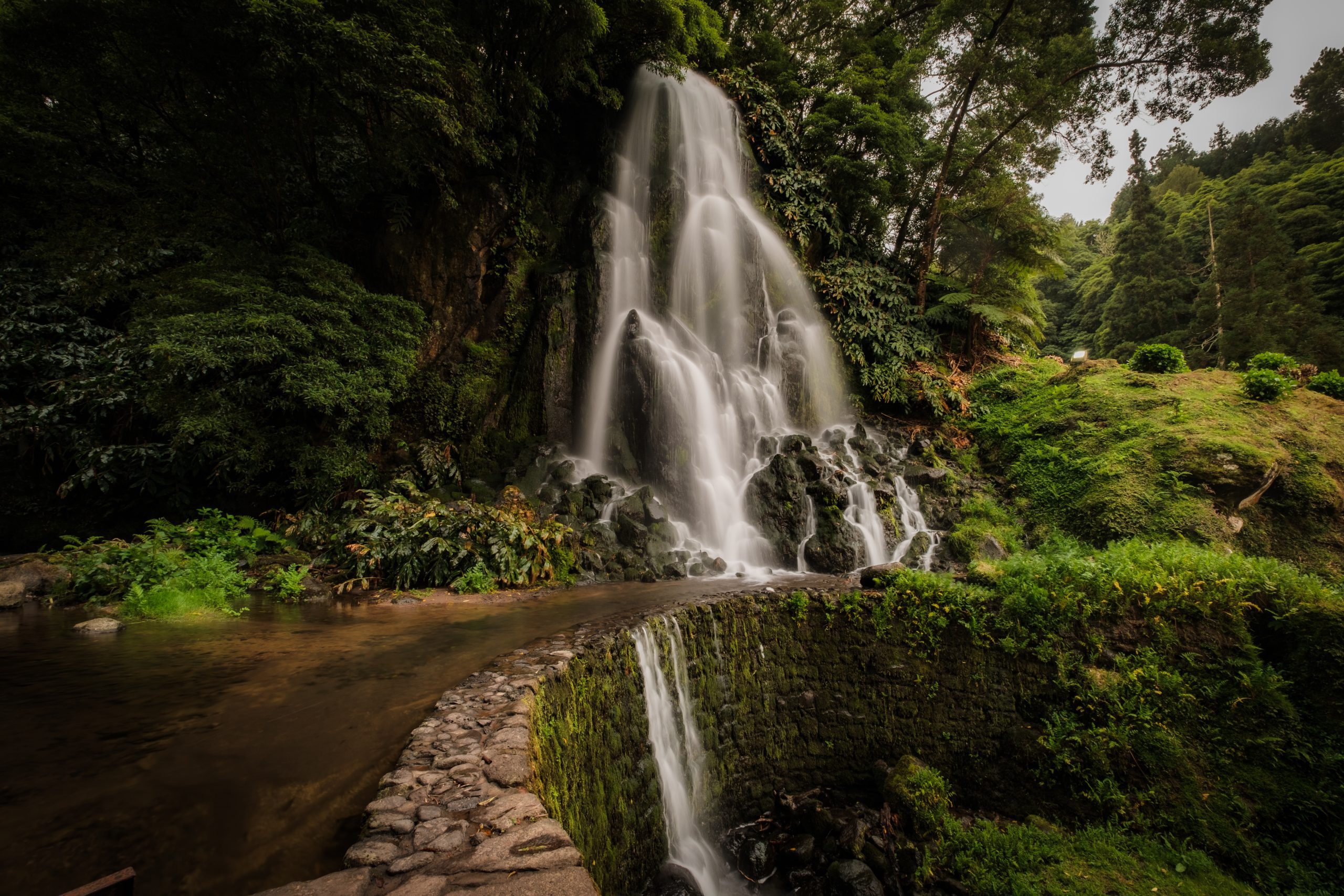
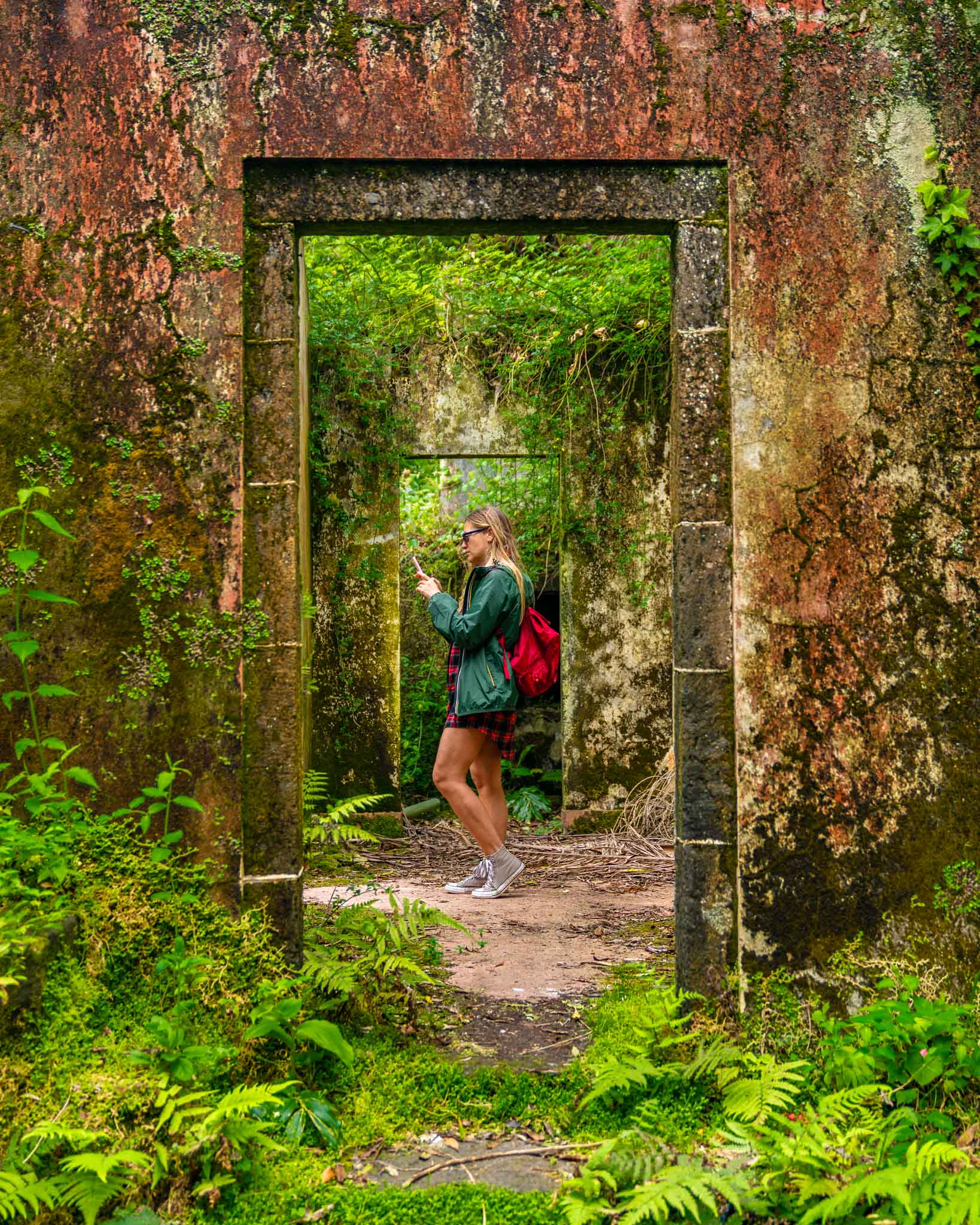
With 18 hectares of forest of “untouchable nature”, this space is a point of interest for tourists. Here, you can observe a watercourse, waterfalls, streams, and various trees. You can also see typical animals in the region. In addition, you can enjoy views over the ruins of a manor house from 1858. The ruins are located inside this park, offering visitors historical intrigue and scenic beauty.
Must-Do Activities at the Furnas Lake
Practice Aquatic Activities in the Volcano Lake
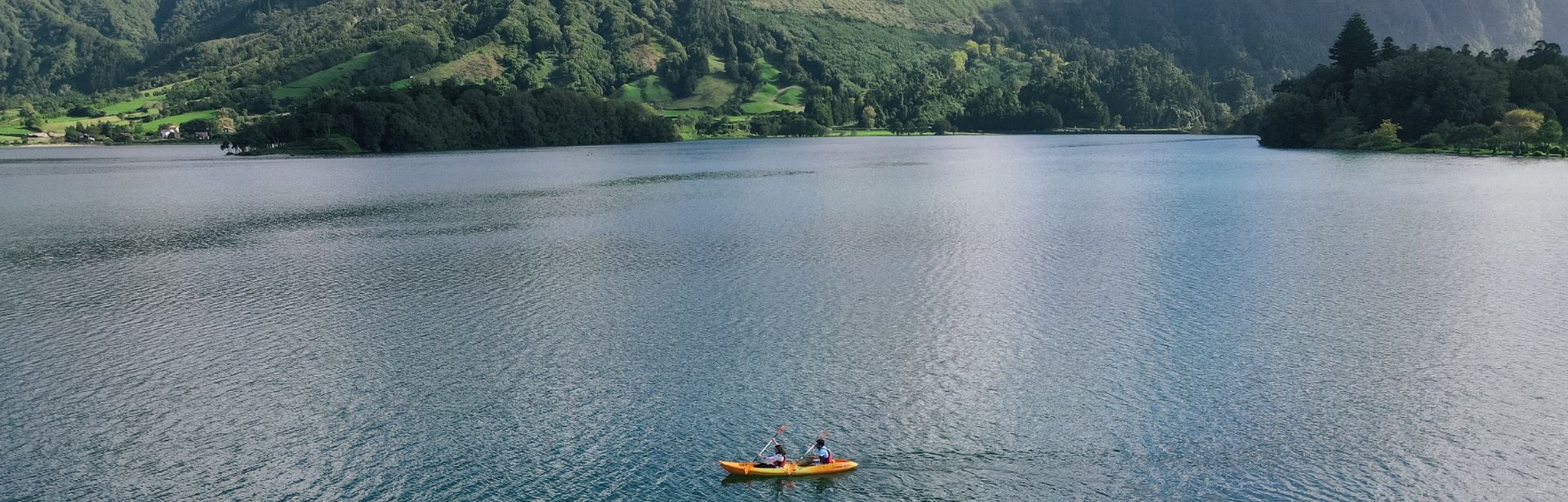
You probably never imagined playing a sport in the caldera of a volcano. However, in Lagoa das Furnas, you can enjoy several water activities that will stay in your memory for years. You can go canoeing or ride a “Gaivota” (seagull, if translated to English) with family or friends. Feel the grandeur of the volcanoes that shaped the island hundreds of years ago.
Furnas Viewpoints
Miradouro do Pico do Ferro

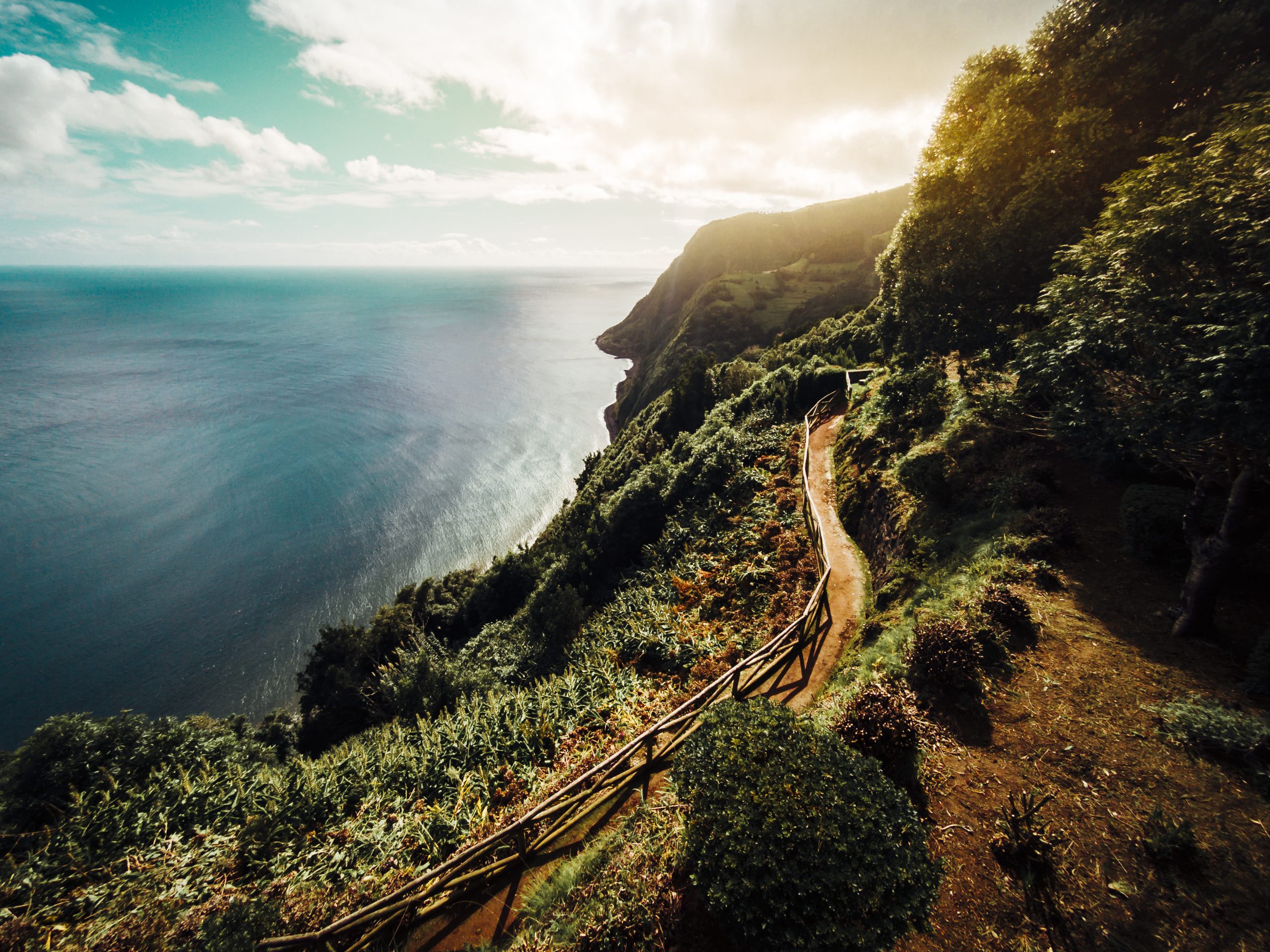
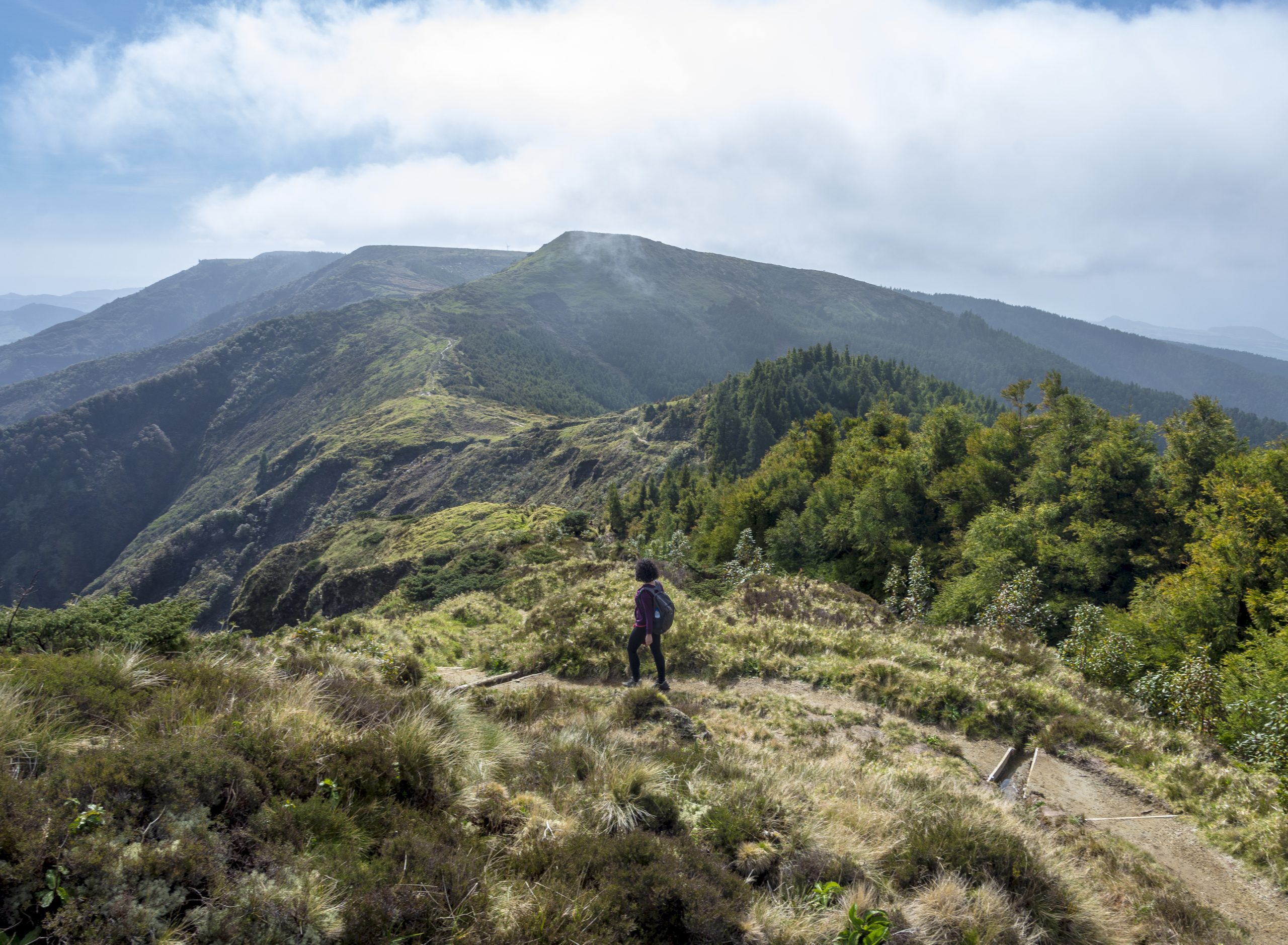
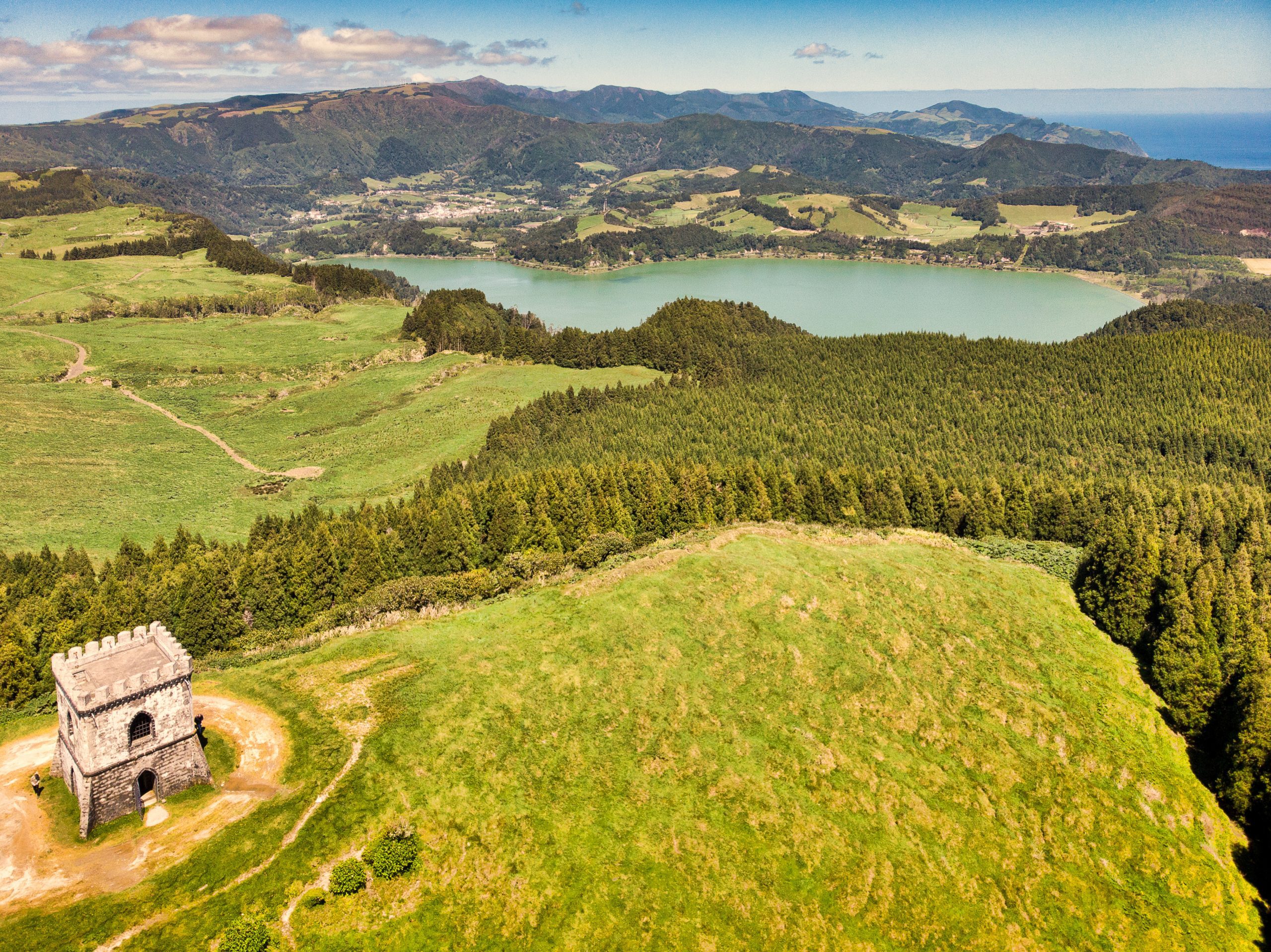
The Pico do Ferro Viewpoint is one of the most famous viewpoints in the region. It has an altitude of 570 meters and is situated in the parish of Furnas, on the island of São Miguel. From here, you can admire an impressive view of the volcanic crater of The Furnas Volcano. On days with favorable weather, it is still possible to see other mountains on the island.
Miradouro do Salto do Cavalo

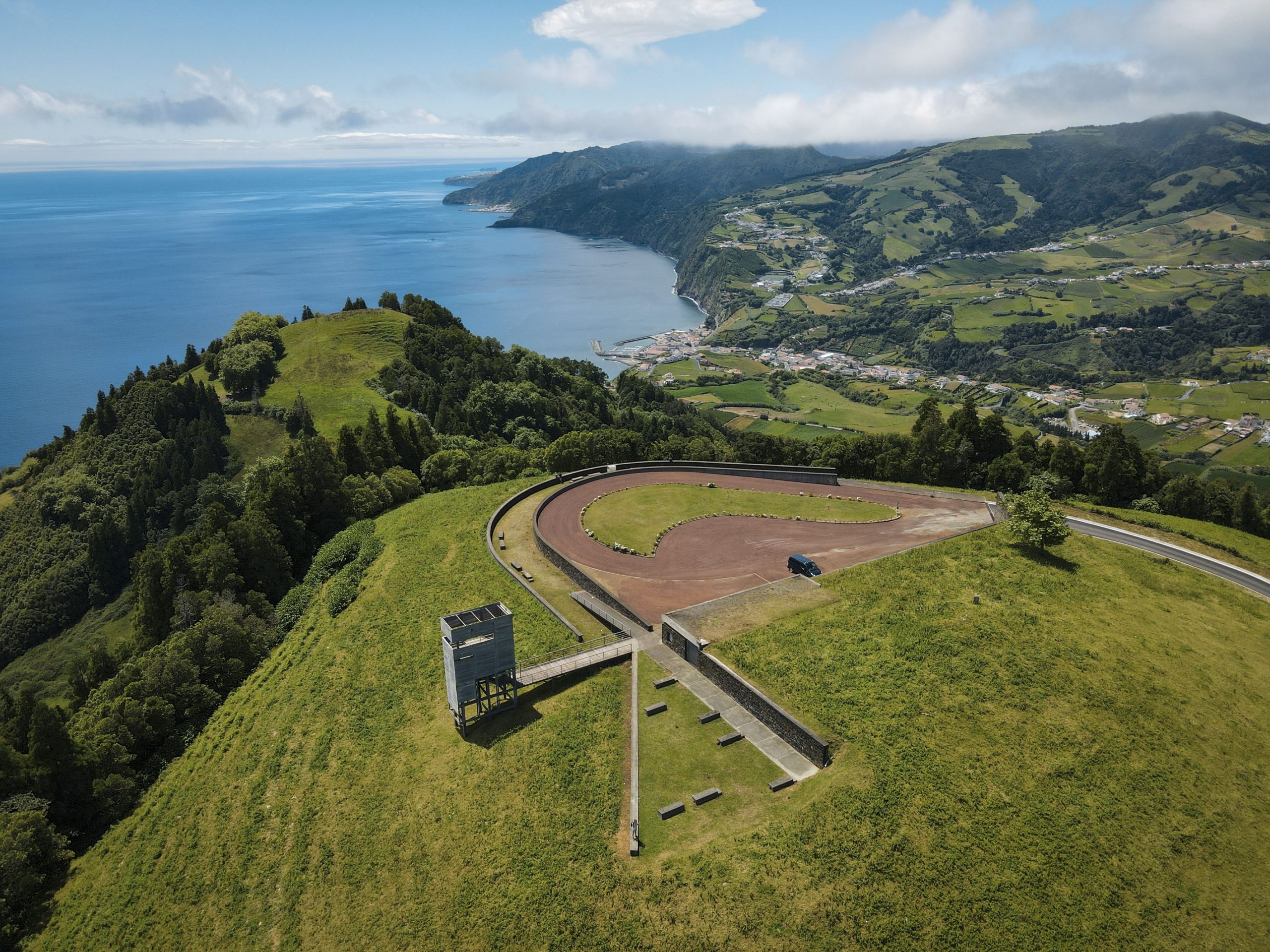
Salto do Cavalo Viewpoint in Furnas, Azores, offers panoramic vistas of lush green valleys and volcanic landscapes. It gives visitors a breathtaking perspective of São Miguel Island‘s natural beauty.
Nearby Attractions
Nordeste

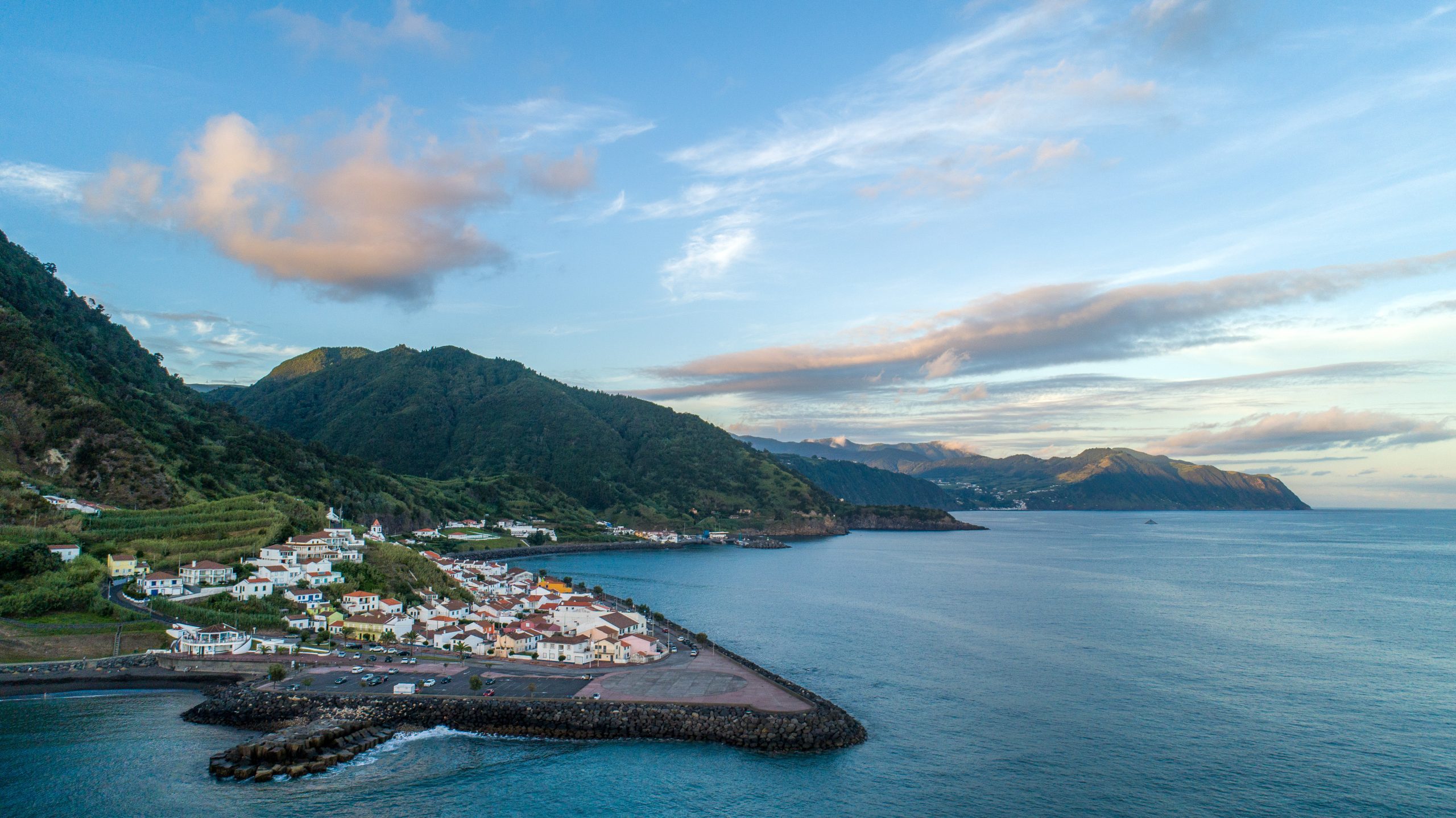
Vila do Nordeste, located in the Nordeste of São Miguel Island, is a charming and picturesque town with a rich heritage. Known as one of the most flowery villages in Europe, it is a sight to behold, especially during the spring and summer months. A visit to Nordeste is a must for anyone seeking to experience the unique beauty and history of the Azores.
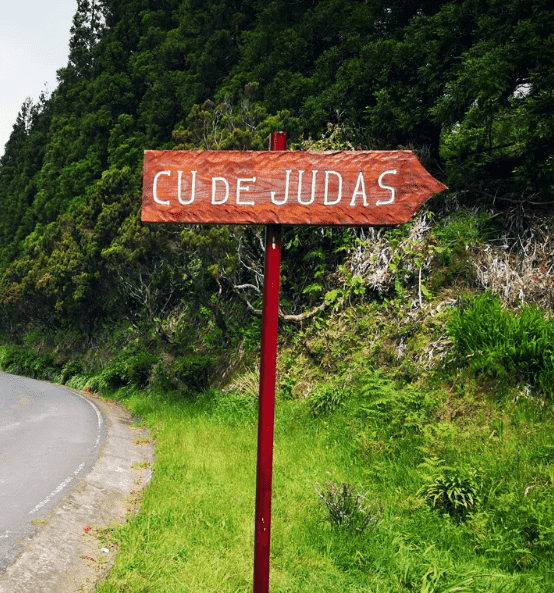
Check all our articles about each one of the most relevant points of interest in Nordeste: Cu de Judas | Nordeste | Farol do Arnel | Faial da Terra | Ponta do Sossego | Miradouro do Salto da Farinha | Pico da Vara | Pico dos Bodes | Poço Azul | Ribeira dos Caldeirões | Miradouro da Boca da Ribeira | Ponta da Madrugada | Miradouro Vigia da Baleia | Miradouro da Ponta do Arnel | Miradouro da Vista dos Barcos

Povoação

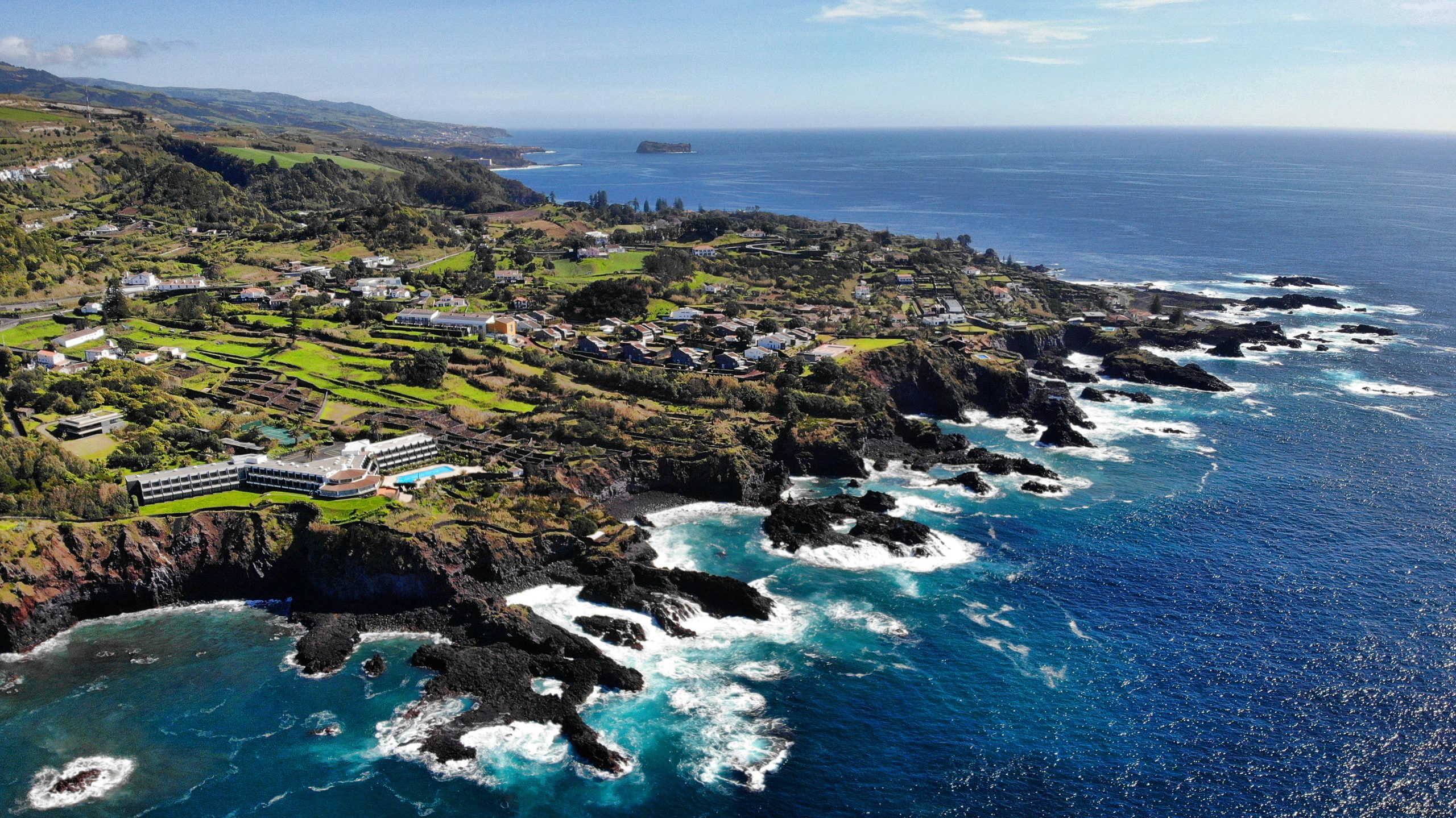
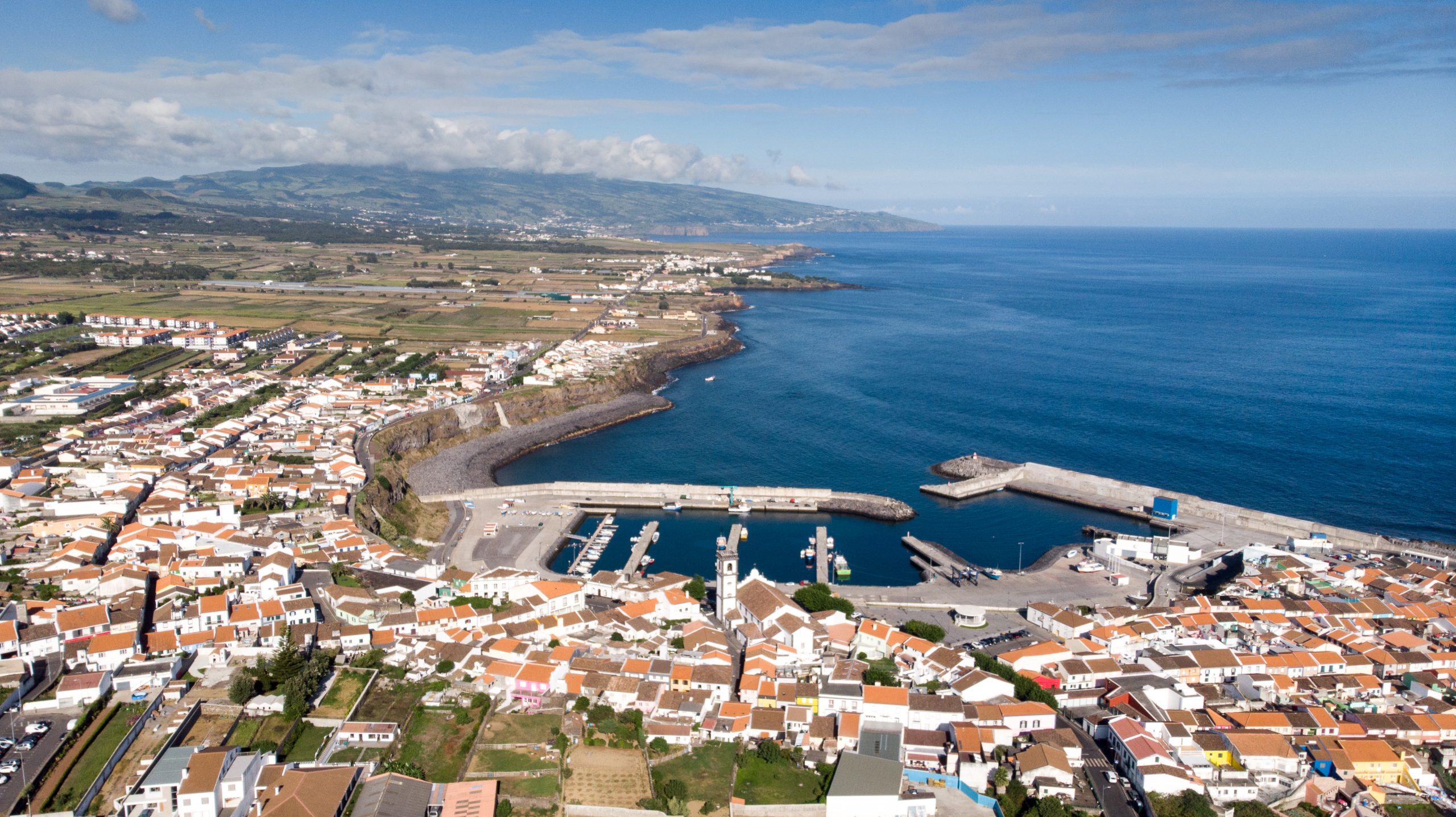
The stunning county of Povoação boasts a diverse array of natural wonders that will captivate any visitor. Located approximately one hour from Ponta Delgada by car, Povoação is well worth a visit, as it offers a multitude of unique landscapes that provide a sense of unity with the natural world.
Check all our articles about each one of the most relevant points of interest in Povoação: Povoação | Aldeia do Sanguinho | Faial da Terra | Salto do Cagarrão | Salto do Prego | Ribeira Quente Waterfall | Praia do Fogo | Miradouro do Pico dos Bodes | Miradouro Vigia da Baleia | Miradouro de Água Retorta

Complementary Information
Best Season to Visit the Azores
The Azores Archipelago boasts a unique climate that shapes its lush landscapes, making it a splendid year-round destination. With mild temperatures and minimal fluctuations, each season offers something unique. Spring averages 16 °C, summer reaches 21 °C, autumn cools to 18 °C, and winter remains mild at 14 °C.
→ For a detailed breakdown of the weather by month, check the following links 🌤️☔️: January | February | March | April | May | June | July | August | September | October | November | December
How to Get to the Azores
The Azorean Archipelago is easily accessible through numerous flight routes. Lisbon and Porto are the main entry points to the continent, with direct flights available to São Miguel (PDL), Terceira (TER), Faial (HOR), Pico (PIX), and Santa Maria (SMA). To find the best flight, use search engines like eDreams or Skyscanner. These platforms let you compare prices and schedules from multiple airlines in one convenient location.
For more details on how to get to the Azores, take a look at our complete guide. But what if you want to explore beyond your arrival island? We’ve got you covered!
- Azores airports 🛬
- Flights between islands ✈️
- Ferries between islands ⛴️
- Which island to choose? 🏝️
- What airlines fly to the Azores? 🛩️
→ Once you’ve found the perfect route, book your tickets and get ready to experience one of the world’s most stunning island groups!
Travel Essentials
Essential Information for your Azores trip: Azorean Language & Phrases 🗣️ | Currency & Banks 💵 | Credit Cards & Traveler’s Cheques 🏧 | Driving in the Azores 🚗 | Electricity 🔌 | Experiences & Tours 🗺️ | Health & Safety 🩺 | Internet & Wi-Fi Access 🛜 | Phones & Mobile Service 📞 | Post Offices & Buying Stamps ✉️ | Public Holidays 🏖️ | Shopping 🛒 | Time & Daylight 🕒 | Whale Watching Guide 🐳 | Best Island to Visit 🏞️
Useful Tools & Apps
The weather in the Azores can be variable, so it’s helpful to use some apps before visiting the islands. Spotazores provides live camera feeds from the main tourist attractions, allowing you to check the weather and plan your visit. For accurate weather predictions, use Windy or Windguru — they provide the most reliable predictions.
Video
Conclusion
Furnas is a true testament to the wonders of Mother Nature. It offers a unique blend of geological marvels, lush vegetation, and rich cultural experiences. This enchanting valley on São Miguel Island invites visitors to immerse themselves in its steaming hot springs.
Explore the diverse botanical gardens and savor the local delicacies cooked by volcanic steam. Whether you’re drawn by the scientific intrigue of its volcanic activity, the tranquility of its landscapes, or the warmth of its community, Furnas promises an unforgettable journey.
It’s a world where nature’s power and beauty are fully displayed. Come and discover the magic of Furnas, a place where every visit is a step into another world.
Authors’ Note
I am pleased to inform you that all the recommendations in this article are based on my personal experience and observations. As the author, I have personally visited each attraction mentioned, ensuring that every suggestion is grounded in first-hand knowledge and genuine enthusiasm.
FAQs
The Furnas is a volcanic area in São Miguel, the Azores, known for its geothermal activity, including mud pools and hot springs such as Terra Nostra Thermal Pools and Poça da Dona Beija. It is a popular destination due to its unique natural landscapes and thermal baths.
The main attractions of Furnas include the Caldeiras das Furnas, where traditional dishes are cooked in natural steam vents, and the Terra Nostra Park, with botanical gardens and a thermal pool.
Furnas is accessible by car, approximately 45 minutes from Ponta Delgada. There are also organized tours that offer guided visits to the region’s main attractions.