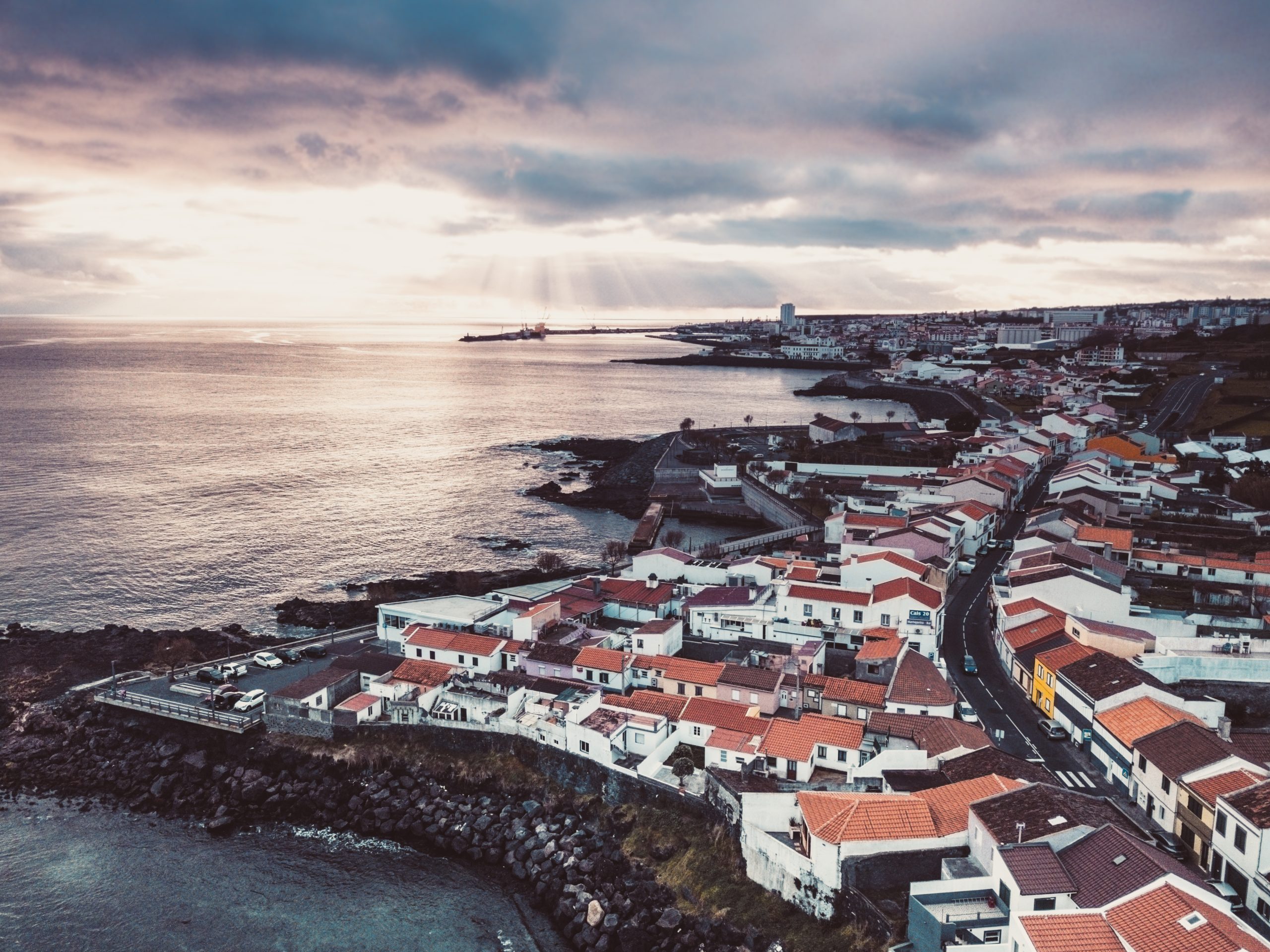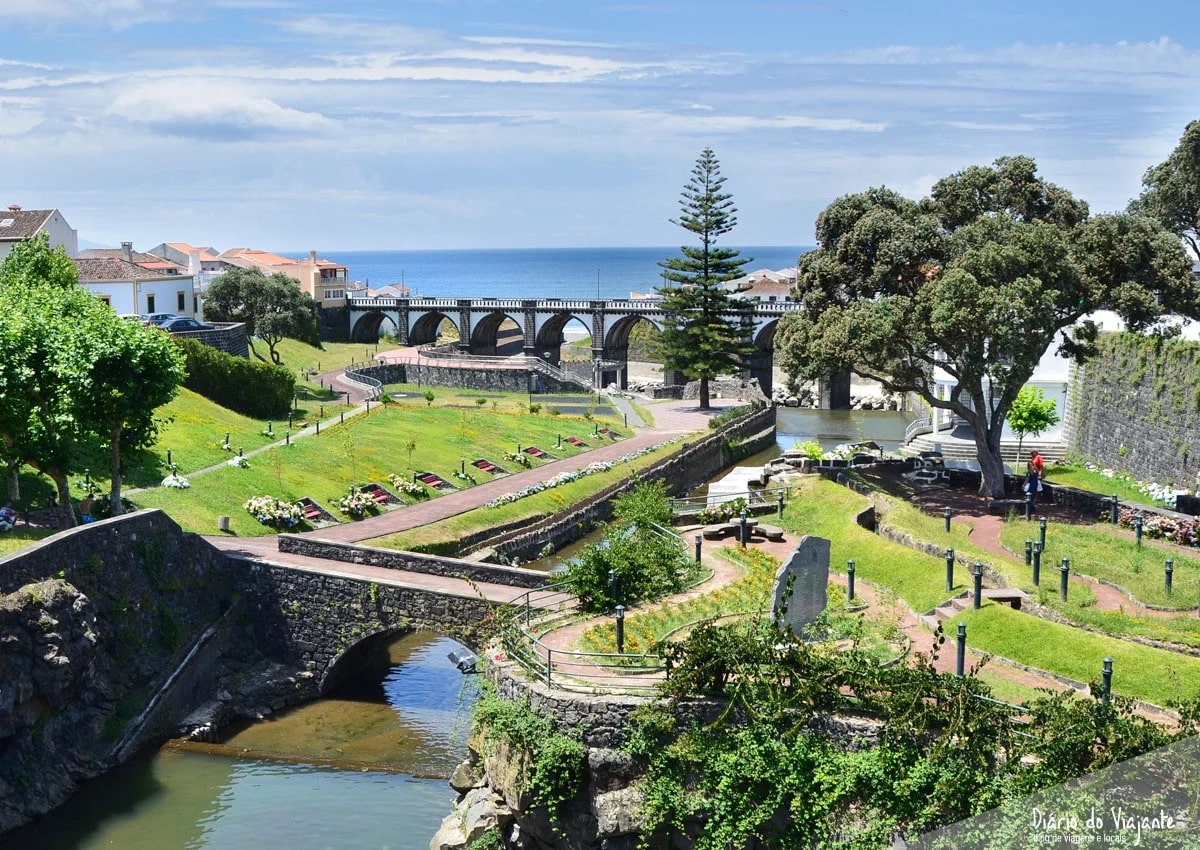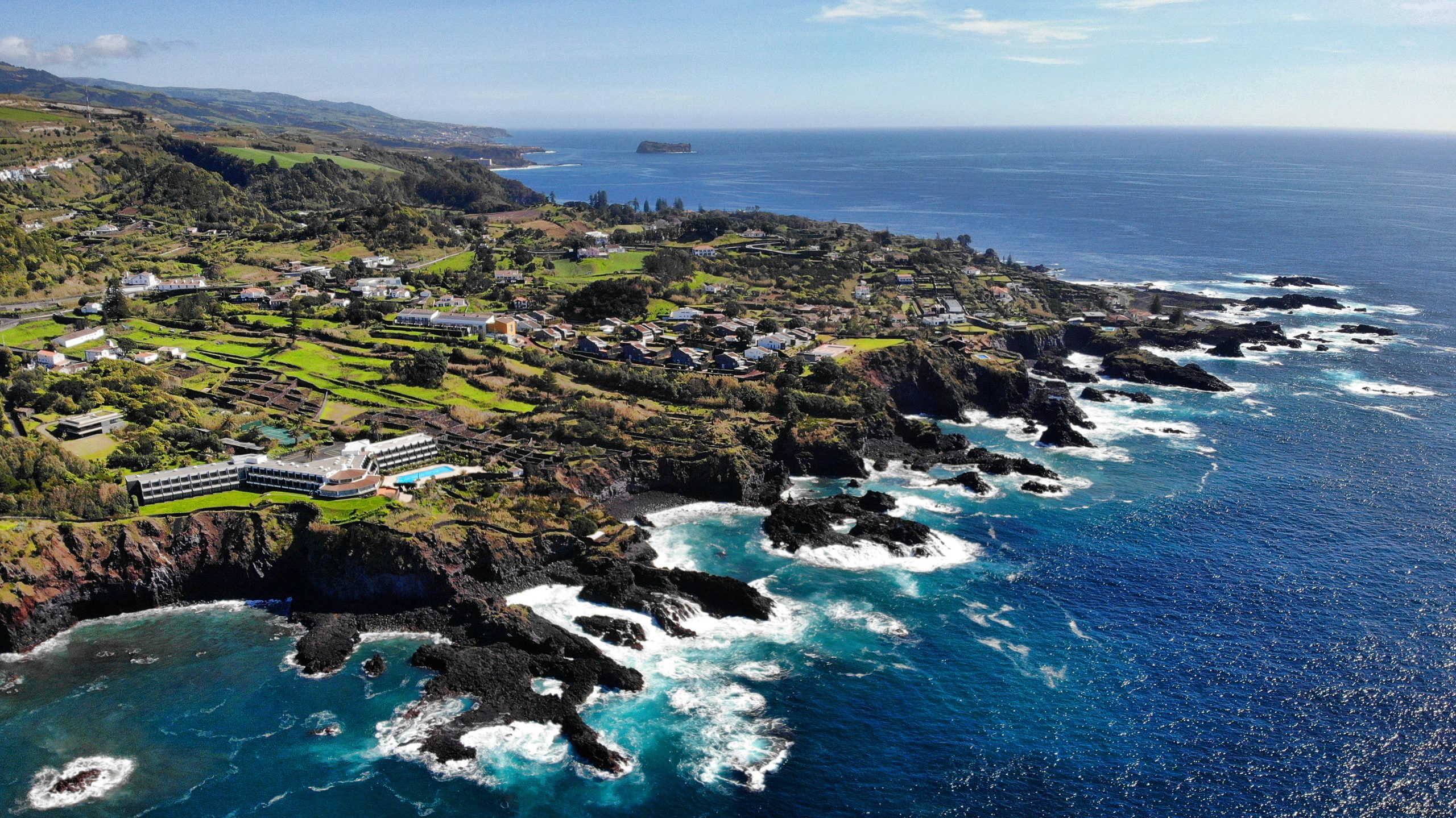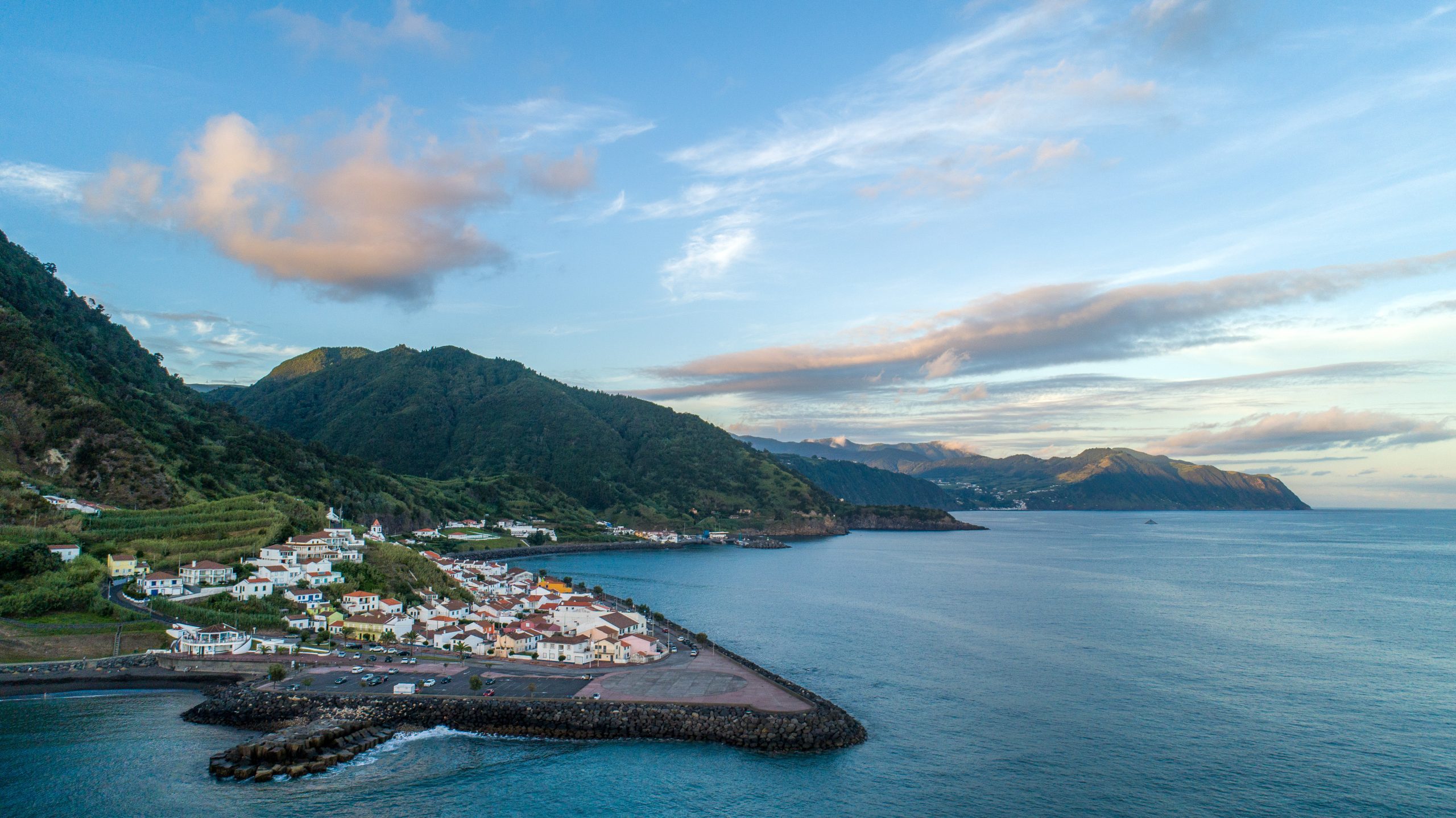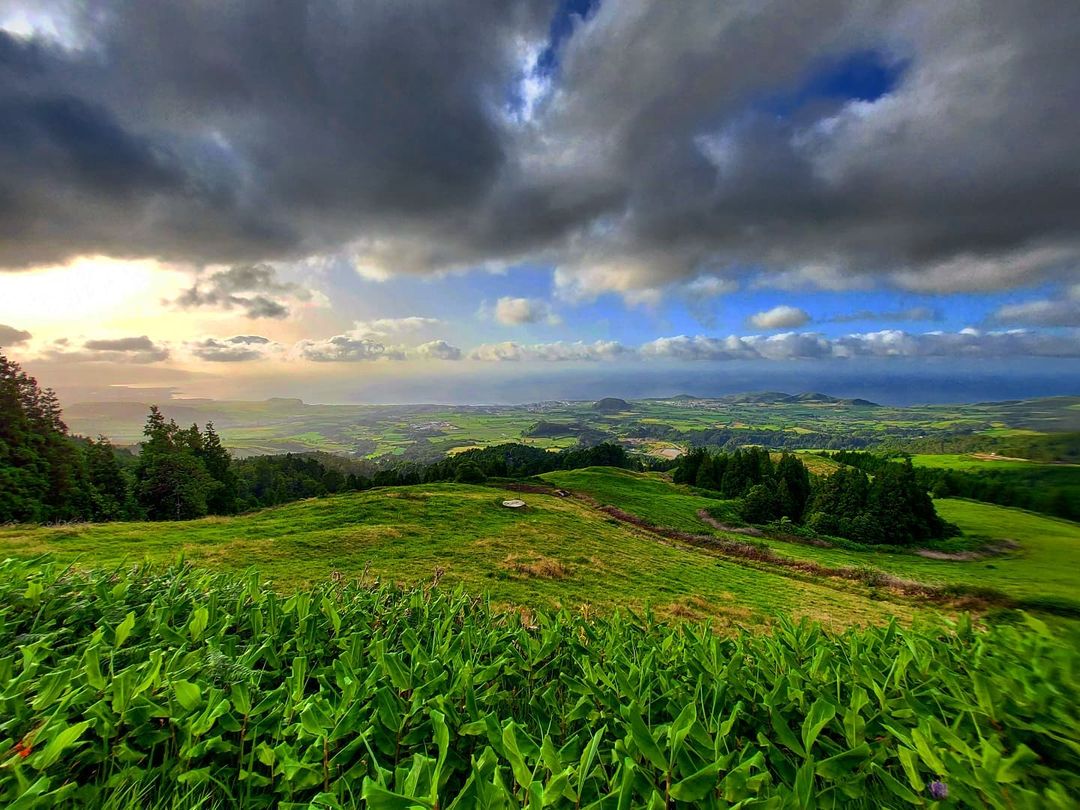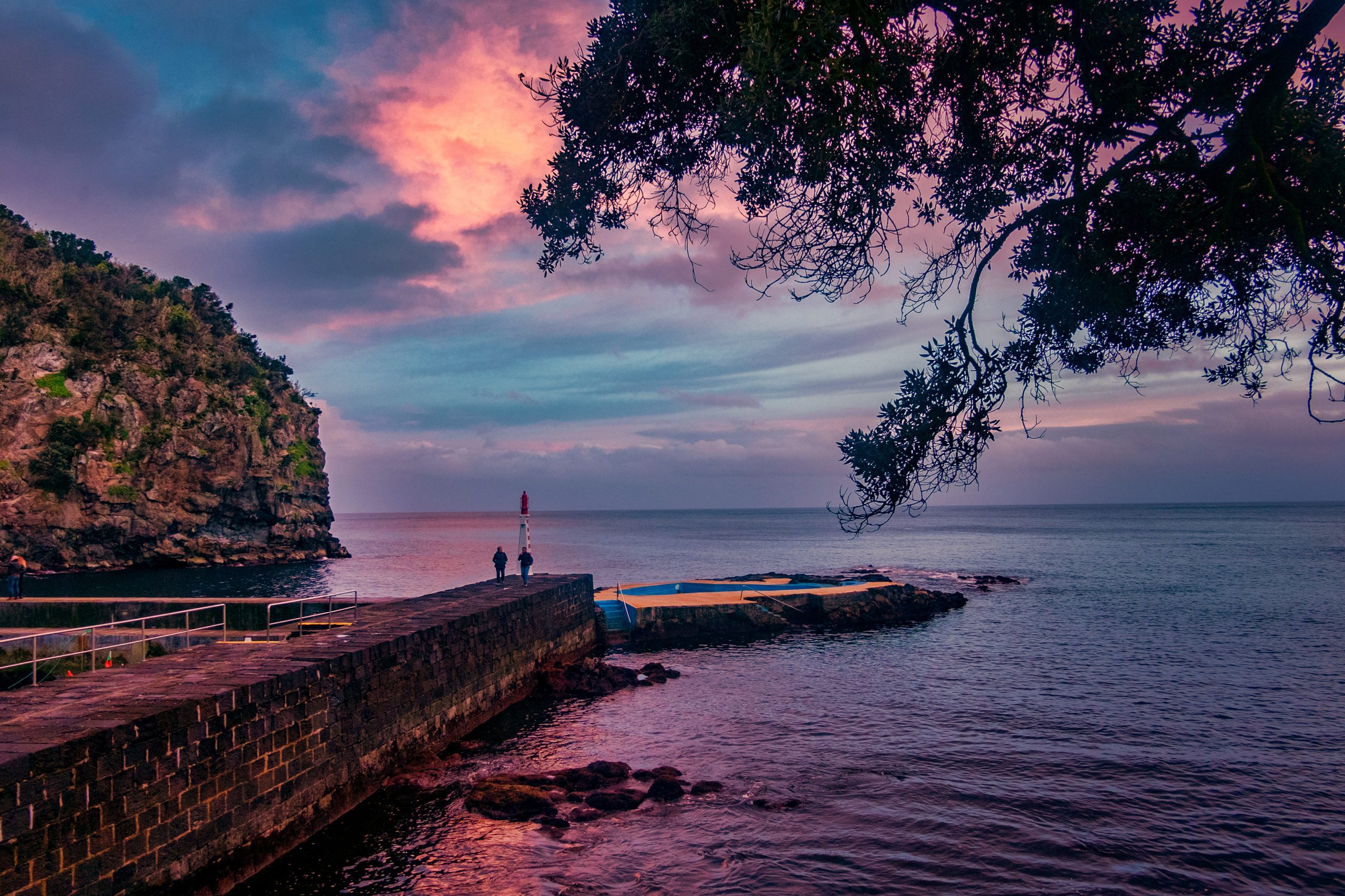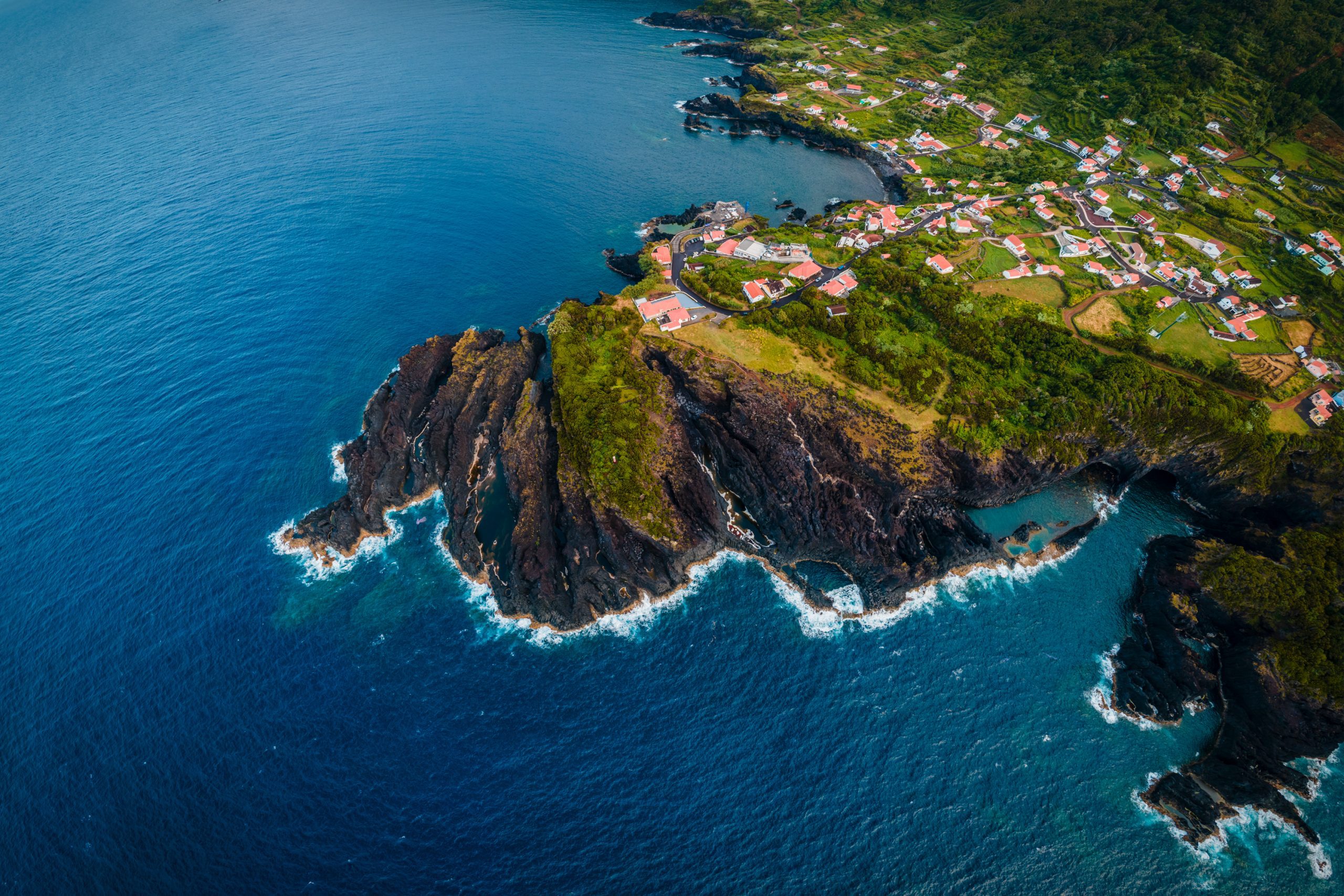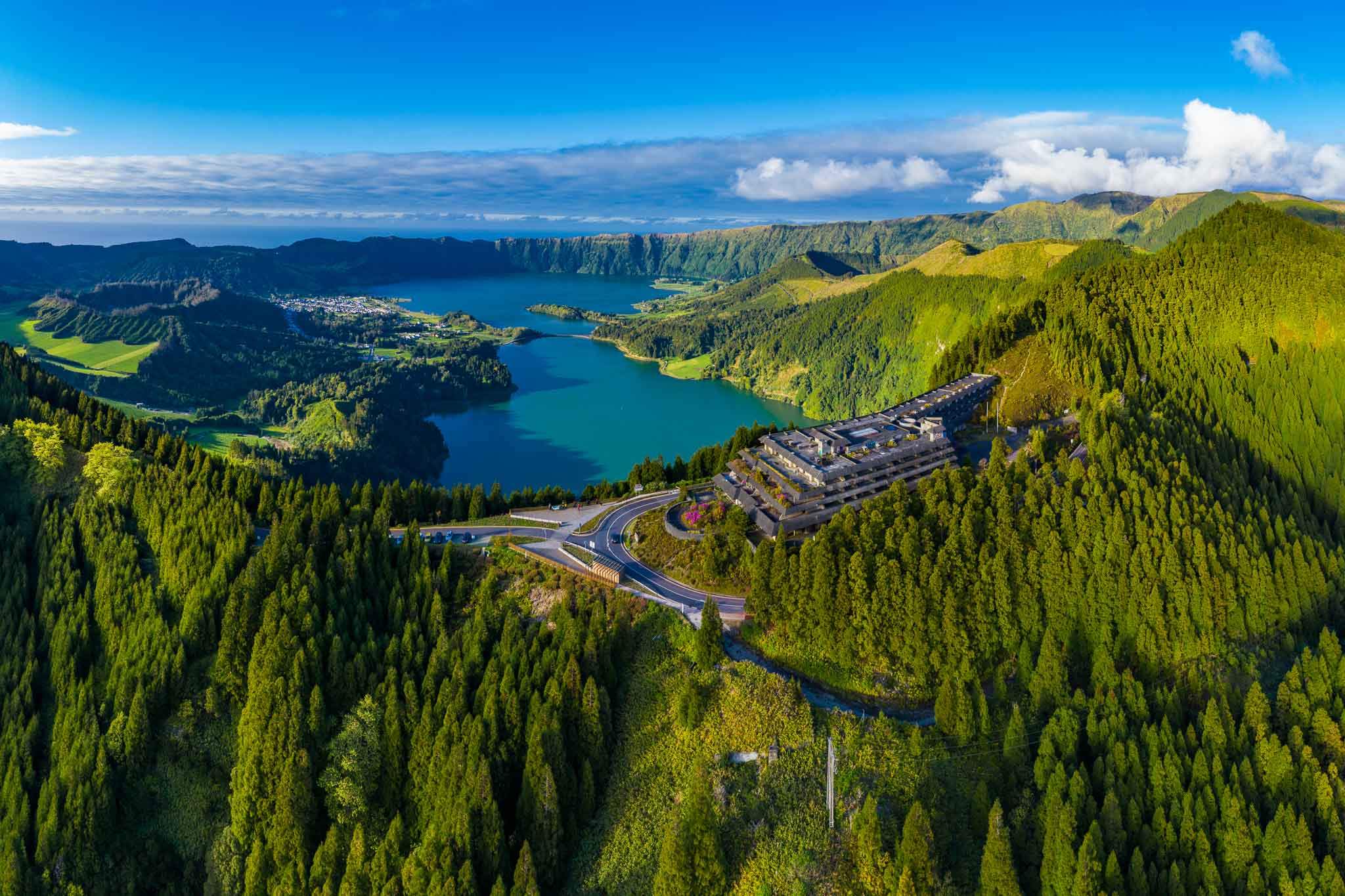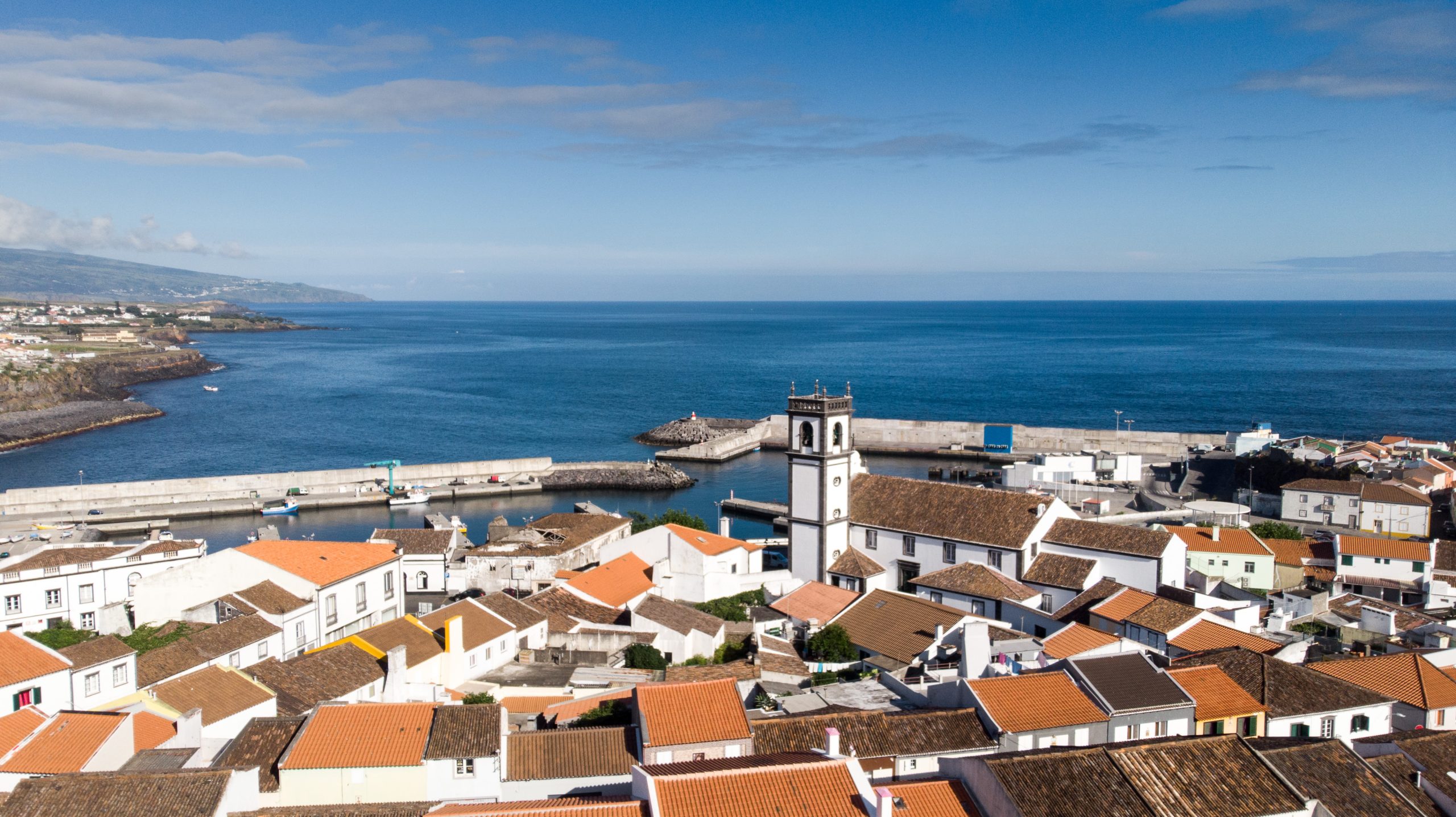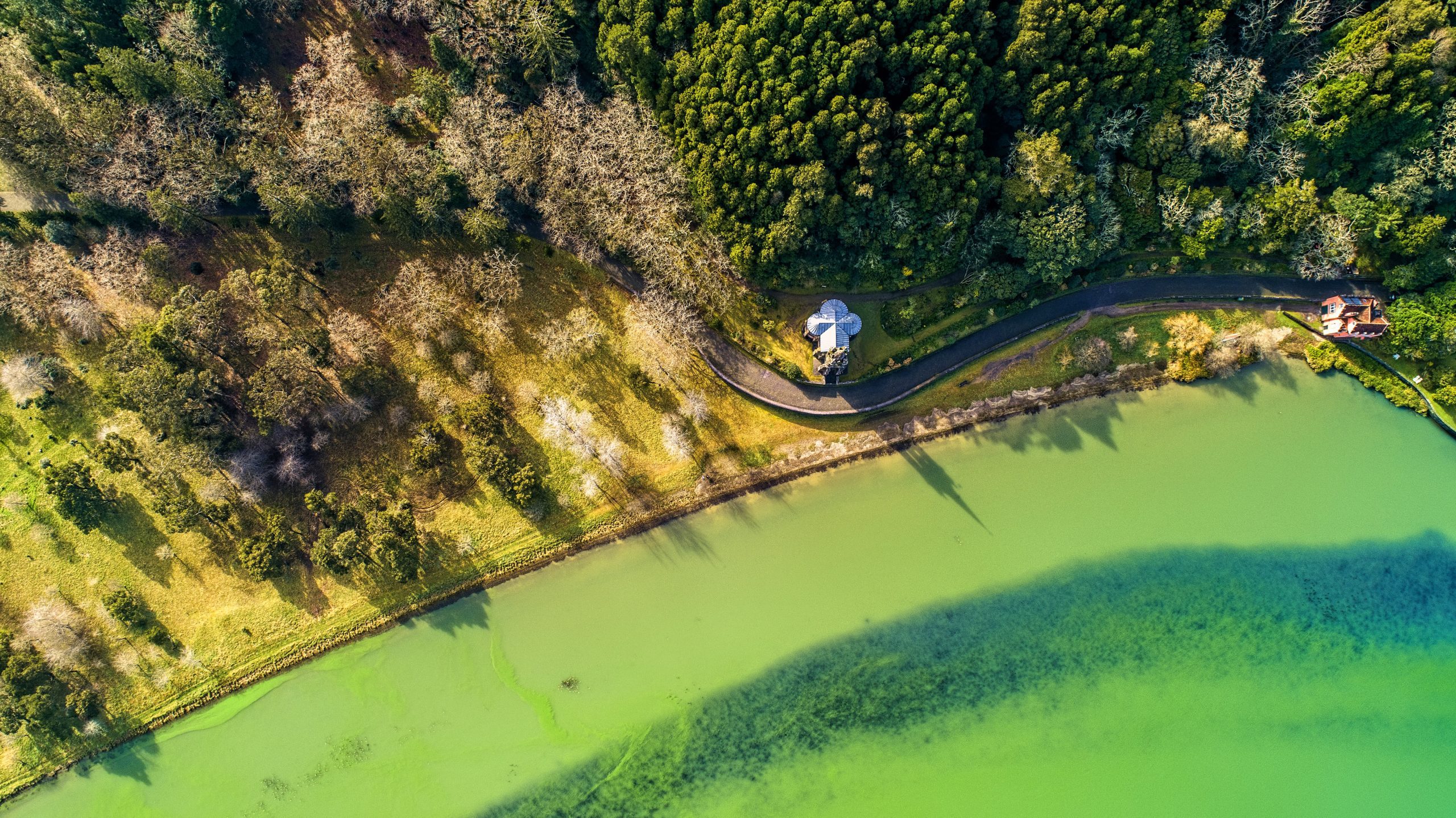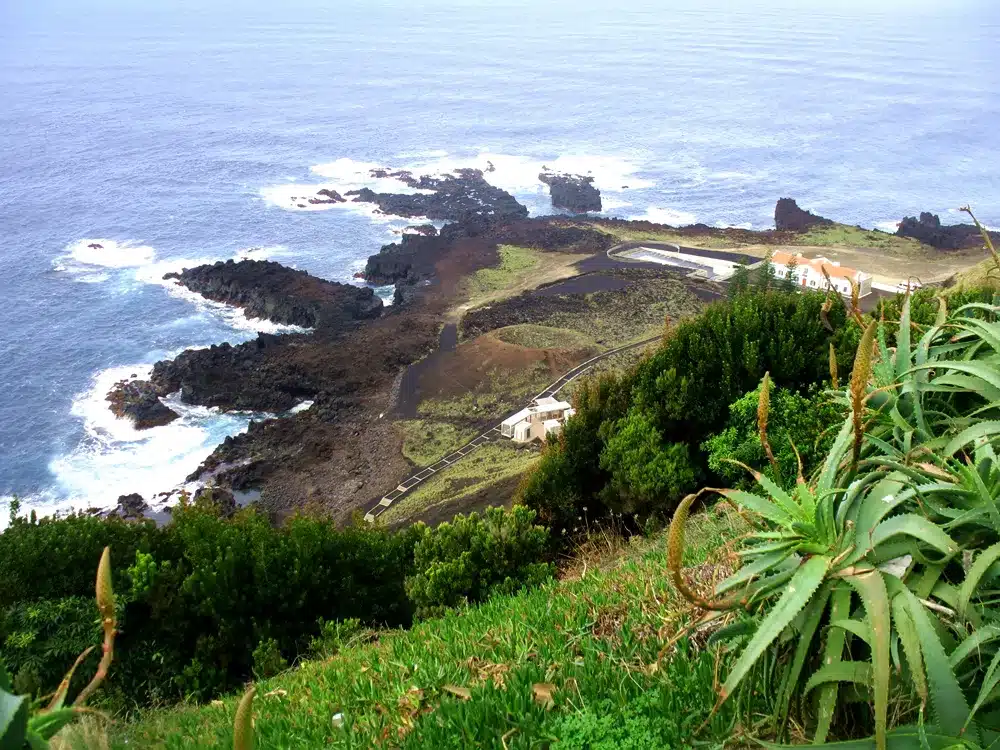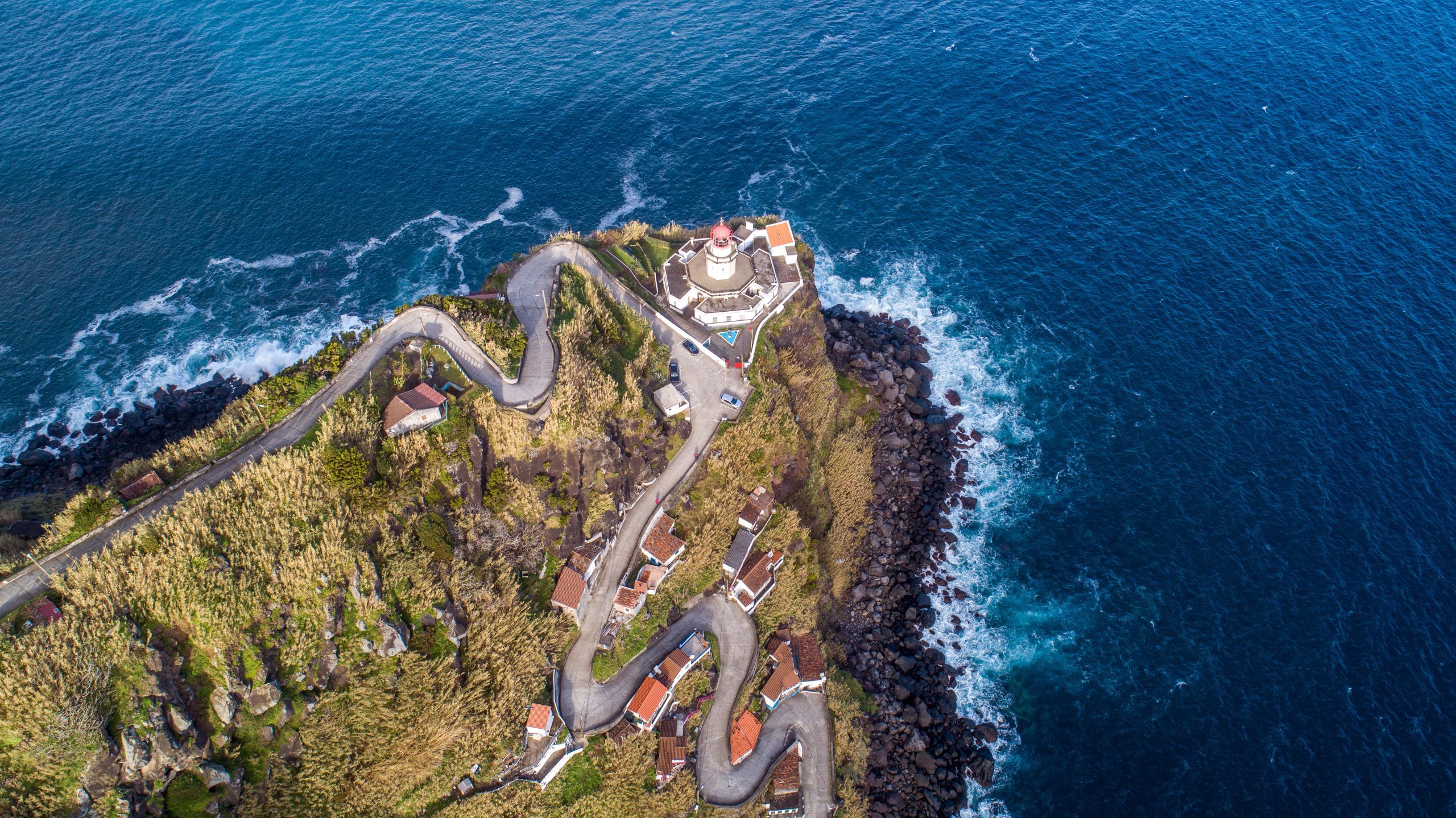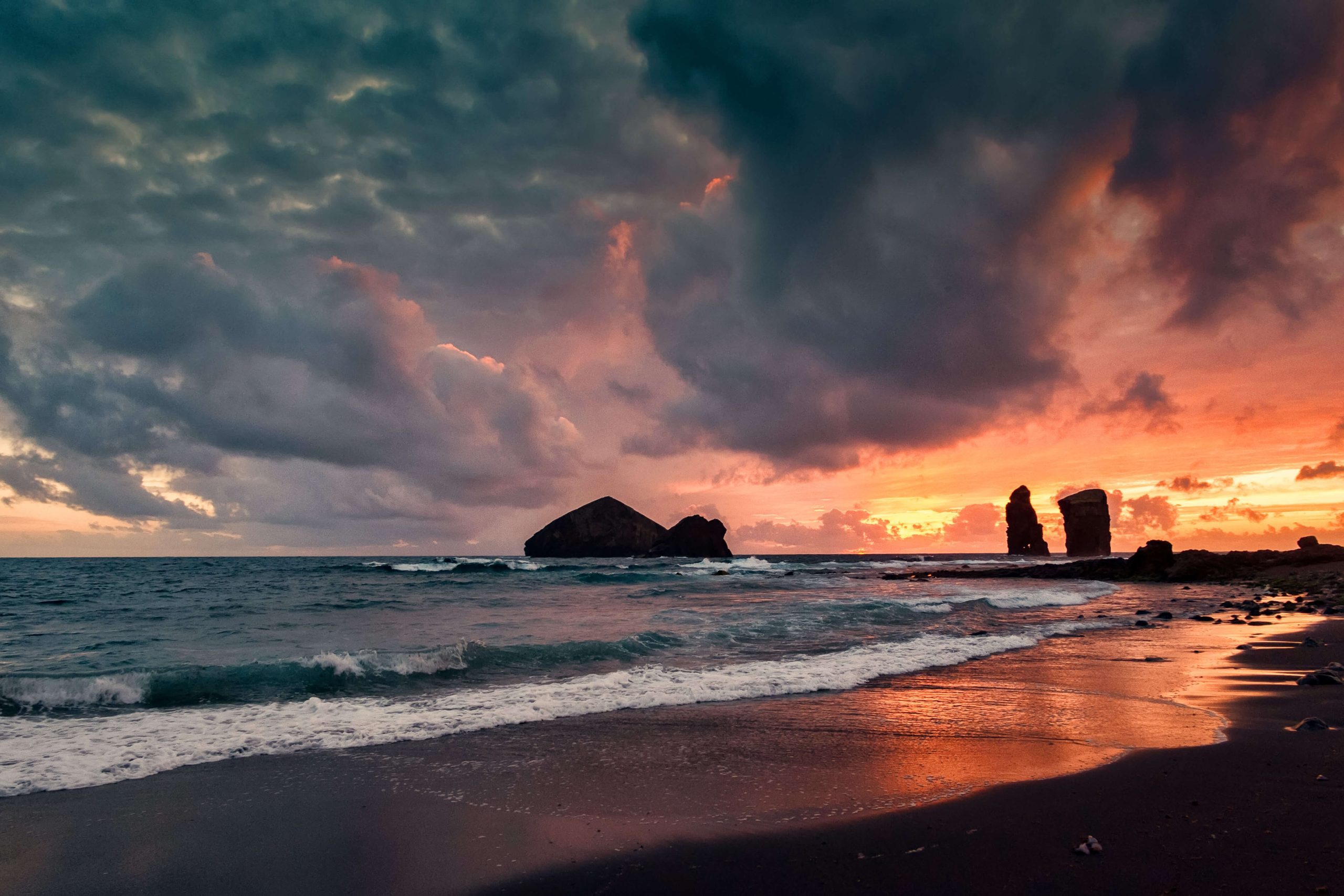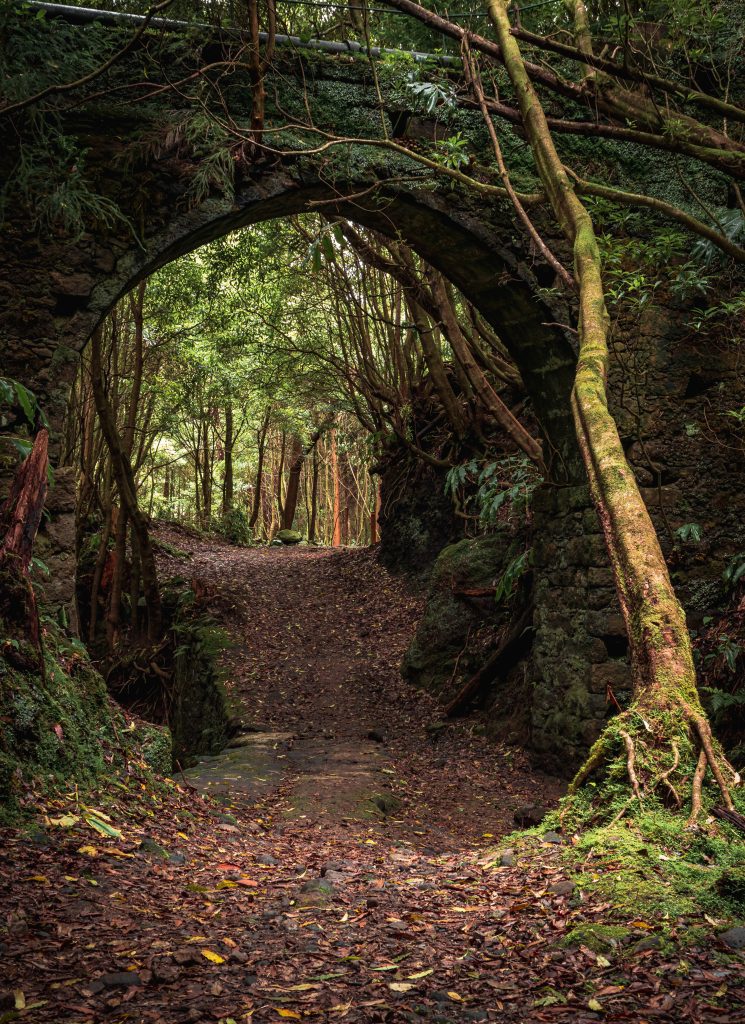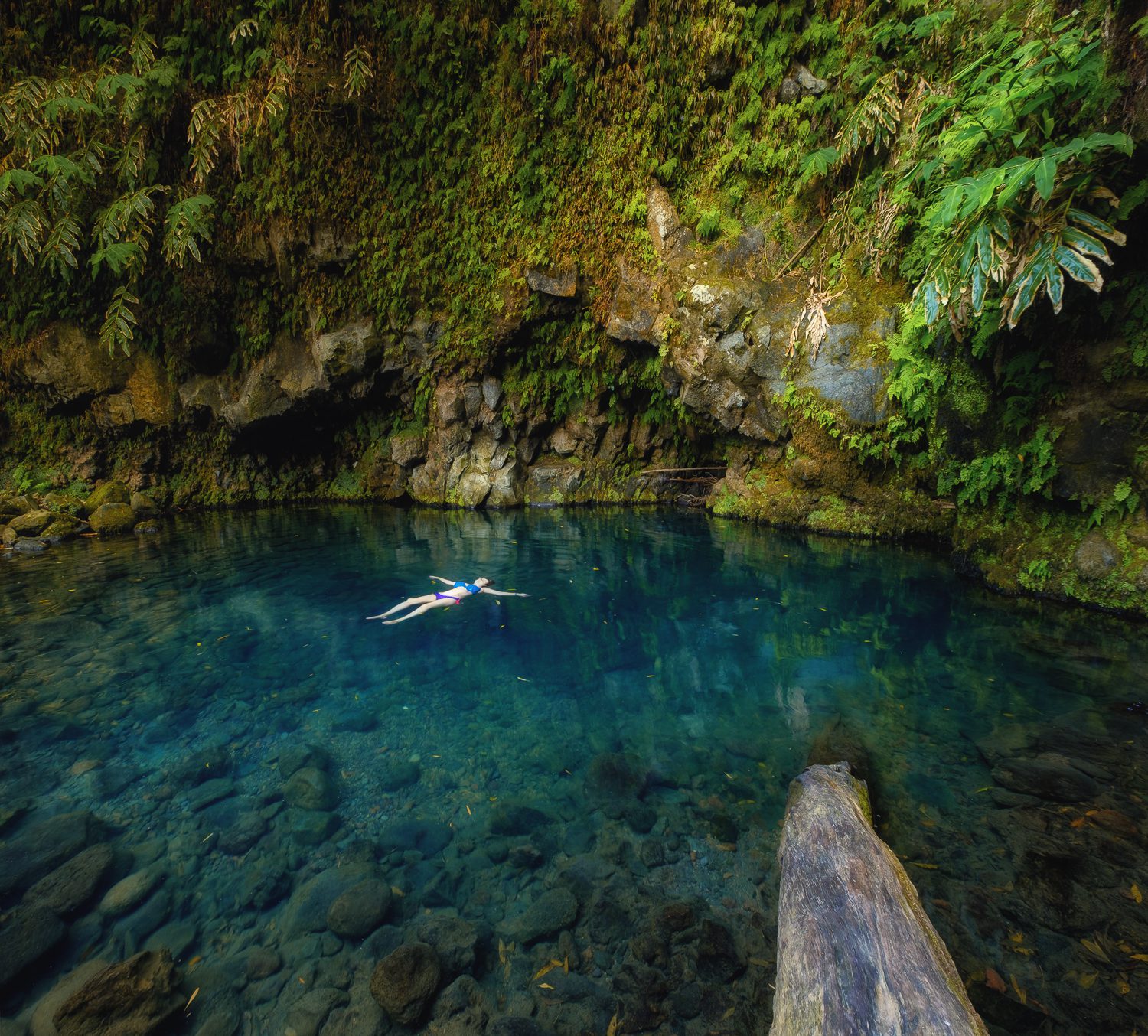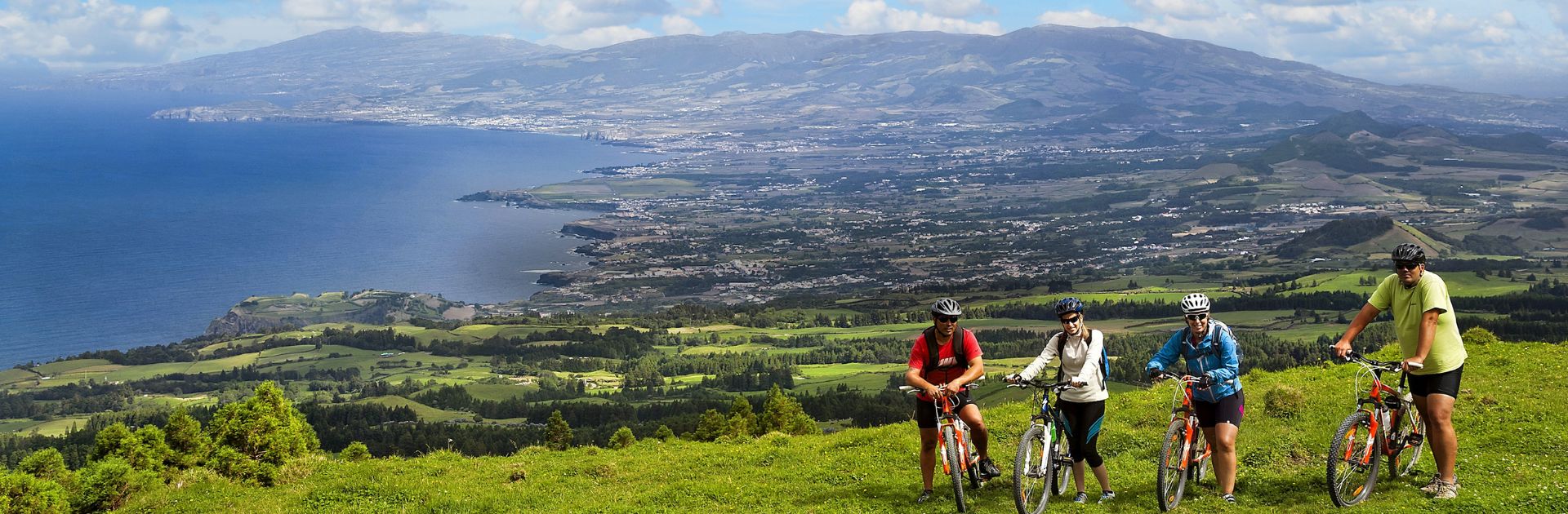







Count this village of an unequalled beauty in your itinerary of São Miguel. It has something exceptional, desired in the summer: its islet. It is a subaquatic volcanic crater, a nature reserve inaccessible in winter, and a popular heavenly beach in summer. In addition to this unique bathing area, Vila Franca has innumerable natural attractions worth visiting.
What is Vila Franca do Campo
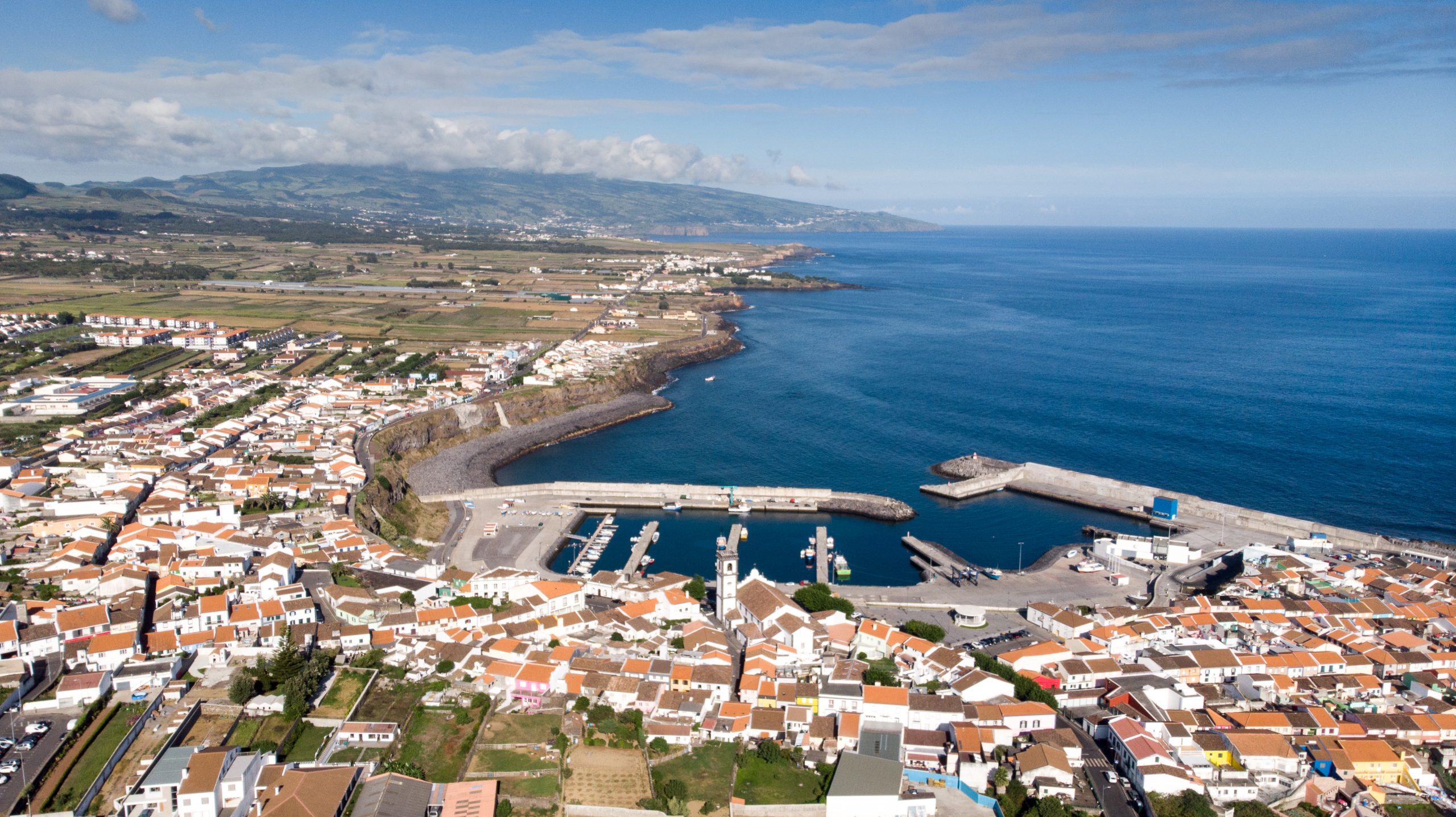
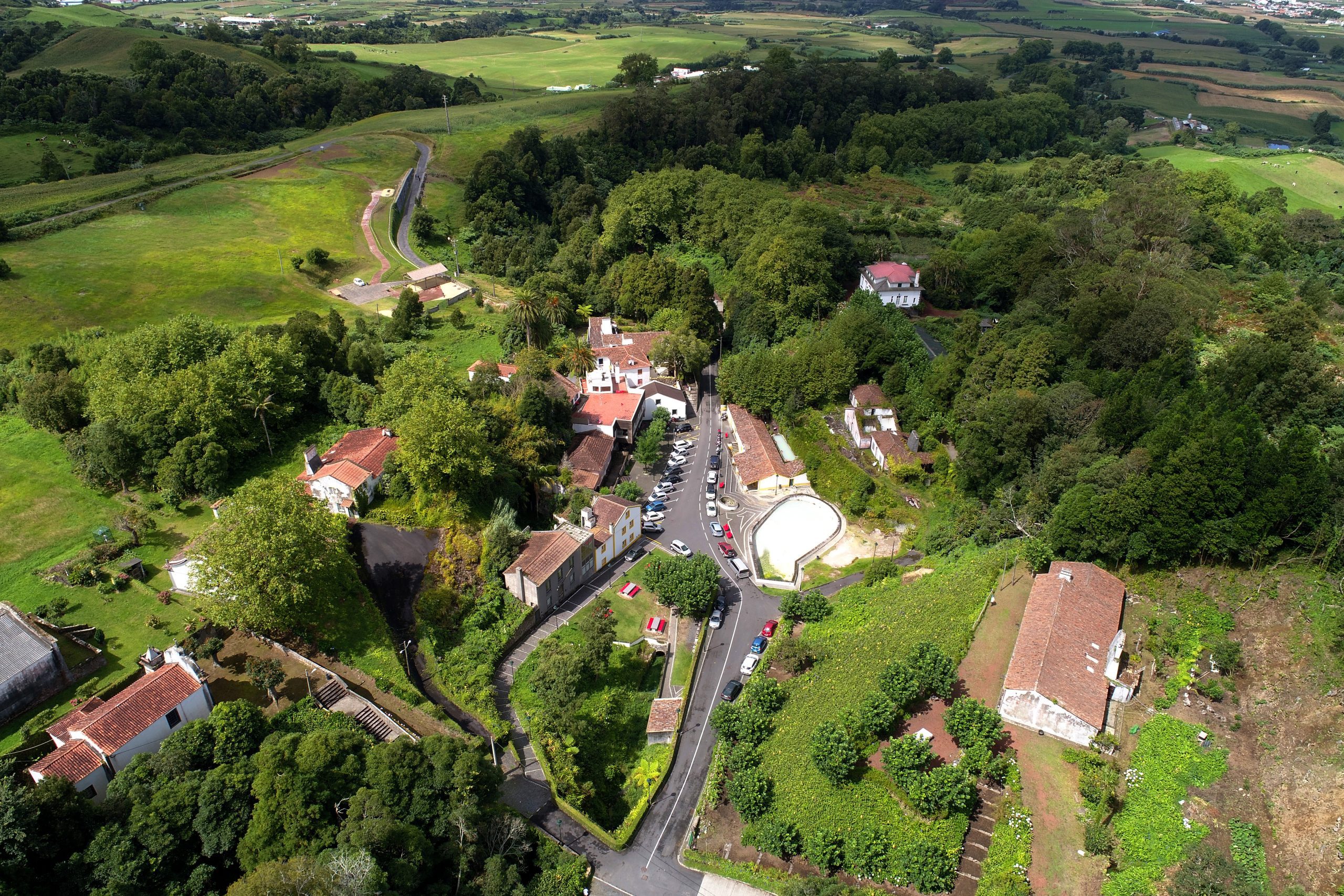
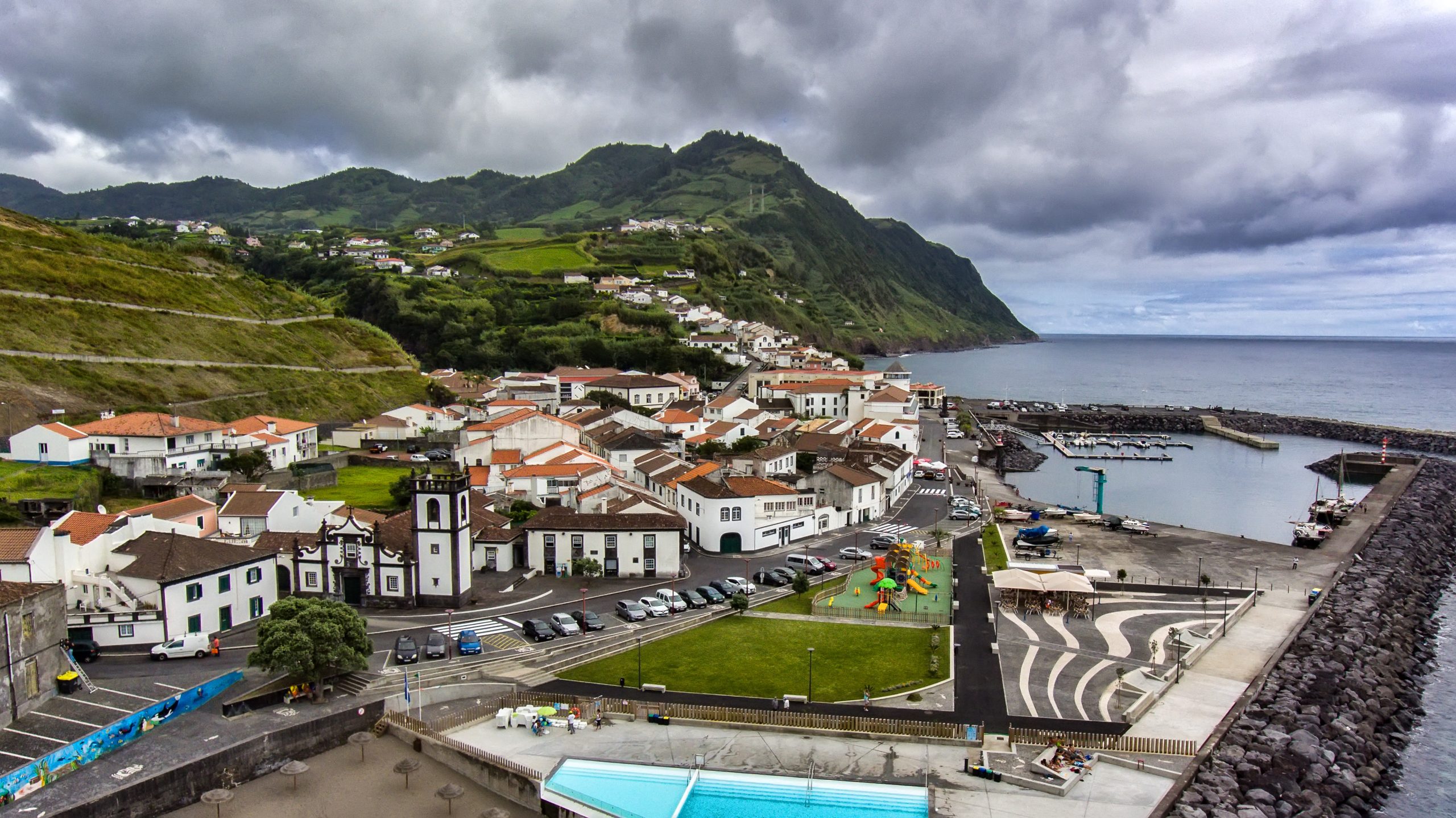
Vila Franca do Campo is a county and a municipality in the south of São Miguel. It was the first capital of São Miguel Island until Ponta Delgada became the new capital due to unforeseen circumstances.
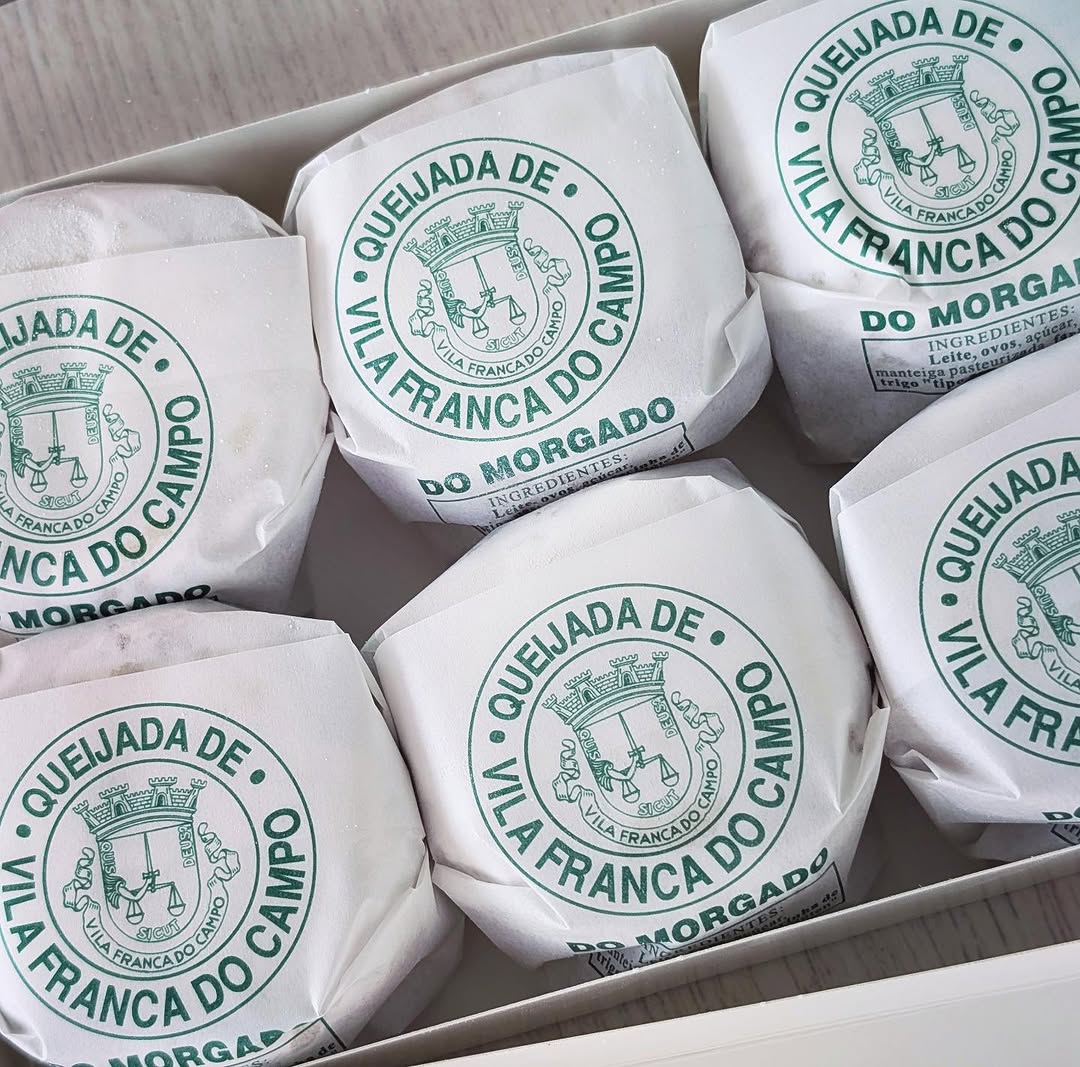
Nowadays, people know Vila Franca for its local agricultural and wine production, its typical sweets, and the magnificent islet.
Geology & Volcanology

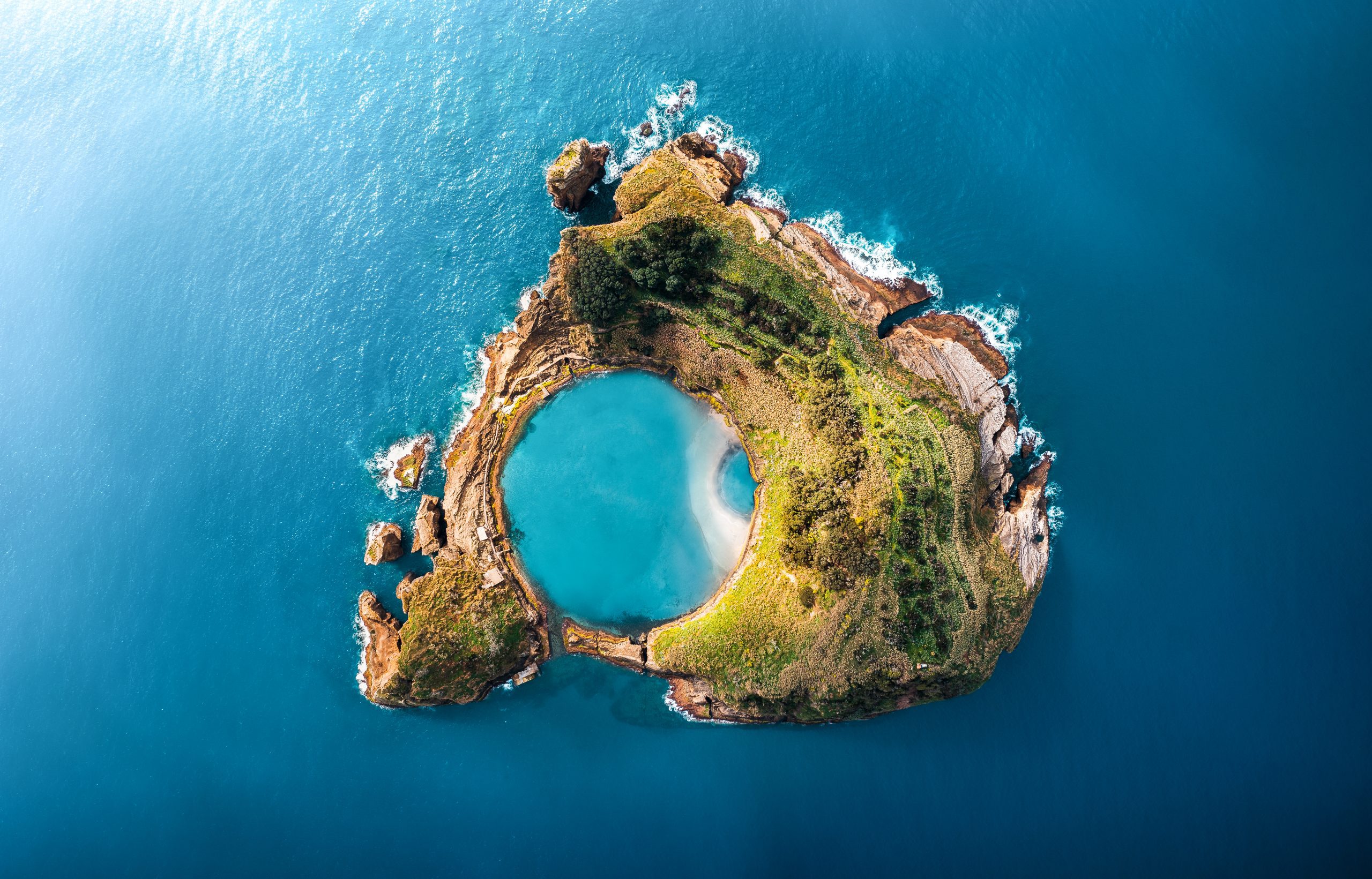
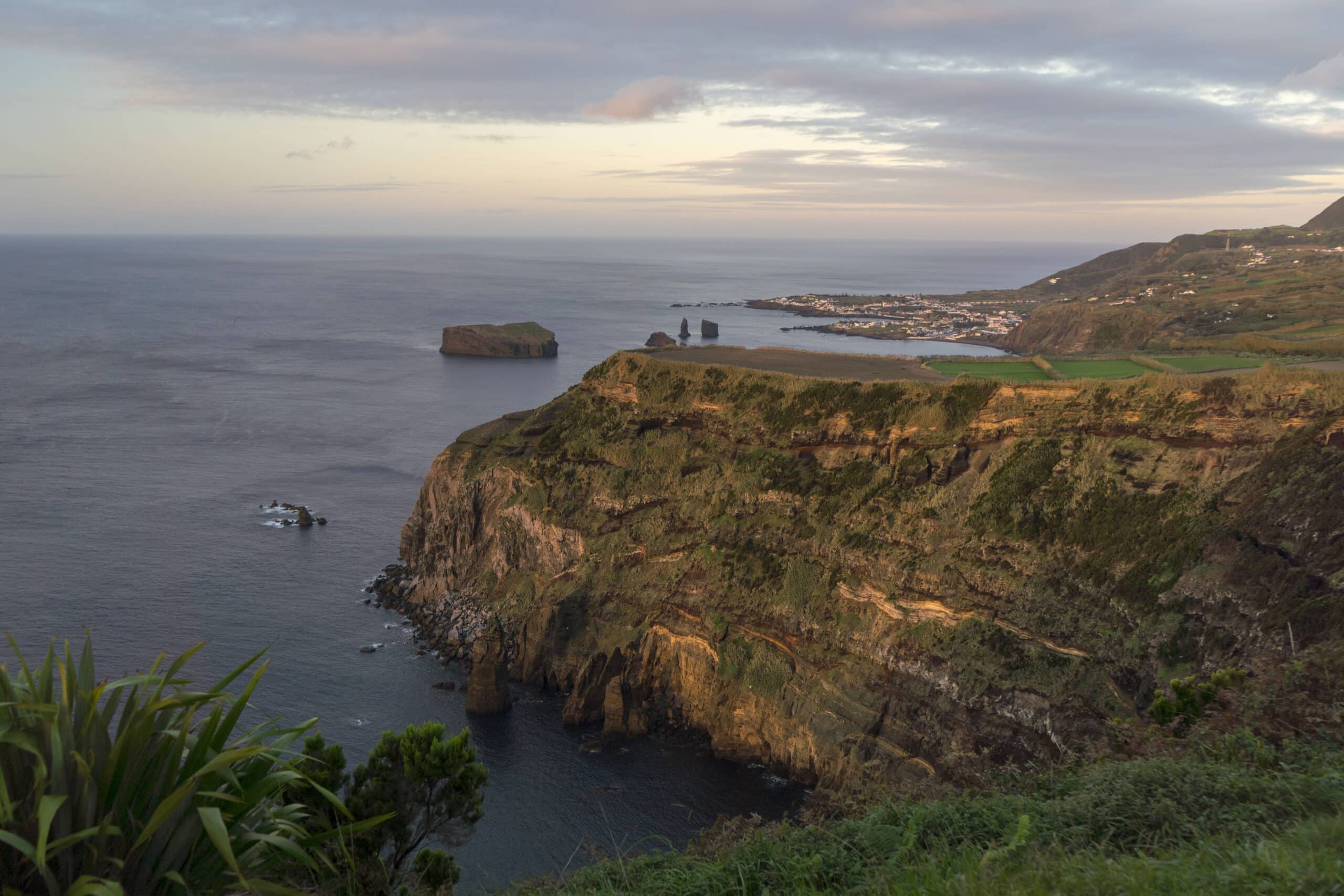
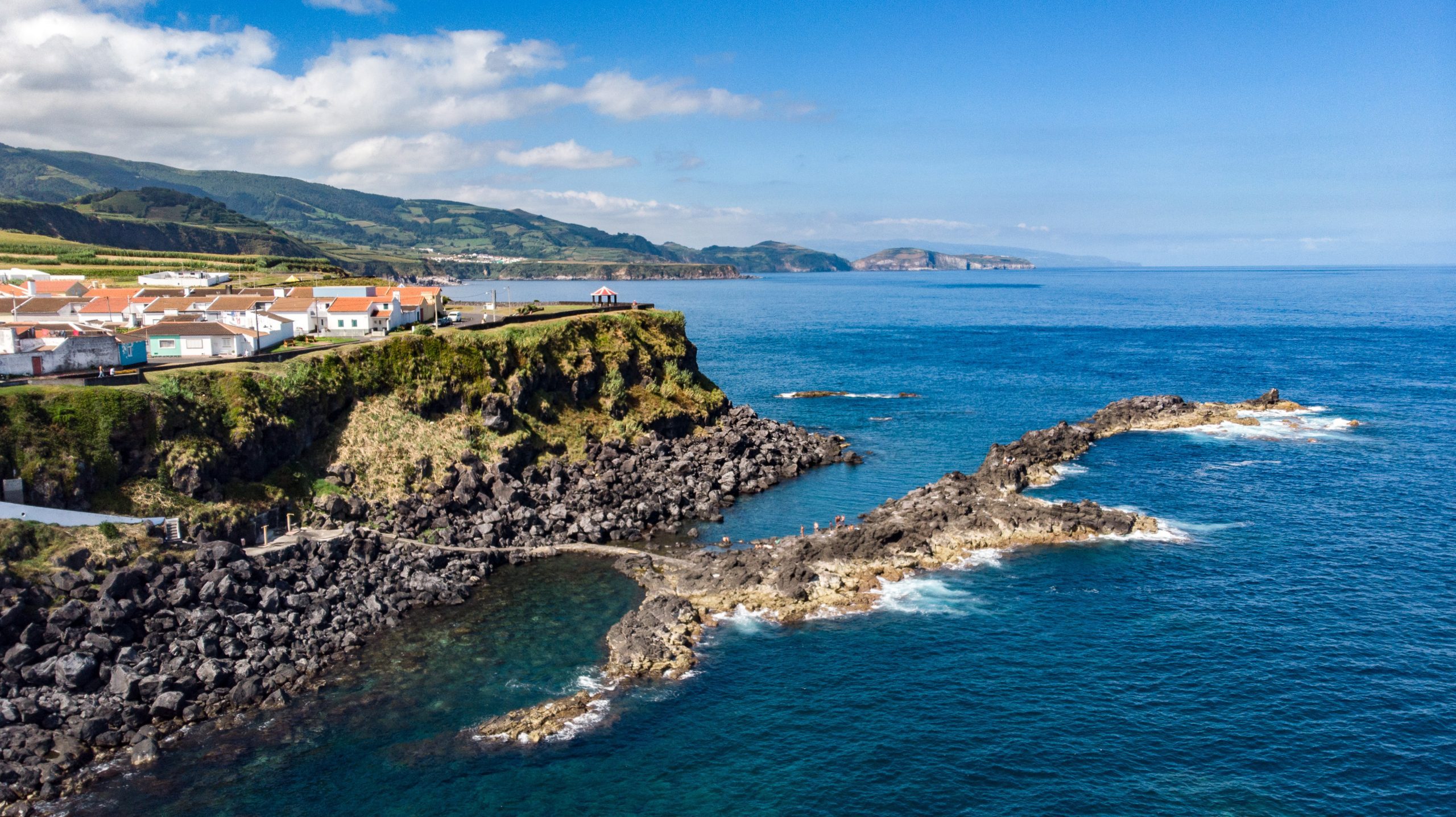
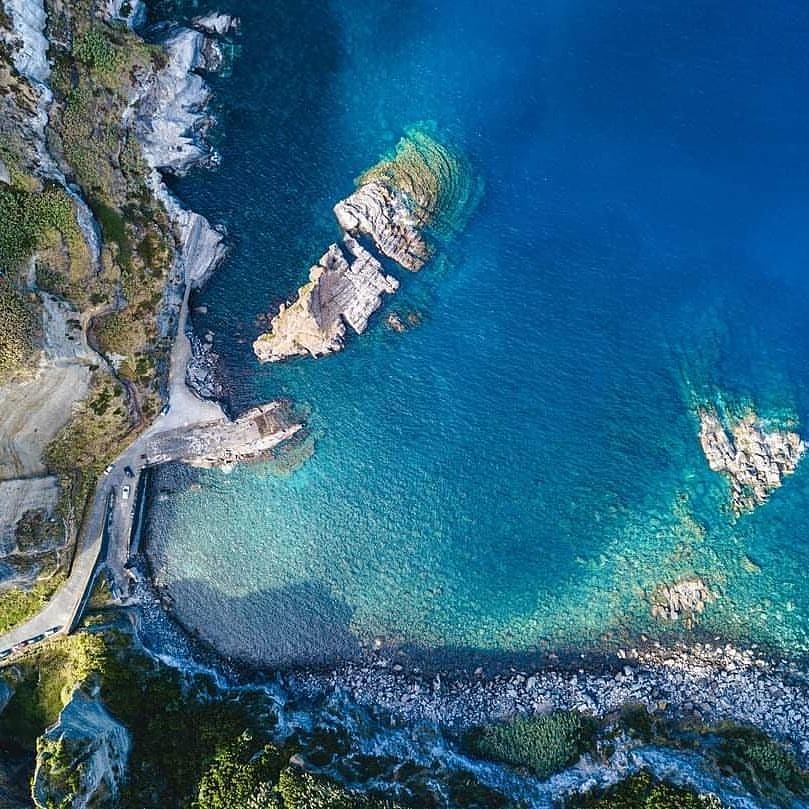
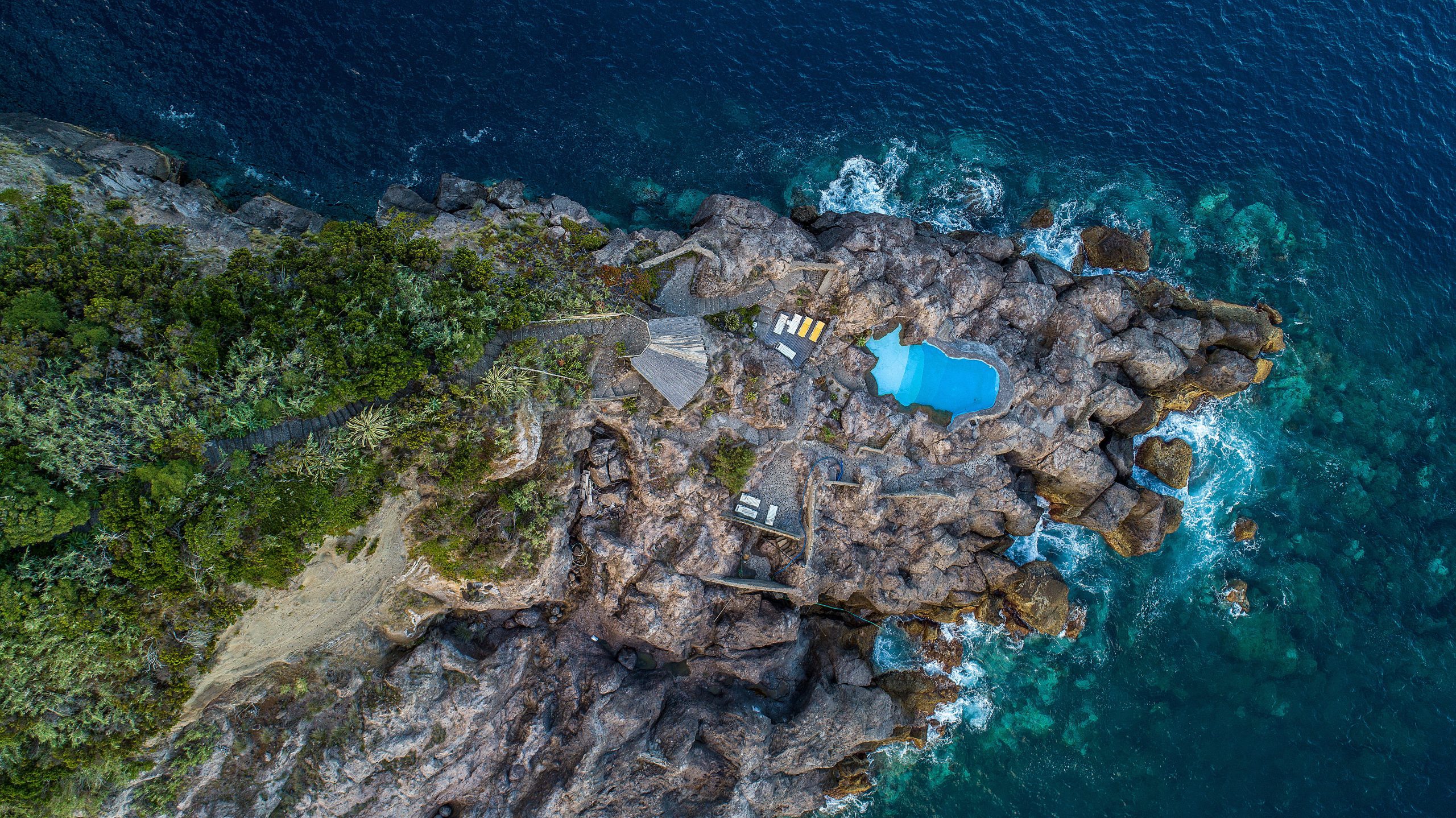
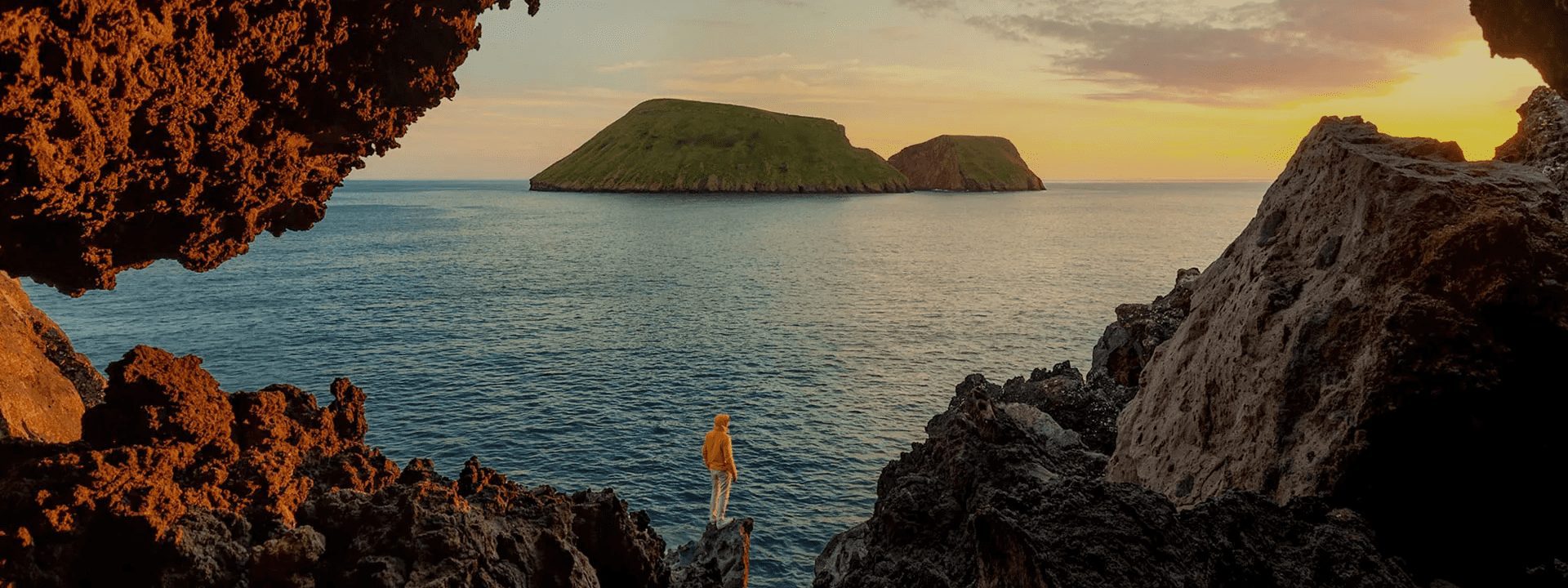
The islet of Vila Franca do Campo is the result of a subaquatic eruption that created a volcanic cone. Ocean erosion and the passage of time created what we today call ‘The Princess Ring,’ named for its perfectly round shape.
It had many uses, such as a military fort, harbor, and whale lookout, but now it is a nature reserve for birds nesting on its cliffs. In the summer, the natural pool inside the crater is a magical place.
History & Geography

The townspeople built the town in the 15th century, not long after they discovered the island. The colonial officials in charge lived there, where sugar cane was the main source of wealth. Furthermore, authorities associated the name ‘Franca’ with a tax-free status to spur development, and prosperity seemed likely for the young capital.
But nature had different plans for the area. On the night of October 22nd, 1522, a maximum-intensity earthquake (about X on the European Macroseismic Scale) struck the capital, causing massive landslides and bringing it to destruction.
As the famous chronicler Gaspar Frutuoso said, ‘Mud and debris filled every gorge and small river from the south and northeast.
As if that were not enough, in 1582, Vila Franca witnessed one of the largest naval battles in the Azores between the Portuguese and the Spanish, during which Portugal lost its independence for 60 years. During this time, the Portuguese executed the defeated at Vila Franca. In 1900, Vila Franca was the first place in Portugal to have public illumination by electric energy, and it continued to develop.
Nowadays, beautiful fields planted with banana trees, a household name in Vila Franca do Campo, stand where houses, temples, and palaces once stood.
Culture & Festivities

Many traditions can be related to Vila Franca do Campo:
- Groups of people go through the village on February 2nd, visiting people’s houses, where hosts offer them a drink to gain strength for singing to the stars.
- The emigrant celebration, which the city invites, especially immigrants on vacation, to celebrate the efforts of those who left the island in search of a better life.
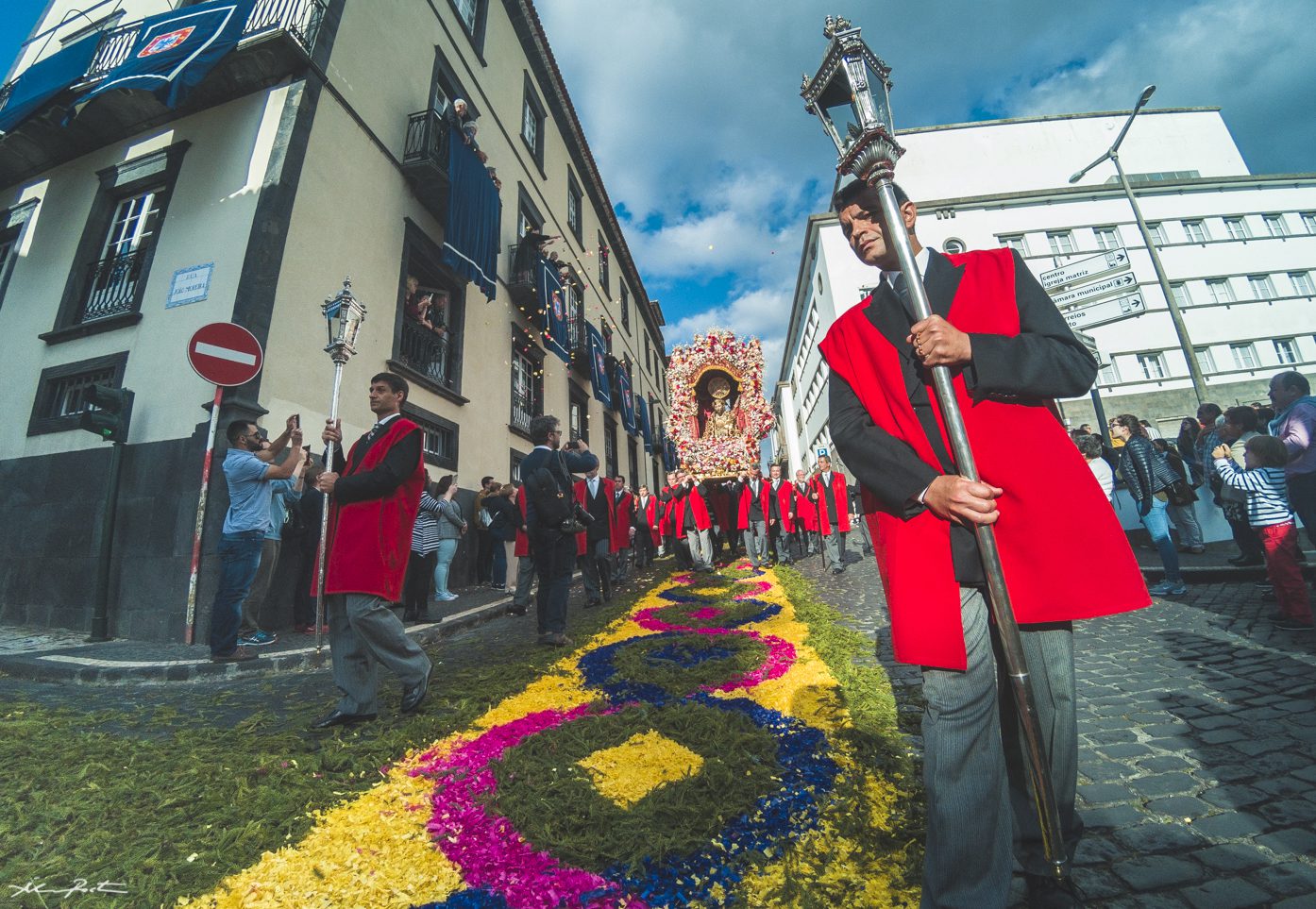
- And probably the most iconic of them all, São João da Vila, invites the locals and the whole island to celebrate Saint John’s with typical parades, local food, and the unmissable jumping of the fire. In the old days, youngsters of the village would eventually find the one they would marry.
Fauna & Flora
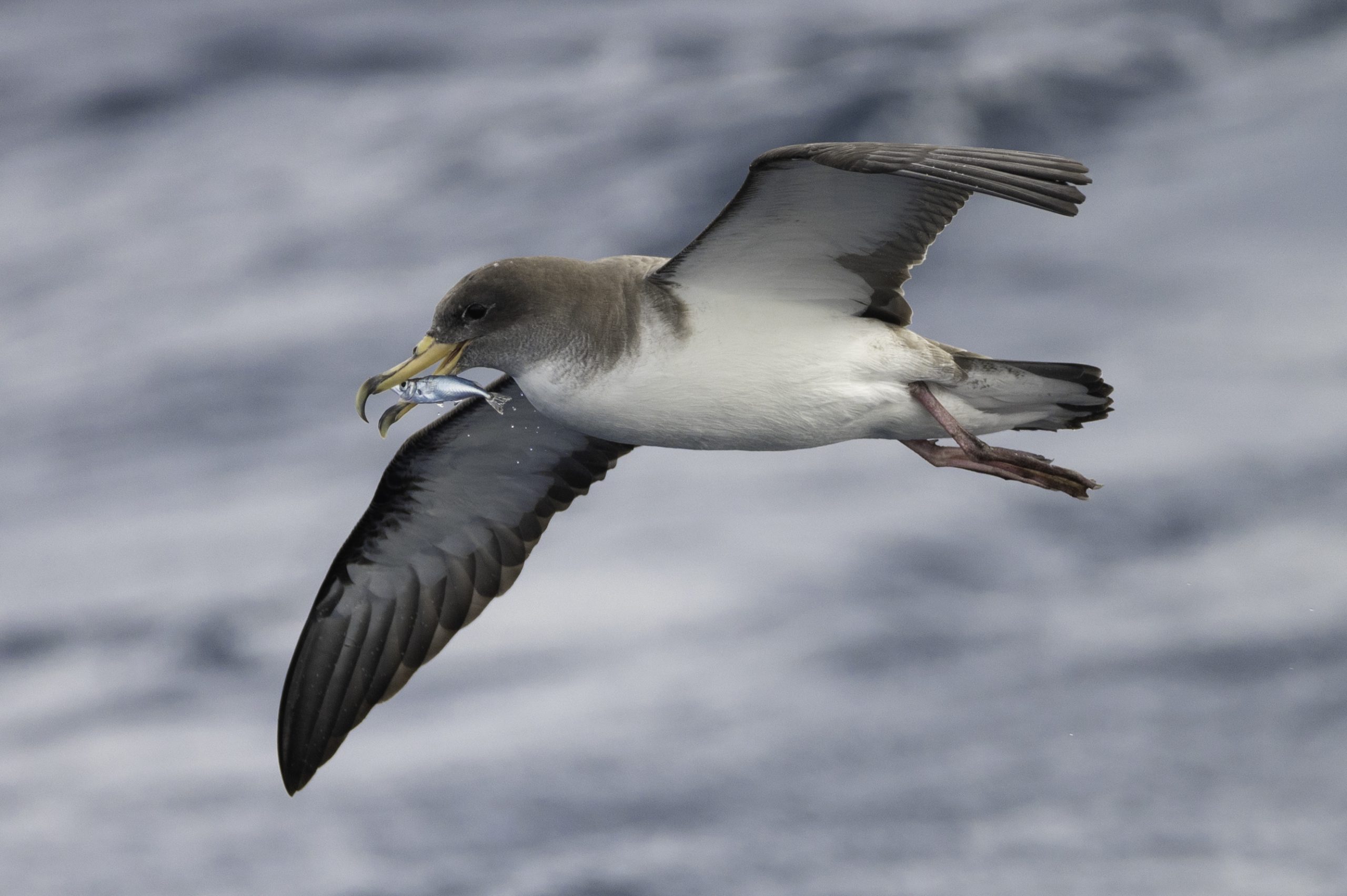
Being a coastal area and with a very safe natural port for maritime birds, the Islet, some of the most common visitors will be birds: seagulls, terns and the most famous of them all, the Cory Sheer water (the Azores house about 80% of the world population of this bird during its mating time, so it seems we’re a very romantic place for these little fellows!). You will also be able to spot two of our endemic species: the common buzzard and our lovely, tiny, and friendly bat!
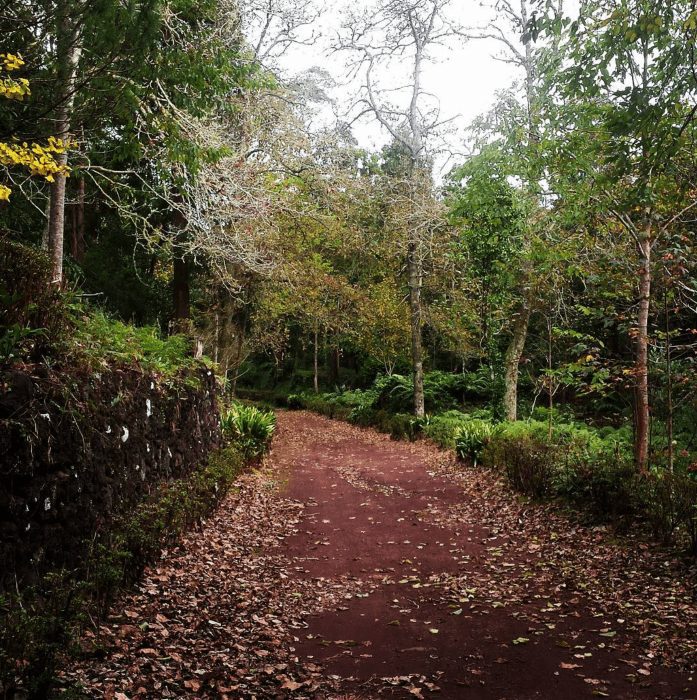
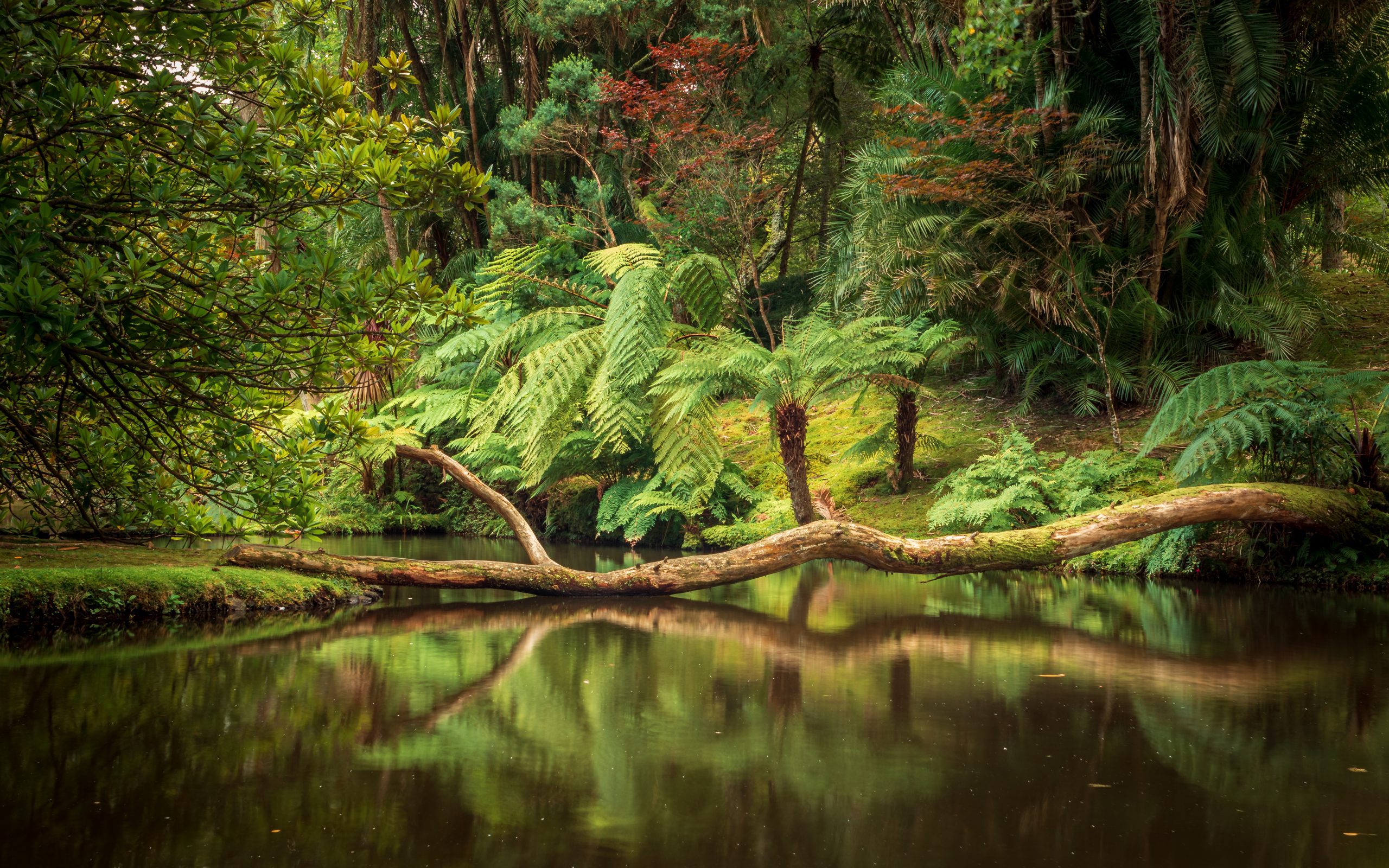
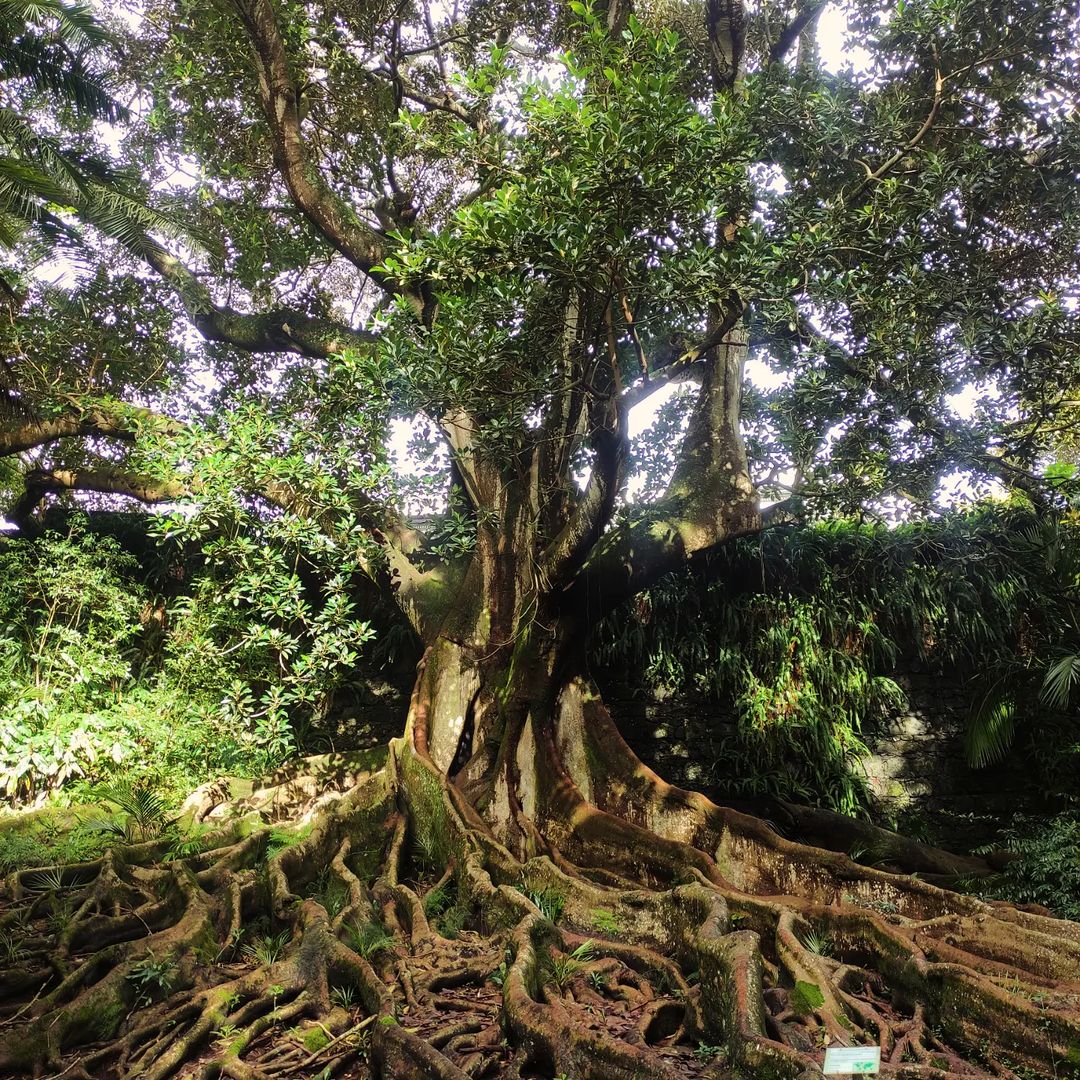
For the flora, you’ll need to get your boots dirty and get off the beaten track. You’ll find some excellent exemplars of our local flora, such as the Azorean heather, the Azorean laurel, and the local cedar, among many other fascinating species.
Top Places & Activities to Visit in Vila Franca do Campo
The beaches

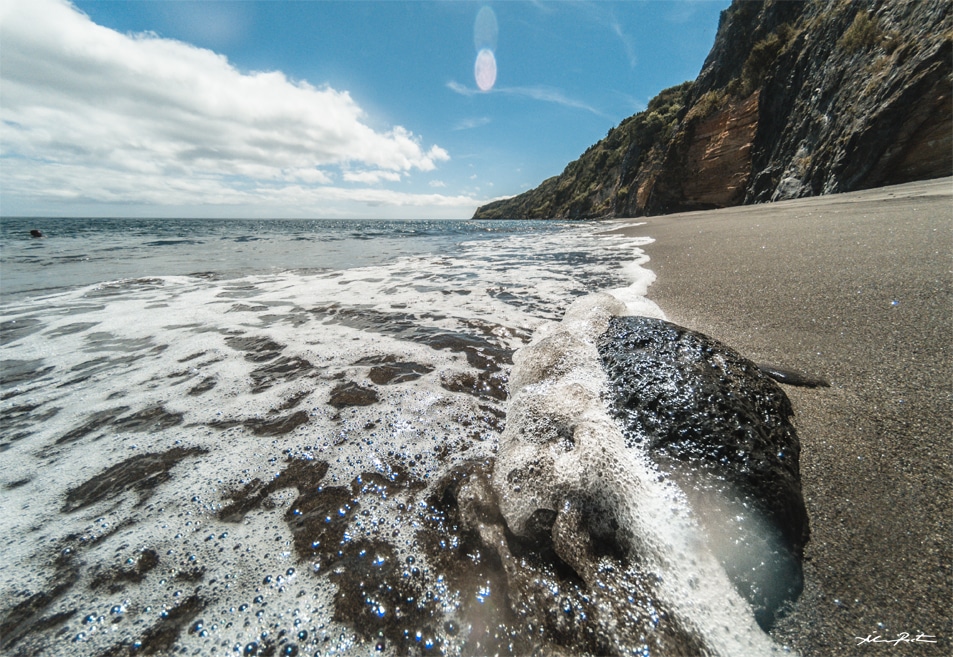
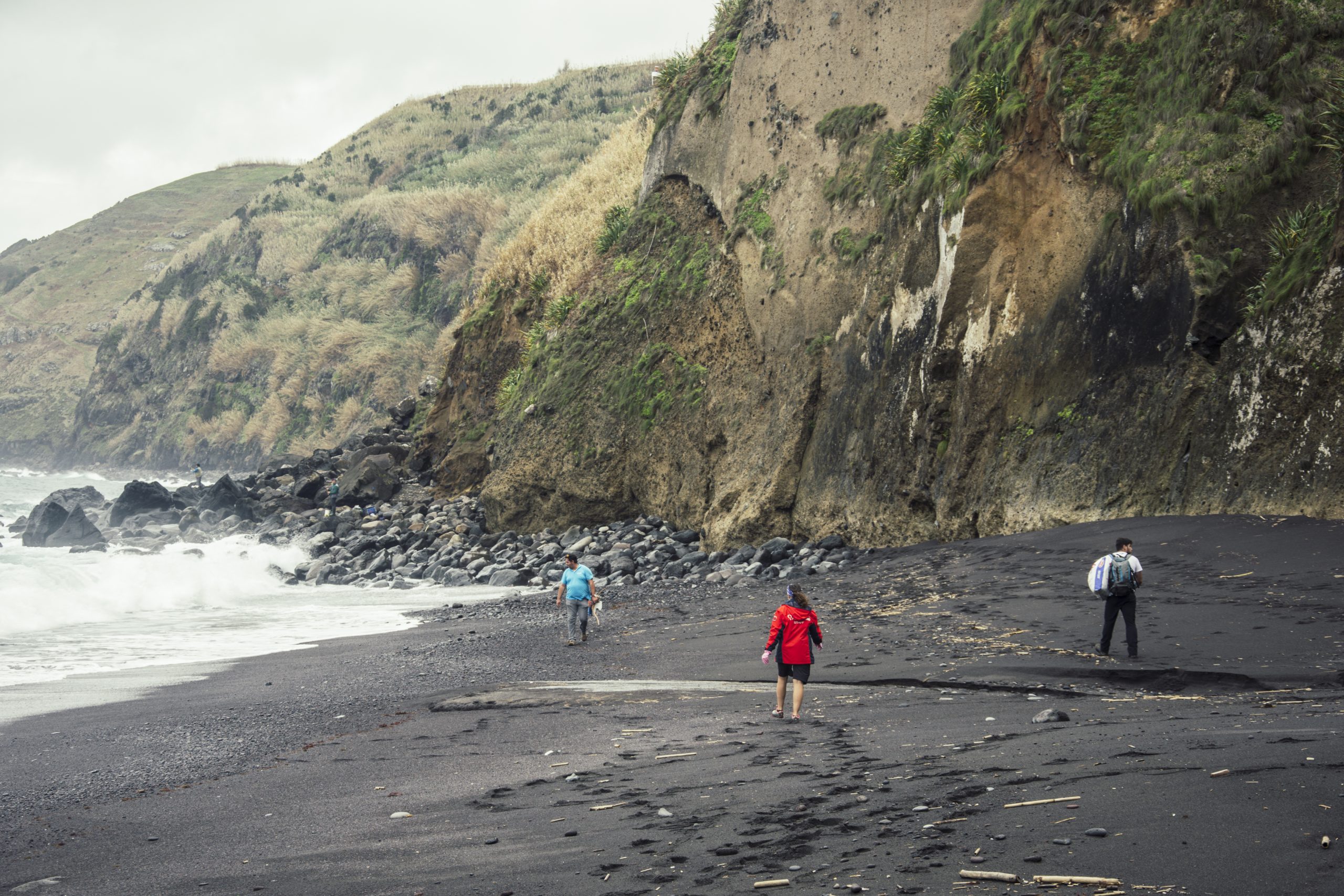
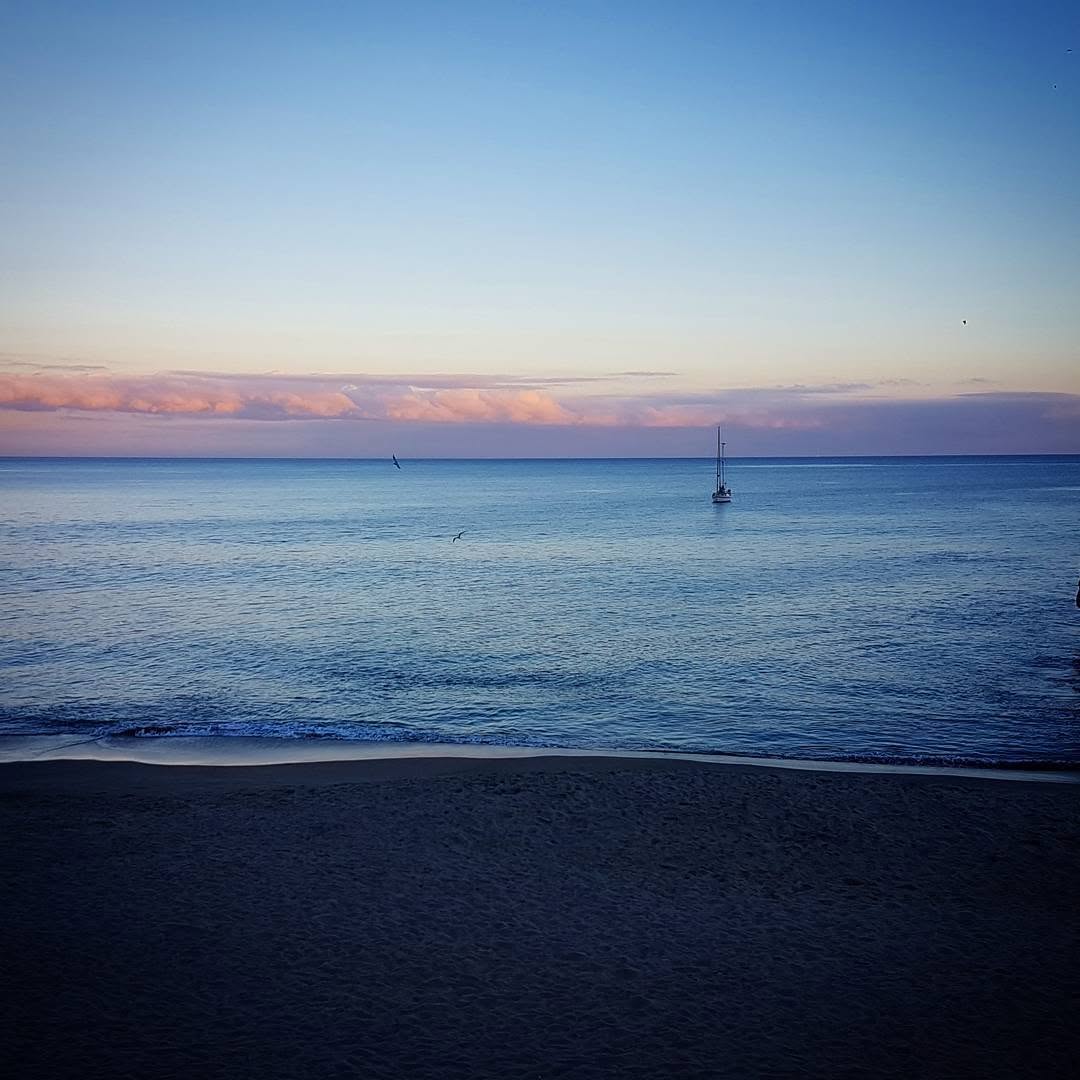
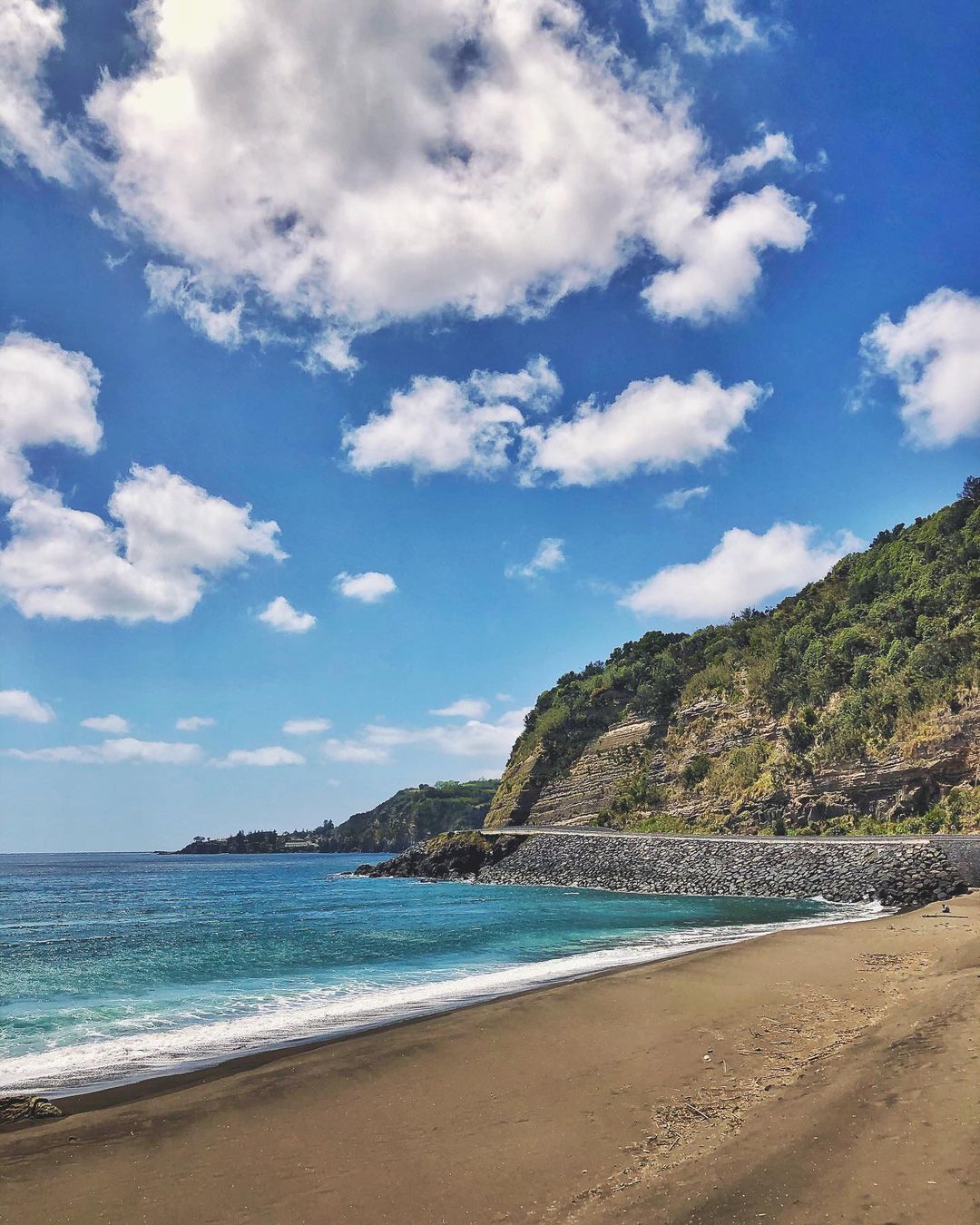
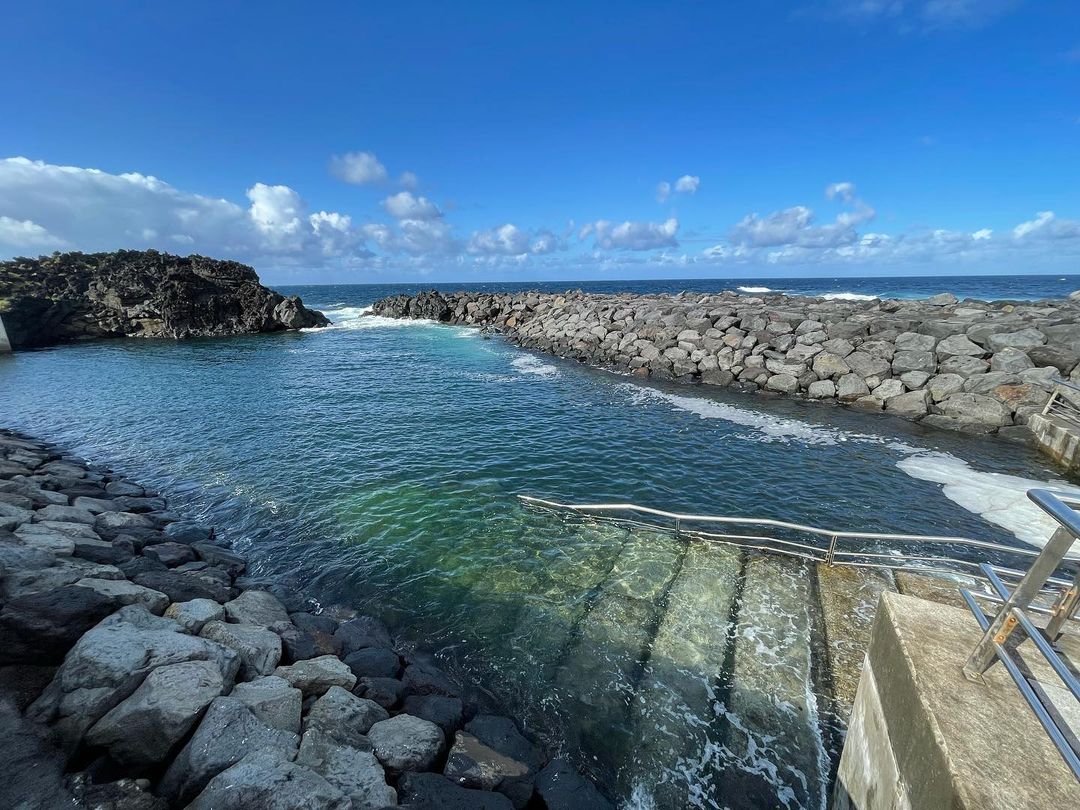
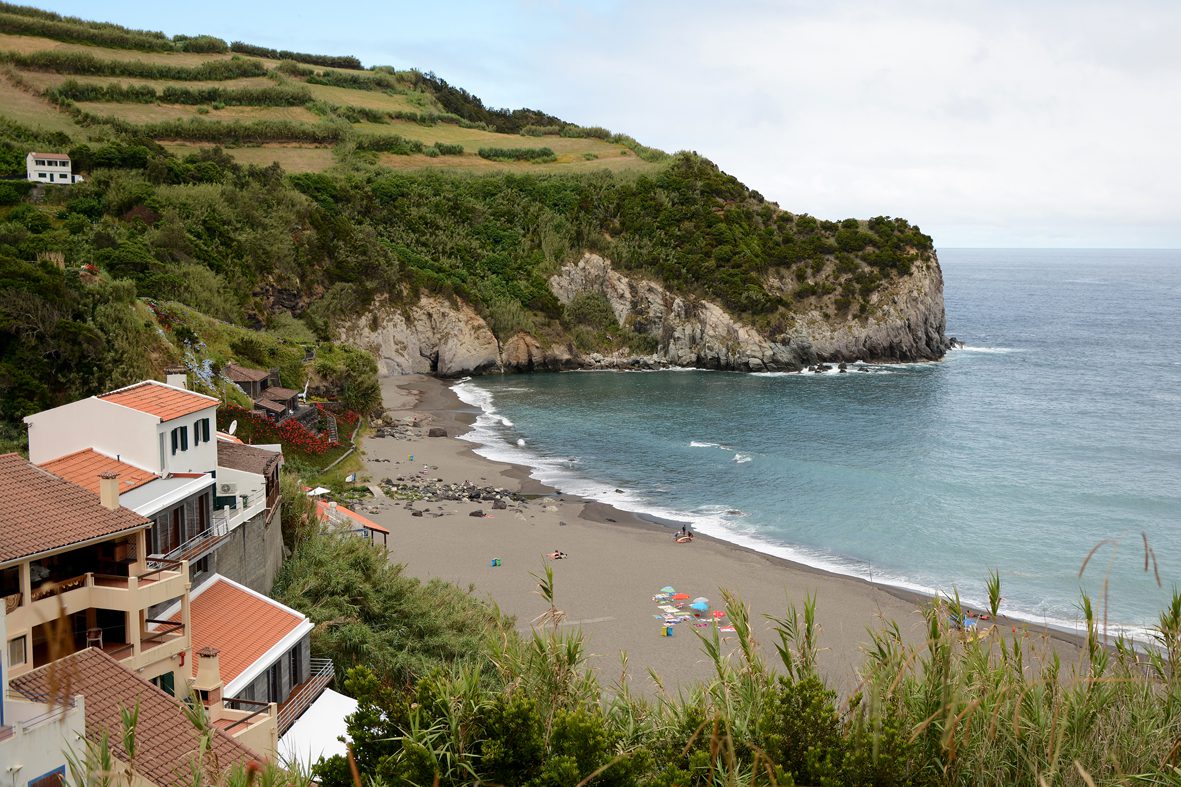
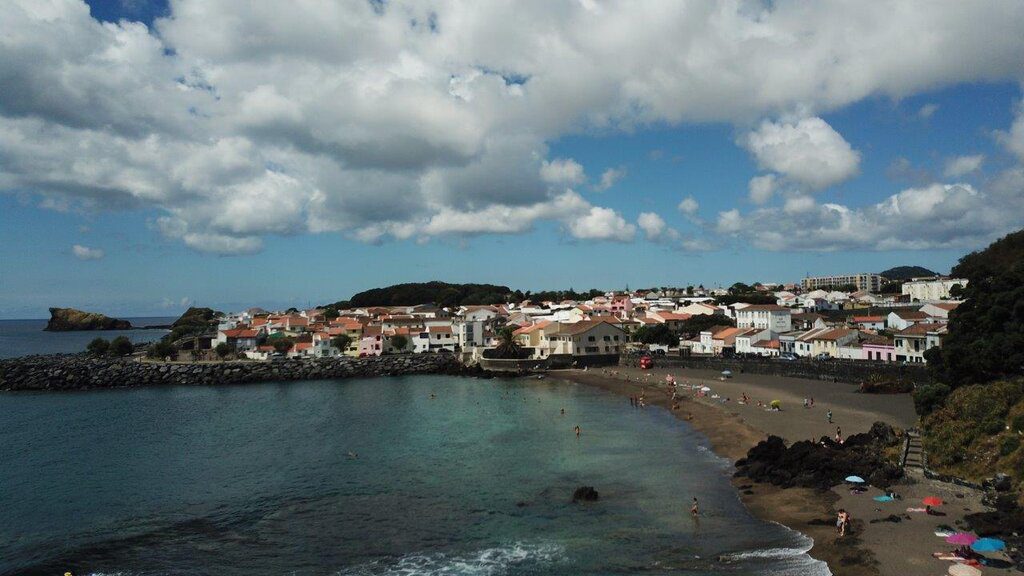
Vila Franca do Campo is the home to some of the nicest (and secret) beaches on the island! You can visit the Pedreira and Degredo beaches, where you’ll have two amazing sand beaches surrounded by majestic cliffs. Or you can opt to visit the beach next to the marina and maybe enjoy some aqua park fun!
→ Related Post: Best beaches in the Azores. Read more!
Igreja de São Miguel Arcanjo
Infante Dom Henrique himself planned to build the early church of São Miguel Arcanjo. However, the 1522 earthquake left very little of the original structure. Nevertheless, workers reconstructed the temple on the old remains and preserved the Gothic style.
Apart from being a beautiful, active temple, the church displays a scar from 1624. That year, a projectile from a pirate ship hit the wall during an attack on the village. It remains one of the few island churches that honors its patron saint.
Ermida da Senhora da Paz

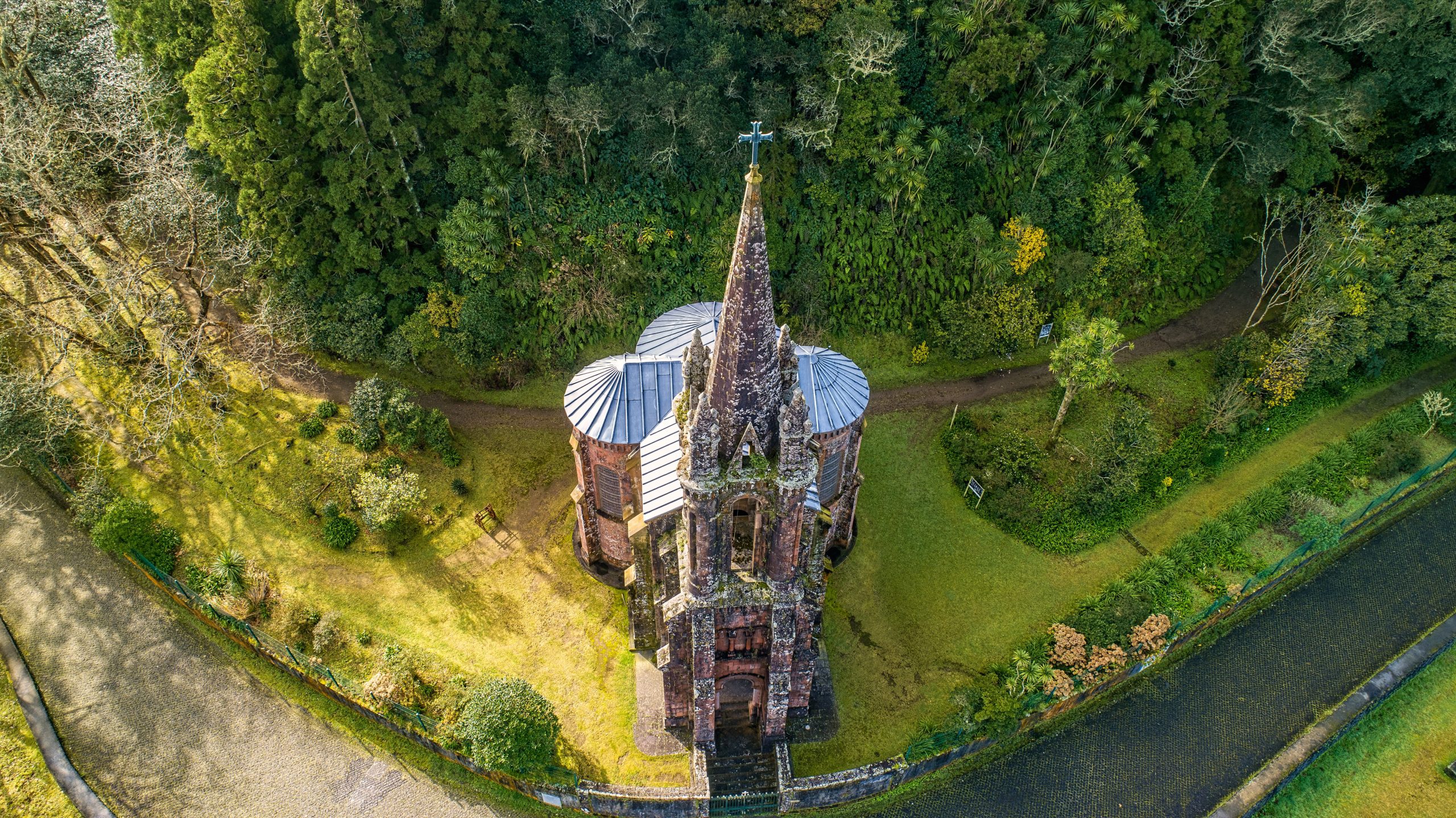
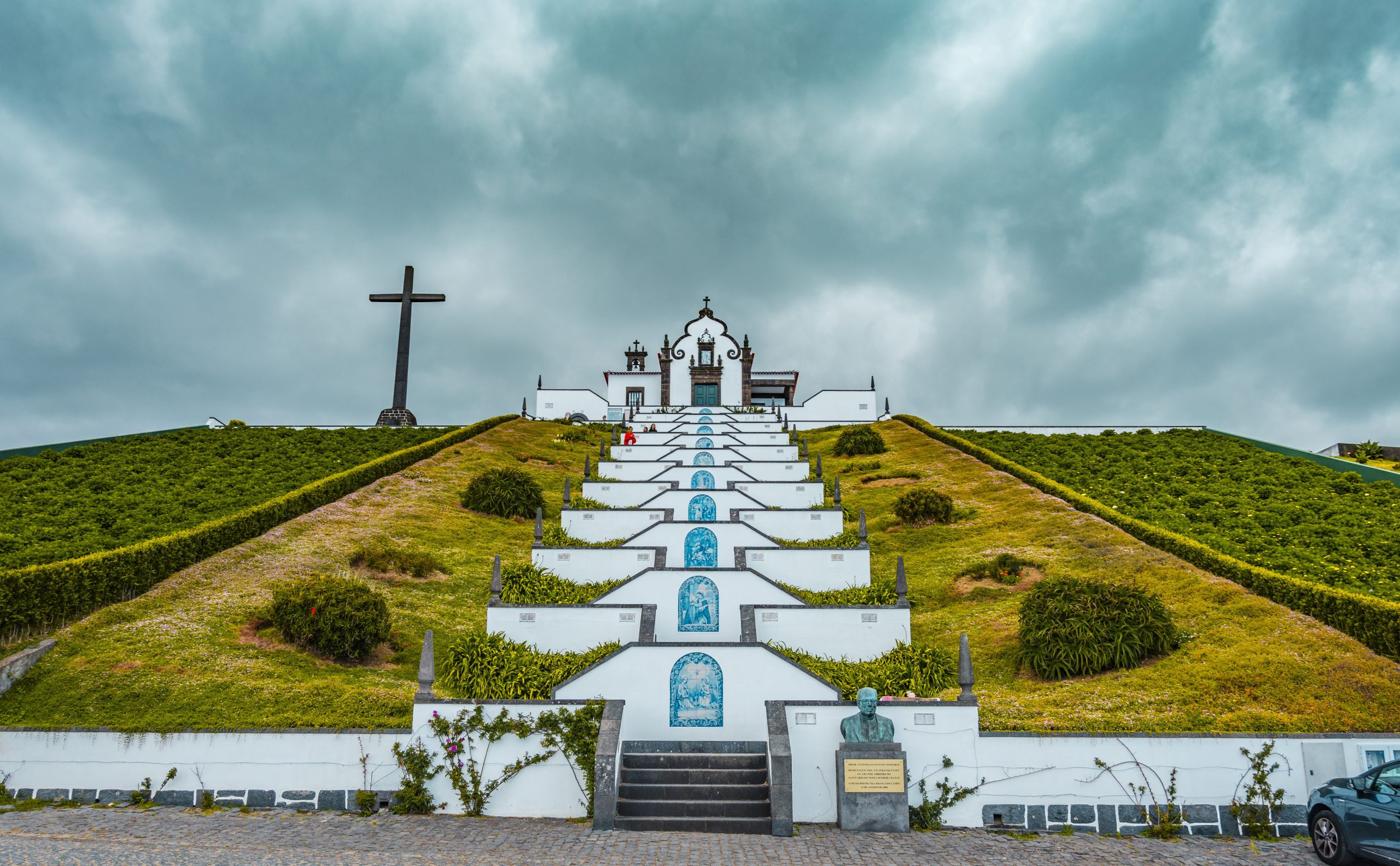
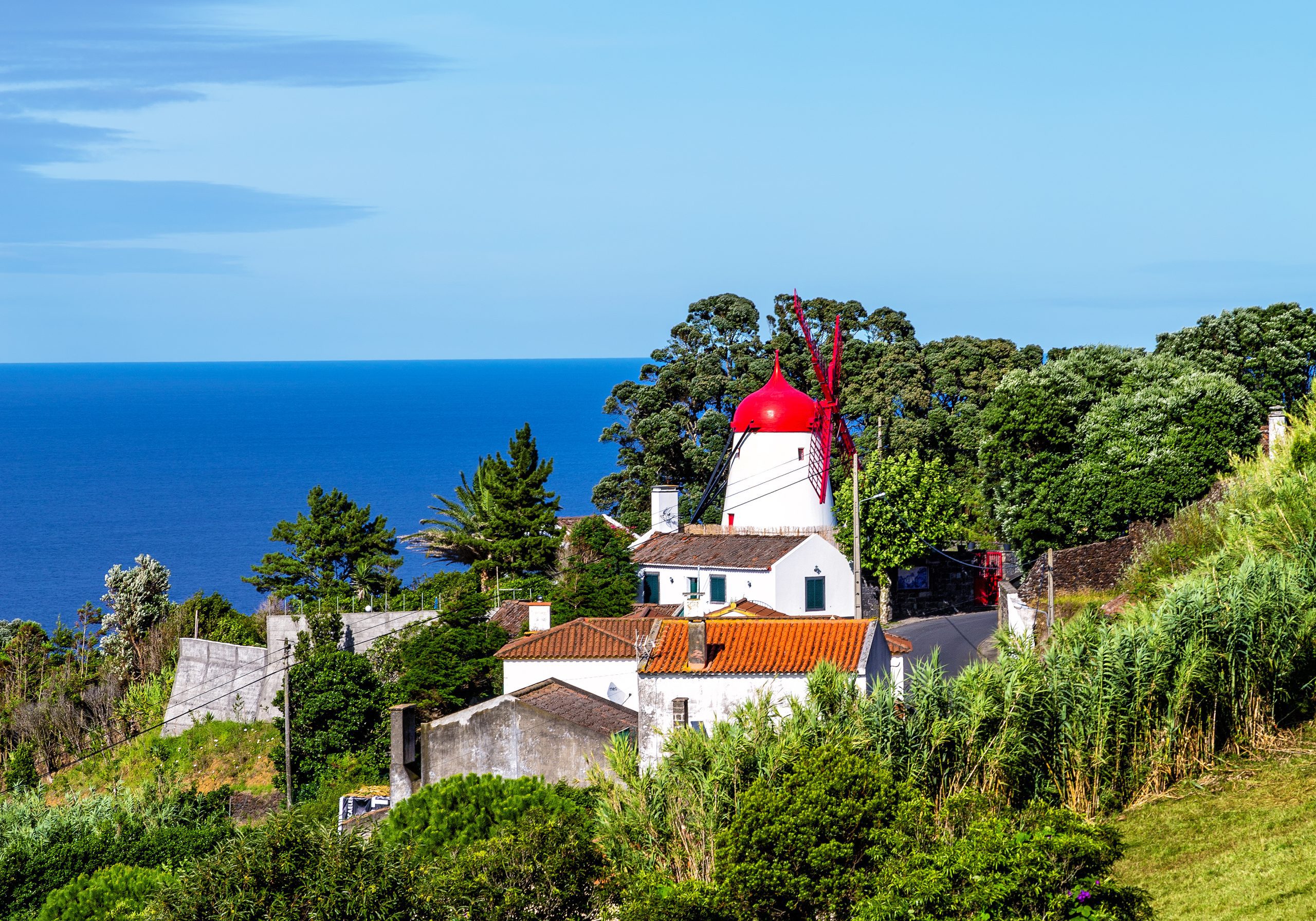
Workers built the Hermitage of Nossa Senhora da Paz in mid-1522. Craftsmen rebuilt the 16th-century chapel in 1764 and have restored it several times since.
Of great interior and exterior beauty, the hermitage is one of the best-known in the region. Based on the typical Baroque architectural style of the region. The church has a chancel where the main altar is located and two side naves that welcome its faithful in the celebration of the Eucharist.
In 1991, the Chapel of Our Lady of Peace was classified by the Regional Government of the Azores as a property of public interest.
Castelo Branco Viewpoint

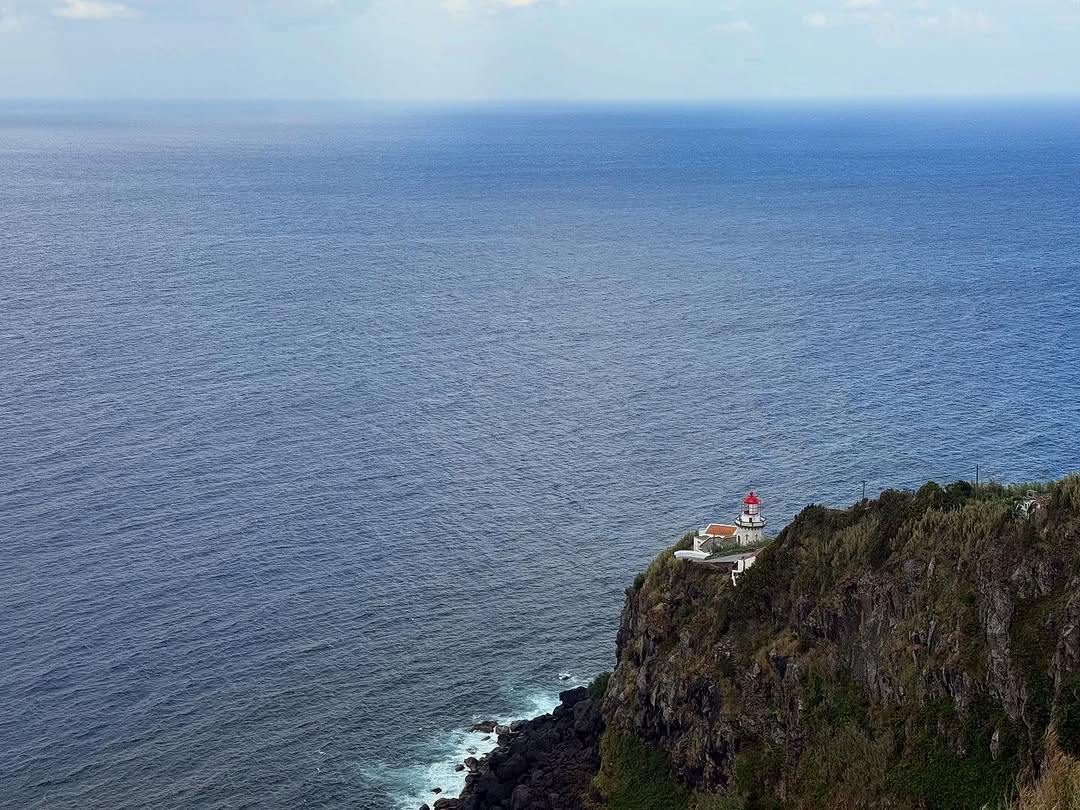
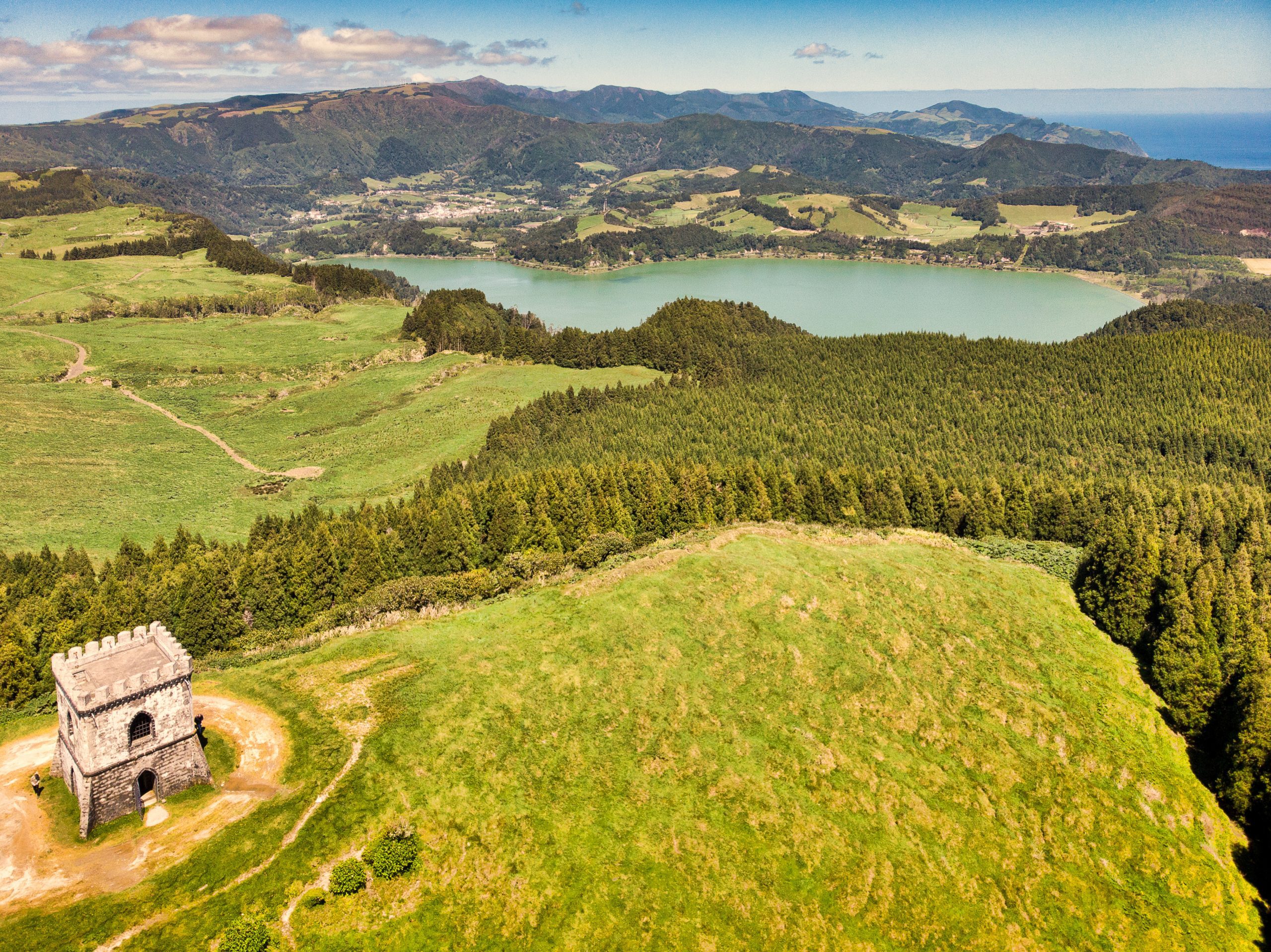
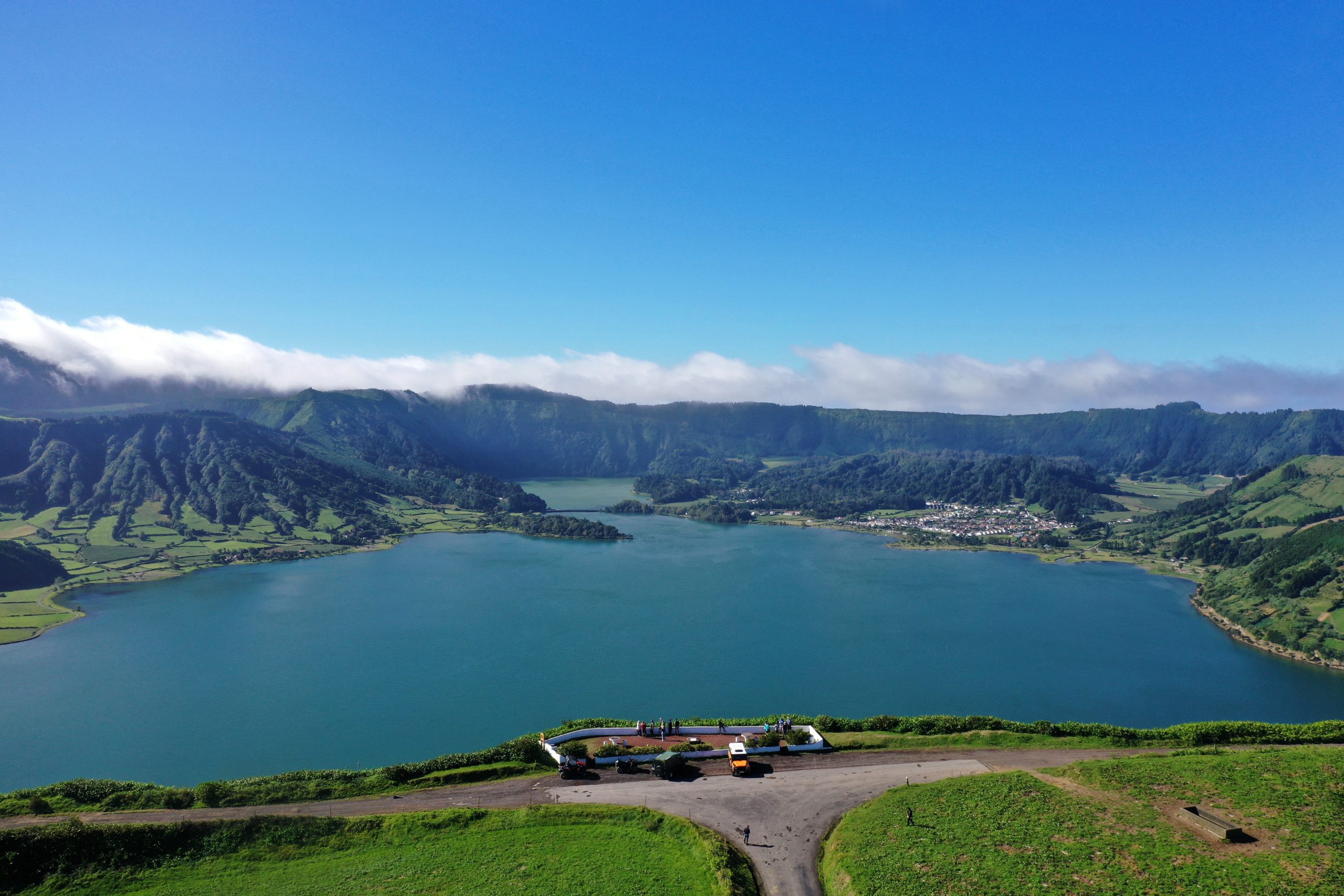
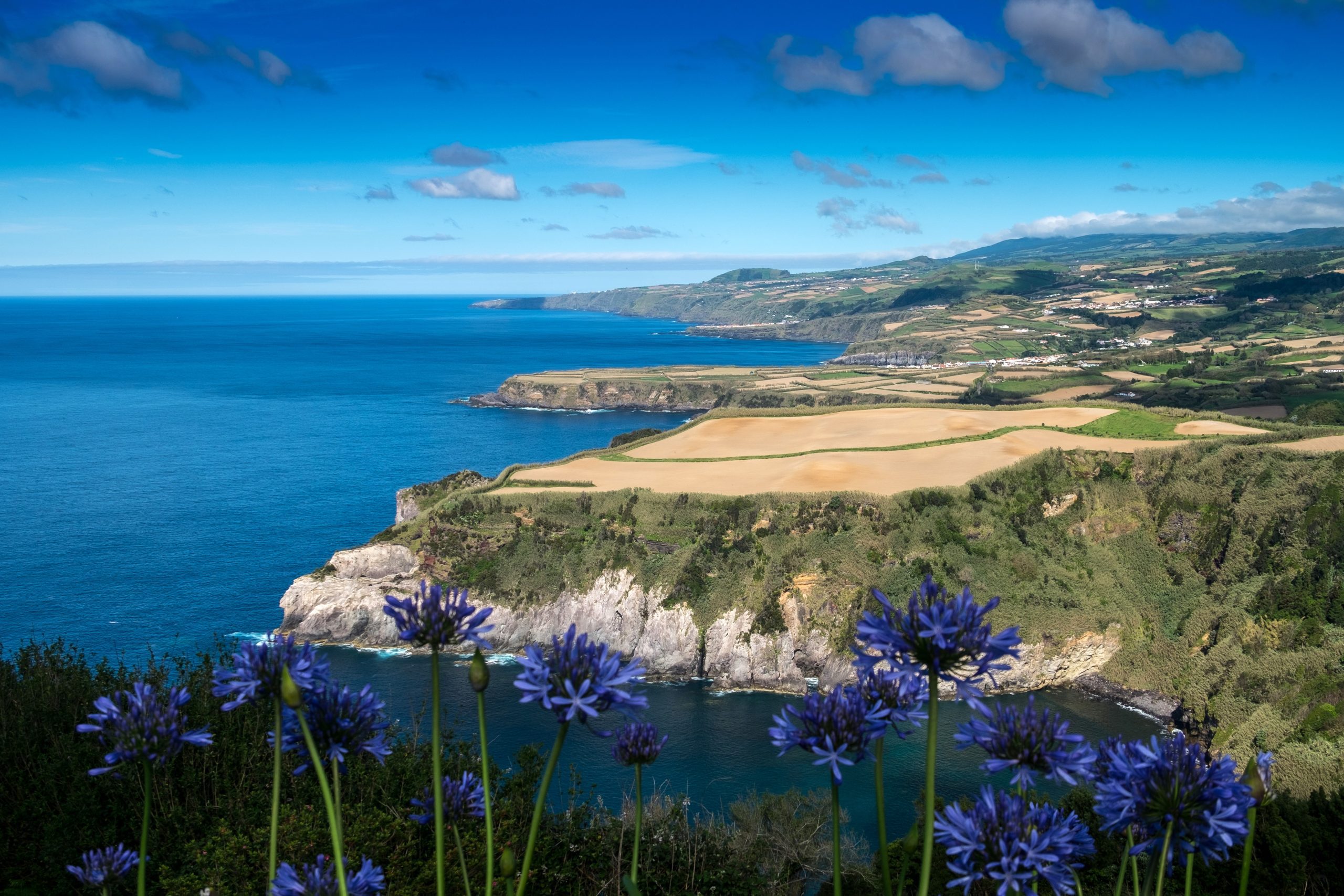
Castelo Branco is a small white tower that nowadays serves as a great viewpoint over the south coast of São Miguel Island, with Ilhéu de Vila Franca and the Atlantic Ocean. It also looks over the valley of Furnas and its lake. You can go inside the tower and climb onto the rooftop for a wonderful view. It is a mandatory stop when you are going to the geothermal paradise of Furnas.
Ilhéu de Vila Franca do Campo

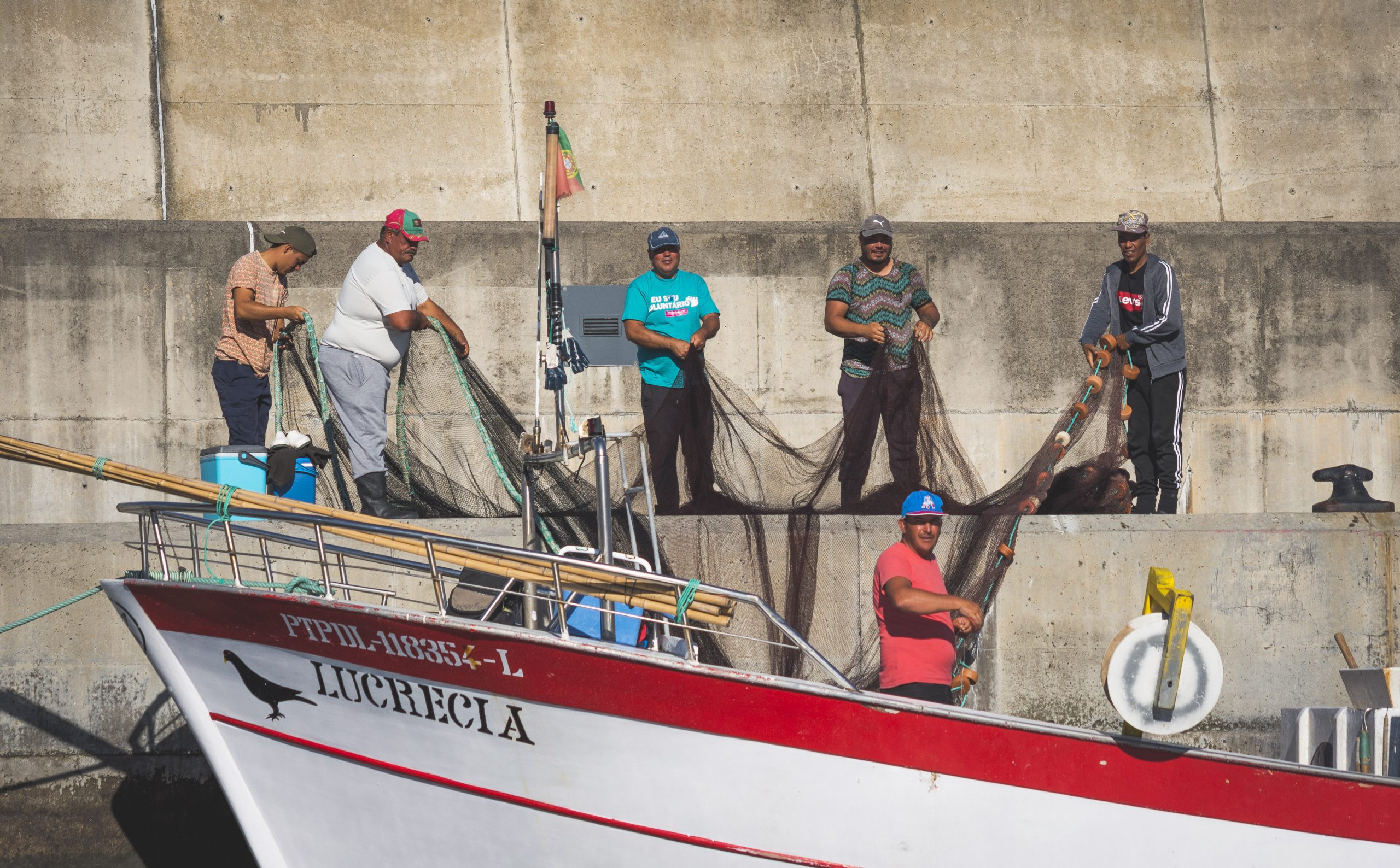
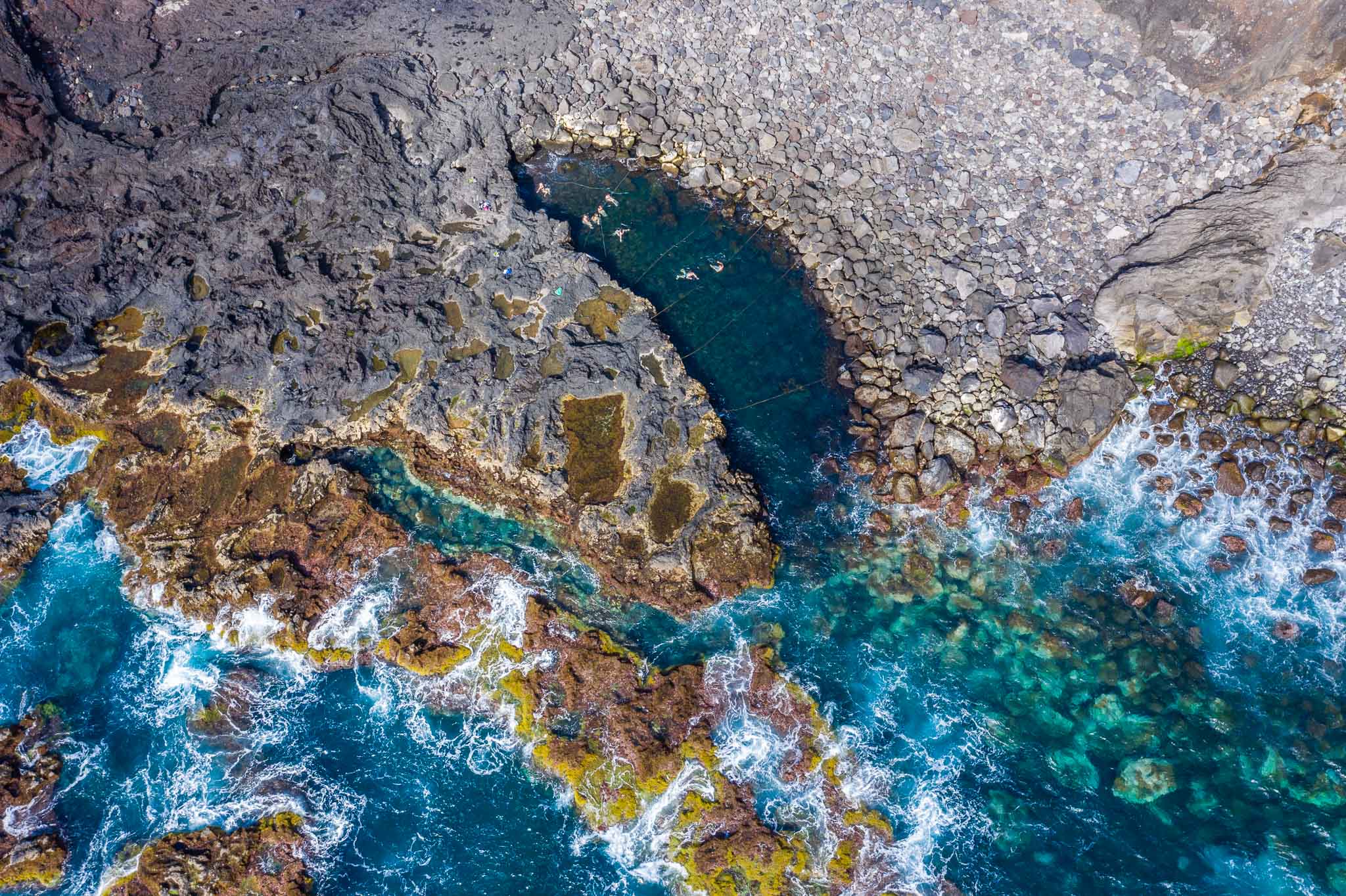
The Vila Franca do Campo islet is a nature reserve for birds in the winter and one of the most epic beaches you can go to on São Miguel island in the summer. It is an old submarine volcano with crystal-clear waters in its crater, where you can swim and snorkel. This wonder of nature is open only from June to October for preservation purposes. It is undoubtedly one of the top 10 best beaches in the Azores. From June to October, a traditional fishing boat takes you there in 10 minutes from the town’s harbor.
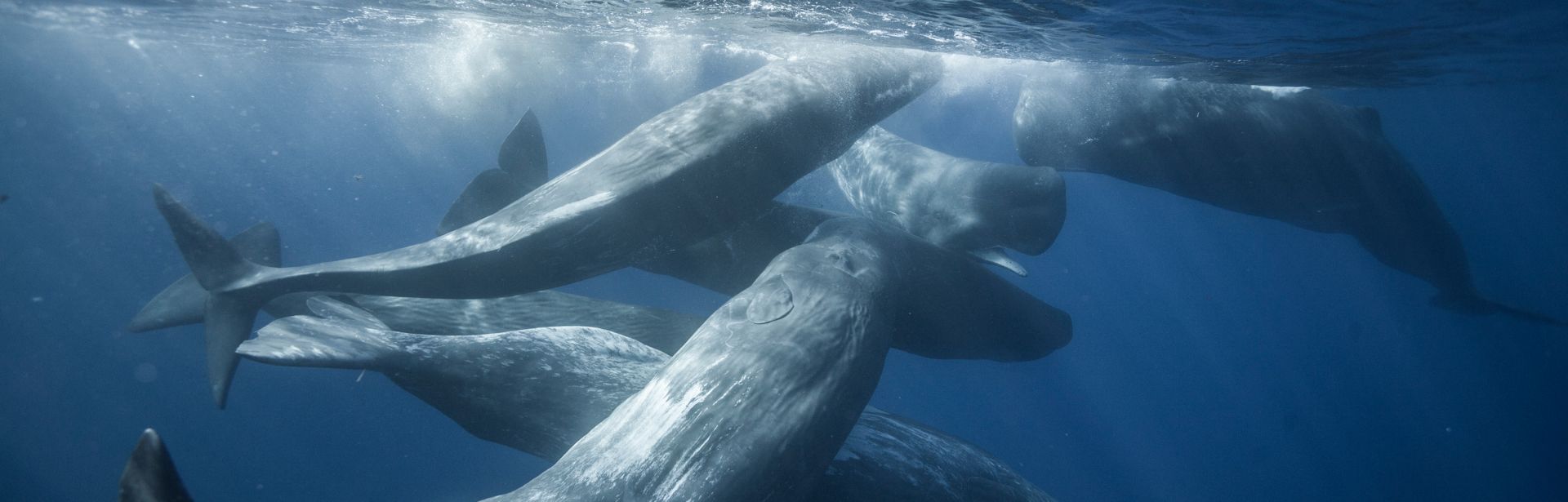
🐳 Recommended Tour: Whale Watching and Explore the Vila Franca Islet
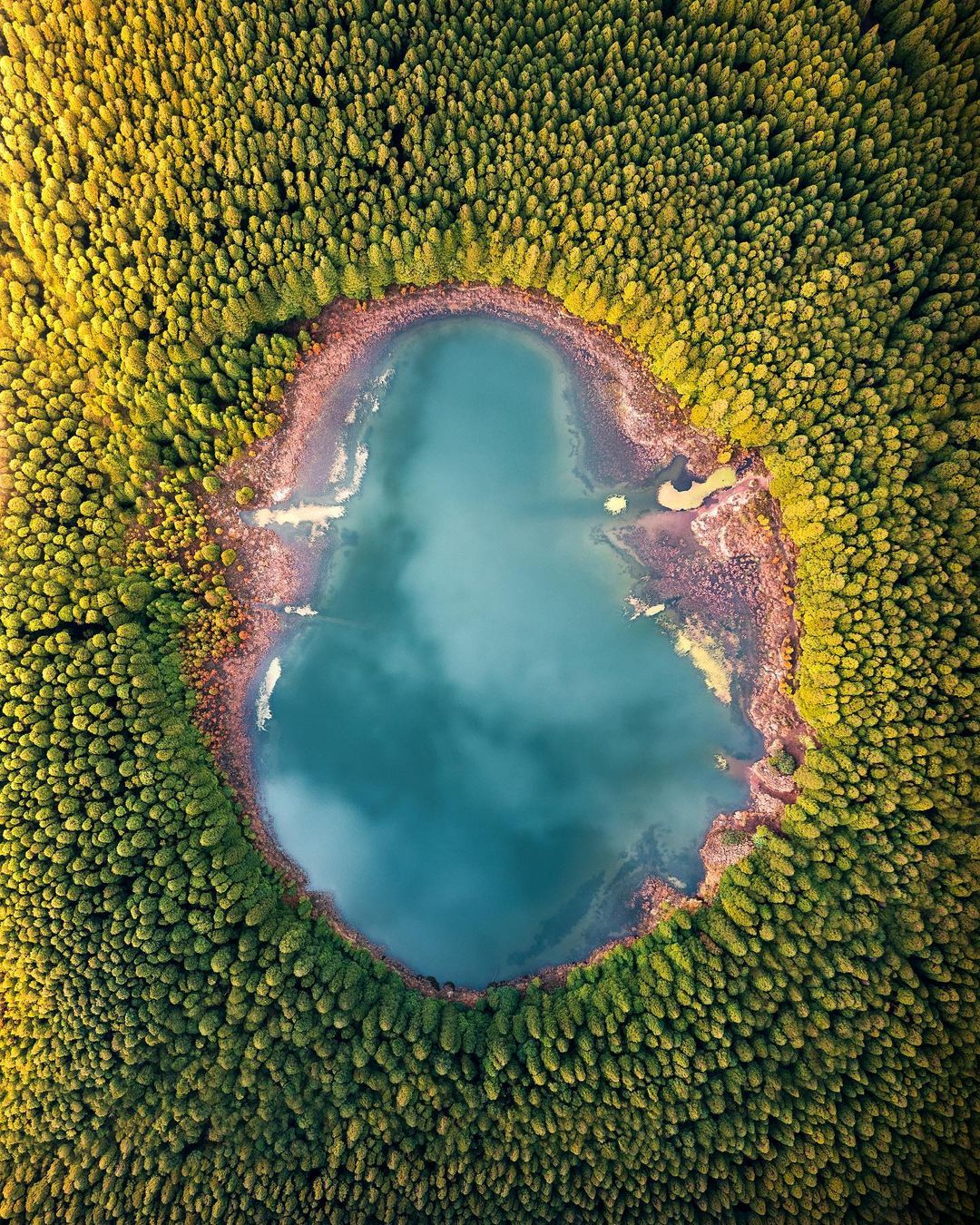
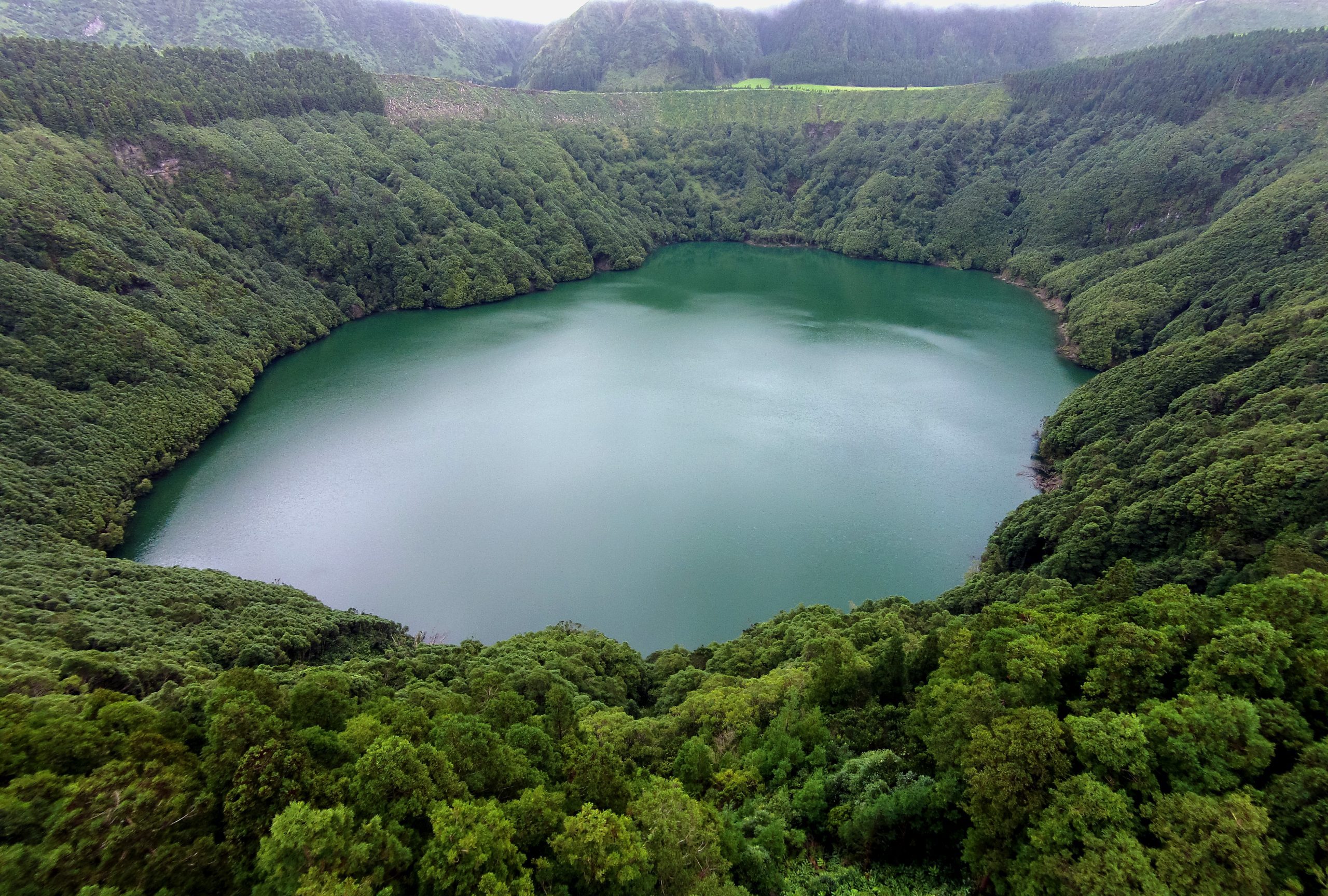
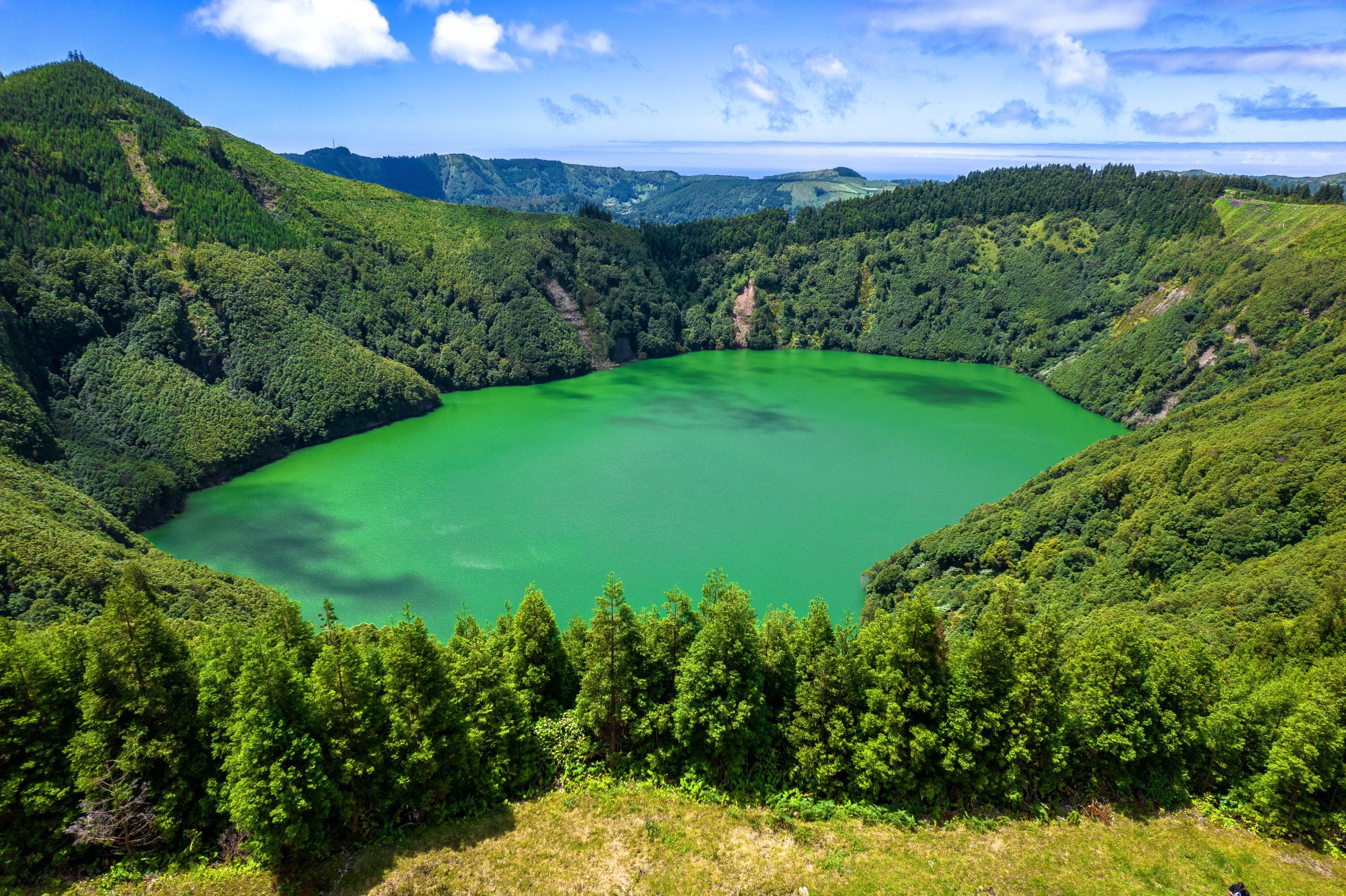
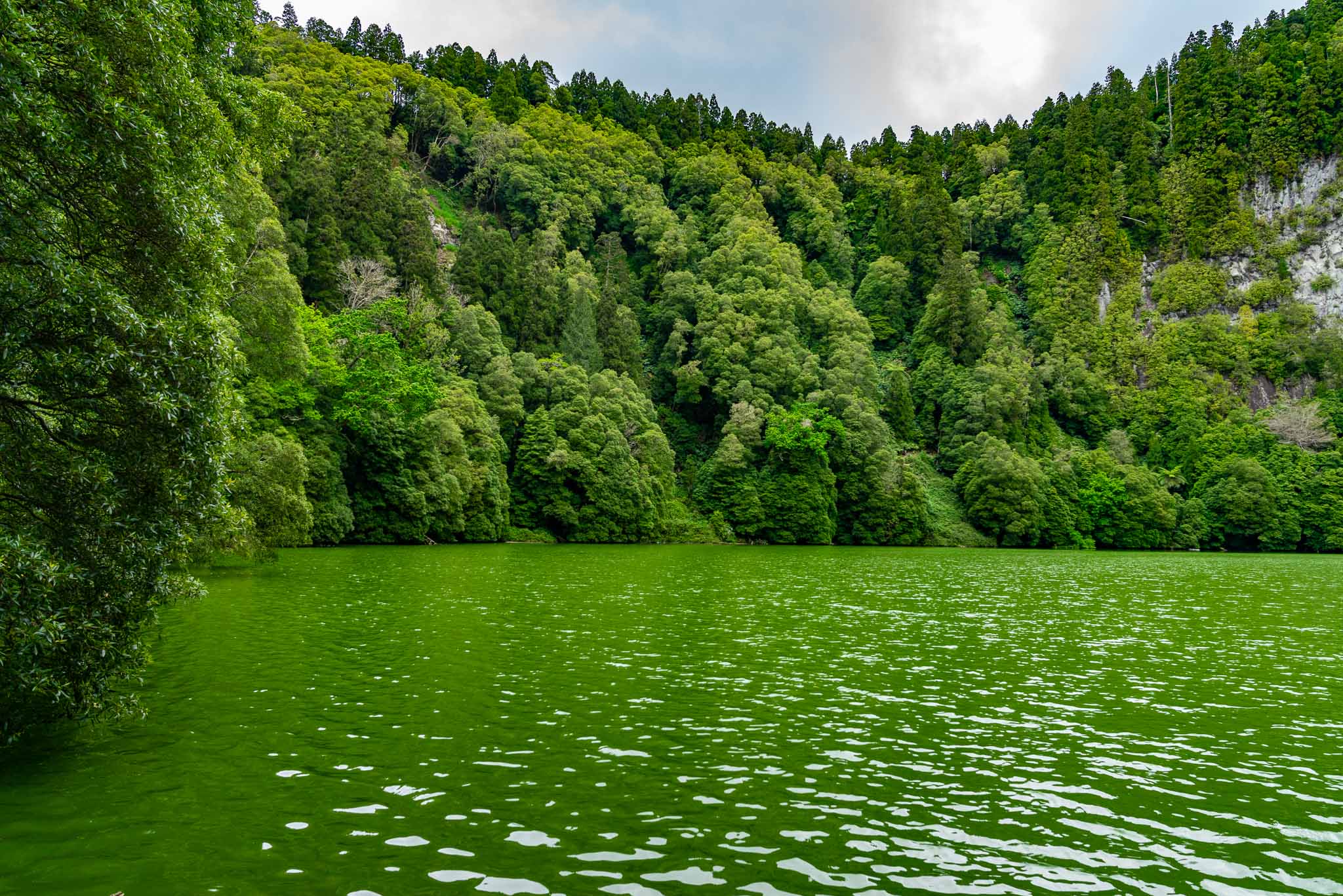
Explore Lagoa do Congro

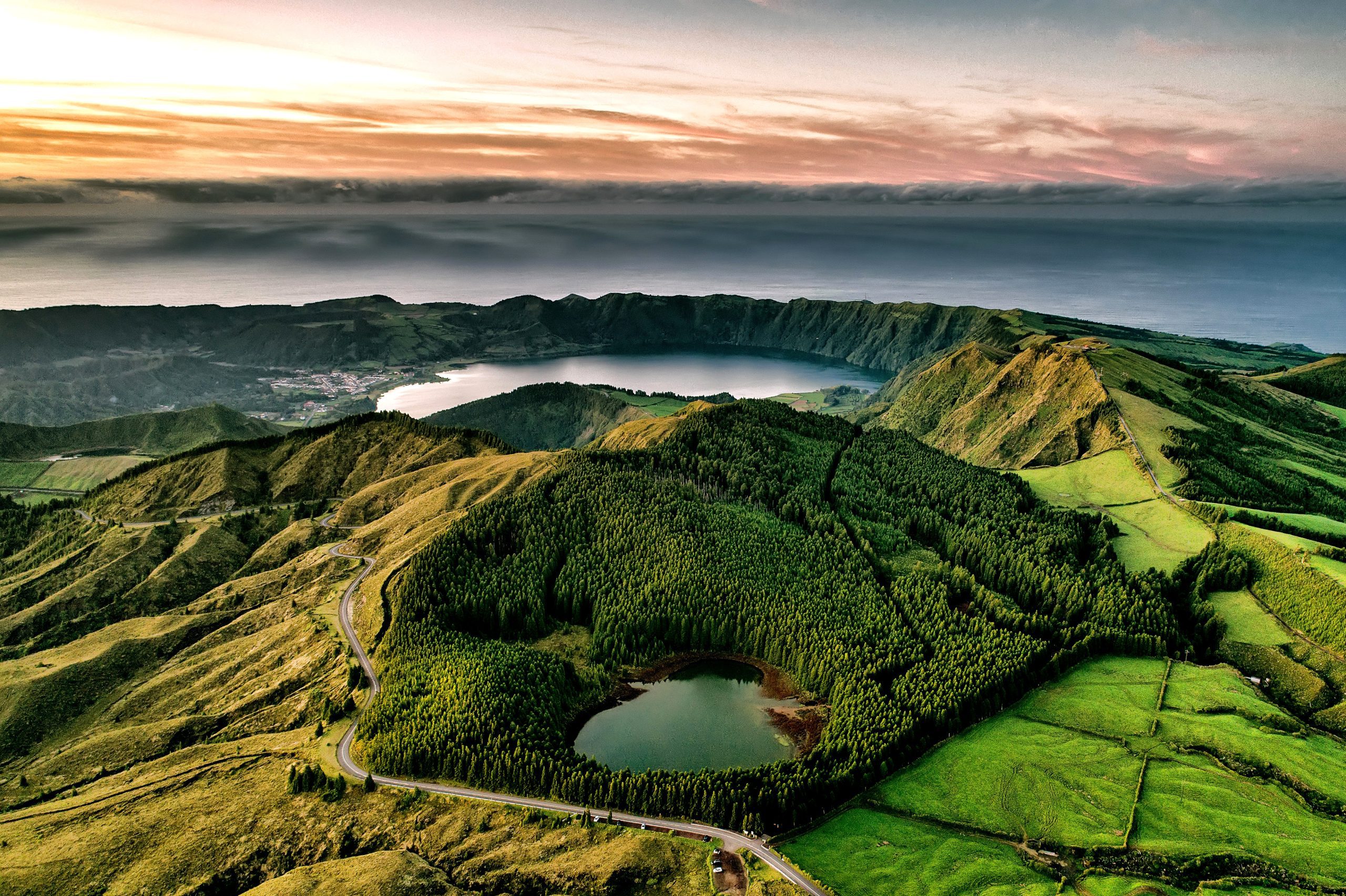
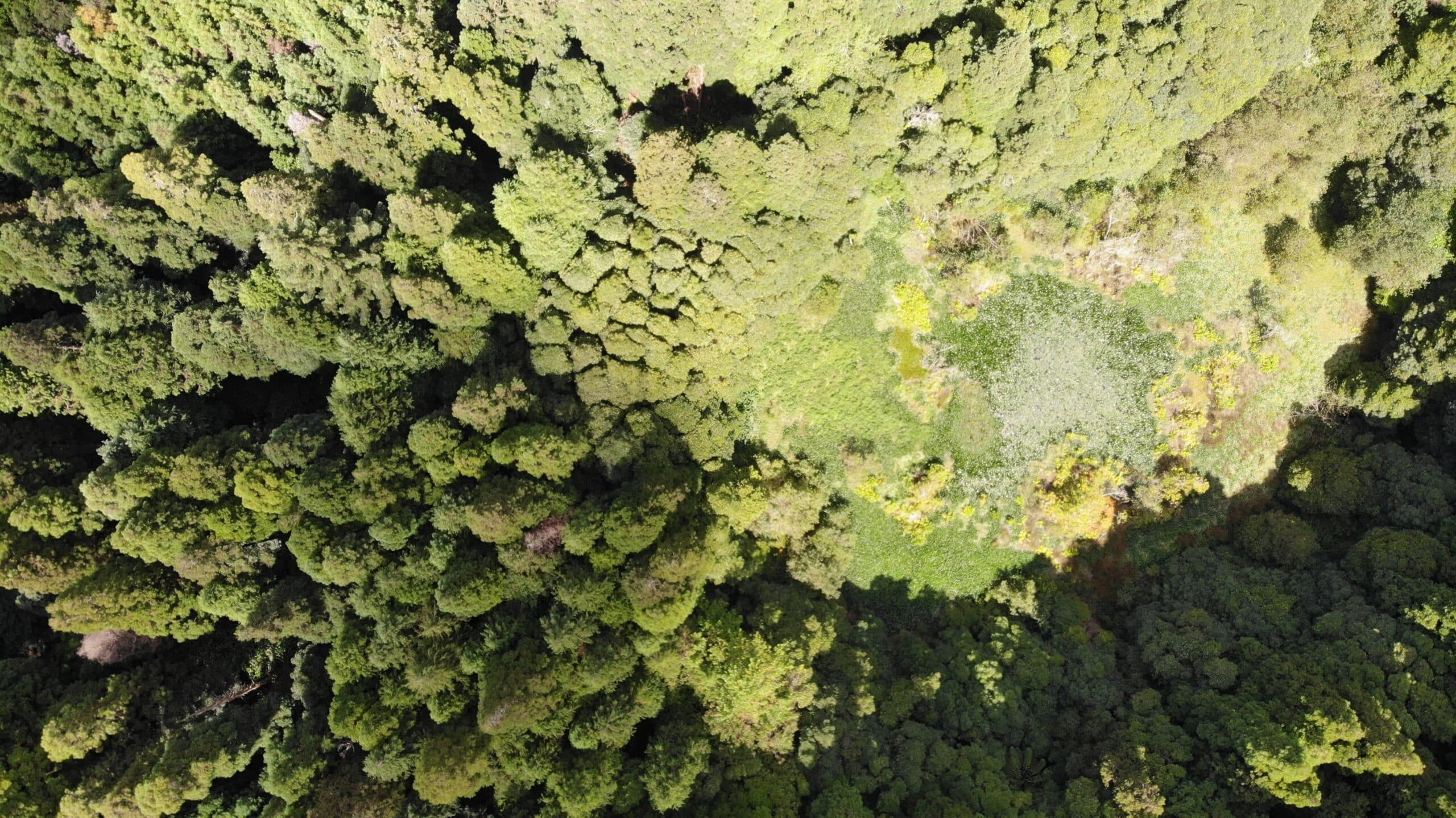
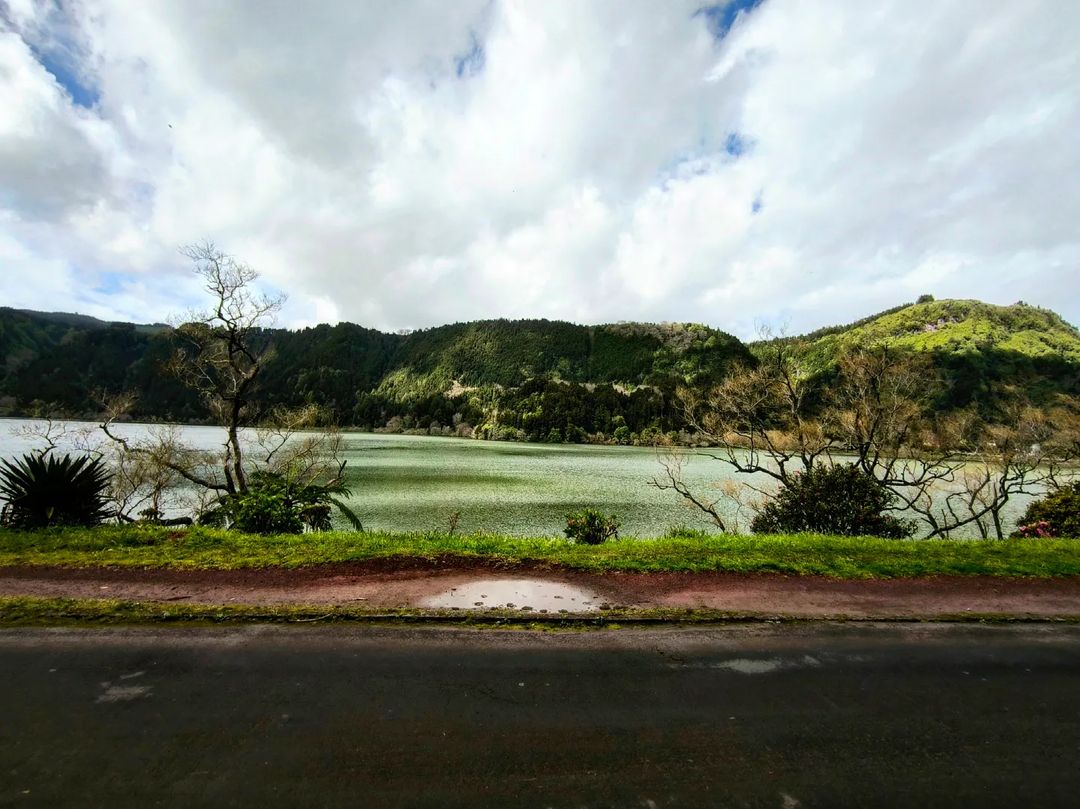
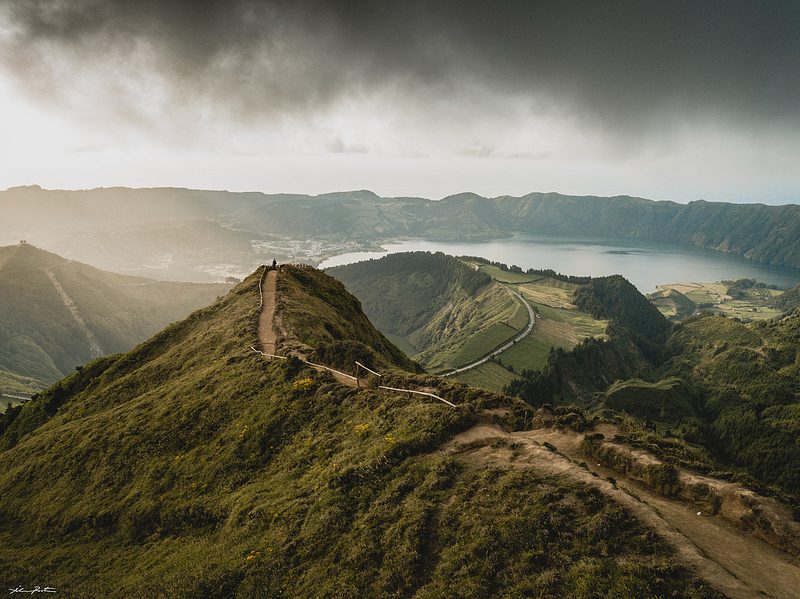
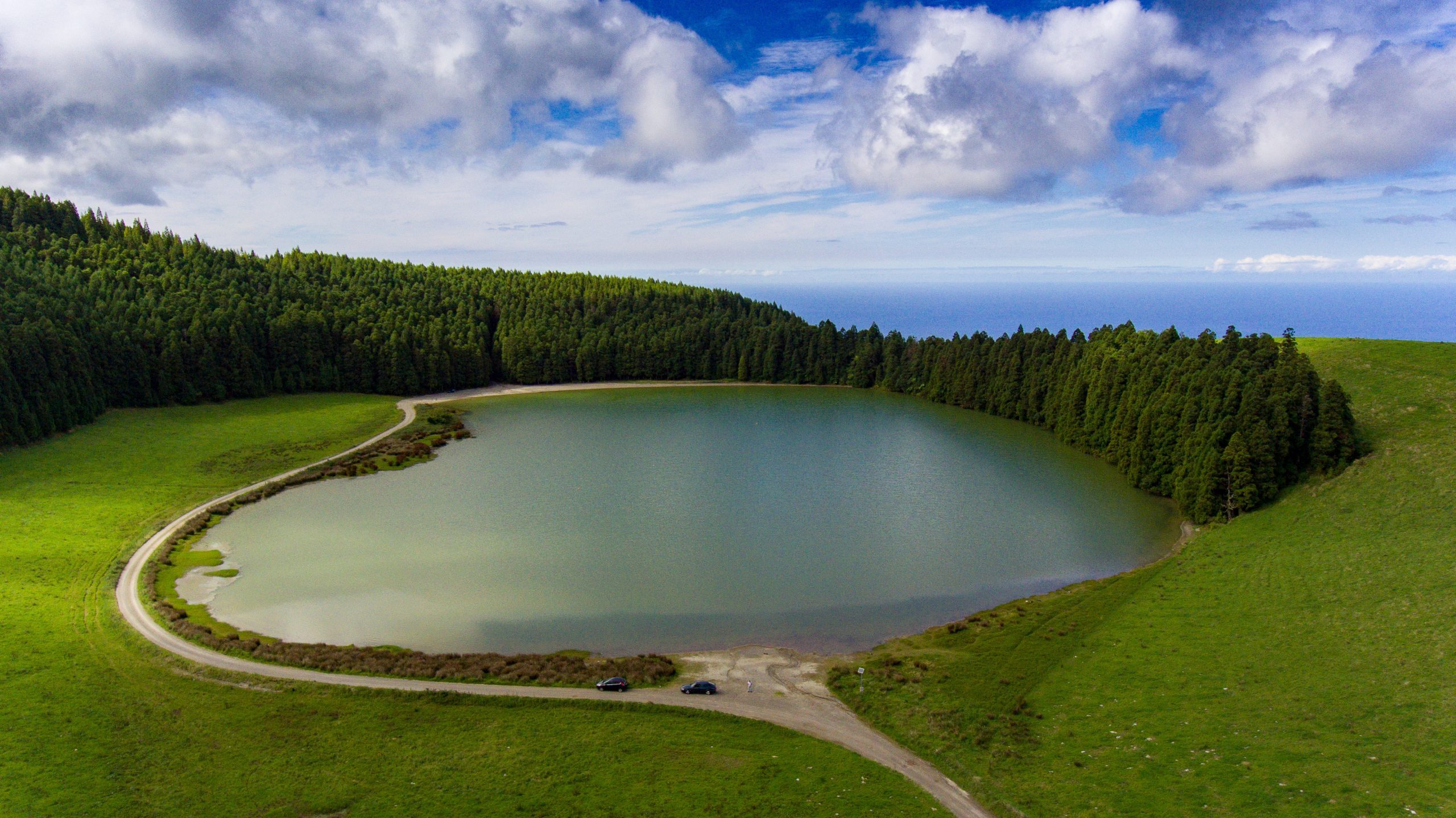
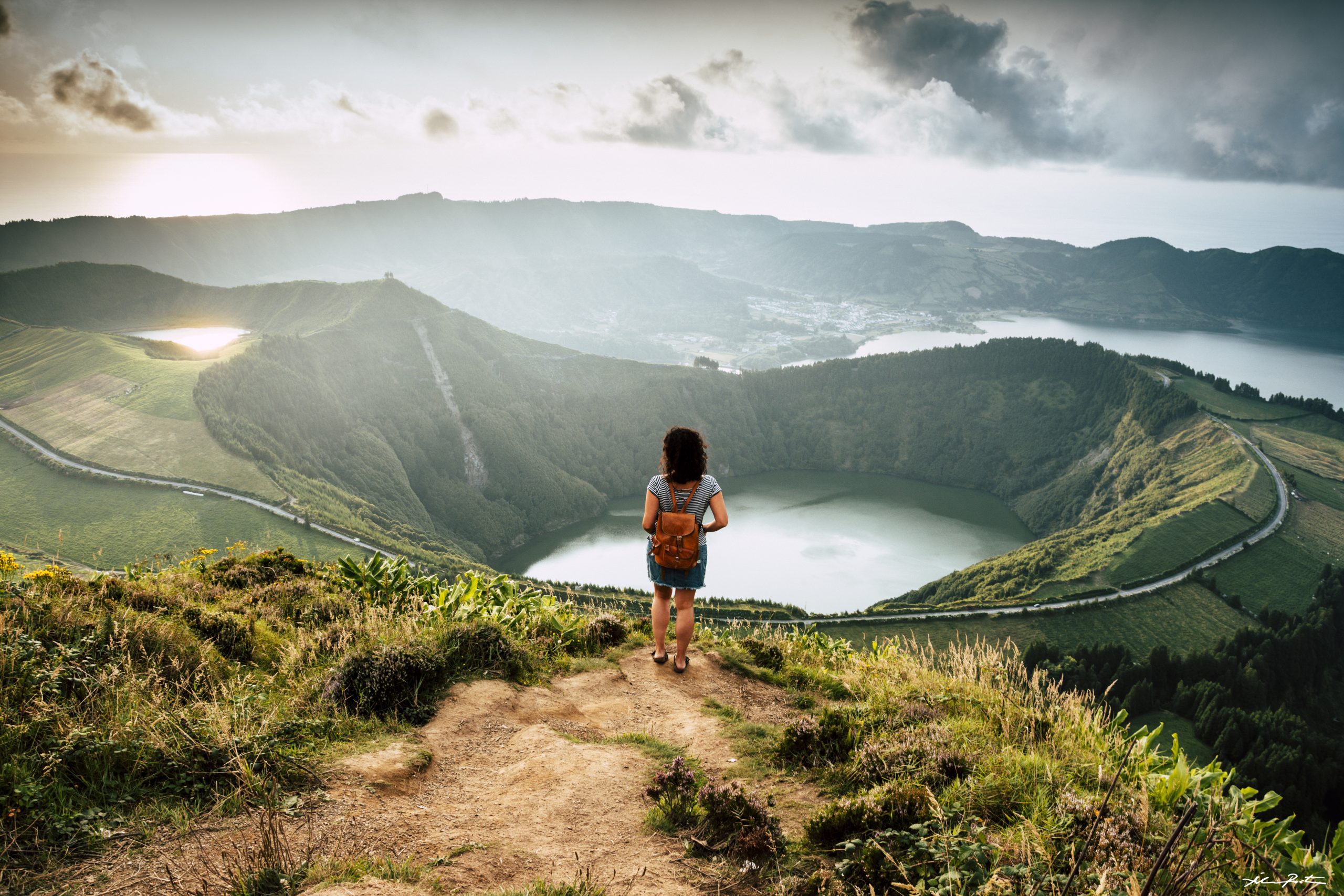
Nestled inside a lush forest in the middle of São Miguel, Lagoa do Congro is less famous. Other lakes on the island are more well-known. Even though the access is harder, it is completely worth the trip!
Once you arrive at the lake, the all-green scenery immerses you, and you enter a real-life fairy tale. The peaceful silence and the natural beauty give Lagoa do Congro a unique beauty. In this post, discover everything about Lagoa do Congro, from its history to the best travel tips. We will also see how to get to this wonderful place with great landscapes for photography enthusiasts.
Miradouro da Nossa Senhora da Paz

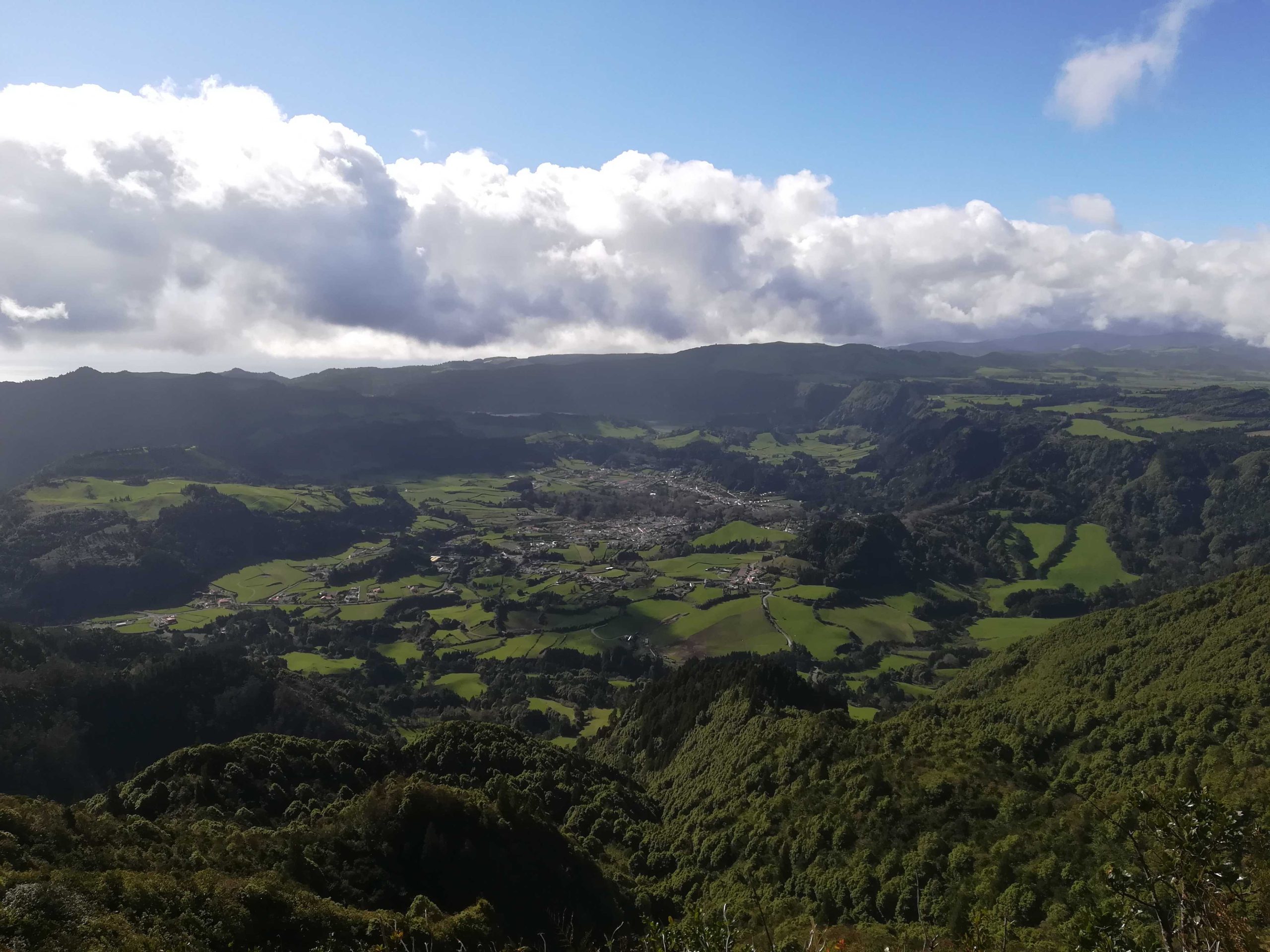
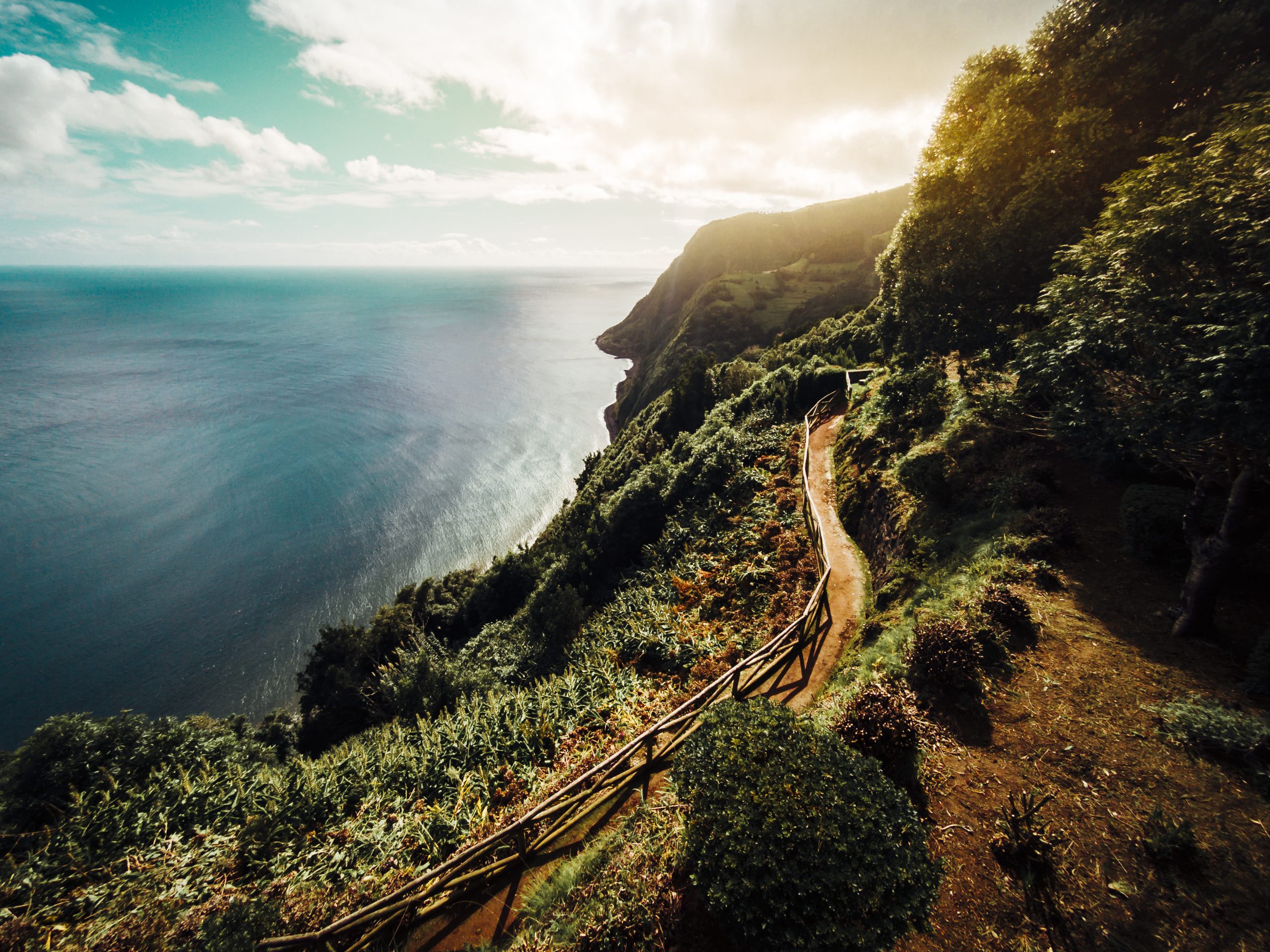
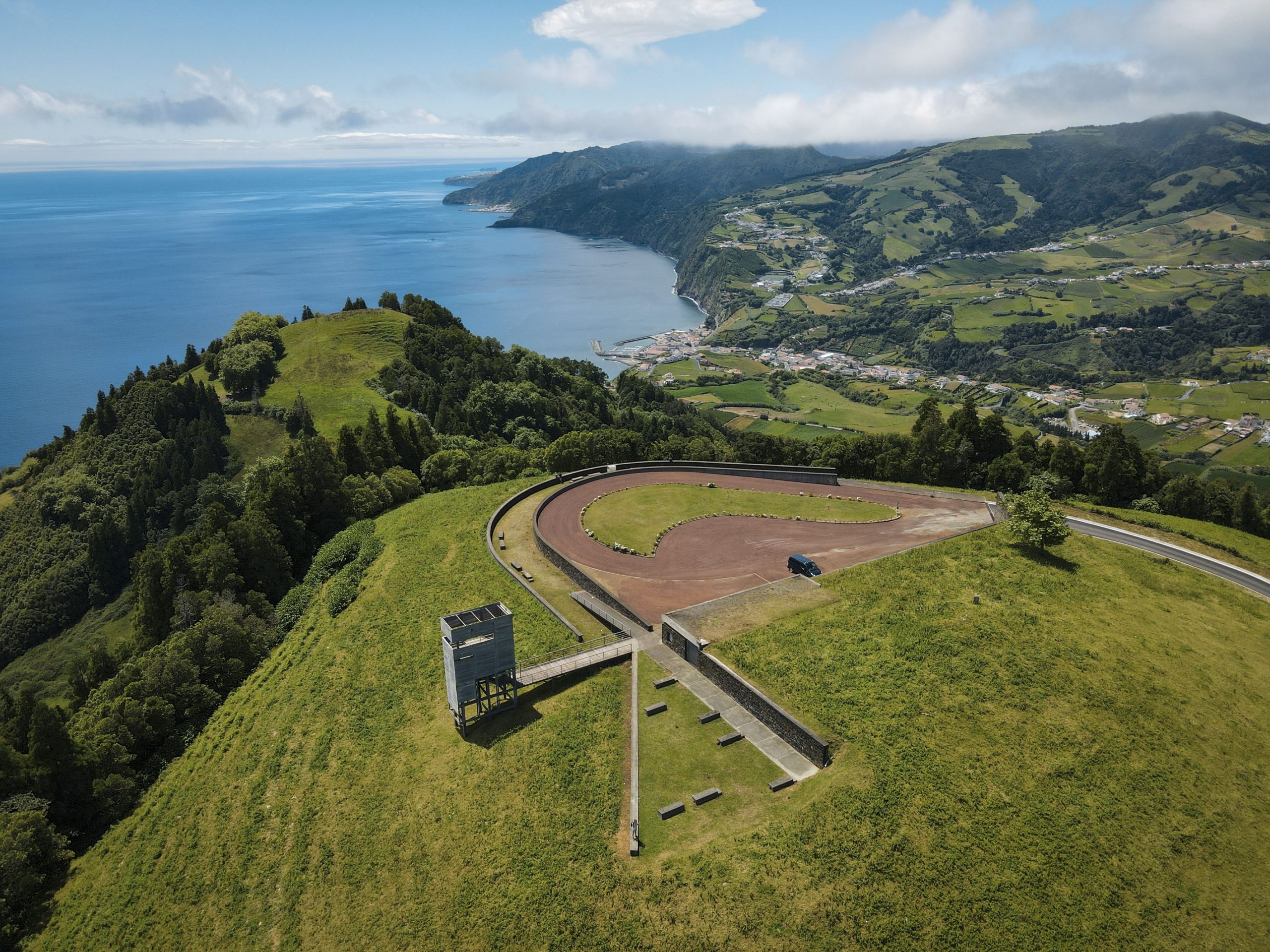
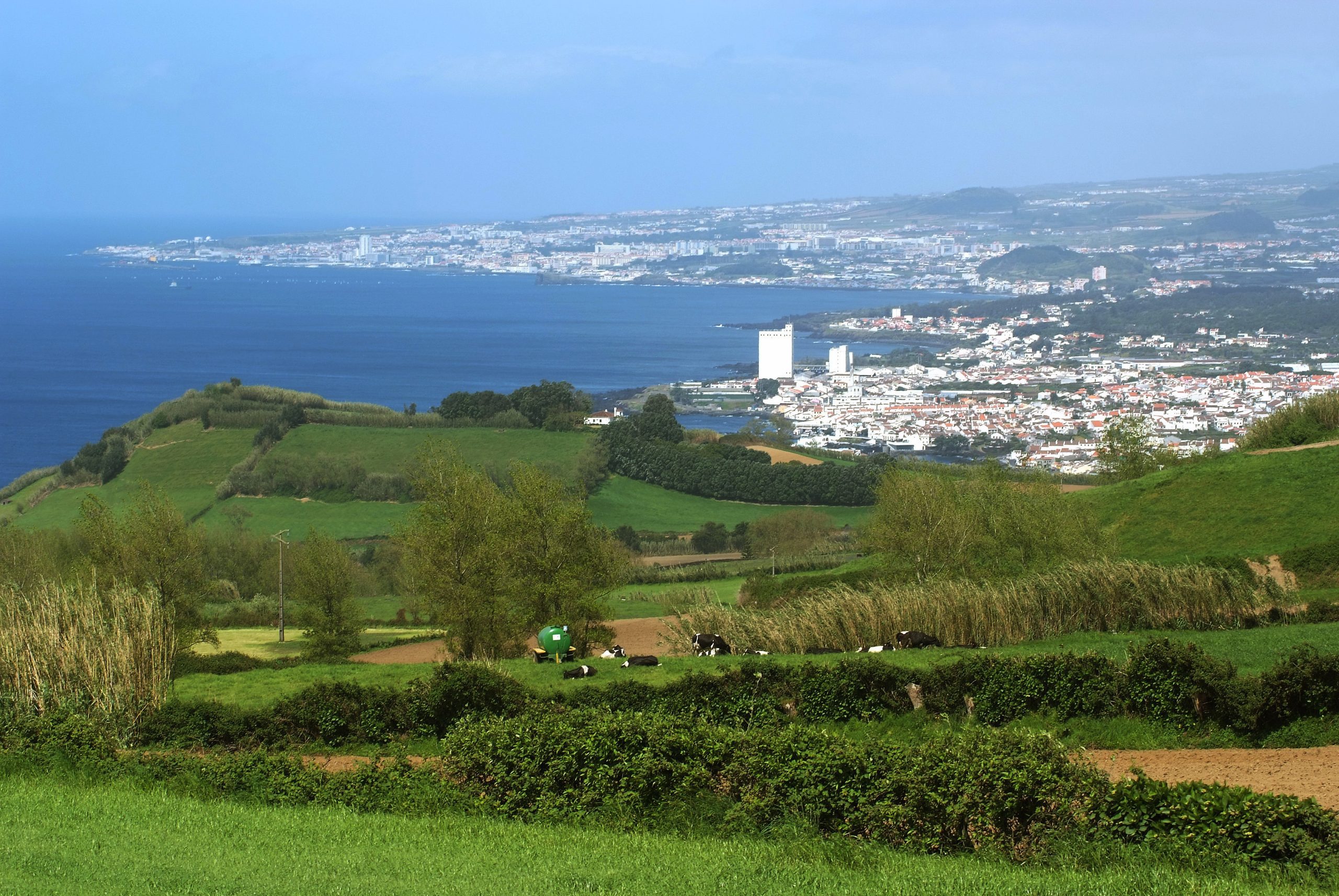
The Viewpoint of Nossa Senhora da Paz overlooks the landscape from the top of the Mount. With a breathtaking view over the Islet of Vila Franca do Campo and the Atlantic Ocean. After climbing the extensive staircase to reach the top of the hermitage, your view is rewarding.
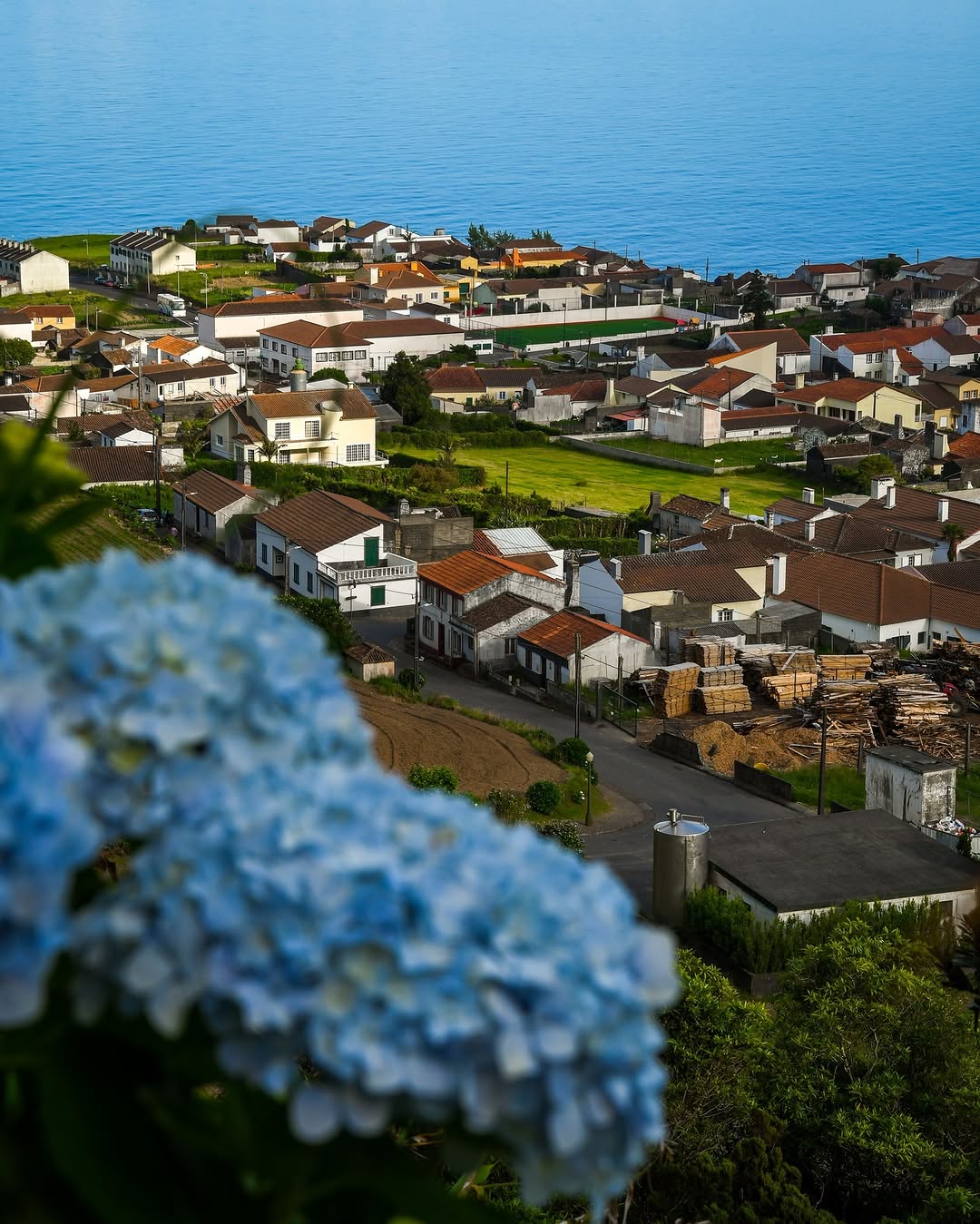
At an altitude of 215 meters, this viewpoint is a must-stop for travelers on the magnificent island of São Miguel. The landscape from the top of The Mount of Our Lady of Peace is a must and transmits peace and tranquility. The contrast between typical white houses and lush green meadows defines this indescribable view.
Praia de Água D’Alto

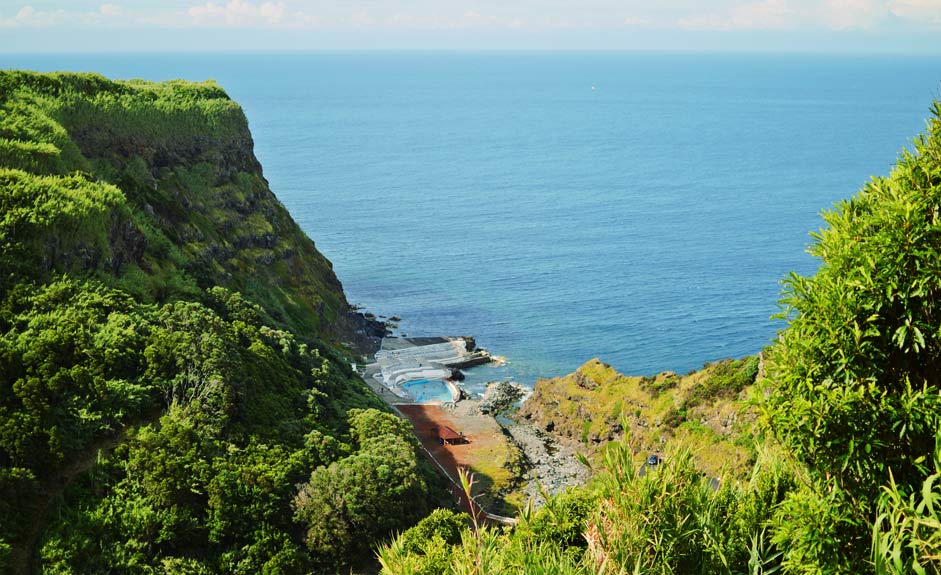
This popular beach is one of the locals’ favorite spots on a perfect summer day. At the picnic areas not too far on the road that goes up before the beach, Azorean families share meals, admire the view from Pisão viewpoint, and go down to the beach after lunch.
Quatro Fábricas da Luz Hiking Trail

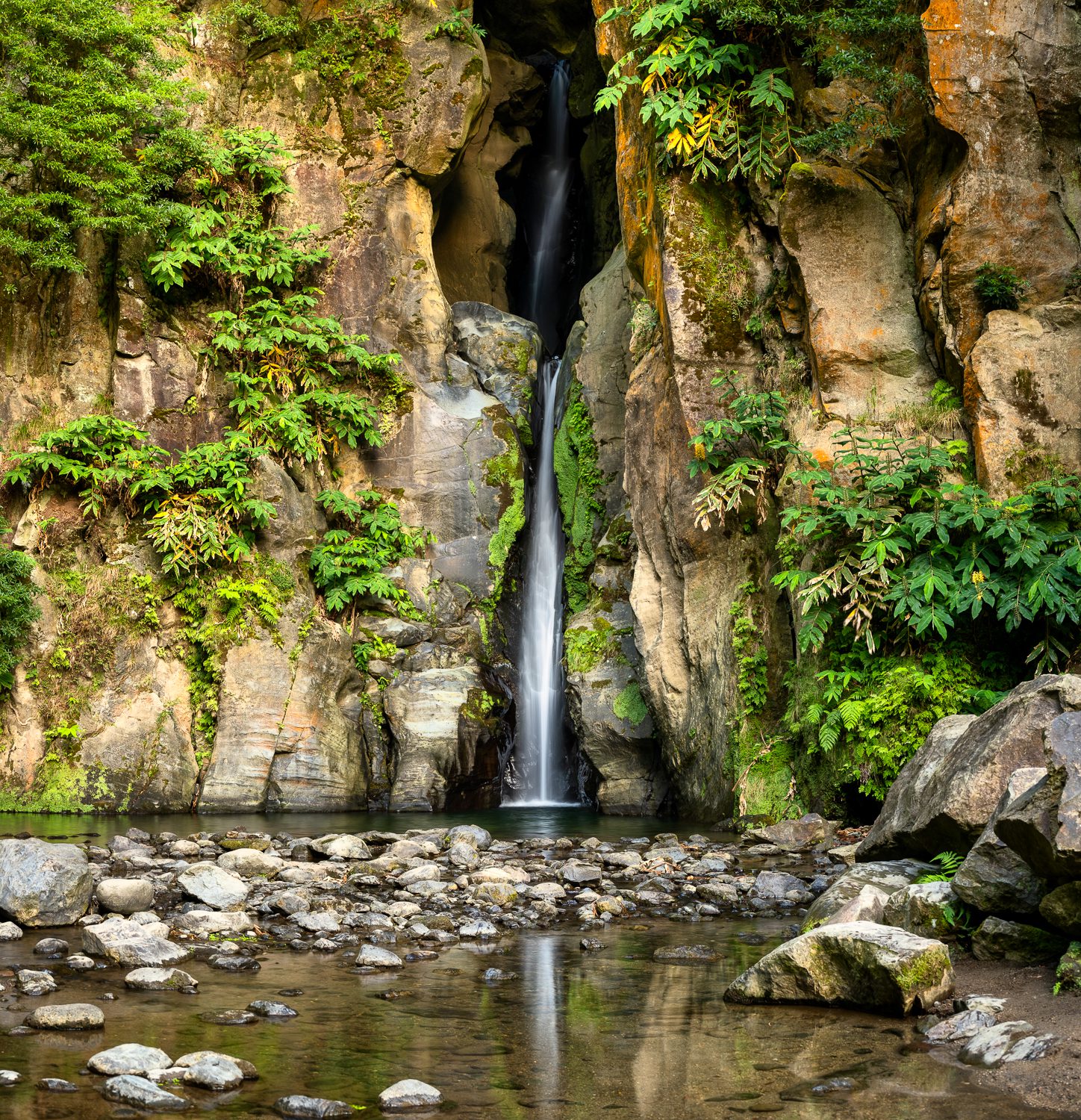
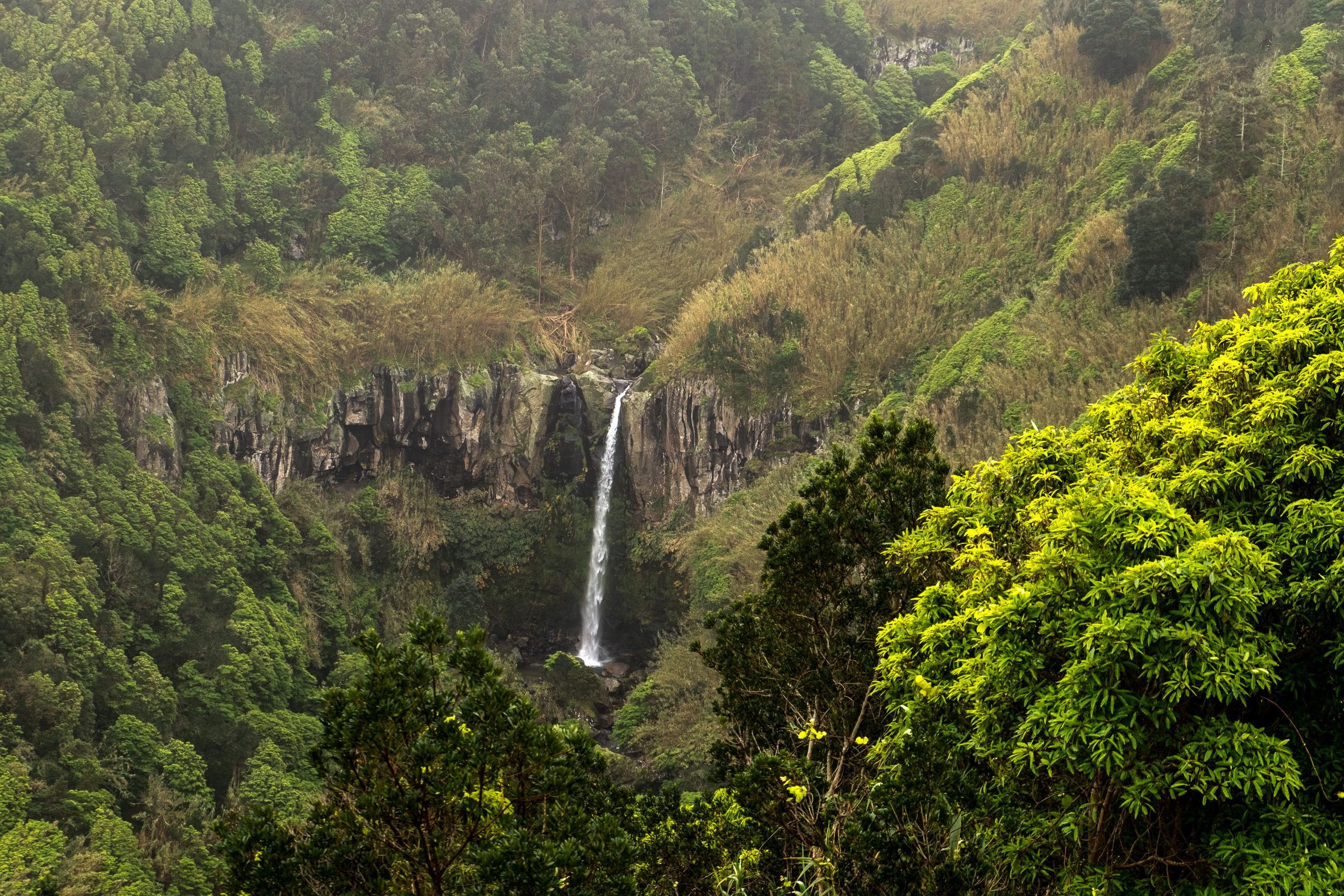
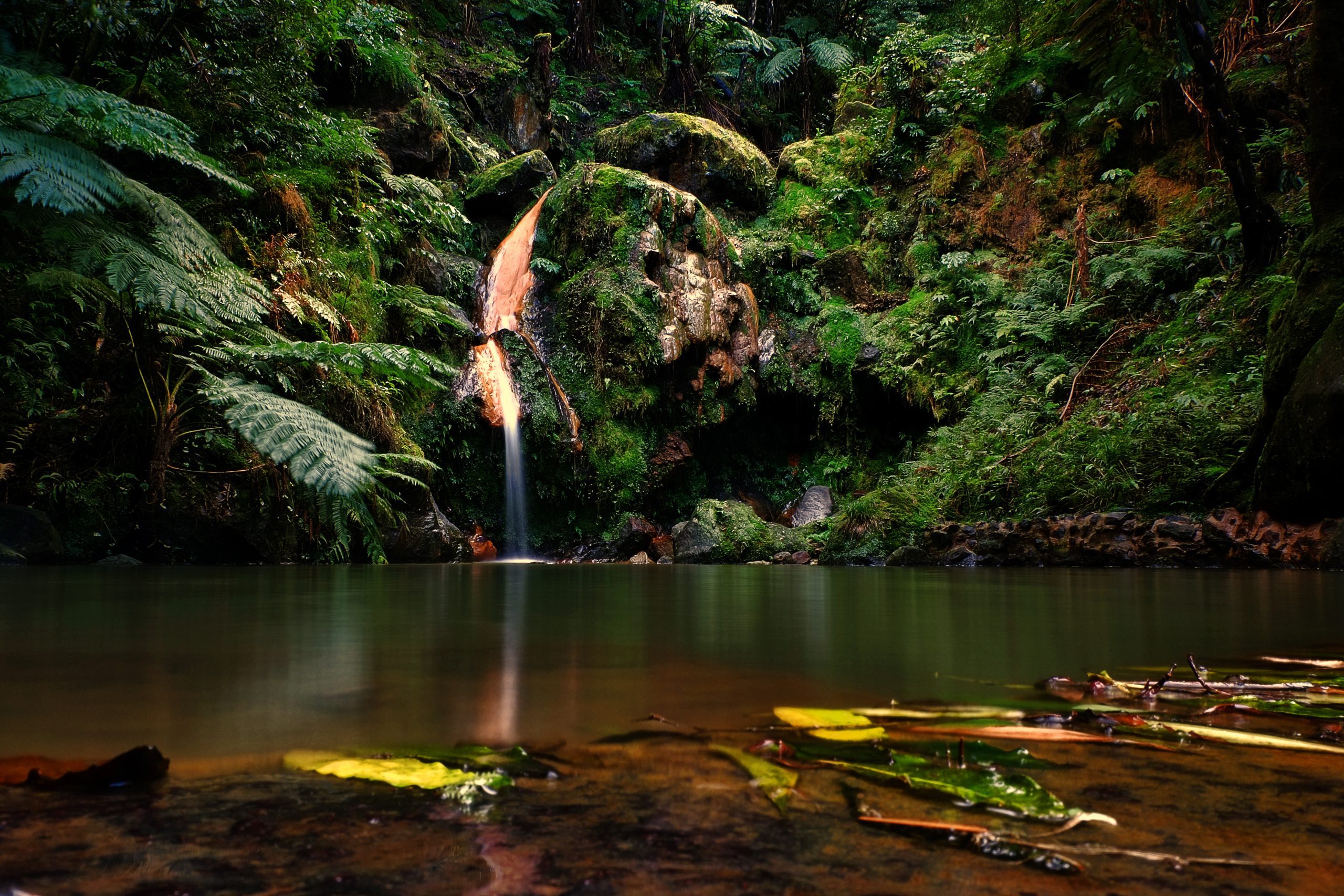
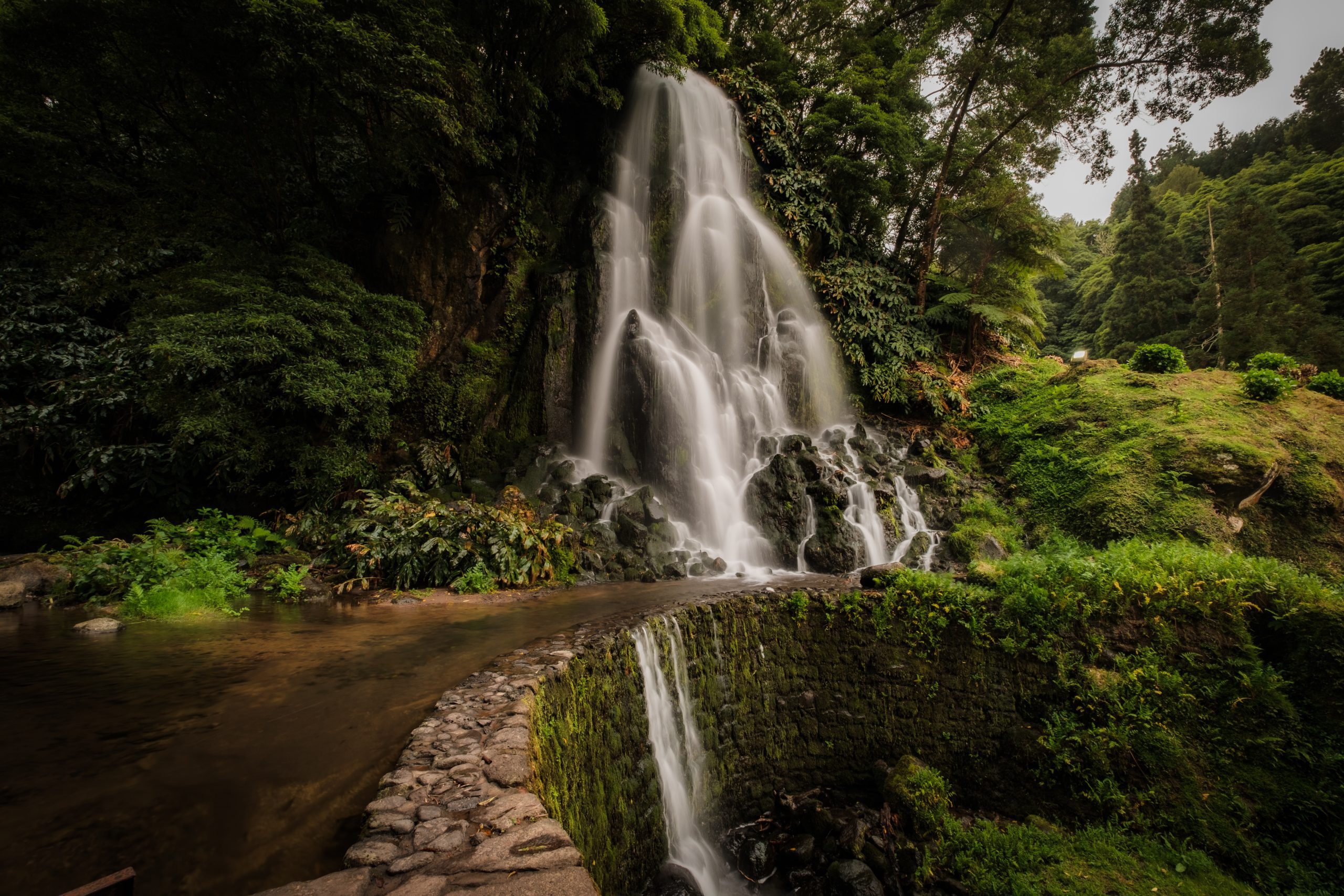
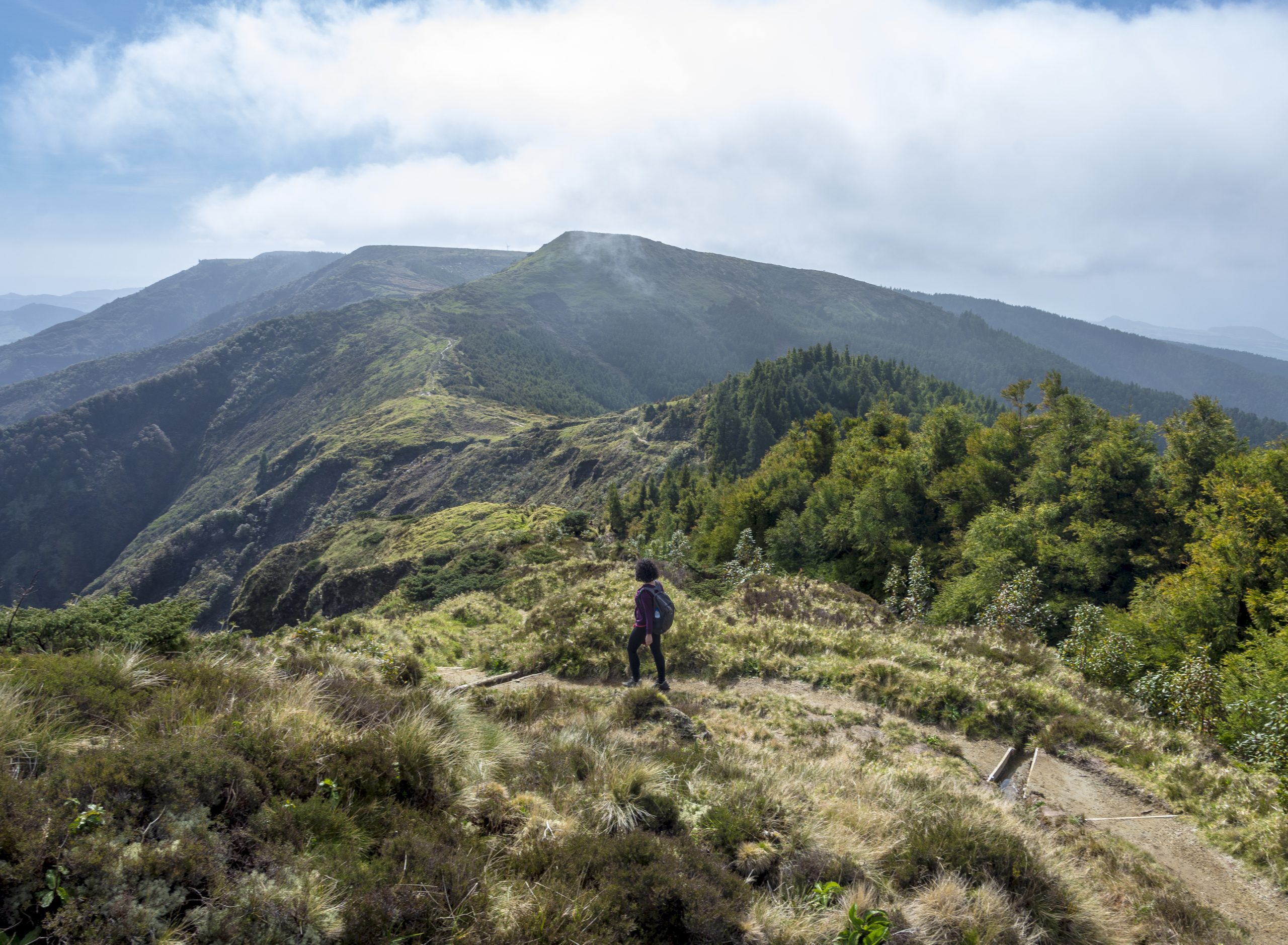
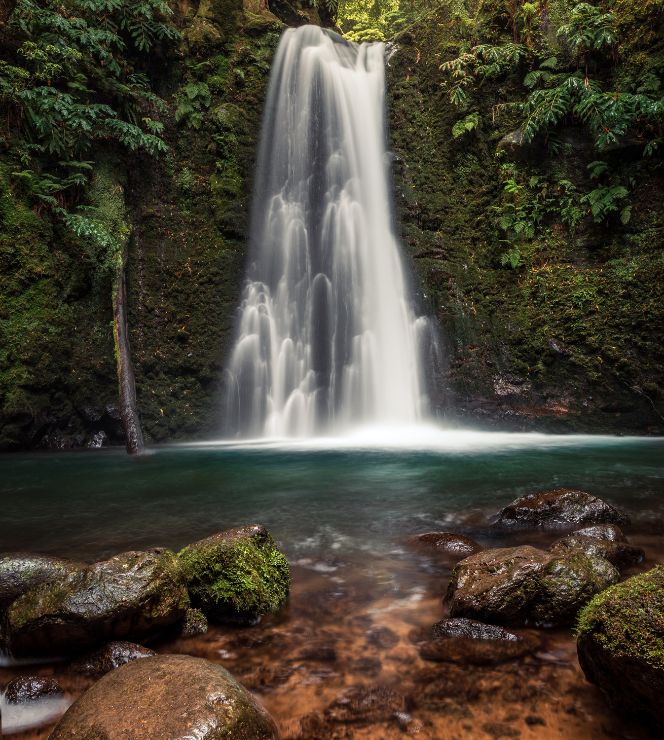
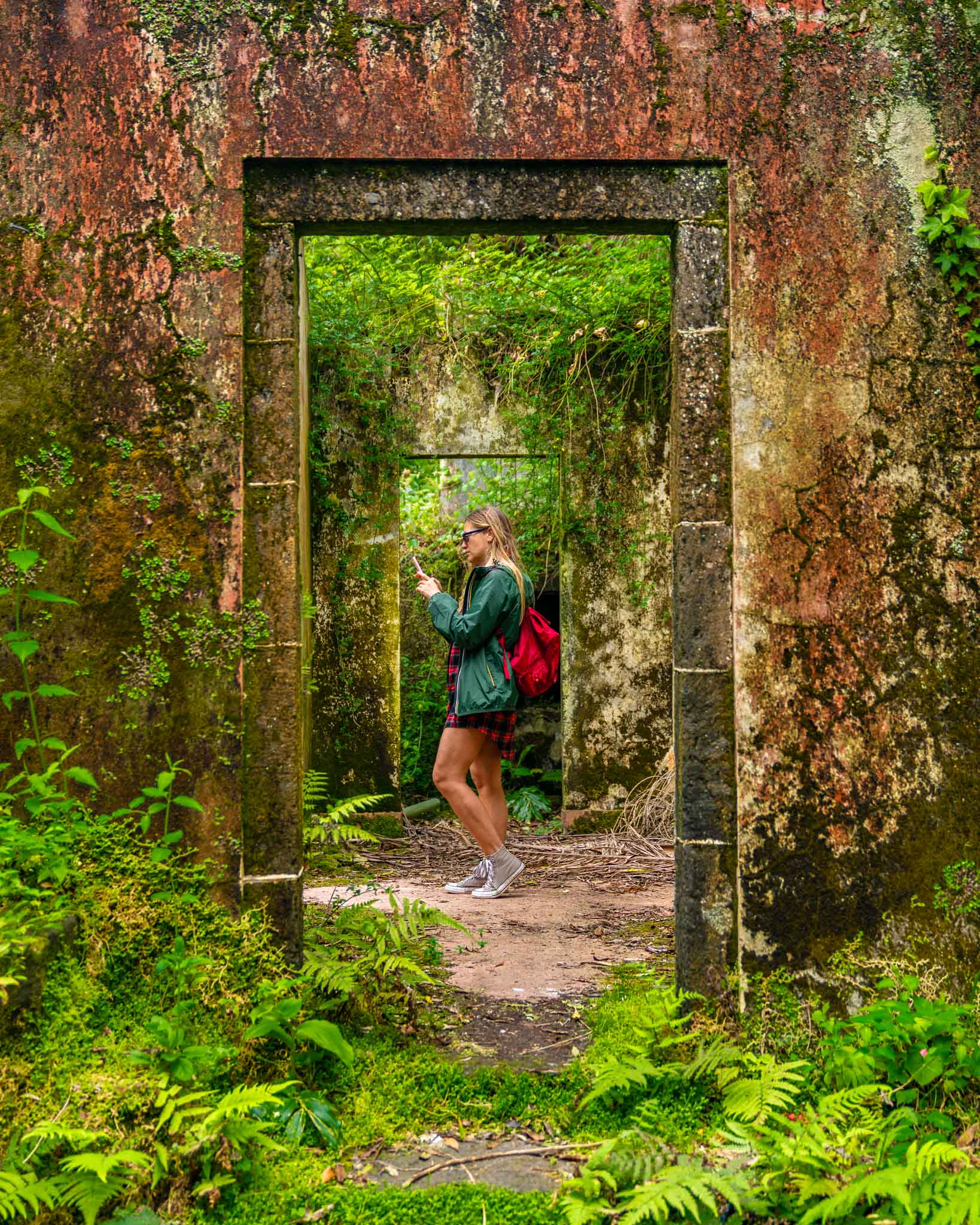
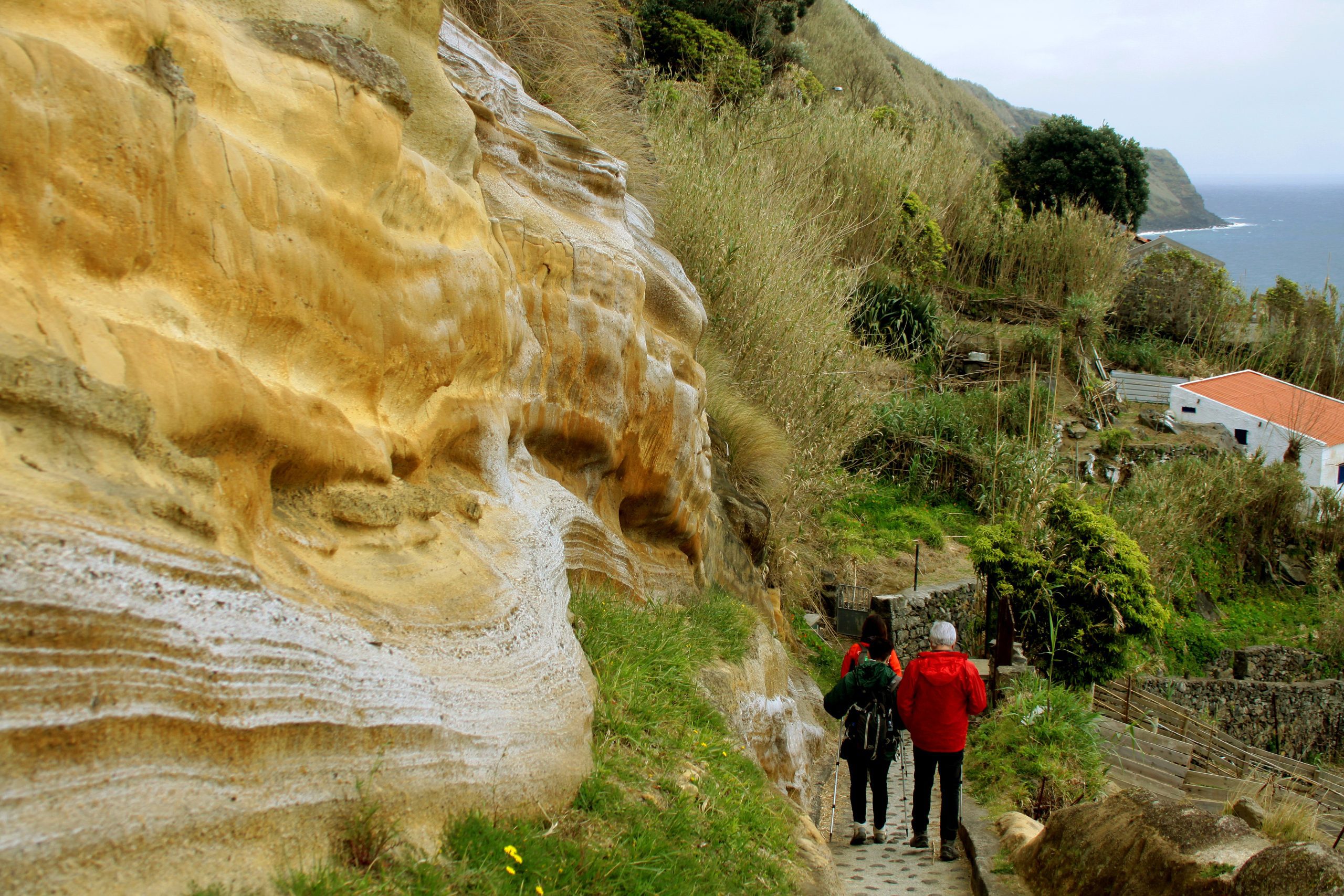
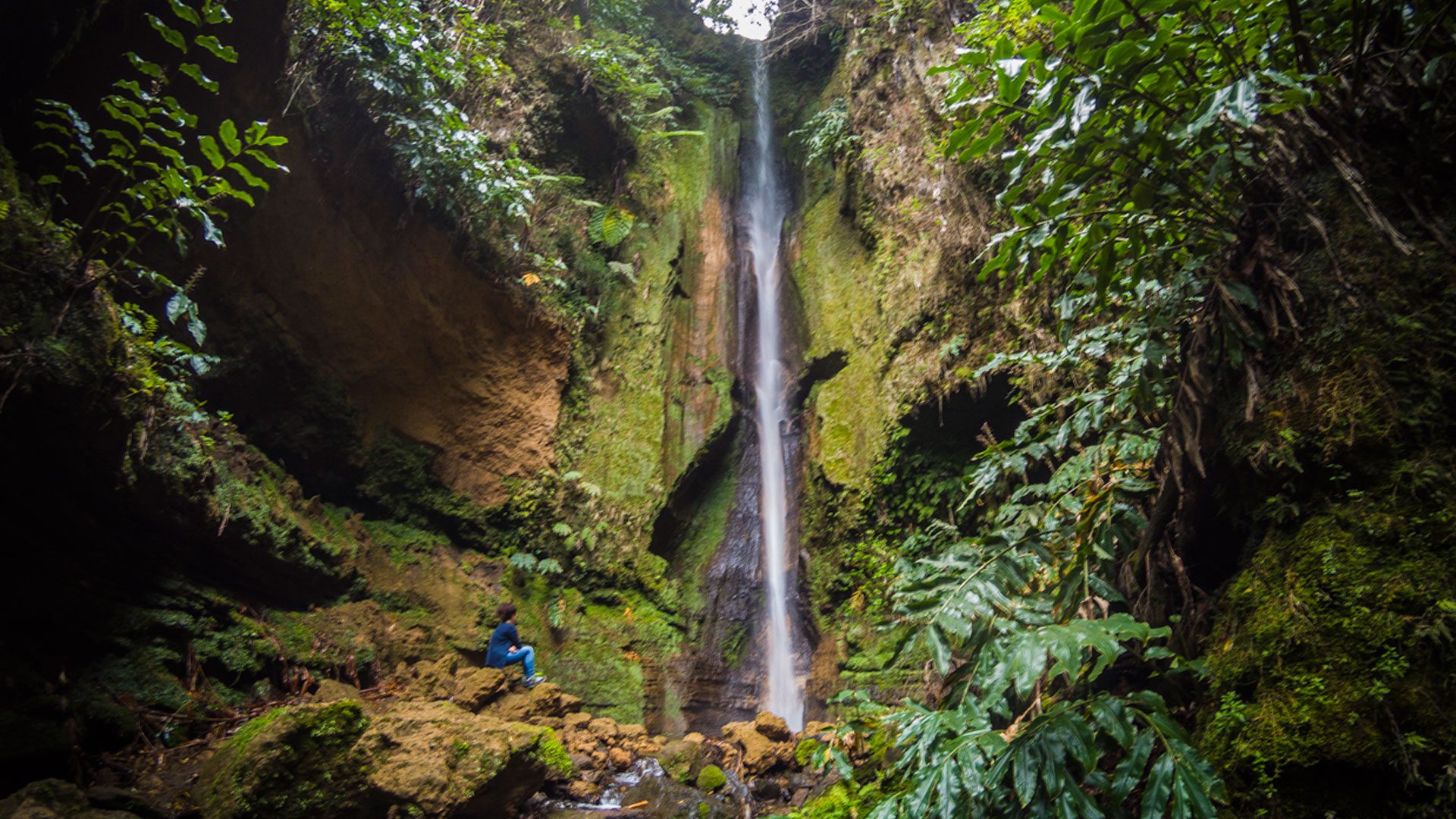
Trails are abundant around Vila Franca. Quatro fábricas da Luz, for instance, is a wonderful track allying nature with history. Indeed, aside from the incredible scenery of waterfalls, rivers, and forests, there are ruins of hydropower plants on the way, which were once essential for the electricity distribution on the island.
Nearby Attractions
Furnas

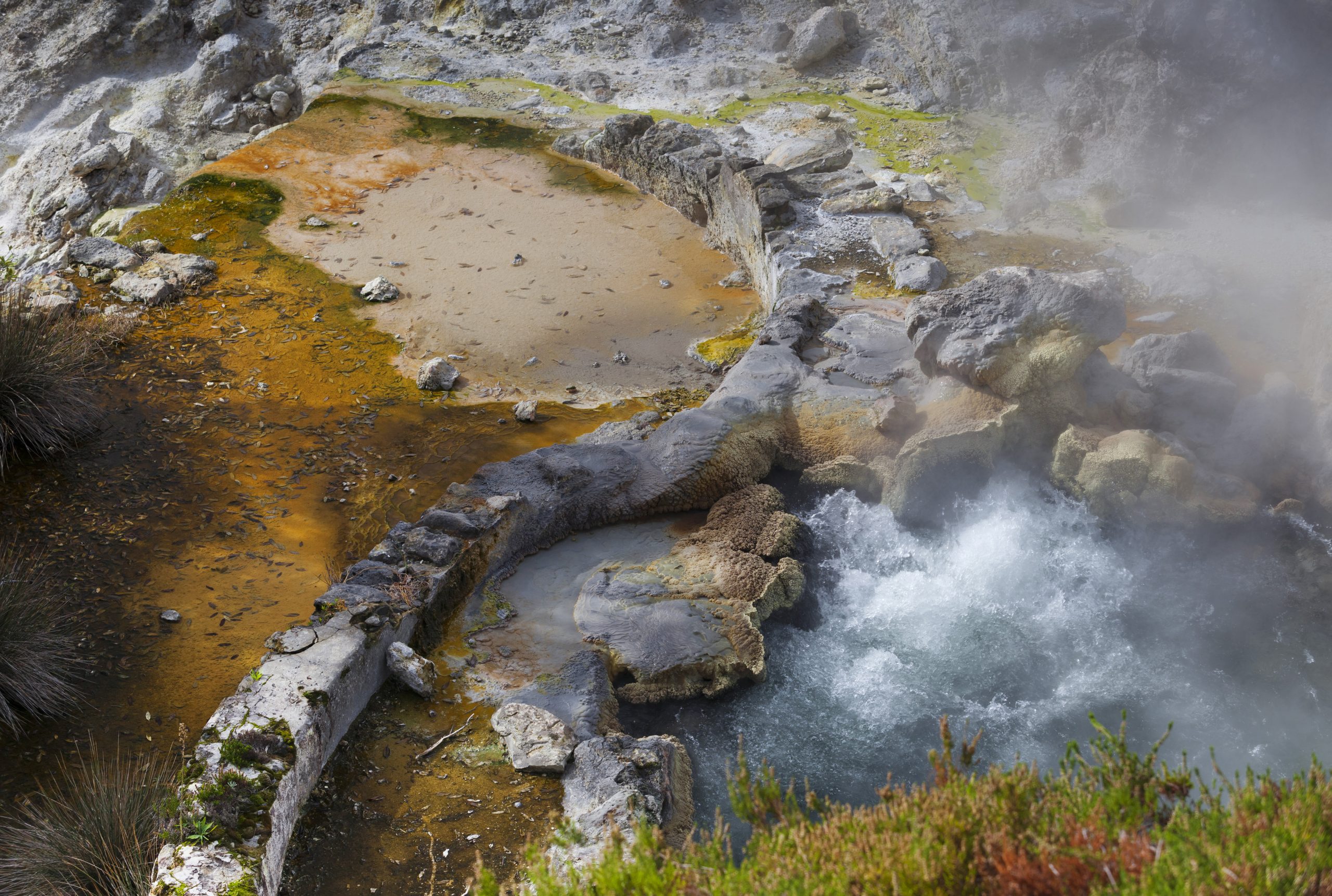
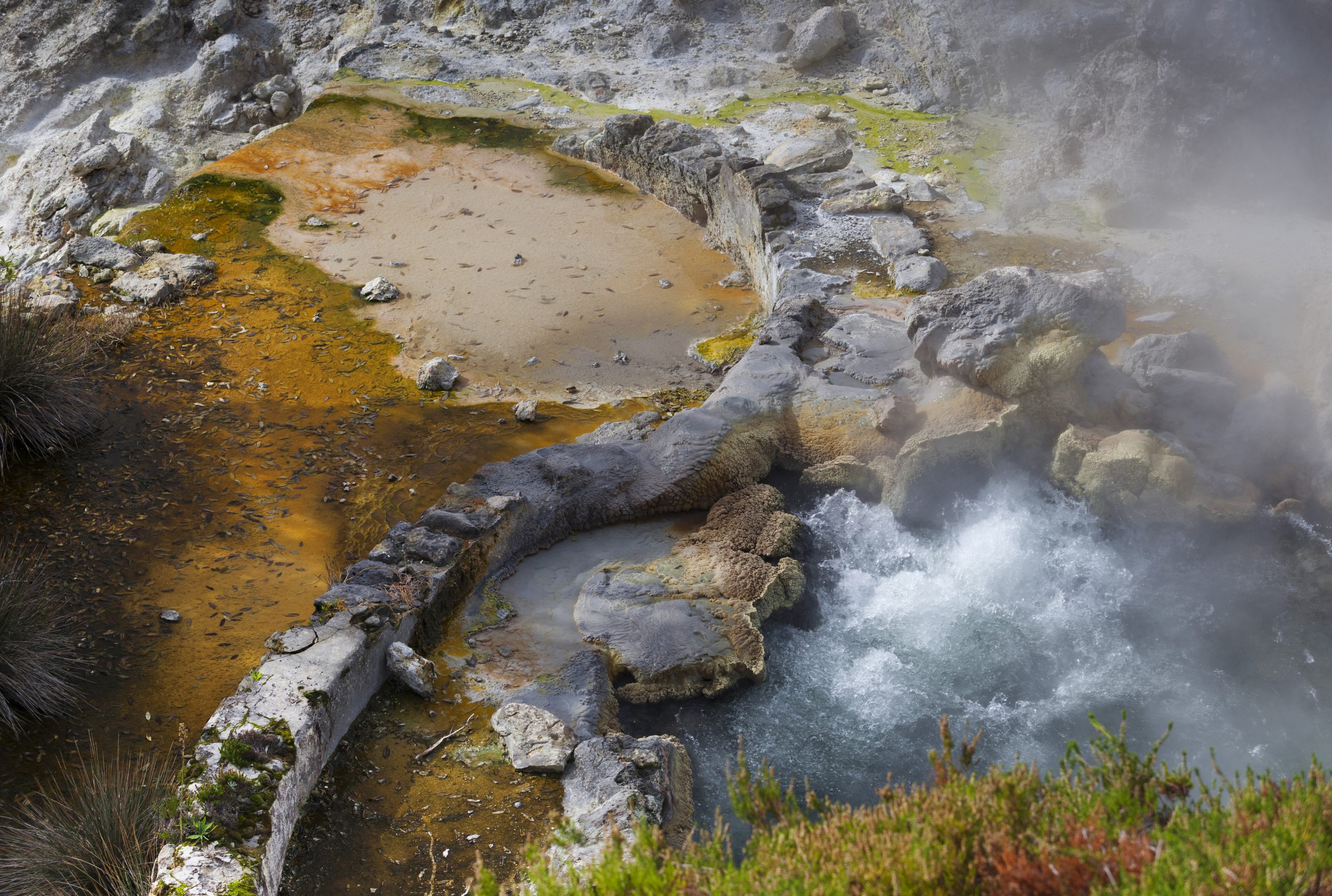
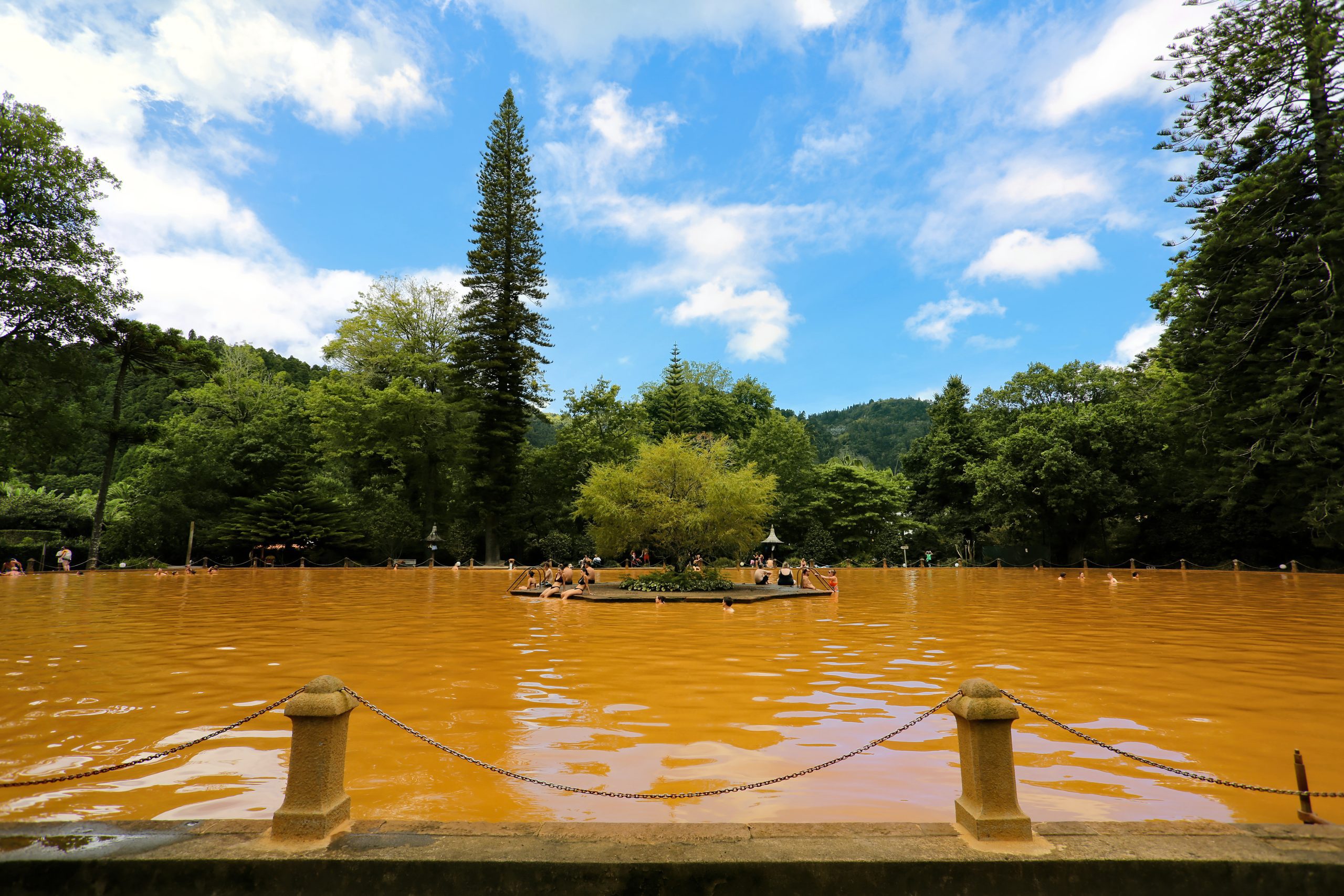
This is one of the biggest hydropolis in Europe. It combines a considerable diversity of thermal spring waters and boiling water spots. These volcanic waters also invite you to take a drink. It was an extraordinary experience!
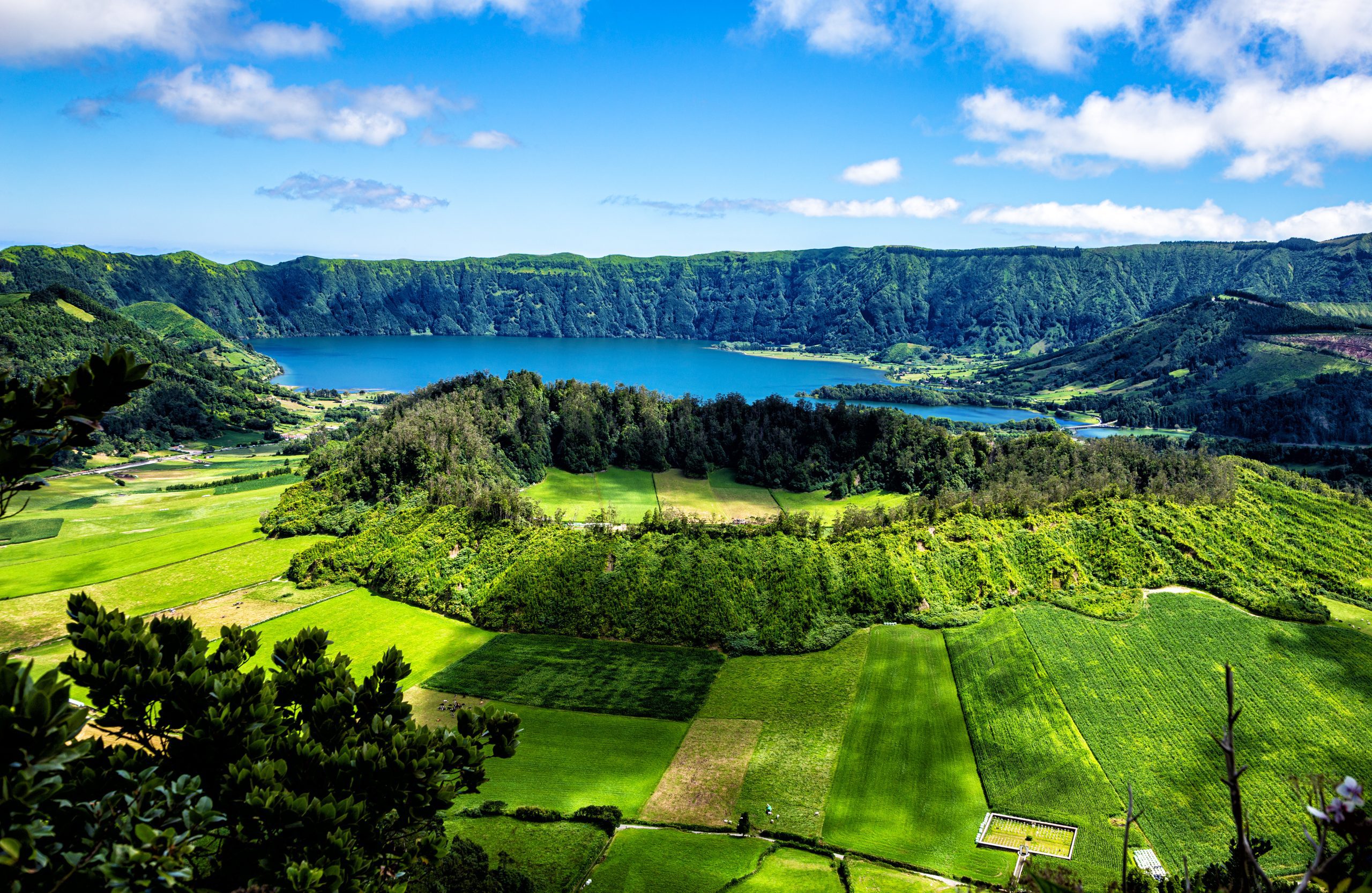
A massive volcanic crater, one of the island’s most active, cradles the Furnas valley. Unparalleled beauty drives Furnas’s primary wealth through agriculture and tourism. Travelers and locals frequently visit this quiet spot for weekends or holidays.
Check all our articles about each one of the most relevant points of interest in Furnas: Caldeiras das Furnas | Furnas | Capela da Nossa Senhora das Vitórias | Castelo Branco Viewpoint | Lagoa das Furnas | Lagoa das Furnas Viewpoint | Mata-Jardim José do Canto | Parque Terra Nostra’s Thermal Pool | Pico do Ferro Viewpoint | Poça da Dona Beija | Ribeira Quente | Praia do Fogo | Salto do Cavalo Viewpoint | Salto do Rosal | Terra Nostra Garden
Lagoa

Lagoa is where nature meets urban life, creating the perfect balance. A few minutes away from the town, hidden trails abound with waterfalls, mystical volcanic lakes, and idyllic beaches. Various museums and traditional events will also satisfy culture and history seekers.
Check all our articles about each one of the most relevant points of interest in Lagoa: Lagoa | Caloura | Água de Pau
Lagoa do Fogo

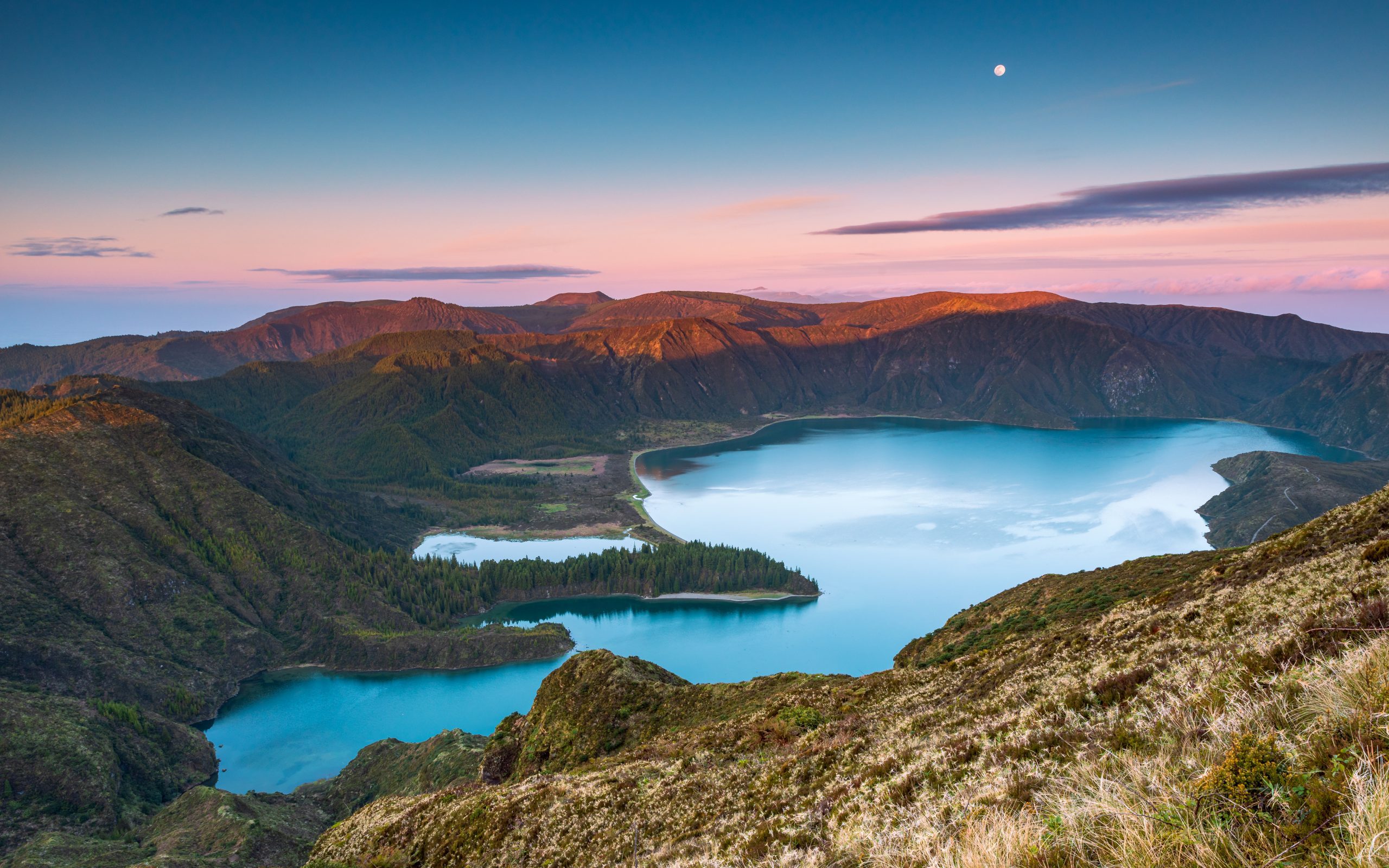
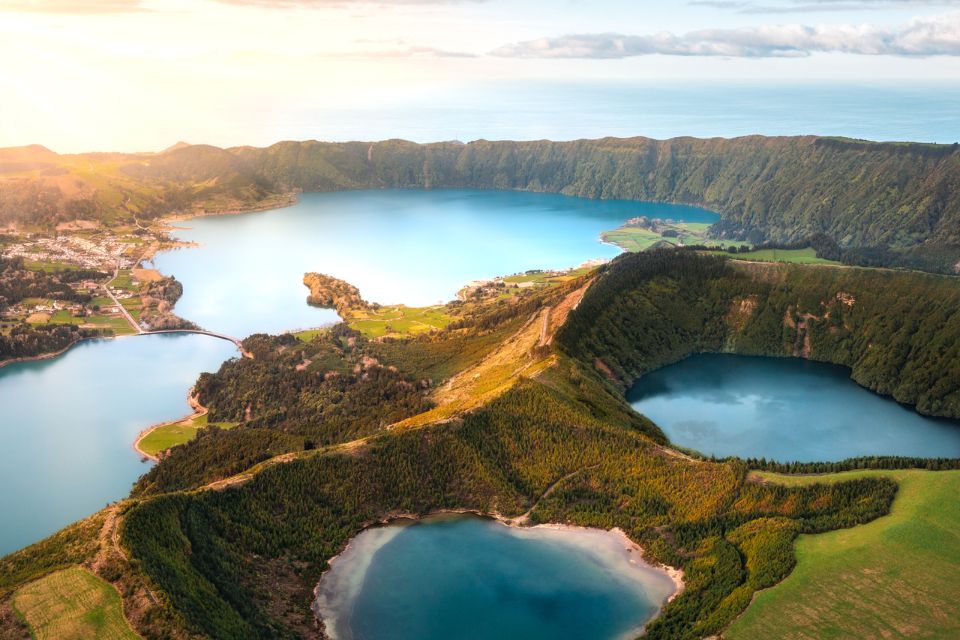
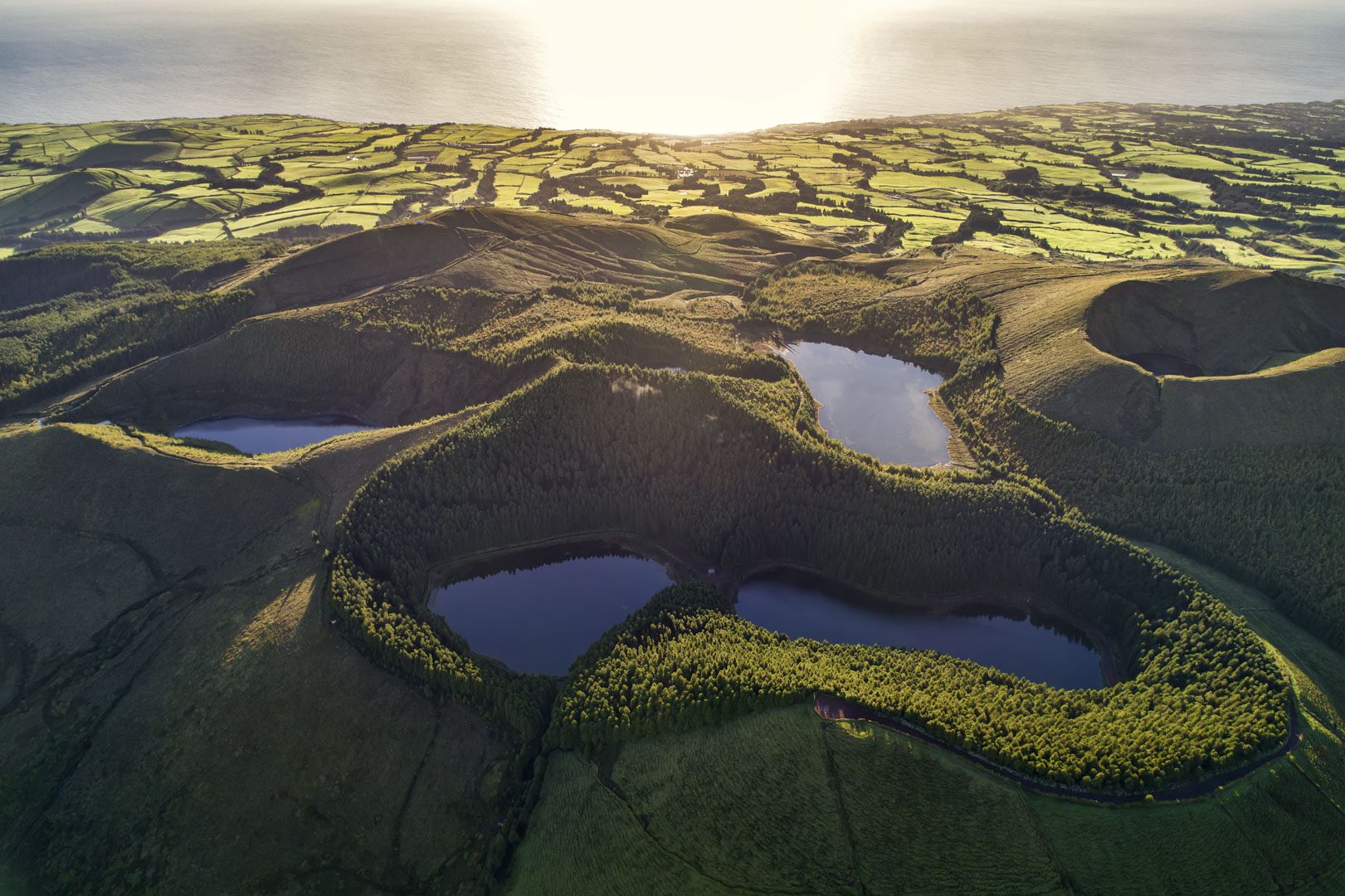
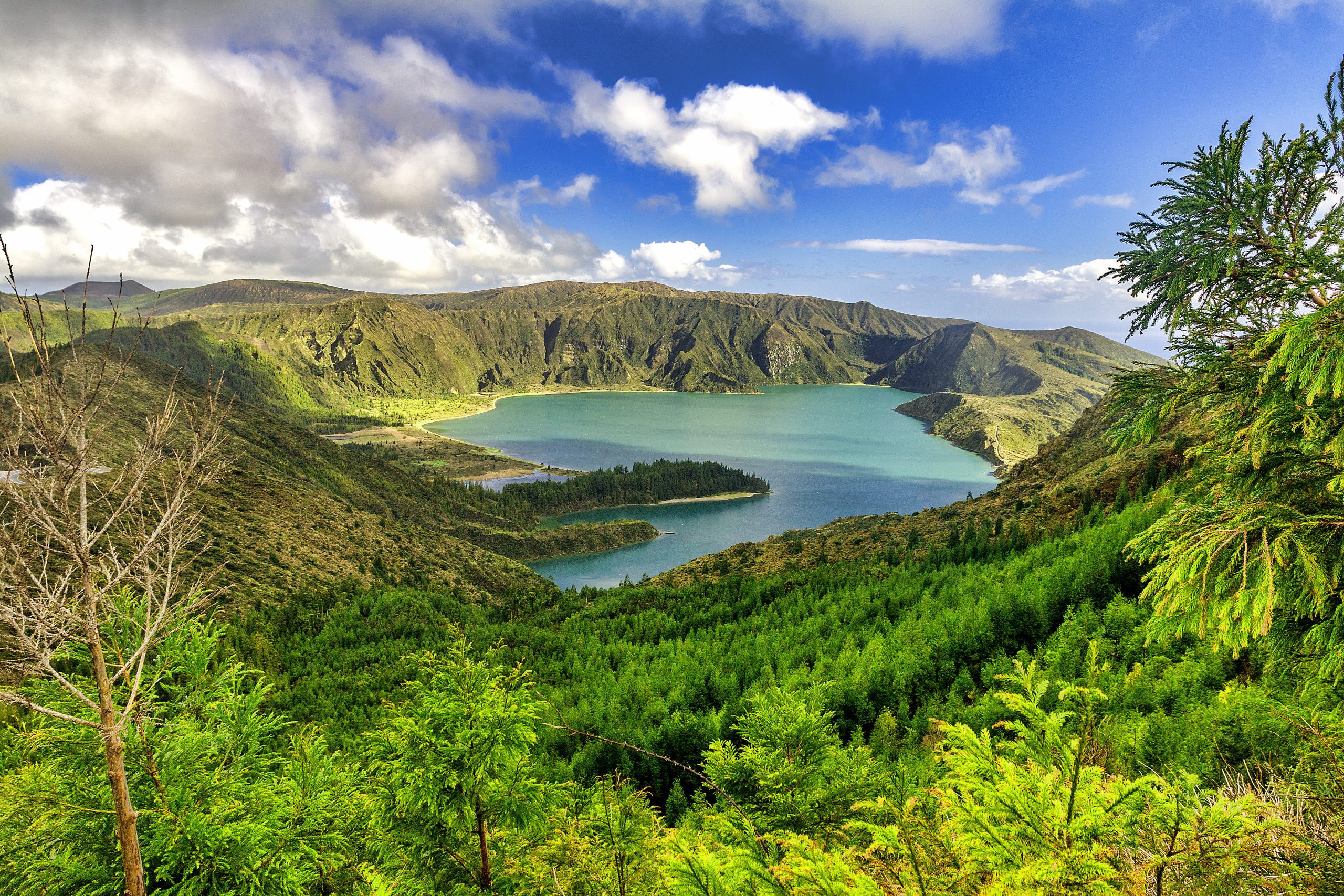
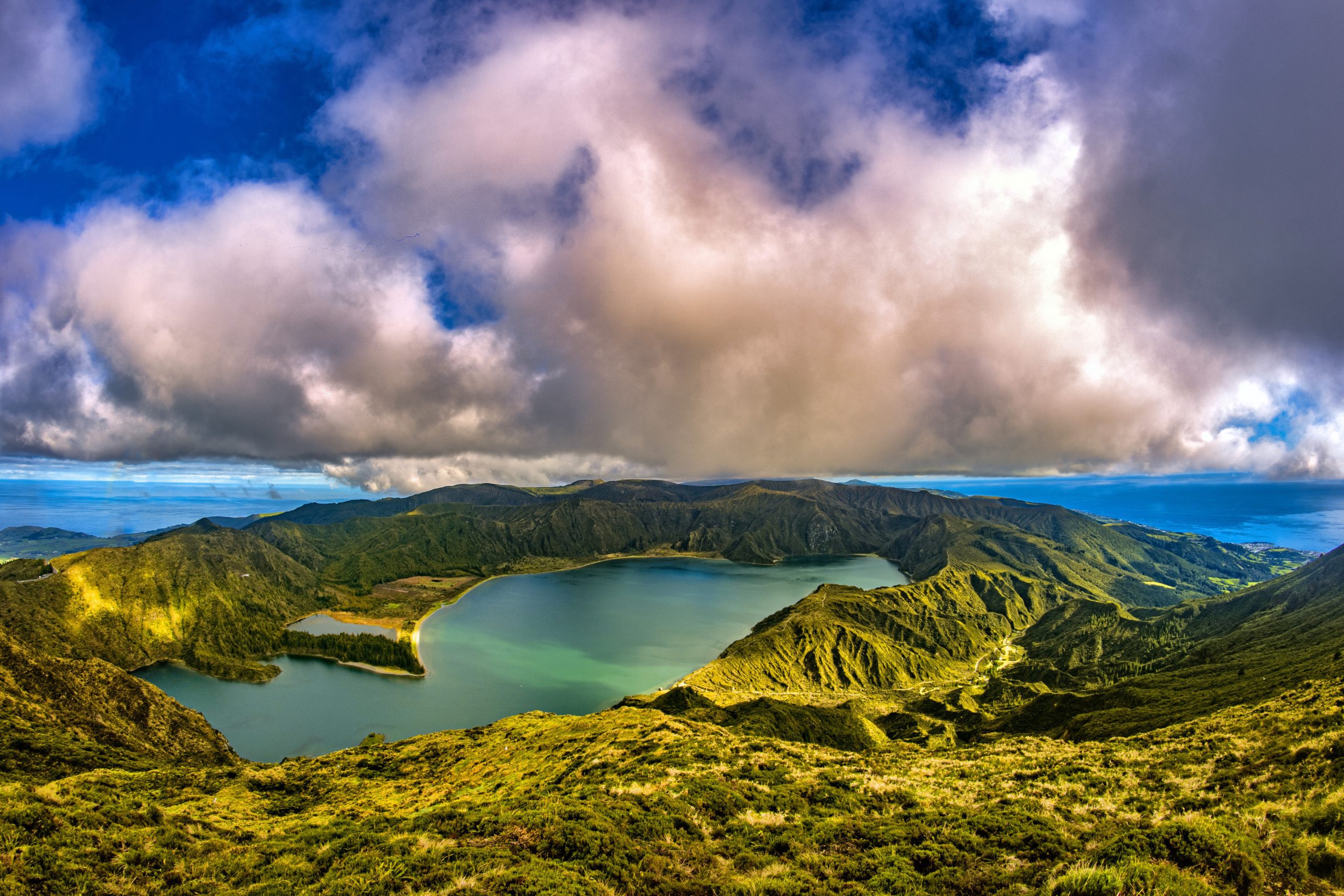
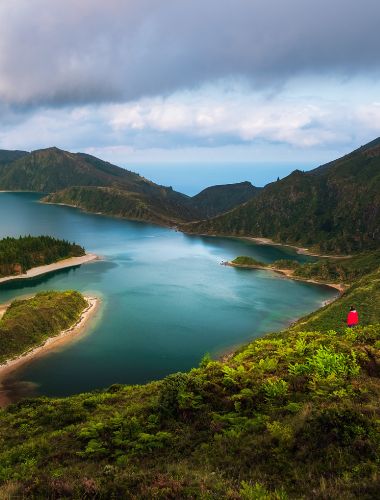
Lagoa do Fogo is located in the crater of a dormant volcano that formed about 15,000 years ago. It offers exceptional natural beauty and breathtaking landscapes. This awe-inspiring turquoise lake is a pure testimony to nature’s pace. We can tell many stories, and you might start yours here.
This wild, preserved area features a pumice beach. The ‘7 Wonders—Beaches of Portugal Contest’ even named it Portugal’s best. In the central part of São Miguel Island, the Serra da Água de Pau Volcanic Massif formed, which includes Lagoa do Fogo. It is of great value in landscapes and untouched, pure nature.
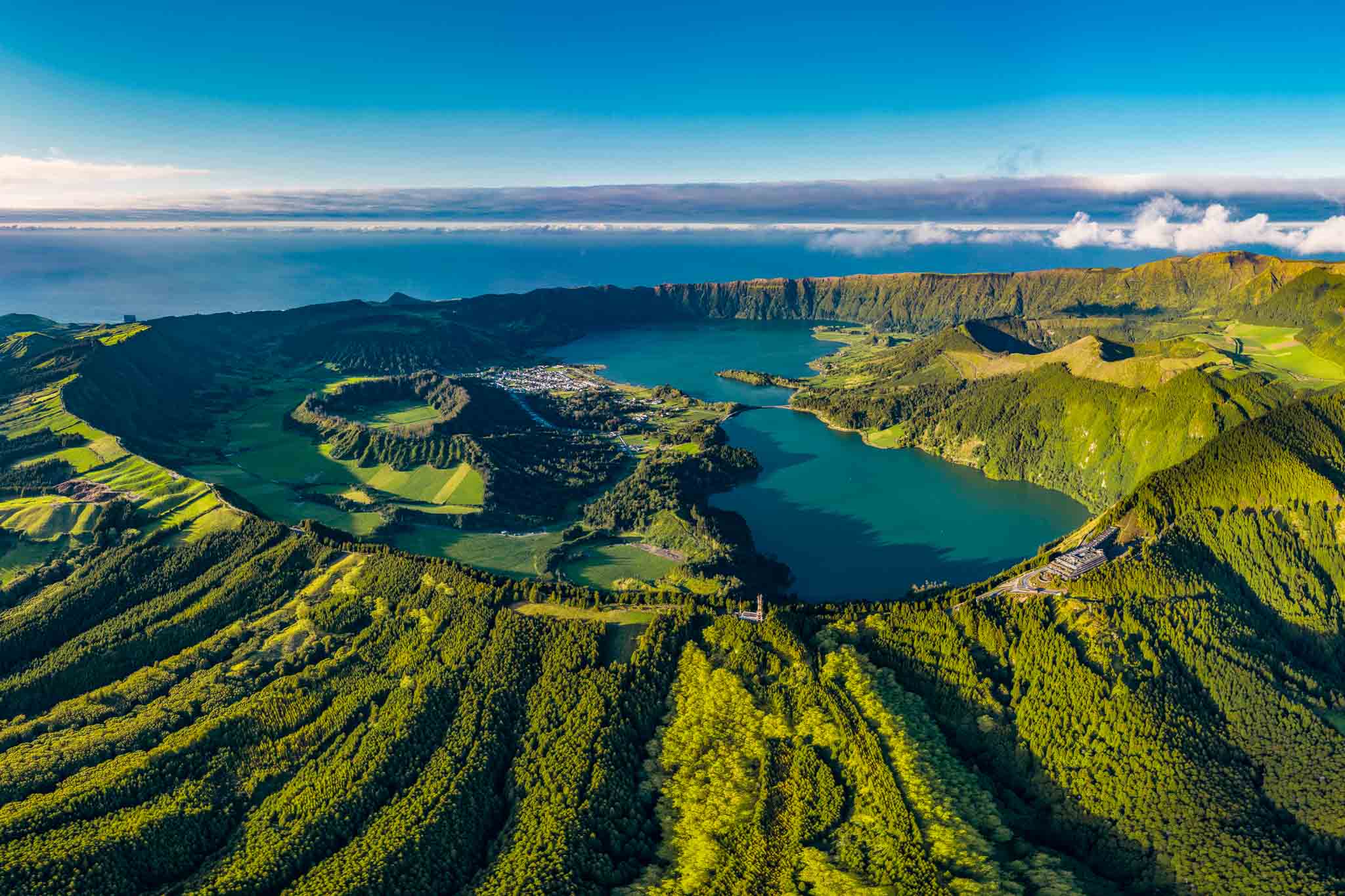
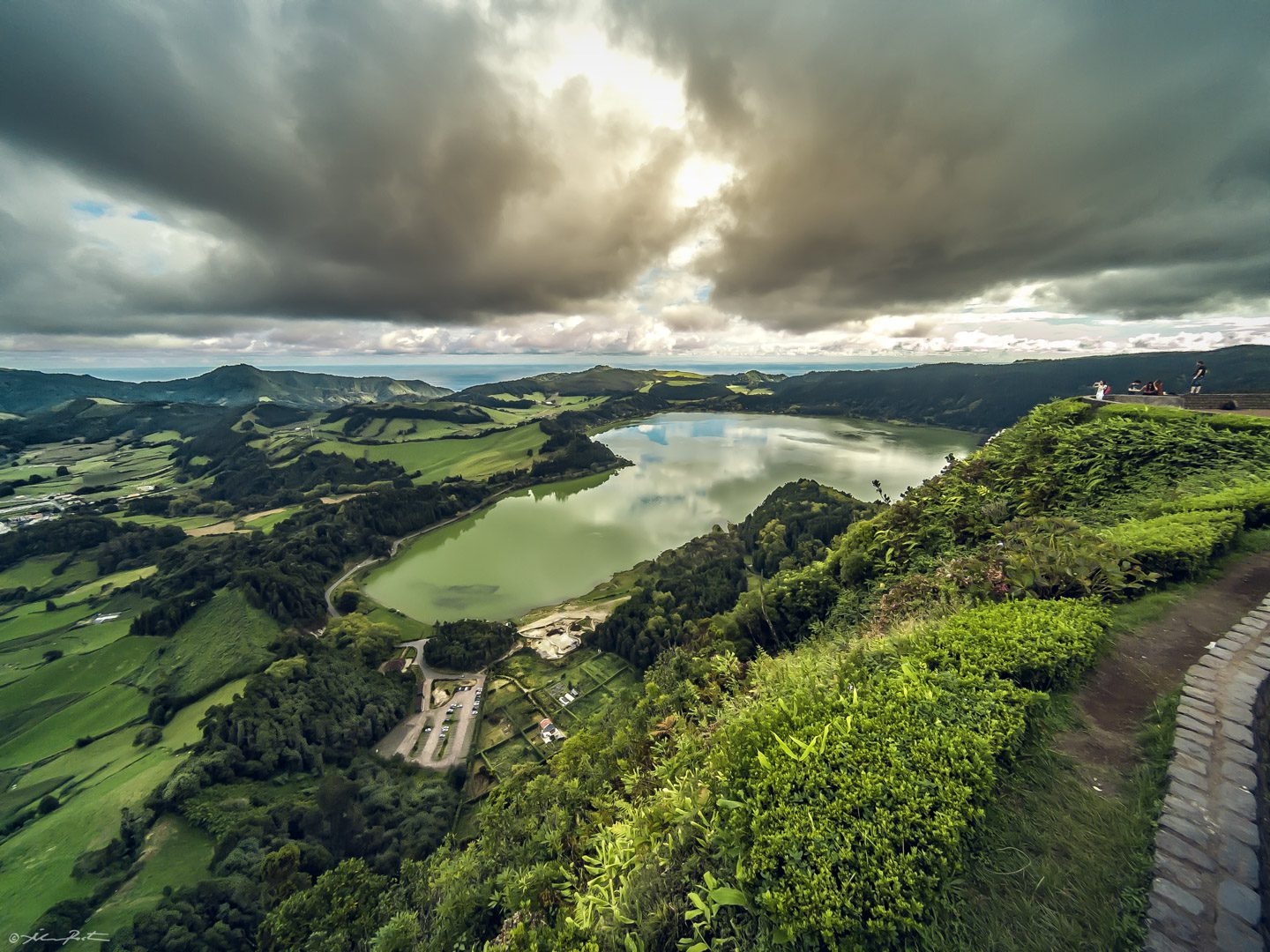
Located between Ribeira Grande and the city of Lagoa, this volcanic lake looks like a postcard from paradise. The green of the volcanic walls filled with lush vegetation contrasts with the clear blue water of the lake, undoubtedly making it one of the most beautiful places in the Azores. This area highlights São Miguel’s tourism, but this post will unveil several hidden secrets. Follow this complete guide on all you need to know about Lagoa do Fogo.
Check all our articles about each one of the most relevant points of interest in Lagoa do Fogo: Caldeira Velha | Lagoa do Fogo | Pico da Barrosa | Janela do Inferno
Maia

Peacefulness and the smell of the ocean mix in the town of Maia. It is a quiet coastal village atop an old lava flow, with a luxuriant natural setting and a rich culture and history. Maia is far away from tourist crowds and camera flashes. Discover a place locals know how to appreciate.
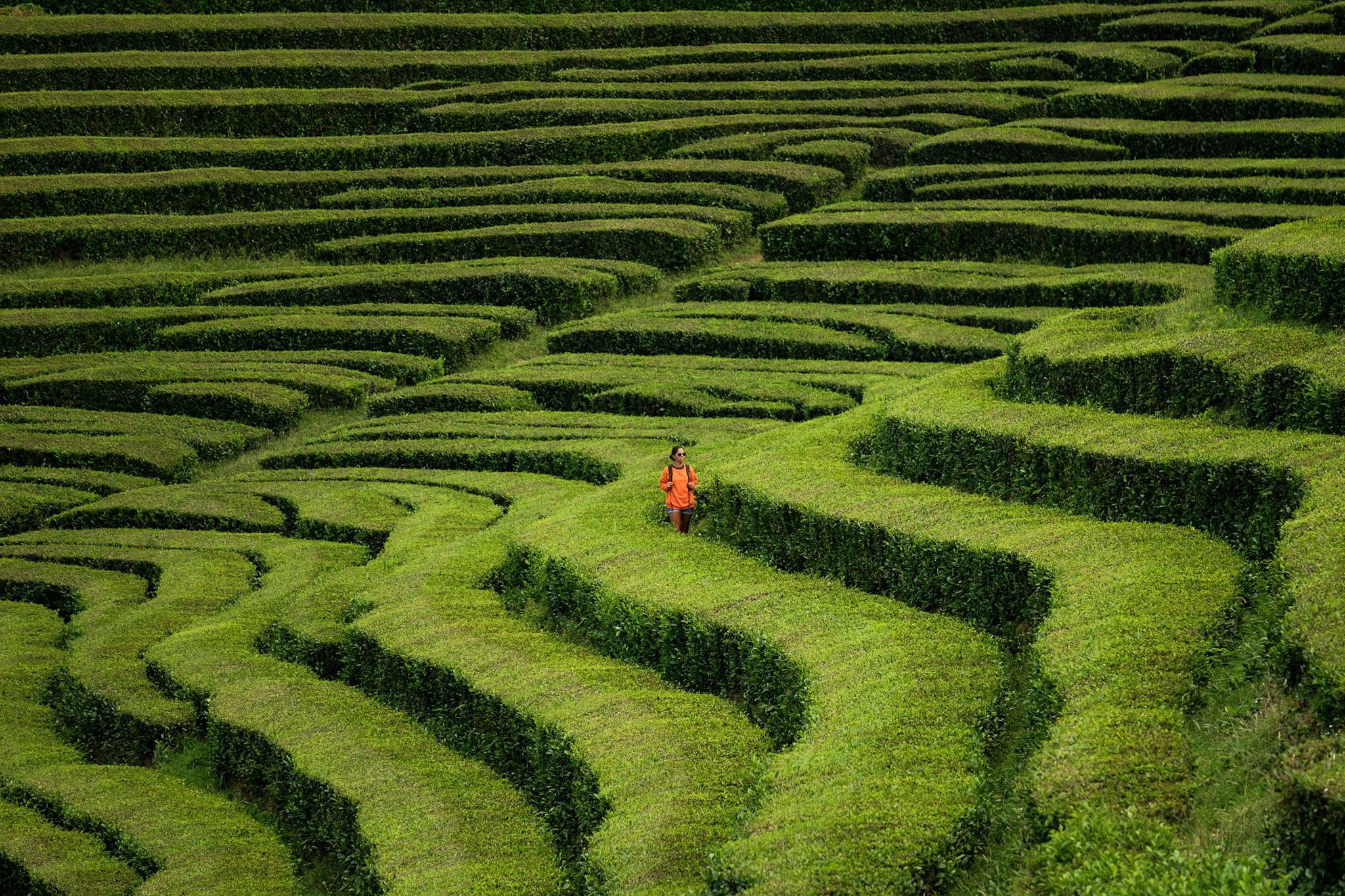
Check all our articles about each one of the most relevant points of interest in Maia: Maia | Gorreana Tea Plantation | Praia da Viola
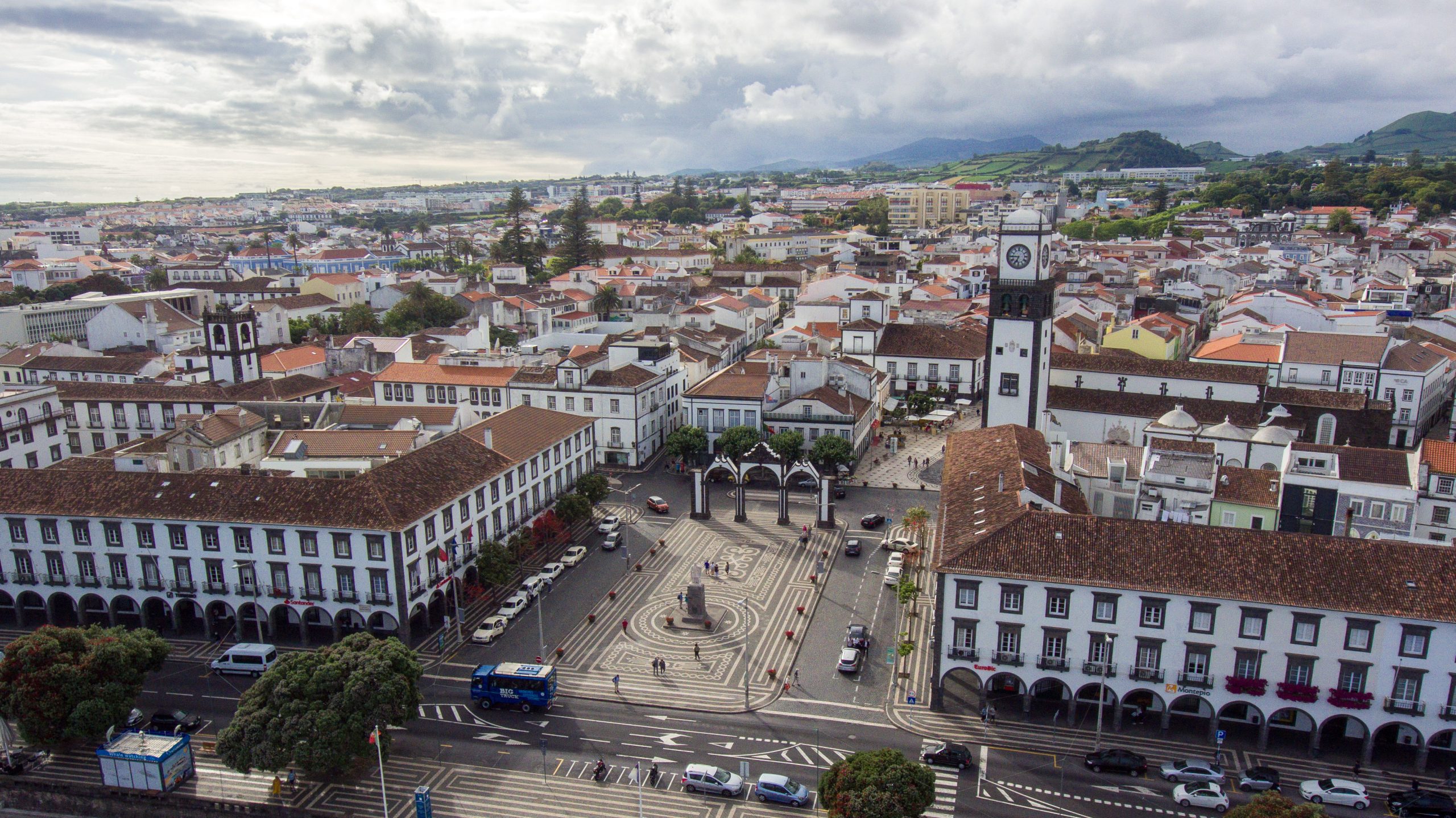
Ponta Delgada

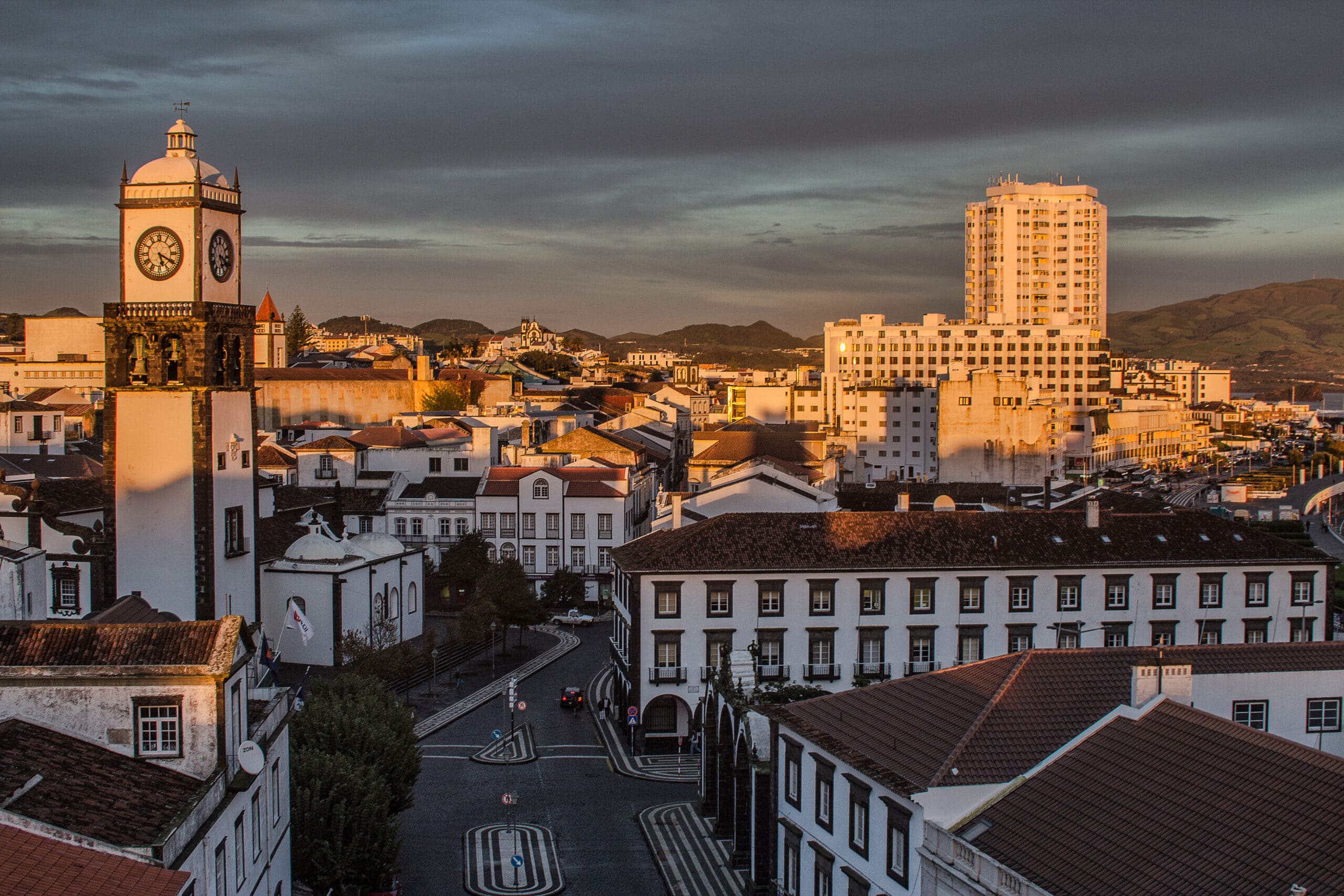
The Ponta Delgada city is officially one of the best cities in Portugal to live in. The modern city is the largest and most populous in the Azores. There, the ocean breeze, mountain views, and delicious local food are part of everyday life. Despite being an energetic city, there is no rush in Ponta Delgada, nor are there annoying traffic jams.
In the beginning, Ponta Delgada was only a small fishing village. But quickly, thanks to its safe bays, it became the most important harbor for trade on the island. The crown declared Ponta Delgada a city in 1546 and established it as the island’s capital. This occurred after a terrible earthquake destroyed the first capital, Vila Franca do Campo, in 1522. Nowadays, Ponta Delgada, with its almost 70,000 inhabitants, is a cosmopolitan city attracting visitors from all over the world.
Check all our articles about each one of the most relevant points of interest in Ponta Delgada: Gruta do Carvão | Ponta Delgada | Jardim António Borges | Jardim Botânico José do Canto | Pinhal da Paz | Portas da Cidade | Milícias & Pópulo Beaches | Praia de São Roque | Pico Vermelho Windmill | Rocha da Relva | Mercado da Graça | Miradouro Vigia da Baleia | 10 Unique Things to Do in Ponta Delgada
Video
Conclusion
Vila Franca do Campo is a destination that perfectly encapsulates the natural beauty, historical richness, and cultural vibrancy of São Miguel Island. With its unique islet, a former submarine volcano is now a haven for summer visitors, and an array of other attractions, from serene beaches and historical churches to lush hiking trails and scenic viewpoints. Vila Franca offers a diverse array of experiences.
Whether you are exploring its volcanic origins, partaking in local festivities, or simply relaxing in its idyllic natural settings, Vila Franca do Campo promises an unforgettable journey. Adding this charming village to your itinerary ensures a comprehensive and enriching exploration of the Azores’ stunning landscapes and rich heritage.