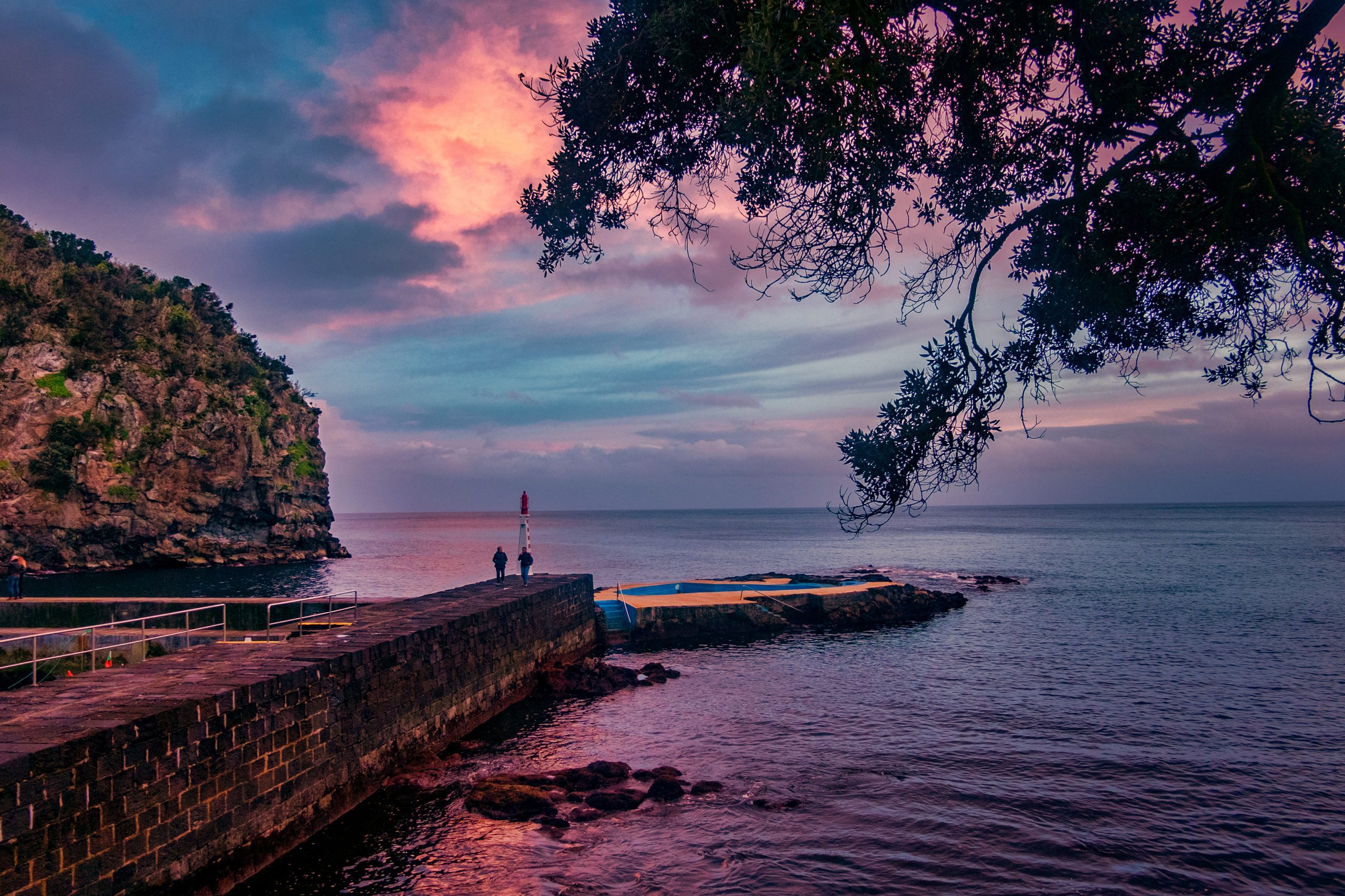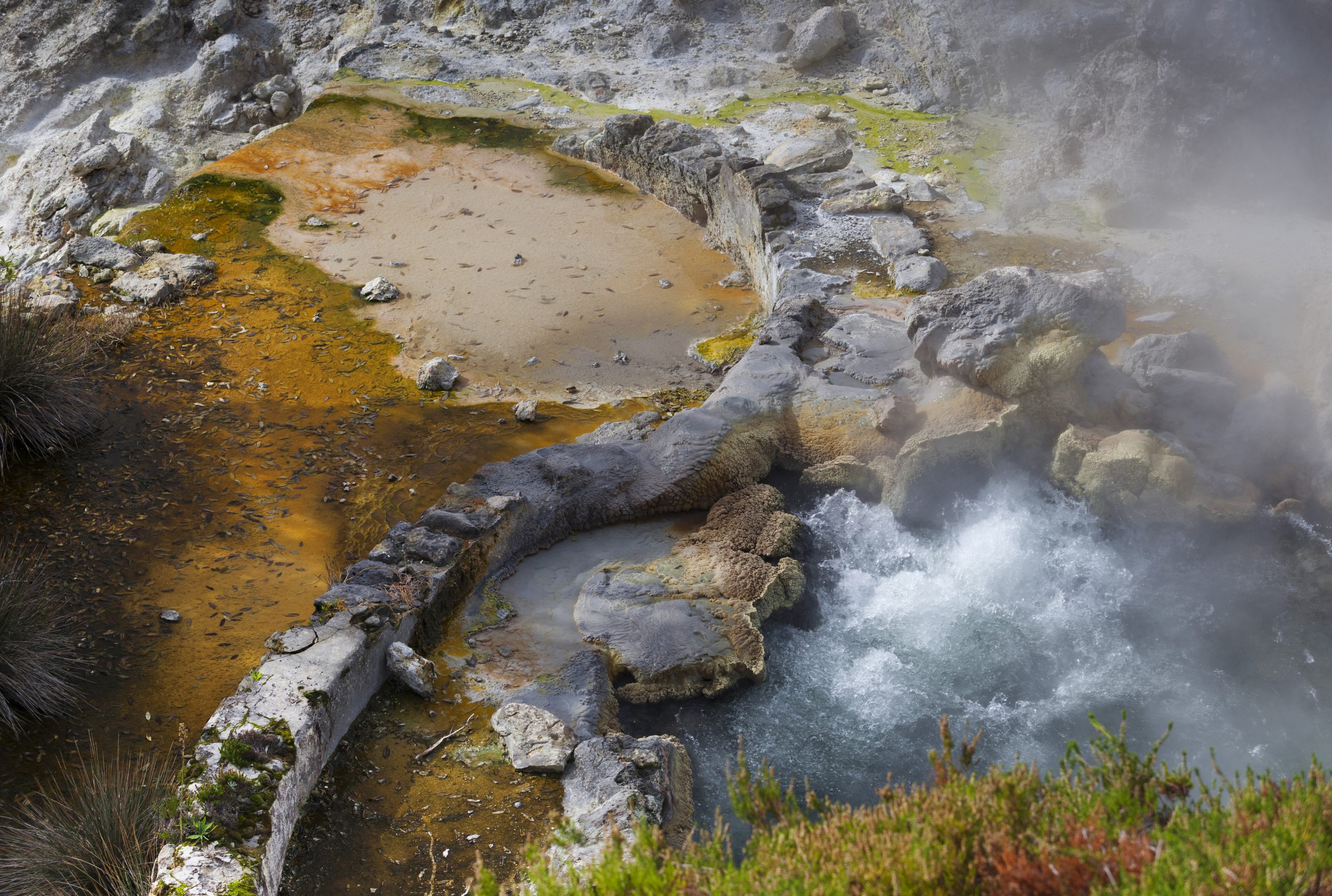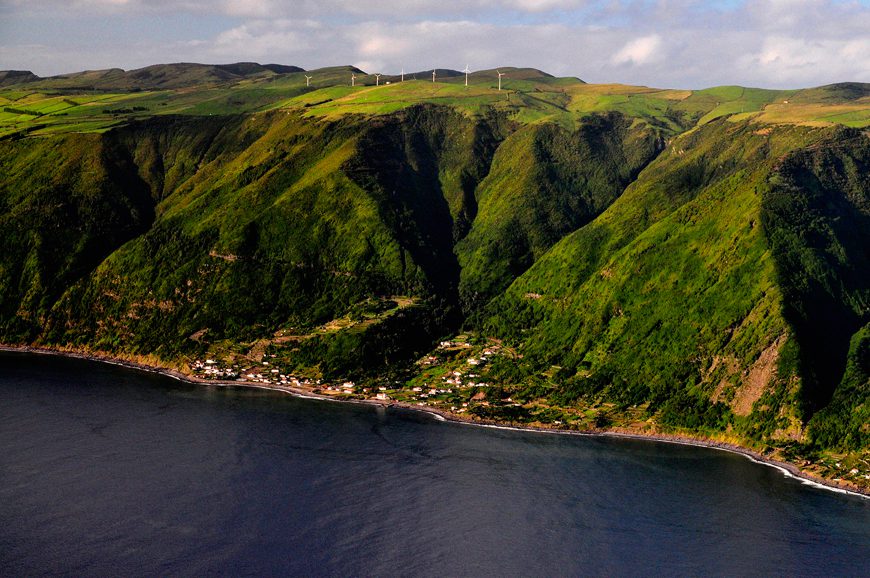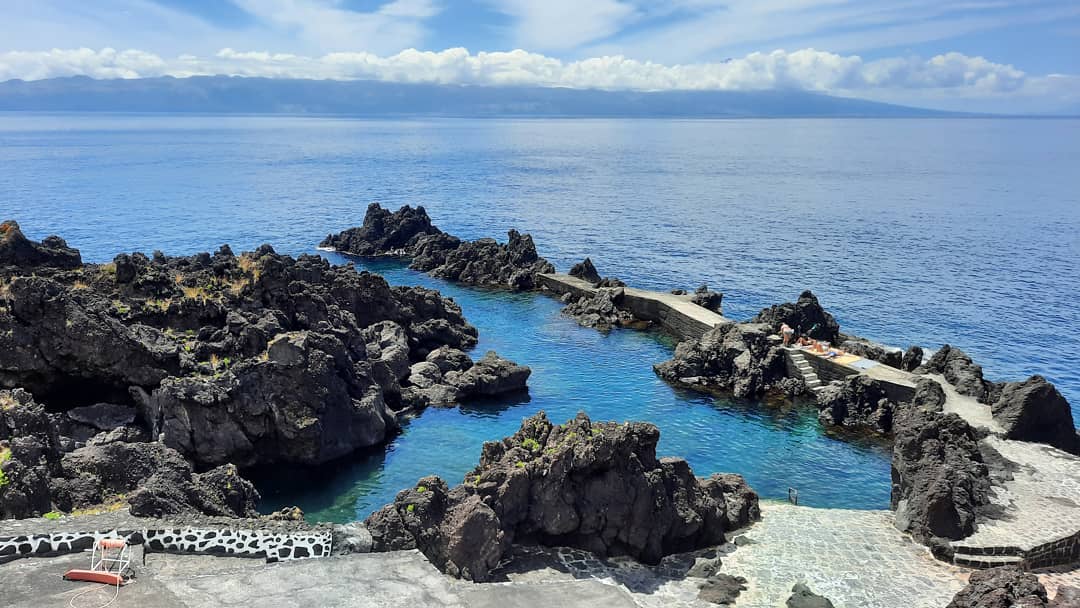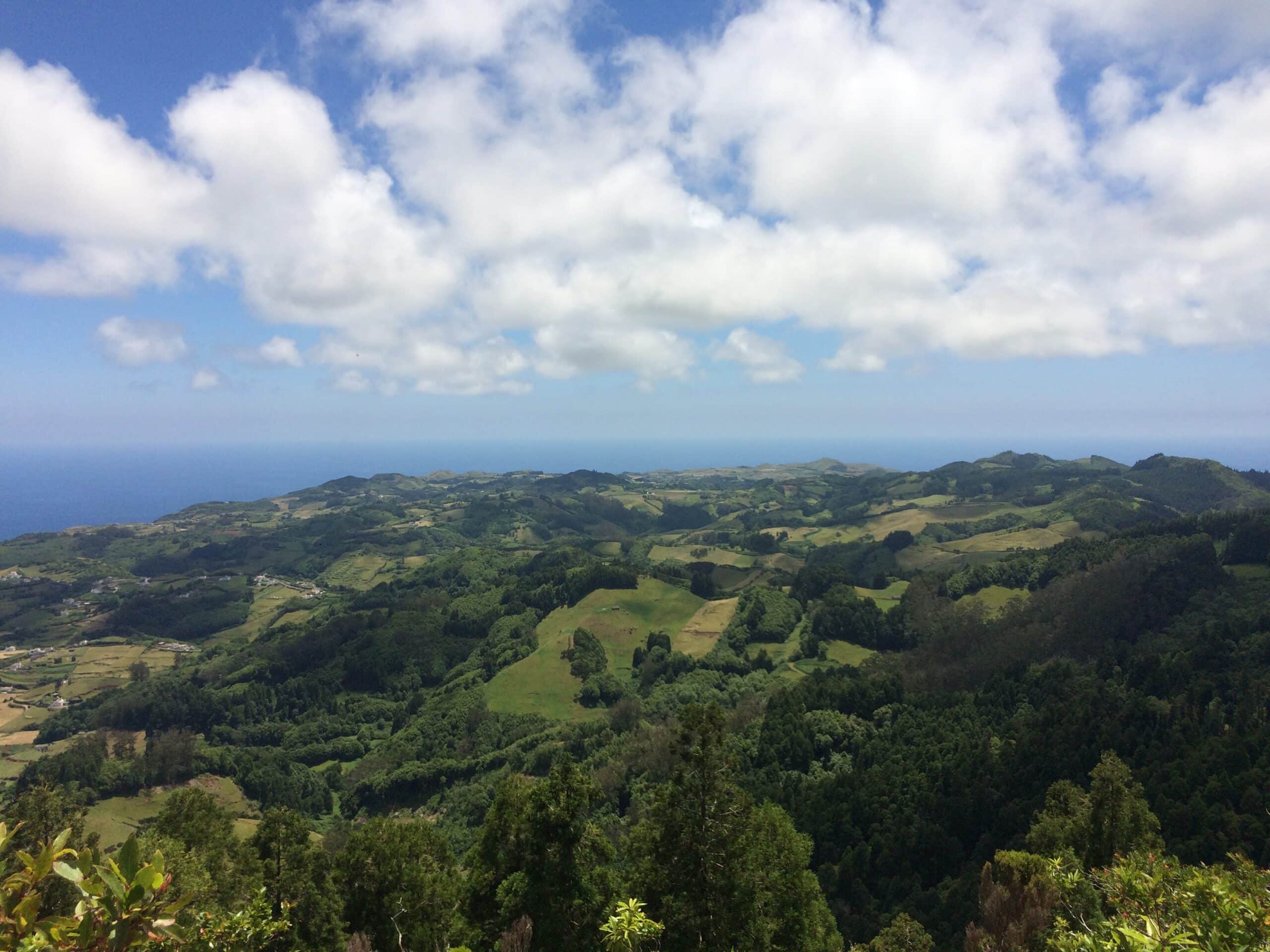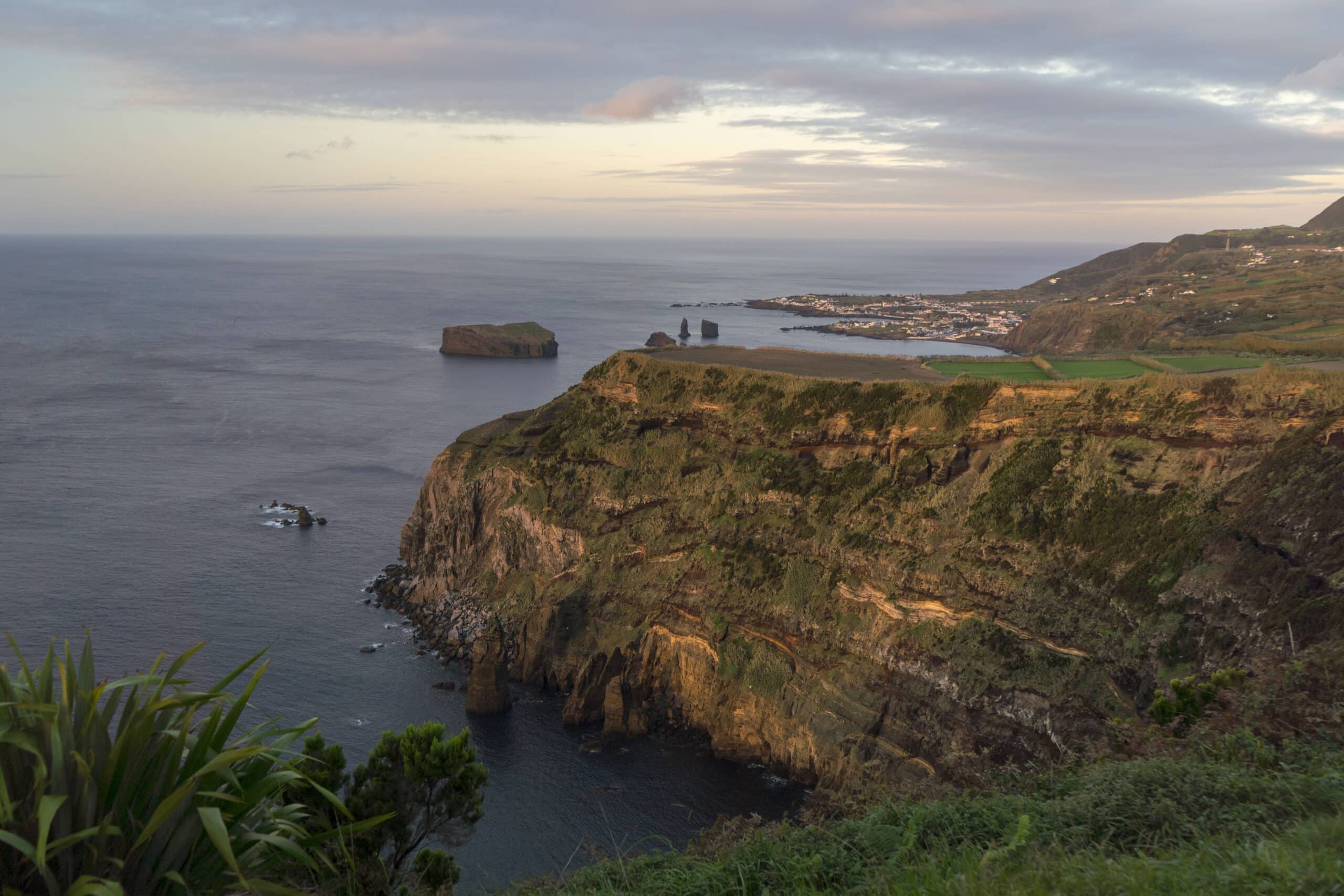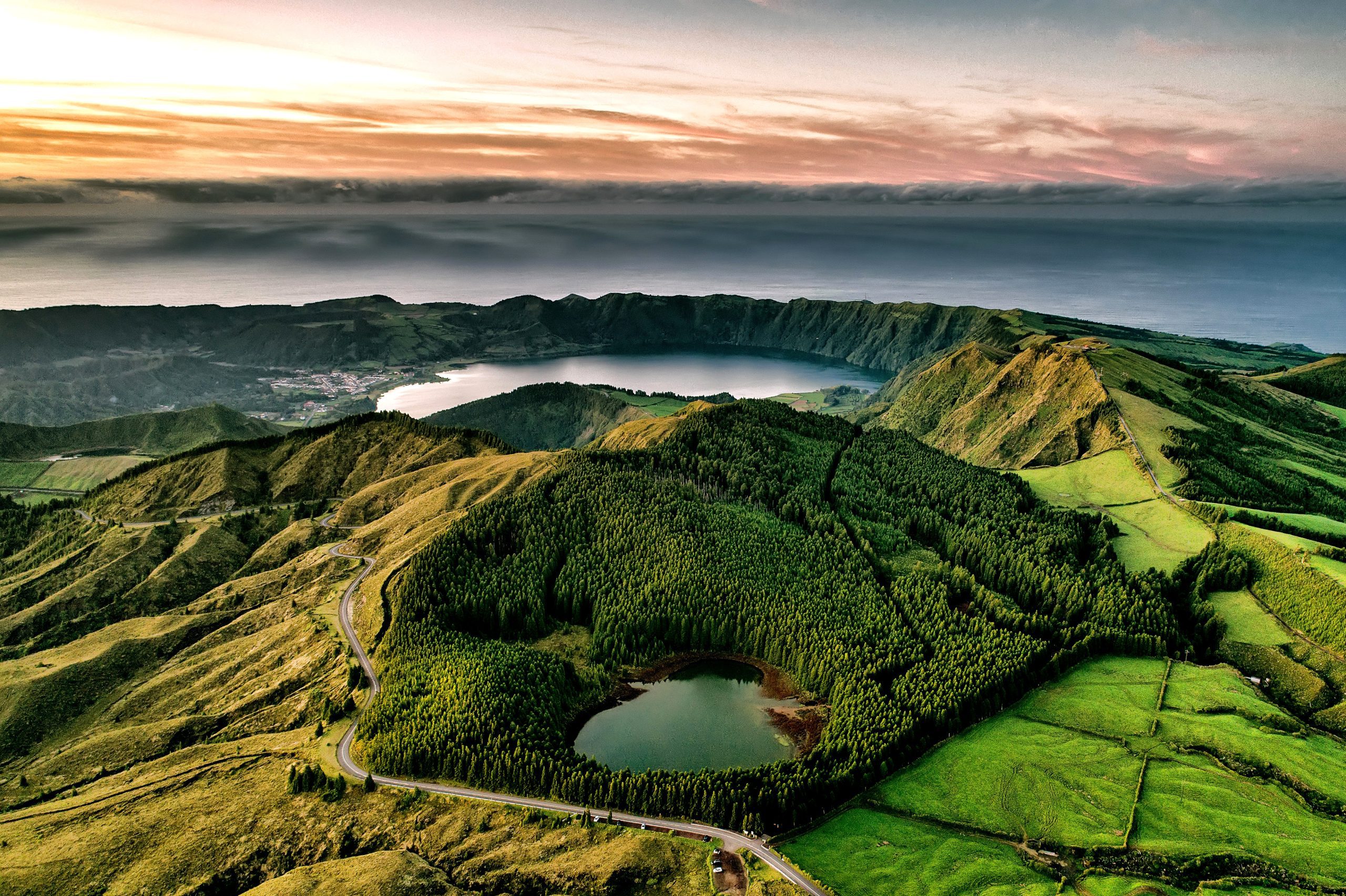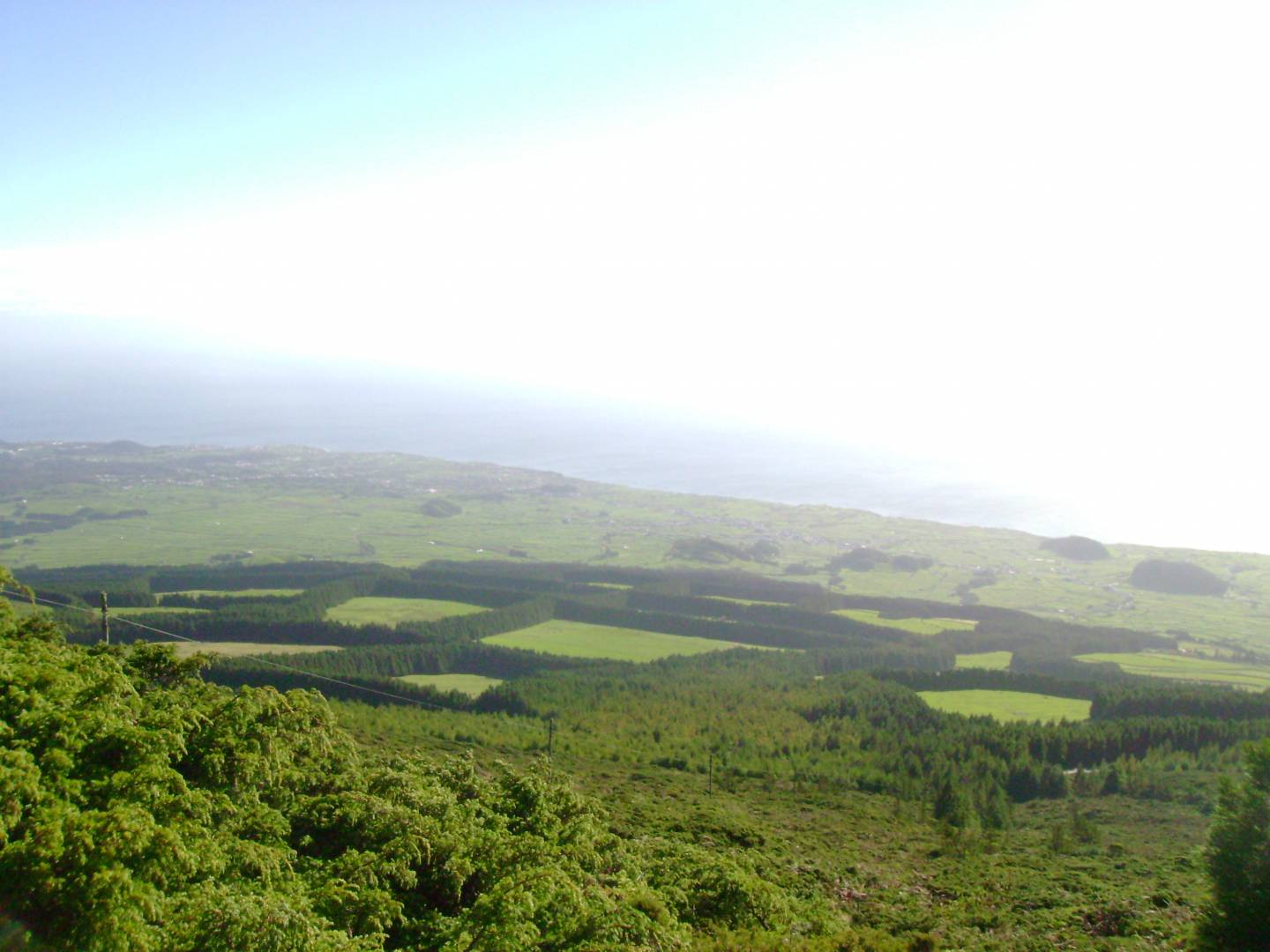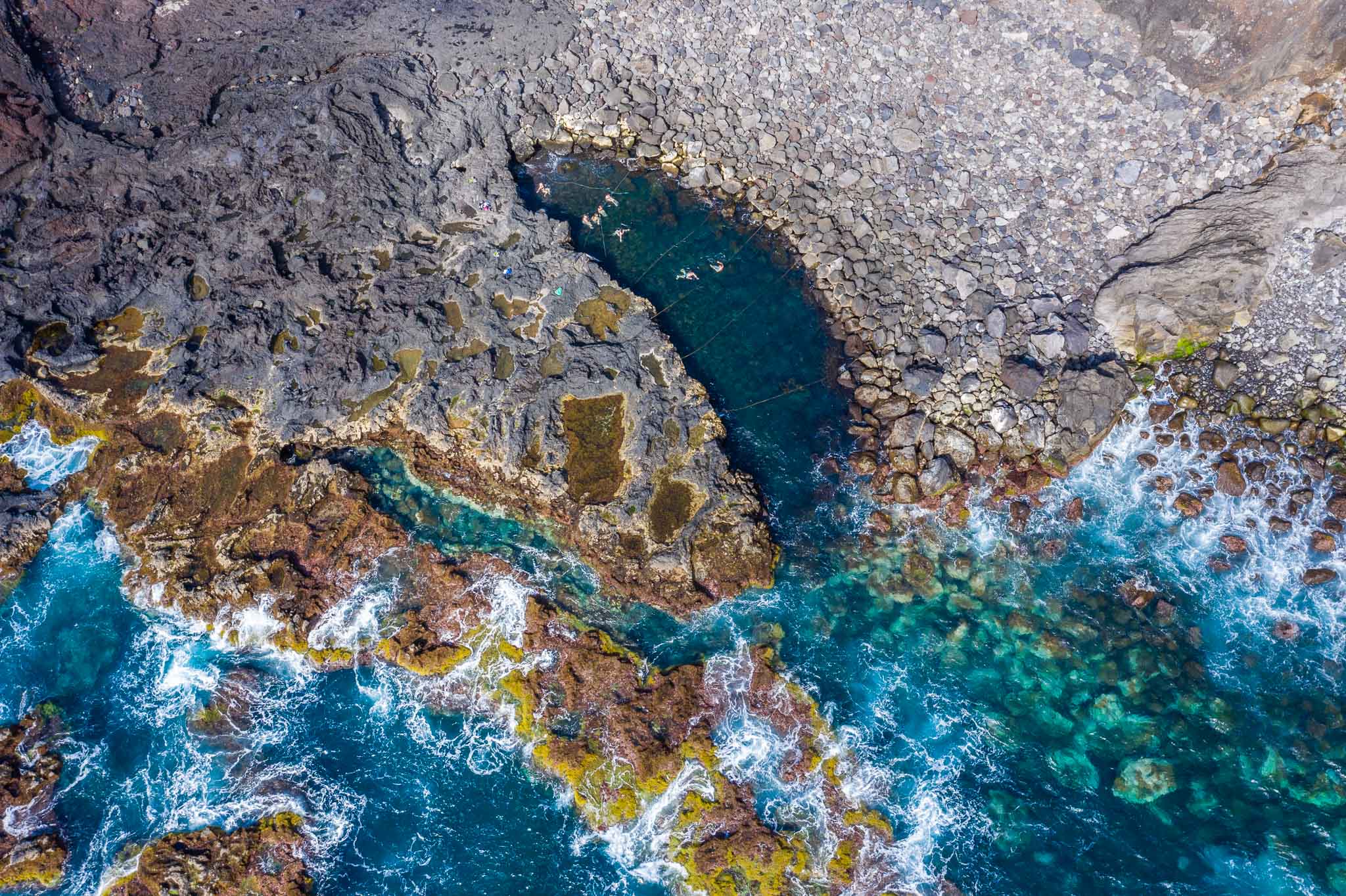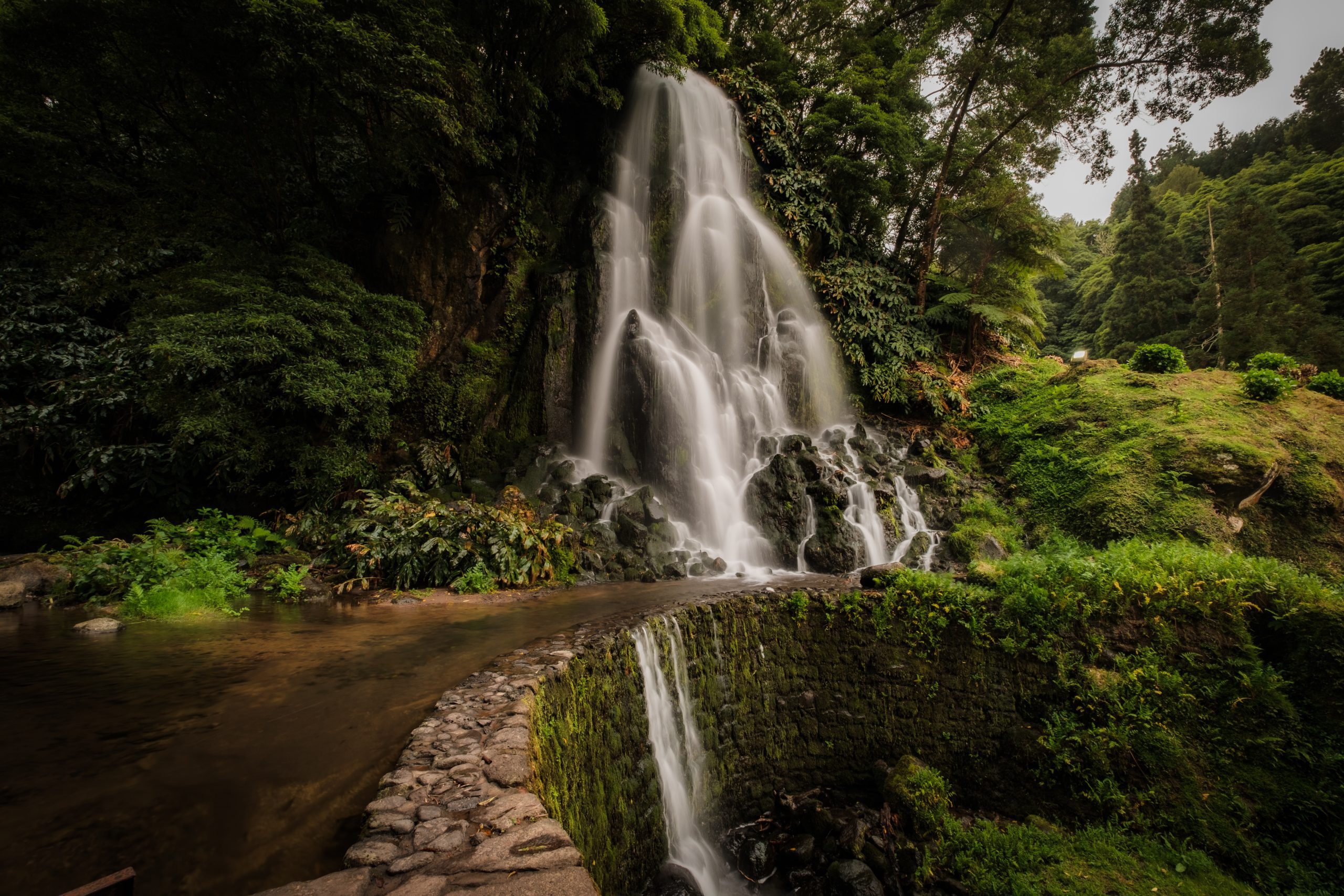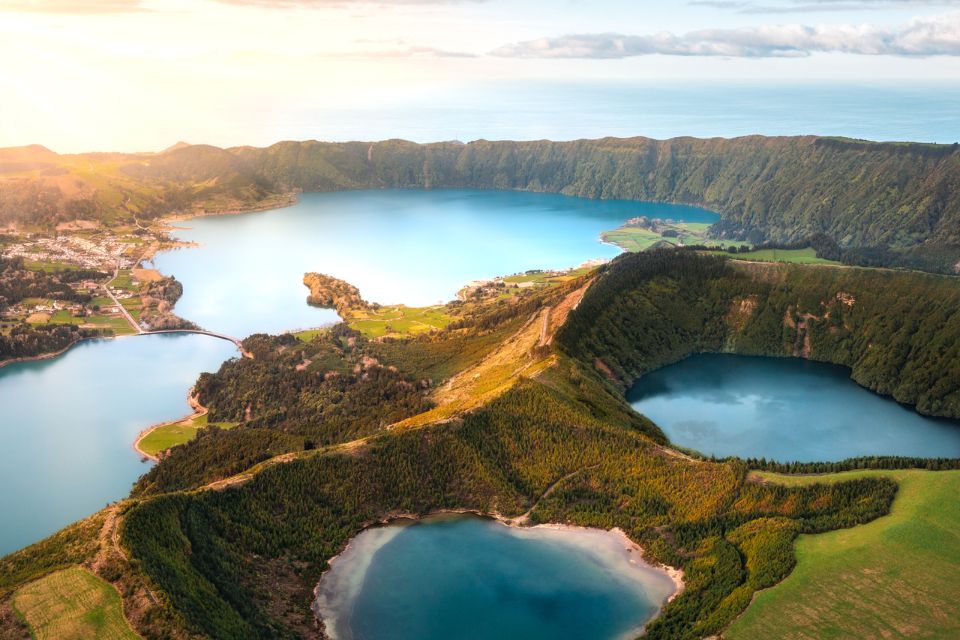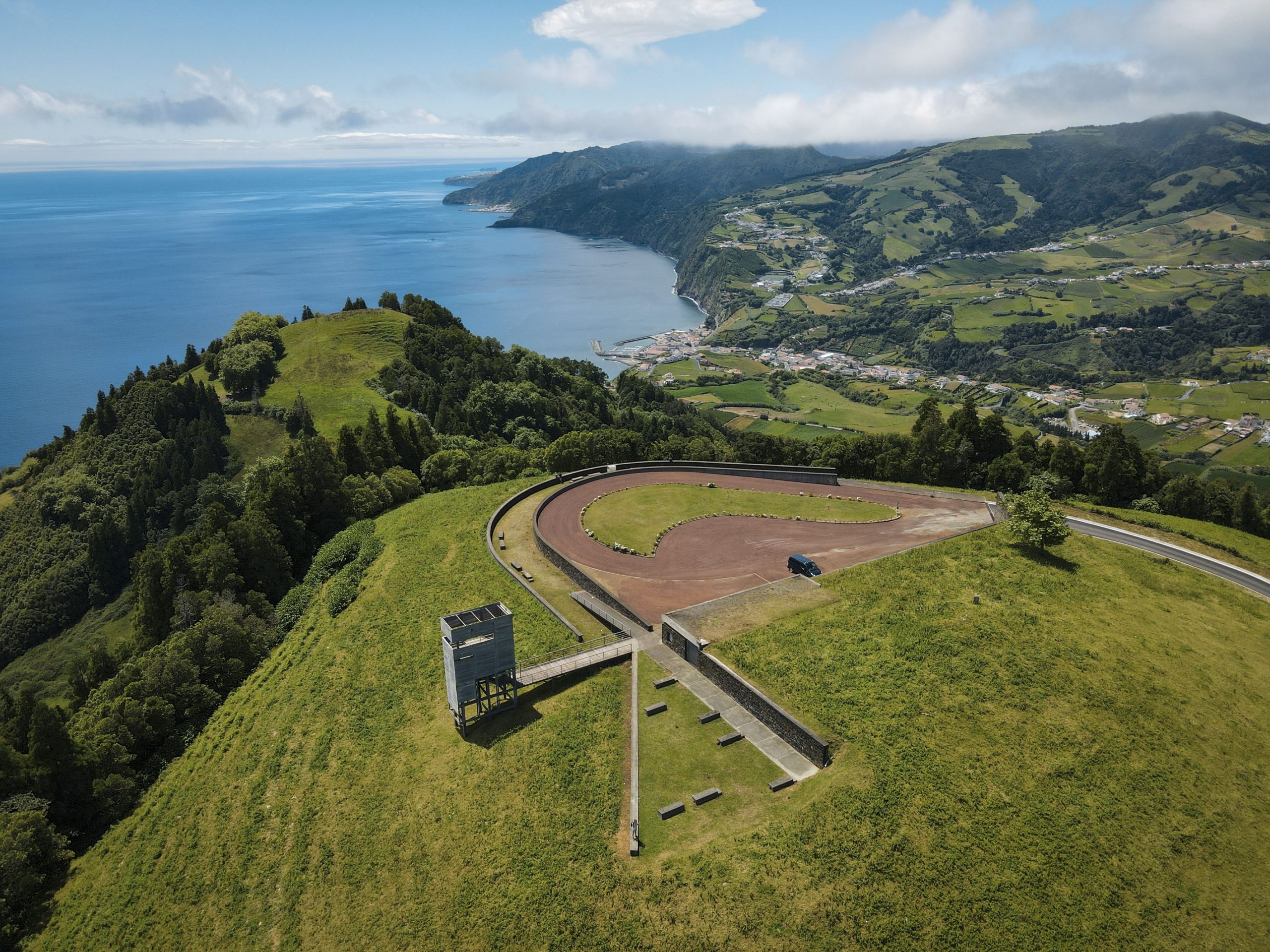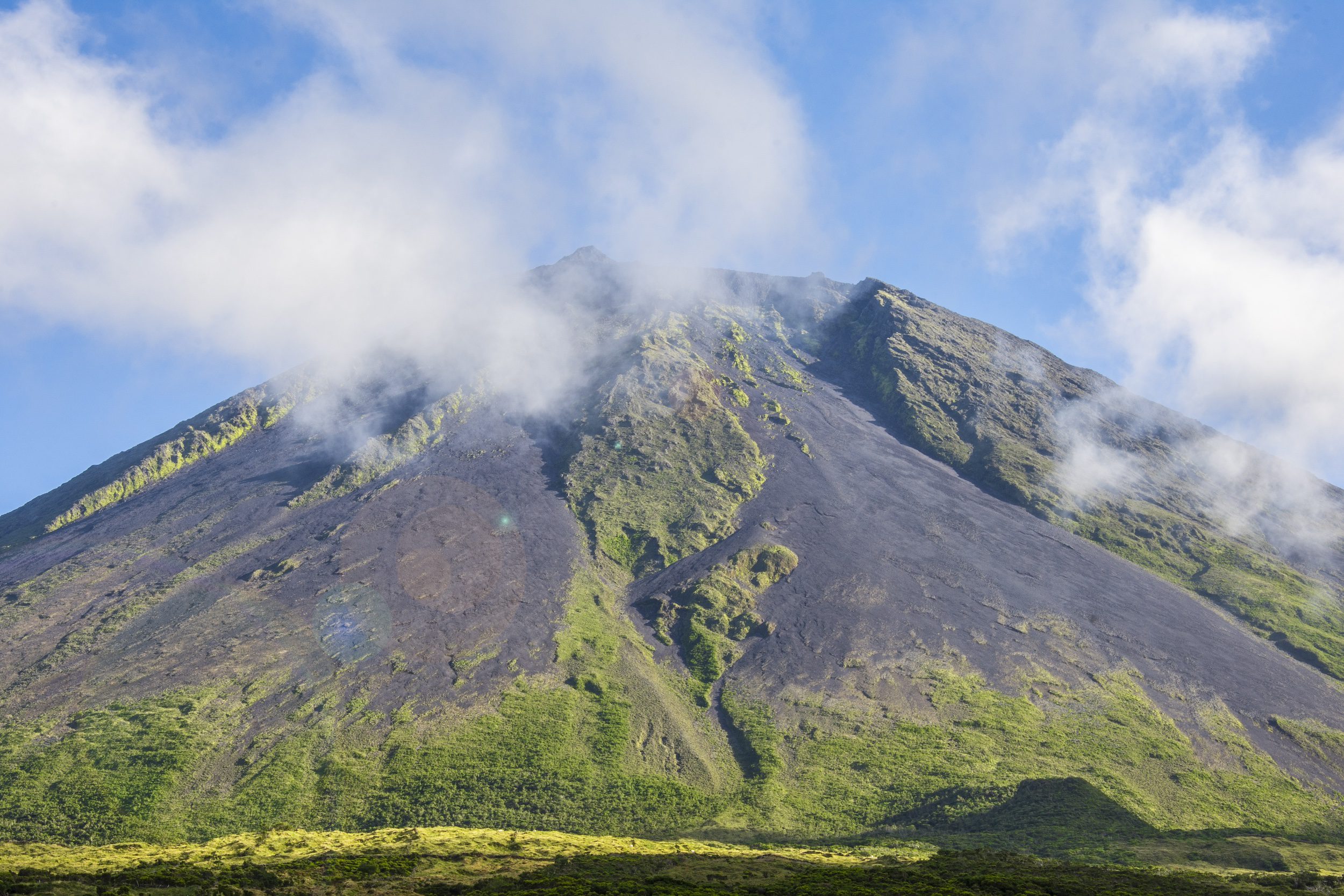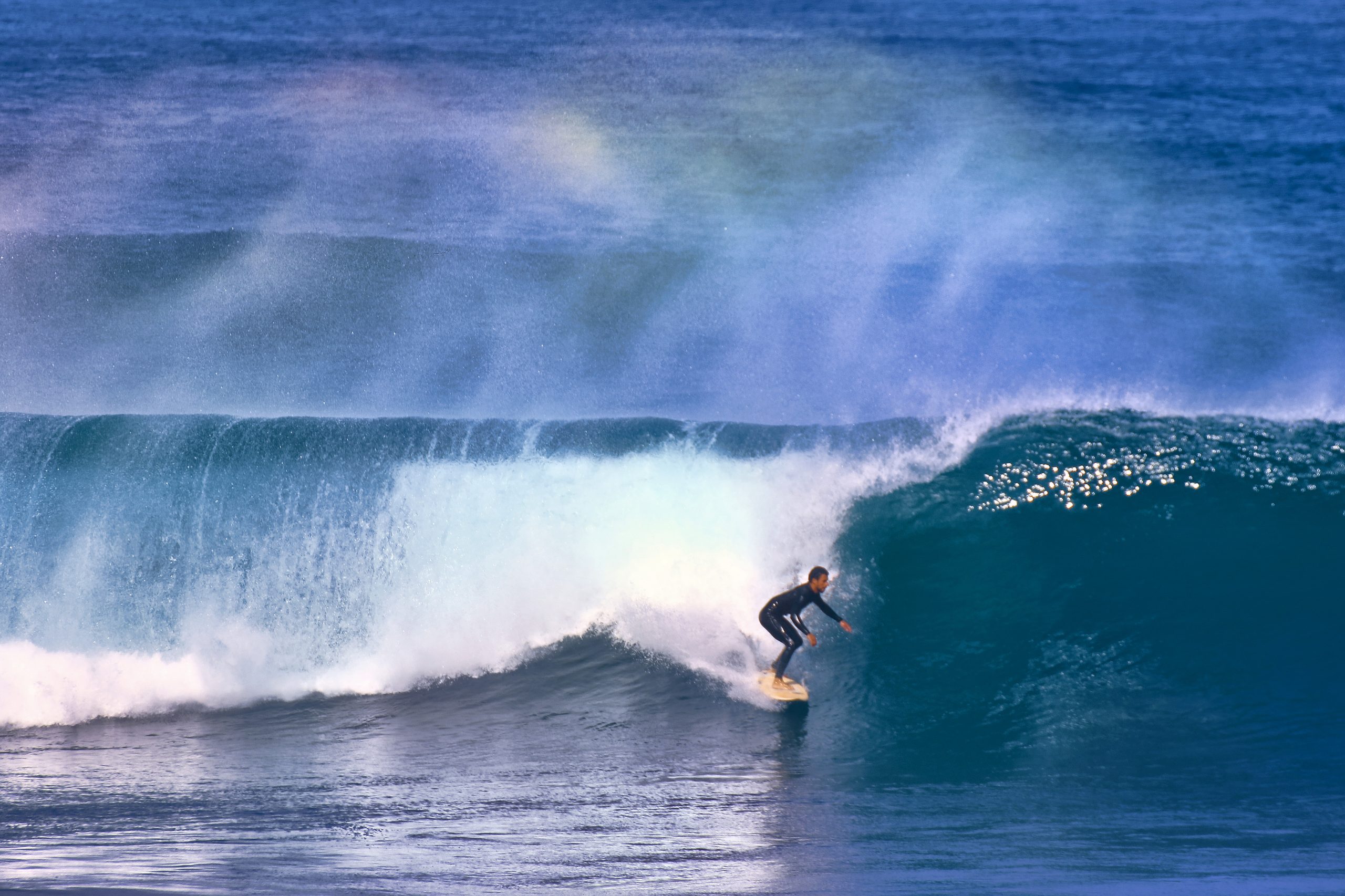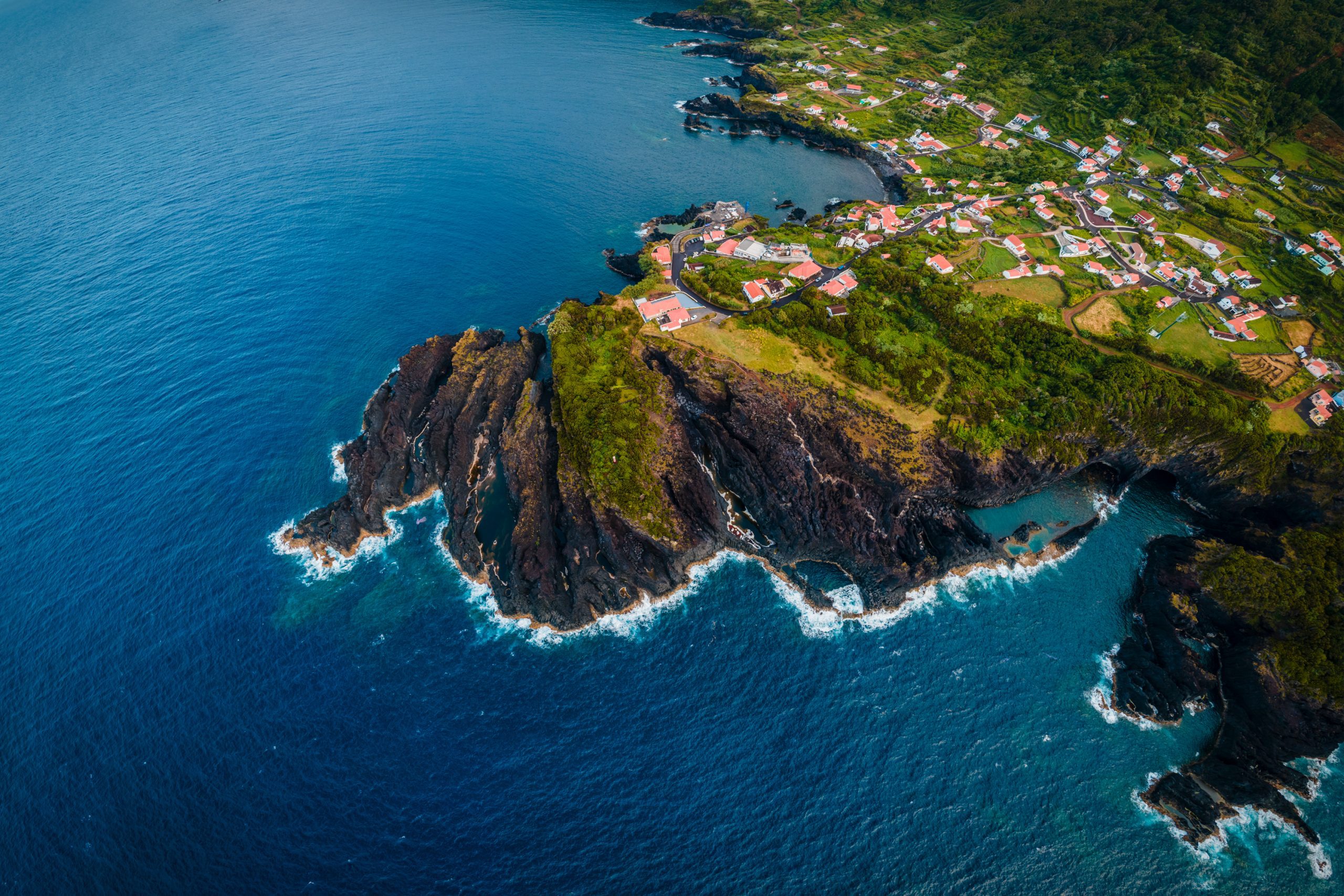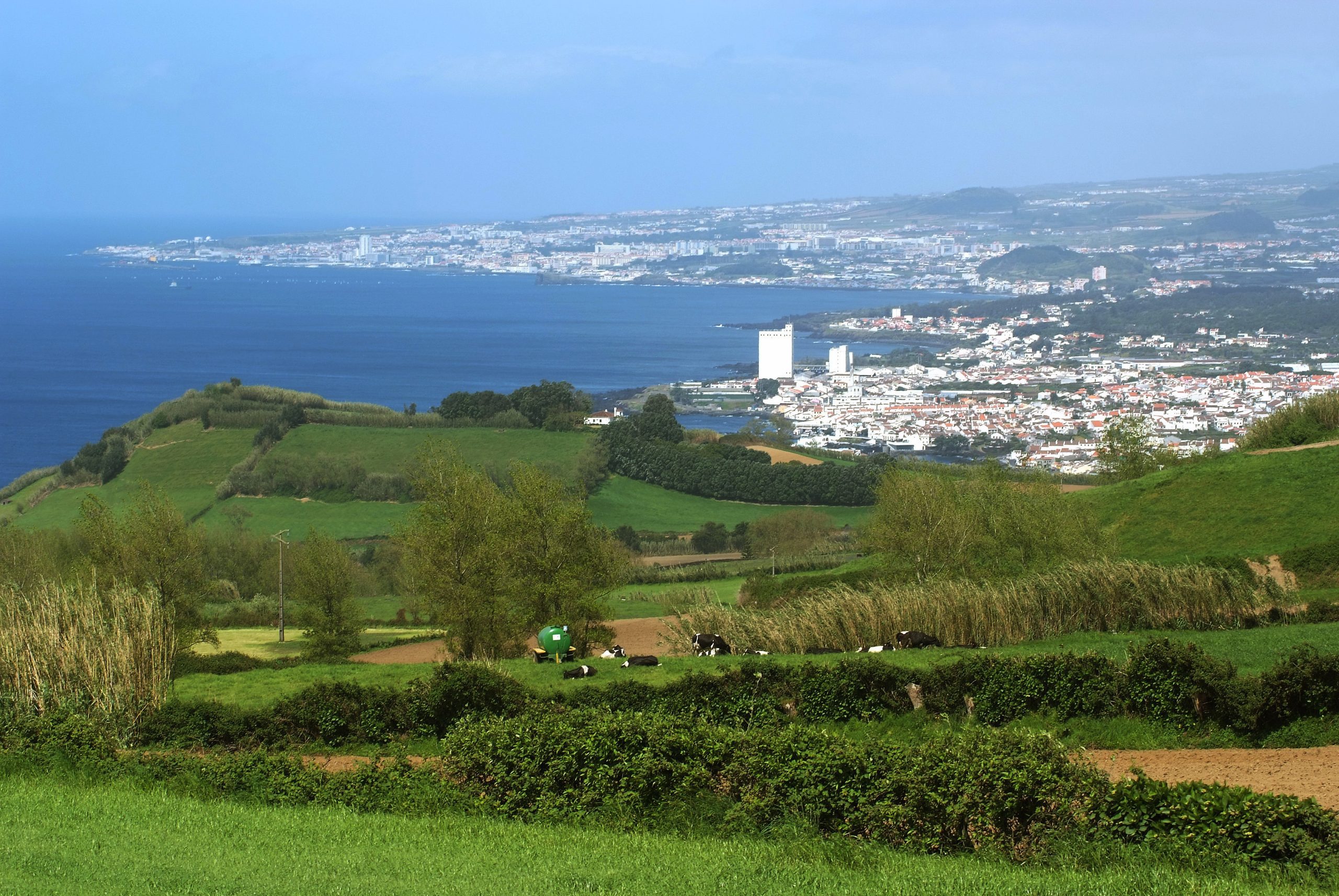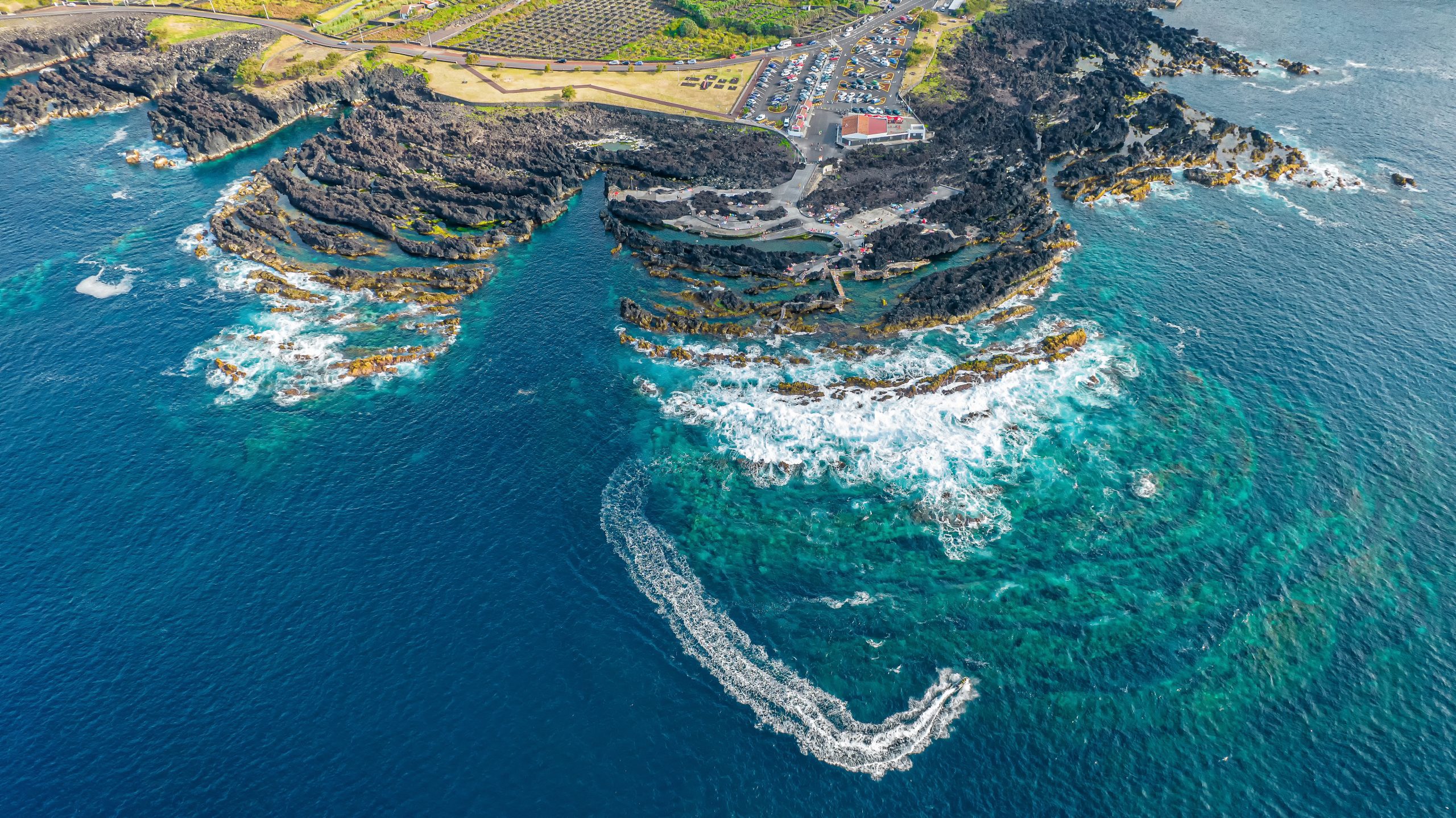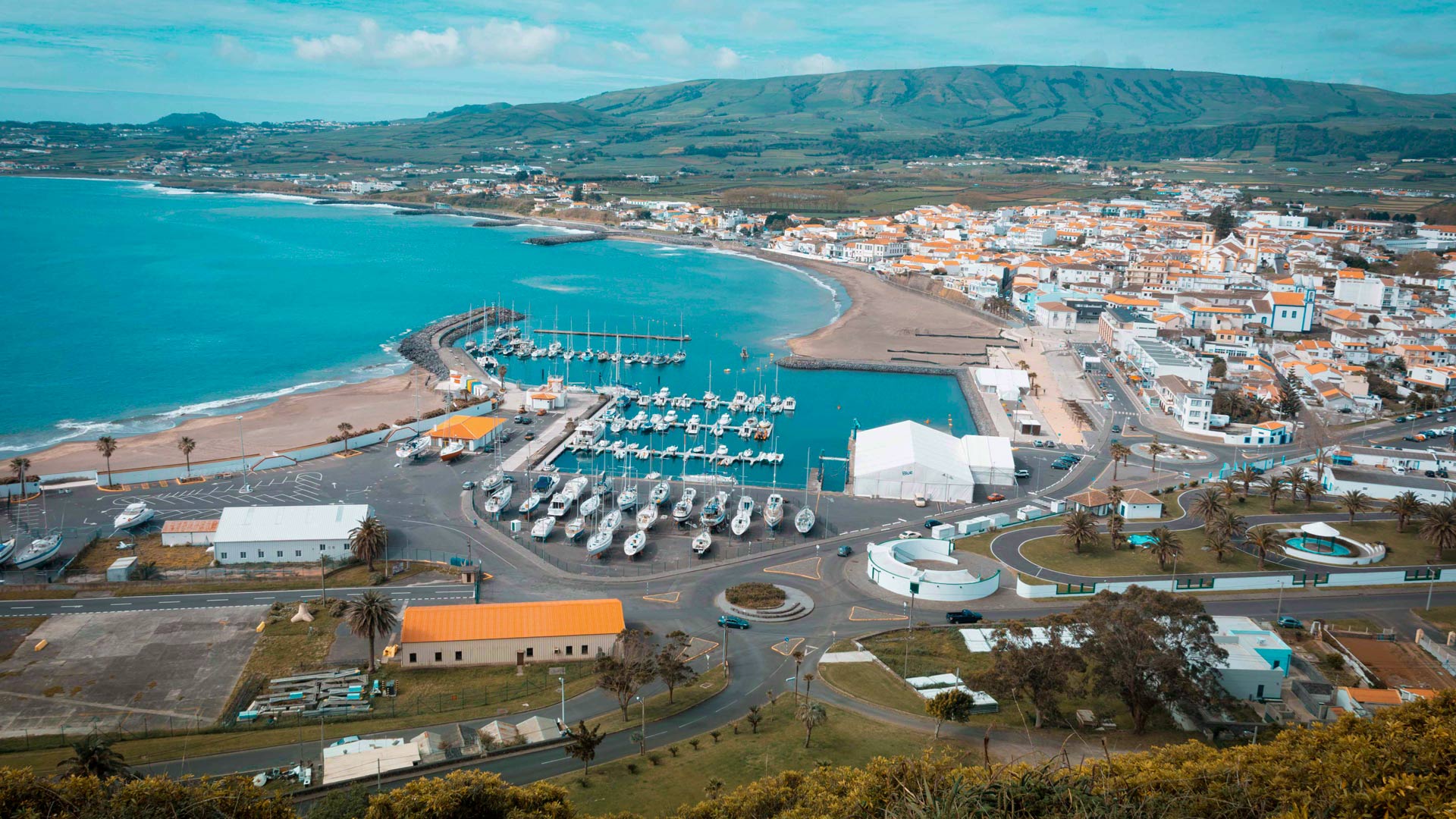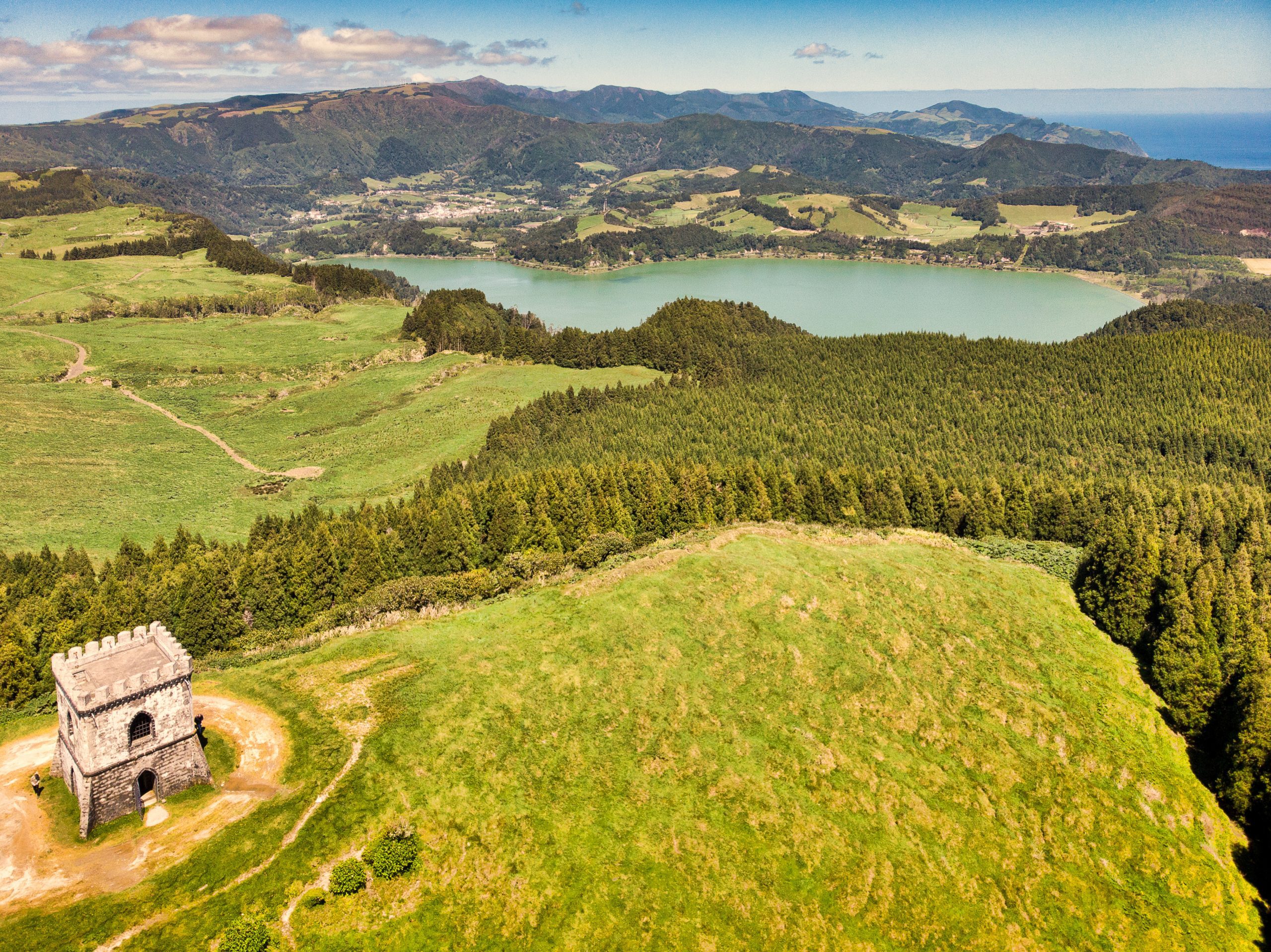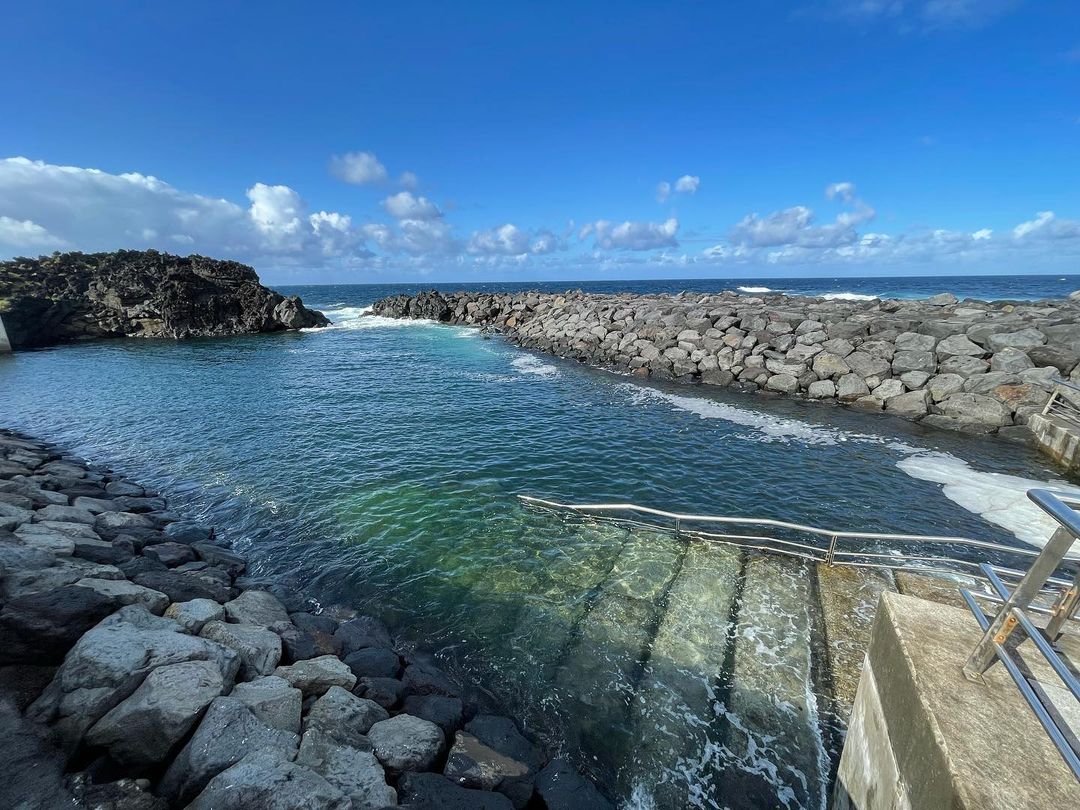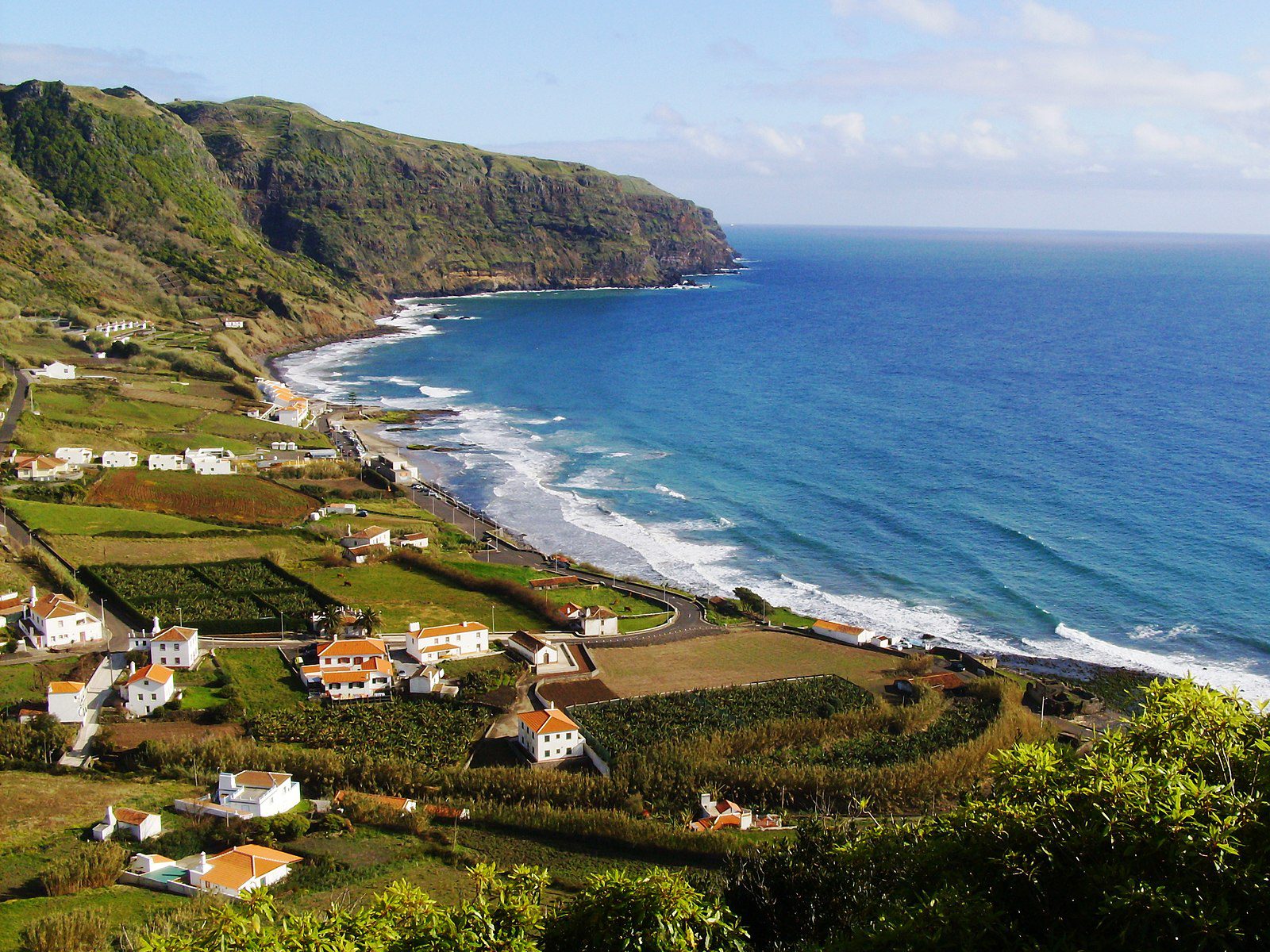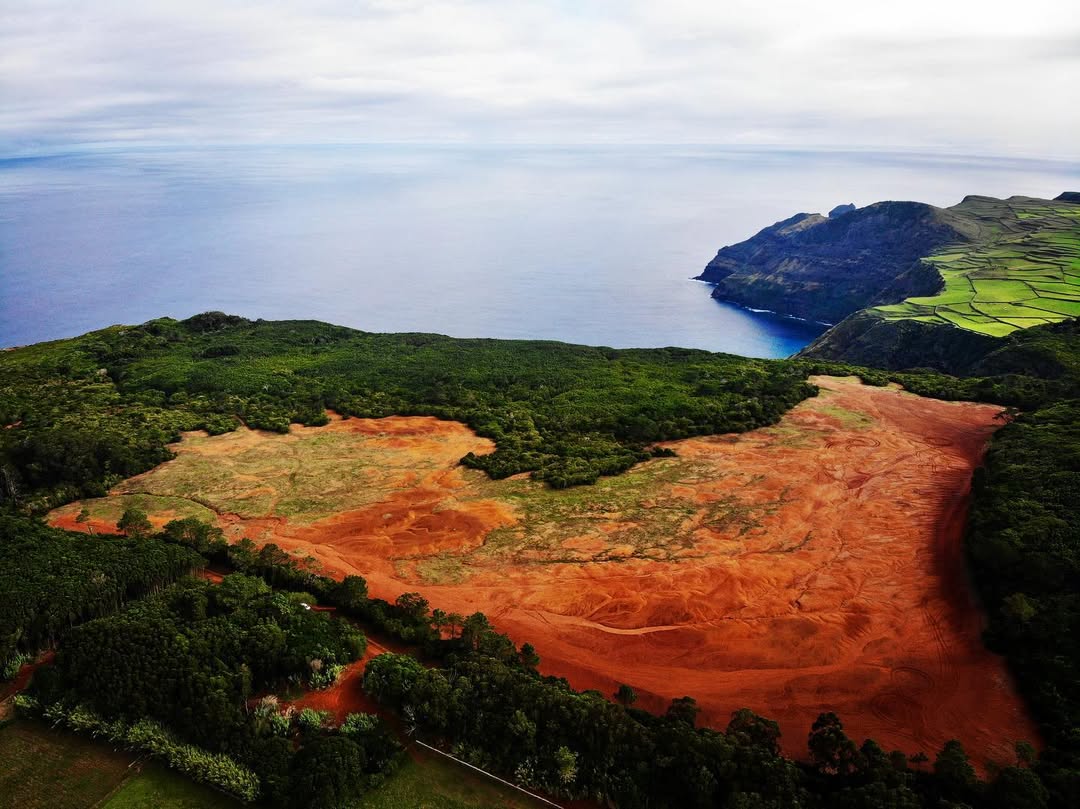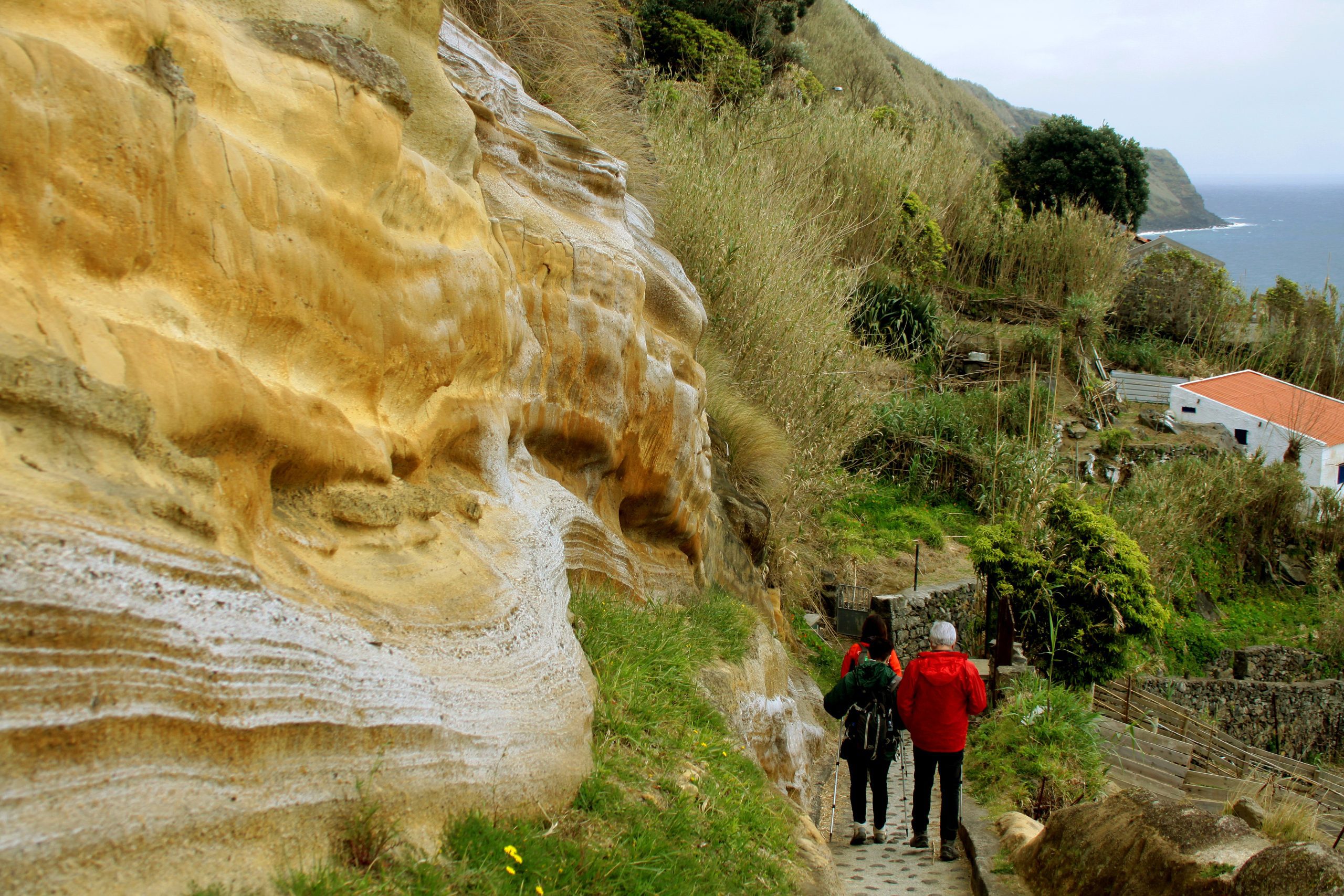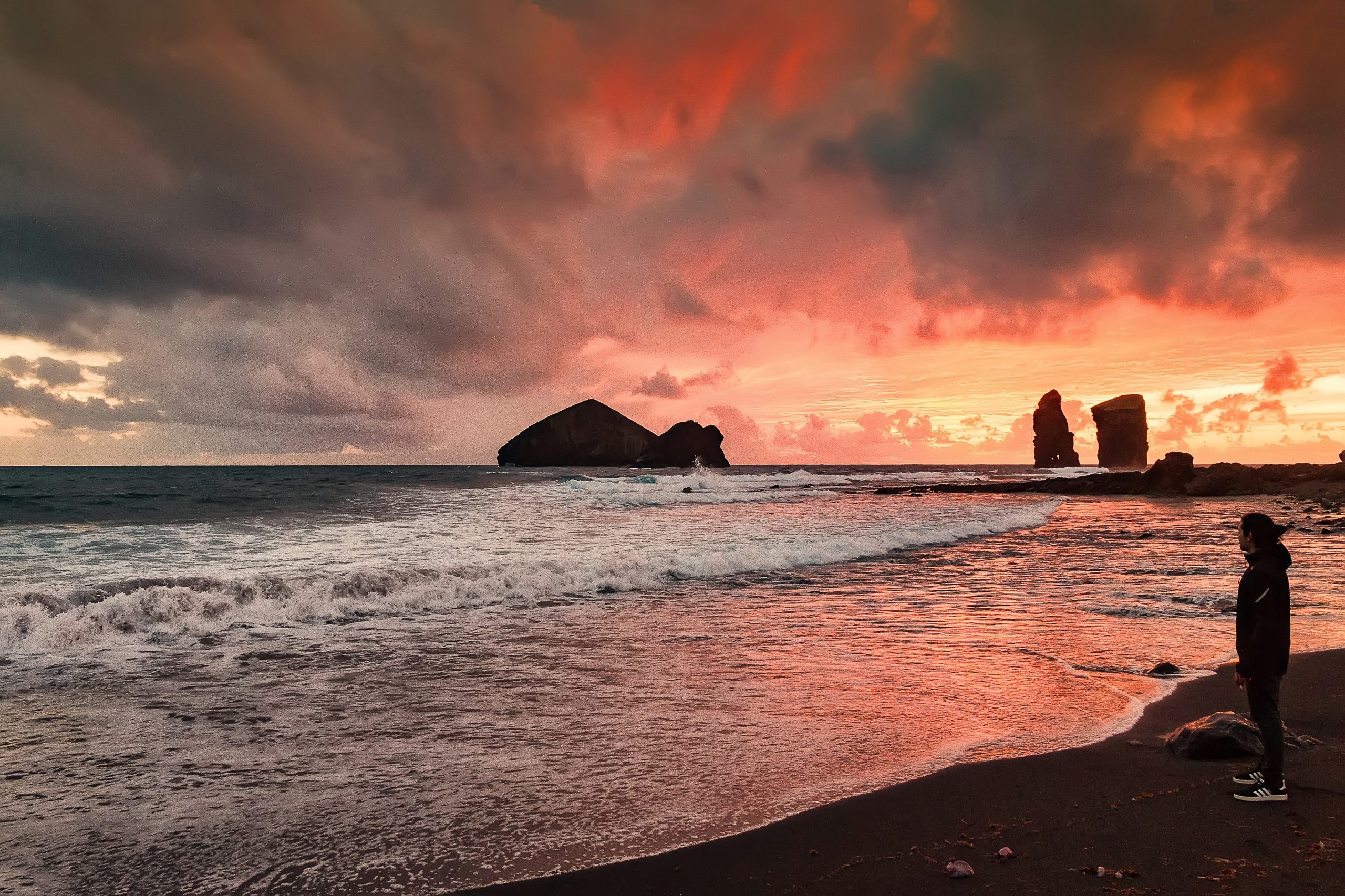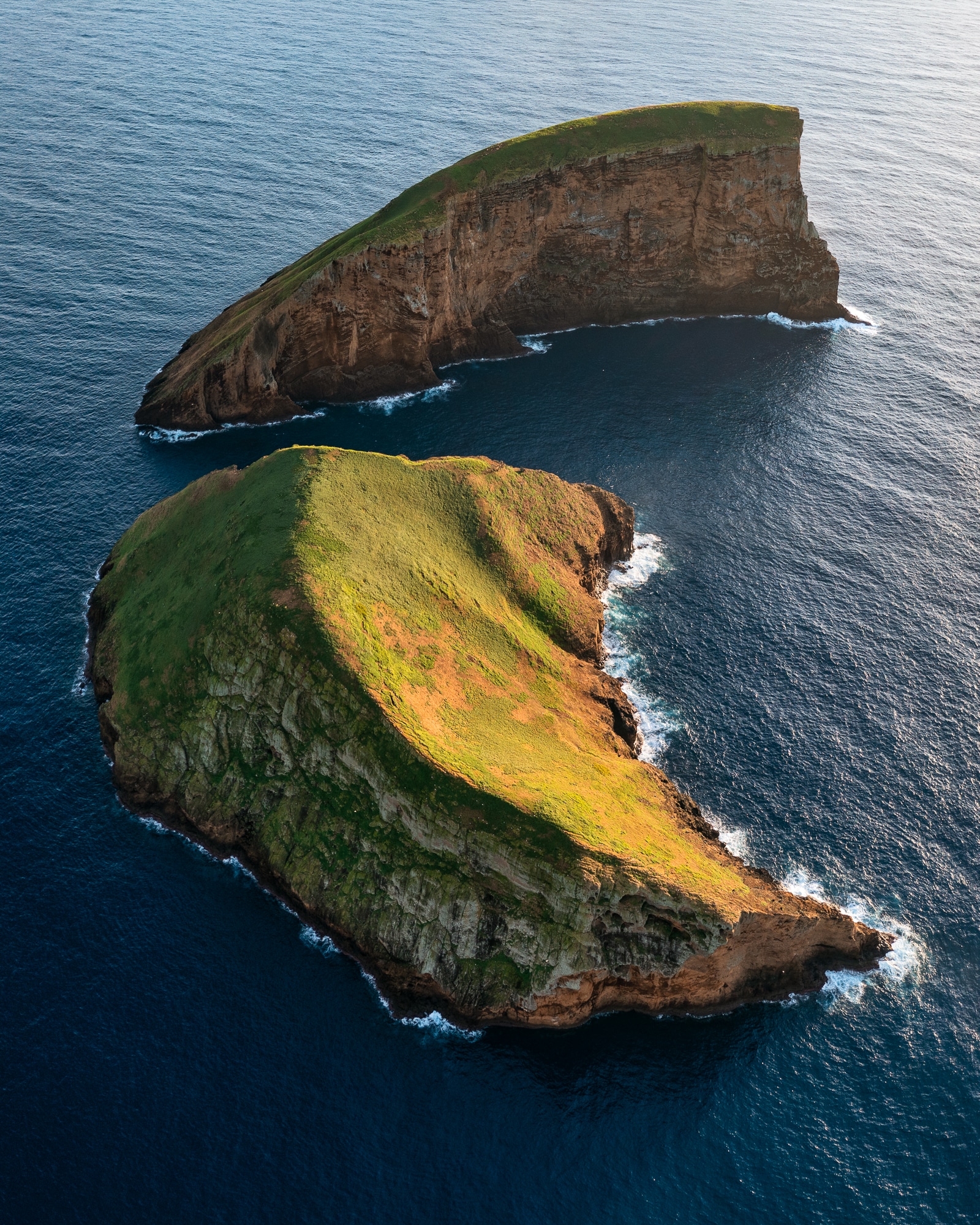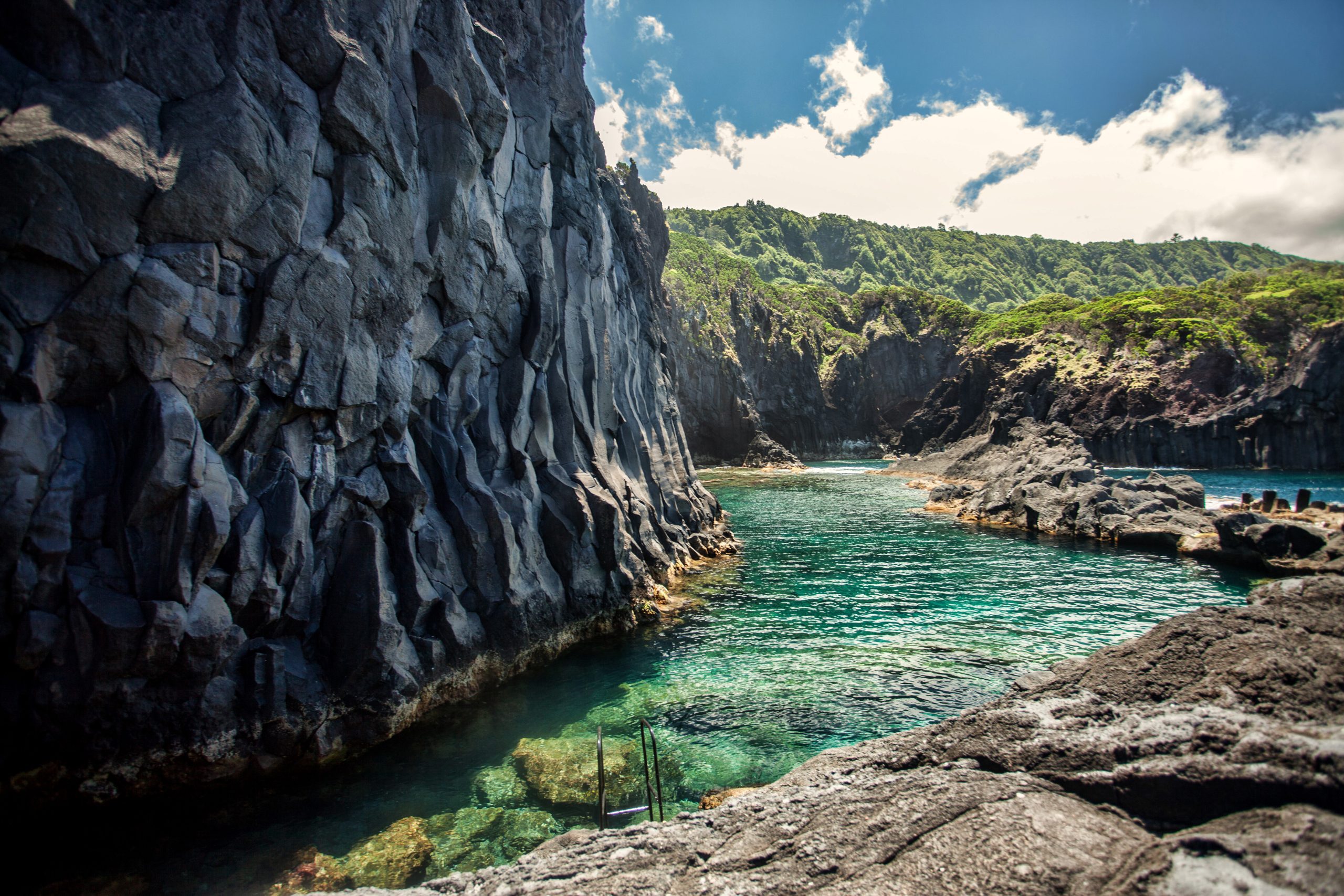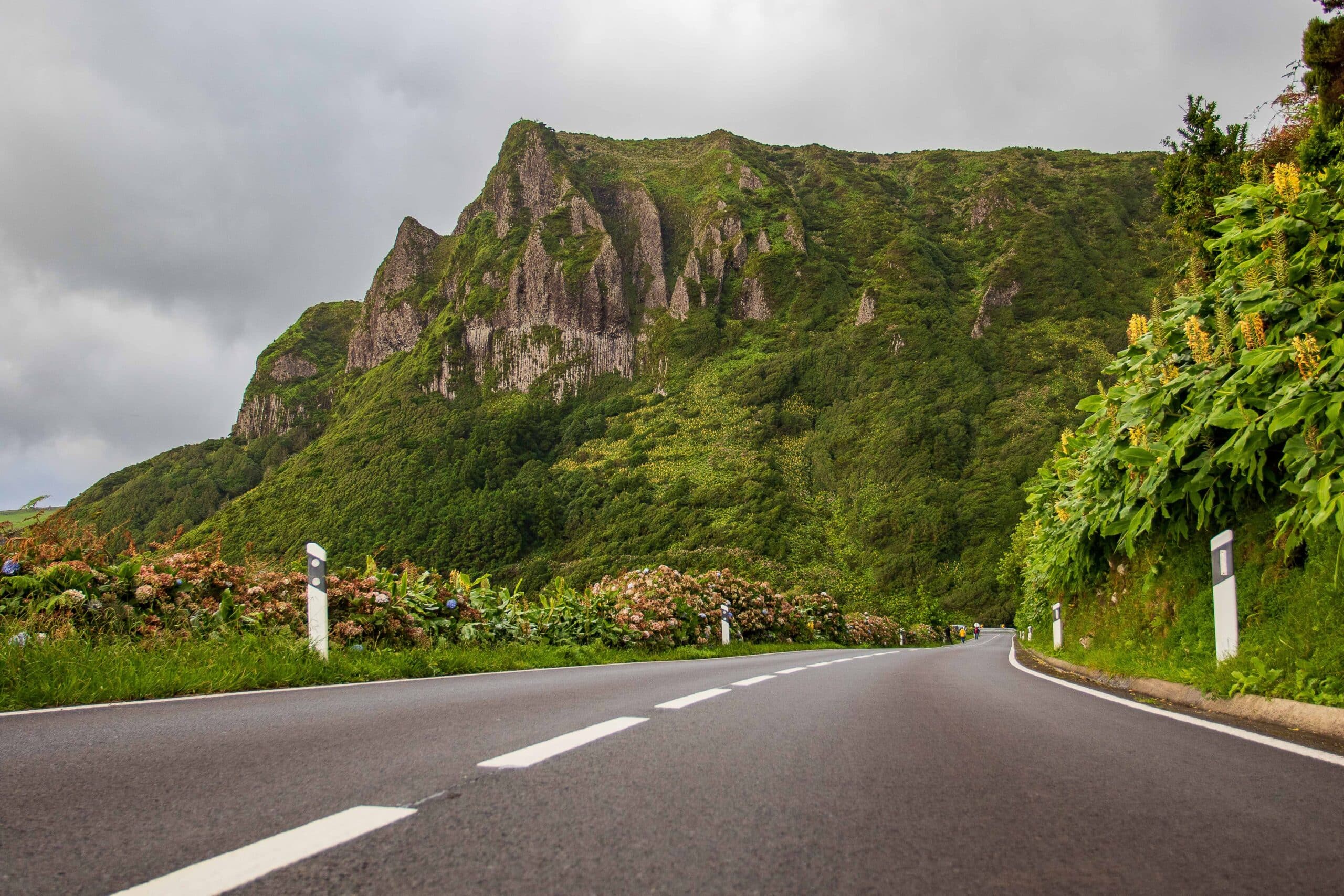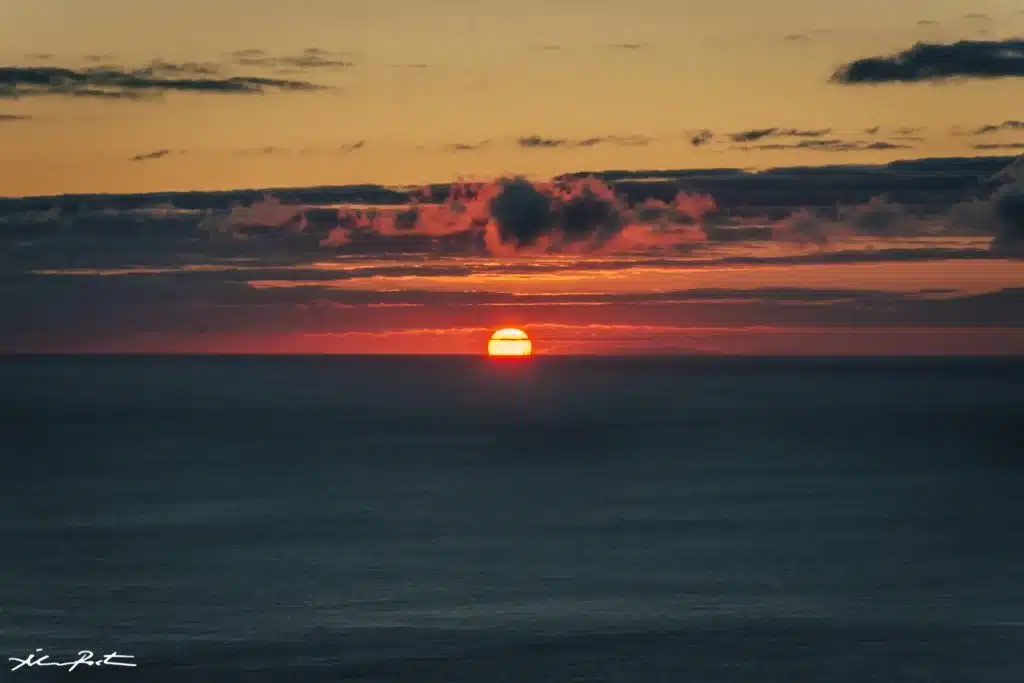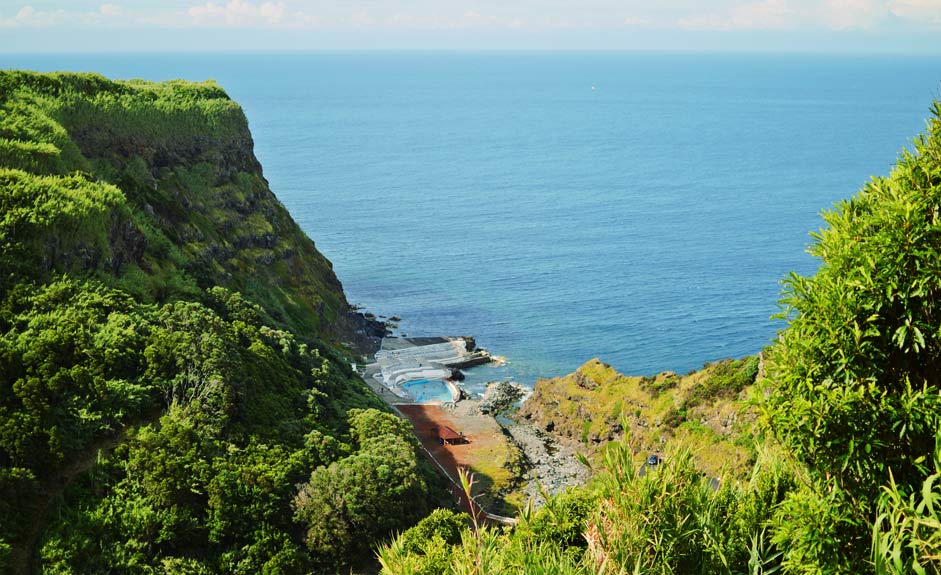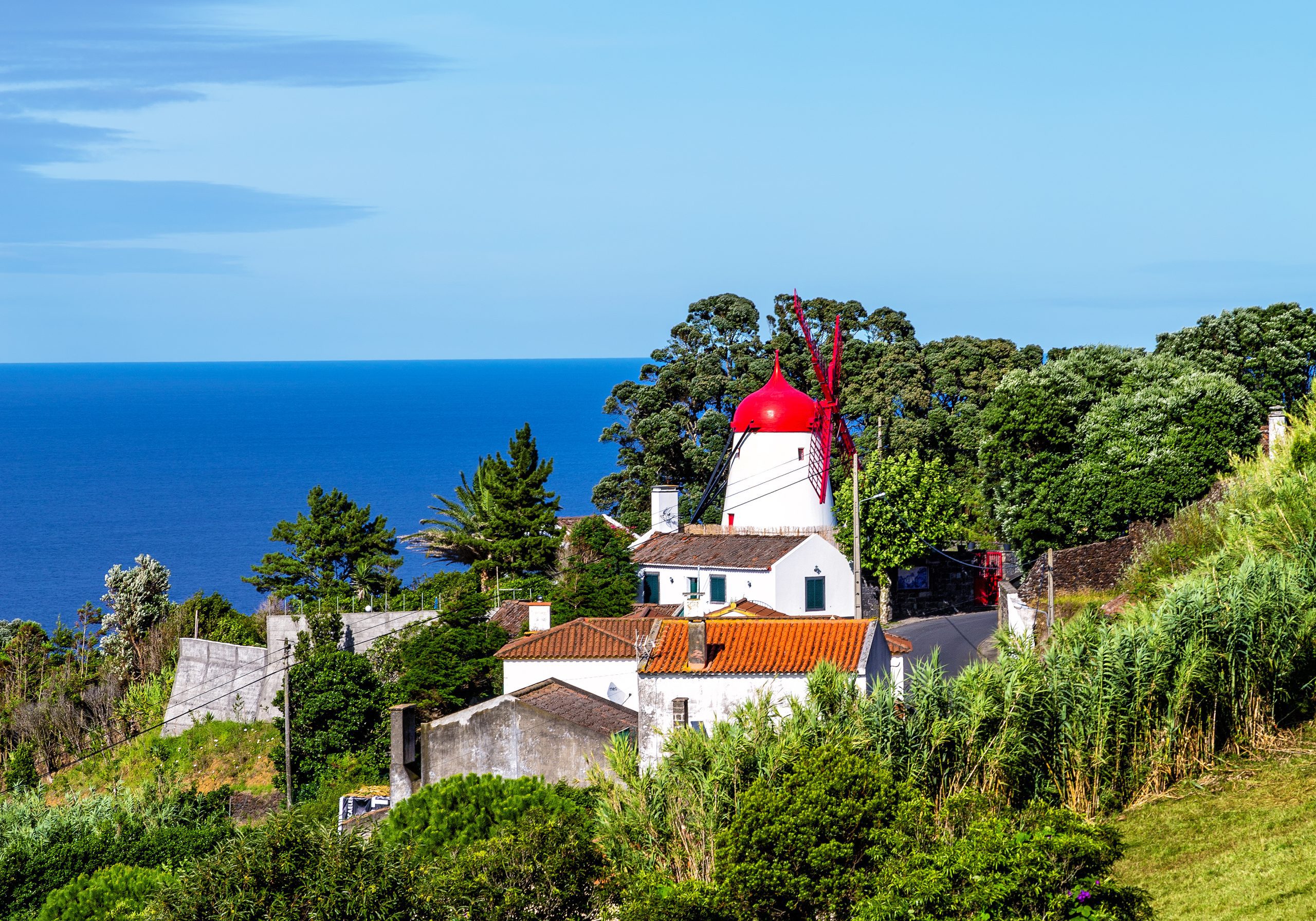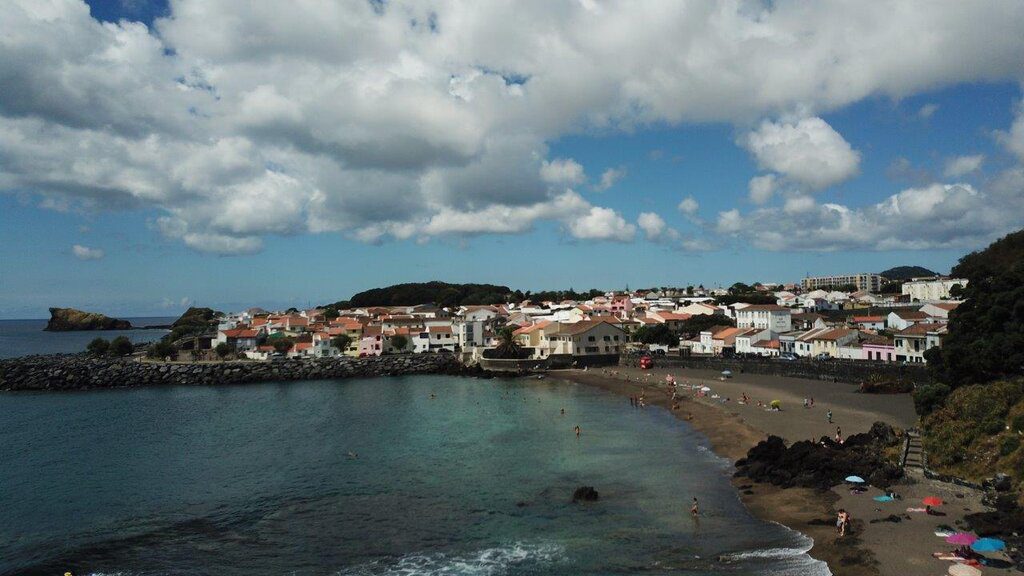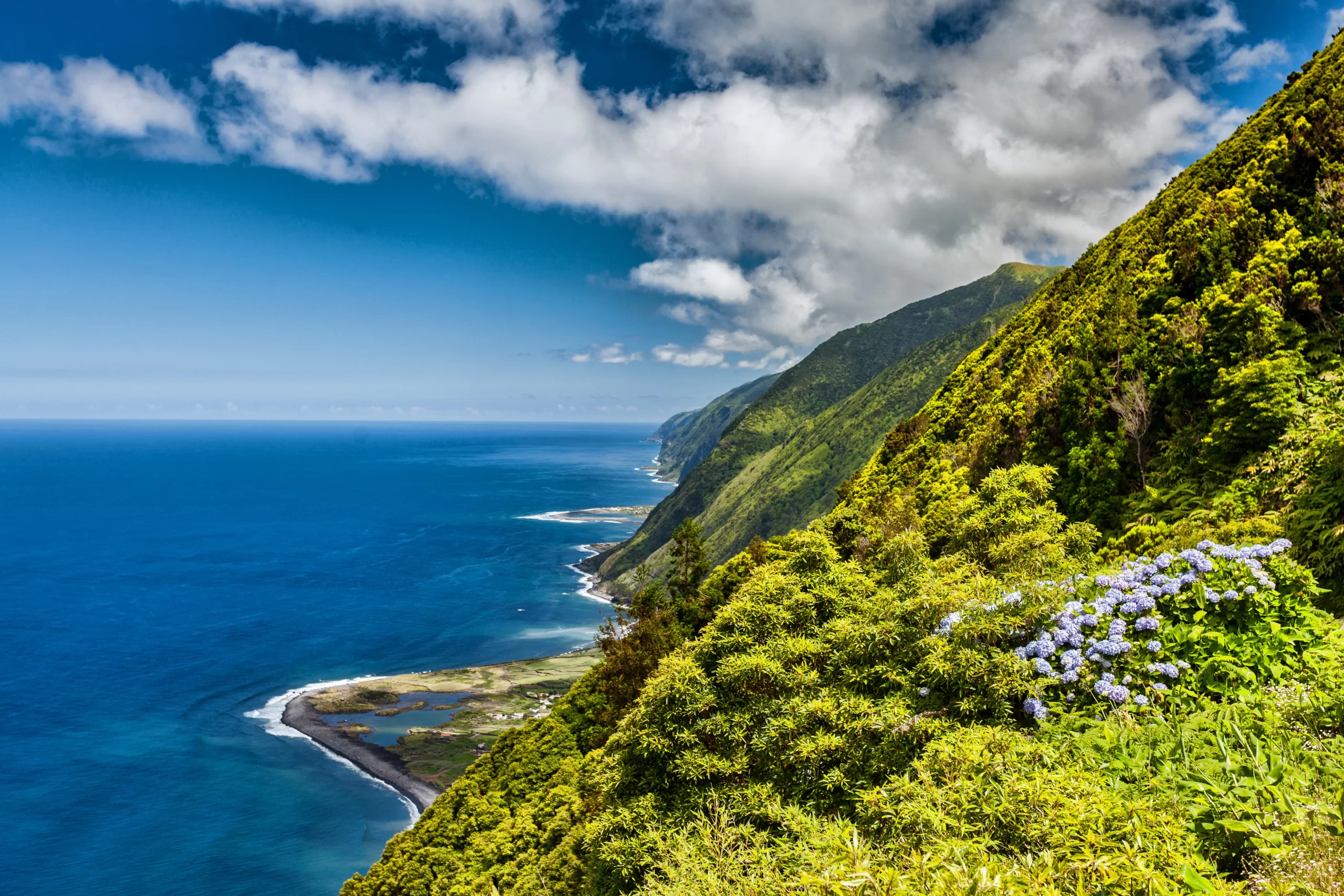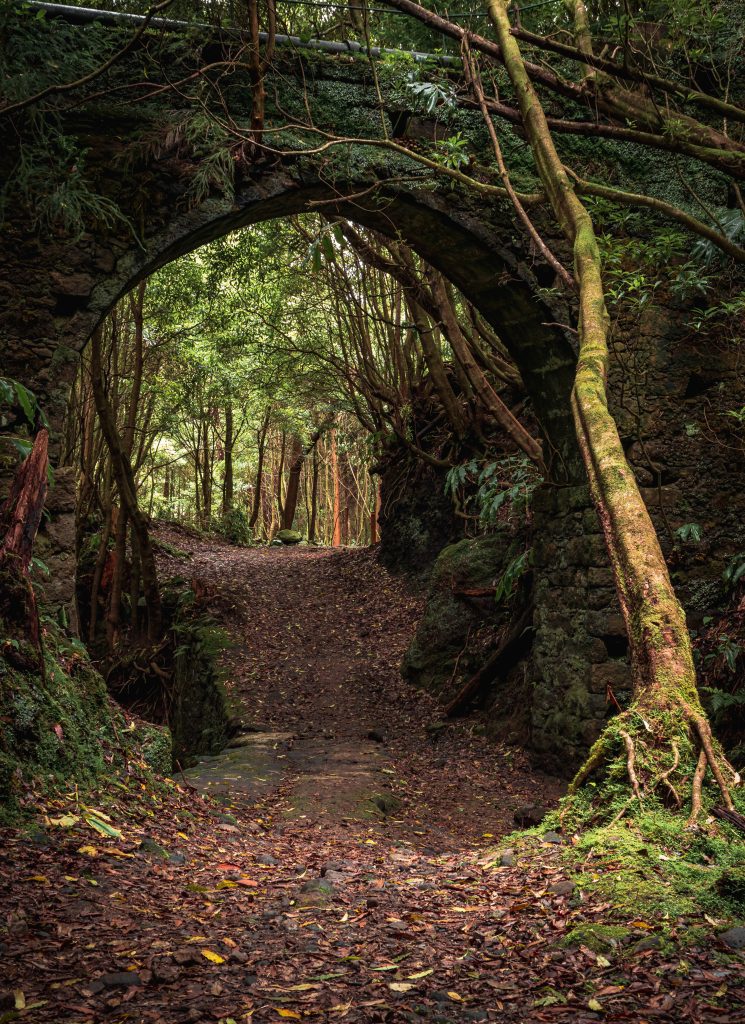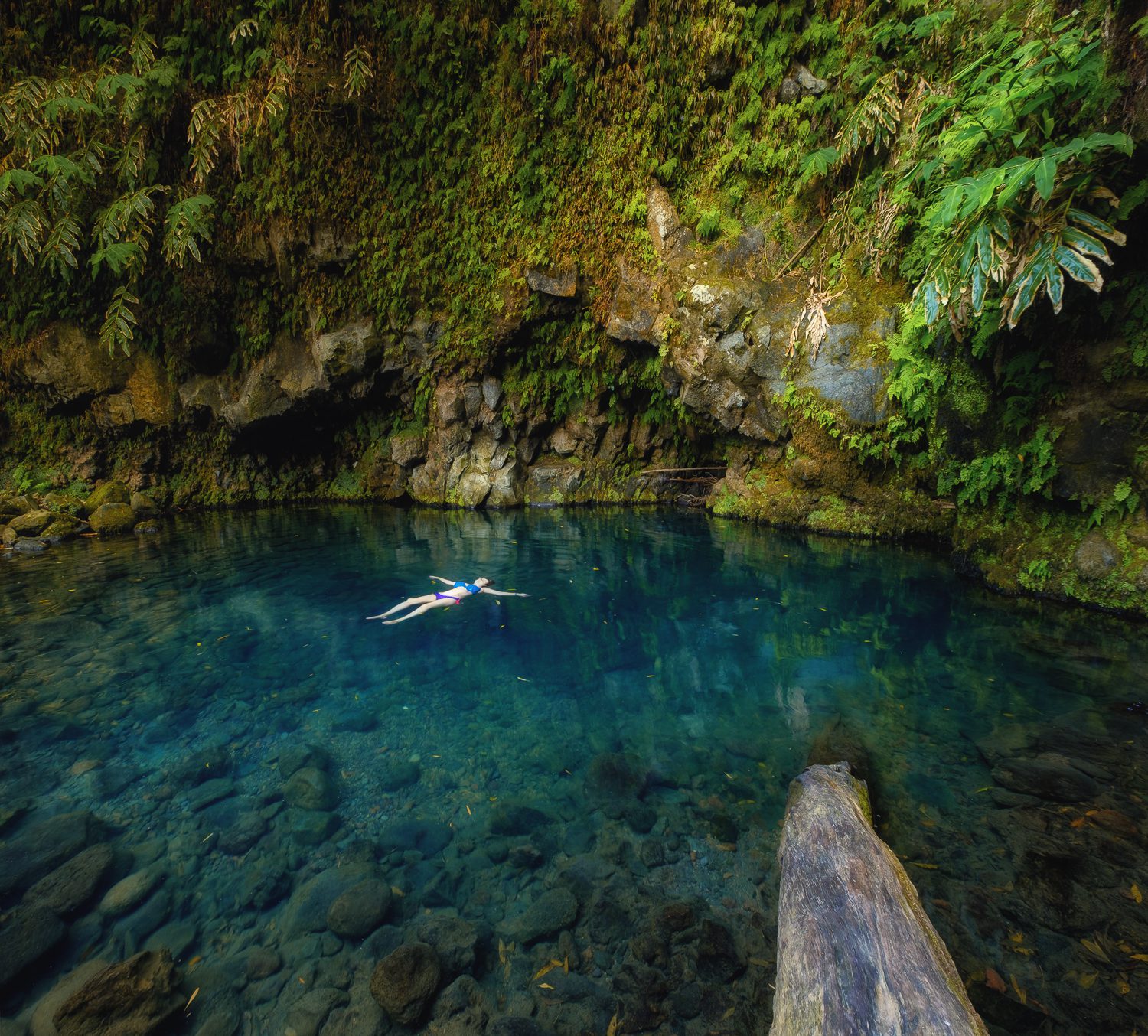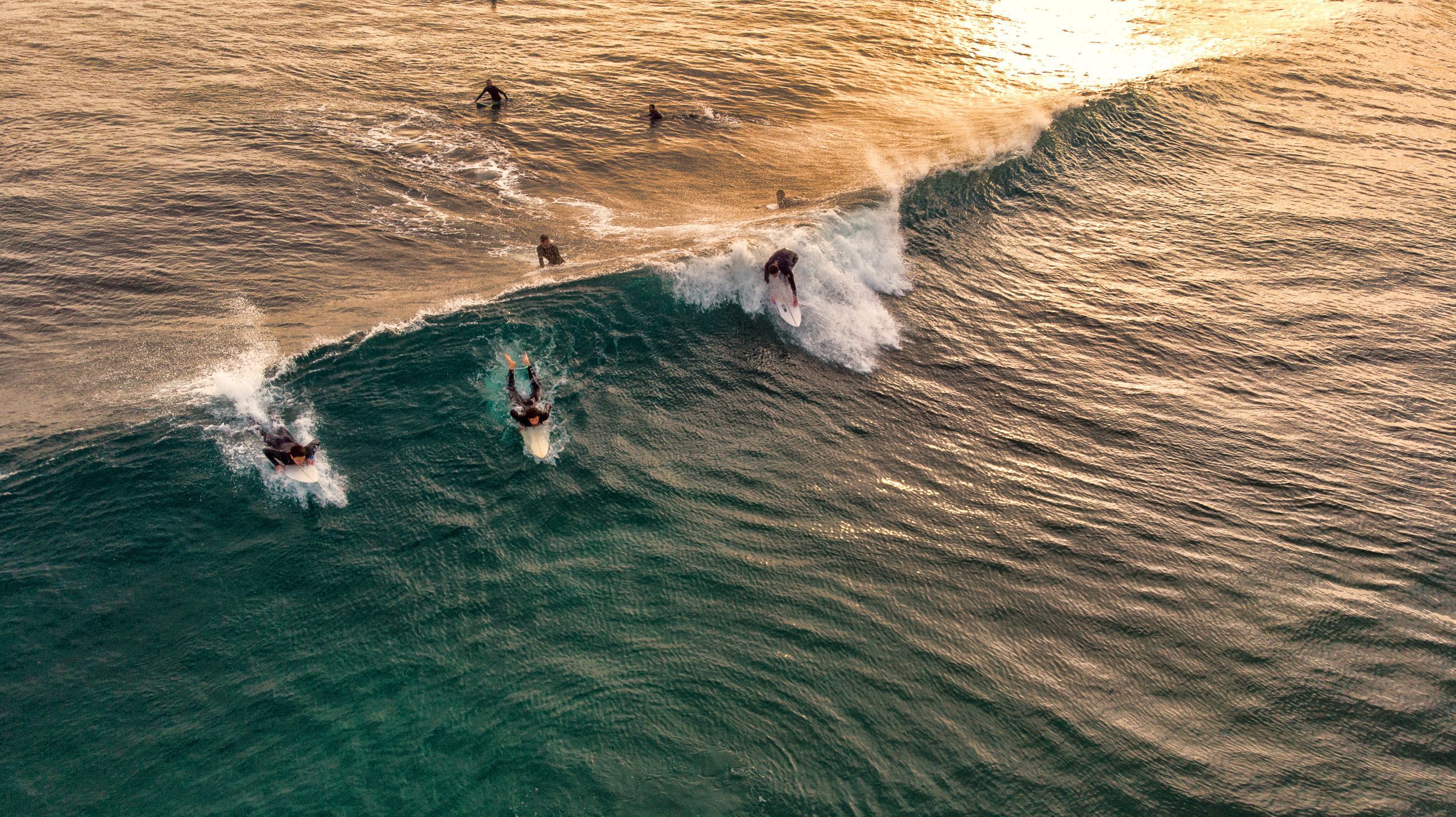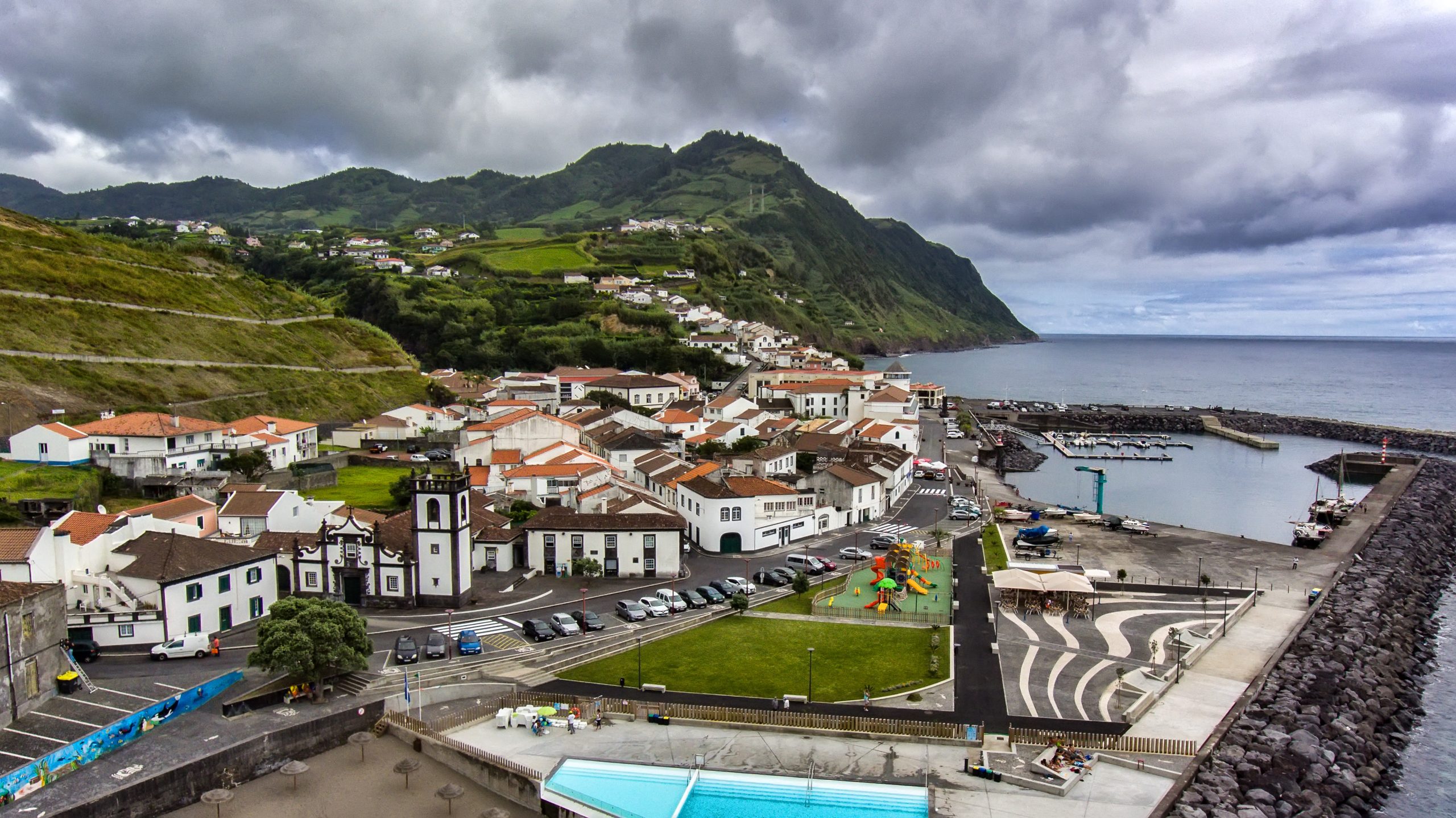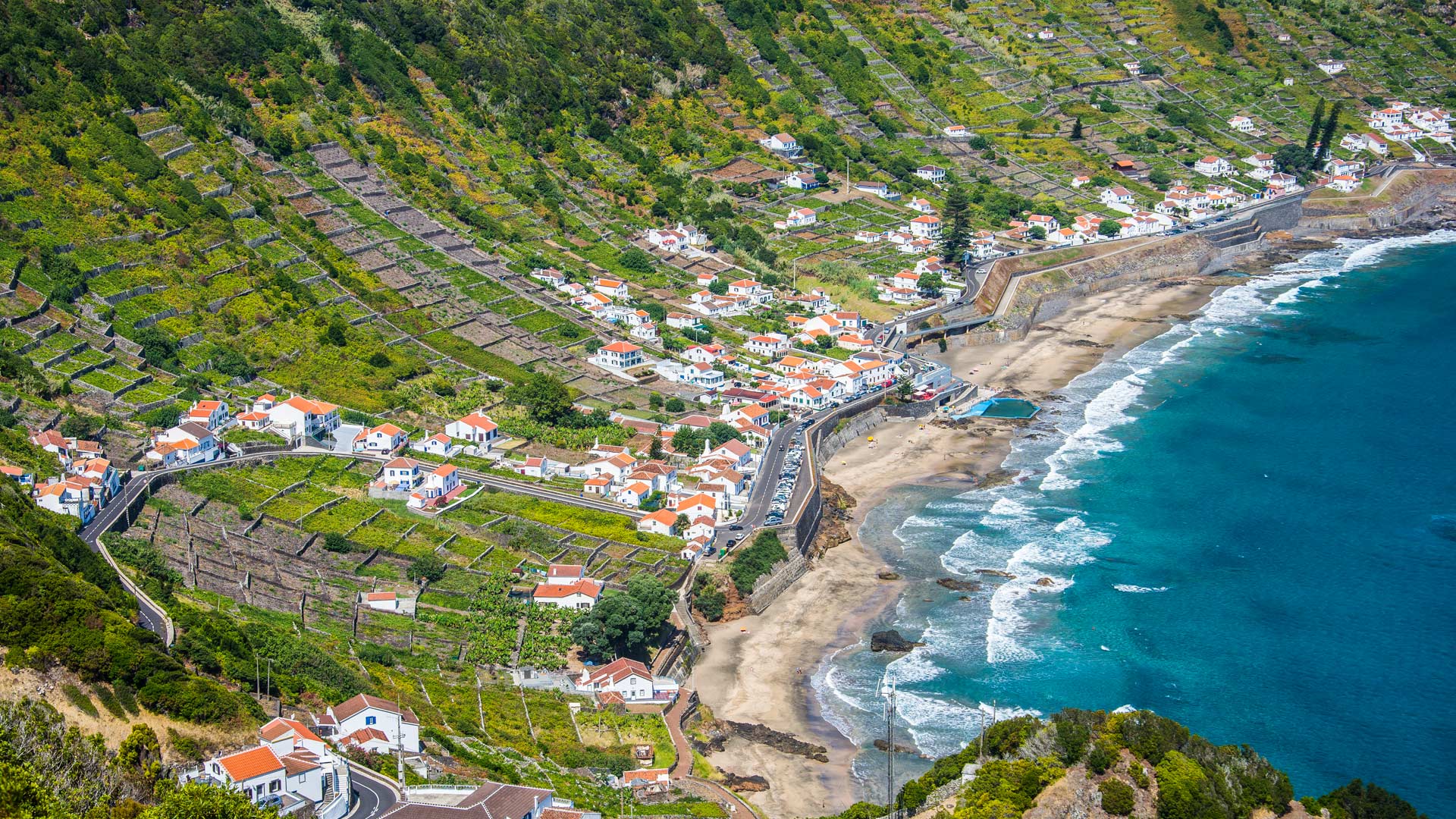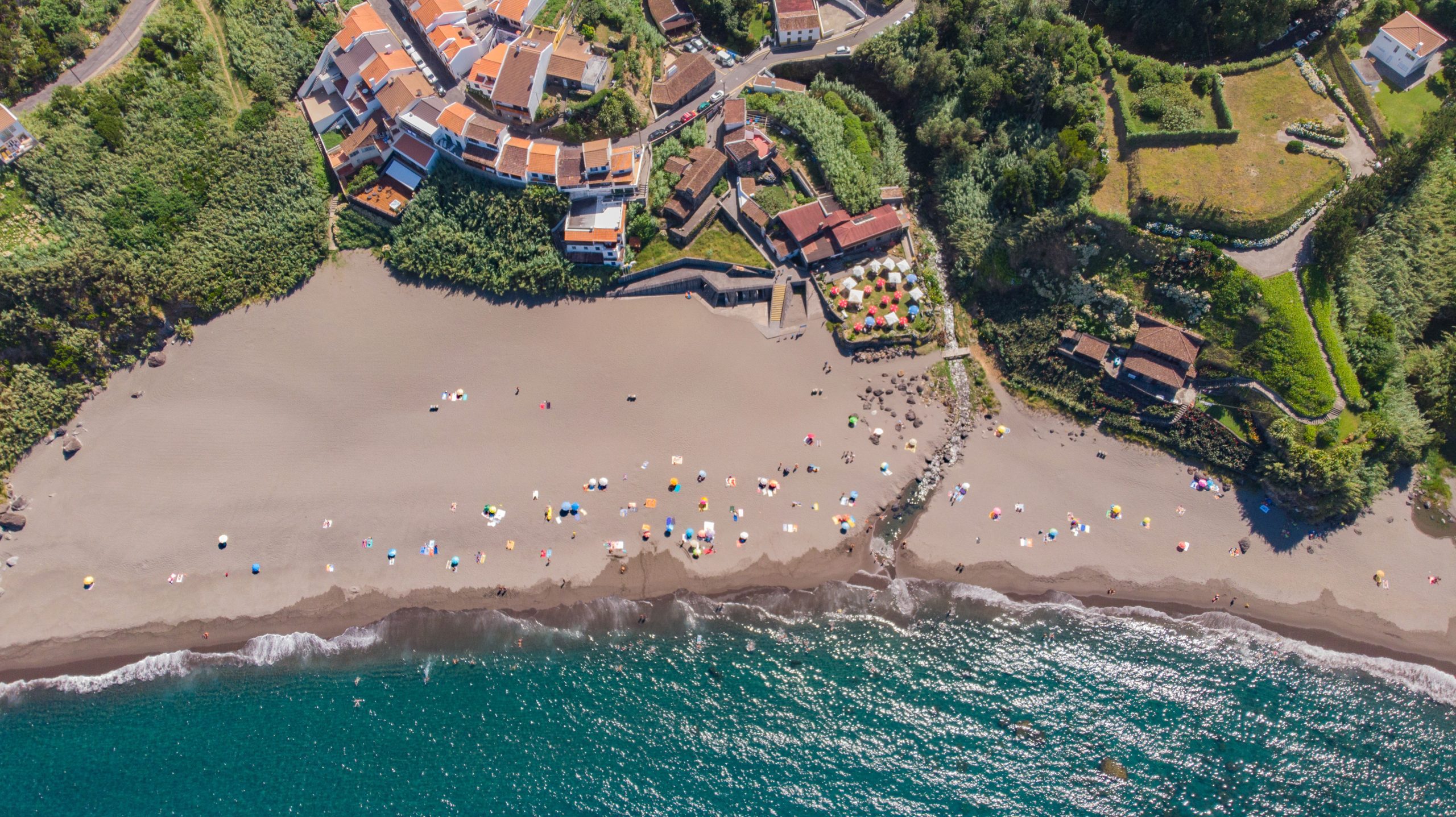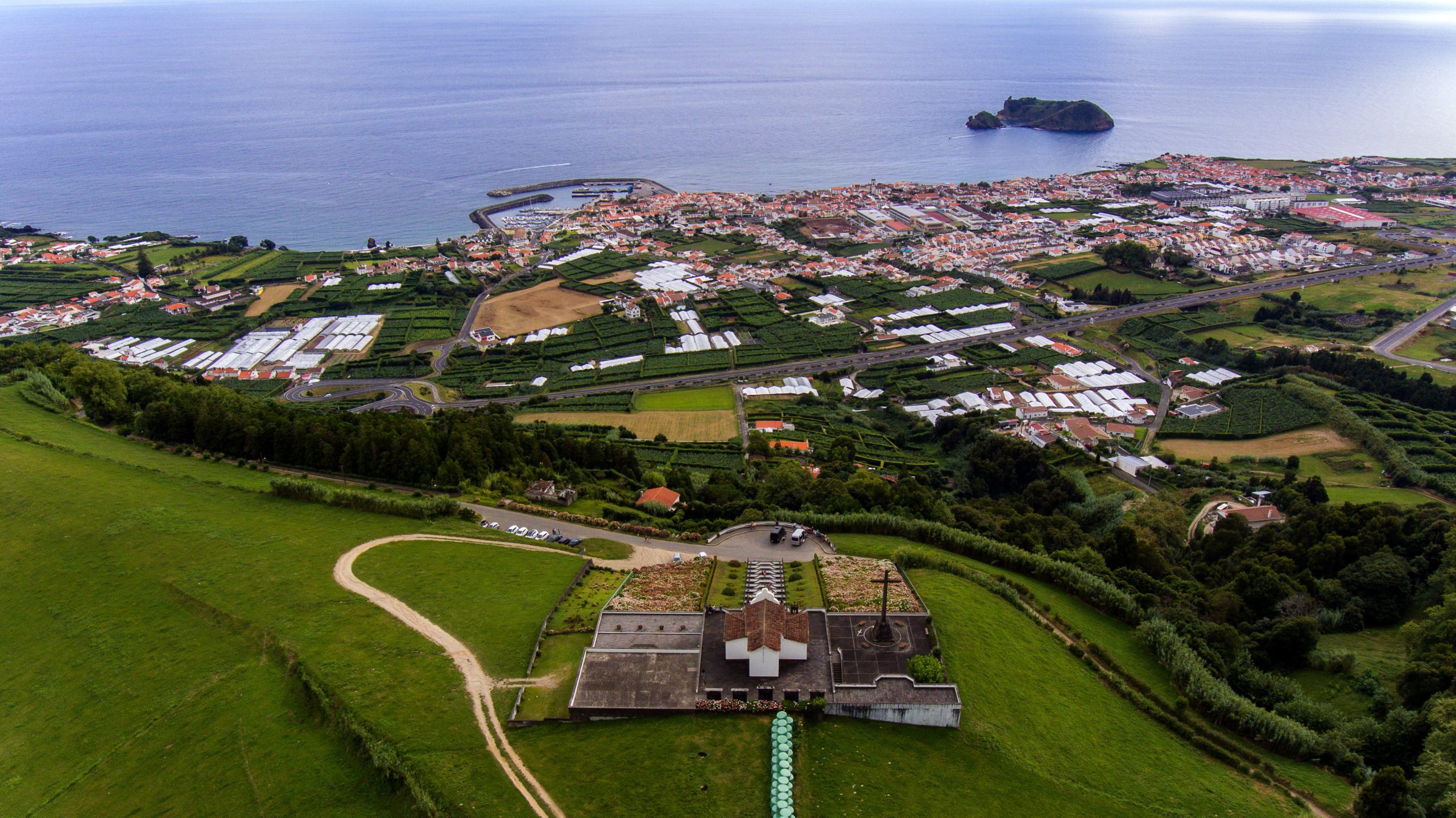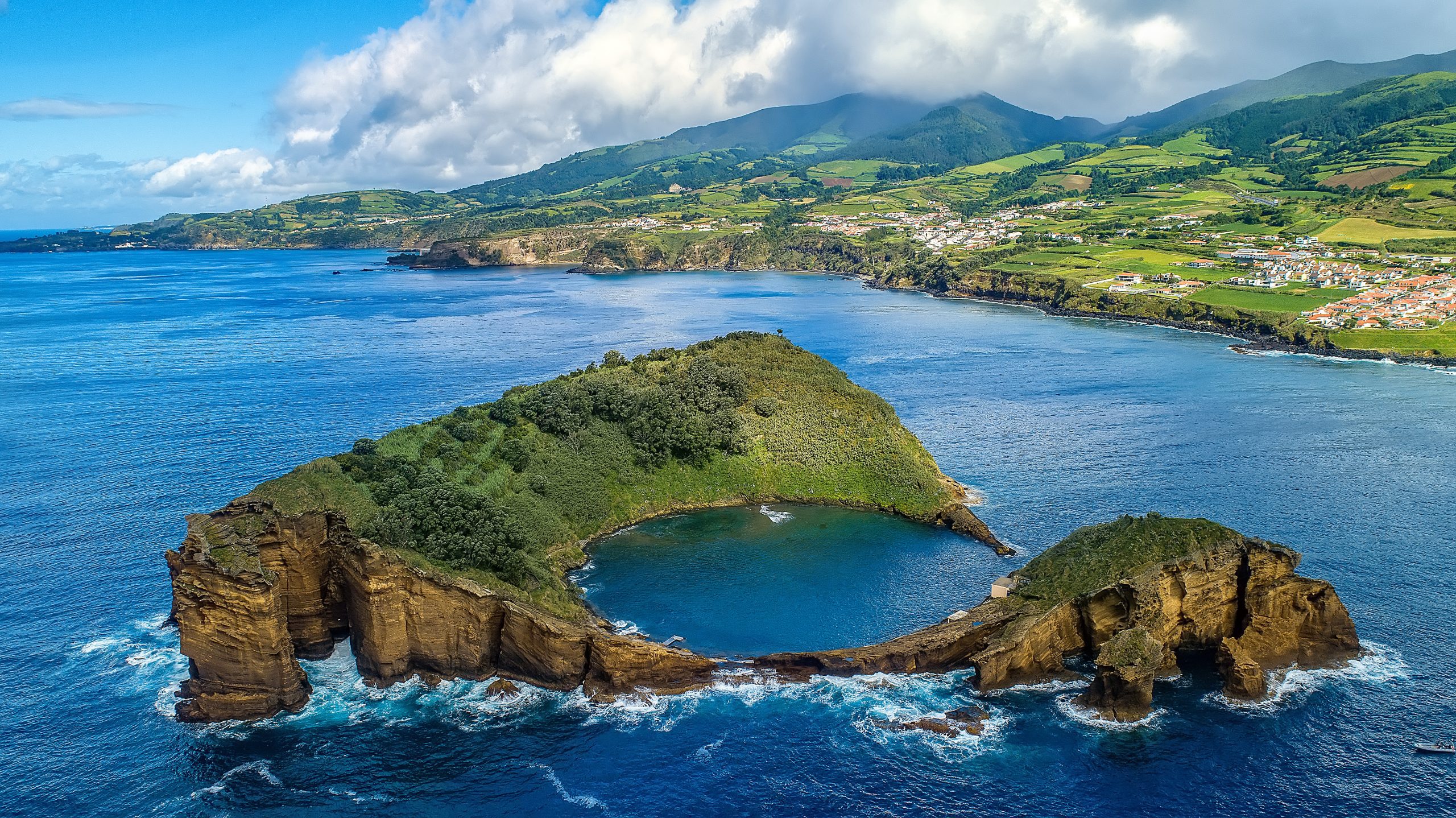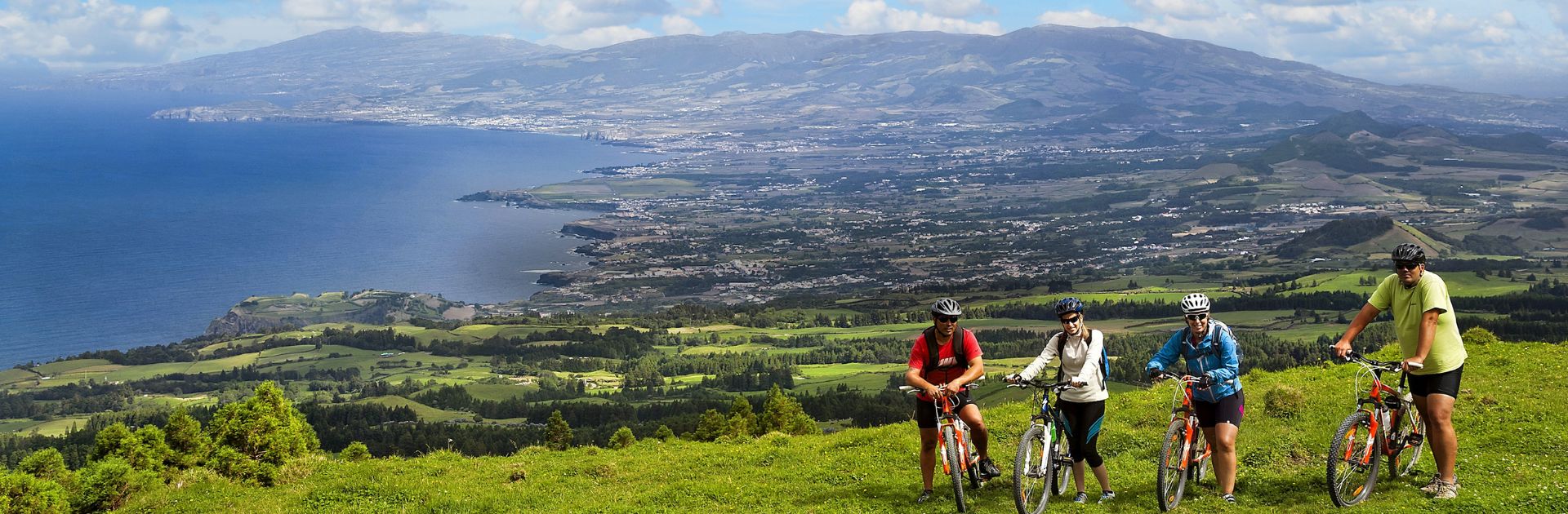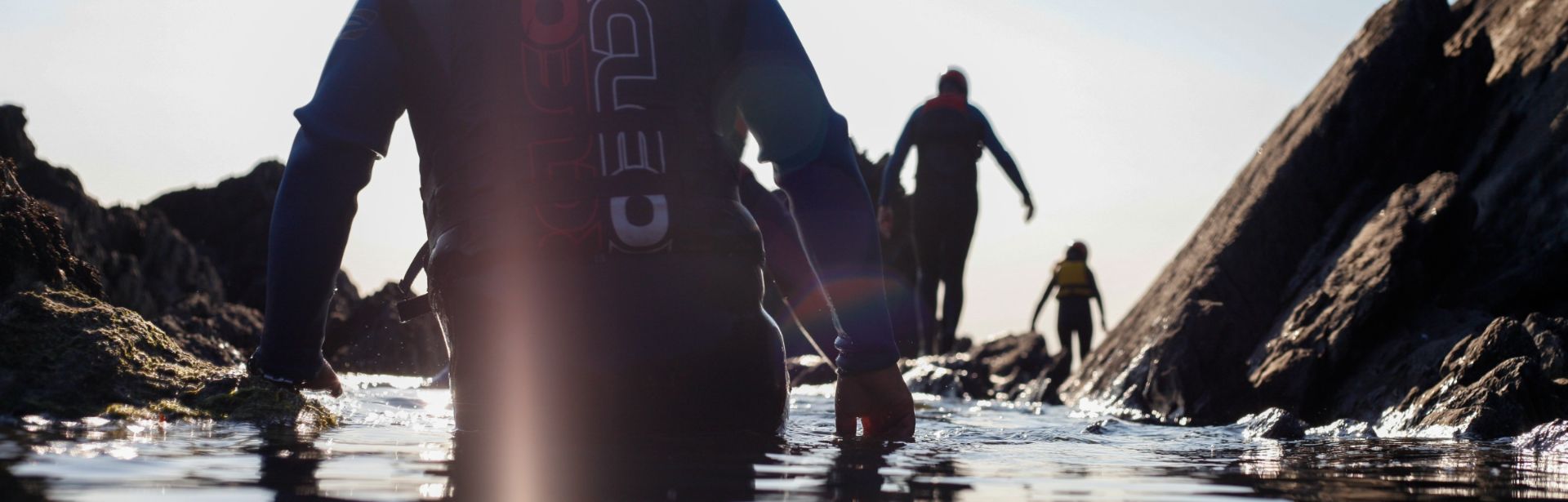





Nestled in the middle of the Atlantic Ocean, the Azores offer a world-class surfing destination. Volcanic landscapes, warm Gulf Stream waters, and consistent ocean swells create an unforgettable environment. Surfers often call this Portuguese archipelago the Hawaii of the Atlantic.
Whether you chase heavy reef breaks or seek gentle beach waves, these islands deliver incredible conditions year-round. Here is everything you need to know about surfing in the Azores.
Best Surf Spots in the Azores
Each island features a unique coastline that catches swells from every direction. You can easily find quality waves on several islands.
São Miguel: The Surfing Epicenter

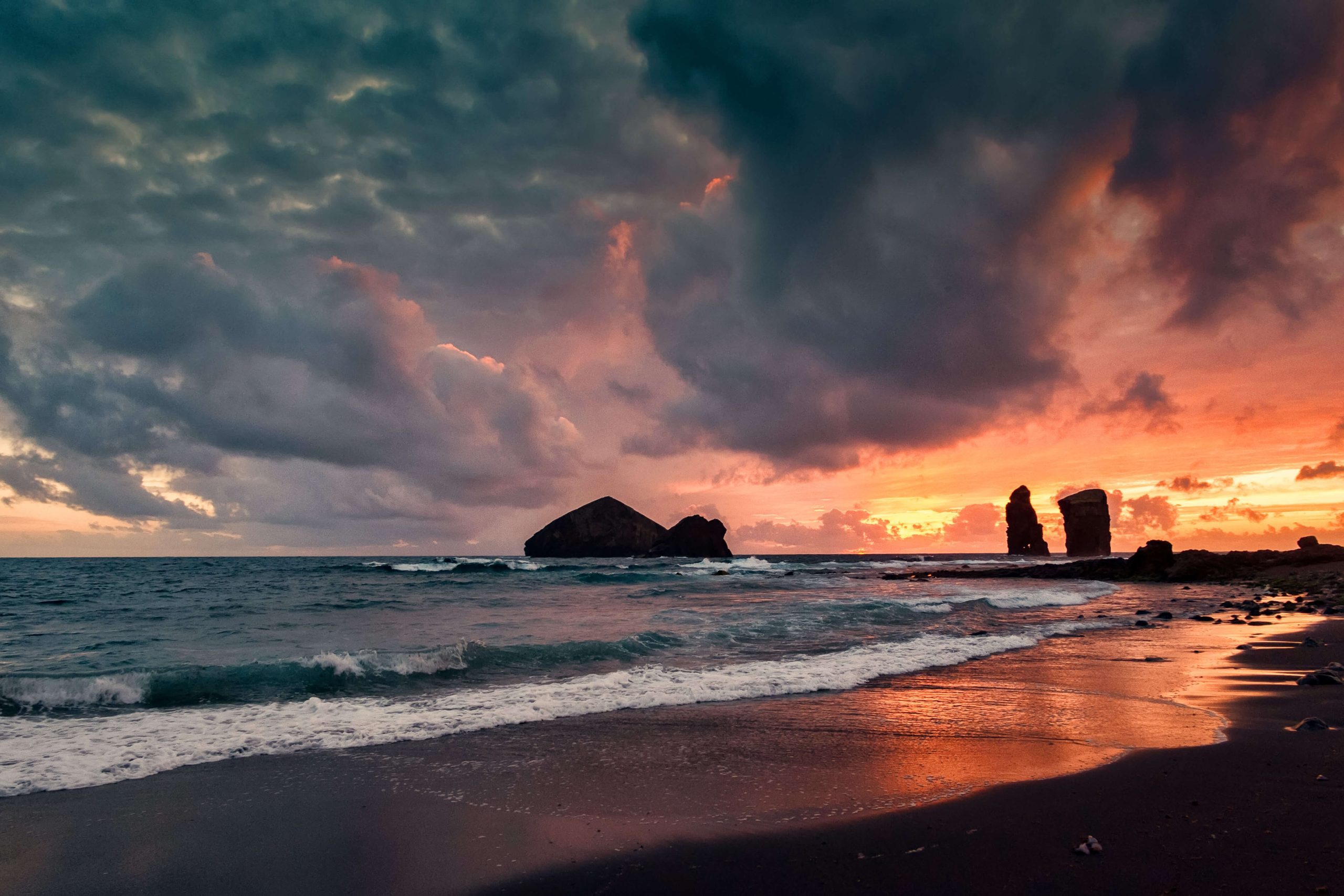
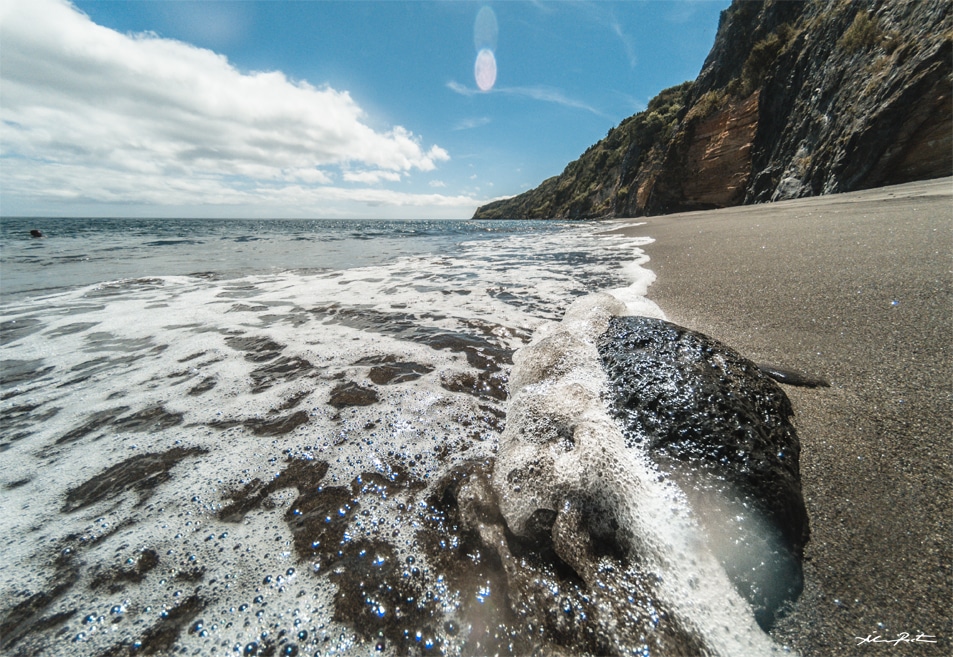
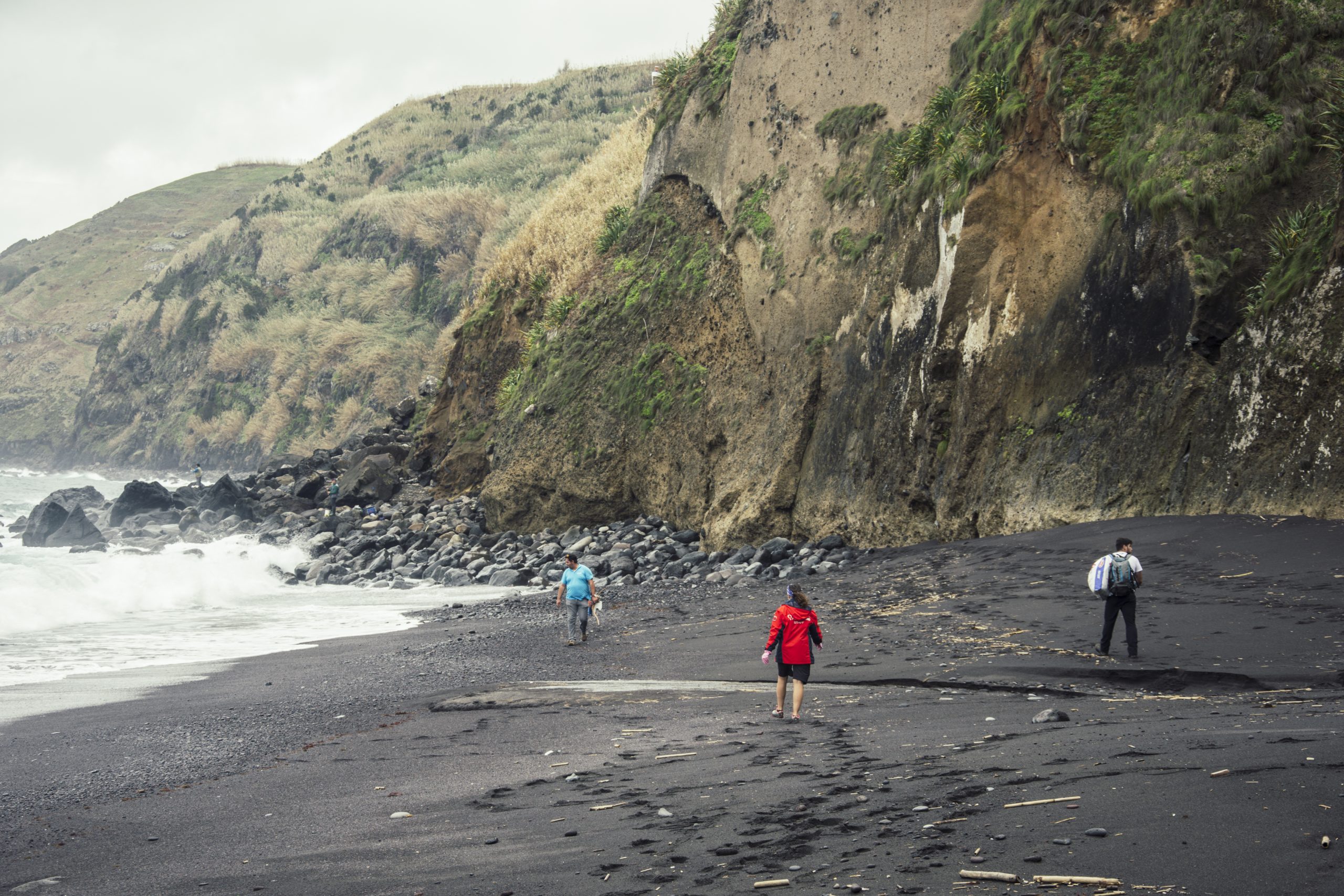
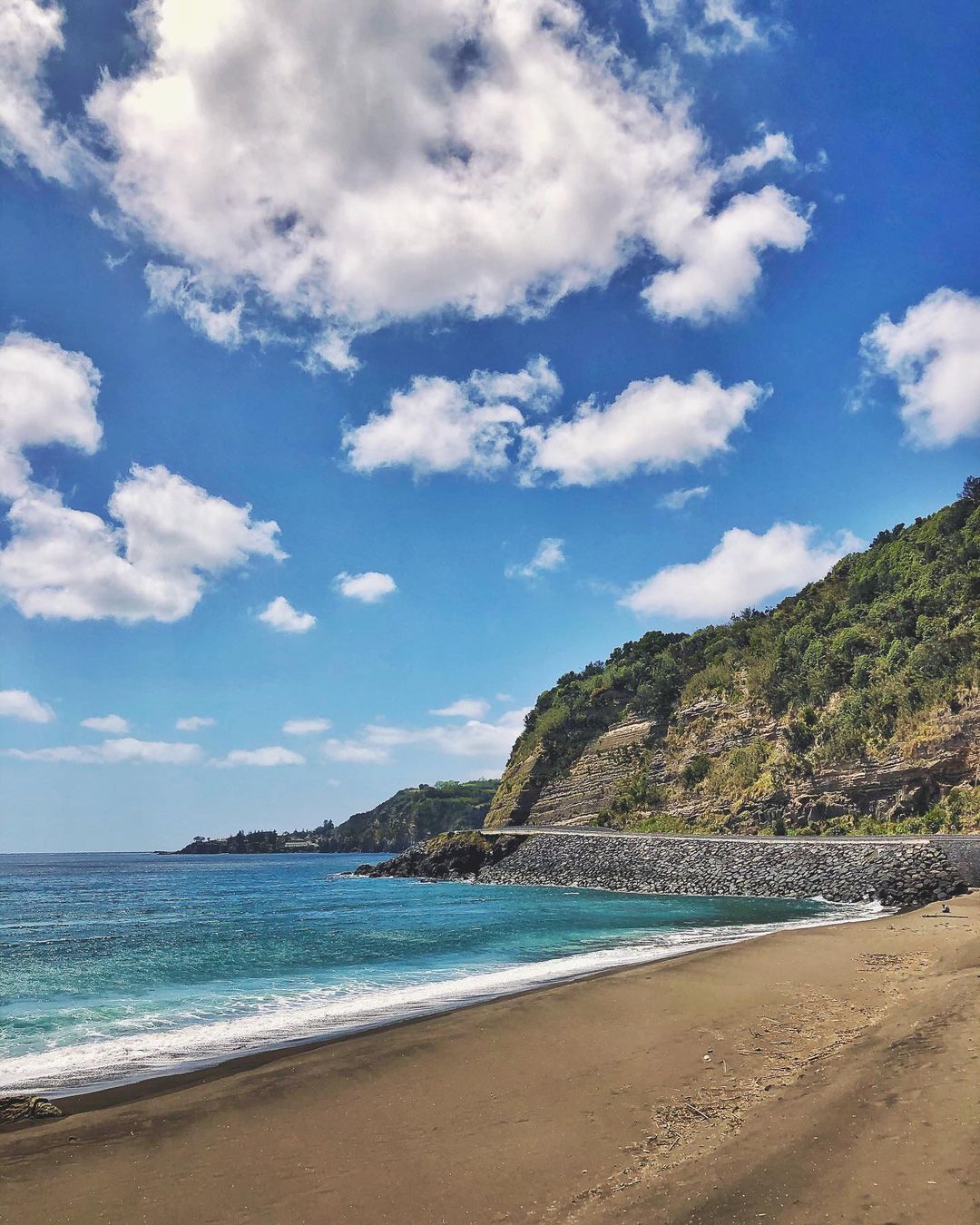
- Areal de Santa Bárbara, Ribeira Grande: This famous black-sand beach hosts international surfing competitions every year. It handles a range of swell sizes and delivers powerful peaks along the shore.
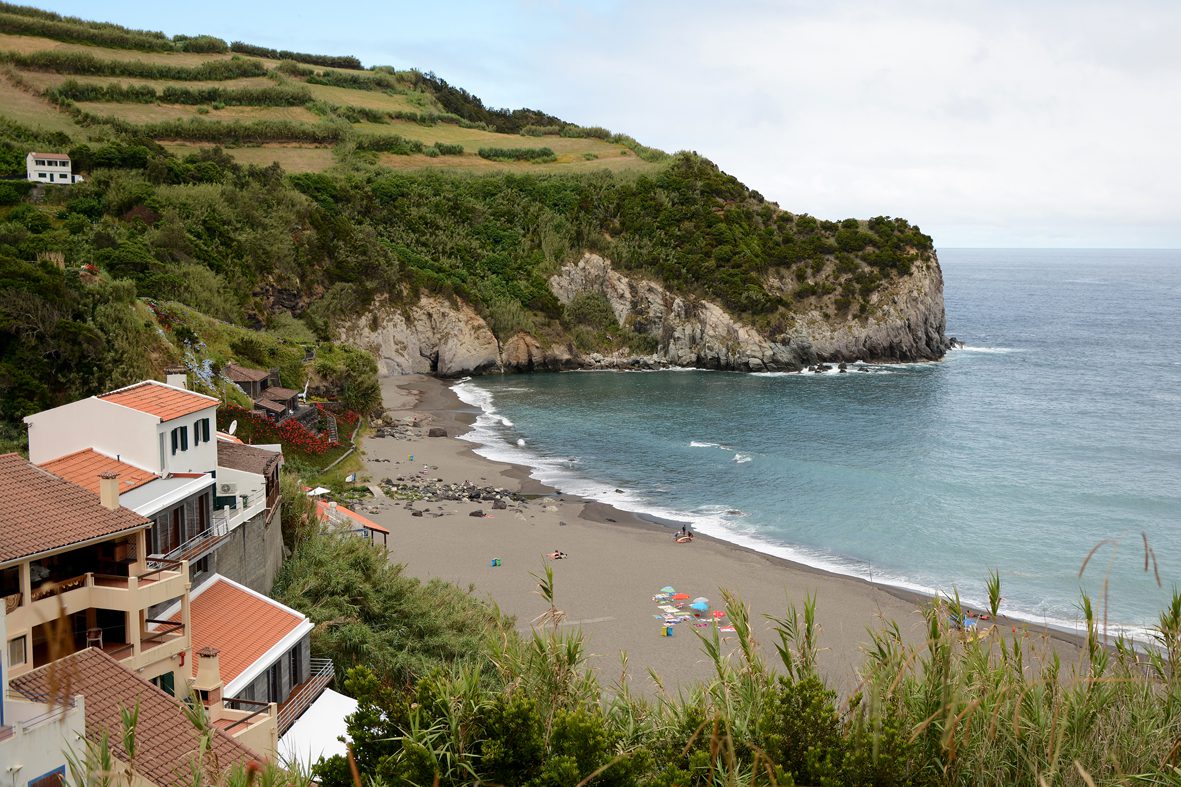
- Praia dos Moinhos, Porto Formoso: Located on the north coast, this scenic spot offers fun waves in a stunning green bay.
- Praia das Milícias, Ponta Delgada: This south-coast beach delivers gentle, user-friendly waves. It serves as the perfect training ground for beginners.
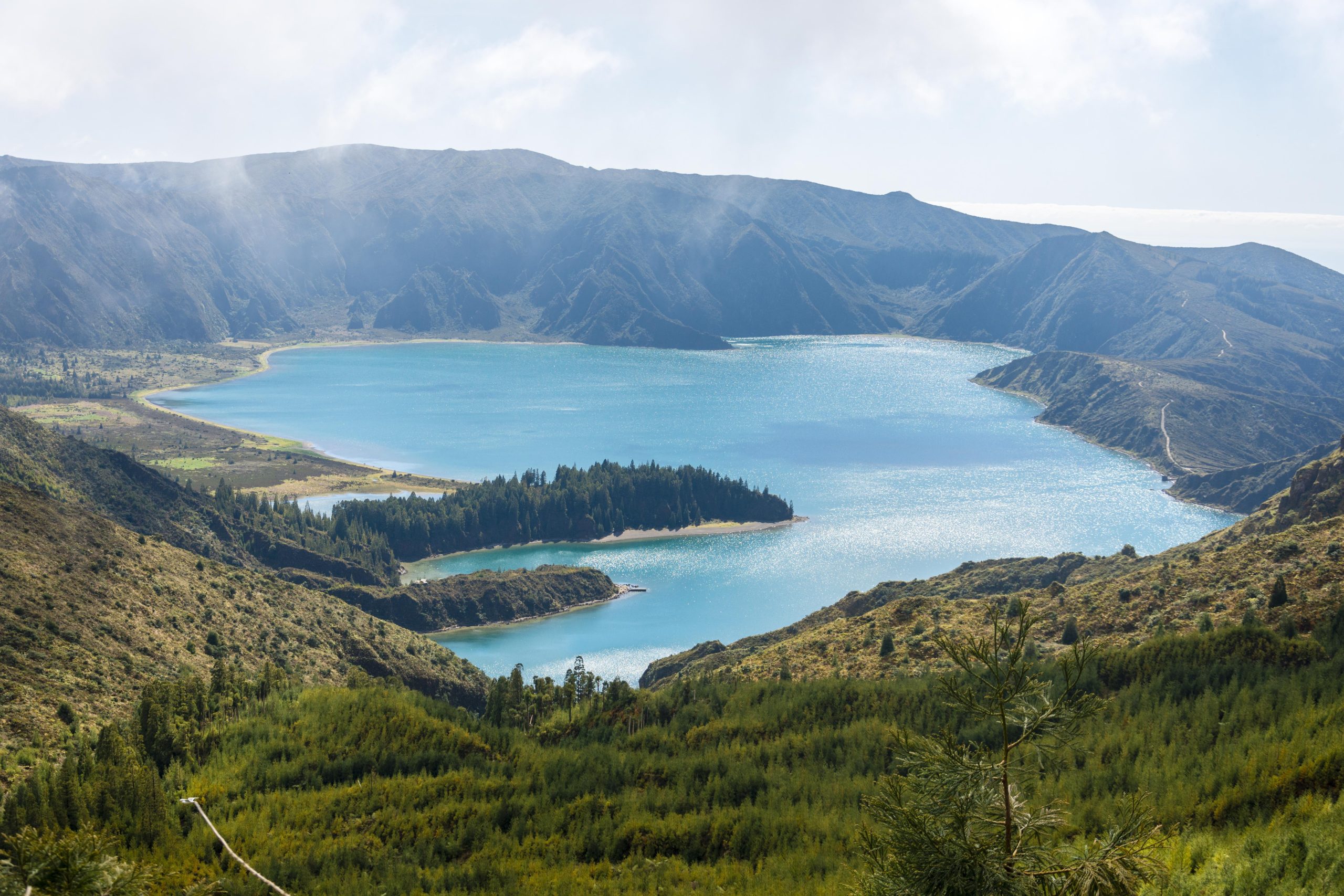
Check all our articles about each one of the most relevant points of interest on São Miguel Island: 3-day itinerary for São Miguel | 5-day itinerary for São Miguel | Furnas | Lagoa | Lagoa do Fogo | Mosteiros | Maia | Nordeste | Ponta Delgada | Povoação | Ribeira Grande | Sete Cidades | Vila Franca do Campo | Best Surf Spots in the Azores
São Jorge: The Legendary Point Break

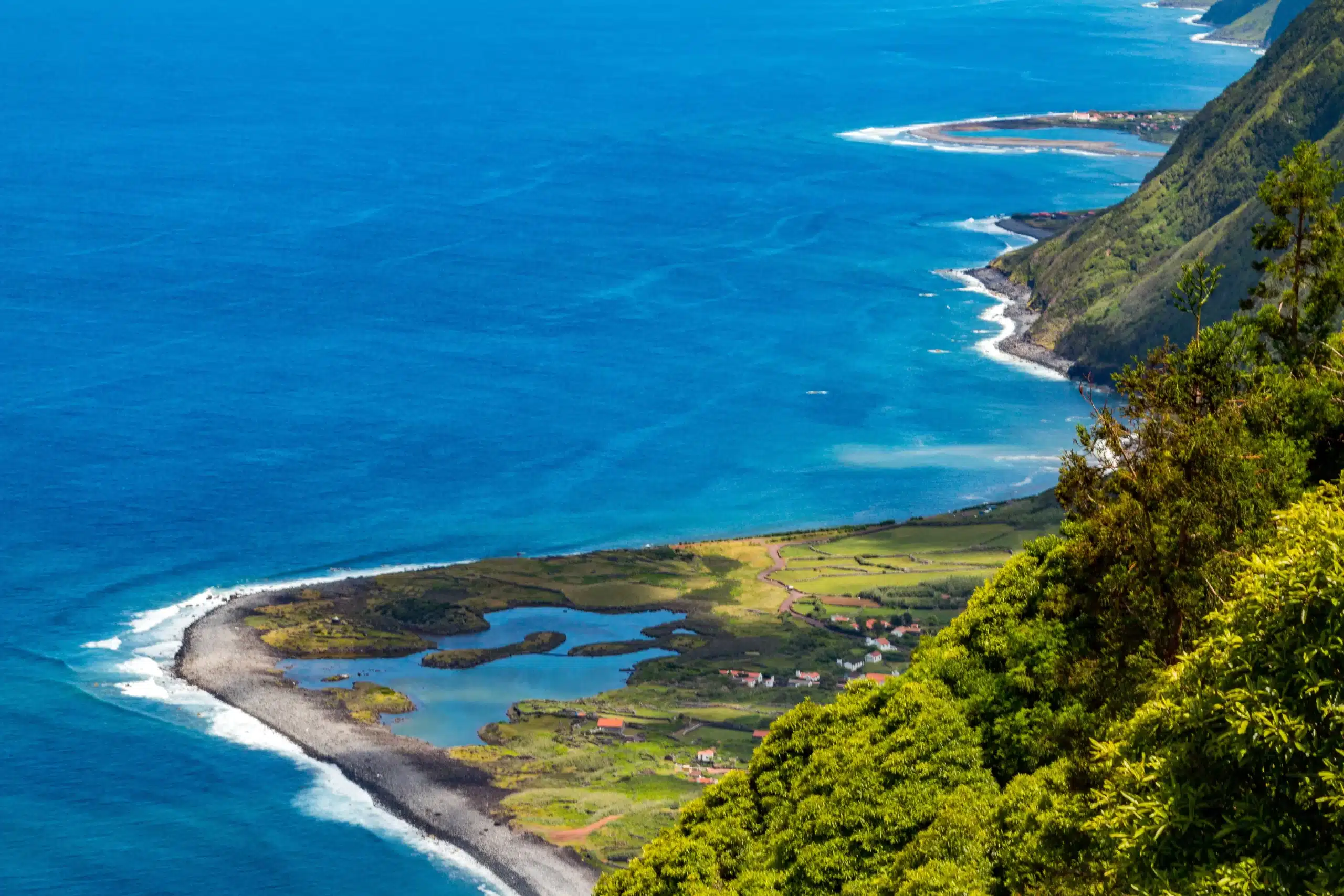
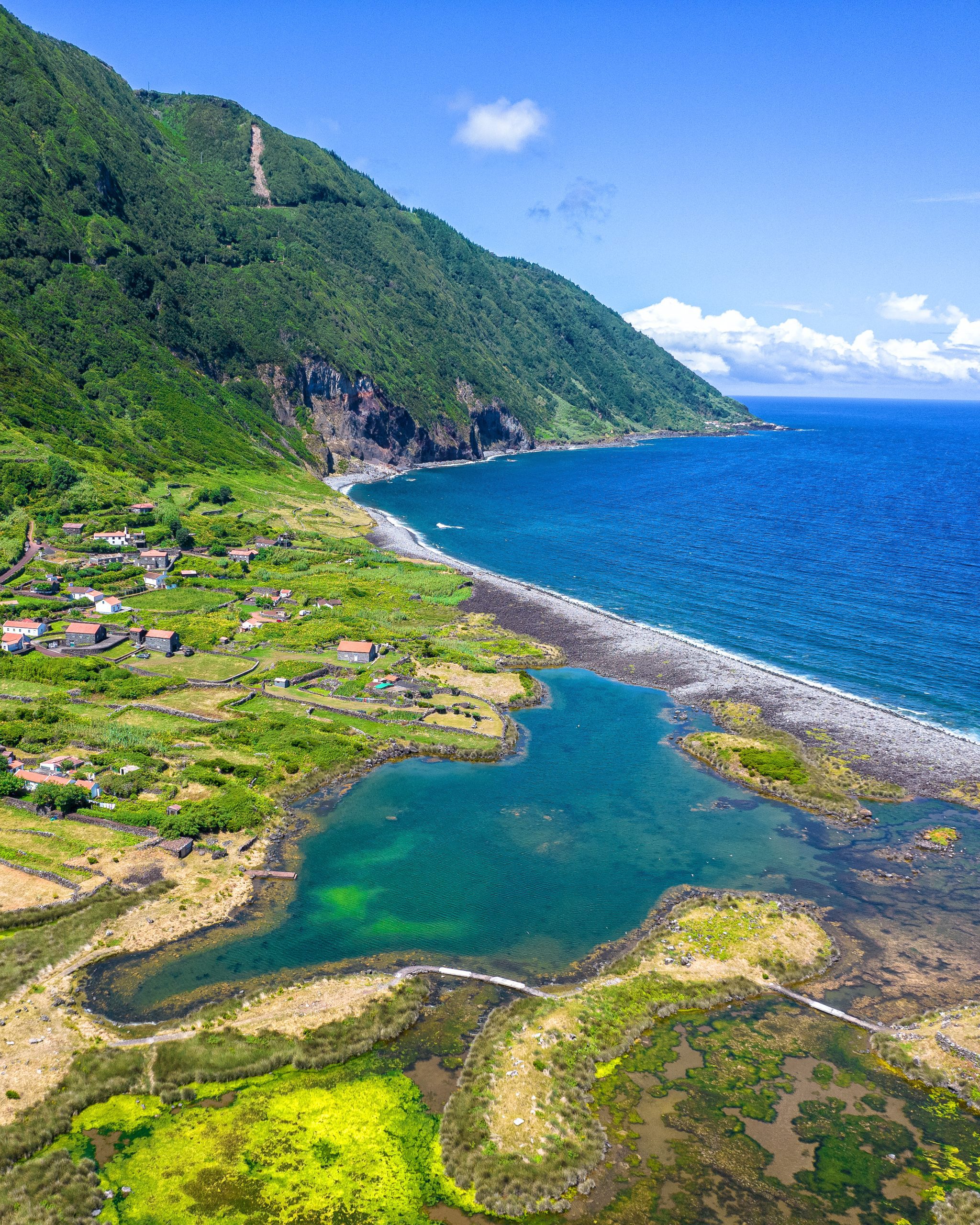
- Fajã da Caldeira de Santo Cristo: This mythical point break attracts experienced surfers from around the globe. The long, sweeping left-hand wave breaks over smooth cobblestones inside a protected nature reserve. Access requires a scenic hike or a quad-bike ride.
Check all our articles about each one of the most relevant points of interest on São Jorge Island: Urzelina | Fajã do Ouvidor | Fajã de Santo Cristo | Fajã dos Cubres | Poça Simão Dias | Top Places to Visit in São Jorge Island | Miradouro Vigia da Baleia | Best Surf Spots in the Azores
Surfing Across the Other Azorean Islands

While São Miguel and São Jorge attract the most attention, other islands in the archipelago offer incredible, uncrowded waves for adventurous surfers:
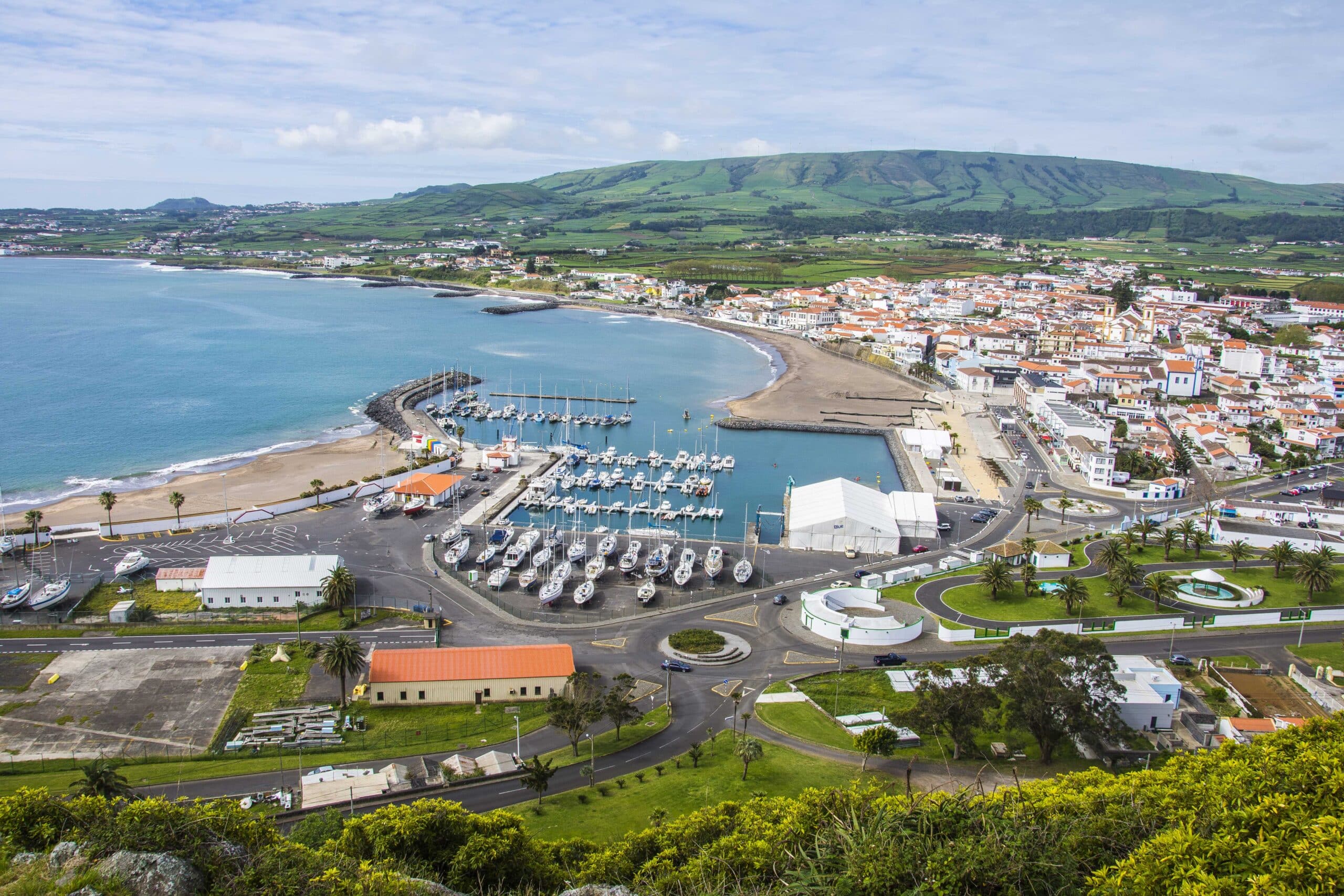
- Terceira: Features heavy reef breaks and consistent beach breaks. Head to Santa Catarina for powerful reef waves or Praia da Vitória for user-friendly beach sessions.
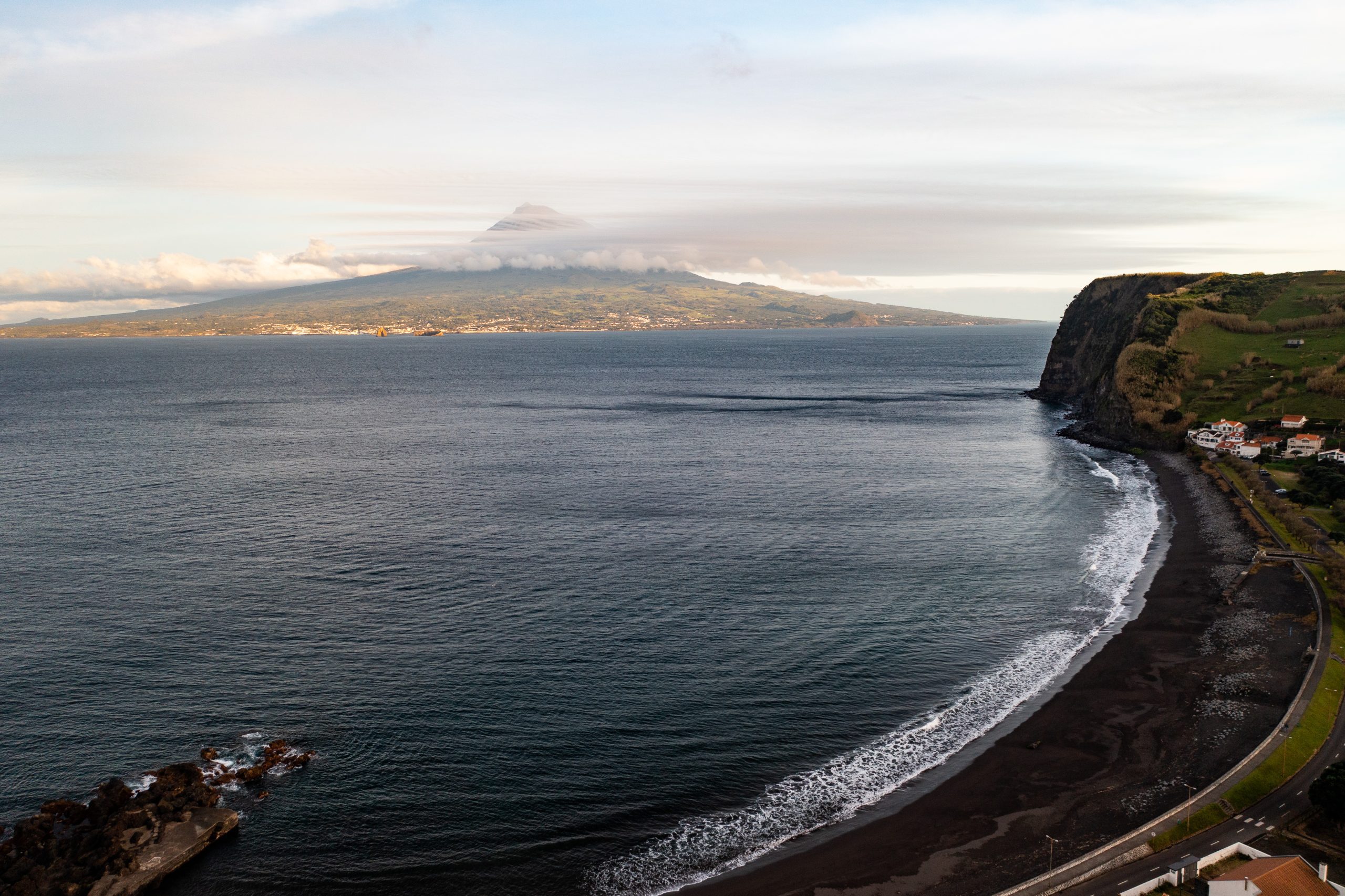
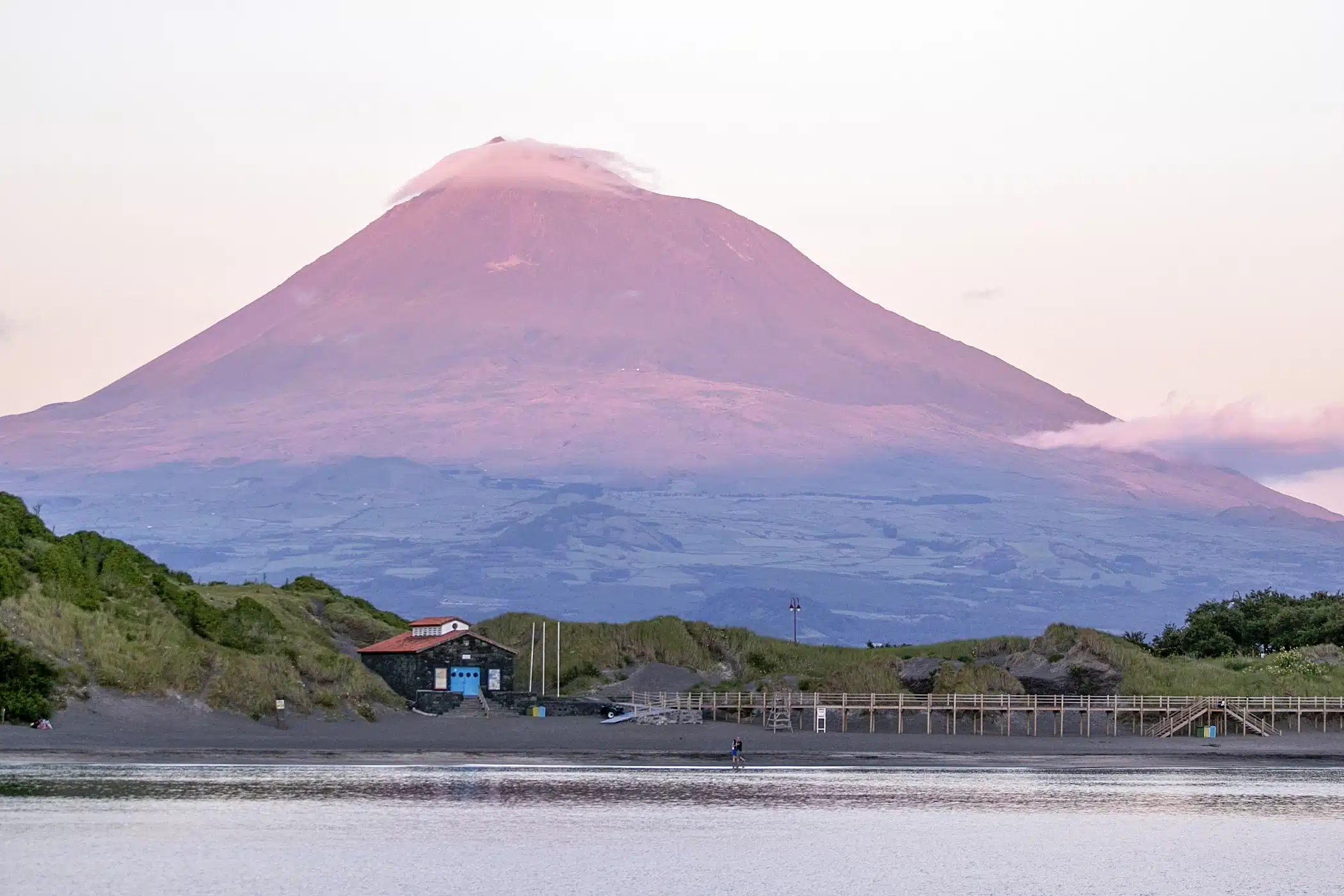
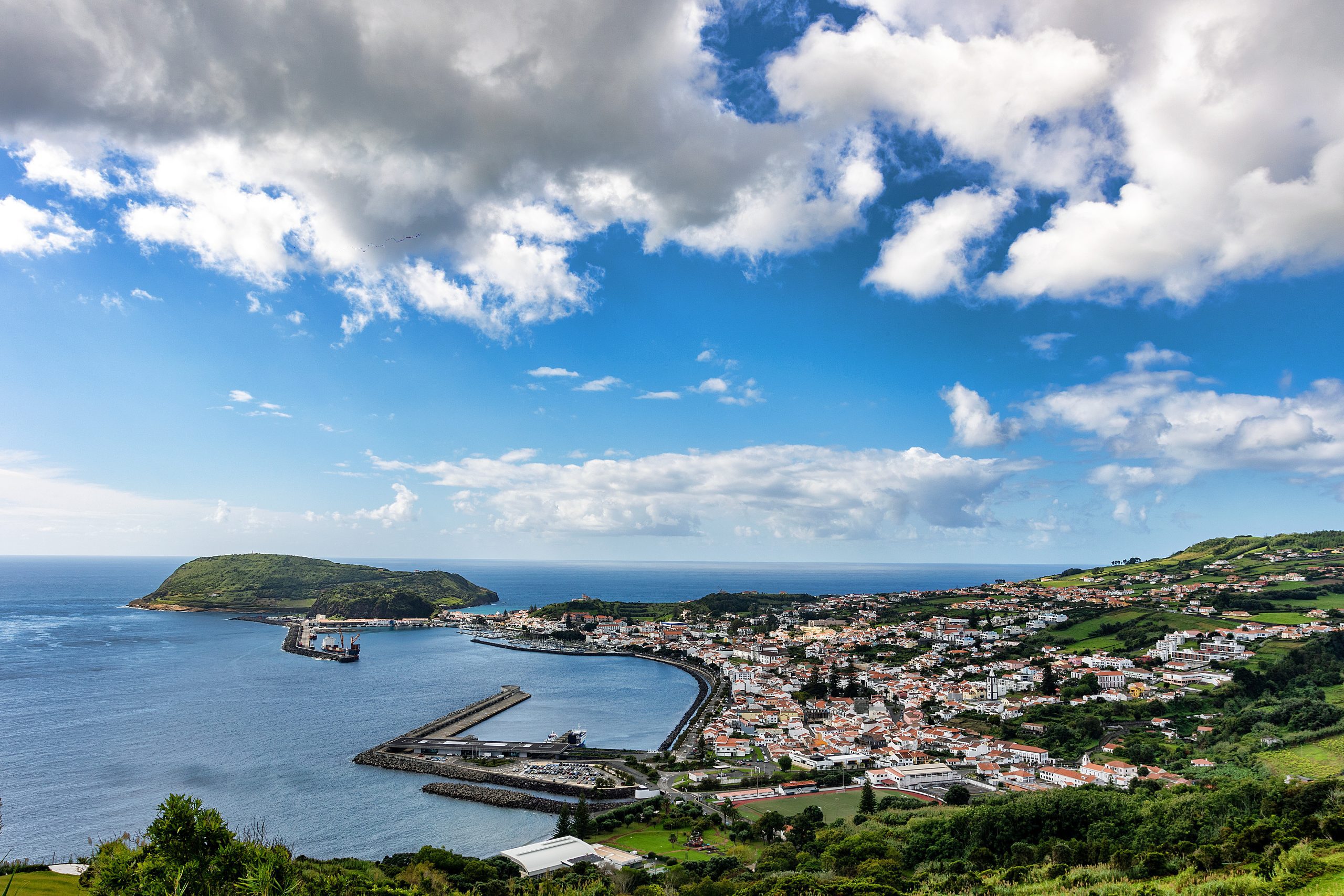
- Faial: Offers wild, scenic beach breaks on the west coast. Praia da Fajã offers great waves set against dramatic volcanic scenery.
- Pico & Graciosa: Feature hidden reef breaks for experienced surfers who want to explore uncharted ocean spots away from any crowds.
- Santa Maria: Known as the sunniest island, it offers pristine white-sand beaches like Praia Formosa, where gentle waves are perfect for summer surfers.
→ Related articles: Best beaches in the Azores | Best Surf Spots in the Azores
Surfing Seasons: When Should You Visit?

The Azores receive consistent waves year-round, but the seasons dictate the style of surfing.
- Autumn and Winter: Powerful North Atlantic storms create massive, consistent swells. Advanced surfers love this season for its heavy waves and challenging conditions.
- Spring and Summer: The ocean becomes much calmer. Smaller swells offer ideal conditions for beginner lessons, longboarding, and fun sessions under the warm sun.
Check all our articles about the weather in the Azores throughout the year 🌤️ ☔️: January | February | March | April | May | June | July | August | September | October | November | December
Essential Tips for Azorean Waves

Planning a surf trip to the Azores requires a bit of strategy:
- Respect Local Culture: Treat local surfers with respect and follow standard lineup etiquette. Always leave the beaches clean and protect the surrounding marine ecosystems.
- Pack the Right Wetsuit: Water temperatures stay relatively mild year-round. Bring a 3/2mm wetsuit for summer sessions and a 4/3mm wetsuit for winter surfing.
- Rent a Car: Weather and wind direction change rapidly on the islands. A rental vehicle allows you to chase the best conditions across different coasts on the same day.

Complementary Information
Best Season to Visit the Azores
The Azores Archipelago boasts a unique climate that shapes its lush landscapes, making it a splendid year-round destination. With mild temperatures and minimal fluctuations, each season offers something unique. Spring averages 16 °C, summer reaches 21 °C, autumn cools to 18 °C, and winter remains mild at 14 °C.
→ For a detailed breakdown of the weather by month, check the following links 🌤️☔️: January | February | March | April | May | June | July | August | September | October | November | December
How to Get to the Azores
The Azorean Archipelago is easily accessible through numerous flight routes. Lisbon and Porto are the main entry points to the continent, with direct flights available to São Miguel (PDL), Terceira (TER), Faial (HOR), Pico (PIX), and Santa Maria (SMA). To find the best flight, use search engines like eDreams or Skyscanner. These platforms let you compare prices and schedules from multiple airlines in one convenient location.
For more details on how to get to the Azores, take a look at our complete guide. But what if you want to explore beyond your arrival island? We’ve got you covered!
- Azores airports 🛬
- Flights between islands ✈️
- Ferries between islands ⛴️
- Which island to choose? 🏝️
- What airlines fly to the Azores? 🛩️
→ Once you’ve found the perfect route, book your tickets and get ready to experience one of the world’s most stunning island groups!
Travel Essentials
Essential Information for your Azores trip: Azorean Language & Phrases 🗣️ | Currency & Banks 💵 | Credit Cards & Traveler’s Cheques 🏧 | Driving in the Azores 🚗 | Electricity 🔌 | Experiences & Tours 🗺️ | Health & Safety 🩺 | Internet & Wi-Fi Access 🛜 | Phones & Mobile Service 📞 | Post Offices & Buying Stamps ✉️ | Public Holidays 🏖️ | Shopping 🛒 | Time & Daylight 🕒 | Whale Watching Guide 🐳 | Best Island to Visit 🏞️
Useful Tools & Apps
The weather in the Azores can be variable, so it’s helpful to use some apps before visiting the islands. Spotazores provides live camera feeds from the main tourist attractions, allowing you to check the weather and plan your visit. For accurate weather predictions, use Windy or Windguru — they provide the most reliable predictions.
Video
FAQs
Yes. You can find gentle beach breaks on south coasts like Praia das Milícias during the summer months. Local surf schools also offer lessons for all skill levels.
Yes, renting a car is essential. Weather and wave conditions change rapidly, so you need flexibility to drive between different coastlines.
Bring a 3/2mm wetsuit for summer and spring surfing. Pack a 4/3mm wetsuit if you visit during the cooler autumn or winter months.
São Miguel offers the most consistent spots and surf infrastructure. However, São Jorge features the famous, world-class point break at Fajã de Santo Cristo.
The Gulf Stream keeps water temperatures relatively mild year-round. Ocean temperatures range from 16°C in winter to around 23°C in summer.
Conclusion
Surfing in the Azores combines the Atlantic Ocean’s incredible power with untouched natural beauty. From the legendary point breaks of São Jorge to the lively beach breaks of São Miguel, an unforgettable adventure awaits every surfer. Grab your board, check the swell forecast, and experience the wild spirit of the Azores!
Authors’ Note
I am pleased to inform you that all the recommendations in this article are based on my personal experience and observations. As the author, I have personally visited each attraction mentioned, ensuring that every suggestion is grounded in first-hand knowledge and genuine enthusiasm.
Photo Gallery